Yeh Shu

A Hsinchu fixture that has survived relocations and rebranding to hold its loyal following, Yeh Shu channels Atayal culinary heritage through creative Taiwanese cooking. Native herbs, game meat, wild greens, and Southeast Asian accents build dishes with real depth. The venison in sesame oil and pre-order rice vermicelli soup with hairtail and taro are the anchors of any visit.
Pearl is the En Primeur Club membership app — saves, bookings, and concierge access live there. Same editors, same standards.
- Address
- 4 Yuanhou Street, East District
- Phone
- +886 3 573 5885
- Directions
- Get directions
 Saves & bookings on Pearl
A Kitchen That Keeps Moving Forward
Some restaurants earn their reputations slowly, through consistency across decades. Others earn them by refusing to stay still. Yeh Shu is a restaurant in Hsinchu City, serving creative Taiwanese cooking with a price tier of 2. Yeh Shu, on Yuanhou Street in Hsinchu City's East District, belongs to the second category. The kitchen has changed address, changed its name, and shed the familiar weight of its former identity more than once, yet the regulars have followed each time. That loyalty is a useful signal: it speaks less to nostalgia and more to a quality of cooking that compels people back regardless of what the signboard says.
This kind of reinvention is not unusual in Taiwan's independent dining scene, where owner-operated kitchens navigate rising rents, shifting neighbourhoods, and evolving menus without the buffer of a group structure. What makes Yeh Shu's evolution notable is that each move has sharpened rather than diluted the focus. The current iteration puts Atayal culinary heritage at its centre, expressed through an owner-chef whose descent from Taiwan's indigenous Atayal people shapes the ingredient choices, flavour logic, and overall sensibility of the menu.
Indigenous Ingredients in a Contemporary Frame
Taiwan's indigenous food traditions have attracted increasing attention in the past decade, as chefs and diners reconsider ingredients that were long marginalised in favour of Han Chinese cooking conventions. Wild greens, game meats, native herbs, and fermented condiments that once circulated mainly within mountain communities are now appearing in urban kitchens, sometimes well-handled, sometimes superficially deployed. The restaurant sits in the former category. The kitchen uses these materials not as decoration or novelty but as structural elements, the way a French cook reaches for butter or a Japanese cook reaches for dashi.
The integration of Southeast Asian condiments alongside indigenous Taiwanese ingredients is one of the more interesting moves in the menu's architecture. Taiwan's food culture has always absorbed influences from the island's trading history, its Japanese colonial period, its postwar mainland influx, and its Southeast Asian labour communities. A kitchen that folds Southeast Asian flavour logic into Atayal ingredient frameworks is working with, rather than against, that layered food history. The result is a menu that reads as contemporary Taiwanese without requiring inverted commas around the word contemporary.
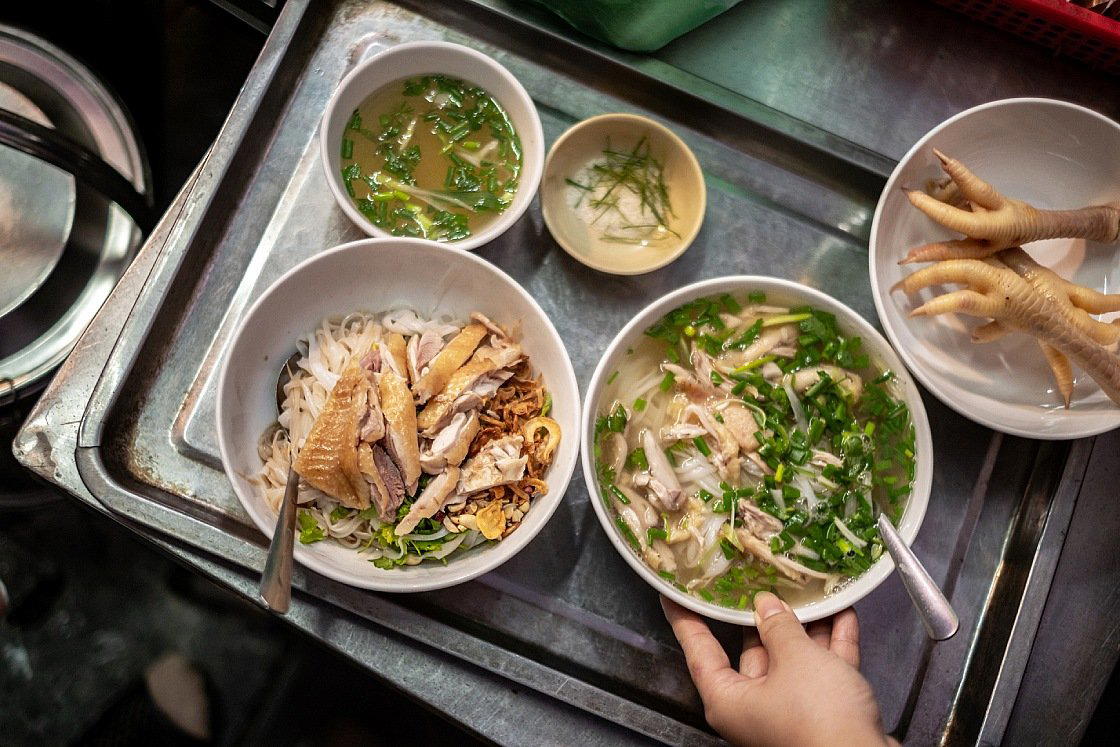
Among the dishes that demonstrate this approach, the venison in sesame oil has become the kitchen's signature. Venison is core to Atayal food culture, and sesame oil is a fat with deep roots in Taiwanese cooking, particularly in post-birth recovery meals where its warming properties are valued. The combination here is reported to produce meat that is tender with concentrated flavour, rather than the gamey, overpowering result that poorly handled venison can yield. For dishes that require advance preparation, the rice vermicelli soup with hairtail and taro is a pre-order item.
Where Yeh Shu Sits in Hsinchu's Dining Context
Hsinchu is primarily known internationally for its science and technology sector rather than its food culture, but that framing underestimates the city. The street food tradition here runs deep, and a circuit of bowl shops, guabao vendors, and rice noodle specialists gives the city a dining texture that rewards time spent. Dongmen Rice Noodle Soup and Hai Kou Guabao represent the classical end of that spectrum. At the other end, places like Garden.V and Chang Chang Kitchen push toward more contemporary formats. Cat House occupies yet another register. The restaurant sits somewhere in the middle of this range, not a street food stall and not a tasting menu destination, but a substantive creative kitchen with a clear point of view.
Within the broader Taiwanese context, indigenous-forward cooking has produced some of the country's most discussed restaurants. Akame in Wutai Township is the highest-profile example, a reservation-heavy destination in Paiwan indigenous territory that has drawn sustained national and international attention. Volando Urai Spring Spa and Resort in Wulai District works within a resort format that incorporates indigenous food elements. On the more urban, technique-driven end, JL Studio in Taichung and logy in Taipei represent the fine dining tier of Taiwanese contemporary cooking, while GEN in Kaohsiung and Zhu Xin Ju in Tainan anchor regional traditions elsewhere in the south. The restaurant is operating in a different register from all of these, closer to a neighbourhood creative kitchen than a destination tasting counter, but the underlying question it is addressing, what Taiwanese food looks like when its indigenous roots are taken seriously, is the same.
Planning a Visit
The restaurant is at 4 Yuanhou Street in the East District, which places it within a walkable range of central Hsinchu. Given the kitchen's reservation policy, it is worth booking ahead before visiting. The rice vermicelli soup with hairtail and taro requires advance ordering, so that conversation is leading had when you make contact to check on availability. No website is listed in current records, which makes a direct call or a contact through a local booking intermediary the practical approach. For the broader city, see our full Hsinchu City restaurants guide, and for planning the rest of a stay, our Hsinchu City hotels guide, bars guide, wineries guide, and experiences guide cover the full picture.
Peers in This Market
Comparable venues nearby, for context on price, style, and recognition.
| Venue | Cuisine | Price | Notes |
|---|---|---|---|
| Yeh ShuThis venue — the venue you are viewing | Creative Taiwanese | $$ | Not listed |
| min food | Cozy Asian Eatery | $$ | East District |
| Garden.V | Authentic Jiangzhe (Shanghai-style) Chinese | $$ | East District |
| Duan Chun Zhen | Traditional Taiwanese Beef Noodles with Sichuan Flavors | $$ | East District |
| Cat House | Chinese Provincial Vegetarian Noodles | $$ | Hsinchu City |
| 廟口鴨香飯 | Taiwanese Stinky Tofu | $$ | East District |
Recognition history
Dated appearances from independent guides and award organizations, with the underlying list record or original source where available.
Michelin Plate
Michelin
Continue exploring
More in Hsinchu City
Restaurants in Hsinchu City
Browse all →
Bars in Hsinchu City
Browse all →
At a Glance
- Cozy
- Intimate
- Special Occasion
- Local Sourcing