Hai Kou Guabao

Michelin Plate
Our verdict
A Xiangshan District institution with a loyal following among professional drivers and local regulars, Hai Kou Guabao keeps its focus tight: braised pork rice, meatball soup, and the shop's namesake gua bao, a steamed lotus leaf bun packed with slow-cooked pork belly. The menu is concise by design, and warm, unhurried service makes it a reliable stop in Hsinchu City's broader street food circuit.

Pearl is the En Primeur Club membership app — saves, bookings, and concierge access live there. Same editors, same standards.
- Address
- 1457, Section 2, Yanping Road, Xiangshan District
- Phone
- +886 952 878 525
- Directions
- Get directions
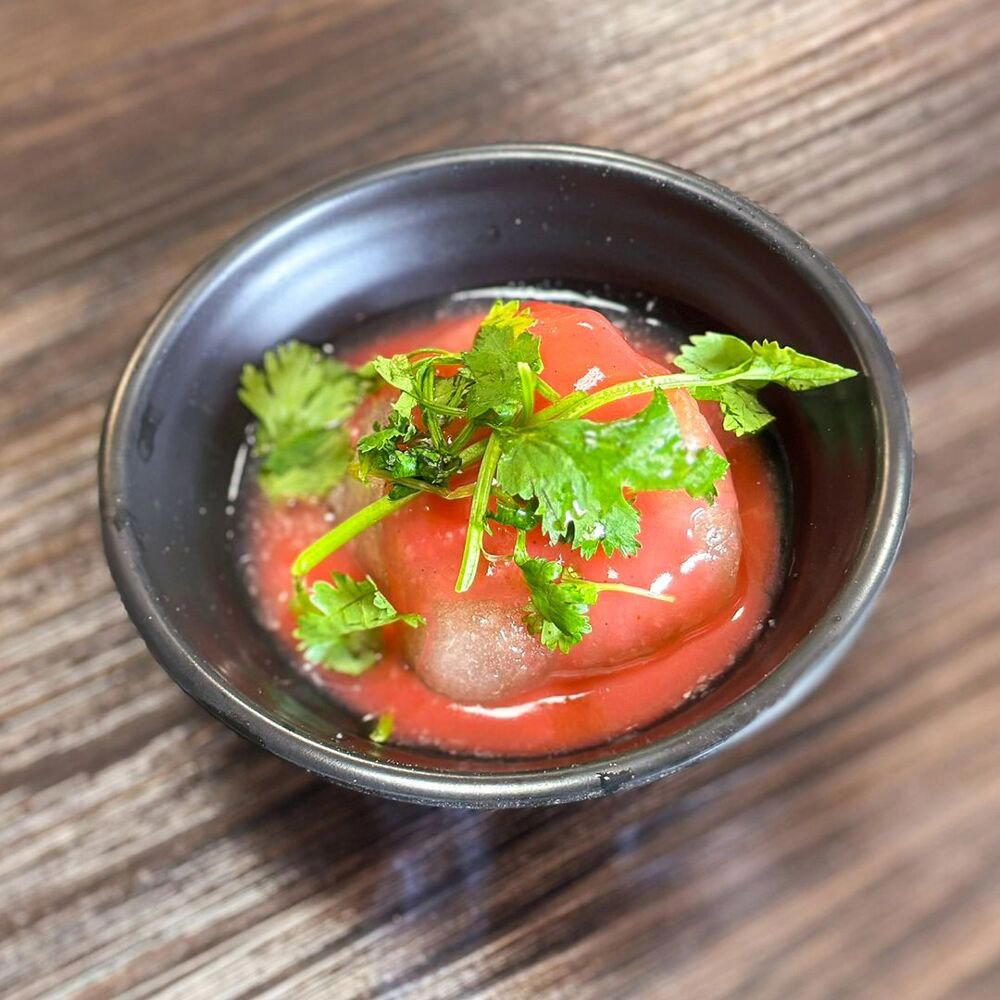
The menu
What to order
- Gua bao
- Braised pork rice
- Pork meatball soup
A Counter-Argument in Steamed Bread
Hsinchu City's food identity is often filtered through its tech-corridor reputation — a city of engineers and corporate cafeterias, not culinary depth. That reading misses the ring of older districts where Taiwan's snack culture runs uninterrupted and quietly competitive. In Xiangshan District, along Section 2 of Yanping Road, the shops that draw repeat customers are rarely the ones with the elaborate signage. Hai Kou Guabao is one of those shops: a simple, focused operation whose authority comes not from format ambition but from the quality of a very short list of things done consistently well.
The clientele here is a data point worth reading carefully. Professional drivers — long-haul truckers, delivery workers, people who eat at irregular hours and have strong opinions about value and reliability, are among the regulars. That demographic does not award loyalty to food that is merely convenient. When working drivers return to the same stall repeatedly, the food has earned it.
The Menu as a Position Statement
Gua bao shops in Taiwan exist on a spectrum from festival-stall simplicity to modernised versions that treat the lotus leaf bun as a canvas for fusion additions. Hai Kou Guabao occupies the traditional end of that spectrum without apology. The menu is concise, a deliberate compression rather than a sign of limited ambition. Every item sits within the same culinary logic: slow-cooked or braised proteins, clean broths, textures that reward attention.
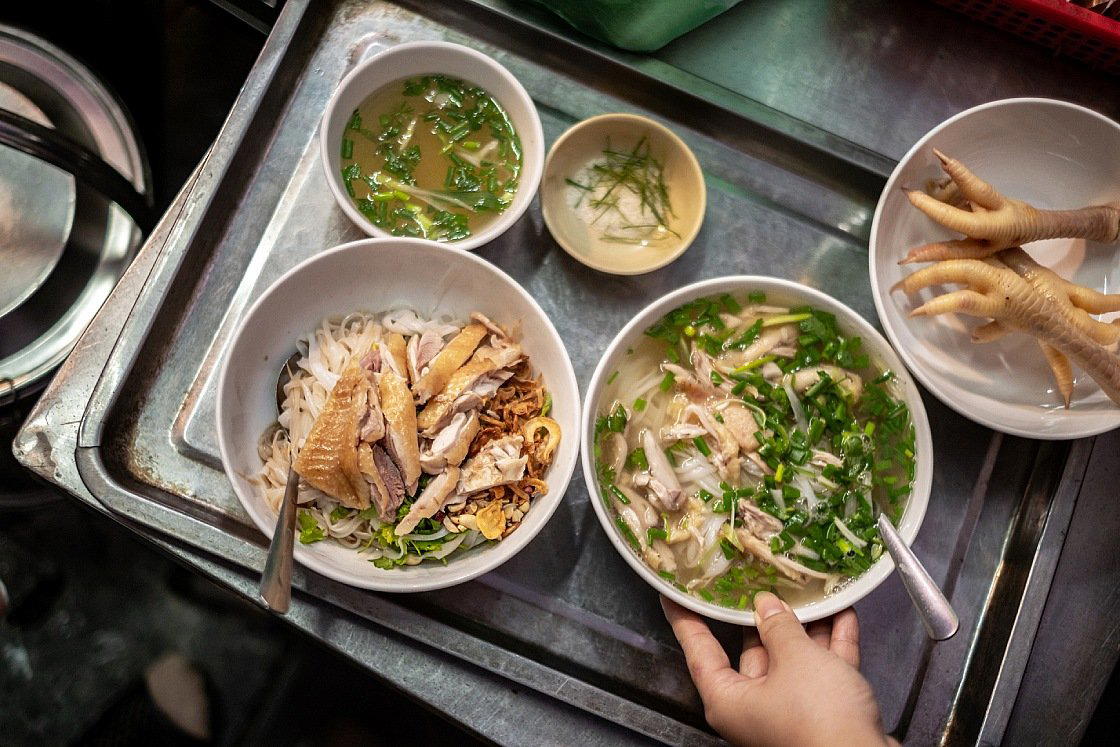
The namesake gua bao is the structural centrepiece. The steamed lotus leaf bun, soft, pliable, with just enough chew, holds pork belly that has been slow-cooked for three hours. That duration matters. Three-hour braises on pork belly produce a specific result: fat that has rendered enough to coat each bite but not so far that it dissolves into grease, meat fibres that separate cleanly without falling apart. The pork arrives flavourful and bouncy in texture, which is the specific quality Taiwanese diners use to evaluate this dish. A gua bao that is merely soft has missed the point.
The braised pork rice follows the same logic at a smaller scale. Lu rou fan, Taiwan's beloved minced or diced braised pork served over white rice, is a dish that reveals its maker through nuance: the ratio of fat to lean, the depth of the soy-and-spice braise, the quality of the rice itself. At Hai Kou Guabao it appears as a comfort dish in the most technically precise sense of that phrase.
Pork meatball soup provides textural contrast. The springy, meaty quality noted by regulars points to a mixture and cooking method that preserves the meatball's bounce rather than cooking it into uniform softness. Umami depth in the broth is the supporting layer that makes the soup function as a complete dish rather than a side. Sticky rice dumpling and pork blood cake round out the menu, both staples of Taiwanese snack culture that require specific technique to execute correctly and are easy to do poorly at speed.
What the Format Reveals
Short menus in Taiwan's snack shop tradition are not a constraint, they are an editorial choice. A shop that commits to six items instead of twenty is making a claim: these six things are worth doing every day, at consistent quality, without the dilution that comes from maintaining a longer production line. Hai Kou Guabao's concise format aligns it with a class of Taiwanese snack shops that build reputations on depth rather than range.
The service dynamic reinforces this. Warm and friendly without being performative, the interaction at a counter like this is calibrated to the neighbourhood: efficient enough for working regulars, unhurried enough for the kind of midday meal that is not rushed. That balance is harder to maintain than it appears in a high-turnover snack environment.
Hsinchu's Street Food Circuit
To place Hai Kou Guabao usefully, it helps to understand what Hsinchu City's food scene rewards. The city's dining reputation sits somewhere between Taipei's density of fine dining options and the street-food intensity of Tainan. Spots like Dongmen Rice Noodle Soup anchor the city's traditional comfort food register, while He Jih Hsiang (Minzu Road) represents another node in that same circuit of reliable, neighbourhood-specific specialities. Further from the street food tier, places like Garden.V and Chang Chang Kitchen address a different appetite entirely, while Cat House occupies its own category.
Hai Kou Guabao's position in Xiangshan District, rather than in the city centre, places it slightly outside the tourist-facing food circuit. That distance is part of its character. The shop functions within a local logic, serving a specific neighbourhood and a specific professional community, rather than positioning itself for visitors. That is a meaningful distinction when evaluating what the experience actually is.
Across Taiwan more broadly, the density of serious traditional cooking in non-tourist districts is one of the country's most consistent culinary patterns. The concentration of Michelin-recognised and critically noted restaurants in cities like Taipei, with venues such as logy in Taipei operating at the fine dining tier, or the distinctive cooking emerging at places like JL Studio in Taichung and Akame in Wutai Township, draws attention upward. But the foundation of Taiwan's food culture, the one that shapes how Taiwanese diners evaluate even those ambitious restaurants, is built in shops like this one. The braised pork rice that a three-star-adjacent chef grew up eating is almost certainly closer in spirit to Hai Kou Guabao than to anything with a tasting menu format. For further context on exceptional dining elsewhere in Taiwan, GEN in Kaohsiung, Zhu Xin Ju in Tainan, and Volando Urai Spring Spa & Resort in Wulai District each represent distinct facets of the island's range.
Planning Your Visit
Hai Kou Guabao is located at 1457, Section 2, Yanping Road, Xiangshan District, Hsinchu City. No phone or website is listed in public records, which means walk-in is the practical approach. For a shop of this type and customer profile, arriving during standard meal hours and being prepared for a short wait during peak periods is the reasonable expectation. The Xiangshan District location sits outside the central city, so visitors making a specific trip should plan accordingly rather than combining it casually with city-centre itineraries.
For those building a broader Hsinchu itinerary, our full Hsinchu City restaurants guide covers the range of options across formats and price points. Our full Hsinchu City hotels guide, bars guide, wineries guide, and experiences guide complete the picture for extended stays.
Frequently asked questions
What kind of recognition has Hai Kou Guabao received?
Hai Kou Guabao has received recognition including: A firm favourite with professional drivers, this simple shop sells Taiwanese snacks and is depicted by warm, friendly service. The concise menu stars classic comfort food like braised pork rice, meatballs, sticky rice dumpling, and pork blo….
Where is Hai Kou Guabao located?
Hai Kou Guabao is located at 1457, Section 2, Yanping Road, Xiangshan District, Hsinchu City.
What dish is Hai Kou Guabao famous for?
The namesake gua bao is the shop's centrepiece: a steamed lotus leaf bun stuffed with pork belly slow-cooked for three hours, producing a texture described as soft yet bouncy. The pork meatball soup, noted for its springy texture and meaty depth, draws consistent attention from the professional crowd that frequents the Yanping Road location.
What's the best way to book Hai Kou Guabao?
No phone number, website, or reservation platform is listed for Hai Kou Guabao — the shop operates as a walk-in counter, which is standard for Taiwanese snack shops of this format. Arriving early in the service window is the practical approach, as spots favoured by regular professional drivers tend to fill on a first-come basis.
Reputation Context
Comparable venues nearby, for context on price, style, and recognition.
| Venue | Cuisine | Price | Awards | Notes |
|---|---|---|---|---|
| Hai Kou GuabaoThis venue — the venue you are viewing | Taiwanese Street Snacks & Gua Bao | $1–10 | Michelin Plate | Not listed |
| Dongmen Rice Noodle Soup | Traditional Taiwanese Thick Rice Noodle Soup | $1–10 | Michelin Bib Gourmand | East District |
| Very Good Vegan Gua Bao | Vegan Taiwanese Gua Bao | $1–10 | Michelin Plate | East District |
| Yi Hsuan | Taiwanese Home-Style | Not listed | Michelin Plate | Hsinchu City |
| He Jih Hsiang (Minzu Road) | Taiwanese Small Eats | Not listed | Michelin Bib Gourmand | East District |
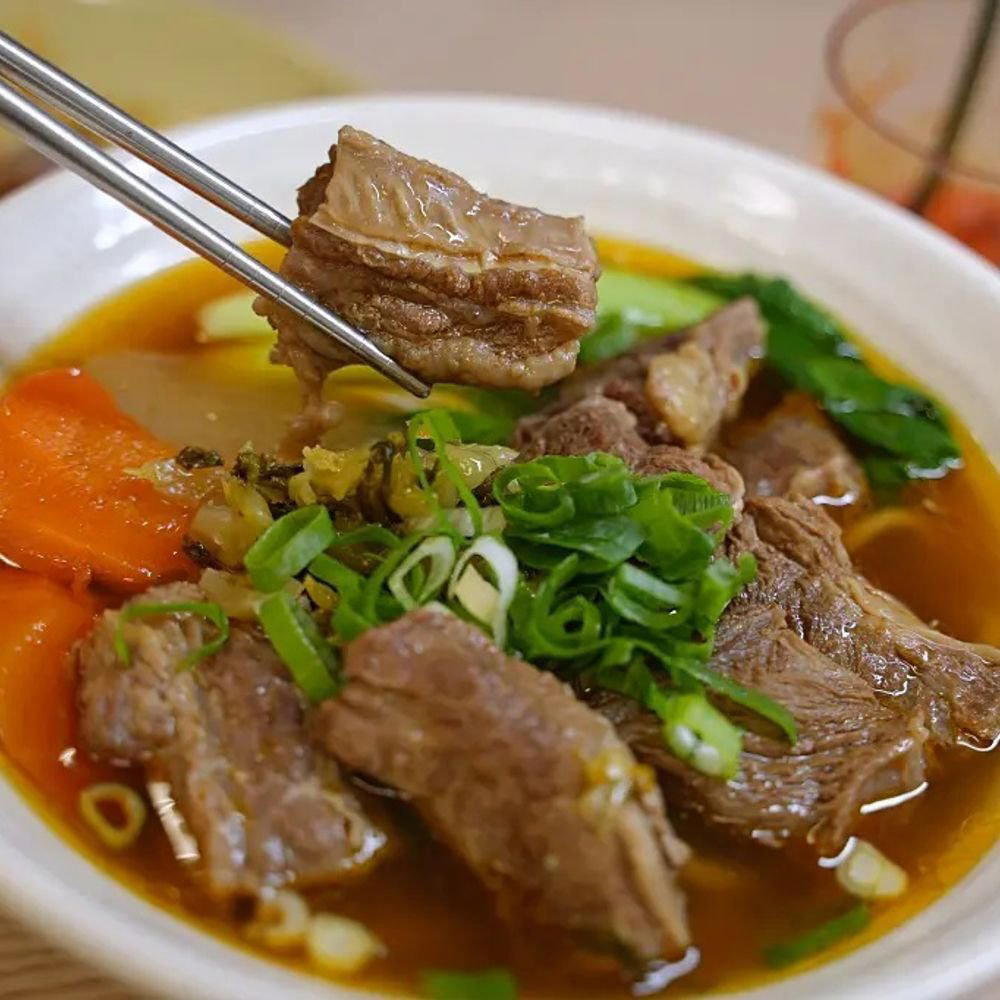
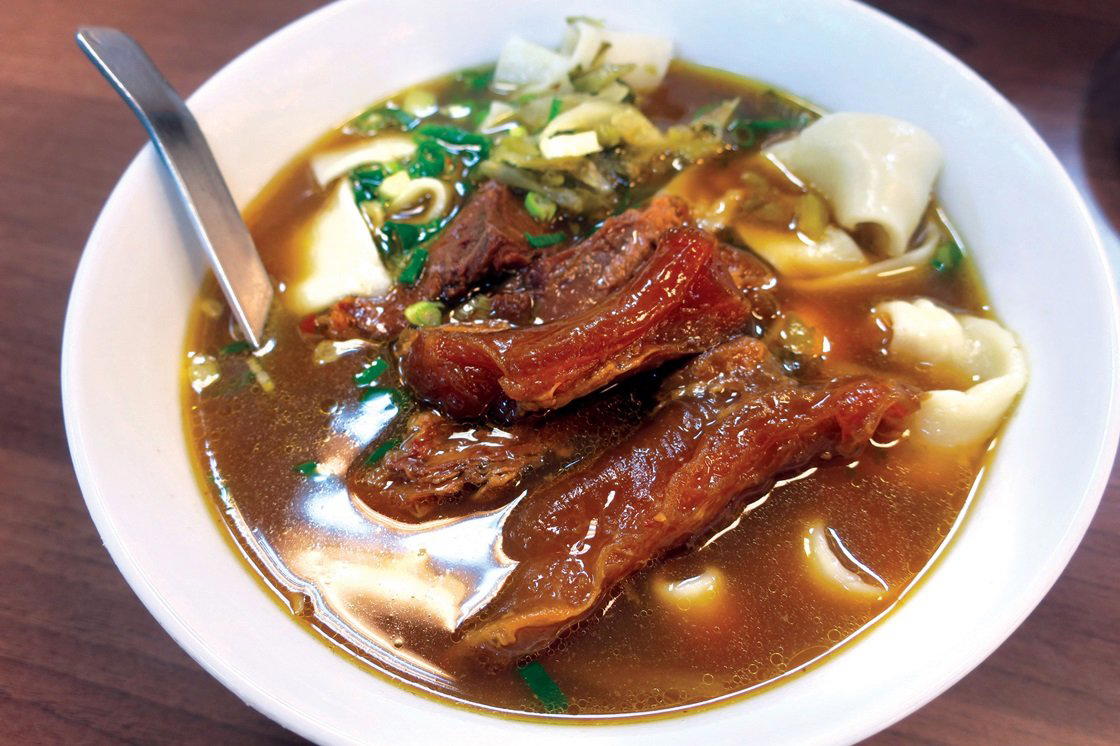
| Duan Chun Zhen | Traditional Taiwanese Beef Noodles with Sichuan Flavors | $10–20 | Not listed | East District |
Recognition history
Dated appearances from independent guides and award organizations, with the underlying list record or original source where available.
Michelin Plate
Michelin
Continue exploring
More in Hsinchu City
Restaurants in Hsinchu City
Browse all →

Details
- Cozy
- Casual Hangout
- A La Carte
Warm and friendly service in a simple, unpretentious shop atmosphere.