Our verdict
Chez Wong operates from a residential address in Lima's Santa Catalina district, running a format that strips professional dining down to its most essential form: a single cook, a handful of tables, no printed menu, and ceviche prepared entirely to the host's discretion. It occupies a category of its own within Lima's seafood tradition, less restaurant than private dining ritual, built on access to daily catch and a refusal to codify the offer in advance.
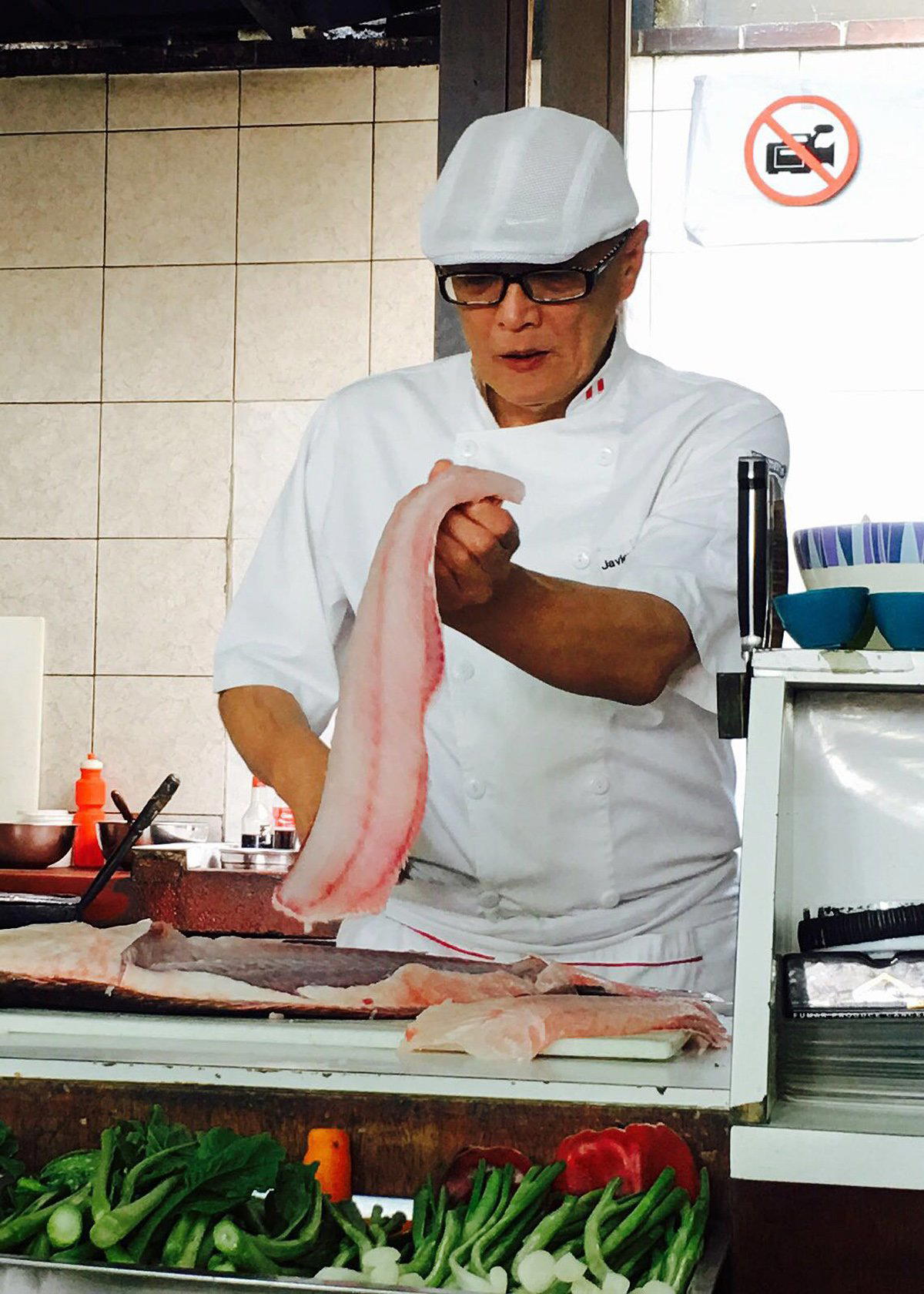
The menu
What to order
- Ceviche
- Tiradito
- Ceviche mixto
The Room Before the Food
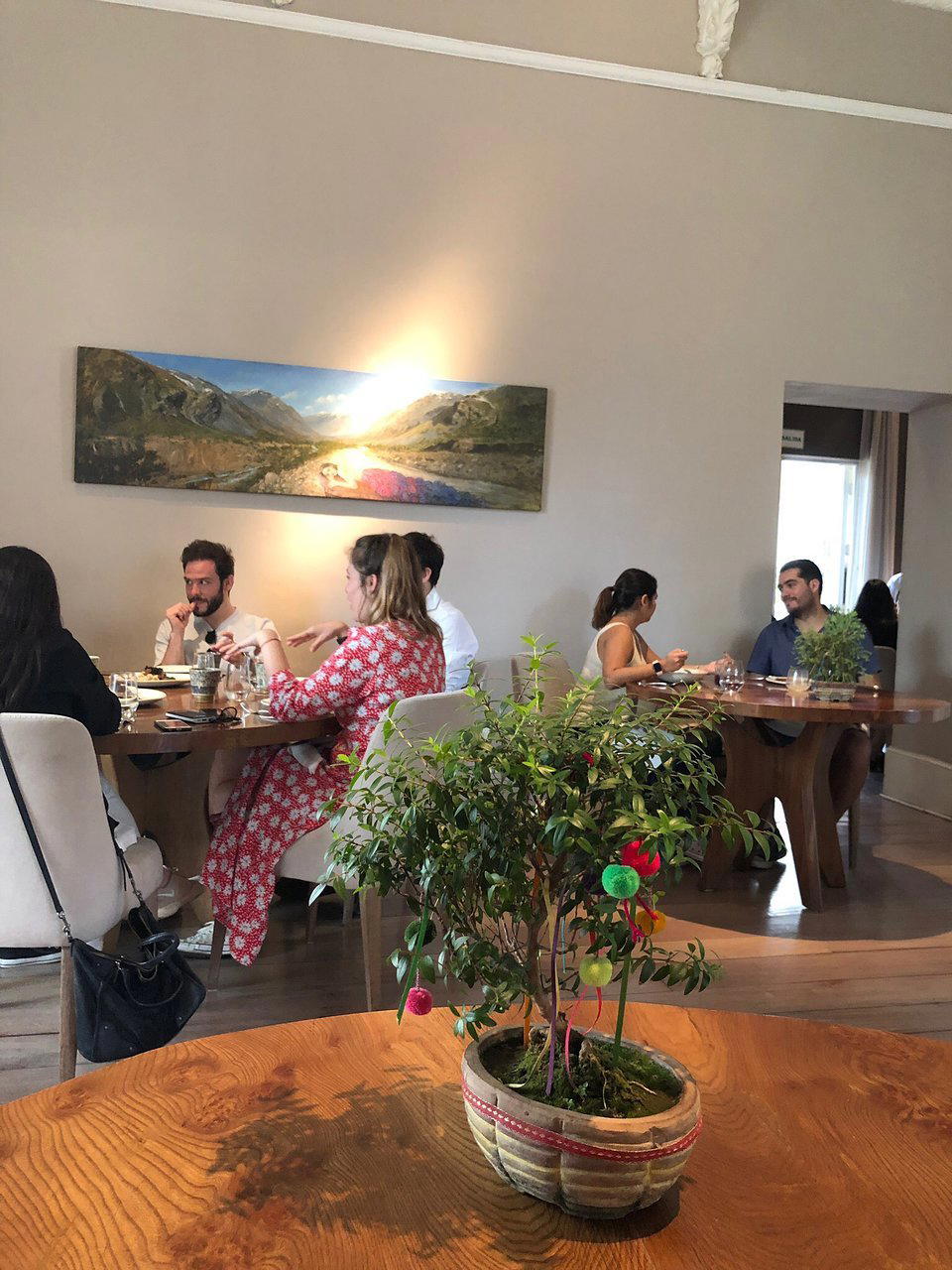
The address on Enrique León García places you in Santa Catalina, a residential pocket of Lima that sits well outside the polished restaurant corridors of Miraflores and San Isidro. The building reads as a private home because it largely is one. There is no sign, no branded façade, no queue management system. What you find instead is a domestic interior that has been pressed into service as a dining room: a few tables, natural light, and the kind of quiet that makes you aware of sounds from the kitchen. Lima has produced some of the most technically ambitious restaurants in the hemisphere, venues like Central (Progressive Peruvian) and Kjolle (Modern Peruvian) that treat altitude gradients and Amazonian biodiversity as primary materials. Chez Wong operates on a different register entirely, one where the sophistication is in the restraint rather than the complexity.
What Ceviche Looks Like When There Is No Menu
Lima's ceviche tradition is among the most codified in South American cooking. The classical format, raw fish cured in lime juice with ají amarillo and served with choclo and sweet potato, has been refined and documented across generations. What sets Chez Wong apart within that tradition is the deliberate removal of customer choice. There is no printed menu. The cook decides what is prepared based on what the market provided that morning, and the diner's role is to receive rather than select. This is not a novelty format invented to signal exclusivity. It is a sourcing logic: if a specific fish was not available in good condition at the market, it does not appear at the table. The menu exists as an output of the supply chain rather than as an input to it.
This approach places Chez Wong in a small global category of restaurants where the offer is genuinely contingent on daily procurement. Le Bernardin in New York City operates on a fixed menu but with sourcing discipline that similarly prioritises quality over range. The difference at Chez Wong is that the contingency is made visible to the diner: you do not know what you will eat until it arrives. That transparency is itself an ingredient-sourcing argument, a way of communicating that the kitchen does not hold product from yesterday.
The Sourcing Logic Behind the Format
Lima's position on the Pacific coast gives it access to one of the most productive cold-water fisheries in the world. The Humboldt Current runs north along the Peruvian coast, driving upwelling that sustains high concentrations of anchovy, sole, corvina, and a range of species less familiar to export markets. The city's wholesale fish markets, particularly La Parada and the Mercado de Surquillo, operate on early-morning rhythms that determine what serious seafood kitchens can offer by midday. The format at Chez Wong is calibrated to those rhythms. Lunch service, which is the operative format here, aligns with the logic of a fish kitchen: morning procurement, midday preparation, afternoon service. Dinner service at a fish-focused restaurant operating at this price point and scale would require holding product overnight, which runs against the procurement philosophy the format implies.
For context, the Nikkei tradition that shaped much of Lima's high-end seafood cooking, represented in this city by venues like Maido (Nikkei) and Osaka Nikkei in San Isidro, applies Japanese handling discipline to Peruvian raw materials. Chez Wong draws from a different lineage, one that is rooted in Chinese-Peruvian chifa tradition filtered through a singular, idiosyncratic point of view. The result is a style of ceviche preparation that sits outside both classical criollo technique and Nikkei influence, closer to a personal interpretation of acidity, heat, and texture that has accumulated a following over decades.
Who Eats Here and Why It Matters
The guest list at Chez Wong has historically skewed toward two groups: food professionals who treat the table as a reference point, and travellers who have done enough research to find an address that does not advertise itself. Both groups arrive with the same question: what does a single cook's daily judgment about fish taste like when stripped of all the apparatus of institutional fine dining? The answer changes with the market. That variability is the point. Restaurants that fix their offer in advance, that lock in a tasting menu months before service and source backward from the menu rather than forward from the market, are making a different argument about what dining is for. Chez Wong makes the opposite argument, and Lima is one of the few cities where the raw material quality is consistently high enough for that argument to hold.
Within Peru more broadly, the range of serious cooking extends well beyond Lima. Mil Centro in Moray applies a similar sourcing logic to high-altitude Andean ingredients. Cirqa in Arequipa works within southern Peru's distinct culinary tradition. But the coastal fish argument is Lima's specifically, and Chez Wong operates near the centre of it.
Planning Your Visit
Chez Wong sits at Enrique León García 114 in the Santa Catalina district of Lima. The restaurant operates as a lunch-only format, which means arriving in the midday window is non-negotiable. Bookings are reported to be essential and are typically secured through direct contact rather than any online reservation platform, which is consistent with the venue's general posture toward the formal apparatus of the restaurant industry. The neighbourhood is not a dining district in the conventional sense, so planning transport in advance is practical: rideshare from Miraflores takes roughly fifteen to twenty minutes depending on traffic. There is no dress code in the formal sense, but the setting is domestic rather than casual in a way that rewards a degree of intentionality. Pricing is not published, but the format and reputation place it firmly in the premium tier of Lima's dining offer, comparable in spend, though not in style, to the tasting-menu rooms at Astrid & Gastón (Modern Peruvian). For a fuller picture of where Chez Wong sits within Lima's dining options, the full Lima restaurants guide covers the city's key categories in detail.
Travellers combining Lima with Peru's interior should note that the dining register shifts considerably once you leave the coast. Mapacho Craft Beer Restaurant in Urubamba and El Rey in Oxapampa represent the kind of regional cooking that complements rather than competes with Lima's seafood tradition. For those extending into the Amazon, Delfin Amazon Cruises in Iquitos and Delfin I dining room in Nauta offer a different perspective on Peruvian ingredient sourcing altogether. And for those who want to see what a fixed-format tasting menu looks like when applied to Peruvian biodiversity at the highest level of ambition, Central Restaurante remains the primary reference point.
Frequently asked questions
Where do I go for Chez Wong?
Chez Wong is located at Enrique León García 114, Lima 15034, Peru, Lima.
Why do serious cooks and food professionals eat at Chez Wong when visiting Lima?
Chez Wong operates without a menu, without printed choices, and without the restaurant framing that typically surrounds fine Peruvian cooking in Lima. That reduction forces the ceviche itself to carry the entire experience, making it a functional reference point for anyone studying the classical Lima tradition. Its address in Santa Catalina, a residential neighbourhood removed from the Miraflores and Barranco dining corridors, reinforces the sense that the food, not the setting, is the reason to be there.
What should I eat at Chez Wong?
There is no menu at Chez Wong, so the question answers itself: you eat ceviche, prepared to the chef's judgement that day. The fish arrives raw-cured in lime with ají amarillo, in the classical Lima style. No substitutions, no alternatives, the format is the point.
Is Chez Wong reservation-only?
Chez Wong operates as a lunch-only venue in the residential Santa Catalina district of Lima, which means walk-ins carry real risk. The guest list historically skews toward food professionals and informed travellers who plan ahead. Contacting the restaurant directly before visiting is the standard approach.
What's Chez Wong best at?
Chez Wong holds a specific position in Lima's ceviche tradition: it is a single-dish operation that treats ceviche as a complete discipline rather than a menu category. Food professionals use it as a benchmark for understanding how classical Peruvian technique reads without surrounding distraction.
At-a-Glance Comparison
A quick peer check to anchor this venue’s price and recognition.
| Venue | Cuisine | Price | Awards | Notes |
|---|---|---|---|---|
| Chez WongThis venue (the venue you are viewing) | Peruvian Ceviche | Not listed | Not listed | Not listed |
| Astrid & Gastón | Modern Peruvian Fine Dining | $100–150 | World's 50 Best #81 · La Liste Top Restaurants | Modern Peruvian |
| Kjolle | Modern Peruvian Fine Dining | $300–500 | World's 50 Best #9 · La Liste Top Restaurants | Modern Peruvian |
| Mayta | Modern Peruvian Fine Dining | $200–300 | World's 50 Best #39 · La Liste Top Restaurants | Peruvian Modern |
| Mérito | Modern Venezuelan-Peruvian Fusion | $50–100 | World's 50 Best #26 · La Liste Top Restaurants | Venezuelan/Fusion |
| Fiesta | Northern Peruvian Gourmet | $50–100 | We're Smart World 4 Radishes | Contemporary Peruvian |
Continue exploring
More in Lima
Restaurants in Lima
All restaurants in Lima →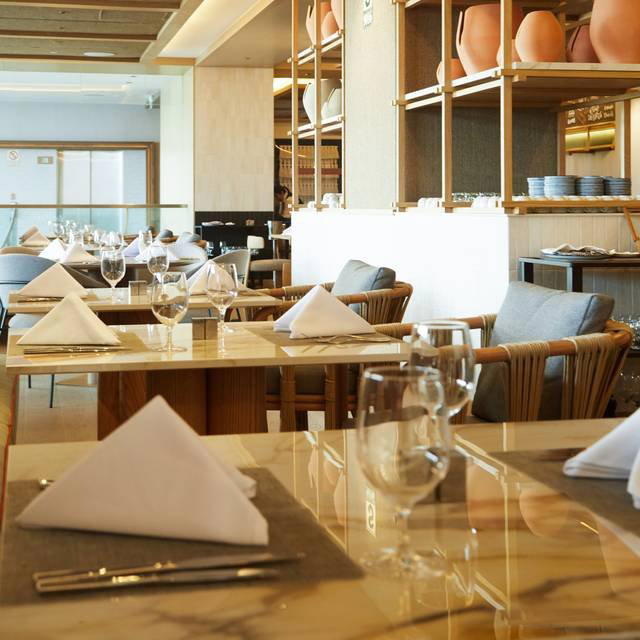
Bars in Lima
All bars in Lima →
Hotels in Lima
All hotels in Lima →
Wineries in Lima
All wineries in Lima →
Details
- Intimate
- Cozy
- Special Occasion
- Chefs Counter
- Open Kitchen
- Local Sourcing
- Counter Dining
Intimate home setting with focused atmosphere centered on the chef's live cooking.