

At Sapiens in San Isidro, open fire and vegetable-forward cooking form the structural logic of the menu, with grilled produce sitting alongside house-cured charcuterie including alpaca salami and duck prosciutto. Chef Jaime Pesaque frames the kitchen around Peruvian roots, using live-fire technique to draw out depth in ingredients that tasting-menu formats often treat as supporting acts.
Pearl is the En Primeur Club membership app — saves, bookings, and concierge access live there. Same editors, same standards.
- Address
- Av. Felipe Pardo y Aliaga 689, San Isidro 15073, Peru
- Phone
- +51 959 717 899
- Website
- sapienslima.com
- Directions
- Get directions
 Saves & bookings on Pearl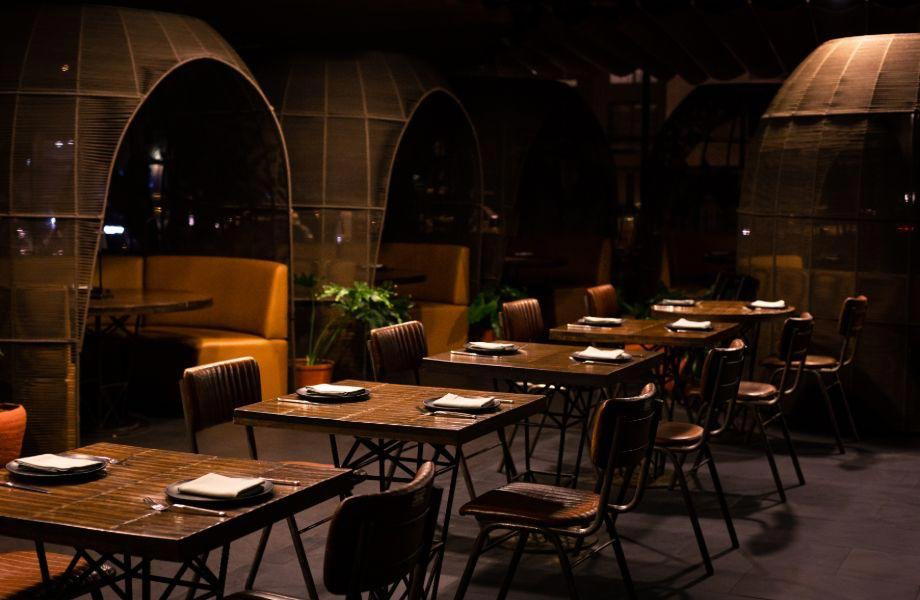
Fire as Framework: How Sapiens Structures Its Menu Around Live Heat and Peruvian Roots
Sapiens is a restaurant in Lima's San Isidro, serving fire-grilled Peruvian and international dishes at about US$75 per person. San Isidro's dining corridor is where Lima's financial district softens into something more residential, and where the neighbourhood's restaurants tend to address a clientele that wants quality without the ceremonial weight of a tasting-menu experience. On Avenida Felipe Pardo y Aliaga, Sapiens occupies that register: a kitchen whose central organising principle is the open fire, and whose menu architecture is built to prove that live-heat cookery belongs to vegetables as much as it does to meat.
That is a specific editorial position in the Lima context. The city's most discussed restaurants, Central (Progressive Peruvian) and Kjolle (Modern Peruvian) in Barranco, Maido (Nikkei) in Miraflores, tend to operate through multi-course formats where the structure is the statement. Sapiens works differently. The menu's logic is elemental rather than sequential, with fire providing both the technique and the thematic anchor across categories.
What the Menu Reveals About the Kitchen's Priorities
One telling thing about how Sapiens is structured is what it places at the centre versus what it treats as the support. Vegetables are not a section at the back of a meat-led menu. Cauliflower, peppers, asparagus, pak choi, and corn move through the grill as primary subjects, with the fire used to develop char, sweetness, and smokiness in ways that processing-heavy kitchens cannot replicate. This is a deliberate return to a Peruvian culinary logic that predates colonial-era protein hierarchies: the land's produce as the main event.
Alongside the fire work, Sapiens runs an in-house charcuterie programme that sits at a different end of the technique spectrum. The kitchen produces alpaca salami, mortadella, and duck prosciutto, cured and aged preparations that reflect a long-view approach to ingredient transformation. This pairing of raw fire and slow curing is not an accident of menu-building. It reads as a deliberate structural tension: the immediacy of open flame against the patience of the curing room. For a dining room in a city where Peruvian ingredient diversity is now a globally recognised fact, that tension gives Sapiens a distinct internal grammar.
The rice dishes complete a third strand of the menu. Lima has a deep relationship with arroz in multiple registers, the Nikkei-inflected chaufa tradition, the coastal arroz con leche, the rice dishes embedded in cevicherías, and a kitchen that handles rice well signals awareness of that continuum. Sapiens's rice work is noted as a strength, which positions it clearly in the broader San Isidro dining scene, where Cosme in San Isidro and Costanera 700 in Miraflores each occupy their own corners of Lima's rice and seafood tradition.
Sapiens in the Context of Chef Jaime Pesaque's Wider Work
Sapiens is one of several projects associated with Chef Jaime Pesaque, and understanding the kitchen requires some context about how his restaurants sit relative to each other rather than treating Sapiens in isolation. The vegetable focus and the return-to-roots framing recur across his work, but at Sapiens the fire element gives the project a more specific technique-led identity than a general philosophy statement would suggest. That specificity matters in a city where Mayta (Peruvian Modern) and Central Restaurante have set a high bar for what it means to interrogate Peruvian ingredients systematically.
For anyone tracking Pesaque's output across Peru more broadly, restaurants like Mil Centro in Moray and the reach of names like Chicha por Gaston Acurio in Cusco show how differently individual chefs have responded to Peru's ingredient geography. Sapiens takes the San Isidro address and uses it as a platform for a kind of cooking that references Lima's urban charcuterie and grill traditions rather than the high-altitude biodiversity angle that drives restaurants in the sierra.
The San Isidro Setting and How to Plan Your Visit
San Isidro functions as Lima's most self-contained upscale neighbourhood, with enough dining density that a single evening can be built entirely within its streets. Sapiens sits at Av. Felipe Pardo y Aliaga 689, accessible by taxi from Miraflores in under ten minutes during off-peak hours, though Lima traffic means that buffer time is always advisable for dinner reservations. The neighbourhood draws a mix of business diners at lunch and a more leisurely evening crowd, which affects pacing at the table.
That is a useful calibration for visitors arriving with international dining reference points.
- empanada
- Caesar salad with char
- Lomo Saltado
- grilled fish
- rice with duck
- T-bone steak
- grilled avocado
- octopus
- fideua
Recognition Snapshot
Comparable venues nearby, for context on price, style, and recognition.
| Venue | Cuisine | Price | Notes |
|---|---|---|---|
| SapiensThis venue — the venue you are viewing | Fire-Grilled Peruvian & International | $$$ | Not listed |
| La Niña | Modern Peruvian Seasonal | $$$ | Miraflores |
| Saqra | Modern Peruvian Fusion | $$$ | Miraflores |
| Xoma | Modern Peruvian Gastronomic | $$$ | Miraflores |
| Av. Mariscal La Mar 770 | Peruvian Cevicheria | $$$ | Miraflores |
| Panchita | Authentic Peruvian Creole | $$$ | Miraflores |
Recognition history
Dated appearances from independent guides and award organizations, with the underlying list record or original source where available.
Star Wine List
Star Wine List
We're Smart World 3 Radishes
We're Smart World
Continue exploring
More in Lima
Restaurants in Lima
Browse all →
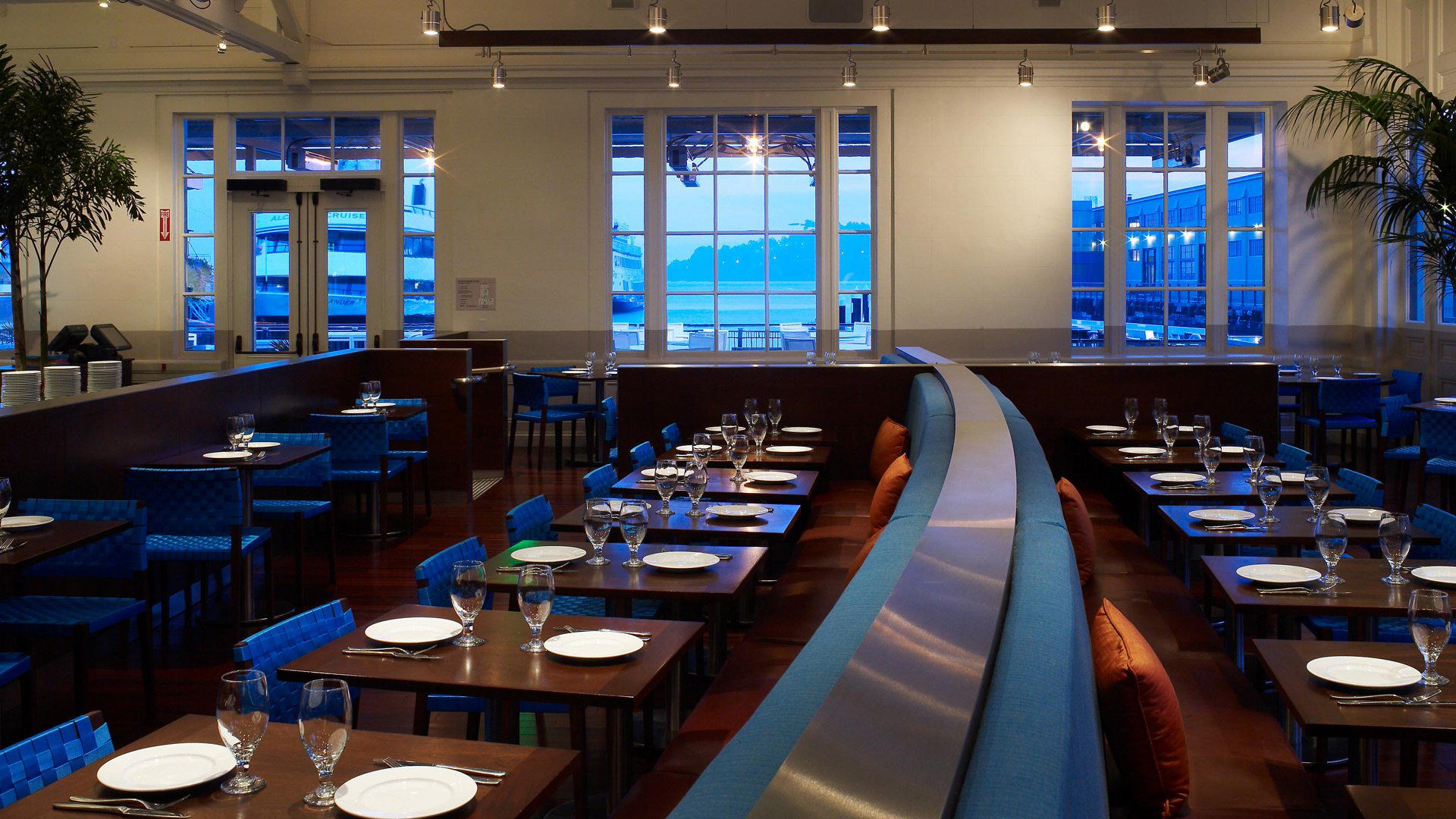
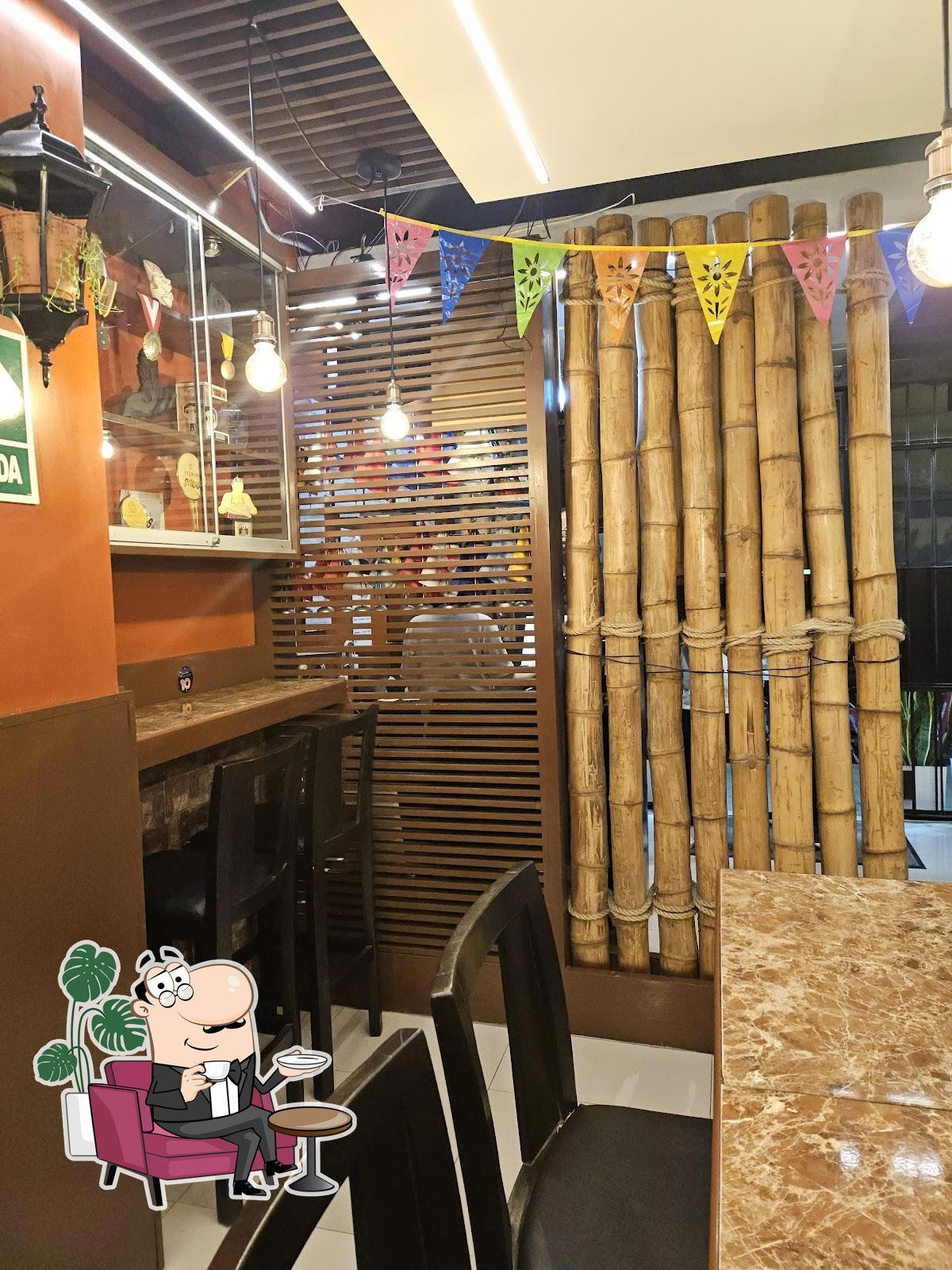
Bars in Lima
Browse all →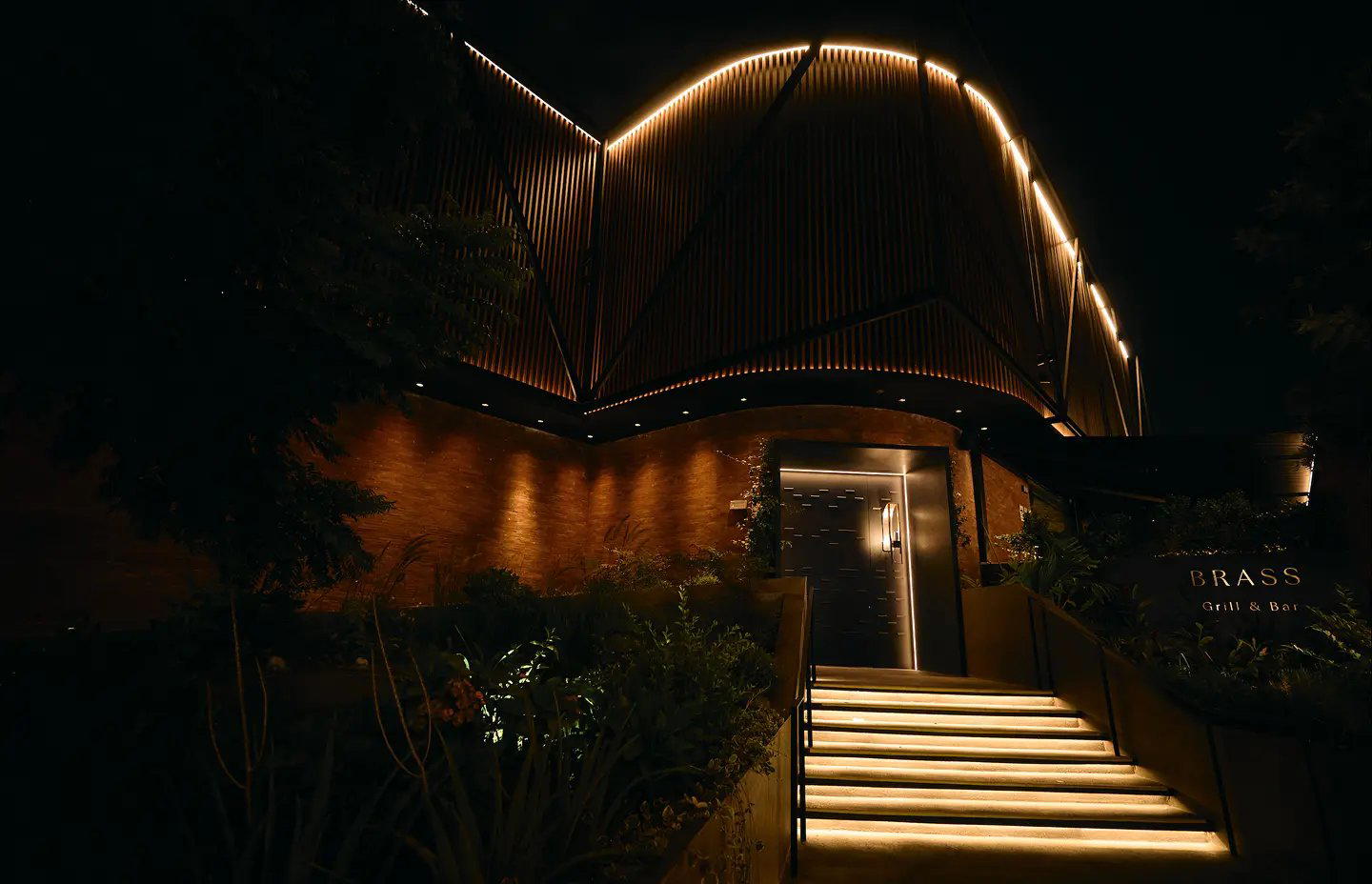
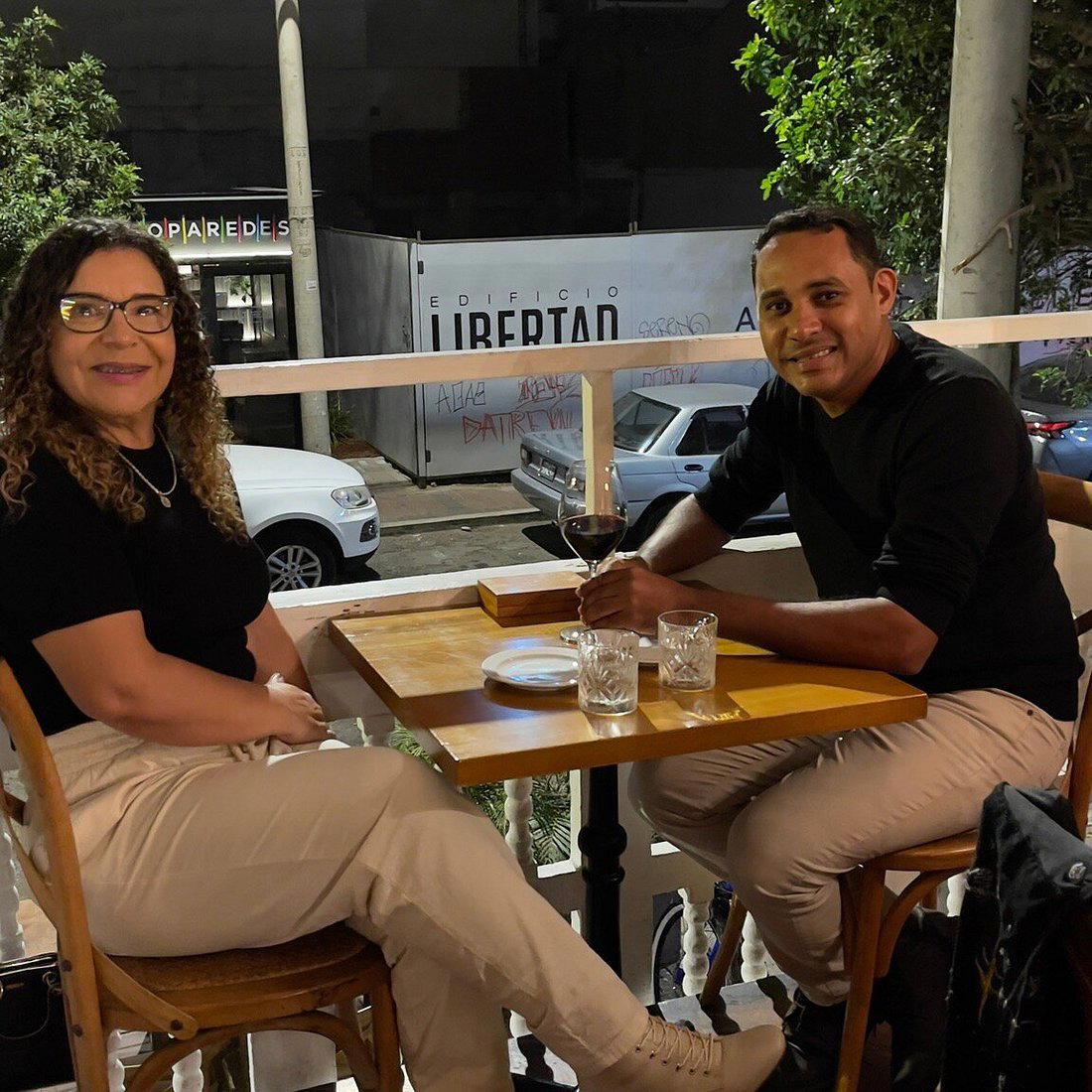
Hotels in Lima
Browse all →
Wineries in Lima
Browse all →
At a Glance
- Elegant
- Modern
- Sophisticated
- Romantic
- Date Night
- Business Dinner
- Group Dining
- Celebration
- Special Occasion
- Open Kitchen
- Design Destination
- Standalone
- Extensive Wine List
- Craft Cocktails
- Corkage Allowed
- Local Sourcing
Current opening hours
- Monday
- 12:30–4 PM, 6:45–10:45 PM
- Tuesday
- 12:30–4 PM, 6:45–10:45 PM
- Wednesday
- 12:30–4 PM, 6:45–10:45 PM
- Thursday
- 12:30–4 PM, 6:45–10:45 PM
- Friday
- 12:30–4 PM, 6:45–10:45 PM
- Saturday
- 12:30–4 PM, 6:45–10:45 PM
- Sunday
- 12:30–4:30 PM, 6:45–10:45 PM
Hours can change for holidays and private events. Last verified .
Moody, dimly lit dining space with a fiery, dramatic open kitchen featuring visible grills and flames; sleek and modern design with warm, inviting elements and reserved semi-private cabin-like seating areas.