
Panchita anchors Miraflores's criollo dining tradition with the kind of menu that treats Peruvian comfort food as a serious discipline. Under chef Jimmy Zamora, the kitchen draws on anticuchos, stews, and slow-cooked cuts that most upscale Lima addresses have quietly sidelined. A 2025 Opinionated About Dining recognition confirms the wider critical consensus: this is a room worth planning your evening around.
Pearl is the En Primeur Club membership app — saves, bookings, and concierge access live there. Same editors, same standards.
- Address
- C. 2 de Mayo 298, Miraflores 15074, Peru
- Phone
- +51 1 2425957
- Website
- panchita.pe
- Directions
- Get directions
 Saves & bookings on Pearl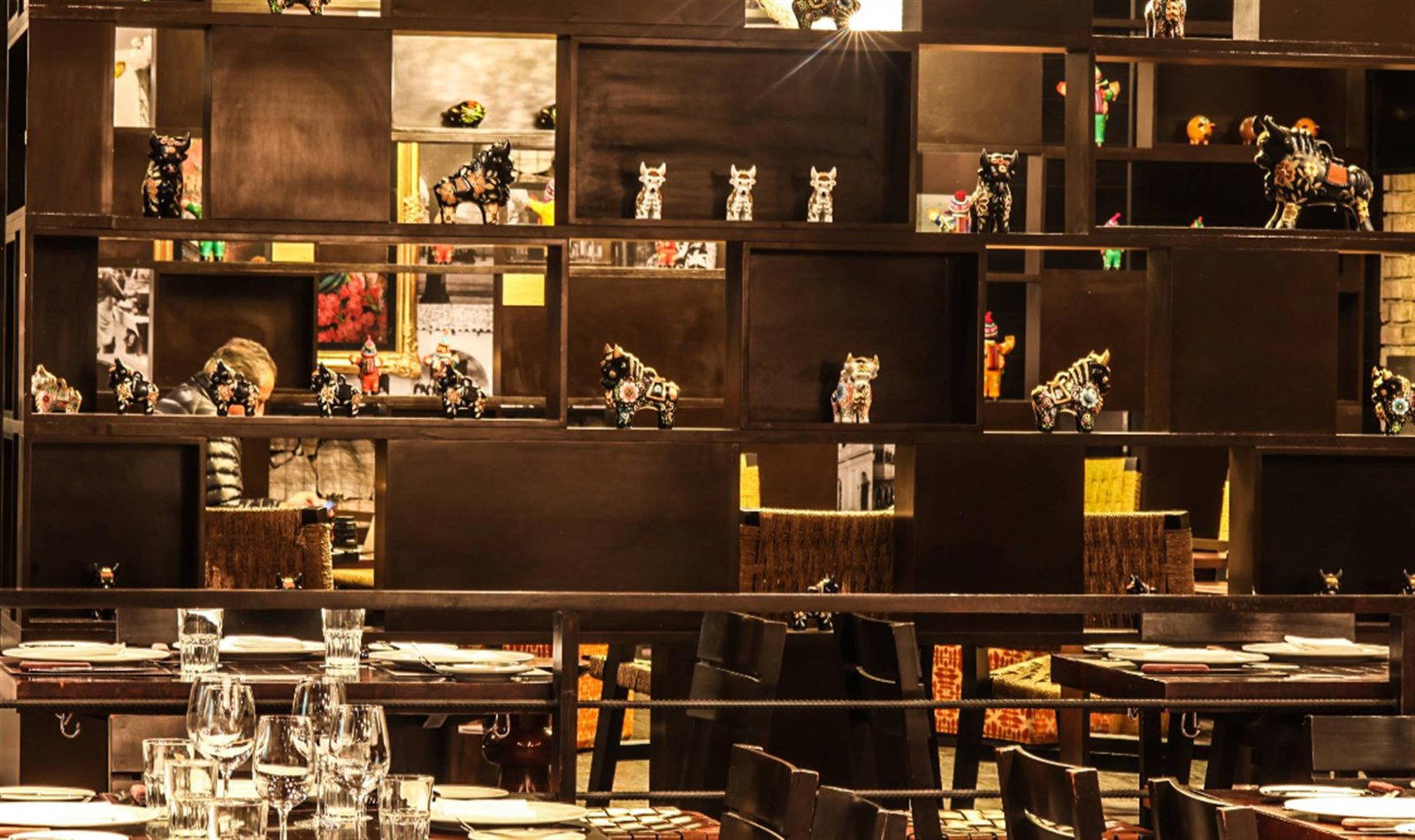
Where Miraflores Takes Criollo Seriously
Calle 2 de Mayo in Miraflores is the kind of street that rewards the visitor who arrives on foot rather than by taxi app. The neighbourhood's dining corridors have shifted considerably over the past decade, with a wave of progressive tasting menus and fusion concepts pulling attention toward San Isidro and Barranco. What that shift left behind, at least partially, was the criollo tradition: the slow braises, the charcoal-grilled offal, the potato-and-ají constructions that form the backbone of Lima's domestic food culture. Panchita at number 298 sits squarely inside that tradition, and the building itself signals this before you reach the door. The scale is generous by Miraflores standards, the room warmer in register than the glass-and-concrete openings that have dominated recent years.
The Booking Calculus
That volume of review data, unusually high for a criollo-focused address, points to a dining room that cycles through tables at pace and draws both local and visiting clientele in roughly equal measure. For travellers building an itinerary, this has a practical implication: a reservation is recommended, particularly on Thursday through Saturday evenings when Miraflores foot traffic peaks. Lunch on a weekday tends to be more forgiving, and the room at midday has a different character, more neighbourhood, less occasion-driven, which suits the food well.
The 2025 Opinionated About Dining recognition for South America adds a layer of external validation. Lima's Central (Progressive Peruvian) and Astrid & Gastón (Modern Peruvian) occupy the high-concept end of the same OAD geography; Panchita is one of the few criollo-focused addresses that appears alongside them.
The Criollo Case
Lima's dining conversation has been dominated for years by the progressive and the experimental. Central's elevation-based tasting menus, the fusion intelligence of venues like Mérito, the coastal precision of La Mar Cebicheria, these formats have shaped how the city is understood internationally. What they share is a degree of distance from the criollo tradition, the mestizo kitchen that developed over centuries from Indigenous, Spanish, and African culinary lines. That tradition is not absent from Lima's restaurant scene, but it is underrepresented at the level of serious critical attention.
Panchita under Jimmy Zamora operates as a counterargument. The menu draws from the repertoire that most Lima households would recognise as foundational: anticuchos cooked over live charcoal, preparations built around ají amarillo and ají panca, the stewed and slow-cooked cuts that require time rather than technique as spectacle. Anticuchos Grimanesa covers similar territory at street level; Isolina Taberna Peruana in Barranco approaches criollo from a more explicitly taberna register. Panchita occupies a middle position, more structured than a street stand, less austere than Isolina's heritage-documentation approach, which makes it a useful entry point for the criollo tradition if you are arriving without deep prior knowledge of the form.
Planning the Evening
Miraflores is Lima's most internationally legible neighbourhood, and its restaurant density means that most visitors end up spending at least one evening here regardless of their wider itinerary. Panchita sits within reasonable walking distance of the main Parque Kennedy corridor, which makes it practical to combine with a pre-dinner drink at one of the nearby bars before moving to the table.
Criollo cooking recedes quickly once you leave the capital. Eating it in Lima keeps the tradition in its most coherent setting.
What the Numbers Say
The combination of a 4.6 rating across nearly 13,000 reviews and an OAD South America listing in 2025 places Panchita in a statistically unusual position for a criollo-focused restaurant. High review volume at strong average scores typically indicates consistent execution rather than occasional brilliance, which is exactly what a kitchen built around slow-cooked and charcoal preparations needs to sustain over time. For those planning around it: the reviews skew toward dinner, portions tend to read as generous in the commentary, and the room accommodates groups more comfortably than many of its Miraflores peers, which matters for travellers arriving with four or more people. Reservations are recommended.
- Lomo Saltado
- Anticuchos
- Arroz con Pato
- Ceviche
- Rocoto Relleno
- Causa Limeña
In Context: Similar Options
Comparable venues nearby, for context on price, style, and recognition.
| Venue | Cuisine | Price | Notes |
|---|---|---|---|
| PanchitaThis venue — the venue you are viewing | Authentic Peruvian Creole | $$$ | Not listed |
| Sapiens | Fire-Grilled Peruvian & International | $$$ | San Isidro |
| Jirón de la Unión 926 | Traditional Peruvian Bar & Tapas | $$ | Lima |
| Maras | Modern Peruvian Fine Dining | $$$ | San Isidro |
| El Veridico De Fidel - Miraflores | Traditional Peruvian Cevicheria | $$ | Miraflores |
| Pucusana | Peruvian Seafood Cevicheria | $$ | Pucusana |
Recognition history
Dated appearances from independent guides and award organizations, with the underlying list record or original source where available.
Opinionated About Dining Top Restaurants in South America Ranked #66
Opinionated About Dining
Opinionated About Dining Top Restaurants in South America
Opinionated About Dining
Continue exploring
More in Lima
Restaurants in Lima
Browse all →
Hotels in Lima
Browse all →
Wineries in Lima
Browse all →
At a Glance
- Lively
- Elegant
- Rustic
- Well Known
- Group Dining
- Family
- Celebration
- Special Occasion
- Standalone
- Terrace
- Craft Cocktails
- Local Sourcing
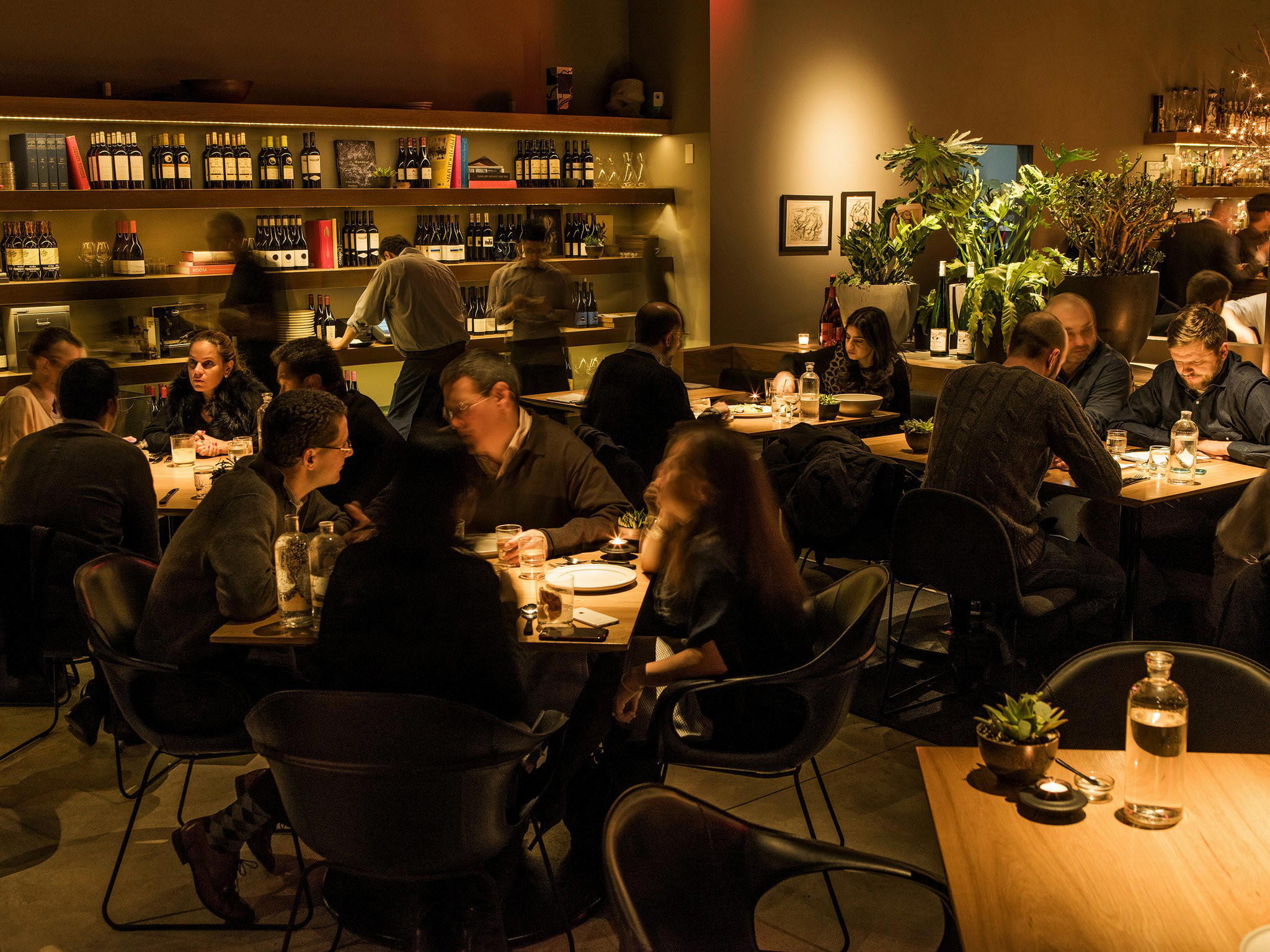
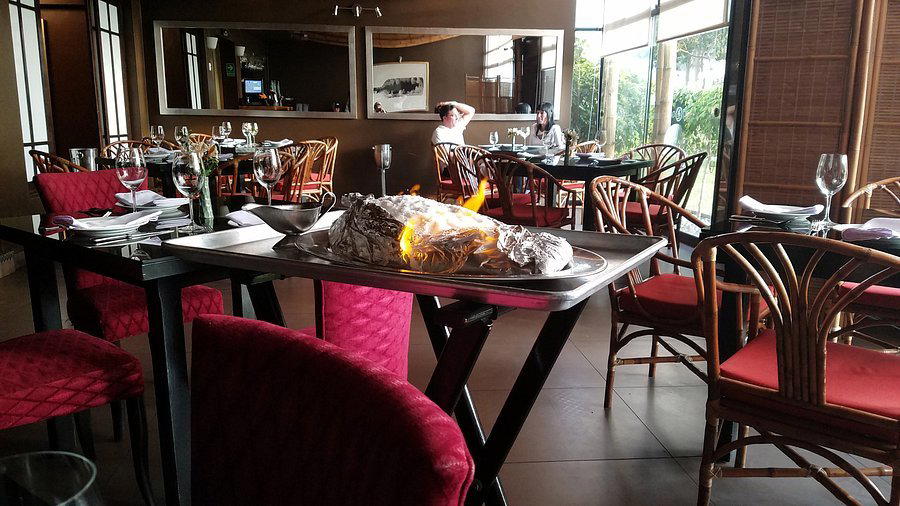
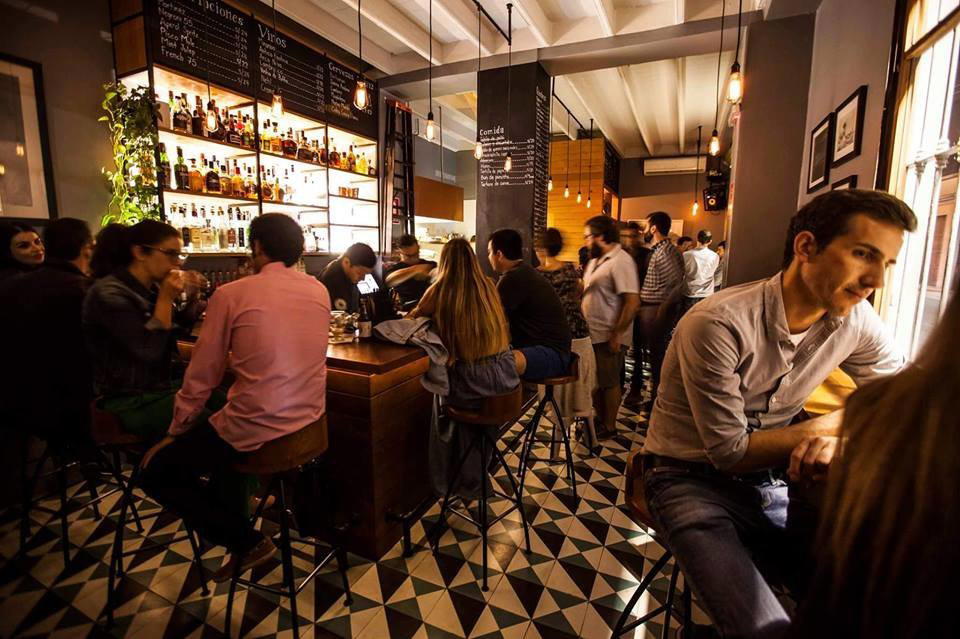
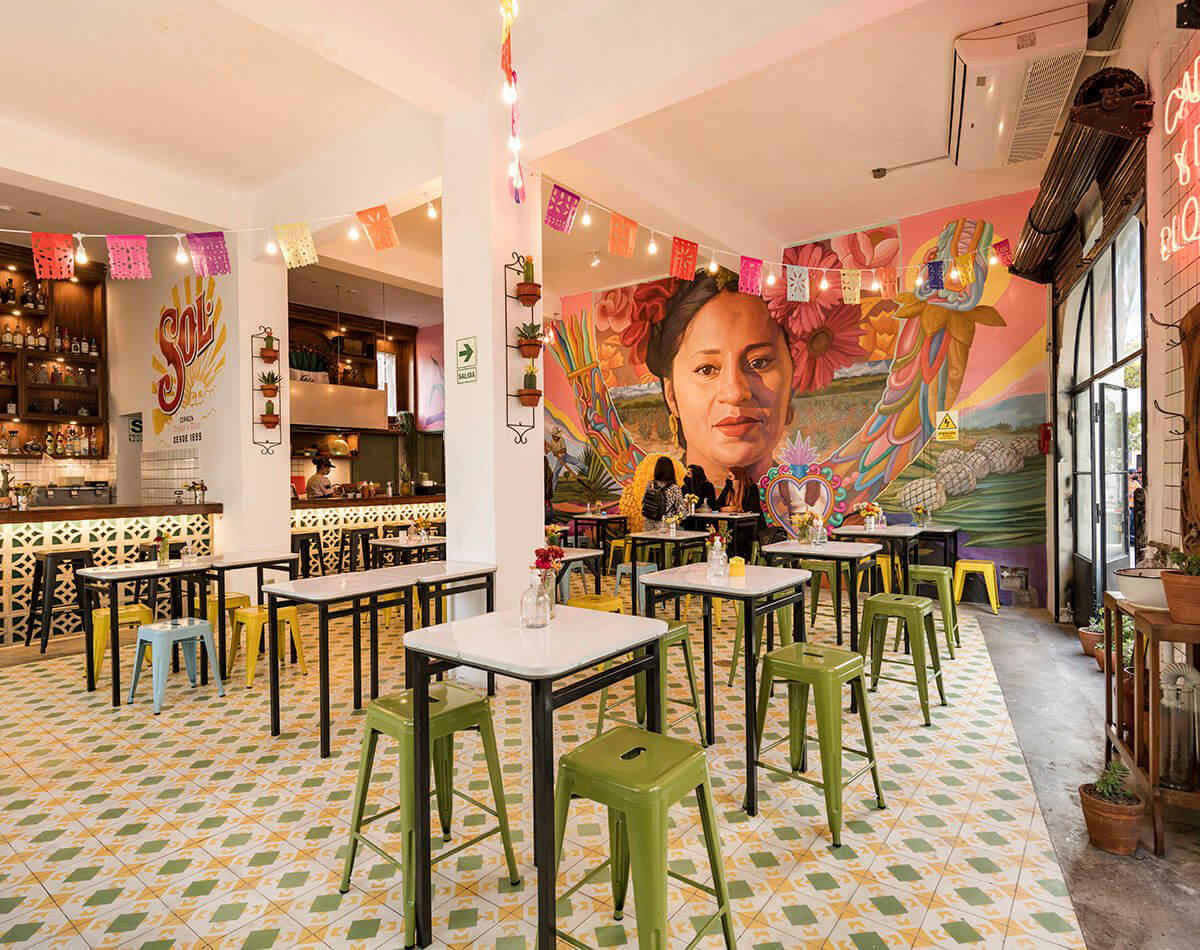
Bright, open, and airy with rustic charm and colorful decoration; busy and lively atmosphere with high energy, though acoustics can make it noisy.