Tabelog 100 #42
Our verdict
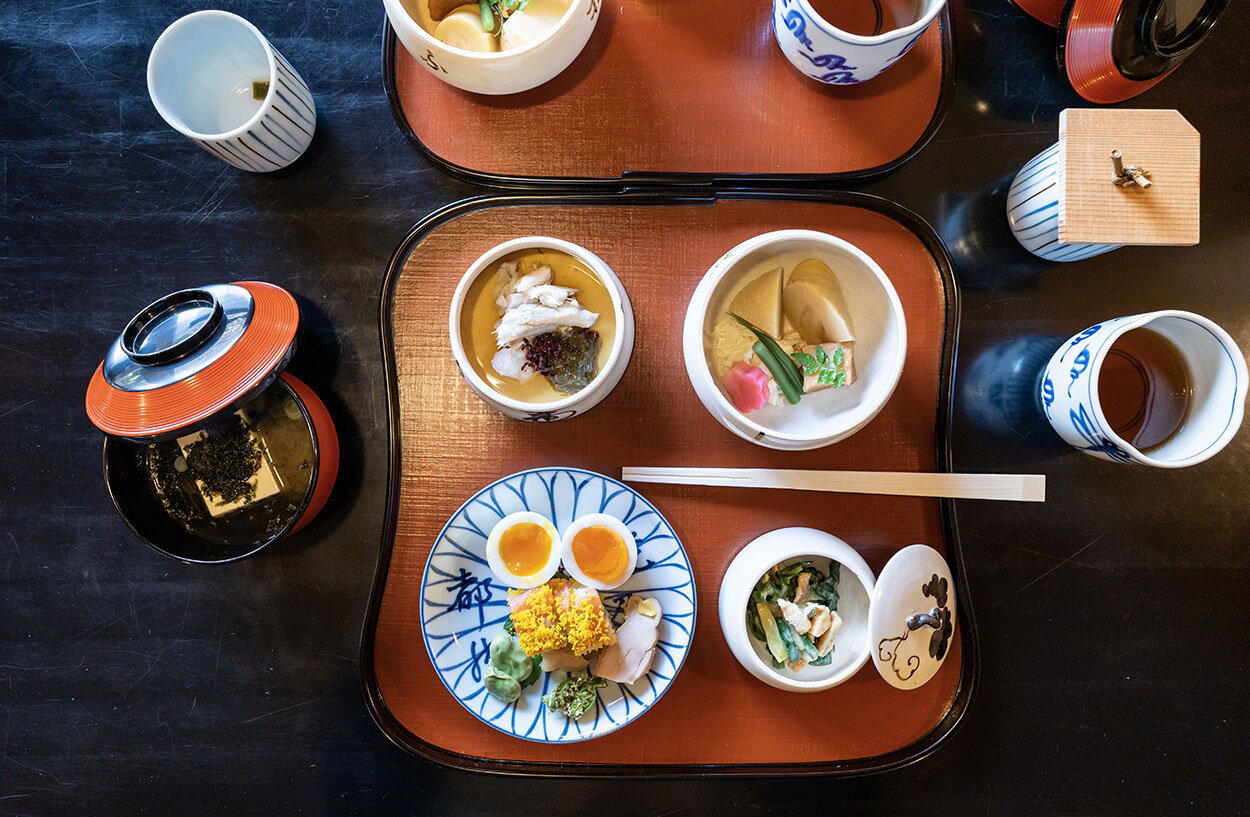
cheka is a small Kyoto cafe in Okazaki Hoshojicho, selected for Tabelog Cafe WEST 100 in 2025 and listed around JPY 1,000–1,999. Its appeal sits in Kyoto’s quieter sweet-cafe culture: cake, cafe service, and kakigori rather than temple-district formality, with a compact 16-seat room and take-out available.

Pearl is the En Primeur Club membership app, where members save venues, book tables and use the concierge.
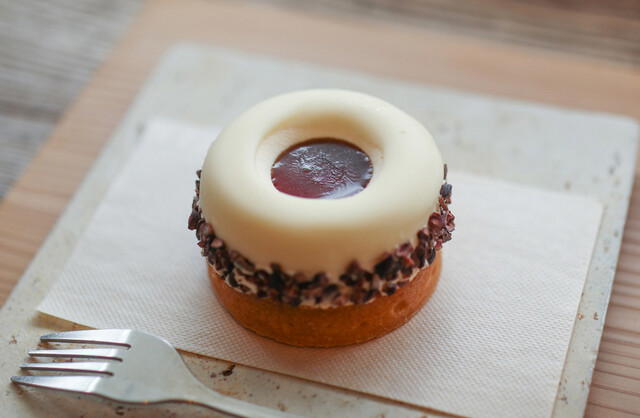
Okazaki’s cafe rhythm is quieter than Kyoto’s station corridors and shopping arcades. Around the museum district and the approach to Keage, sweets shops and tea rooms move slowly: small rooms, short menus, and customers who treat cake or kakigori as the main event, not a lunch afterthought. In that setting, cheka fits a Kyoto tradition that takes dairy, ice, fruit, tea, and baked pastry seriously without turning the visit into ceremony.
The context is modest-scale sourcing discipline, not grand dining. Kyoto’s sweet-cafe culture rewards seasonal precision without loud explanation. Kakigori depends on restraint: ice texture, syrup concentration, dairy balance, and timing matter more than decorative height. Cake asks about freshness, portioning, and whether the room can handle turnover without feeling industrial. cheka’s mix of cafe, cake, and kakigori explains its place in the city better than any chef biography.
Kyoto sweets culture, read through cake and kakigori
Kyoto has two parallel dessert habits. One is formal and tea-linked, shaped by wagashi, matcha, and temple-adjacent ritual. The other is looser cafe culture, where Western-style cakes, shaved ice, coffee, and family use sit together. cheka is in the second lane, useful for travelers not seeking a kaiseki coda or hotel lounge plate. The format is casual, but selection for Tabelog Cafe WEST 100 in 2025 gives it a public signal within Japan’s crowded cafe field.
That recognition separates the address from an interchangeable dessert stop. Tabelog’s Hyakumeiten lists tend to reward category depth rather than luxury cues, making the 2025 Cafe WEST selection relevant: a cafe judged against regional peers in western Japan, not just a neighborhood room with a pleasant menu. In a city where sweets range from shrine-side aburi mochi to patisserie-style counters, that distinction frames expectations.
Kyoto ingredient sourcing often appears through season rather than exposition. Cafes working with kakigori and cake depend on perishability: fruit windows, dairy consistency, ice handling, and sweetness calibrated for daytime service. Nothing in this genre benefits from excess. The better Kyoto examples stay compact, because small production cycles protect freshness and avoid the flattened flavor that comes from trying to serve every dessert to every visitor.
For nearby comparison inside Kyoto’s low-to-mid priced daytime dining circuit, Yamamoto Menzou and Kyo Udon Nama Soba Okakita occupy the noodle side of the same visitor map, while Hyotei sits in another register, tied to kaiseki formality and a much higher spend. cheka is not competing on occasion or duration. It is a short-form sweets stop where museum visits, temple walks, and Keage-area itineraries create demand for something focused, local, and not overbuilt.
A compact room suits the format better than spectacle
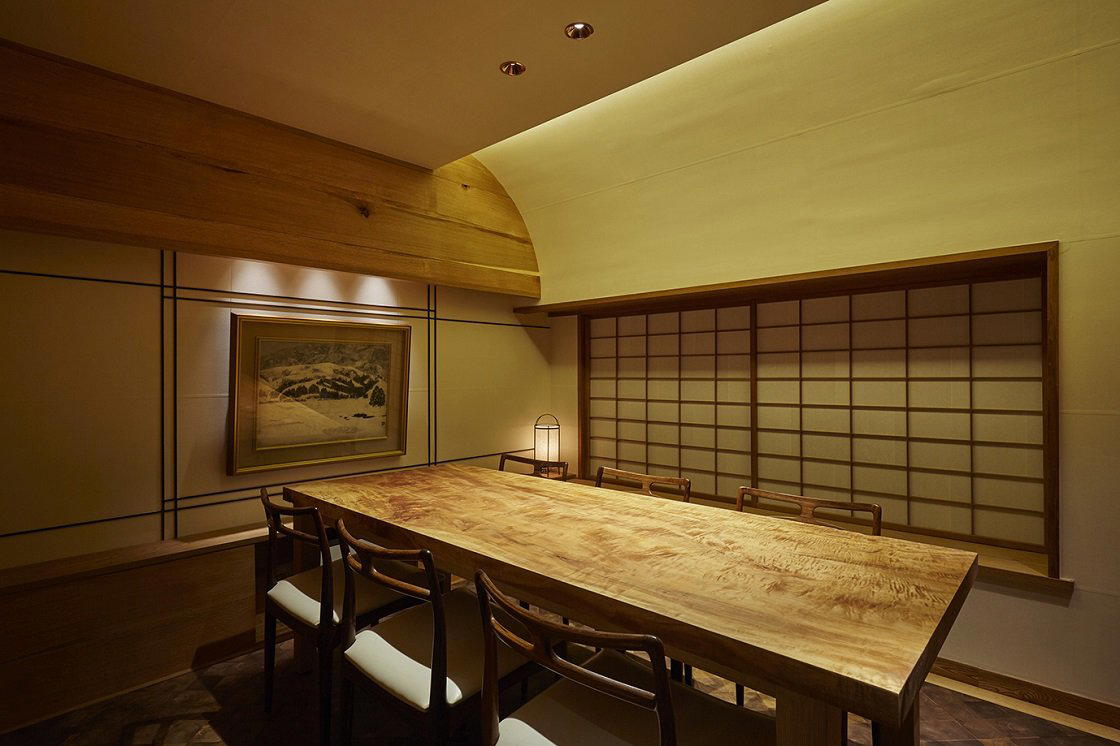
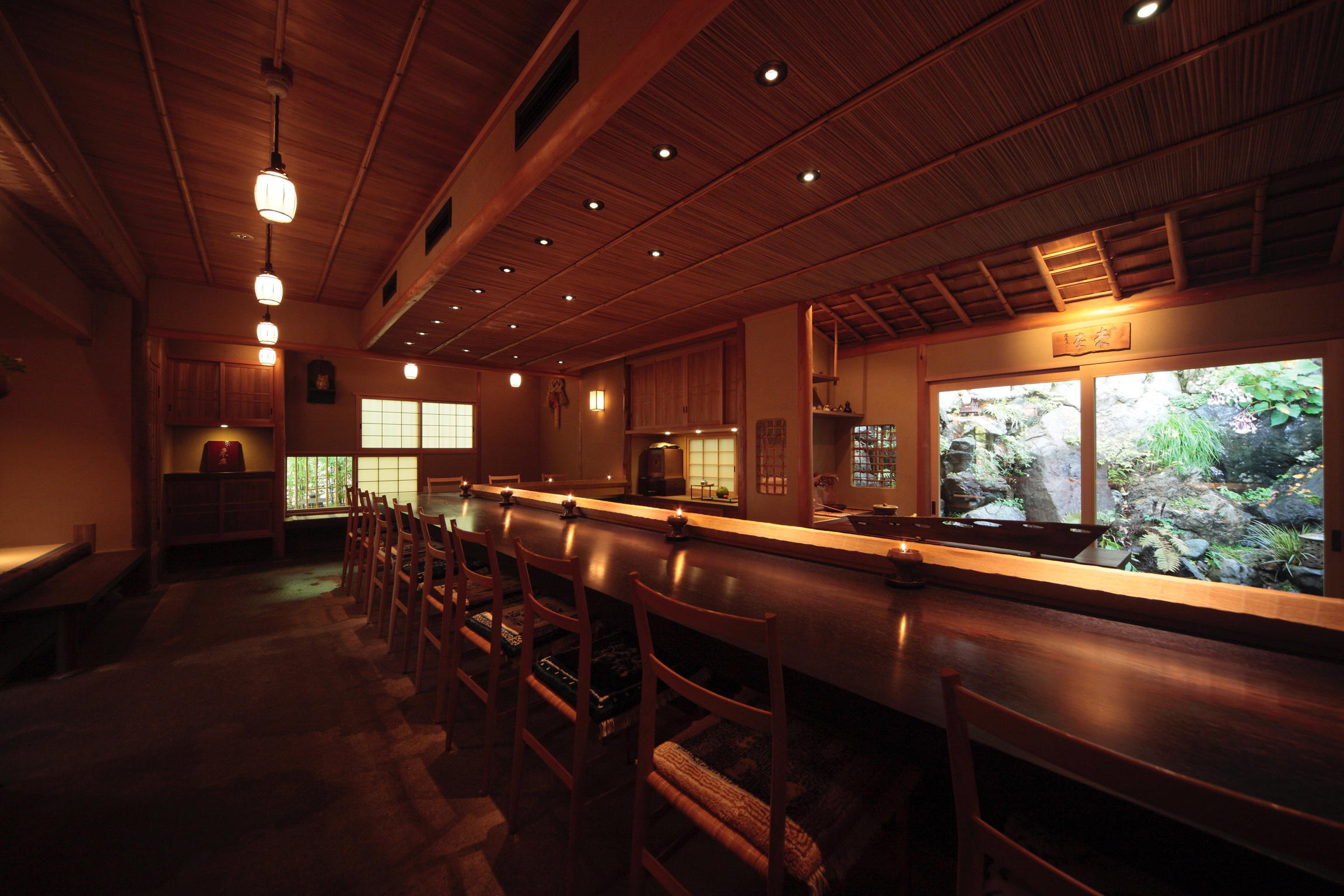
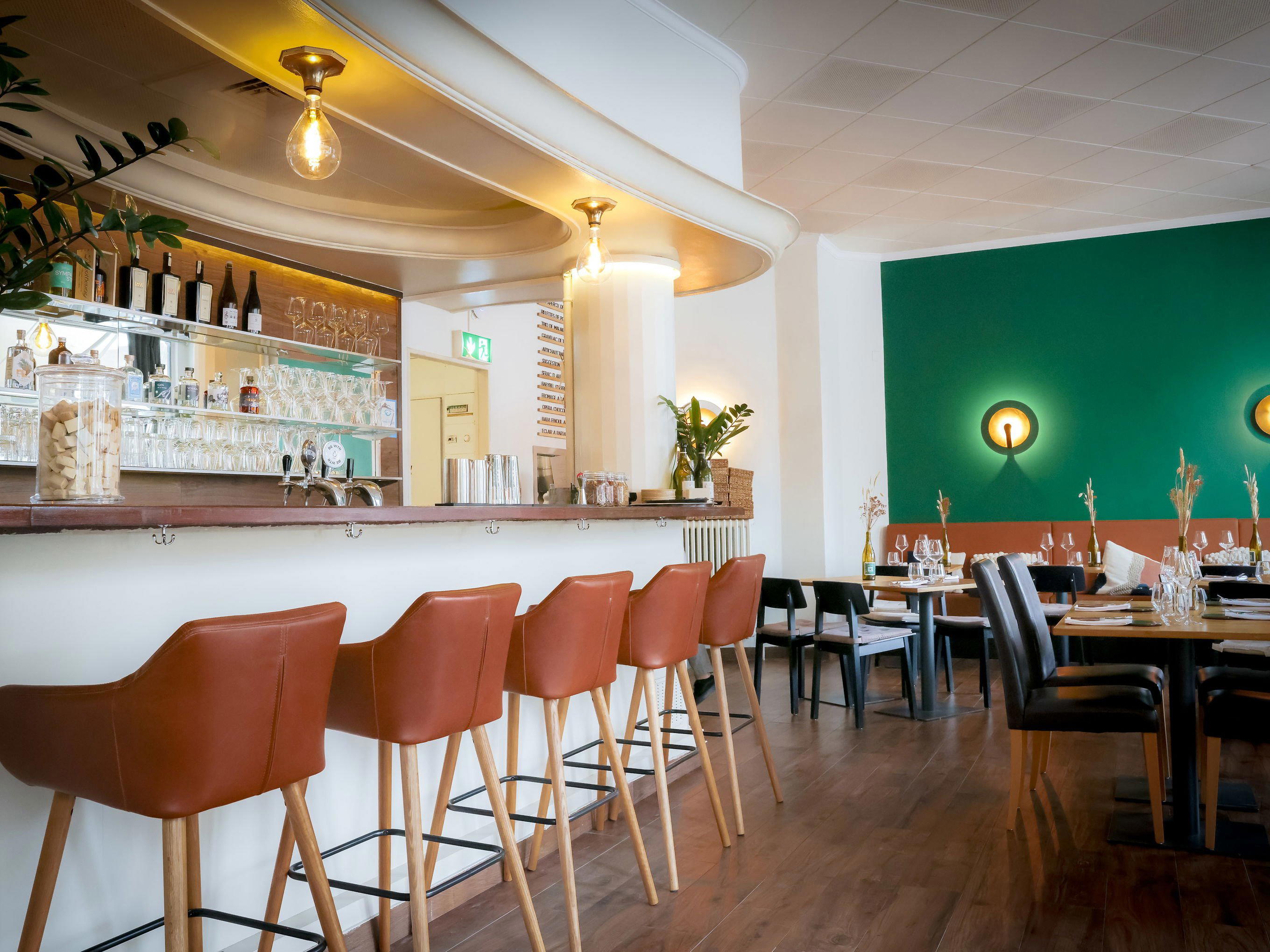
Small cafes in Kyoto can fail when they imitate the city’s luxury dining grammar. Tatami, low seating, and quiet service do not automatically make a place serious; the food must justify the pause. Here, the compact 16-seat scale is part of the point. Cake and shaved ice benefit from limited capacity because pacing is quality control, and the room’s smallness keeps the experience closer to a neighborhood tea break than a destination production.
That intimacy shapes how to use the cafe. This is not for a long multicourse afternoon or counter-restaurant choreography. It is built around a narrow appetite: something sweet, cold or baked, and enough time to let Okazaki feel residential again after busier museum and temple routes. Take-out broadens the use case, but the stronger argument remains the in-room format, where a small sweets menu makes more sense than a sprawling dessert list.
The no-reservations setup places it in a familiar Kyoto category: arrive with flexibility or choose another plan. For days built around fixed temple entries, private guides, or restaurant bookings, treat cheka as an adjustable stop, not the anchor. The address is in Sakyo Ward’s Okazaki Hoshojicho area, with Keage Station as the nearest rail reference, so it pairs more naturally with eastern Kyoto movement than with a cross-city detour from Arashiyama or the far northwest.
Payment and access details point to a local cafe rhythm rather than an international-hotel one. Cash-only operations remain common enough in Japan that visitors should read it as category signal: small room, modest spend, limited service mechanics. For families, the children-welcome policy and daytime sweets format make it more approachable than many Kyoto counters, though the room rewards compact parties and patient timing.
Where it fits in a Kyoto dining day
The stronger itinerary is eastern Kyoto, not a citywide chase. Start from Okazaki and Keage, then let the cafe sit between cultural stops rather than after a heavy meal. Kyoto’s dining map can feel polarized between formal reservations and queue-driven casual food; this address occupies the middle ground, where a recognized cafe can be planned without making the day revolve around it.
That middle ground is valuable. Kyoto visitors often overbook the city, stacking kaiseki, temples, bars, and hotel lounges until the day loses texture. A concise sweets cafe can reset the pace and show another side of Kyoto ingredient culture: less chef speech, more freshness, season, and small-batch repetition. The editorial case for cheka is restraint. It asks for a short visit, flexible schedule, and appetite for Kyoto’s everyday dessert craft rather than grand occasion dining.
For broader planning, compare the city’s casual and specialist addresses through Our full Kyoto restaurants guide, with nearby dining context from 3TOKU6MI Shijo karasuma ten, 551蓬莱, [ki:], Abbesses, and Aburi Mochi Honke Nemoto Kazariya. City logistics sit better alongside Our full Kyoto hotels guide, Our full Kyoto bars guide, Our full Kyoto wineries guide, and Our full Kyoto experiences guide. For wider Japan and abroad, see -Grilled beef Sukiyaki- KAMAKURA TANUKIAN 鎌倉 たぬき庵 in Kamakura. 鮪と炭火焼き うお炭 秋葉原店 in Tokyo.cafe in Osaka.know in Kumamoto, (Shoku) Vietnam in Kawasaki, [Curry Senmon Ten] Maruyama Kyoju. in Sapporo, Jōdo Saké Bar in Los Angeles, and Onigiri Time in Pasadena.
Frequently asked questions
Is cheka suitable for children?
Yes. The venue is listed as children welcome, and its family-friendly note aligns with its 16-seat setup in Kyoto’s Okazaki district. The price range, JPY 1,000–JPY 1,999, also keeps it within an everyday cafe bracket.
What kind of setting is cheka?
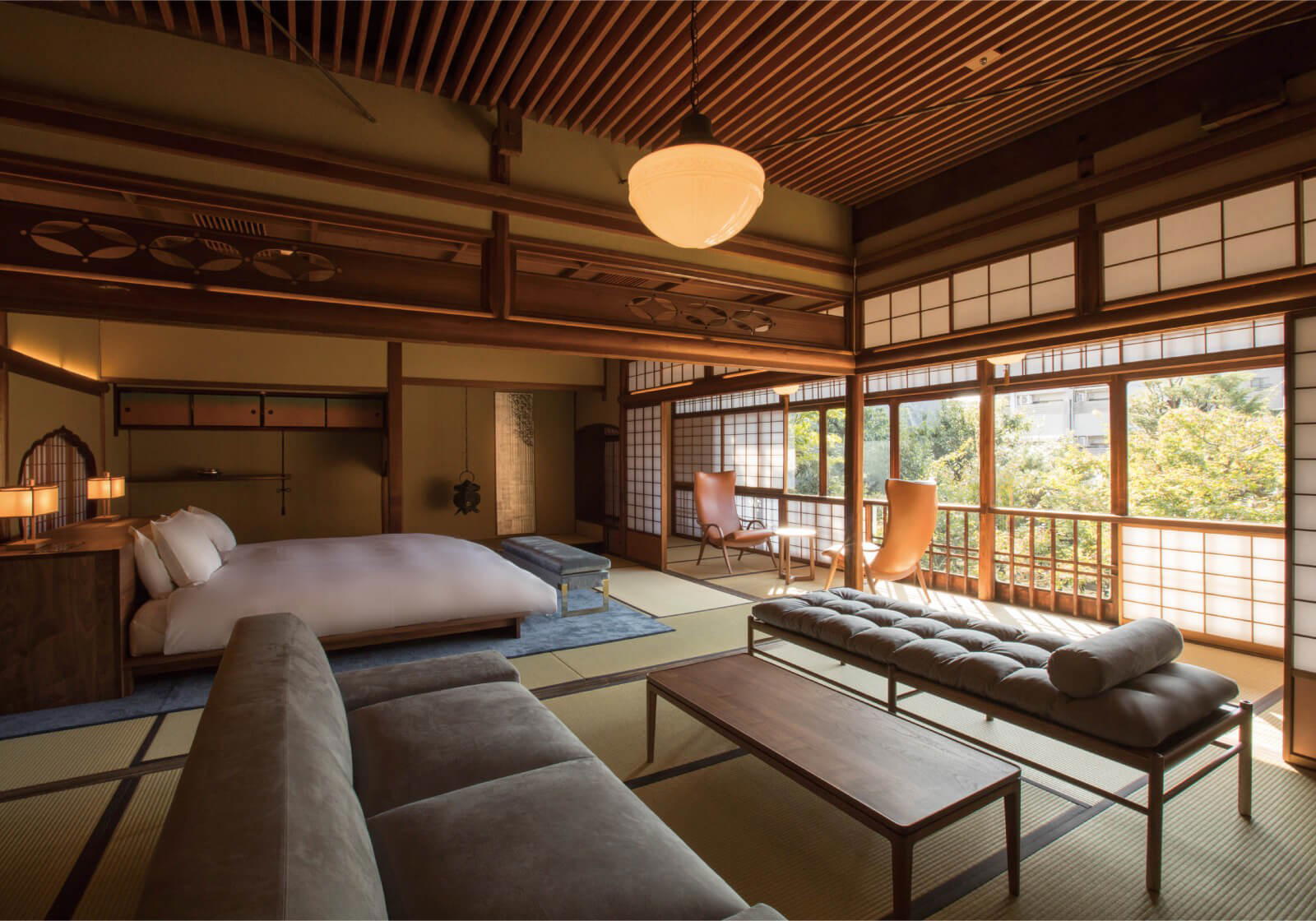
cheka is a compact cafe at 25 Okazaki Hoshojicho, Sakyo Ward, Kyoto, with 16 seats split between a tatami room and tables. It is non-smoking, offers take-out, and was selected for Tabelog 100 Cafe WEST 2025.
What's the pricing like at cheka?
Pricing at cheka is listed as JPY 1,000 - JPY 1,999.
When can I go to cheka?
Hours at cheka: Mon: Closed; Tue: Closed; Wed: 10 AM–6 PM; Thu: 10 AM–6 PM; Fri: 10 AM–6 PM; Sat: 10 AM–6 PM; Sun: 10 AM–6 PM.
Where exactly is cheka?
cheka is located in Kyoto.
Price Lens
Comparable venues by cuisine and price in the same metro.
| Venue | Cuisine | Price | Awards | Notes |
|---|---|---|---|---|
| chekaThis venue (the venue you are viewing) | Japanese Sweets & Tea House | Not listed | Tabelog 100 #42 | Not listed |
| Gion Sambor | Classic Japanese Cocktail Bar | $30–50 | Tabelog 100 #54 | Higashiyama, Classic Japanese Cocktail Bar |
| Cafe Bibliotic Hello! | Not listed | $10–20 | Tabelog 100 #24 | Nakagyō, Book café & bakery with yoshoku-style comfort food |
| MarieBelle Kyoto honten | Artisanal chocolate cafe & cacao bar | $20–30 | Tabelog 100 #13 | Nakagyō, Artisanal chocolate cafe & cacao bar |
| GOSPEL | Western-style cafe with homemade curry, gratin and baked sweets | Not listed | Tabelog 100 #64 | Sakyō, Western-style cafe with homemade curry, gratin and baked sweets |
| Annee | French-style bakery cafe | $10–20 | Tabelog 100 #86 | Nakagyō, French-style bakery cafe |
Recognition history
Dated appearances from independent guides and award organizations, with the underlying list record or original source where available.
Tabelog 100 #42 · No. 42
Tabelog · Tabelog 100 - Cafe - WEST - 2025