
Tabelog 100 #50
Our verdict
[ki:] brings Middle Eastern cooking into Kyoto’s breakfast-and-lunch rhythm, with Tabelog 100 selection in the Asian and ethnic cuisine WEST category for 2023 and 2024. The appeal is less about Kyoto formality than about category contrast: a 21-seat house restaurant near Kiyomizu Gojo, priced in the JPY 3,000 range, with wine, take-out, English menu support, and family-friendly service.

Pearl is the En Primeur Club membership app, where members save venues, book tables and use the concierge.
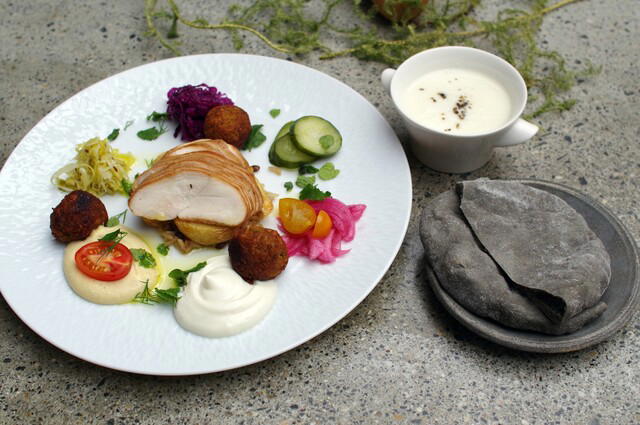
The menu
What to order
- Lamb shawarma
- Chicken shawarma
- Hummus
- Falafel
Approaching Kyoto’s lower Gojo side shifts the dining register. Temple routes remain close, but the rhythm is smaller, more domestic and less ceremonial than Gion’s kaiseki corridors. In that quieter frame, [ki:] stands out for placing Middle Eastern cooking into a Kyoto daypart usually claimed by kissaten breakfasts, soba lunches and temple-area sweets, part of a broader shift in which serious casual dining no longer has to signal itself through Japanese tradition alone.
The restaurant is best read through contrast. Kyoto has long absorbed outside food cultures with restraint, from yoshoku to French pastry to coffee. Middle Eastern food enters differently, built around grains, herbs, legumes, smoke, dairy, pickles and shared plates rather than the seasonal minimalism many visitors associate with the city. At [ki:], it is not a theme-park departure from Kyoto, but folded into morning and lunch: a practical, repeatable format that can become local life rather than novelty.
Middle Eastern cooking in a Kyoto breakfast-and-lunch register
Kyoto’s dining reputation is often filtered through expensive counters and formal rooms, but its daily food culture is broader: early bakeries, quick noodle shops and small houses converted into restaurants set the pace beyond the tourist spine. Here Middle Eastern cooking makes sense, giving the city another vocabulary for daytime eating, especially for travelers with a kaiseki dinner already booked who want lunch lighter, vegetable-forward and less scripted.
The Tabelog 100 selection in the Asian cuisine and ethnic cuisine WEST category in 2023 and 2024 is a useful trust signal, not because lists settle taste, but because the category is competitive and regionally broad. A 3.68 Tabelog score, 21 seats and a house-restaurant format place it where recognition comes from consistency and specificity rather than scale. In Kyoto, with many polished rooms but fewer compact commitments to non-Japanese regional cuisine, that matters.
The price signal is also useful. At JPY 3,000 to JPY 3,999, the meal sits below Kyoto’s luxury ceiling but above a snack stop. In that middle band, the restaurant must justify itself through format, ingredients and pacing, not theatrical service or prestige pricing. For daytime planning, it reads as a focused specialist rather than a long-form destination dinner.
How it fits Kyoto's wider dining map
Kyoto rewards diners who treat it as micro-scenes, not one cuisine. A soba address such as sonoba speaks to low-key noodle culture; SEN and Senda occupy more formal Japanese and French-Japanese territory; Grand Café FAUCHON reflects the hotel-patisserie side of central Kyoto. [ki:] takes another lane: not a kaiseki substitute, temple sweet or French-Japanese hybrid, but a daytime Middle Eastern counterpoint to all three.
That distinction helps itinerary building. Pairing one Japanese fine-dining meal with a tight daytime specialist often gives a sharper read than stacking ceremony on ceremony. For that broader map, EP Club’s Kyoto coverage works as routes: Our full Kyoto restaurants guide for dining range, Our full Kyoto hotels guide for where to stay, Our full Kyoto bars guide for evening drinking, Our full Kyoto wineries guide for wine-related planning, and Our full Kyoto experiences guide for cultural structure around the meal.
Within the restaurant list, contrast is the point. 3TOKU6MI Shijo karasuma ten, 551蓬莱, Abbesses, Aburi Mochi Honke Nemoto Kazariya and Aca 1° (Japanese Kaiseki) pull Kyoto toward different traditions, from sweets and Chinese-style comfort to French technique and formal Japanese structure. Reading [ki:] alongside them makes the city less frozen in heritage and more a place where imported food cultures are judged by how well they settle into the local day.
A small-room choice, not a grand-occasion play
The practical character is central. A 21-seat room, non-smoking policy, counter seating, photo menus and multilingual menu support suggest accessibility without losing focus. Children are welcomed, including babies, preschoolers and school-age children, and the listing includes a kids menu and stroller acceptance. In Kyoto, where serious small restaurants can be hard for family travel, that combination is meaningful.
The reservation pattern shapes use. Morning sessions take reservations, with bookings opening three business days ahead, while broader service runs through breakfast and lunch. It is a planning tool for a Kyoto day starting near Kiyomizu Gojo, before moving east to temple districts or west into central shopping streets. Parking is not part of the proposition, though coin parking is nearby; rail access matters more, with Kiyomizu Gojo the nearest station.
Wine also changes the frame. Middle Eastern restaurants in Japan are often reduced to quick lunch categories, but a wine-conscious program gives [ki:] a more adult register, even by day. Payment flexibility, take-out and English-language support widen the audience. The result suits travelers wanting Kyoto specificity without another hushed room, and residents wanting an international table that behaves like a neighborhood address.
For a wider Japan comparison, category spread matters more than direct similarity. -Grilled beef Sukiyaki- KAMAKURA TANUKIAN 鎌倉 たぬき庵 in Kamakura. 鮪と炭火焼き うお炭 秋葉原店 in Tokyo.cafe in Osaka.know in Kumamoto, (Shoku) Vietnam in Kawasaki and [Curry Senmon Ten] Maruyama Kyoju. in Sapporo show how regional Japanese dining directories increasingly reward specificity across formats, not just formal luxury. Internationally, Jōdo Saké Bar in Los Angeles and Onigiri Time in Pasadena make the same point in reverse: Japanese and Japan-adjacent food culture travels well when the format is disciplined. [ki:] is Kyoto’s version of that exchange, a compact daytime room where Middle Eastern cooking is judged on integration, not spectacle.
Frequently asked questions
Is [ki:] good for families?
Yes. The venue is marked family friendly, with babies, preschoolers and school-age children welcome, plus a kids menu and stroller access. That profile sits well with its 21-seat room in Kyoto’s Shimogyo Ward.
Is [ki:] formal or casual?
It reads as casual rather than formal. The room has counter seating, photo menus, multilingual English support and a house-restaurant setting at 149 Toichicho, Kyoto.
What should I budget for a meal at [ki:]?
Pricing at [ki:] is listed as JPY 3,000 - JPY 3,999.
What are the operating hours at [ki:]?
Hours at [ki:]: Mon: 8–9:45 AM, 11 AM–2:45 PM; Tue: 8–9:45 AM, 11 AM–2:45 PM; Wed: 8–9:45 AM, 11 AM–2:45 PM; Thu: 8–9:45 AM, 11 AM–2:45 PM; Fri: 8–9:45 AM, 11 AM–2:45 PM; Sat: 8–9:45 AM, 11 AM–2:45 PM; Sun: 8–9:45 AM, 11 AM–2:45 PM.
Where do I go for [ki:]?
[ki:] is located in Kyoto.
What do critics highlight about [ki:]?
The clearest external signal is its Tabelog 100 selection for Asian cuisine / Ethnic cuisine WEST in 2024, following a 2023 selection as well. Critics also point to the breakfast service, 21 seats and the focused morning reservation window.
Price and Positioning
Comparable venues by cuisine and price in the same metro.
| Venue | Cuisine | Price | Awards | Notes |
|---|---|---|---|---|
| [ki:]This venue (the venue you are viewing) | Lebanese | $10–20 | Tabelog 100 #50 | Not listed |
| Kyoto Tsurara | Modern Japanese Kakigori | $1–10 | Not listed | Nakagyo Ward, Nijo Area, Modern Japanese Kakigori |
| Sobanomi Yoshimura (蕎麦の実よしむら) | Traditional Handmade Kyoto Soba | $20–30 | Not listed | Shimogyo-ku, Handmade Soba Noodles |
| Yanagikoji TAKA | Italian–Kyoto Fusion Izakaya & Yakitori Bar | $30–50 | Tabelog 100 #92 | Nakagyō, Italian–Kyoto Fusion Izakaya & Yakitori Bar |
| THE SODOH HIGASHIYAMA KYOTO | Japanese | Not listed | Tabelog 100 #87 | Higashiyama, Dining |
| Torinoki Coffee | Nakagyō, Specialty Coffee & Pudding Cafe | $1–10 | Tabelog 100 #20 | Not listed |
Recognition history
Dated appearances from independent guides and award organizations, with the underlying list record or original source where available.
Tabelog 100 #50 · No. 50
Tabelog · Tabelog 100 - Asian cuisine / Ethnic cuisine - WEST - 2024
Continue exploring
More in Kyoto
Restaurants in Kyoto
All restaurants in Kyoto →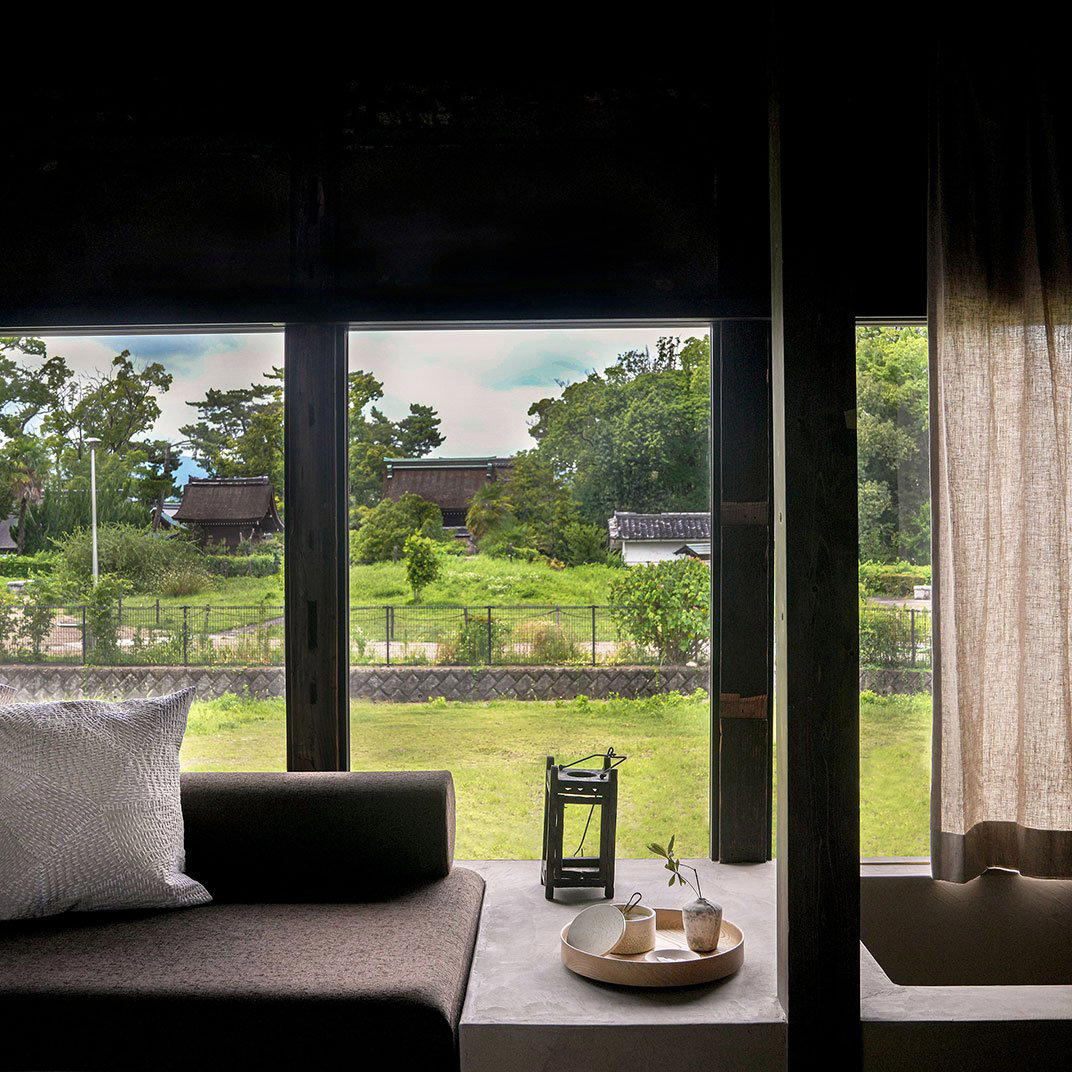
Bars in Kyoto
All bars in Kyoto →
Hotels in Kyoto
All hotels in Kyoto →
Wineries in Kyoto
Browse all →
Details
- Minimalist
- Sophisticated
- Trendy
- Modern
- Casual Hangout
- Standalone
- Street Scene
- A La Carte
- Vegetarian Friendly
Current opening hours
- Monday
- 8–9:45 AM, 11 AM–2:45 PM
- Tuesday
- 8–9:45 AM, 11 AM–2:45 PM
- Wednesday
- 8–9:45 AM, 11 AM–2:45 PM
- Thursday
- 8–9:45 AM, 11 AM–2:45 PM
- Friday
- 8–9:45 AM, 11 AM–2:45 PM
- Saturday
- 8–9:45 AM, 11 AM–2:45 PM
- Sunday
- 8–9:45 AM, 11 AM–2:45 PM
Hours can change for holidays and private events. Hours as of .
Charming and sophisticated with natural sunlight, minimalist interior, and welcoming atmosphere.