Michelin Plate
Our verdict
Chef Man (Sathon) brings Hong Kong-trained technique to Bangkok's Cantonese scene, earning consecutive Michelin Plate recognition in 2024 and 2025. The restaurant is best known for its slow-roasted mule duck, sourced from a private local supplier and roasted for four hours, alongside dim sum and crispy shrimp with soya sauce. At a mid-range price point, it represents one of Sathon's more credible Cantonese addresses.

Pearl is the En Primeur Club membership app, where members save venues, book tables and use the concierge.
Where the Roasting Tradition Lands in Bangkok
Cantonese roasting is one of the most technically demanding disciplines in Chinese cooking. The preparation of a proper Peking-style duck, char siu that holds lacquer without turning sweet, and the management of an open roasting station each require years of repetition and supply-chain discipline that most kitchens in Southeast Asia do not attempt at any serious depth. Bangkok has a long history of Cantonese immigration and influence, but the restaurants that execute this roasting tradition at a level comparable to Hong Kong remain a relatively small group. Chef Man on South Sathon Road sits within that group, holding consecutive Michelin Plate recognition in 2024 and 2025 while positioning itself at a mid-range price point, well below the city's starred tasting-menu tier represented by venues like Sorn (Southern Thai) or Baan Tepa (Thai contemporary).
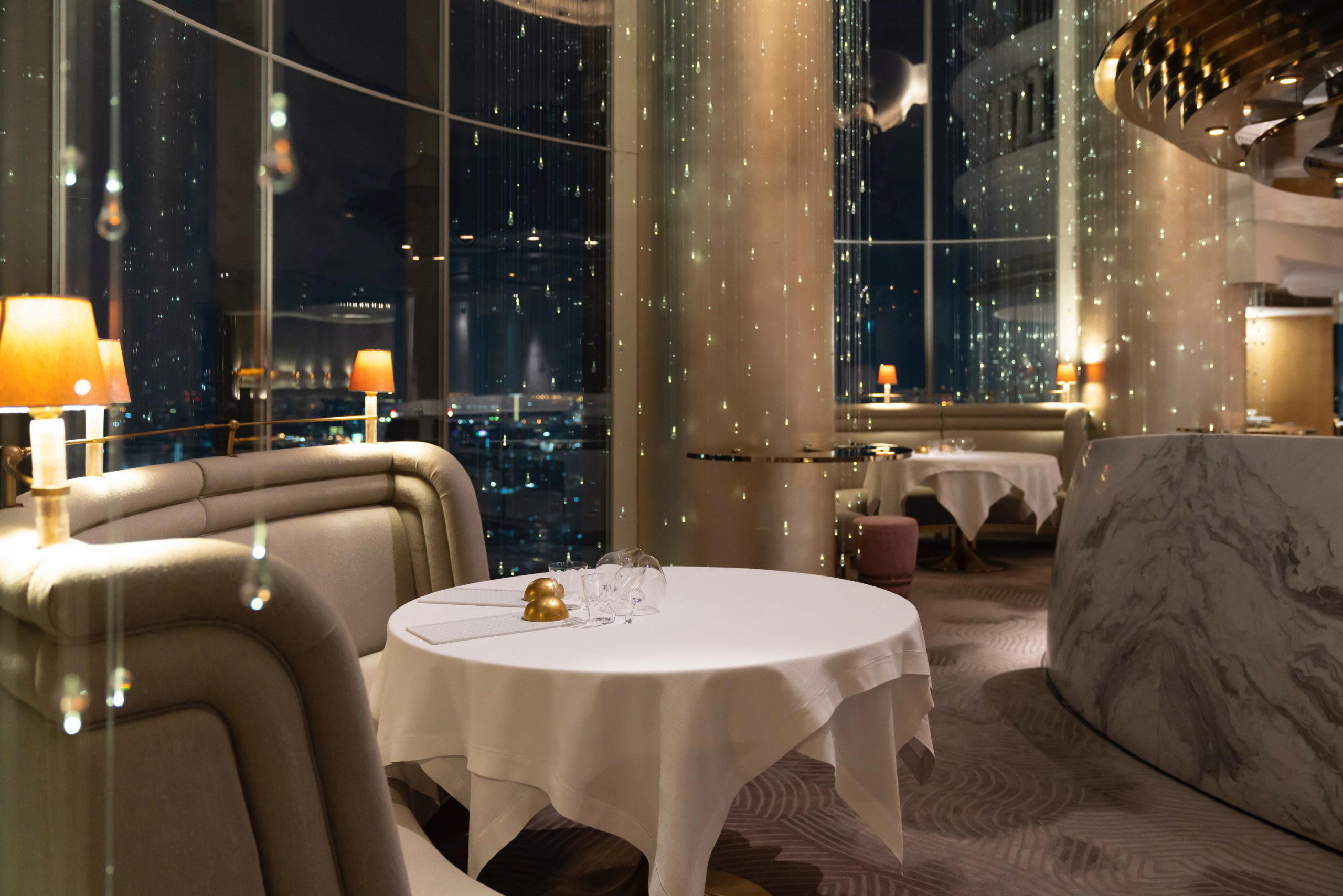
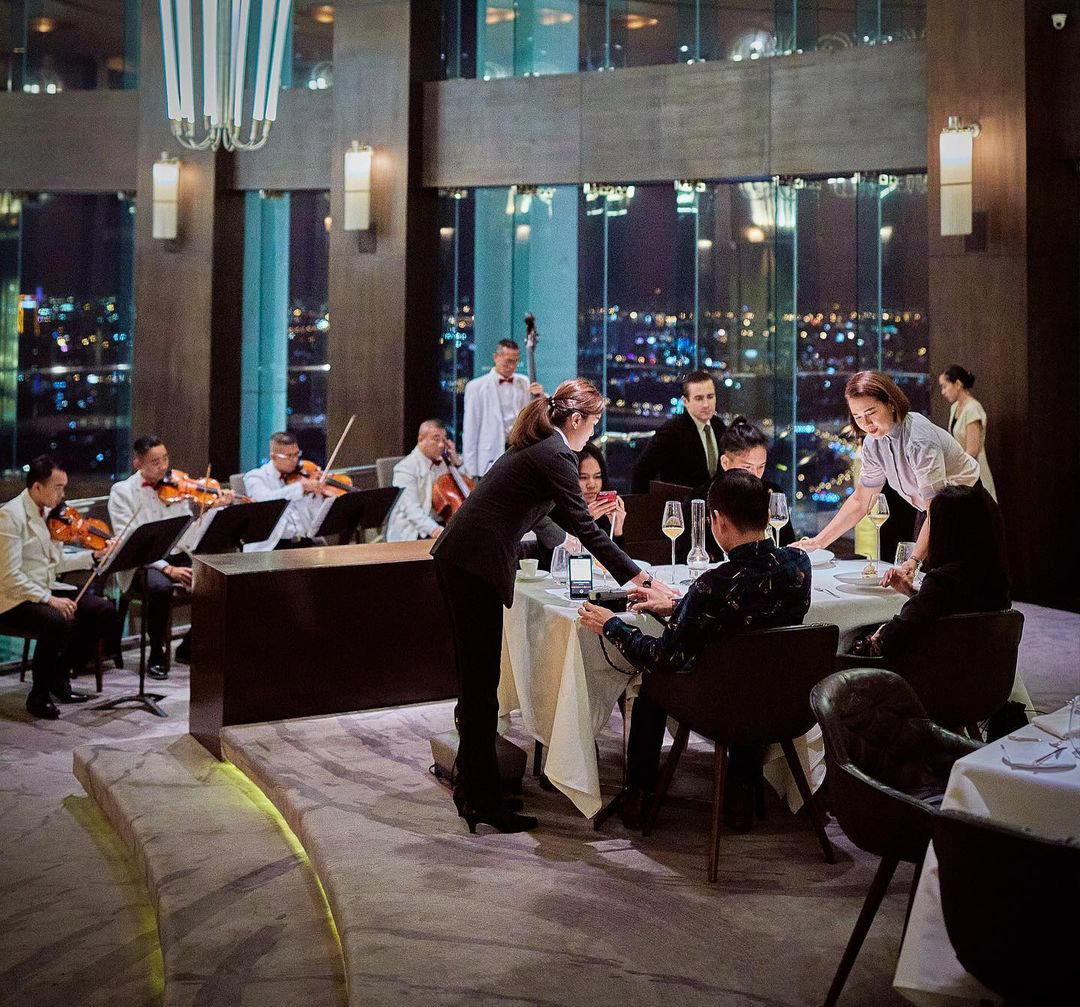
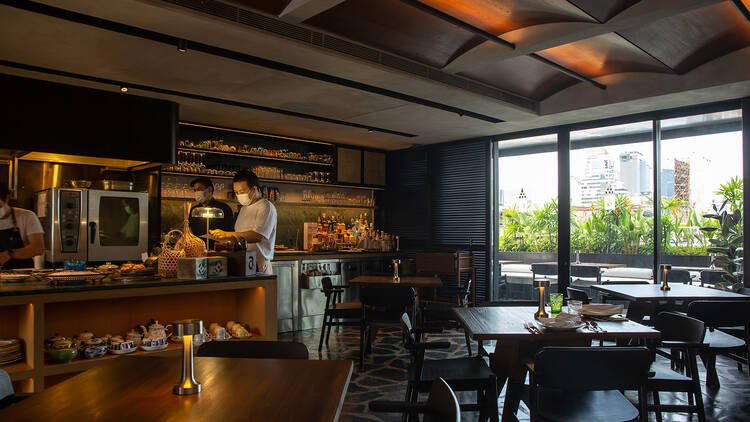
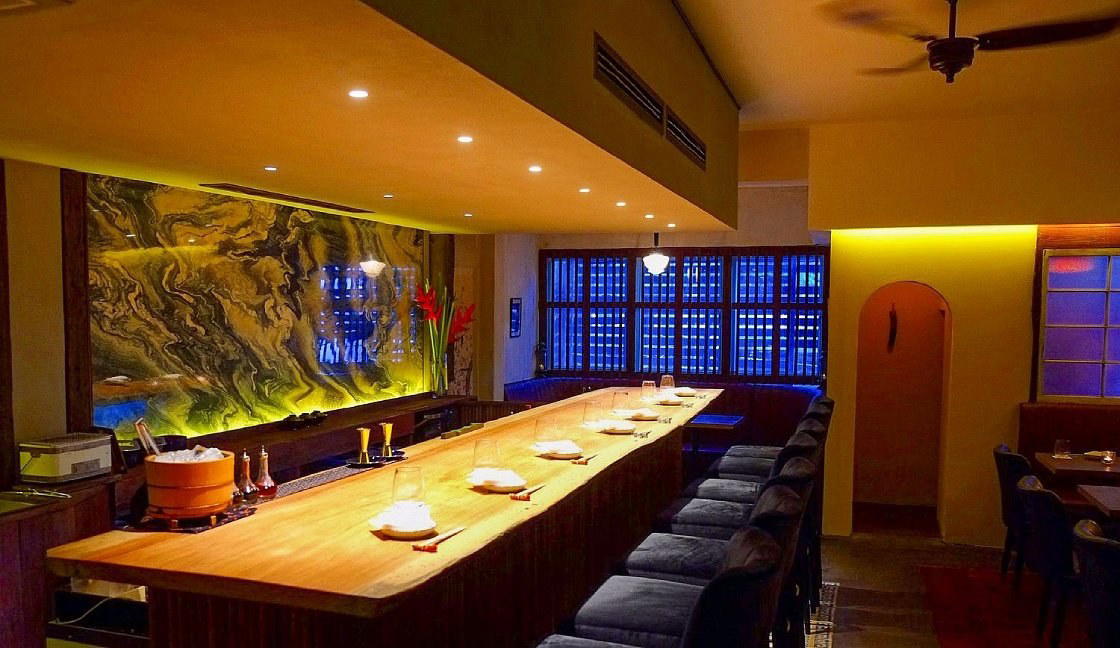
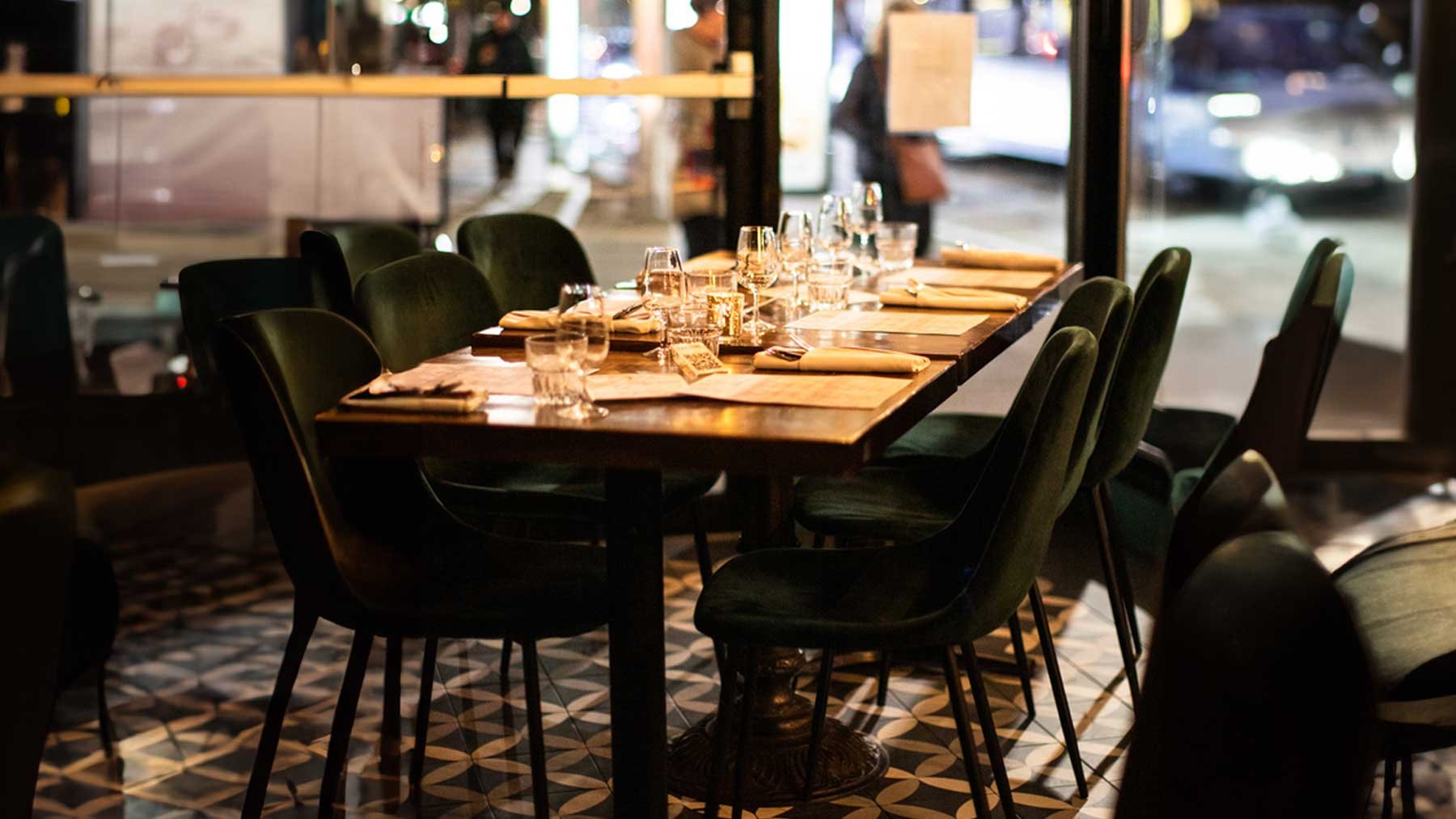
The Sathon address places Chef Man inside one of Bangkok's established business and consular corridors, a neighbourhood accustomed to hosting the kind of working lunch and family dinner that Cantonese cooking traditionally anchors. The large open kitchen, staffed by chefs brought from Hong Kong, is visible from the dining room, which carries classical Chinese décor throughout. That transparency in the kitchen is worth noting: in a category where technique is the entire argument, watching the roasting stations operate is part of what validates the experience before the food arrives.
The Duck as the Central Argument
In the broader Cantonese roasting tradition, duck is the benchmark dish by which a kitchen is measured. The variables, breed, feed, supplier relationship, drying time, lacquering method, and oven temperature and duration, produce wildly divergent results across restaurants that all nominally serve the same dish. At Chef Man, the mule duck comes from a private local supplier and is roasted for four hours. That duration is significantly longer than many Hong Kong roasting houses use for standard duck, and the choice of mule duck, a crossbreed valued for its fat distribution and skin texture, reflects an ingredient decision made well before the duck reaches the oven.
The restaurant has built its reputation substantially around this duck, and the Michelin recognition aligns with that emphasis. For comparison within Bangkok's Chinese dining scene, Wah Lok and Yu Ting Yuan each approach Cantonese cooking from their own positions within the city's hotel-dining tier, while Chef Man operates as a standalone restaurant with the duck as its most visible credential. Outside Bangkok, the Cantonese roasting tradition is explored at different registers at 102 House in Shanghai and Chef Tam's Seasons in Macau, where the broader Greater China context for this cuisine is easier to map.
Beyond the Duck: Dim Sum and the Supporting Menu
A Cantonese kitchen that leads with roasting will typically carry its technical discipline into dim sum production as well, since both traditions share an emphasis on temperature control, timing, and dough work that cannot be faked at volume. Chef Man's dim sum has drawn recognition alongside the roasting, and the glutinous crispy shrimp with soya sauce appears as a specific highlight in the restaurant's documented reputation. That dish sits within a category, crispy seafood preparations in Cantonese cooking, where the contrast between the exterior texture and the interior fill defines success or failure in a single bite.
The home-style framing that accompanies Chef Man's reputation in published accounts is worth addressing directly. In Cantonese cooking, home-style does not mean casual or simplified. It refers to a register of cooking that prioritises ingredient quality and clarity of flavour over elaborate plating or theatrical presentation, the kind of food that a serious Hong Kong household or a Cantonese grandmother would recognise as correct. That positioning sits in a different competitive space from, say, K by Vicky Cheng, which brings a more contemporary interpretive lens to Cantonese tradition. Chef Man is not making that argument. It is making the argument that the classical approach, executed with the right sourcing and trained hands, holds its own.
Bangkok's Cantonese Scene in Brief
Bangkok's Chinese-Thai dining culture runs deep, shaped by generations of Teochew, Cantonese, and Hakka immigration that produced both the city's street-food character and its more formal Chinese restaurant tradition. Within that history, Cantonese cooking occupies a particular position: it is the Chinese regional cuisine most associated with formal occasion dining in Thailand, from wedding banquets to business lunches, and the one most likely to be judged by visitors against a Hong Kong reference point. That reference point is demanding. Hong Kong's roasting houses have refined their techniques over decades within a highly competitive local market, and kitchens that claim Cantonese credentials elsewhere are inevitably measured against it.
Chef Man's use of Hong Kong-trained kitchen staff is the structural answer to that comparison. It is not an incidental detail but the mechanism by which the restaurant maintains its technical standard in a city where that kind of sourcing is not direct.
Planning Your Visit
Chef Man is located at 33/1 South Sathon Road in the Yan Nawa subdistrict of Sathon, accessible from the BTS network via Surasak or Chong Nonsi stations with a short taxi or motorbike taxi connection from either point. The mid-range price positioning (฿฿ on a four-tier scale) makes it one of the more accessible Michelin-recognised Cantonese addresses in the city, and the format, a large restaurant with an open kitchen rather than a tasting-menu counter, means it accommodates both small tables and larger group bookings. Reservations are advisable, particularly for the duck, which given its four-hour roasting time may benefit from advance notice. For broader context on where Chef Man fits within the city's dining options, see our full Bangkok restaurants guide, and for planning the rest of a Bangkok trip, the Bangkok hotels guide, bars guide, wineries guide, and experiences guide cover the wider picture. Elsewhere in Thailand, AKKEE in Pak Kret, PRU in Phuket, Aeeen in Chiang Mai, Agave in Ubon Ratchathani, Angeum in Phra Nakhon Si Ayutthaya, and The Spa in Lamai Beach represent the range of regional dining options worth considering alongside a Bangkok itinerary.
Frequently asked questions
Where is Chef Man (Sathon) located?
Chef Man (Sathon) is located at 33 1 S Sathon Rd, Yan Nawa, Sathon, Bangkok 10120, Thailand, Bangkok.
What's the price range at Chef Man (Sathon)?
Pricing at Chef Man (Sathon) is listed as ฿฿.
What's Chef Man (Sathon) known for in terms of accolades?
Chef Man (Sathon) has received recognition including: Hongkonger Chef Man Wai Yi has a stellar reputation for ‘home-style’ Cantonese cuisine, delicious dim sum and legendary Peking duck. The mule duck, from a private local supplier, is roasted for 4 hours. His special recipe and sweet mango co….
What's the best thing to order at Chef Man (Sathon)?
The mule duck is the dish most directly tied to Chef Man's reputation and its back-to-back Michelin Plate recognition in 2024 and 2025. Sourced from a private local supplier and roasted for four hours, it is the clearest expression of Chef Man Wai Yi's Hong Kong roasting background. The glutinous crispy shrimp with soya sauce is also cited as a standout from the supporting menu.
| Venue | Cuisine | Price | Awards | Notes |
|---|---|---|---|---|
| Chef Man (Sathon)This venue (the venue you are viewing) | Authentic Cantonese | Not listed | Michelin Plate | Not listed |
| Sorn | Fine Southern Thai | $200–300 | 3 Michelin Stars · World's 50 Best #12 | Southern Thai, ฿฿฿฿ |
| Côte by Mauro Colagreco | Riviera Mediterranean Fine Dining | $200–300 | 2 Michelin Stars · World's 50 Best #91 | Mediterranean, Modern Cuisine, ฿฿฿฿ |
| Baan Tepa | Creative Thai Fine Dining | $150–200 | 2 Michelin Stars · World's 50 Best #53 | Thai contemporary, ฿฿฿฿ |
| Gaa | Modern Indian Fine Dining with Thai Influences | $150–200 | 2 Michelin Stars · World's 50 Best #95 | Modern Indian, Indian, ฿฿฿฿ |
| Sühring | Modern German Fine Dining | $200–300 | 3 Michelin Stars · World's 50 Best #18 | German, ฿฿฿฿ |
Recognition history
Dated appearances from independent guides and award organizations, with the underlying list record or original source where available.
Michelin Plate
Michelin
Opinionated About Dining Top Restaurants in Asia Recommended
Opinionated About Dining
Full recognition history (4 entries)
Michelin Plate
Michelin
Michelin Plate
Michelin