

Michelin Plate
Our verdict
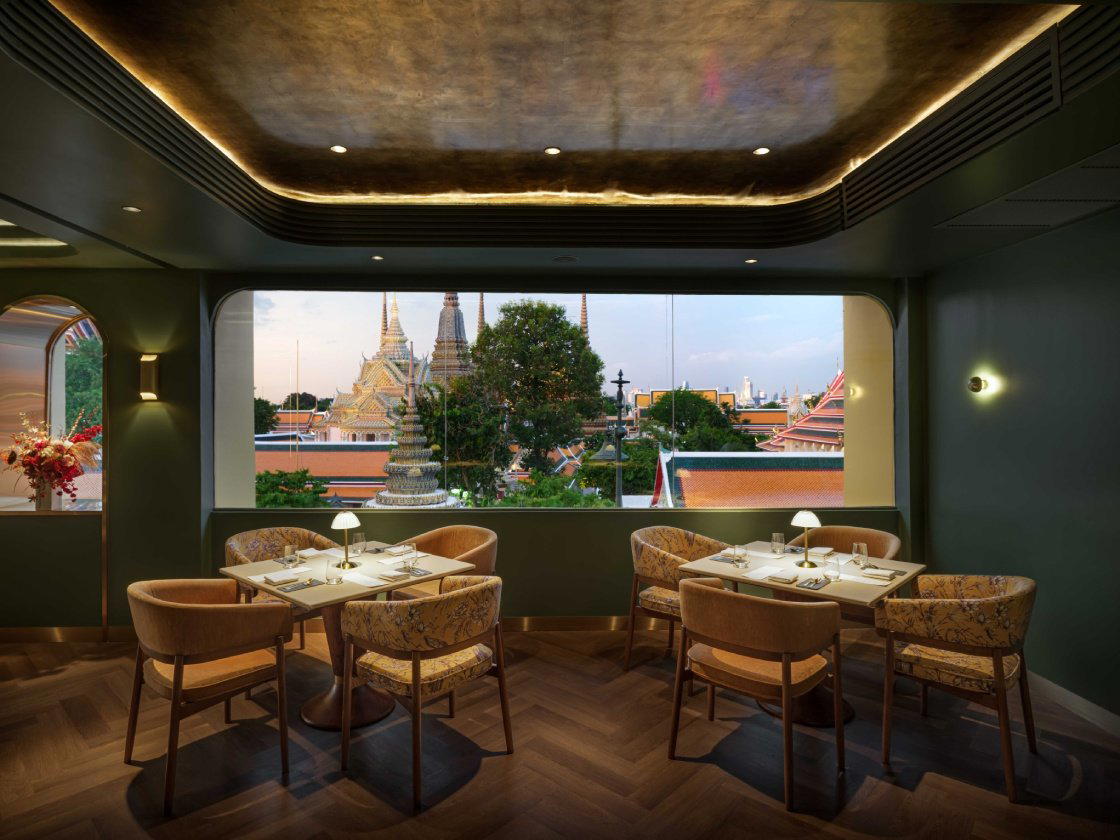
K by Vicky Cheng brings the Hong Kong chef's Cantonese and Teochew sensibility to Bangkok's skyline, operating from the 56th floor of The Empire in Sathon. The 2025 Michelin Plate recognition places it among the city's credentialed Chinese dining options, where hands-on preparations and seasonal ingredient sourcing give familiar traditions a contemporary frame. Private sofas and panoramic city views round out the format.

Pearl is the En Primeur Club membership app, where members save venues, book tables and use the concierge.
The menu
What to order
- Mud crab with Chinese olive leaf and garlic
- Peking duck three-style expression
- Hokkaido scallop and egg white fried rice
- Chu hou braised wagyu beef short rib
- Sichuan river prawn
Cantonese Cooking at Altitude: The 56th Floor Sets the Scene
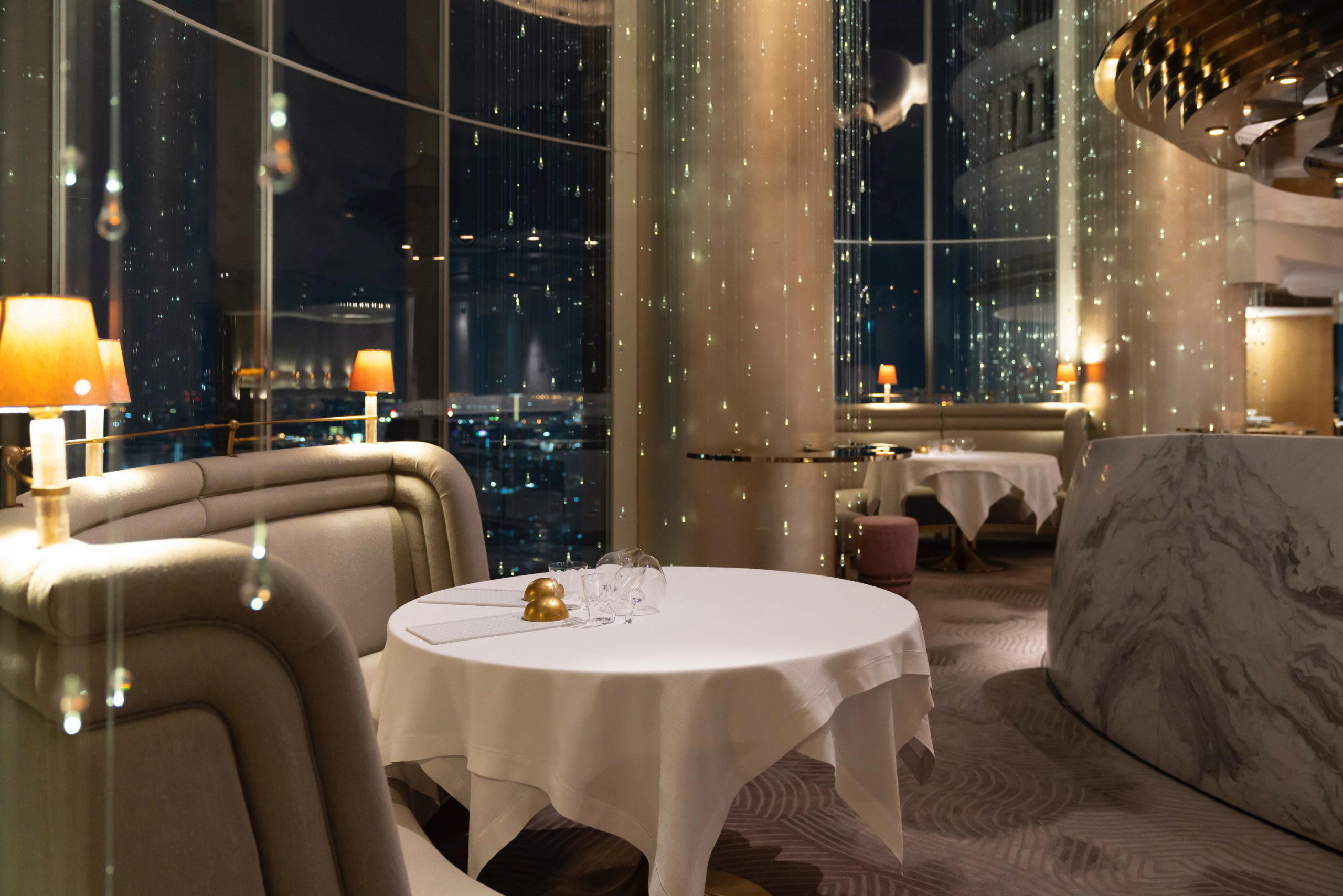
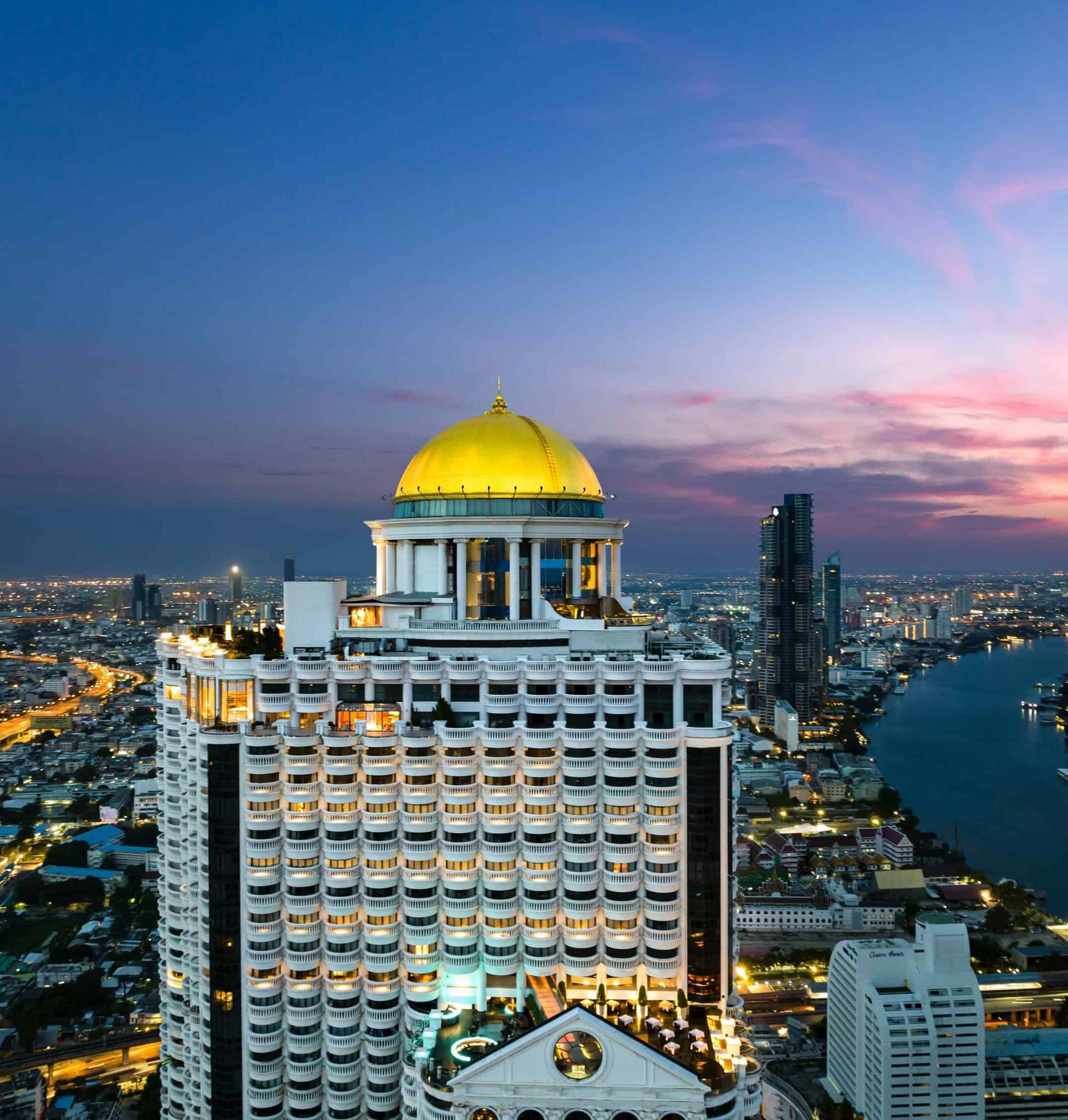
Bangkok's premium restaurant tier has, over the past decade, divided neatly between two formats: ground-level rooms with neighbourhood identities, and refined spaces where the skyline itself becomes part of the proposition. The 56th floor of The Empire tower on South Sathon Road belongs firmly to the second category. From that height, the sprawling grid of the city stretches in every direction, and the choice between private sofa seating and open-view tables becomes a genuine editorial decision about what kind of evening you want. The room is the first argument K by Vicky Cheng makes before a dish arrives.
What makes the location more than a backdrop is that it now houses a Cantonese and Teochew kitchen operating outside its home market. Vicky Cheng's original restaurant in Hong Kong built its reputation on reinterpreting classical Chinese techniques through a contemporary European lens, a category that Hong Kong has refined over decades, where the city's unique culinary position between mainland China and international fine dining creates room for genuine synthesis. K in Bangkok is his first extension beyond that city, and the question the room poses is whether the translation holds.
Where K Sits in Bangkok's Chinese Dining Tier
Bangkok has a substantial Chinese dining tradition rooted in its significant Teochew-descended population, and that heritage runs across everything from casual congee shops to formal banquet rooms. The premium end of that spectrum includes long-standing addresses like Wah Lok and Yu Ting Yuan, which anchor themselves in hotel dining formats, and newer entrants like Chef Man (Sathon), which operates in a similar Cantonese register. K sits within this tier but with a distinct positioning: it arrives with an external chef identity already established elsewhere, a credential structure that the Bangkok market has seen succeed with European chefs (Sühring, Côte by Mauro Colagreco) but that is less common in the Chinese fine dining category.
The 2025 Michelin Plate recognition, the Guide's baseline acknowledgment of a kitchen producing food of a consistent standard, places K inside Bangkok's credentialed dining map from its earliest operating period. For comparison, restaurants like Sorn (three Michelin stars, Southern Thai) and Baan Tepa (two stars, Thai contemporary) sit at the top of the city's starred tier. K's Plate recognition is an entry point, not a ceiling, and the format suggests room to develop. For the broader Cantonese fine dining context across the region, 102 House in Shanghai and Chef Tam's Seasons in Macau offer useful reference points for the category's upper range.
The Food: Cantonese and Teochew Reframed
Contemporary Chinese fine dining, the category K operates in, involves a specific tension: classical technique and ingredient logic on one side, modern plating and seasonal sourcing on the other. The risk in doing this badly is that dishes lose the structural logic of the original without acquiring anything from the contemporary frame. The risk in doing it well is that the result reads as neither one thing nor another. The kitchens that resolve this tension most convincingly tend to be those where the chef's classical grounding is deep enough that the contemporary intervention reads as extension rather than correction.
At K, the mud crab preparation with olive leaf and garlic is the cited example in the venue's own framing, a dish that introduces hands-on eating into a formally presented room, where the tactile engagement with whole shellfish cuts against the polished surroundings. The olive leaf element points toward the Teochew tradition of preserved and pickled condiments, where fermented and brined ingredients provide structural contrast to fresh protein. This is not fusion logic; it is the internal grammar of a specific regional Chinese cooking tradition being applied to Bangkok's seasonal ingredient availability.
Seasonal sourcing in Bangkok introduces a different rhythm than Hong Kong. The tropical latitude compresses some seasons and extends others, and the local wet market network, one of Southeast Asia's most varied, gives chefs access to ingredients that have no direct Hong Kong equivalent. How a Cantonese kitchen responds to that context, whether by importing familiar ingredients or working with local substitutions, shapes whether the result is a transplanted menu or an adapted one.
Format and Room: Two Ways to Use the Space
The choice between private sofa seating and open-view tables at K is not cosmetic. Private sofa configurations suit long meals and table conversations that benefit from enclosure; open seating with city views suits the kind of dining where the room's drama is part of the experience. The 56th floor at night, with Bangkok's illuminated skyline as context, makes the open seating a distinct proposition. The private format positions the room closer to a semi-private dining experience within a larger restaurant, which suits groups who prefer the food to anchor the evening rather than the panorama.
The ฿฿฿ price range positions K one tier below Bangkok's leading starred restaurants, Sorn and Baan Tepa both operate at ฿฿฿฿, which places it in a range accessible to a wider audience while maintaining a premium register. This is the same pricing band as Chef Man (Sathon), making the two addresses natural comparison points for anyone building a Bangkok Chinese dining itinerary.
Bangkok Cantonese in a Wider Thai Context
For readers building a broader picture of Thailand's premium dining scene, the regional spread is substantial. In Bangkok alone, the contrast between K's Cantonese approach and the Southern Thai precision of Sorn or the contemporary Thai framework at Baan Tepa maps the city's range. Beyond Bangkok, PRU in Phuket, Aeeen in Chiang Mai, AKKEE in Pak Kret, Angeum in Phra Nakhon Si Ayutthaya, and Agave in Ubon Ratchathani indicate how far the country's credentialed dining has spread from the capital. For planning across the full city, our full Bangkok restaurants guide, hotels guide, bars guide, wineries guide, and experiences guide provide the broader context.
Know Before You Go
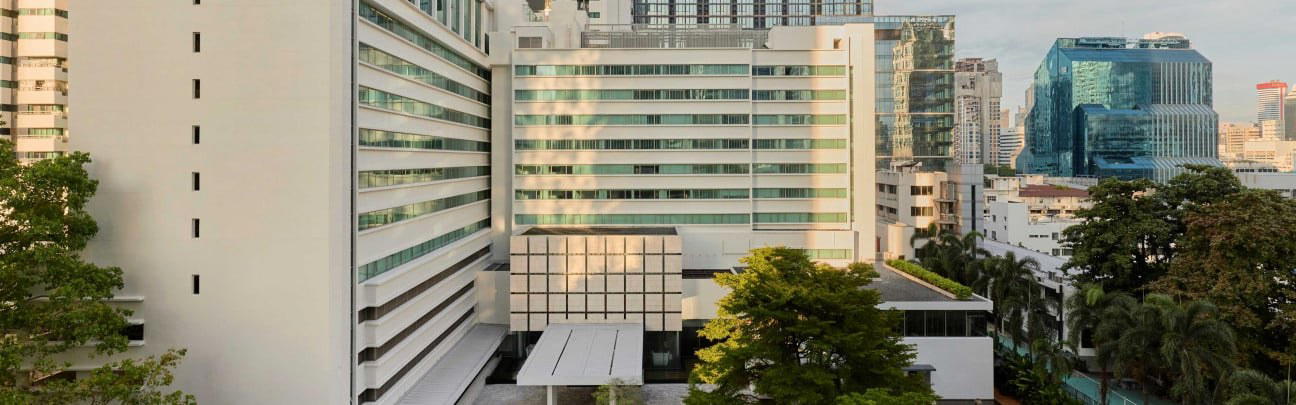
- Address: 56th Floor, The Empire, 1 South Sathon Road, Yan Nawa, Sathon, Bangkok 10120
- Price range: ฿฿฿ (mid-to-upper premium tier; one band below Bangkok's leading starred restaurants)
- Recognition: Michelin Plate 2025
- Seating options: Private sofa seating or open tables with Bangkok skyline views
- Cuisine: Cantonese and Teochew, with seasonal ingredients and contemporary presentation
- Nearest comparison addresses: Chef Man (Sathon), Wah Lok, Yu Ting Yuan
Frequently asked questions
What's the best thing to order at K by Vicky Cheng?
The mud crab with olive leaf and garlic is the dish the kitchen anchors its identity around. It combines Cantonese and Teochew technique with hands-on eating, which makes it the clearest argument on the menu for what Vicky Cheng is doing at altitude in Bangkok. The 2025 Michelin Plate recognition signals the kitchen is executing at a consistent level, so the broader menu warrants attention rather than treating it as a single-dish destination.
What's the pricing like at K by Vicky Cheng?
Pricing at K by Vicky Cheng is listed as ฿฿฿.
Comparable Spots, Quickly
A quick snapshot of similar venues for side-by-side context.
| Venue | Cuisine | Price | Awards | Notes |
|---|---|---|---|---|
| K by Vicky ChengThis venue (the venue you are viewing) | Modern Cantonese & Teochew with French Techniques | $50–100 | Michelin Plate | Not listed |
| Sorn | Fine Southern Thai | $200–300 | 3 Michelin Stars · World's 50 Best #12 | Southern Thai, ฿฿฿฿ |
| Côte by Mauro Colagreco | Riviera Mediterranean Fine Dining | $200–300 | 2 Michelin Stars · World's 50 Best #91 | Mediterranean, Modern Cuisine, ฿฿฿฿ |
| Baan Tepa | Creative Thai Fine Dining | $150–200 | 2 Michelin Stars · World's 50 Best #53 | Thai contemporary, ฿฿฿฿ |
| Gaa | Modern Indian Fine Dining with Thai Influences | $150–200 | 2 Michelin Stars · World's 50 Best #95 | Modern Indian, Indian, ฿฿฿฿ |
| Sühring | Modern German Fine Dining | $200–300 | 3 Michelin Stars · World's 50 Best #18 | German, ฿฿฿฿ |
Recognition history
Dated appearances from independent guides and award organizations, with the underlying list record or original source where available.
Michelin Plate
Michelin
Opinionated About Dining Top Restaurants in Asia Recommended
Opinionated About Dining
Full recognition history (3 entries)
Michelin Plate
Michelin
Continue exploring
More in Bangkok
Restaurants in Bangkok
All restaurants in Bangkok →
Bars in Bangkok
All bars in Bangkok →
K by Vicky Cheng
The wine
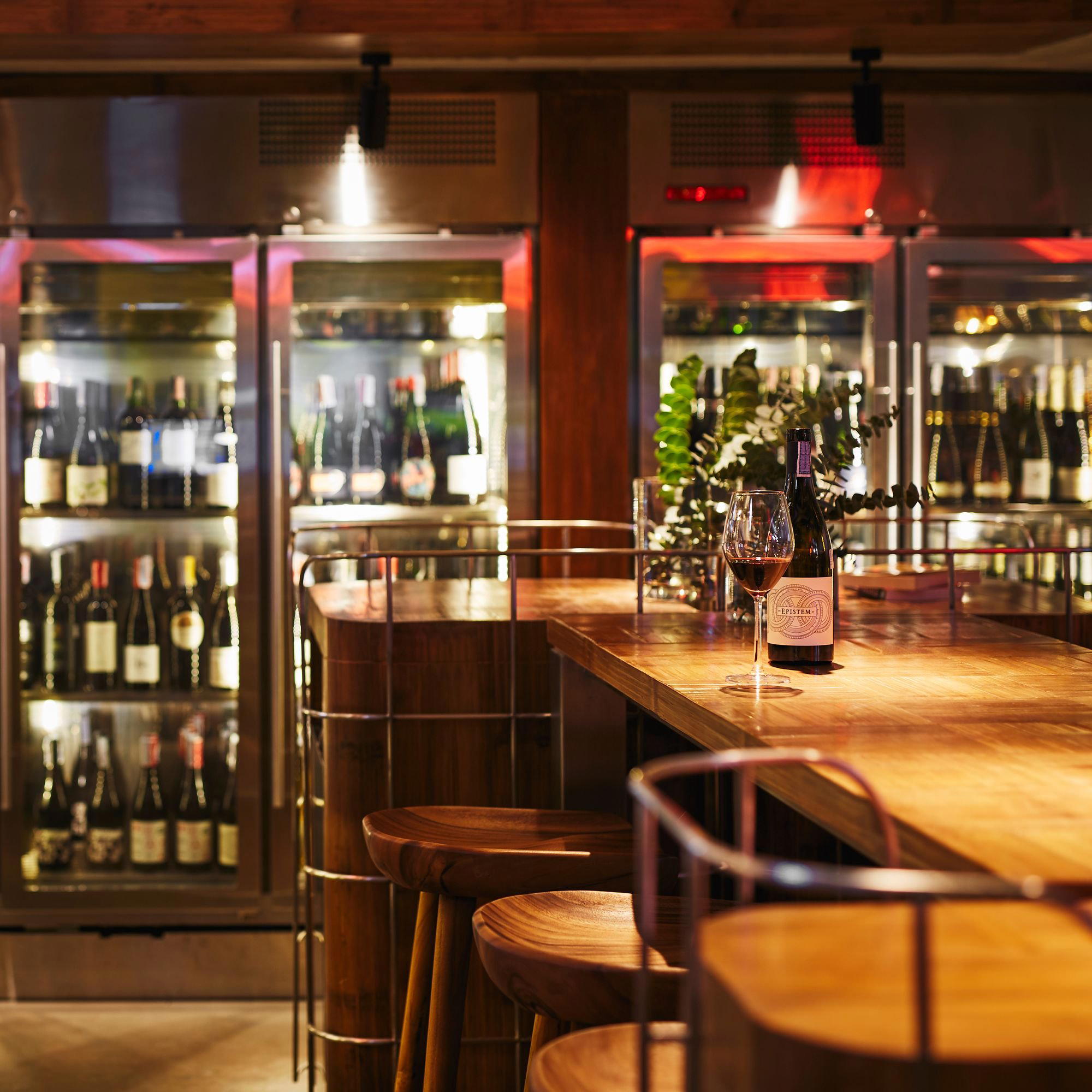
- Extensive wine list
- Sommelier-led
- Craft cocktails
Details
- Elegant
- Sophisticated
- Modern
- Scenic
- Special Occasion
- Celebration
- Date Night
- Business Dinner
- Rooftop
- Panoramic View
- Private Dining
- Design Destination
- Extensive Wine List
- Craft Cocktails
- Sommelier Led
- Local Sourcing
- Skyline
- A La Carte
- Set Menu
- Tasting Menu
- Wine
- Tea Infused Cocktails
- Craft Cocktails
- Vegetarian Friendly
Current opening hours
- Monday
- 11:30 AM–2:30 PM, 5:30–10:30 PM
- Tuesday
- 11:30 AM–2:30 PM, 5:30–10:30 PM
- Wednesday
- 11:30 AM–2:30 PM, 5:30–10:30 PM
- Thursday
- 11:30 AM–2:30 PM, 5:30–10:30 PM
- Friday
- 11:30 AM–2:30 PM, 5:30–10:30 PM
- Saturday
- 11:30 AM–2:30 PM, 5:30–10:30 PM
- Sunday
- 11:30 AM–2:30 PM, 5:30–10:30 PM
Hours can change for holidays and private events. Hours as of .
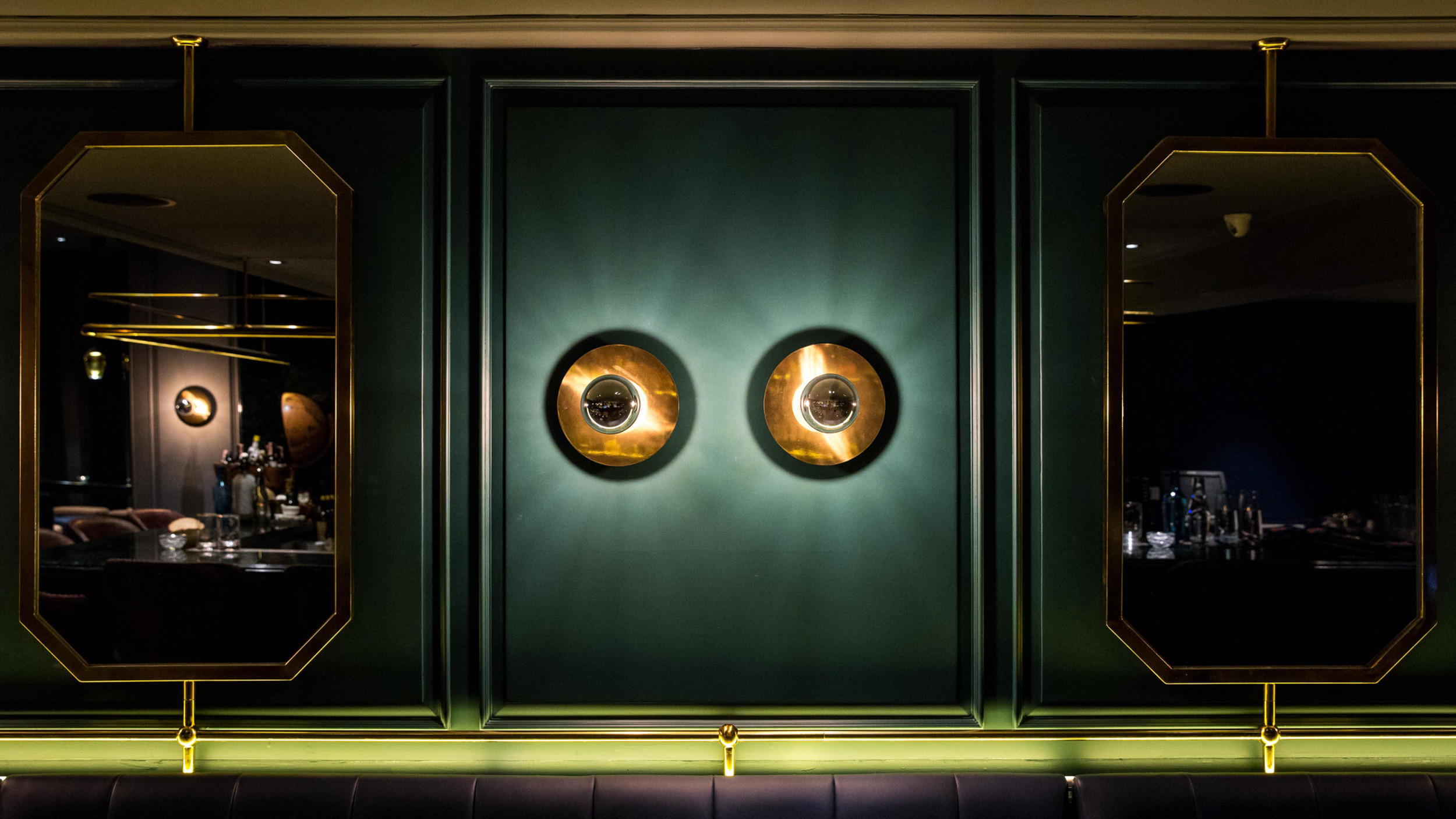
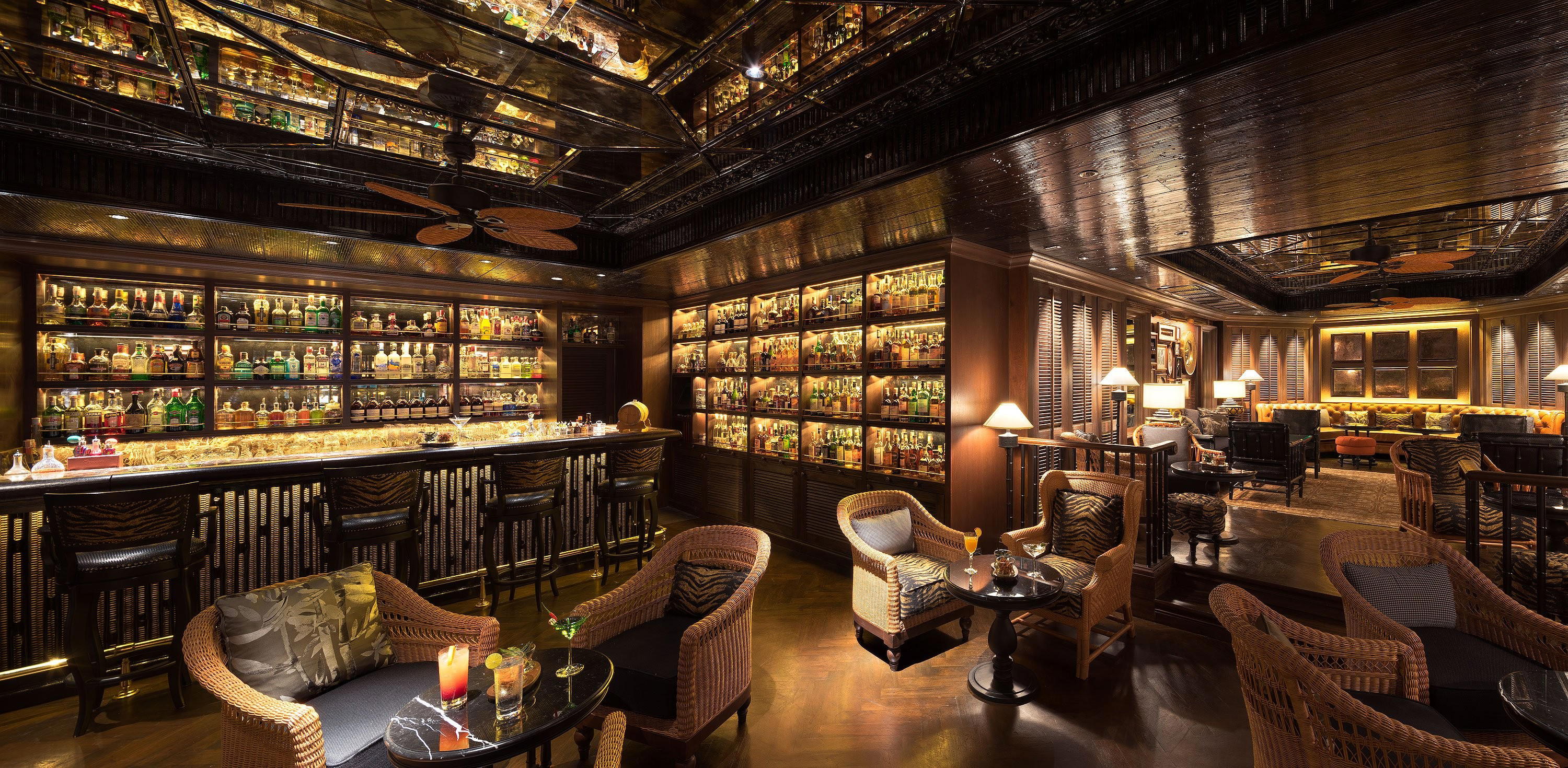
Warm burgundy and gold tones with striking Chinese artwork honoring tradition; refined, contemporary design with kilin-inspired motifs; large windows frame glittering cityscape views by day and night; sophisticated yet welcoming atmosphere.