Chef Geoff's
Chef Geoff's occupies a well-worn position in Washington's upper-northwest dining scene, drawing a neighborhood crowd that spans Capitol Hill regulars and embassy-circuit professionals. Positioned along New Mexico Avenue NW, it sits in a corridor where American comfort-driven cooking meets the expectations of a politically attuned city. For D.C. dining that operates at a quieter register than the Penn Quarter flash points, it offers consistent ground.
Pearl is the En Primeur Club membership app — saves, bookings, and concierge access live there. Same editors, same standards.
- Address
- 3201 New Mexico Ave NW, Washington, DC 20016
- Phone
- +12022377800
- Website
- chefgeoff.com
- Directions
- Get directions
 Saves & bookings on Pearl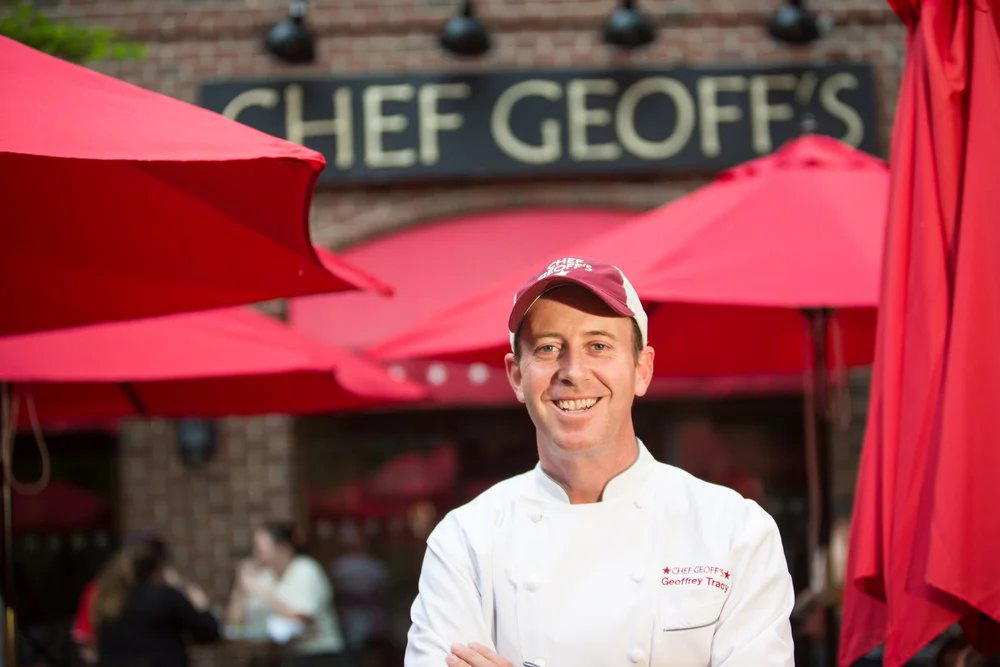
Upper Northwest and the Quiet Register of Washington Dining
Washington's dining identity is often mapped through its high-profile corridors: the Penn Quarter addresses where José Andrés built an empire, the 14th Street stretch that absorbed a decade of ambition, the Navy Yard waterfront that reoriented the city's restaurant geography after 2015. But upper northwest D.C. operates on a different frequency. The neighborhoods around Wisconsin Avenue, Massachusetts Avenue, and New Mexico Avenue NW have long served a more residential audience: career diplomats, long-tenured federal employees, university faculty, and the kind of repeat customer who prefers a table that recognizes them over one that requires a three-month lead time. Chef Geoff's, a Contemporary American restaurant at 3201 New Mexico Ave NW in Washington, DC, fits this register.
This part of the city doesn't chase the recognition cycles that drive conversation in food media. It doesn't need to. The dining rooms here function more like civic infrastructure than competitive sport, and the venues that endure do so because they've built loyalty rather than hype. That dynamic has produced a handful of restaurants in this zip code that outlast trend cycles by a decade or more, while places with far more critical attention in hipper corridors close within eighteen months.
American Cooking in a City Shaped by Institutional Appetite
Washington's relationship with American cuisine is complicated by the city's transient population and its institutional culture. Unlike New York or San Francisco, where restaurant scenes are fed by deep local food networks and a competitive creative class, D.C. has historically skewed toward reliable execution over formal experimentation. The city's power-dinner culture, concentrated around Georgetown and Capitol Hill, favored French-influenced American cooking for decades: composed plates, professional service, wine lists built for expense accounts. That tradition didn't disappear so much as diffuse, seeping into the neighborhood dining rooms of upper northwest as the fine-dining center of gravity shifted downtown.
Chef Geoff's fits into that diffusion. American comfort-leaning cooking in this part of the city tends to read as approachable without being casual, consistent without being static. It's a format that doesn't demand comparison to the tasting-menu ambition of Jônt or the technical precision of minibar, nor does it try to. The more relevant comparable set is the neighborhood American restaurant that a city professional returns to twice a month: a place where the language is familiar, the portions honest, and the experience repeatable. Across the country, that format has proven harder to sustain than any tasting-menu format, precisely because repetition exposes every inconsistency.
The New Mexico Avenue Corridor: Neighborhood as Context
New Mexico Avenue NW connects the Spring Valley and Wesley Heights neighborhoods to the American University campus corridor, running through a stretch of the city that is dense with international representation. Embassies and diplomatic residences populate the area, and the dining expectations that come with that population lean toward reliability and discretion over novelty. A restaurant at this address operates in a different competitive environment than one on 14th Street NW or H Street NE. The audience isn't primarily driven by social media discovery or opening-week reviews; it's driven by proximity, word of mouth, and accumulated trust.
That neighborhood dynamic explains why the American-comfort format has held here longer than it might in other corridors. Compare the calculus to a place like Oyster Oyster, which operates at a $$$ price point with a New American and sustainable-vegetarian identity that speaks directly to a different D.C. audience, or Albi and Causa, both priced at $$$$ and oriented toward a downtown crowd with a stronger appetite for category-defining cooking. Chef Geoff's addresses a different need: the mid-week dinner that doesn't require a decision, the reliable room that absorbs a business conversation without demanding attention.
American Dining Rooms That Last: What the Format Requires
The restaurants that sustain themselves across a decade or more in American cities tend to share a structural logic that has less to do with menu innovation and more to do with operational discipline. A useful comparison is the trajectory of neighborhood-oriented American restaurants in comparable political cities: think of the dining rooms around Dupont Circle in the 1990s that outlasted their trendier peers by offering exactly this kind of steady, readable experience. Nationally, venues like Emeril's in New Orleans demonstrate how a named American restaurant can build longevity through audience loyalty rather than perpetual critical reinvention.
At the higher end of American fine dining, the conversation shifts significantly. The French Laundry in Napa, Blue Hill at Stone Barns in Tarrytown, and Single Thread Farm in Healdsburg occupy a tier where sourcing narrative and tasting-menu architecture are central to the identity. Chef Geoff's doesn't position within that conversation, nor should it be assessed against it. The relevant comparison is the mid-market American room that serves a professional residential neighborhood, a category where D.C.'s upper northwest has historically been underserved by critical attention despite being well-served by actual restaurants.
Within D.C. itself, the newer critical darlings include places like Oyster Oyster and Rooster and Owl, both of which have attracted significant press attention for pushing the contemporary American format into more politically engaged territory around sustainability and sourcing. Those venues are doing genuinely different work. But they are also harder to get into, more demanding on the diner, and more explicitly ideological in their approach to the plate. The restaurant offers the version of American dining that doesn't require ideological buy-in.
For readers interested in how American fine dining operates at its most ambitious nationally, venues like Smyth in Chicago, Providence in Los Angeles, Lazy Bear in San Francisco, and Addison in San Diego occupy that upper tier. D.C.'s own answer to that conversation is most clearly The Inn at Little Washington, which has held Michelin recognition for years and operates in an entirely different register. Internationally, the conversation around cuisine-led cultural cooking reaches venues like Atelier Moessmer Norbert Niederkofler in Brunico and Atomix in New York City, both of which use a defined cultural framework to anchor every decision on the menu. Le Bernardin in New York City represents the end point of that disciplined, single-format approach in the American context.
Just the Basics
Comparable venues nearby, for context on price, style, and recognition.
| Venue | Cuisine | Price | Notes |
|---|---|---|---|
| Chef Geoff'sThis venue — the venue you are viewing | Wesley Heights, Contemporary American | $$ | Not listed |
| Urban Roast | Not listed | $$ | Penn Quarter, Contemporary American Shared Plates |
| Clyde's of Gallery Place | Chinatown, American Steakhouse | $$ | Not listed |
| Milk & Honey - The Wharf | Not listed | $$ | Southwest Waterfront, Southern Inspired Kitchen |
| Provost | Woodridge, Southern Soul Food American | $$ | Not listed |
| No Goodbyes | Not listed | $$ | Lanier Heights, American Cafe with Chesapeake Bay Sourcing |
Continue exploring
More in Washington DC
Restaurants in Washington DC
Browse all →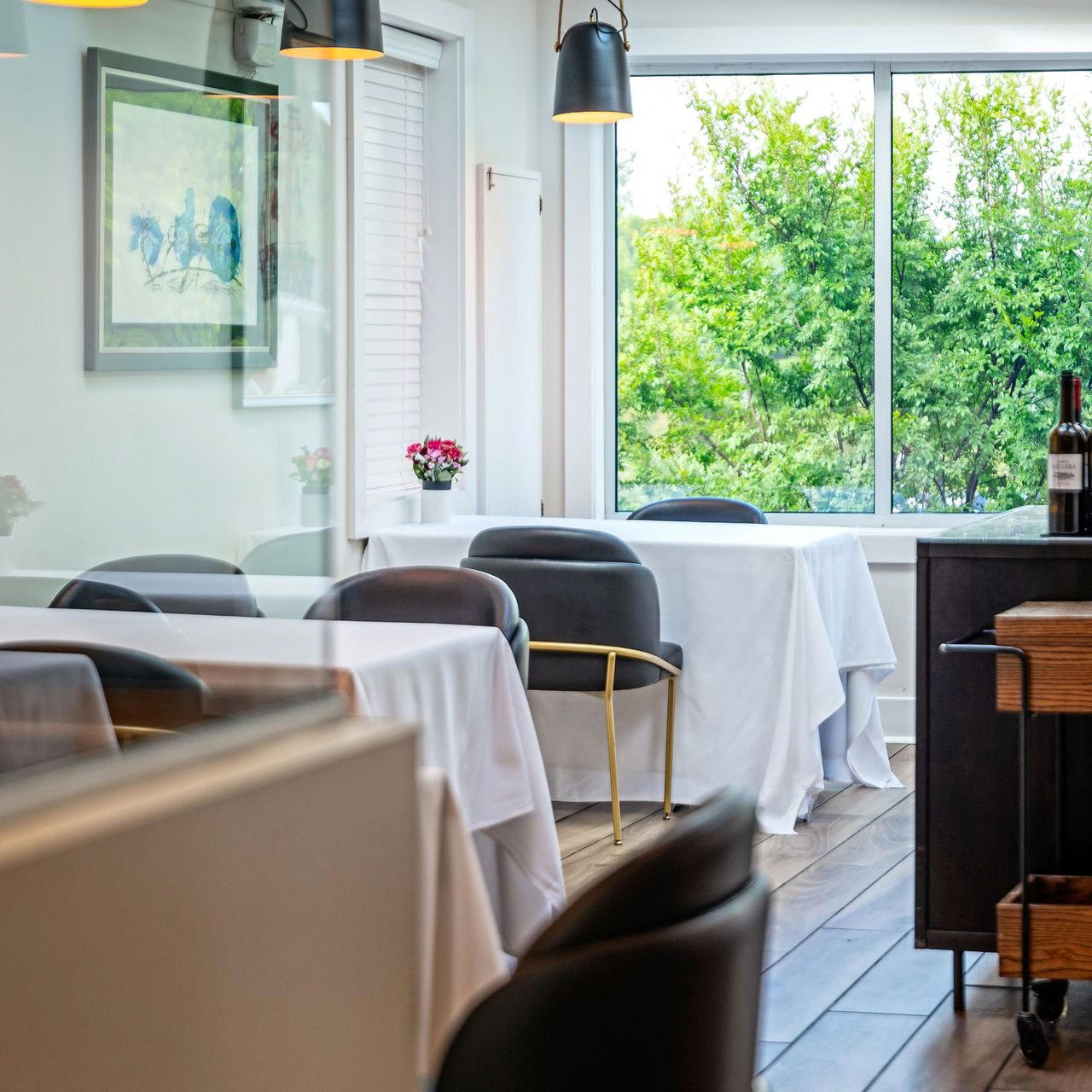
Bars in Washington DC
Browse all →
Hotels in Washington DC
Browse all →
At a Glance
- Lively
- Cozy
- Modern
- Brunch
- Group Dining
- Casual Hangout
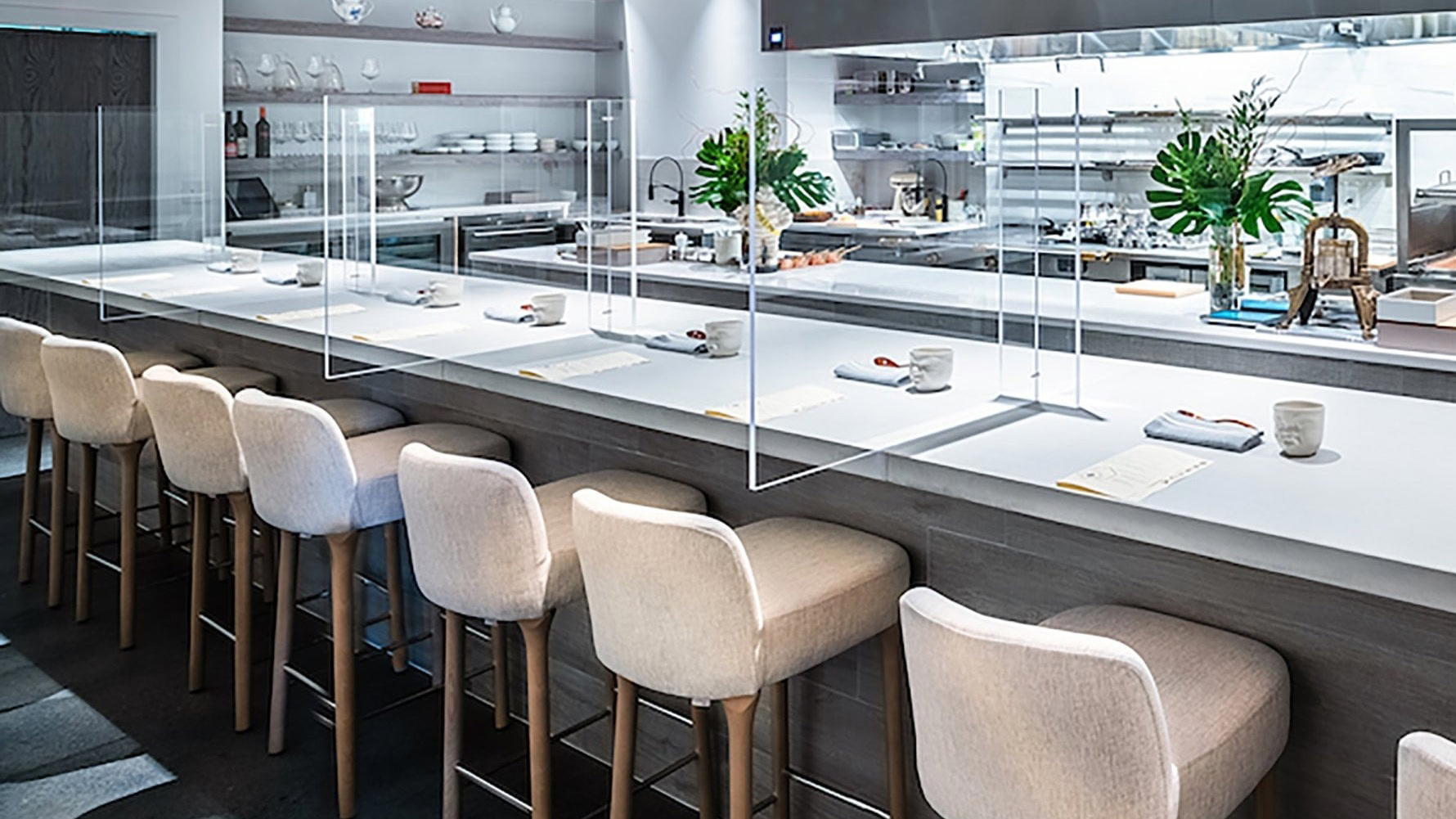
- Open Kitchen
- Craft Cocktails
- Beer Program
Current opening hours
- Monday
- 11:30 AM–9 PM
- Tuesday
- 11:30 AM–9 PM
- Wednesday
- 11:30 AM–9 PM
- Thursday
- 11:30 AM–9 PM
- Friday
- 11:30 AM–10 PM
- Saturday
- 10:30 AM–10 PM
- Sunday
- 10:30 AM–9 PM
Hours can change for holidays and private events. Last verified .
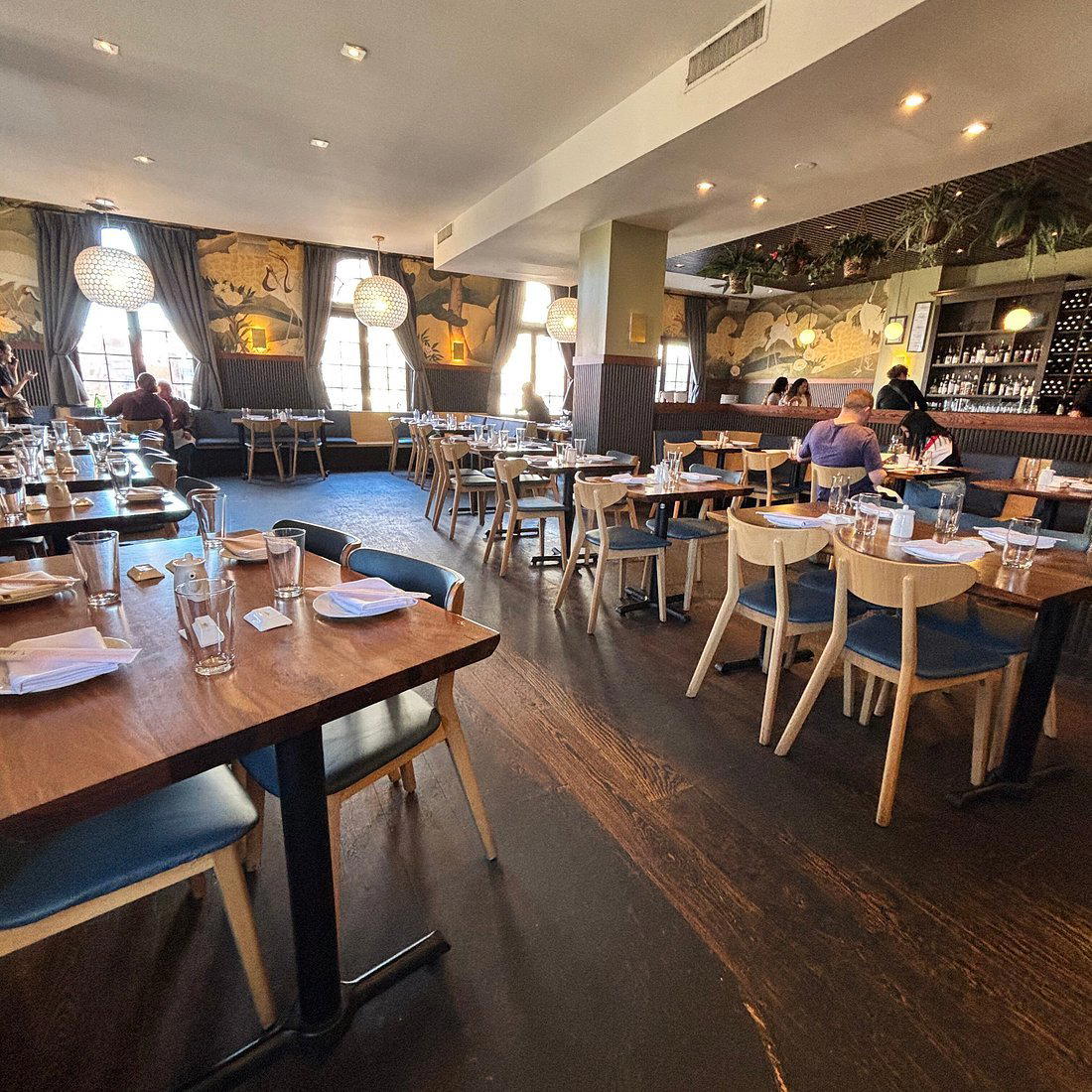
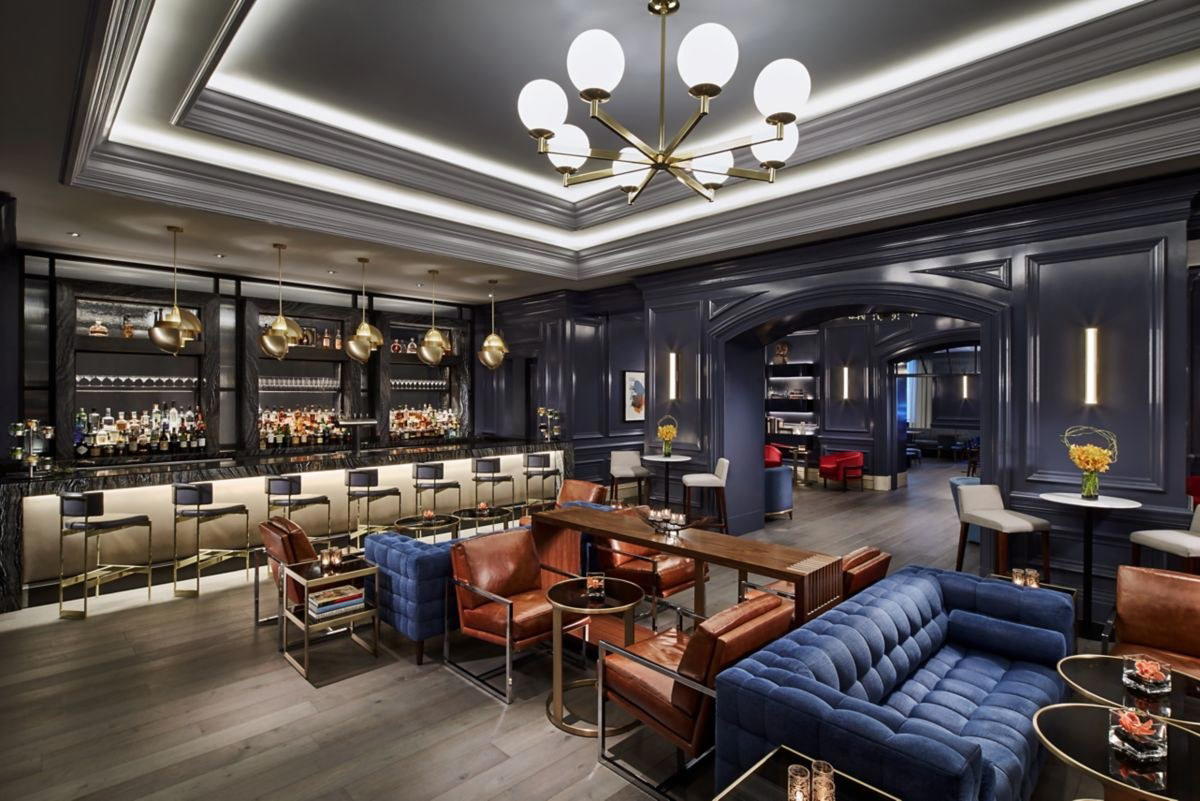
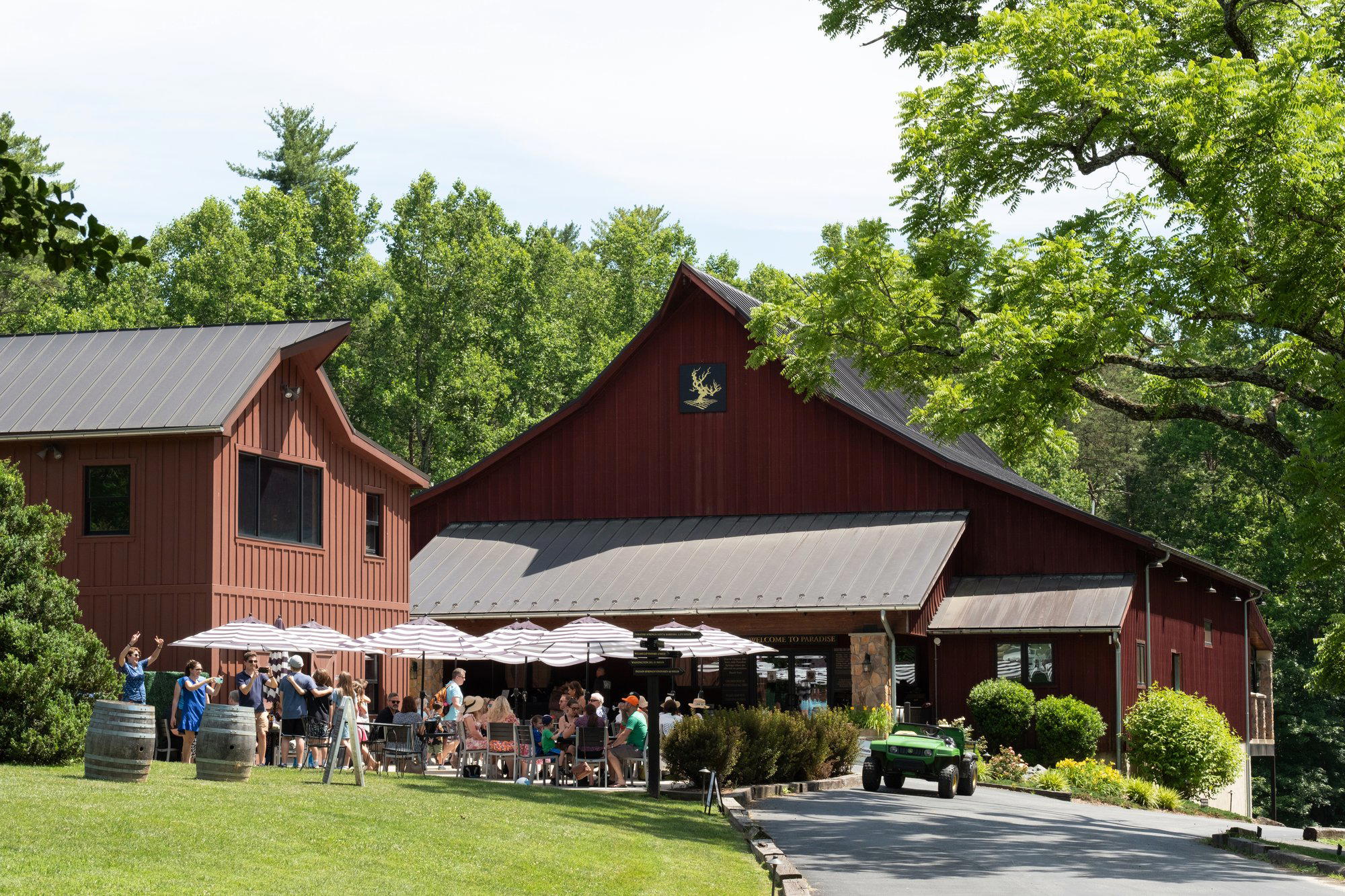
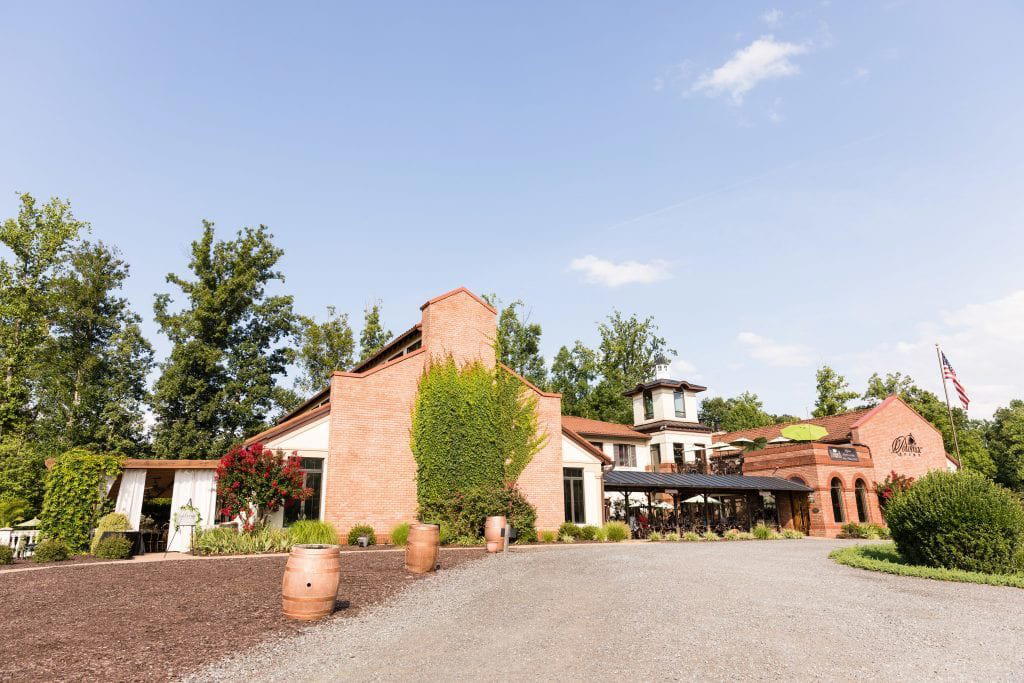
Lively and lively with open-air patio for people-watching and cozy, beautifully designed dining rooms featuring a friendly neighborhood feel.