Urban Roast
Urban Roast occupies a ground-level address on G Street NW in Penn Quarter, one of Washington's most active dining corridors. With the neighbourhood hosting some of the city's most ambitious cooking, the surrounding competitive set rewards visitors who look closely at what each address is actually doing. Confirm current hours and reservations directly before visiting.
Pearl is the En Primeur Club membership app — saves, bookings, and concierge access live there. Same editors, same standards.
- Address
- 916 G St NW # C-2, Washington, DC 20001
- Phone
- +17713335051
- Website
- urbanroastdc.com
- Directions
- Get directions
 Saves & bookings on Pearl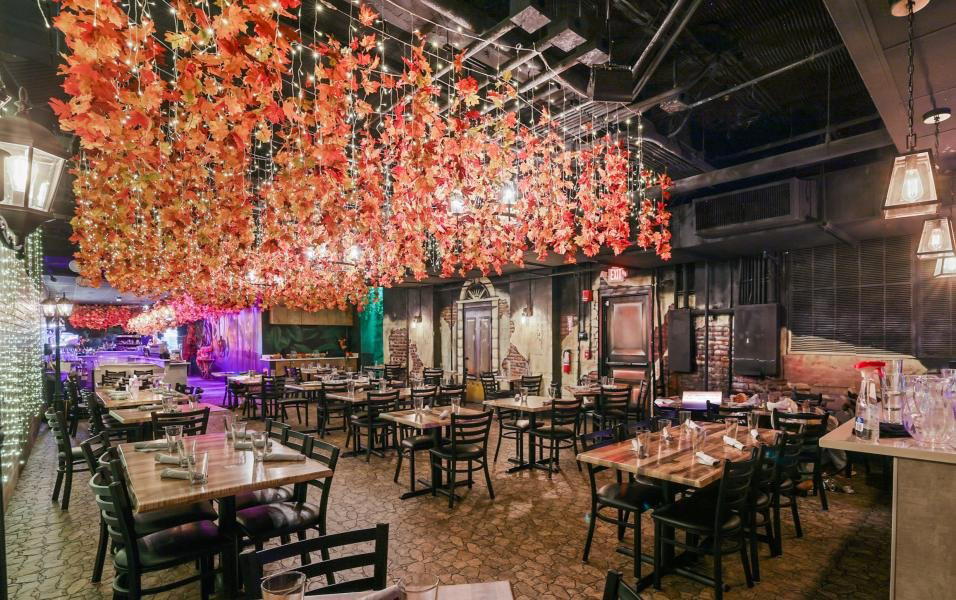
Penn Quarter and the G Street Corridor
Penn Quarter has earned its place as one of Washington's most consequential dining districts by absorbing the kind of investment that follows foot traffic, proximity to federal institutions, and a daytime population that expects both speed and quality within the same block. G Street NW, where Urban Roast sits at 916 G St NW # C-2, runs through the middle of that pressure, flanked by the kind of neighbours that force any address to develop a clear identity or disappear into the noise. The question that corridor always poses is whether a given spot is reacting to its surroundings or actually shaping them.
American roast-focused cooking, when it works at its most considered, sits at the intersection of technique and restraint. The tradition draws on live-fire and slow-roast methods that stretch across multiple regional American food cultures, from the wood-smoke traditions of the mid-Atlantic to the rotisserie formats that became common in mid-century urban dining rooms. What distinguishes the better contemporary versions is not spectacle but precision: control over temperature, resting time, and the relationship between exterior crust and interior texture. Those variables, not theatrical presentation, are where the credibility of a roast-focused kitchen gets made or lost.
Where Urban Roast Sits in Washington's Current Dining Picture
Washington's dining scene has widened considerably over the past decade, absorbing formats and price points that once felt like imports from New York or Chicago. The city now sustains the full spectrum, from tasting-menu counters to neighbourhood wine bars, with enough volume at each tier to generate genuine local competition. At the more ambitious end of that spectrum, addresses like Jônt and minibar anchor a category of destination dining that draws visitors from outside the region. Further along the spectrum, places like Oyster Oyster demonstrate that concept-driven cooking at a mid-range price point can build its own loyal audience without Michelin hardware.
Urban Roast, at its G Street NW address, occupies the Penn Quarter section of that map, a zone where lunch volume, proximity to major museums and arenas, and a dense hotel population create a different set of demands than the quieter residential neighbourhoods to the northwest. The competitive context here is not just other roast-focused kitchens but the full range of casual-to-mid-range options that Penn Quarter's foot traffic sustains. Addresses like Albi and Causa signal what the city's more ambitious non-tasting-menu cooking looks like at the $$$$ tier, providing a useful benchmark for any Penn Quarter address trying to hold its ground against that kind of regional competition.
The Cultural Weight of Roast Cooking in American Dining
Roasting is the oldest continuously practiced cooking technique in American culinary tradition, predating any formal restaurant culture. Indigenous fire-cooking, colonial hearth methods, and the later influence of European rotisserie traditions all fed into what became the American steakhouse, the Sunday roast, and eventually the more focused, single-protein formats that contemporary kitchens have built around. When a restaurant commits to roast cooking as its primary identity, it is aligning itself with that deep history while also accepting the constraints that come with it: the format offers less room for improvisation than a broad menu, and the technical execution is directly legible to any diner who has ever encountered the same proteins cooked elsewhere.
That legibility is both the challenge and the opportunity. Diners at a roast-focused address arrive with clear reference points, which means quality differentials are immediately apparent. The same pattern plays out at high-end addresses across the country. The French Laundry in Napa treats protein preparation as a demonstration of technical discipline within its larger tasting format. Blue Hill at Stone Barns in Tarrytown builds its roast and protein courses around provenance as a primary argument. Single Thread Farm in Healdsburg integrates roast methods into a kaiseki-influenced sequence where sourcing and seasonality carry equal weight to technique. These are not the restaurant's direct peers in format or price, but they illustrate how seriously American fine dining has engaged with the cultural depth that roast cooking can carry when treated as a subject rather than a default.
Further afield, the same seriousness appears in places like Le Bernardin in New York City, which applies comparable levels of technical precision to fish, and Providence in Los Angeles, where restraint in technique is treated as an argument in itself. The broader American dining conversation, from Alinea in Chicago to Addison in San Diego, has moved decisively toward treating primary ingredients and their preparation as the statement, not the backdrop. A roast-focused address in Penn Quarter operates inside that shift whether or not it engages with it explicitly.
Planning a Visit to Urban Roast
The restaurant sits at 916 G St NW, Suite C-2, in the Penn Quarter neighbourhood of Washington, D.C. The address is accessible from Metro Center and Gallery Place stations, both within a few minutes' walk, making it direct to reach without a car from most central D.C. hotels. Penn Quarter dining tends to see its heaviest volume during lunch on weekdays, driven by the surrounding office and government population, and again in the early evening when visitors from the nearby Capital One Arena or the Smithsonian museums are looking for a table before or after an event.
The restaurant is recommended for reservations, and its regular hours are Mon: 10 AM to 10 PM; Tue: 10 AM to 10 PM; Wed: 10 AM to 10 PM; Thu: 10 AM to 10 PM; Fri: 10 AM to 12 AM; Sat: 10 AM to 12 AM; Sun: 10 AM to 10 PM. Penn Quarter addresses at this price tier do not uniformly require advance booking, but weekend evenings and pre-event windows fill faster than mid-week lunches.
Those planning visits during those windows should confirm tables further ahead than they might for a comparable address in a less cyclically pressured neighbourhood.
Cost Snapshot
Comparable venues nearby, for context on price, style, and recognition.
| Venue | Cuisine | Price | Notes |
|---|---|---|---|
| Urban RoastThis venue — the venue you are viewing | Not listed | $$ | Not listed |
| Chef Geoff's | Wesley Heights, Contemporary American | $$ | Not listed |
| Buck's Fishing & Camping | Chevy Chase, Seasonal American Bistro | $$ | Not listed |
| Willowsong | Not listed | $$ | Southwest Waterfront, Seasonal American with Local Seafood & Steakhouse Elements |
| The Park at 14th | Not listed | $$ | East End, Contemporary American with Caribbean Flavors |
| Little Beast | Not listed | $$ | Chevy Chase, American Bistro with Detroit Pizza |
Continue exploring
More in Washington DC
Restaurants in Washington DC
Browse all →
Bars in Washington DC
Browse all →
Hotels in Washington DC
Browse all →
At a Glance
- Cozy
- Lively
- Trendy
- Modern
- Brunch
- Casual Hangout
- Group Dining
- Open Kitchen
- Craft Cocktails
Current opening hours
- Monday
- 10 AM–10 PM
- Tuesday
- 10 AM–10 PM
- Wednesday
- 10 AM–10 PM
- Thursday
- 10 AM–10 PM
- Friday
- 10 AM–12 AM
- Saturday
- 10 AM–12 AM
- Sunday
- 10 AM–10 PM
Hours can change for holidays and private events. Last verified .
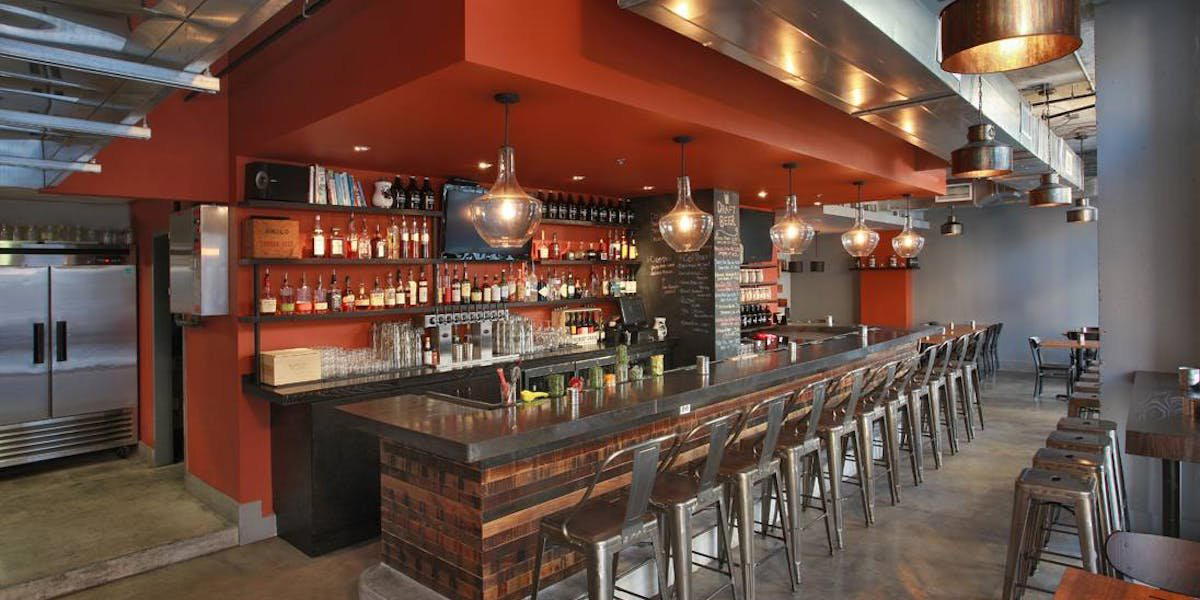
Cozy and funky with eclectic art, playful decor, and lively atmosphere enhanced by firelight and seasonal touches.