On Schulterblatt, one of Hamburg's most politically charged and culinarily restless streets, Cham Vegan Kitchen occupies the kind of address where independent restaurants either earn neighbourhood loyalty or quietly disappear. The kitchen works within a fully plant-based framework, placing it in a growing tier of Hamburg dining rooms that treat vegan cooking as a culinary discipline rather than a dietary workaround.
Pearl is the En Primeur Club membership app — saves, bookings, and concierge access live there. Same editors, same standards.
- Address
- Schulterblatt 75, 20357 Hamburg, Germany
- Phone
- +494084200288
- Website
- chamhamburg.de
- Directions
- Get directions
 Saves & bookings on Pearl
Schulterblatt and the Street That Sets the Terms
Hamburg's Schanzenviertel has never been a neighbourhood that softens its edges for visitors. Schulterblatt, its main artery, runs through a stretch where independent businesses compete on conviction as much as craft. The street's dining character is shaped by density and diversity: Vietnamese canteens sit beside craft beer bars, and natural wine shops share walls with late-night falafel counters. In that environment, a fully plant-based kitchen is not a novelty act. It is simply one more statement of intent on a street already crowded with them.
Cham Vegan Kitchen, at number 75, operates in the middle of that density. The address alone tells you something about the competitive pressure: Schulterblatt restaurants do not survive on foot traffic alone. They survive because residents return, and residents return when a kitchen does something consistently that the dozen alternatives nearby do not.
What Plant-Based Cooking Looks Like at Street Level
Across German cities, vegan dining has fractured into two largely distinct registers. At the formal end, a small number of kitchens have built tasting-menu formats around plant-based constraints, treating the absence of animal products as a creative prompt rather than a limitation. CODA Dessert Dining in Berlin represents the furthest expression of that approach, a two-Michelin-star program that has made the format internationally legible. At the other end, neighbourhood plant-based kitchens work in a more casual register, where the measure of quality is not ambition but reliability: whether the food actually tastes like something, whether the textures hold, whether the kitchen understands fermentation and seasoning well enough to compensate for what animal fat and protein usually provide.
Cham Vegan Kitchen sits in the neighbourhood register. That is not a diminishment. Casual plant-based cooking is harder to do well than it appears, because there is no richness borrowed from butter or cream, no depth shortcut from meat stock. The kitchens that work in this tier and sustain a local following do so because they understand umami from plant sources: miso, tamari, roasted alliums, dried mushrooms, fermented vegetables. Whether Cham's kitchen works in those terms is something the neighbourhood's loyalty, not marketing copy, will confirm over time.
The Schanzenviertel Dining Pattern
Understanding Cham in context means understanding how Hamburg's Schanzenviertel differs from the city's other dining districts. The harbour-adjacent restaurants around HafenCity, where The Table Kevin Fehling operates its Creative tasting menu, and the established formal rooms like Restaurant Haerlin draw a different demographic entirely. Those addresses attract destination diners, visitors building an evening around a reservation. The Schanzenviertel pulls locals first. Restaurants here are measured by how often someone walks back in, not whether they made a special trip.
That dynamic shapes what a kitchen like Cham has to do. Price point matters more in this neighbourhood than in HafenCity, where bianc and Lakeside operate at the €€€€ tier without friction. A Schanzenviertel plant-based kitchen competes laterally, against the Vietnamese spot two doors down and the falafel counter that closes at midnight, not vertically against fine dining. That horizontal competition is, in some ways, more demanding: there is no prestige differential to absorb a mediocre dish.
The Sensory Character of a Schanzenviertel Evening
The physical experience of eating on Schulterblatt has its own texture. The street is rarely quiet after six. Conversations bleed between tables when restaurants open their windows in summer. The smell of cooking mixes across the pavement: garlic from one kitchen, spice from another, roasted coffee from the corner. A plant-based kitchen in this environment competes through aroma as much as anything else. The kitchens that hold attention on busy nights are the ones whose smell announces something before the menu does.
Inside, plant-based restaurants in this neighbourhood tier typically favour informal settings: communal tables or close-set two-tops, surfaces that read as intentional rather than expensive, lighting that suggests warmth without theatrical design. The experience is meant to feel like eating somewhere the locals actually eat, not somewhere curated for a particular aesthetic. That informality is part of the offer, and it sets expectations accordingly.
Hamburg in the Wider German Vegan Context
Germany's plant-based restaurant scene has matured considerably since the mid-2010s. Berlin led the expansion earliest and most visibly, but Hamburg, Frankfurt, and Munich have all developed their own plant-based tiers. Germany's broader culinary infrastructure, with its traditions of pickling, fermenting, grain cooking, and legume preparation, provides a useful technical base for plant-based kitchens that look to local rather than imported frameworks.
For comparison at the fine dining end of the German spectrum, Schwarzwaldstube in Baiersbronn, Aqua in Wolfsburg, and Vendôme in Bergisch Gladbach represent the three-star tier of classical and creative cooking, all of which work with animal proteins as central to their identity. JAN in Munich and ES:SENZ in Grassau occupy the ambitious creative middle ground. None of these are direct comparators for Cham, but they map the spectrum within which Hamburg's neighbourhood plant-based kitchens sit at one end, distinct and deliberately so.
Internationally, kitchens like Le Bernardin in New York City and Lazy Bear in San Francisco illustrate what happens when kitchens commit completely to a culinary identity, whether that identity is built around seafood or a communal dining format. Commitment to a framework, rather than hedging, is what builds reputation over time. The same principle applies at every price point.
For further context on where Cham sits within Hamburg's full dining picture, see our full Hamburg restaurants guide, which maps the city across cuisine type and price tier. Other Hamburg kitchens worth tracking alongside Cham include 100/200 Kitchen, which works in the Creative format at a different scale entirely, and productions from Schanz in Piesport, Waldhotel Sonnora in Dreis, Bagatelle in Trier, and Victor's Fine Dining by Christian Bau in Perl for a sense of where plant-forward and creative German cooking sits across different formats and regions.
Know Before You Go
- Address: Schulterblatt 75, 20357 Hamburg, Germany
- Neighbourhood: Schanzenviertel
- Cuisine: Plant-based
- Phone: Not available at time of publication
- Website: Not available at time of publication
- Booking: Confirm availability directly with the venue before visiting
- Price range: Not confirmed; in line with neighbourhood casual dining
- Hours: Not confirmed; verify before travel
Continue exploring
More in Hamburg
Restaurants in Hamburg
Browse all →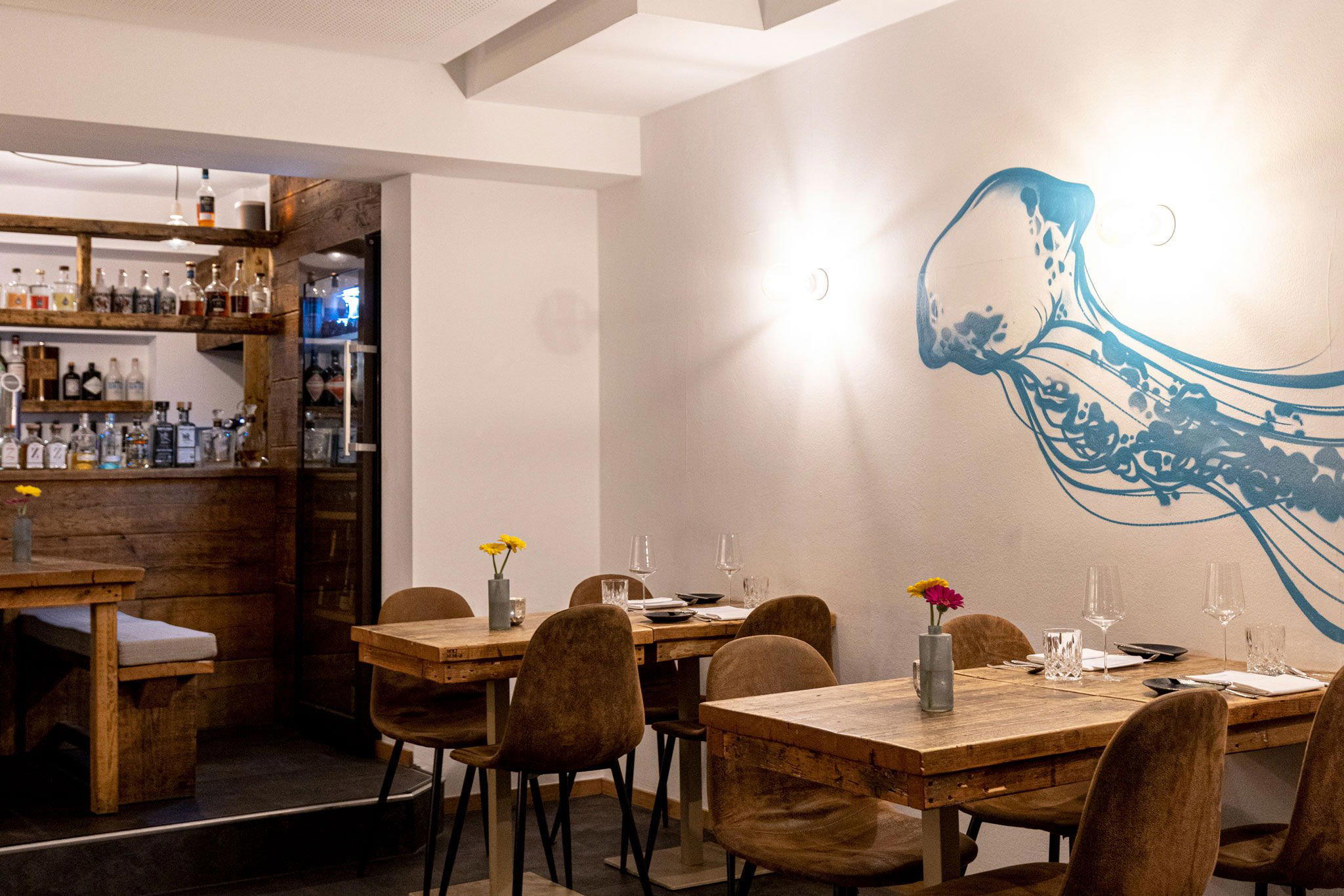
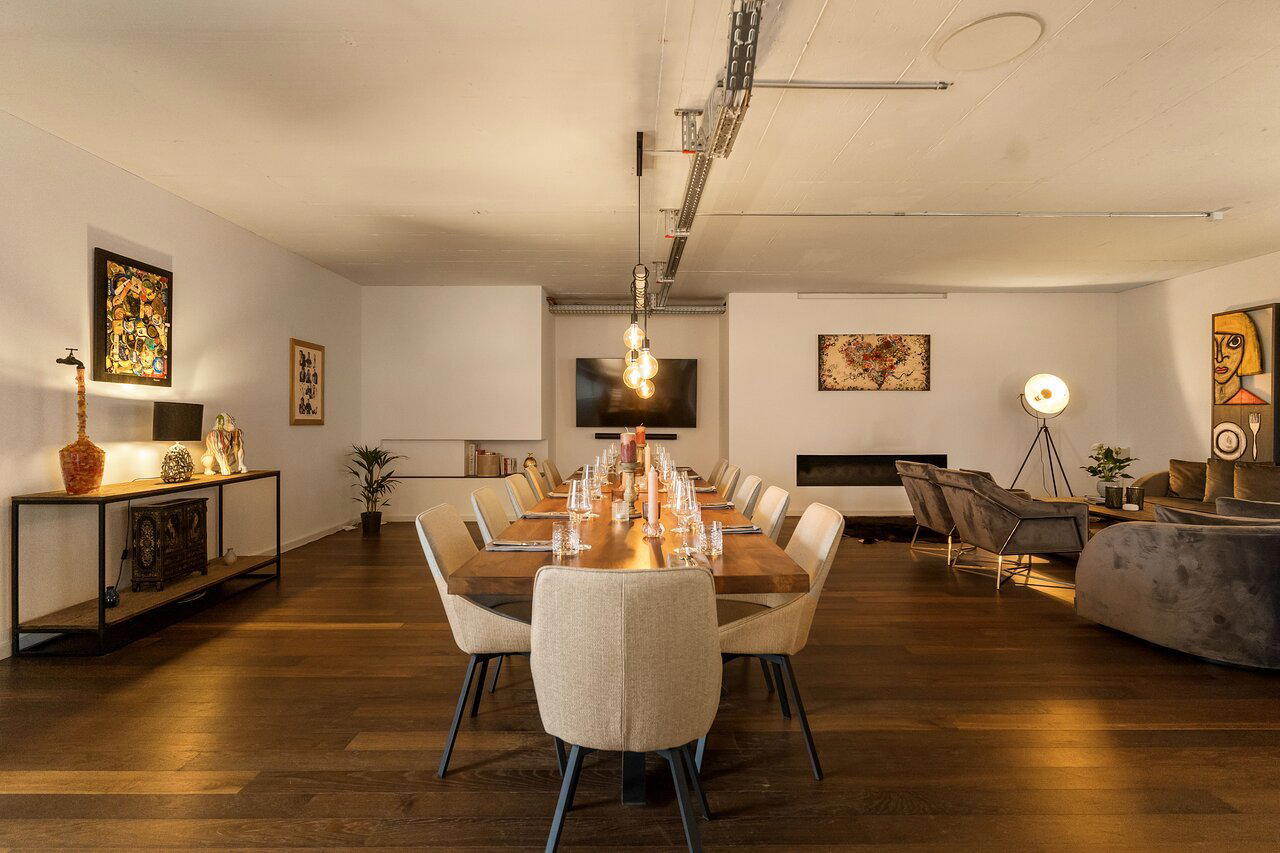
Bars in Hamburg
Browse all →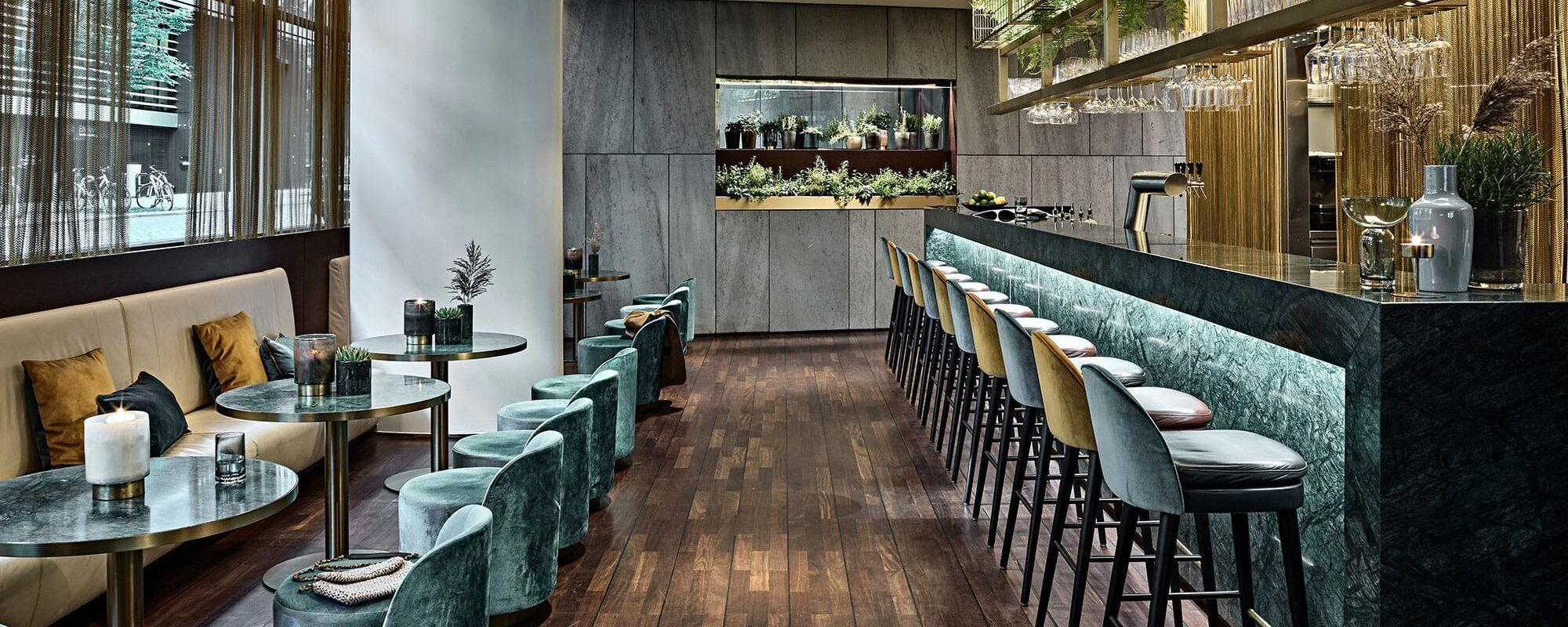
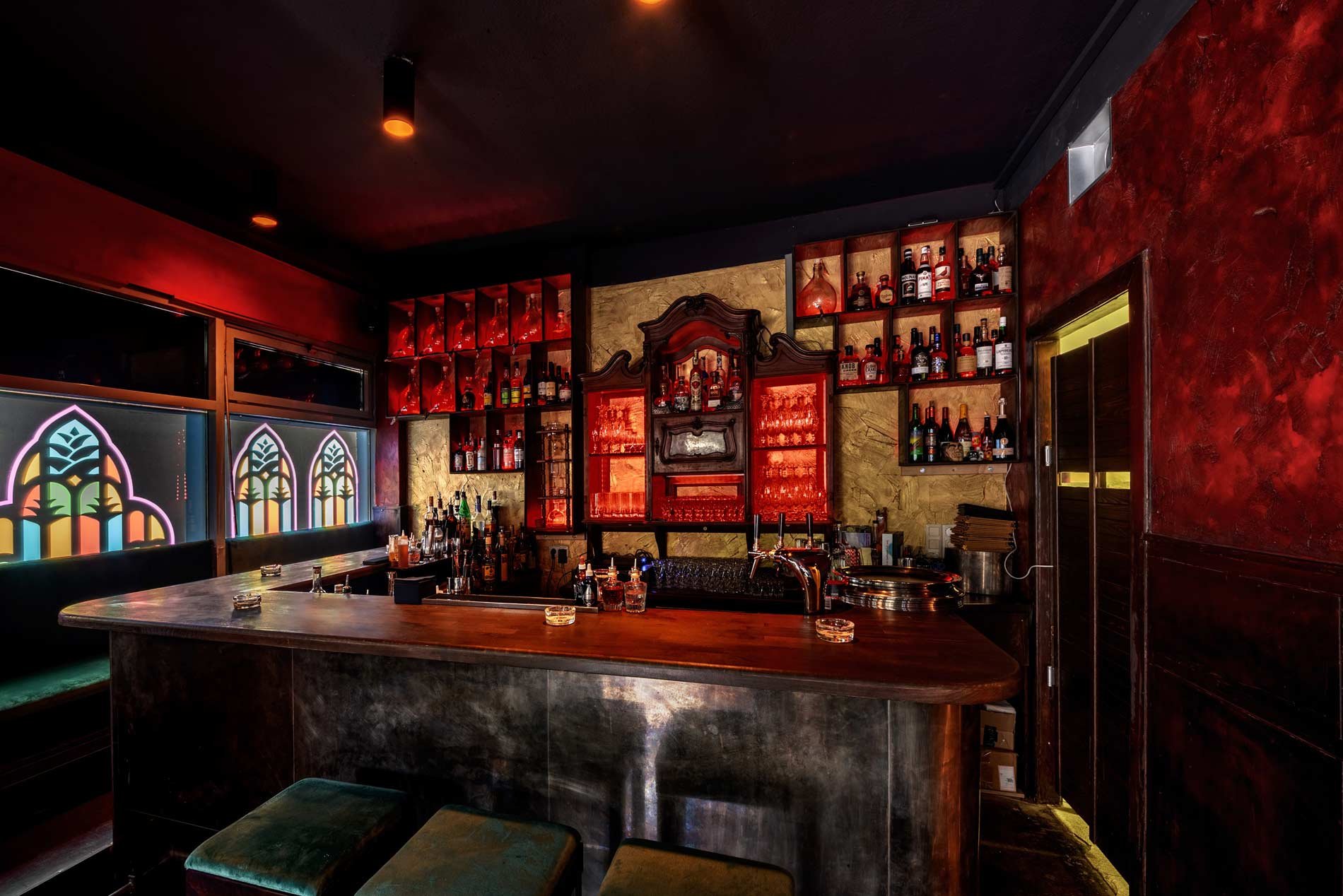


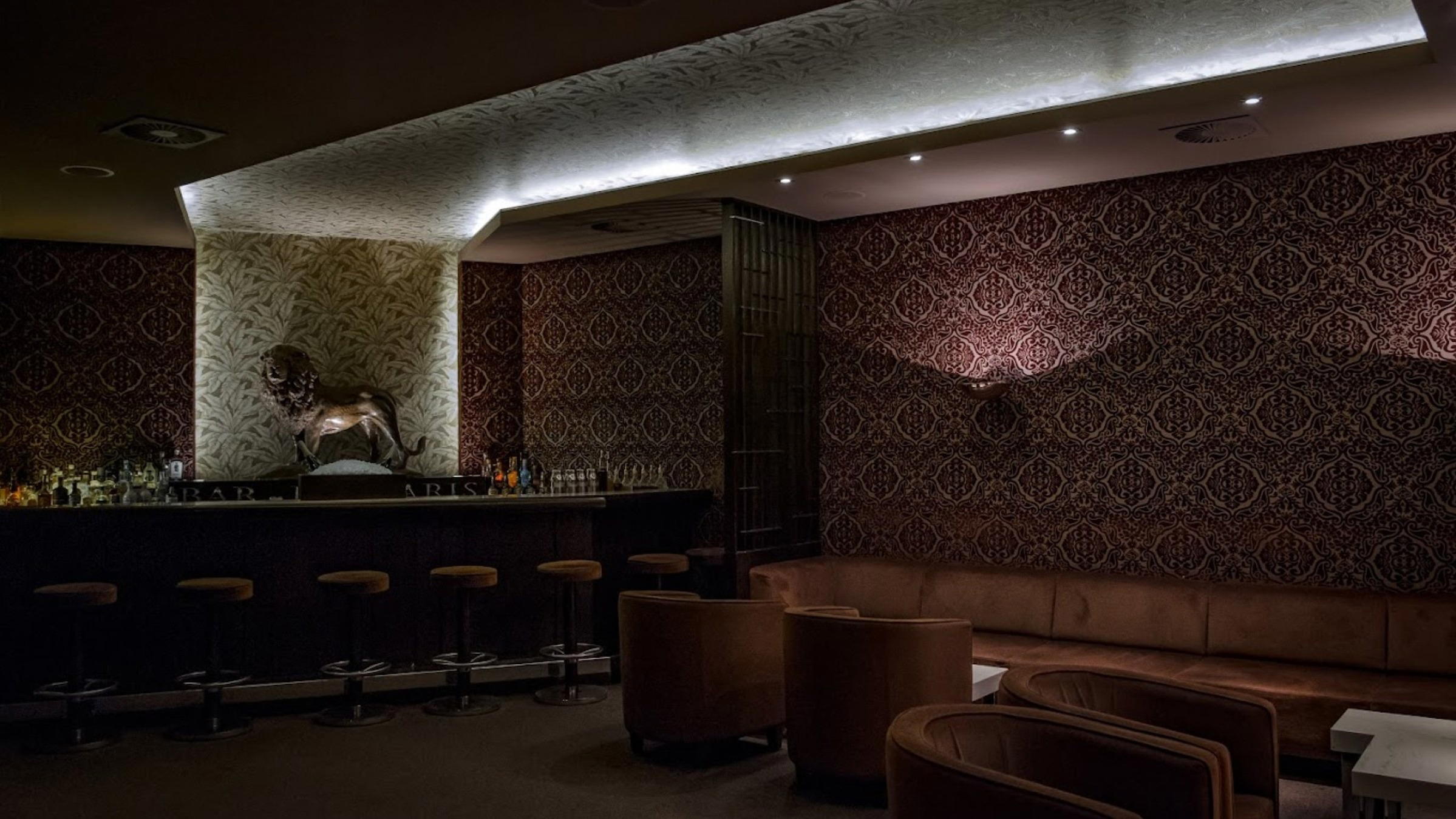
Hotels in Hamburg
Browse all →
Wineries in Hamburg
Browse all →
At a Glance
- Elegant
- Modern
- Trendy
- Intimate
- Date Night
- Casual Hangout
- Open Kitchen
- Local Sourcing
Current opening hours
- Monday
- 12–10:30 PM
- Tuesday
- 12–10:30 PM
- Wednesday
- 12–10:30 PM
- Thursday
- 12–10:30 PM
- Friday
- 12–11 PM
- Saturday
- 12–11 PM
- Sunday
- 2–10:30 PM
Hours can change for holidays and private events. Last verified .
Modern and chic with a sophisticated, welcoming atmosphere ideal for date nights.
Know Before You Go
- Getting there
- Schulterblatt 75, 20357 Hamburg, Germany