Cha no Chimoto

Tabelog 100 #39
Our verdict
Cha no Chimoto places Hakone-Yumoto’s wagashi culture in a compact tea-room setting attached to a long-running Chimoto sweets shop. Its Tabelog 100 selection for Japanese traditional sweets and sweets cafés in EAST 2023 gives the stop more weight than a casual station-area pause, especially for travelers reading Hakone through tea, omiyage, and regional confectionery rather than only hot springs.

Pearl is the En Primeur Club membership app — saves, bookings, and concierge access live there. Same editors, same standards.
- Address
- 690 Yumoto, Hakone, Ashigarashimo District, Kanagawa 250-0311, Japan
- Phone
- +81 460-85-5632
- Hours
- Mon–Fri 10 AM–4:30 PMSat–Sun 10 AM–5:30 PM
- Website
- chanochimoto.com
- Directions
- Get directions
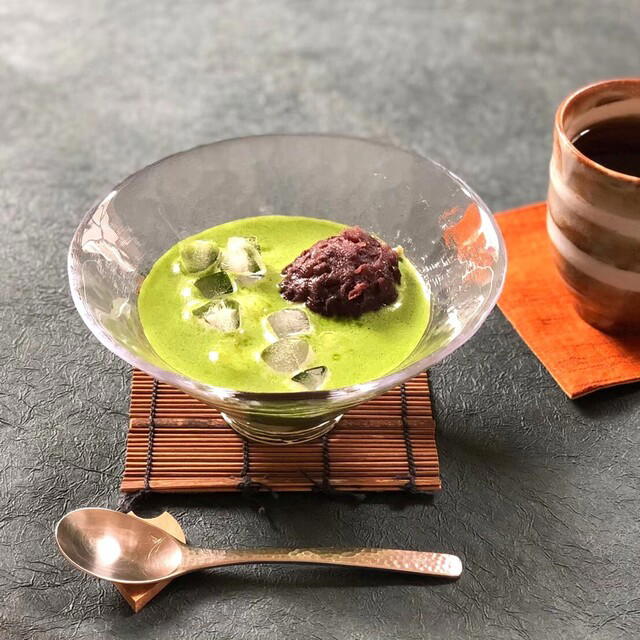
The menu
What to order
- Yumochi rice cake with yokan
- Wagashi and tea set
- Hojicha ice cream desserts
Hakone-Yumoto is often read through steam, ryokan check-ins, and the pull of the mountain railway, but its station streets also carry a quieter ritual: the sweets-and-tea pause before or after the onsen circuit. In that context, Cha no Chimoto belongs to a specifically Japanese travel habit, where wagashi functions as refreshment, souvenir, local marker, and seasonal language at once. The room is small, the format restrained, and the focus sits closer to tea culture than to café sprawl.
That matters in Hakone because the town’s food identity is fragmented across quick station snacks, ryokan dining, soba stops, bakery detours, and old teahouse routes. A sweets café with Tabelog 100 recognition for Japanese traditional sweets and sweets cafés in EAST 2023 occupies a different lane from a general tourist café. It asks for a slower reading of the area: not just what to eat between trains, but how Japanese confectionery turns local travel into a calibrated pause.
Wagashi as Hakone-Yumoto's quiet counterpoint to ryokan dining
Japanese sweets cafés sit at an interesting junction. They are not restaurants in the full-course sense, yet they often preserve stricter cultural codes than many casual dining rooms: portion, bitterness, sweetness, temperature, and sequence all matter. Cha no Chimoto’s category, cafe featuring Japanese sweets and Japanese traditional sweets, places it in that lineage rather than in the modern dessert-café bracket. The appeal is not excess; it is the narrowness of the format.
The attached relationship to Chimoto, described as a traditional wagashi shop with 75 years of history, gives the café a credible foundation without turning the story into nostalgia. In Japanese resort towns, long-running confectioners often anchor the omiyage economy as much as the dining scene. Visitors leave with boxes, but the more instructive experience is sitting down with tea and understanding why sweetness in wagashi is rarely treated as a standalone pleasure. It is designed against bitterness, season, and texture.
That is where Hakone-Yumoto’s broader circuit becomes useful. A stop at Amazake Chaya points toward the old road and restorative drinks; Bread & Circus shows how bakery culture has its own destination logic in the wider district; Arai Shoten and Chinese Suiyo pull the local map into everyday dining. Against that spread, Cha no Chimoto is the compact tea-and-sweets stop, more disciplined than a snack run and less formal than a ryokan meal.
The significance of a 12-seat sweets café in a transit-heavy town
Scale changes the experience. With 12 seats across four tables, the café belongs to the small-capacity end of Hakone-Yumoto dining, where timing matters more than lingering. That size aligns with the format: wagashi and tea do not need a large room, but they do benefit from quiet, short attention. The 40-minute seating limit reinforces the point. This is a measured interlude, not an afternoon salon.
The Tabelog score of 3.65 and selection for the Tabelog 100 Japanese traditional sweets and sweets cafés EAST list in 2023 are useful signals because this category is highly local and heavily preference-driven. Michelin-style hierarchies tell only part of Japan’s dining story; Tabelog’s sweets lists often surface specialist shops that matter in daily and domestic travel culture. For visitors, that recognition helps separate a serious wagashi stop from the many sweet counters that cluster around transport hubs.
There is also a useful comparison within the Chimoto orbit. Chimoto Ekimae doori ten sits in the same price band, which makes the decision less about budget and more about format. The café is for sitting with tea; the shopfront logic is more direct and transactional. That distinction is central to Japanese sweets culture: the same confection can feel different when treated as omiyage, station purchase, or tea-room object.
Travelers building a broader Hakone day should think in categories rather than a single meal plan. The district’s restaurants, hotels, bars, wineries, and experiences pull in different directions, and the editorial map is wider than one station street: Our full Ashigarashimo-Gun restaurants guide, Our full Ashigarashimo-Gun hotels guide, Our full Ashigarashimo-Gun bars guide, Our full Ashigarashimo-Gun wineries guide, and Our full Ashigarashimo-Gun experiences guide give that spread a practical frame.
How to read it alongside Japan's broader casual dining map
Cha no Chimoto is most rewarding when treated as cultural punctuation, not dessert after a large meal. The price band sits in everyday reach, yet the recognition and tight seating move it above a casual sugar stop. That combination is common in Japan: modest spend, narrow craft, high local scrutiny. It is the opposite of the luxury tasting-menu model, but it can be just as revealing about place.
For travelers comparing across cities, the lesson is format discipline. A sweets café in Hakone does not compete with sukiyaki in Kamakura, izakaya cooking in Tokyo, or café culture in Osaka on the same terms. It belongs to a quieter register, but the same editorial question applies: does the venue express a specific local habit with clarity? For broader contrast, see -Grilled beef Sukiyaki- KAMAKURA TANUKIAN 鎌倉 たぬき庵 in Kamakura. 鮪と炭火焼き うお炭 秋葉原店 in Tokyo.cafe in Osaka, and.know in Kumamoto.
That same lens also helps with casual specialists outside the immediate region. (Shoku) Vietnam in Kawasaki, [Curry Senmon Ten] Maruyama Kyoju. in Sapporo, Jōdo Saké Bar in Los Angeles, and Onigiri Time in Pasadena each represent a narrow dining grammar rather than a grand occasion. Cha no Chimoto belongs in that family of focused stops: small format, clear category, and enough recognition to justify planning around it when Hakone-Yumoto is already on the route.
Frequently asked questions
Is Cha no Chimoto expensive?
Pricing at Cha no Chimoto is listed as JPY 1,000 - JPY 1,999.
Where do I go for Cha no Chimoto?
Cha no Chimoto is located in Ashigarashimo-Gun.
What are the opening hours for Cha no Chimoto?
Hours at Cha no Chimoto: Mon: 10 AM–4:30 PM; Tue: 10 AM–4:30 PM; Wed: 10 AM–4:30 PM; Thu: 10 AM–4:30 PM; Fri: 10 AM–4:30 PM; Sat: 10 AM–5:30 PM; Sun: 10 AM–5:30 PM.
What makes Cha no Chimoto worth seeking out?
Cha no Chimoto pairs a 12-seat room in Hakone Yumoto with Tabelog 100 recognition for Japanese traditional sweets / Japanese sweets cafe in 2023. It sits inside the Chimoto tradition, a wagashi shop with 75 years of history, and the price range stays at JPY 1,000–JPY 1,999.
Is Cha no Chimoto good for vegetarians?
It can work well for vegetarians because the café focuses on Japanese sweets and tea rather than a full meal menu. The safest route is to check each wagashi item before ordering, and the Ashigarashimo-Gun location accepts reservations by phone at 0460-85-5632.
Booking and Cost Snapshot
Side-by-side context: comparable cuisine and price.
| Venue | Cuisine | Price | Awards | Notes |
|---|---|---|---|---|
| Cha no ChimotoThis venue — the venue you are viewing | Traditional Japanese Wagashi Café | $10–20 | Tabelog 100 #39 | Not listed |
| Takeyabu Hakone ten | Traditional Soba & Japanese Cuisine | $20–30 | Tabelog 100 #34 | Motohakone, Traditional Soba & Japanese Cuisine |
| Watanabe Bakery | Not listed | $10–20 | Tabelog 100 #3 | Miyanoshita, Historic Japanese bakery & cafe |
| Chimoto Ekimae doori ten | Traditional Japanese wagashi & sweets shop | Not listed | Tabelog 100 #51 | Hakone Yumoto, Traditional Japanese wagashi & sweets shop |
| PICOT | Hotel bakery & sweets shop | $10–20 | Tabelog 100 #77 | Miyanoshita, Hotel bakery & sweets shop |
| Bread & Circus | Japanese Bakery Café | Not listed | Tabelog 100 #80 | Yugawara-machi, Japanese Bakery Café |
Recognition history
Dated appearances from independent guides and award organizations, with the underlying list record or original source where available.
Tabelog 100 #39 · No. 39
Tabelog · Tabelog 100 - Japanese traditional sweets / Japanese sweets cafe - EAST - 2023
Continue exploring
More in Ashigarashimo-Gun
Restaurants in Ashigarashimo-Gun
Browse all →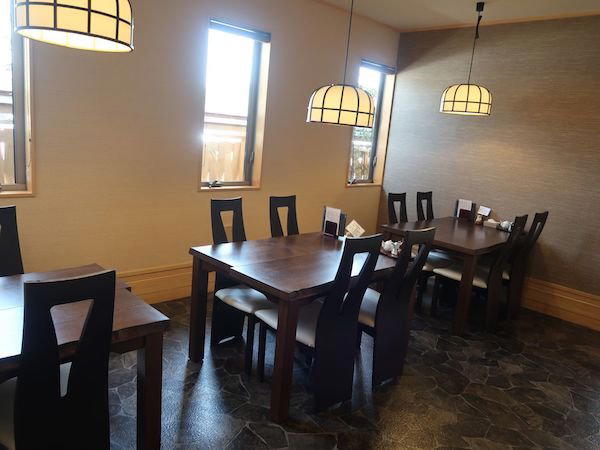
Bars in Ashigarashimo-Gun
Browse all →
Hotels in Ashigarashimo-Gun
Browse all →
Wineries in Ashigarashimo-Gun
Browse all →
Details
- Quiet
- Cozy
- Classic
- Scenic
- Solo
- Family
- Casual Hangout
- After Work
- Standalone
- Design Destination
- Local Sourcing
- Street Scene
- A La Carte
- Tea
Current opening hours
- Monday
- 10 AM–4:30 PM
- Tuesday
- 10 AM–4:30 PM
- Wednesday
- 10 AM–4:30 PM
- Thursday
- 10 AM–4:30 PM
- Friday
- 10 AM–4:30 PM
- Saturday
- 10 AM–5:30 PM
- Sunday
- 10 AM–5:30 PM
Hours can change for holidays and private events. Last verified .
A small, non-smoking Japanese sweets café with only a handful of tables, calm background noise, and a softly decorated interior conceptualized as a cocoon with fluttering cherry blossoms, creating a quiet and relaxing stop near Hakone-Yumoto Station.