Chimoto Ekimae doori ten

Tabelog 100 #51
Our verdict
Chimoto Ekimae doori ten belongs to Hakone Yumoto’s wagashi rhythm: sweets bought for the train, for ryokan rooms, and for gifts that say where the trip has been. Its Tabelog 100 selection for Japanese traditional sweets and sweets cafe in EAST Japan places it above the ordinary station-street souvenir stop, while the format remains casual, practical, and rooted in daily confectionery craft.

Pearl is the En Primeur Club membership app, where members save venues, book tables and use the concierge.
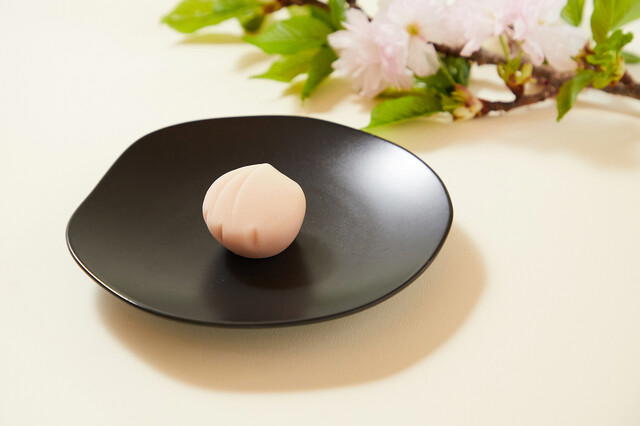
The menu
What to order
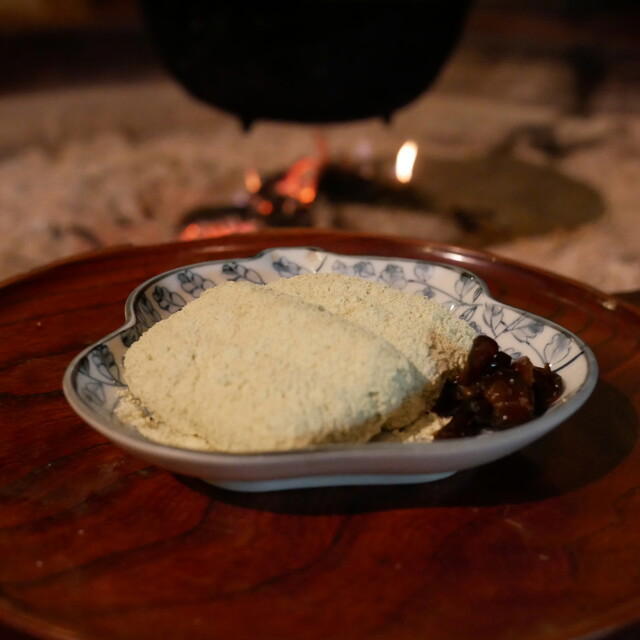
- Yumochi (soft rice cake with citrus accent)
- Seasonal Hakone wagashi
Hakone Yumoto’s station streets set a particular pace. Trains empty, ryokan shuttles gather, and the smartest food decisions often happen between luggage handles and gift boxes rather than across a long counter. In that setting, wagashi is not an afterthought. It is part of the travel ritual: a sweet taken back to a room, sent onward as omiyage, or eaten before the mountain line bends away from town.
Chimoto Ekimae doori ten sits inside that culture of portable ceremony. The point is not a drawn-out meal but a precise exchange: choose, wrap, carry, share. Hakone’s sweet shops compete less on theatrics than on trust, freshness, and the ability to turn a short stop into something that feels anchored to place. That is why recognition matters here. Selection for Tabelog 100 for Japanese traditional sweets and Japanese sweets cafe in EAST Japan in 2023, alongside earlier Tabelog sweets selections in 2018, 2019, 2020, and 2022, signals a shop judged within a demanding regional field rather than a generic resort-town counter.
Wagashi as Hakone's quiet travel ritual
Japanese confectionery has always carried social meaning beyond sugar. Wagashi marks seasons, visits, apologies, thanks, and returns from a trip. In onsen towns, that role becomes even clearer: the sweet is both refreshment and proof of having passed through a specific place. Hakone Yumoto, as the gateway to the wider hot-spring area, has a dense economy of snacks and gifts, but the serious addresses are the ones where the form still feels tied to craft rather than souvenir volume.
The category also rewards restraint. A wagashi shop does not need the length or ceremony of kaiseki to make a point; the discipline is in texture, portion, wrapping, and timing. Chimoto Ekimae doori ten’s long-running presence in Hakone, with 75 years noted in its public profile, gives it a different kind of authority from a new dessert counter chasing social media traffic. Longevity in this field means regular local use, repeat travellers, and a product line that survives beyond a season’s novelty.
Within Ashigarashimo-Gun, the comparison is useful. Cha no Chimoto sits in the same broader confectionery world at a similar spend, while smaller casual stops such as Kikukawa Shoten and sagamiya occupy the low-cost snack-and-gift tier. The distinction is not simply expense. It is format: whether the stop is a quick bite, a packaged gift run, or a more deliberate pause around tea and sweets. For travellers building a day in town, Amazake Chaya offers another traditional register, while Bread & Circus, Arai Shoten, and Chinese Suiyo show how broad the local eating map becomes once Hakone is treated as more than a ryokan corridor.
The right way to use a station-street sweet shop
The etiquette is simple but worth observing. Wagashi shopping works on pace: decide with purpose, let wrapping take the time it needs, and think about when the sweets will be eaten. Some travellers buy for the train, but the more satisfying rhythm is to make the stop part of the onsen day, before check-in or before leaving town. In Japan, omiyage is not a casual souvenir habit; it is a social system built around place-specific gifts that travel cleanly and carry a degree of care. A recognized Hakone confectioner fits that system neatly.
The shop’s public information points to take-out service and multilingual menus in English, Traditional Chinese, and Korean, which matters in a town with heavy international foot traffic. Payment flexibility also fits the station-area role: major credit cards, transport IC cards, and QR payments are accepted. Those details make the experience less opaque for visitors, but the underlying ritual remains Japanese. Do not treat the counter like a dessert bar designed for browsing indefinitely. Read the room, order decisively, and move aside once the package is in hand.
Families are well served by this kind of stop because the commitment is low and the category is accessible. Children are welcomed, including babies, preschoolers, and school-age children, and strollers are allowed. That makes the shop useful in a town where formal dining can be awkward between train times, nap times, and ryokan meal schedules. Private rooms and private use are not part of the proposition; this is a public-facing confectionery stop, not a reserved dining room.
How it fits a sharper Hakone itinerary
Chimoto Ekimae doori ten works strongest as an editorial counterpoint to Hakone’s bigger-ticket pleasures. The town is often framed through baths, mountain views, and ryokan dinners, yet the smaller food rituals are what give a trip texture. A good wagashi stop compresses the place into minutes: local custom, gift culture, and daily craft without requiring a reservation-led evening.
For planning across the area, pair this kind of stop with a broader read of the local scene rather than treating it as a standalone destination. EP Club’s full Ashigarashimo-Gun restaurants guide is the natural next step for meals, while the Ashigarashimo-Gun hotels guide helps place the sweet-shop run around ryokan check-in and station transfers. The bars, wineries, and experiences guides widen the trip beyond lunch and dinner.
Readers tracing Japanese casual dining more broadly can compare the ritual here with regional formats elsewhere: sukiyaki in Kamakura at -Grilled beef Sukiyaki- KAMAKURA TANUKIAN 鎌倉 たぬき庵, grilled tuna and charcoal cooking at. 鮪と炭火焼き うお炭 秋葉原店 in Tokyo, cafe culture at.cafe in Osaka, contemporary dining at.know in Kumamoto, Vietnamese cooking in Kanagawa at (Shoku) Vietnam in Kawasaki, and curry specialization at [Curry Senmon Ten] Maruyama Kyoju. in Sapporo. Even outside Japan, the idea of format-driven eating carries through at Jōdo Saké Bar in Los Angeles and Onigiri Time in Pasadena: narrow concepts succeed when the ritual is legible.
The editorial read is clear. This is not the place for a long, performative meal. It is a disciplined Hakone wagashi stop with enough recognition to separate it from routine station sweets and enough practicality to fit the real movement of a travel day.
Frequently asked questions
Does Chimoto Ekimae doori ten work for a family meal?
Yes. The shop is listed as family friendly, with children welcome, strollers welcome, and a location at 690 Yumoto in Hakone, Ashigarashimo-Gun. The price range of JPY 1,000–JPY 1,999 keeps it in easy reach for a casual stop rather than a formal outing.
What's the overall feel of Chimoto Ekimae doori ten?
It reads as a calm wagashi stop rather than a sit-down café, with take-out service and a relaxing space noted in the public record. Its Tabelog 100 selection for 2023 and 75 years in business give it local authority, while the Hakone Yumoto Station setting keeps it tied to the rhythm of the town. Check the venue's official channels for the latest details.
How much does it cost to eat at Chimoto Ekimae doori ten?
Pricing at Chimoto Ekimae doori ten is listed as JPY 1,000 - JPY 1,999.
What are the opening hours for Chimoto Ekimae doori ten?
Hours at Chimoto Ekimae doori ten: Mon: 9 AM–5 PM; Tue: 9 AM–5 PM; Wed: 9 AM–5 PM; Thu: 9 AM–5 PM; Fri: 9 AM–5 PM; Sat: 9 AM–5 PM; Sun: 9 AM–5 PM.
Cuisine and Credentials
Comparable venues by cuisine and price in the same metro.
| Venue | Cuisine | Price | Awards | Notes |
|---|---|---|---|---|
| Chimoto Ekimae doori tenThis venue (the venue you are viewing) | Traditional Japanese wagashi & sweets shop | Not listed | Tabelog 100 #51 | Not listed |
| Amazake Chaya | Traditional Hakone teahouse – amazake and mochi | $10–20 | Tabelog 100 #40 | Hakone |
| Kikukawa Shoten | Japanese Confectionery | $1–10 | Tabelog 100 #71 | Hakone-Yumoto |
| Bread & Circus | Japanese Bakery Café | Not listed | Tabelog 100 #80 | Yugawara-machi |
| Takeyabu Hakone ten | Traditional Soba & Japanese Cuisine | $20–30 | Tabelog 100 #34 | Motohakone |
| Arai Shoten | Peruvian Fine Dining | Not listed | Tabelog 100 #20 | Yugawara |
Recognition history
Dated appearances from independent guides and award organizations, with the underlying list record or original source where available.
Tabelog 100 #51 · No. 51
Tabelog · Tabelog 100 - Japanese traditional sweets / Japanese sweets cafe - EAST - 2023
Continue exploring
More in Ashigarashimo-Gun
Restaurants in Ashigarashimo-Gun
All restaurants in Ashigarashimo-Gun →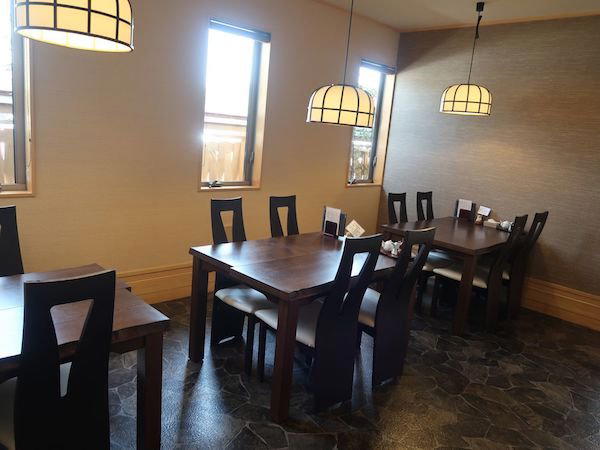
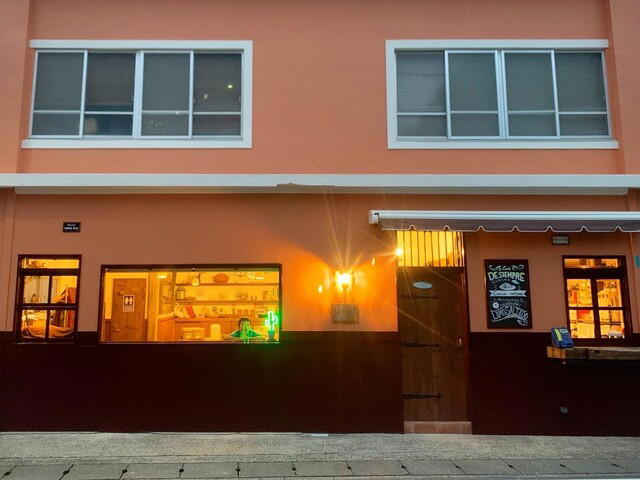
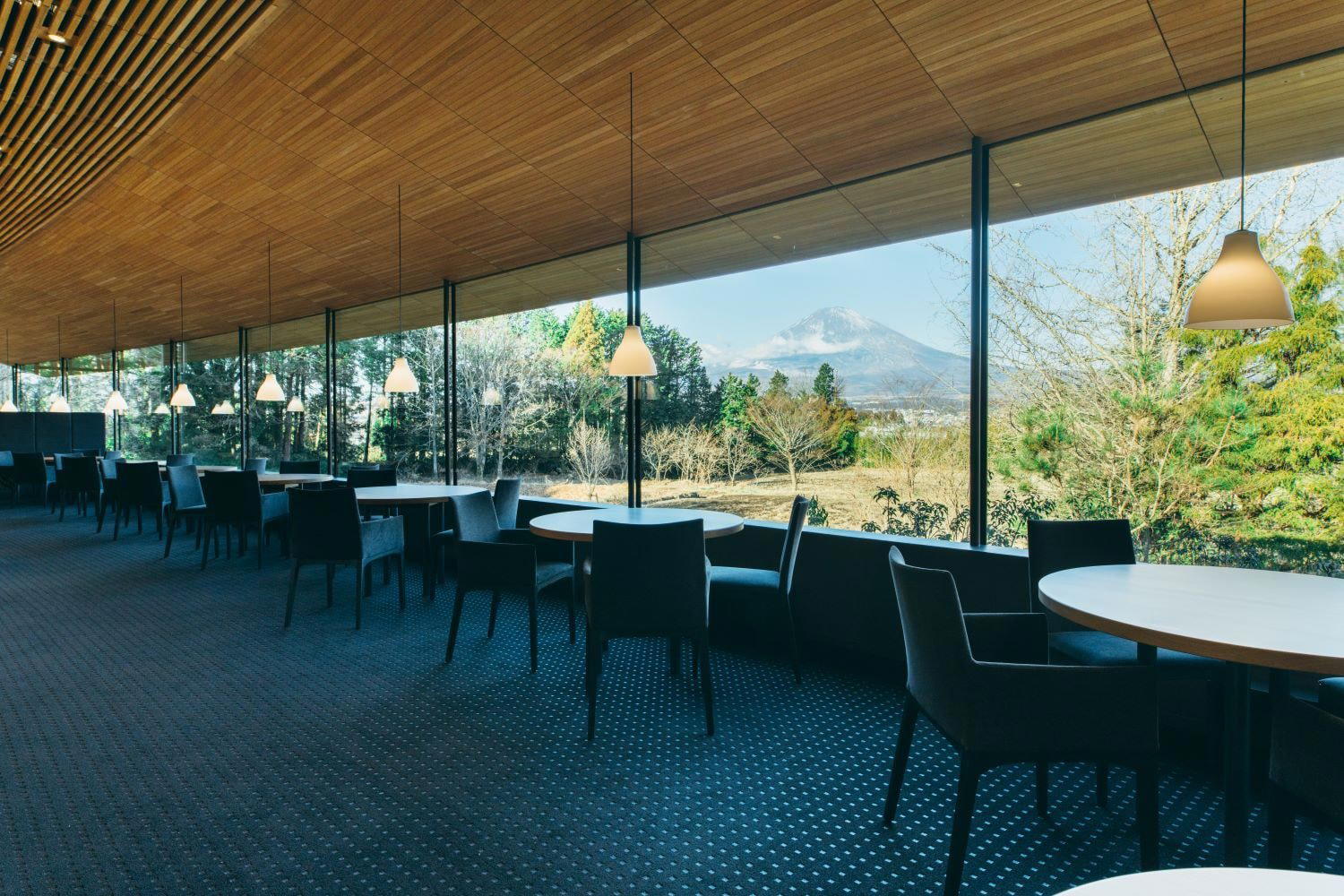
Bars in Ashigarashimo-Gun
Browse all →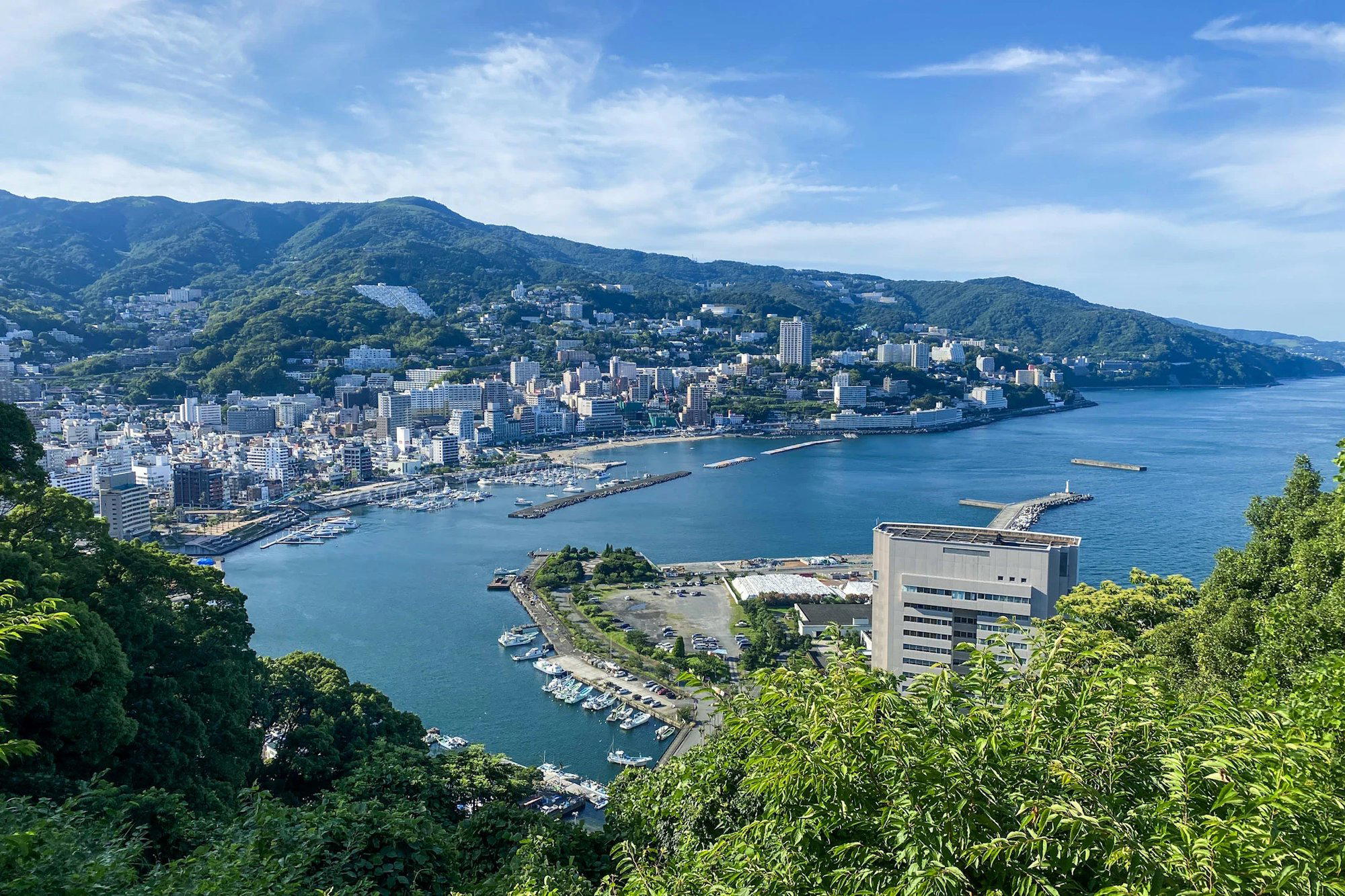
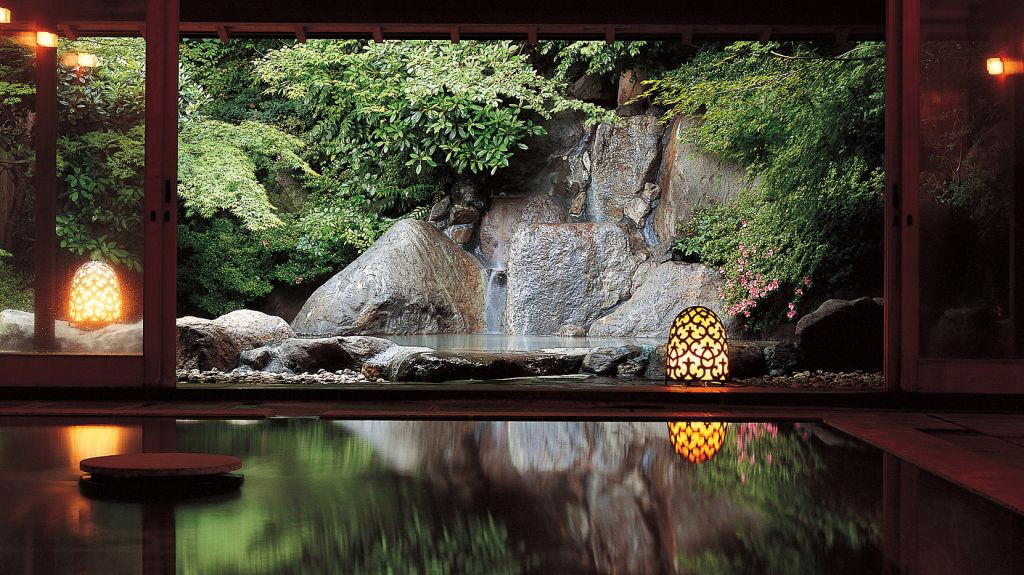
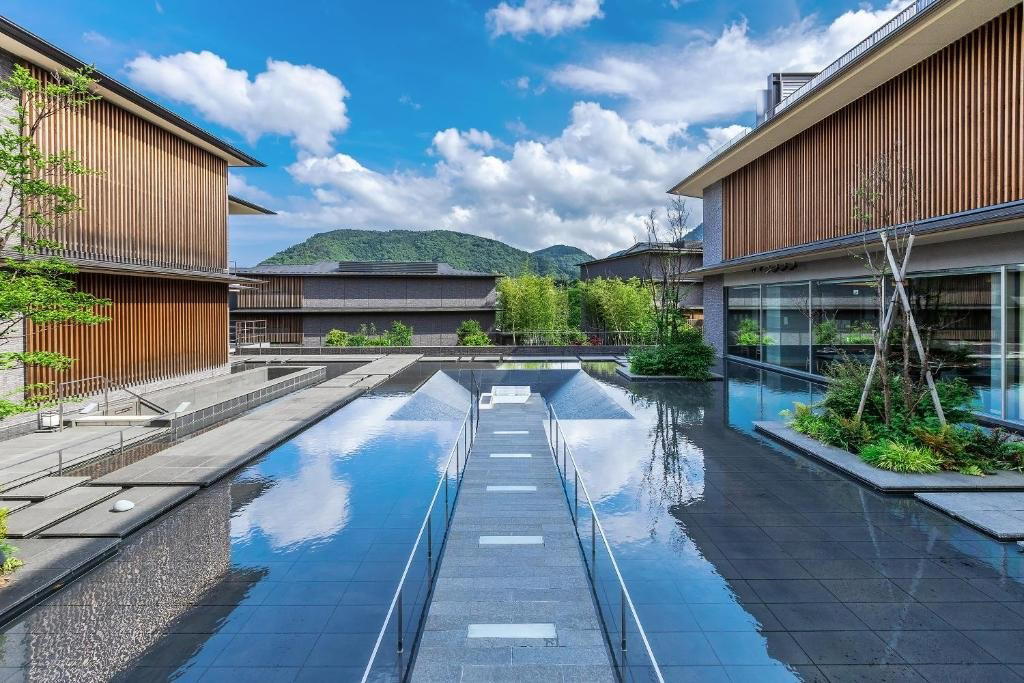
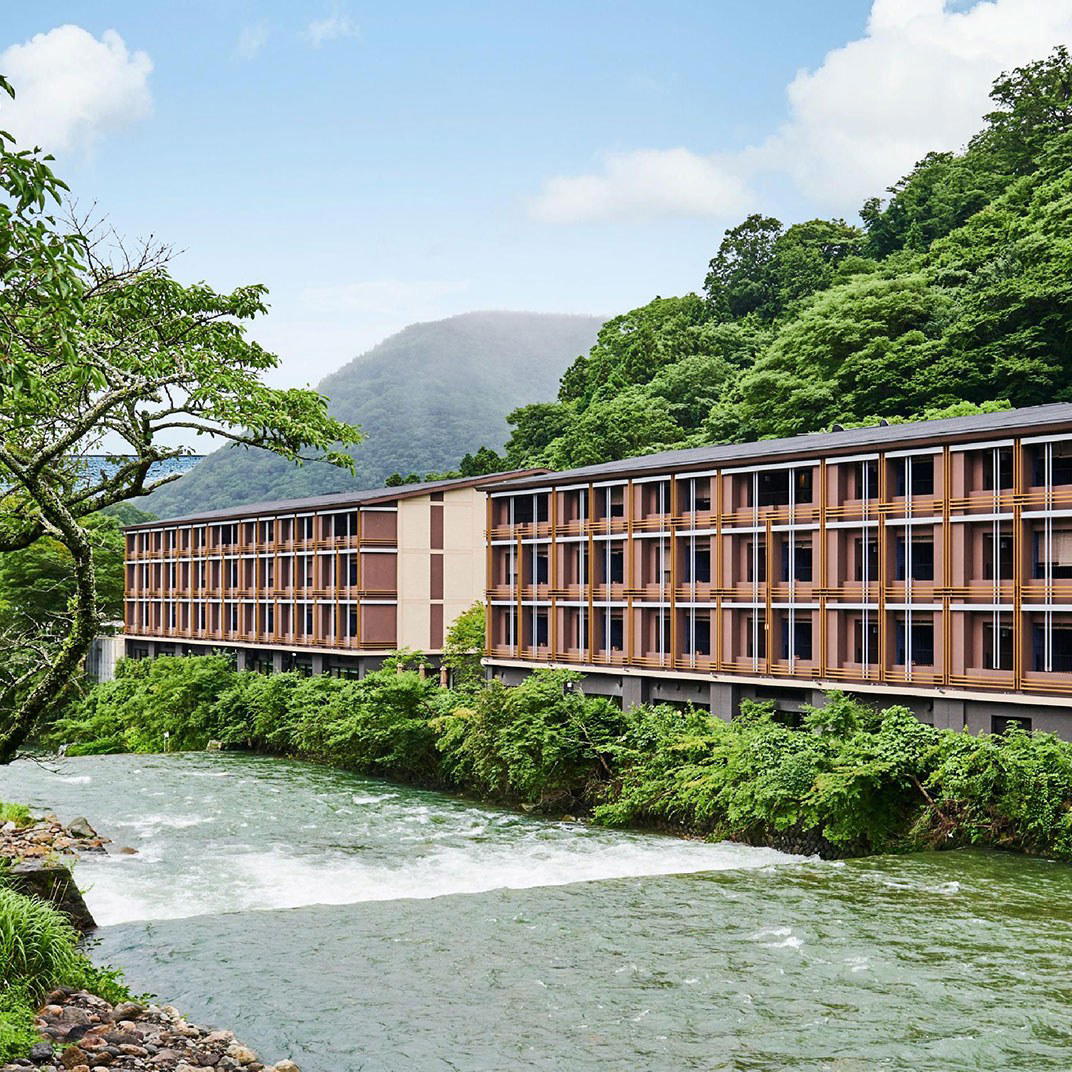
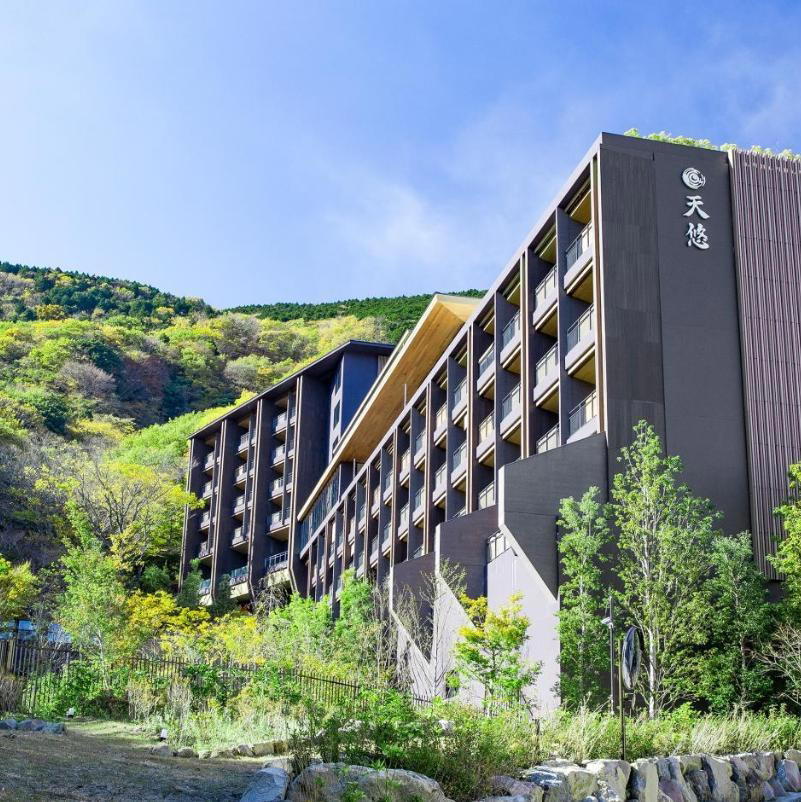
Hotels in Ashigarashimo-Gun
All hotels in Ashigarashimo-Gun →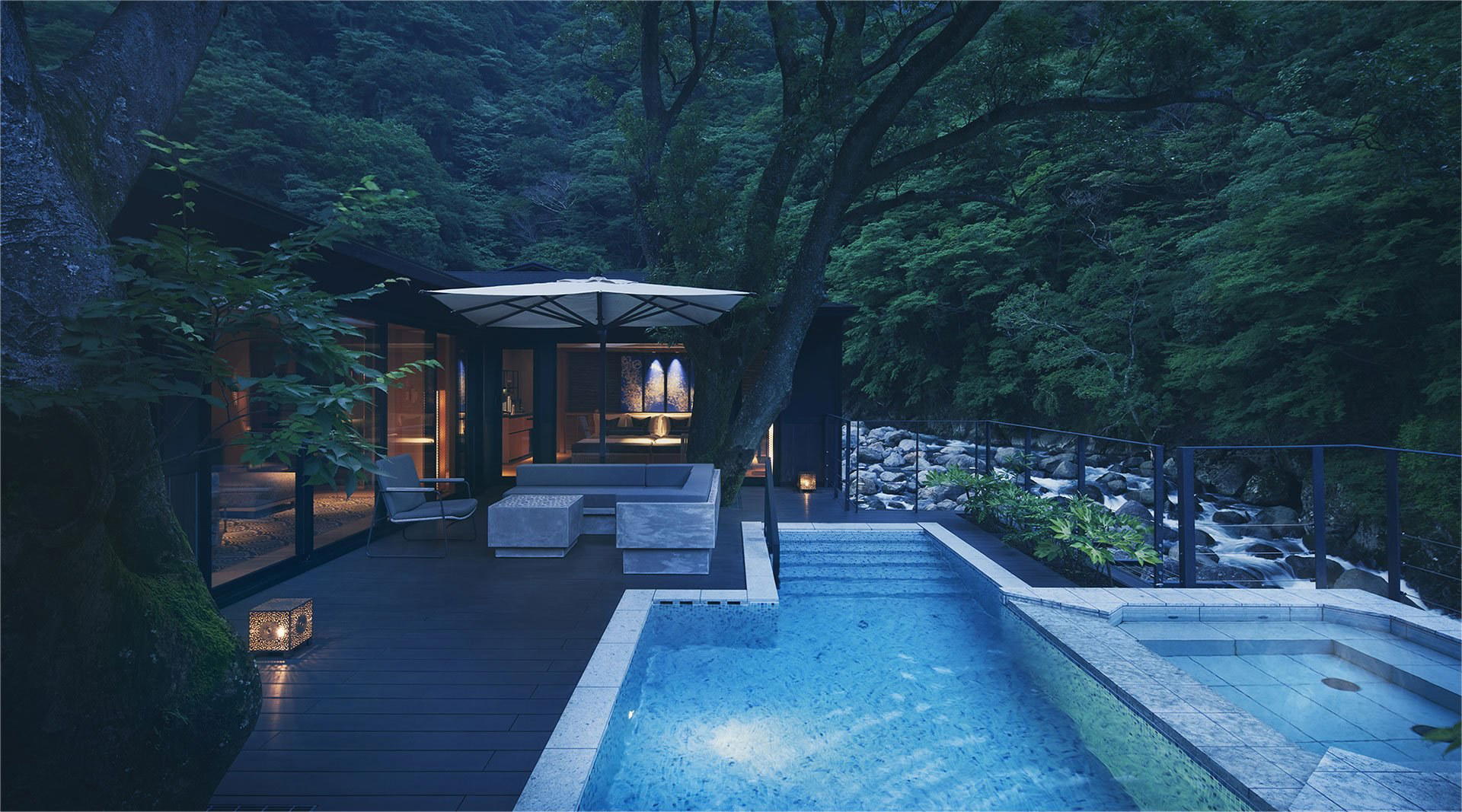
Wineries in Ashigarashimo-Gun
Browse all →
Details
- Classic
- Cozy
- Well Known
- Solo
- Family
- Casual Hangout
- After Work
- Standalone
- Street Scene
- A La Carte
- Counter Dining
- Tea
- Coffee
- Soft Drinks
Current opening hours
- Monday
- 9 AM–5 PM
- Tuesday
- 9 AM–5 PM
- Wednesday
- 9 AM–5 PM
- Thursday
- 9 AM–5 PM
- Friday
- 9 AM–5 PM
- Saturday
- 9 AM–5 PM
- Sunday
- 9 AM–5 PM
Hours can change for holidays and private events. Hours as of .
A traditional Japanese sweets shop with a small, relaxed eat-in space; bright daytime lighting, a steady flow of tourists, and a casual café corner attached to a classic wagashi retail counter.