
Tabelog 100 #34
Our verdict
Takeyabu Hakone ten brings Hakone’s mountain-resort tempo to soba: quiet pacing, a compact seated room, and a reputation strong enough for selection in Tabelog’s Soba EAST 100 in 2025. It suits travelers who want a measured Japanese lunch rather than a hotel dining production, with soba as the point of focus and the surrounding Motohakone setting doing part of the work.

Pearl is the En Primeur Club membership app, where members save venues, book tables and use the concierge.
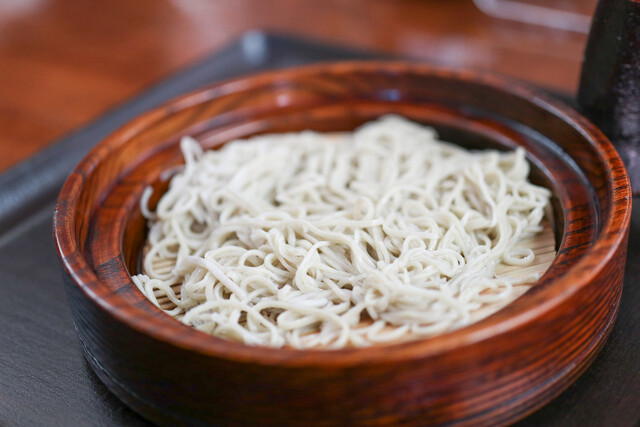
The menu
What to order
- Seiro soba
- Inaka seiro soba
- Tempura soba
- Nishin soba
- Soba-gaki
- Soba sanmai course
Approaching soba in Ashigarashimo-Gun is different from approaching soba in a major city. The meal is less about urban efficiency and more about a pause between travel movements, changing weather, cultural stops, and the slower appetite that a resort itinerary can create. In Ashigarashimo-Gun, the ritual has a particular logic: sit down, let the room settle, order with restraint, and give buckwheat its proper place rather than treating it as a side act to a larger Japanese-cuisine performance.
Takeyabu Hakone ten belongs to that quieter register. Its Tabelog Hyakumeiten recognition in 2025 places it in a serious soba conversation, not merely the tourist-lunch category that can dominate resort areas. The restaurant’s Tabelog score of 3.68 gives another useful signal: this is not anonymous resort dining, but a soba and Japanese-cuisine address with enough sustained attention to matter within its category.
Ashigarashimo-Gun soba works when the meal keeps its discipline
Soba rewards simplicity, which is why the better rooms in this category tend to resist overloading the table. The meal’s pacing is part of the craft: noodles arrive as the main event, accompaniments stay in proportion, and the diner pays attention to texture, temperature, dipping sauce, and the final shift into sobayu. In a resort setting, that restraint can feel corrective. Ashigarashimo-Gun has formal Japanese meals, hotel dining, café stops, and sweets shops; soba offers a shorter, sharper ritual.
The category also carries a different price logic from destination tasting menus. A soba lunch can sit in a relatively accessible band while still demanding technical precision. That matters in Ashigarashimo-Gun, where luxury hotels and resort restaurants can push the day’s dining budget upward. By contrast, a focused soba meal gives the itinerary a grounded center without turning lunch into the day’s main financial decision.
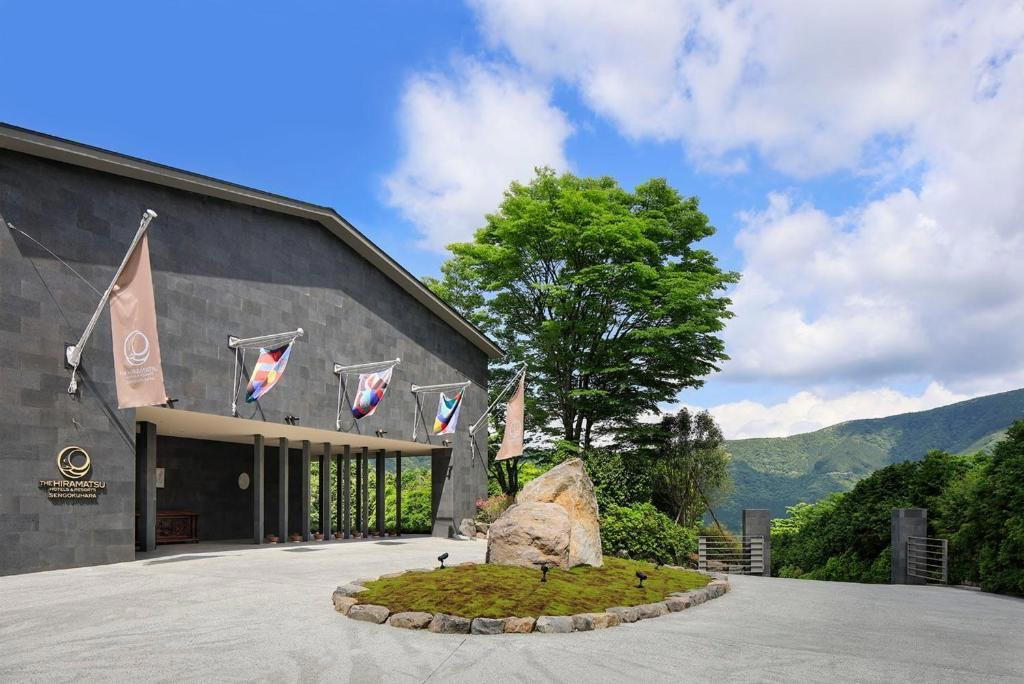
That distinction is visible when set against the local high-end resort frame. THE HIRAMATSU HOTELS&RESORTS Sengokuhara operates in a different spending tier and occasion category, closer to a full luxury-stay dining economy. Soba houses such as Takeyabu Hakone ten answer another need: a contained, ingredient-led meal that fits between travel movements and asks for attention rather than ceremony.
The room matters because soba is a seated pause, not a quick refuel
Ashigarashimo-Gun dining is shaped by movement: visitors move between transport, views, cultural stops, and onsen plans. A soba restaurant in this setting succeeds when it interrupts that motion without turning ponderous. The format is focused rather than sprawling, and that supports the kind of meal soba needs. The experience depends on the table feeling settled enough for noodles to be eaten at the right pace.
The restaurant’s focused character also separates it from the quick-stop rhythm found elsewhere in the area. Ashigarashimo-Gun has excellent reasons to graze: tea, wagashi, bread, curry, and local refreshments all make sense here. Other Ashigarashimo-Gun dining rooms speak to the historic refreshment-stop tradition, while additional tea-and-sweets addresses sit closer to the area’s slower café cadence. Specialist stops across the region point to the broader local appetite for defined food rituals rather than generic resort dining.
That is the useful lens for reading this restaurant: not as a grand statement, but as part of Ashigarashimo-Gun’s web of small, disciplined food rituals. Soba has etiquette without stiffness. Slurping is functional, not performative; dipping is measured rather than soaking; the final broth, when served, closes the loop by turning the dipping sauce into something gentler. The pleasure comes from sequence and proportion.
How to place it in an Ashigarashimo-Gun itinerary
For travelers building a food day around Ashigarashimo-Gun, Takeyabu Hakone ten makes sense as the soba anchor rather than the casual afterthought. The stronger plan is to give lunch a defined slot, then use the rest of the day for tea, wagashi, onsen, views, or a cultural route. That approach respects the cuisine’s timing: soba loses its point when squeezed between rushed transfers and distracted sightseeing.
The restaurant’s recognition also helps separate it from the many respectable but interchangeable noodle stops that serve resort traffic. Tabelog’s category lists are useful because they identify specialists within a category where small technical differences matter. Recognition in 2025 indicates category-specific attention rather than a purely scenic-dining claim. For a visitor with limited meals in Ashigarashimo-Gun, that signal is more useful than decorative language or generic resort positioning.
Comparisons beyond Ashigarashimo-Gun should be handled carefully. Urban soba counters can feel more fast-moving and exacting; rural and resort soba houses often lean into place, pace, and setting. This Ashigarashimo-Gun address belongs to the latter tradition, but with enough external recognition to keep the meal from drifting into scenery-first dining. The draw is the compactness of the ritual: buckwheat, seated calm, and a room scaled for attention.
EP Club readers mapping the wider area can use our full Ashigarashimo-Gun restaurants guide for nearby dining, then separate the rest of the trip by category: our full Ashigarashimo-Gun hotels guide, our full Ashigarashimo-Gun bars guide, our full Ashigarashimo-Gun wineries guide, and our full Ashigarashimo-Gun experiences guide. For broader Japan dining context outside the immediate soba lane, compare how single-format meals and focused specialists work in other Japanese cities. Comfort formats abroad follow a different rhythm again, where the pace, occasion, and sense of place can shift even when the meal stays compact.
Frequently asked questions
Is Takeyabu Hakone ten suitable for children?
It can suit children who are comfortable with a quieter soba meal. The experience is best approached as a focused noodle stop rather than a quick refuel in Ashigarashimo-Gun.
What is the atmosphere like at Takeyabu Hakone ten?
The setting is a focused soba restaurant in Ashigarashimo-Gun. Its Tabelog Hyakumeiten 2025 recognition fits a meal that feels composed rather than rushed.
Is Takeyabu Hakone ten more mid-range or high-end?
Pricing at Takeyabu Hakone ten is listed as JPY 2,000 - JPY 2,999.
What time does Takeyabu Hakone ten open and close?
Specific opening hours are not provided here; check the restaurant directly before visiting.
Where is Takeyabu Hakone ten located?
Ashigarashimo-Gun.
Cuisine Context
Comparable venues by cuisine and price in the same metro.
| Venue | Cuisine | Price | Awards | Notes |
|---|---|---|---|---|
| Takeyabu Hakone tenThis venue (the venue you are viewing) | Traditional Soba & Japanese Cuisine | $20–30 | Tabelog 100 #34 | Not listed |
| Cha no Chimoto | Traditional Japanese Wagashi Café | $10–20 | Tabelog 100 #39 | Hakone Yumoto |
| Sumibi Teppan Yaki Toki | Teppanyaki & Charcoal-Grilled Japanese | Not listed | Tabelog 100 #30 | / Ashigarashimo-gun |
| Bread & Circus | Japanese Bakery Café | Not listed | Tabelog 100 #80 | Yugawara-machi |
| PICOT | Hotel bakery & sweets shop | $10–20 | Tabelog 100 #77 | Miyanoshita |
| Chimoto Ekimae doori ten | Traditional Japanese wagashi & sweets shop | Not listed | Tabelog 100 #51 | Hakone Yumoto |
Recognition history
Dated appearances from independent guides and award organizations, with the underlying list record or original source where available.
Tabelog 100 #34 · No. 34
Tabelog · Tabelog 100 - Soba - EAST - 2025
Continue exploring
More in Hakone
Restaurants in Hakone
All restaurants in Hakone →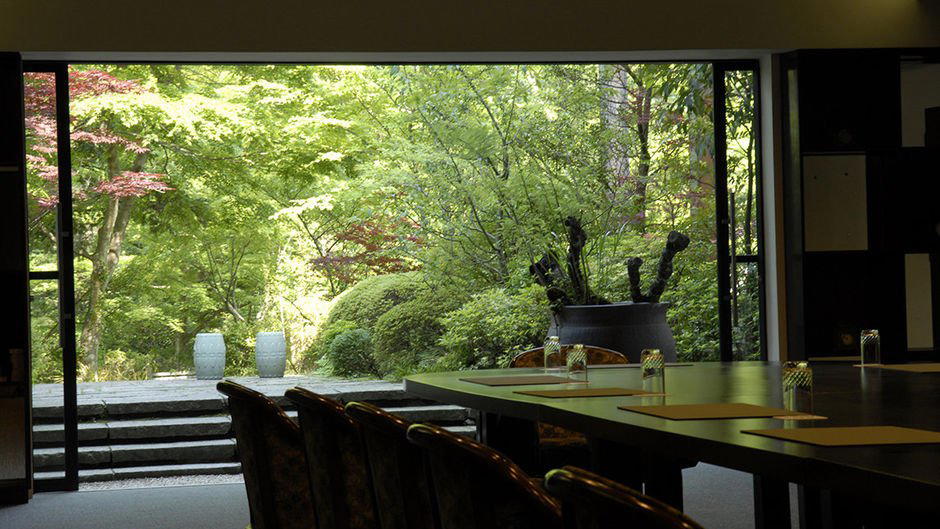
Bars in Hakone
Browse all →
Hotels in Hakone
All hotels in Hakone →
Wineries in Hakone
Browse all →
Details
- Scenic
- Classic
- Cozy
- Solo
- Casual Hangout
- Date Night
- Terrace
- Panoramic View
- Standalone
- Local Sourcing
- Mountain
- Garden
- A La Carte
- Set Menu
- Tasting Menu
- Sake
- Beer
Current opening hours
- Monday
- 11 AM–3 PM
- Tuesday
- 11 AM–3 PM
- Wednesday
- Closed
- Thursday
- 11 AM–3 PM
- Friday
- 11 AM–3 PM
- Saturday
- 11 AM–3 PM
- Sunday
- 11 AM–3 PM
Hours can change for holidays and private events. Hours as of .
Approached through gates and stone steps typical of Takeyabu, the Hakone branch offers a calm, traditional soba-house feel with a bright, open dining room and popular terrace seating where windows are opened in good weather to bring in fresh air and views of the surrounding landscape.