Abaseria Deli & Cafe

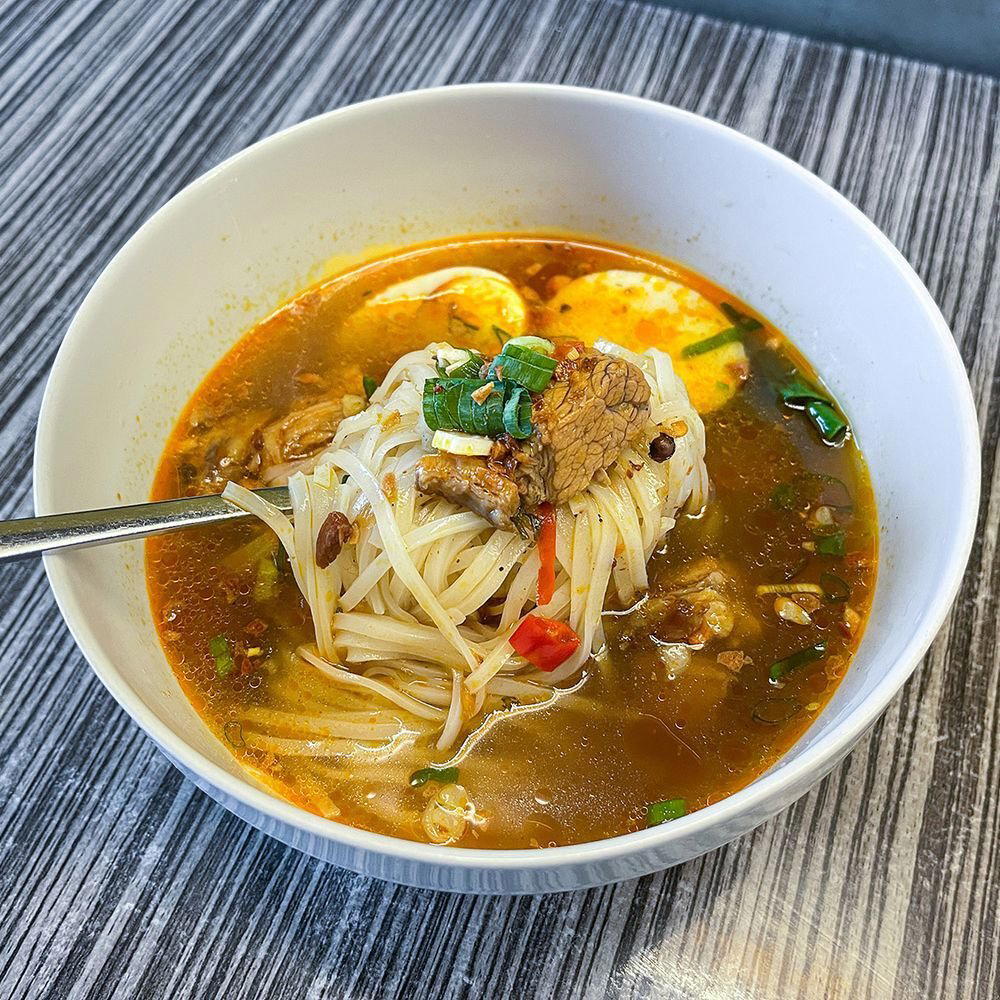
Abaseria Deli & Cafe in Cebu offers contemporary Filipino comfort cooking with a focus on family recipes and locally sourced coffee. Must-try dishes include sinigang pasayan, humba stew, and choco durian, each served with generous portions and authentic Cebuano flavor. The experience centers on warm, attentive service from owner-chef Lalay Jurado Lava and a Michelin Guide Bib Gourmand recognition that highlights quality and value. Expect savory, sour, and sweet flavors layered with familiar spices, rich broths, and bright citrus notes. The setting feels like dining in a relative's house, filled with handcrafted decor and the aroma of freshly brewed coffee, ideal for relaxed lunches and intimate dinners in Cebu City.
Pearl is the En Primeur Club membership app — saves, bookings, and concierge access live there. Same editors, same standards.
- Address
- Villa Aurora Tennis Court, 32 Pres. Quirino St, Subd, Cebu City, 6000 Cebu, Philippines
- Phone
- +63 32 234 4160
- Website
- abaseria.com
- Directions
- Get directions
 Saves & bookings on Pearl
A Tennis Court Address That Earned a Michelin Bib Gourmand
Abaseria Deli & Cafe is a restaurant in Cebu City serving Filipino home-cooked comfort food, with a Michelin Bib Gourmand in 2026 and a price tier of 2. The approach to Abaseria Deli & Cafe tells you something about the broader pattern of Cebu dining: the city's most interesting kitchens rarely occupy obvious real estate. Set within Villa Aurora Tennis Court on President Quirino Street, this address in a residential subdivision reads as the kind of place you either already know or you don't find at all. That positioning is not incidental. In Cebu, as in many Philippine cities with a growing food culture, a meaningful portion of memorable cooking happens off the main commercial drag, in repurposed spaces where rent doesn't dictate portion size or menu ambition.
The physical setting frames the food before a plate arrives. A converted clubhouse or courtside structure in a residential compound creates an intimacy that larger restaurant blocks cannot replicate. You are, in a sense, eating where the neighborhood lives. That domestic scale is part of what deli-and-cafe formats in Southeast Asia do well when they work: they compress the distance between the kitchen and the table, and between the food and its sources.
What the Bib Gourmand Means in This Context
Michelin Bib Gourmand designation, awarded here for 2026, is a specific signal rather than a general compliment. Michelin's Bib category targets places where the quality-to-price ratio is considered strong by inspector standards, and in the Philippine context, it places Abaseria in a cohort that includes restaurants across Metro Manila operating at a similar value register. Compared to the full-star tier, which in the Philippines includes Gallery By Chele in Manila and Celera in Makati, the Bib is an endorsement of everyday excellence rather than occasion dining. It implies food that is taken seriously without demanding that the diner dress the part or book months ahead.
For Cebu specifically, the recognition matters because the city's restaurant scene has long operated in the shadow of Metro Manila's more internationally covered dining culture. The 2026 Bib here is part of a broader Michelin move into provincial Philippine cities, which signals that the guide's inspectors are acknowledging what local critics and food-focused travelers have noted for years: credentialed cooking is no longer a Manila-only phenomenon. Peer venues in Cebu that have attracted similar attention include Abli, ATO-AH, COCO, CUR8, and DIP, each operating within the city's emerging identity as a regional dining destination.
Sourcing as the Underlying Logic
The deli-and-cafe format is, at its most functional, a sourcing argument. Where a traditional restaurant can obscure its supply chain behind technique and presentation, a deli format exposes it. The counter display, the sandwich build, the preserved goods on a shelf: these are all declarations about where things come from. In the Visayas region, that sourcing argument carries genuine weight. Cebu and the surrounding islands produce lechon, dried fish, chicharon, longganisa variants, and fermented condiments that are specific to this geography in a way that generic restaurant ingredients are not.
Philippine deli formats that take sourcing seriously tend to lean on this regional specificity rather than compete with Metro Manila's access to imported goods. The Visayas larder is a distinct one. Cebuano lechon, often cited as different in preparation and flavor profile from Manila-style, is one internationally referenced example, but the regional food system runs deeper: specific rice varieties, local citrus, vinegar traditions that shift village by village. A kitchen operating as a deli in this environment has the raw material to make sourcing a genuine editorial position rather than a marketing phrase.
In the broader Philippine context, this kind of regional specificity has become a competitive differentiator. Venues like Linamnam in Parañaque and Asador Alfonso in Cavite have built credentialed reputations partly on their willingness to treat regional sourcing as content rather than background. The Bib Gourmand at Abaseria positions it inside that same argument, made from a Cebu address.
Where Abaseria Sits in the Cebu Scene
Cebu's dining culture has historically operated on a different axis from Manila's. The city's food identity is older in some respects, rooted in trade-port influences that predate the capital's current restaurant boom, and more rooted in home-cooking traditions that still shape what people expect on a plate. The deli-and-cafe format maps onto this culture more naturally than the tasting-menu format does. It assumes that the diner wants to eat rather than witness, and that the food should speak the local dialect rather than a global one.
That positioning contrasts with the more technique-forward tier of Philippine dining. Restaurants like Blackbird Makati in Manila and Bolero in Taguig operate in a register that prioritizes formal execution and international reference points. Abaseria, by format and location, is making a different argument: that one direct expression of Cebu's food culture happens closer to the ground, in spaces that feel less like restaurants and more like well-stocked larders with tables attached.
For travelers arriving from outside the Philippines, the comparison to a place like Le Bernardin in New York City or Atomix in New York City is not relevant by format, but is instructive by logic: what makes a restaurant worth seeking out is specificity of product and conviction of point of view. The Bib Gourmand suggests Abaseria has both, expressed through a deli counter rather than a twelve-course progression.
Planning a Visit
Abaseria Deli & Cafe sits at 32 President Quirino Street, within Villa Aurora Tennis Court, in Cebu City. The address places it inside a residential subdivision, which means arriving for the first time requires either a prior map check or local guidance. It is not a walk-by discovery for most visitors. For those exploring Cebu's food scene more broadly, the full Cebu restaurants guide maps the city's credentialed venues by format and neighborhood. Travelers planning around the wider destination should also consult the Cebu hotels guide, the Cebu bars guide, the Cebu wineries guide, and the Cebu experiences guide. Hours are Monday to Saturday from 10 AM to 8 PM and Sunday from 10 AM to 7 PM. Reservations are recommended.
Fast Comparison
Comparable venues nearby, for context on price, style, and recognition.
| Venue | Cuisine | Price | Awards | Notes |
|---|---|---|---|---|
| Abaseria Deli & CafeThis venue — the venue you are viewing | Filipino Home-Cooked Comfort Food | $$ | Bib Gourmand | Not listed |
| Lasa | Contemporary Filipino | $$ | Bib Gourmand | Busay |
| ATO-AH | Modern Cebuano Filipino | $$ | Michelin Plate | IT Park |
| Abli | Modern Cebuano | $$ | Michelin Plate | Capitol Site |
| Pares Batchoy Food House | Filipino Comfort Food | $ | Bib Gourmand | Capitol Site |
| Zubuchon | Cebu Lechon | $$ | Not listed | Cebu City |
Recognition history
Dated appearances from independent guides and award organizations, with the underlying list record or original source where available.
Michelin Bib Gourmand
Michelin
Continue exploring
More in Cebu
Restaurants in Cebu
Browse all →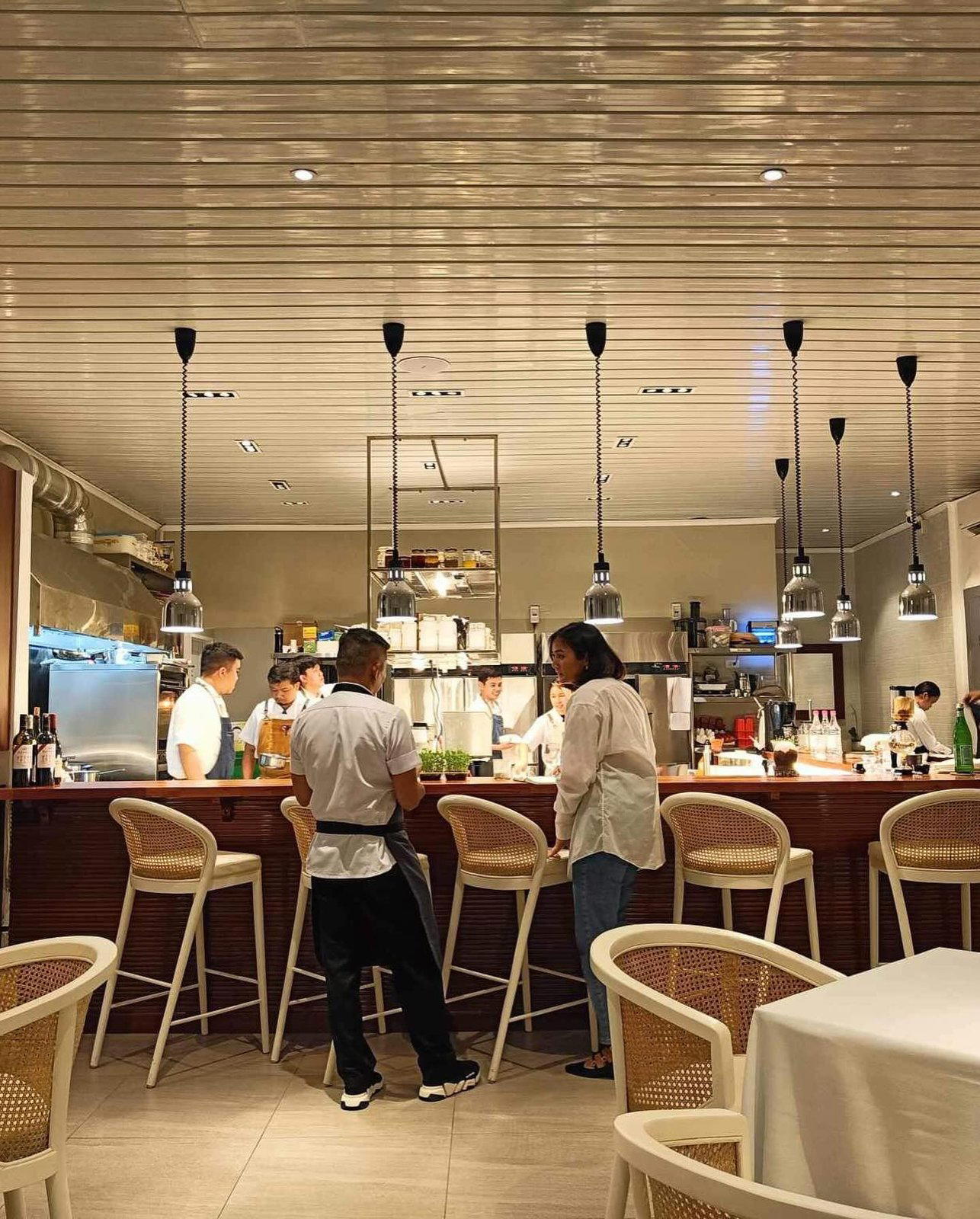

At a Glance
- Cozy
- Rustic
- Family
- Casual Hangout
- Historic Building
- Local Sourcing
Current opening hours
- Monday
- 10 AM–8 PM
- Tuesday
- 10 AM–8 PM
- Wednesday
- 10 AM–8 PM
- Thursday
- 10 AM–8 PM
- Friday
- 10 AM–8 PM
- Saturday
- 10 AM–8 PM
- Sunday
- 10 AM–7 PM
Hours can change for holidays and private events. Last verified .
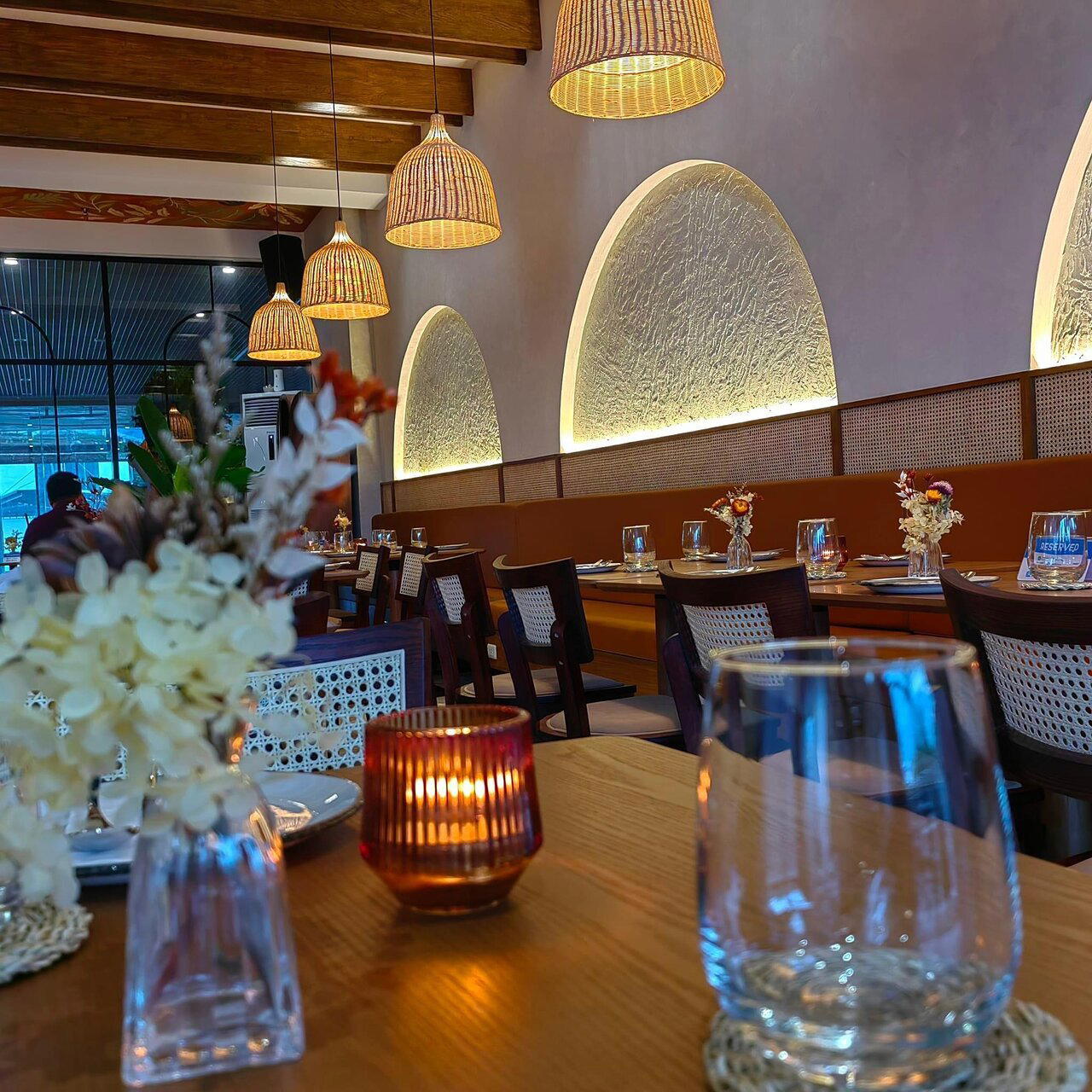
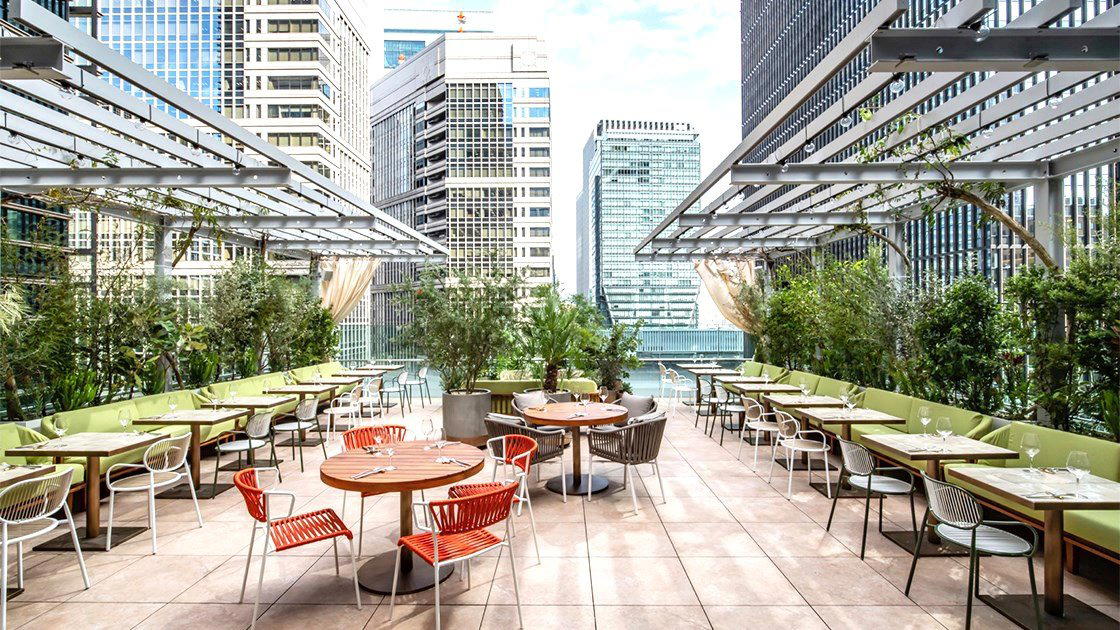
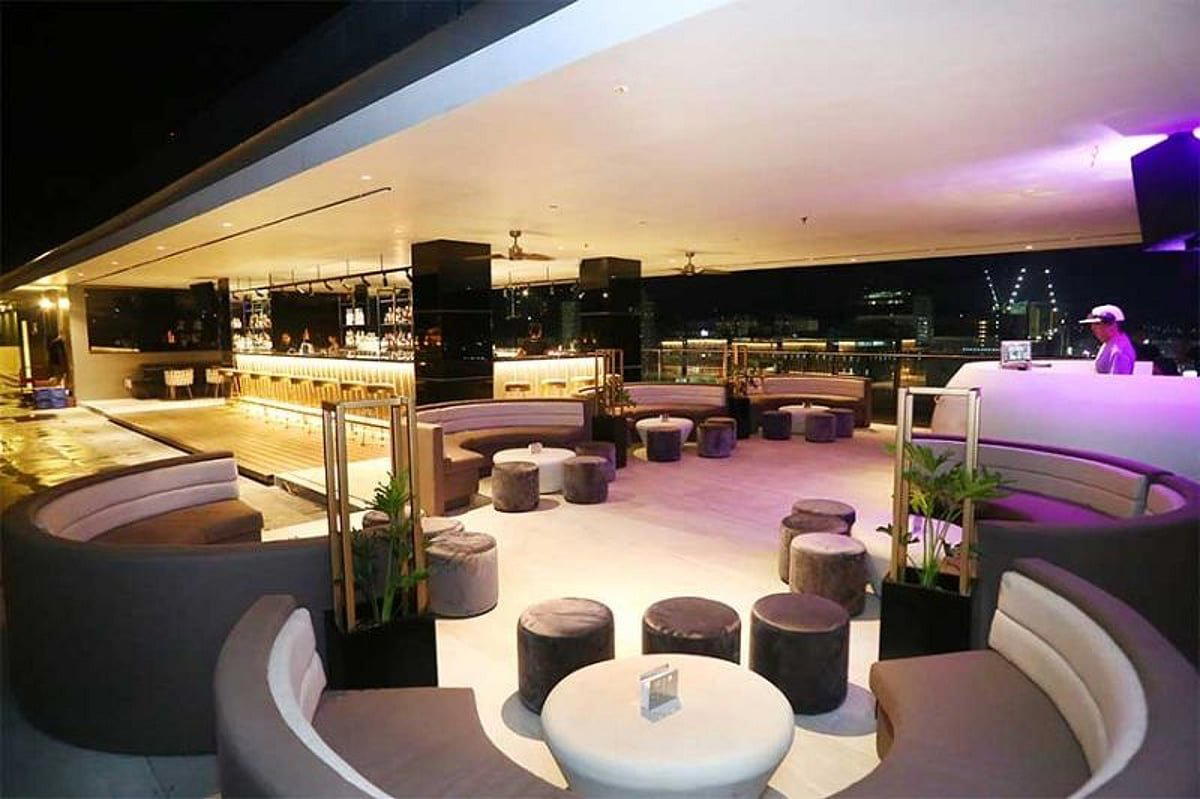
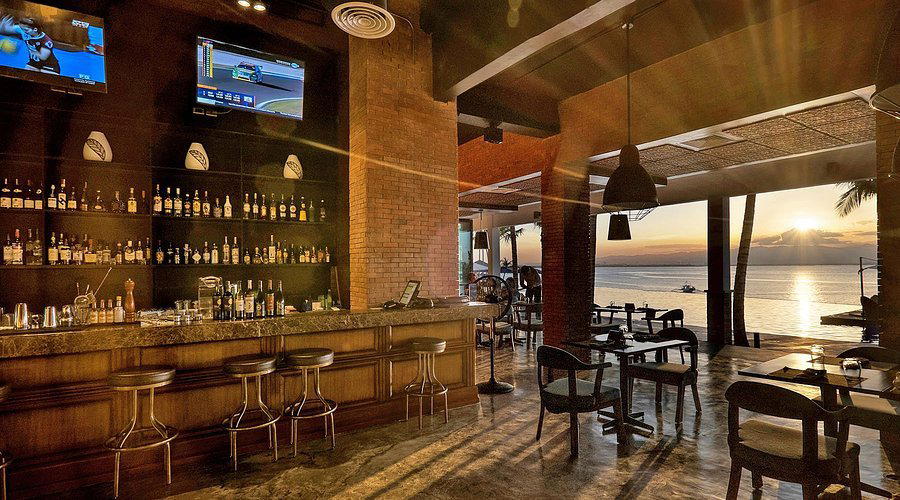
Cozy, homey, and vintage atmosphere that feels like dining at a relative's house, decorated with Philippine crafts, souvenirs, and cultural artifacts.