C'CAFE sits in Hangzhou's all-day dining lane, where hotel-style flexibility, Asian staples, and European comfort cooking matter more than a single chef-driven thesis. Its relevance is cultural as much as practical: in a city shaped by West Lake leisure, business travel, and long meals, this format offers breadth without forcing the occasion into fine-dining ceremony.

Pearl is the En Primeur Club membership app — saves, bookings, and concierge access live there. Same editors, same standards.
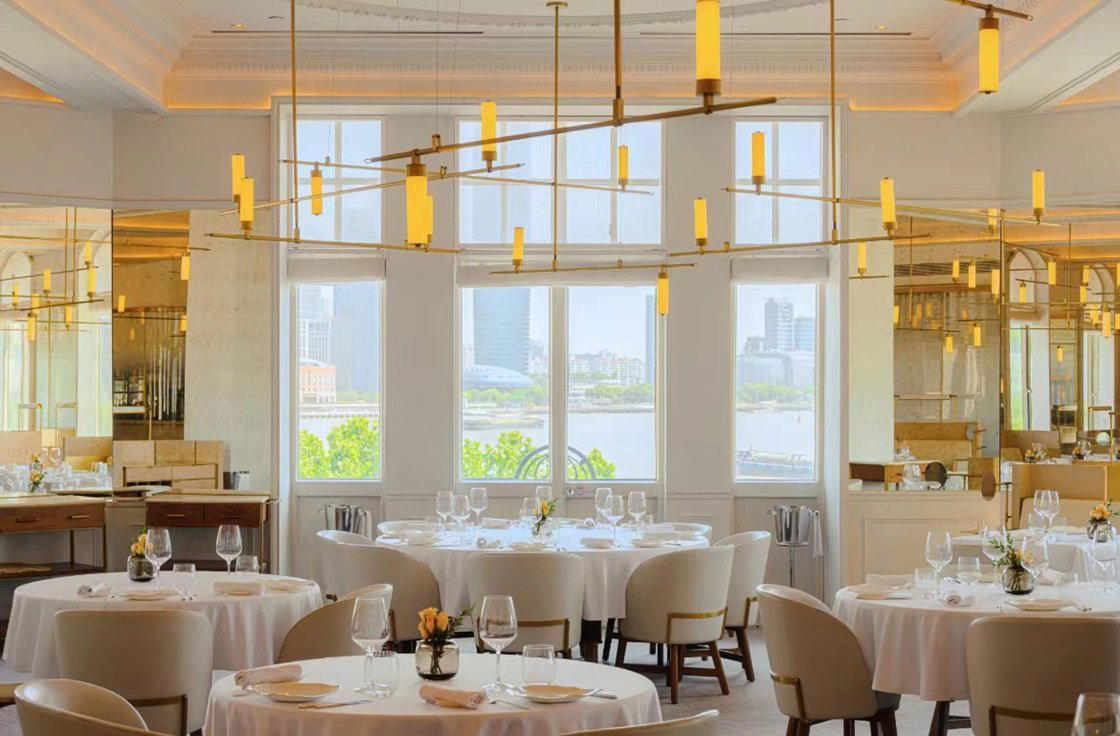
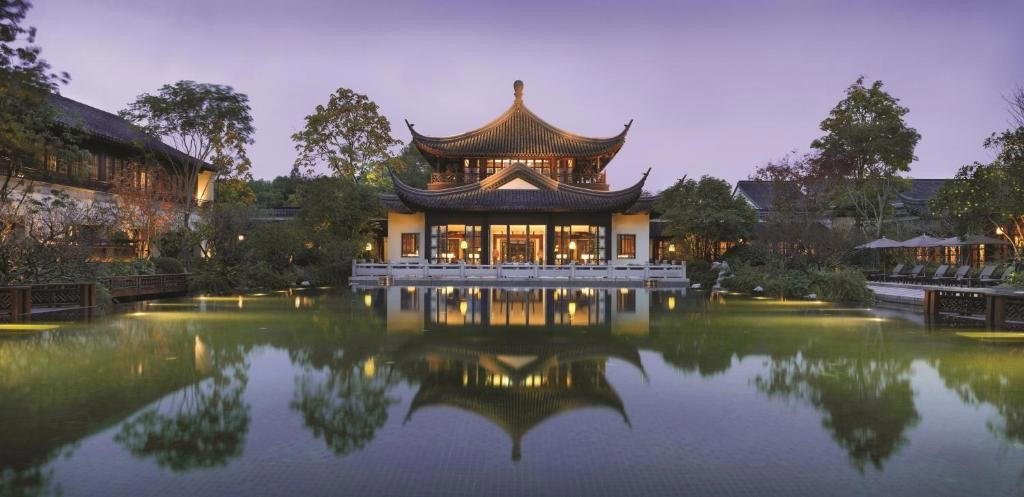
Hangzhou dining often begins with atmosphere before appetite: lake air, tea culture, hotel lobbies used as meeting rooms, and dining rooms that shift from family breakfast to business lunch to late dinner without changing their basic purpose. C'CAFE belongs to that all-day category, a format that suits a city where visitors move between West Lake, offices, galleries, and transport hubs on schedules that rarely line up neatly with formal service.
Asian and European cooking in Hangzhou's all-day dining culture
The all-day dining room has a specific role in Chinese luxury travel. It is not built around the narrow drama of a tasting menu or the regional precision of a destination restaurant; it works by range. At C'CAFE, the stated brief is Asian and European flavors, which places it in a broad, practical tradition: familiar enough for mixed groups, flexible enough for business meals, and less ceremonial than Hangzhou's more classical Chinese dining rooms.
That breadth matters in Hangzhou. The city's culinary identity is tied to Jiangnan softness, freshwater ingredients, tea-inflected leisure, and a slower rhythm than Shanghai or Shenzhen. Yet the modern hotel and commercial dining scene has had to accommodate international guests, domestic business travel, and families eating across generations. A room serving both Asian and European references answers that demand without asking every diner to agree on one regional canon.
This is where the category earns its place. Serious dining in Hangzhou can mean refined Zhejiang cooking, private-room banquet culture, contemporary tasting formats, or polished hotel restaurants. All-day dining occupies a different register: it is less about a single signature dish and more about reliability across the day. For readers mapping the city more widely, Our full Hangzhou restaurants guide gives the broader restaurant context, while Our full Hangzhou hotels guide helps explain why hotel-adjacent dining remains so central to the city's premium travel patterns.
The appeal is range, not theatre
In cities with deep banquet traditions, the flexible dining room can be underestimated. It lacks the headline machinery of awards, chef mythology, and scarcity pricing, but it solves a harder social problem: groups with different appetites, ages, and levels of familiarity with local cuisine. C'CAFE's Asian-and-European scope is useful precisely because it avoids turning every meal into a statement.
That does not make the format neutral. It reflects a broader shift in Chinese urban hospitality, where premium travelers often want one meal rooted in place and another that simply works. Hangzhou rewards both instincts. A visitor might seek regional depth at 28 Hubin Road (Zhejiang) or a different Chinese dining register at Amanfayun (Chinese), then choose an all-day room when timing, company, or appetite calls for a wider menu. The point is not hierarchy; it is fit.
The same logic applies across the city's dining map. 1913 (Hang Zhou), Ambré Ciel (Innovative), and Bai Yun speak to different kinds of occasion. C'CAFE sits closer to the practical end of that spectrum: useful when the group wants breadth, when the day has not been planned around dinner, or when Western and Asian comfort zones need to coexist at one table.
How to place it within a Hangzhou itinerary
Hangzhou is not a city to understand through restaurants alone. Its hospitality culture is bound to hotels, tea landscapes, waterside walking, and the steady presence of domestic leisure travel. That wider frame is useful when deciding where C'CAFE fits. It is better read as an adaptable dining option than as a destination built around scarcity, awards, or chef authorship.
For a fuller city plan, the adjacent categories matter. Drinks can be mapped through Our full Hangzhou bars guide; regional wine and cellar-led travel sit in Our full Hangzhou wineries guide; and cultural programming belongs in Our full Hangzhou experiences guide. Readers extending a China dining itinerary beyond Hangzhou can compare regional formats through #8 in Chengdu, 100 Century Avenue Cantonese in Shanghai, 167 Shan Hai Li in Fuzhou, 1927 Dong Yuan Si Chu in Xiamen, 1949 - Duck de Chine in Beijing, and 1980烧肉粽 in 厦门市. For a trans-Pacific contrast in casual Asian formats, Jōdo Saké Bar in Los Angeles and Onigiri Time in Pasadena show how focused concepts operate at the opposite end of the spectrum.
The editorial read is simple: C'CAFE is strongest when judged by the standards of the all-day dining genre. Expect usefulness, range, and cross-cultural accessibility rather than a tightly authored culinary argument. In Hangzhou, that can be exactly the right brief.
How It Compares
Comparable venues nearby, for context on price, style, and recognition.
| Venue | Cuisine | Price | Notes |
|---|---|---|---|
| C'CAFEThis venue — the venue you are viewing | Asian and European All-Day Dining Café | $$ | Not listed |
| Breeze | Modern French-Chinese Fusion Tasting | $$$ | Fuyangshi |
| Dalaofang | Hangzhou-Style Noodles | $$ | Hangzhoushi |
| TUNG FU RESTAURANT | Modern Chaoshan Chinese | $$ | Xiaoshanshi |
| Guiyu Family Noodles | Zhejiang Cuisine | $$$ | Xihu District |
| 桂语家面 | Handmade Chinese Noodles | $ | 西湖区满觉陇 |
At a Glance
- Modern
- Cozy
- Casual Hangout
- After Work
- Group Dining
- Solo
- Family
- Hotel Restaurant
- Standalone
- Local Sourcing
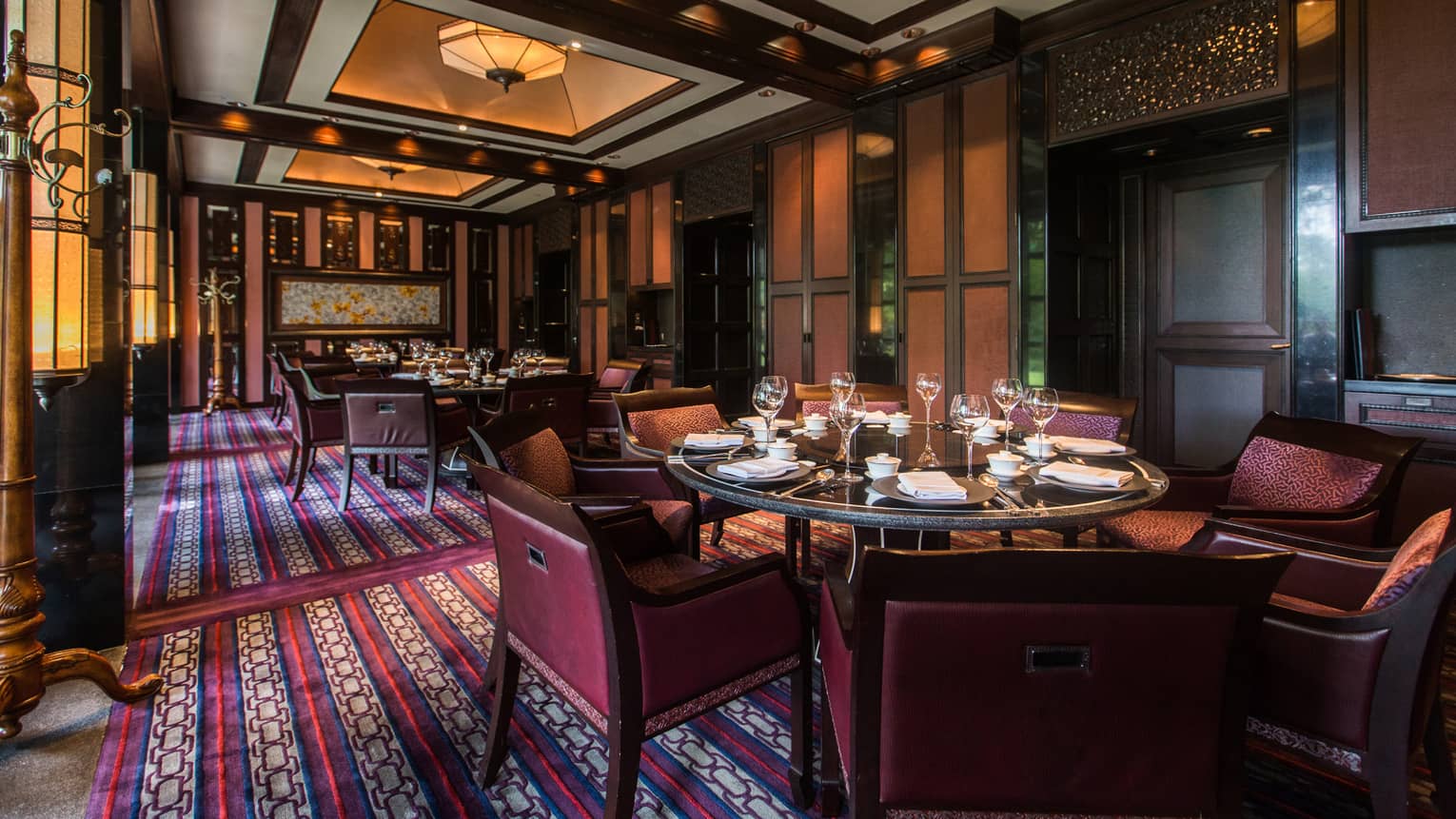
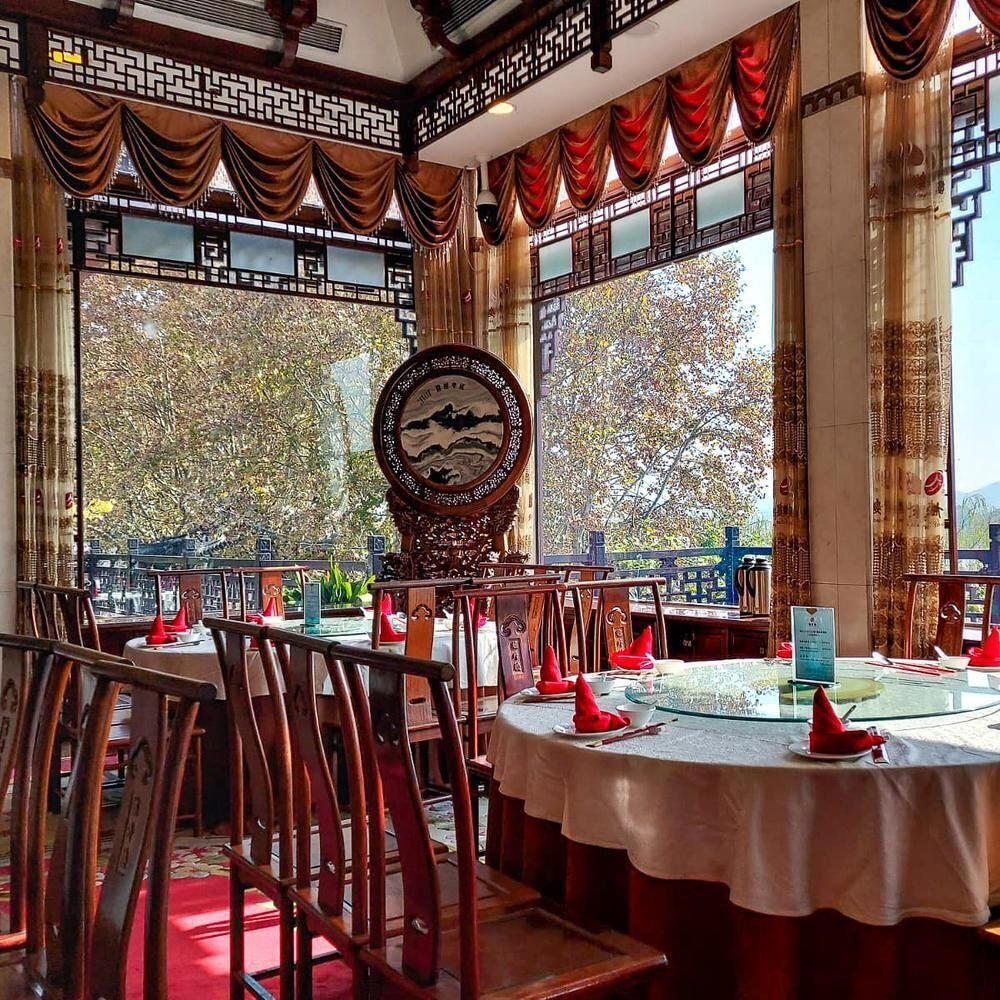
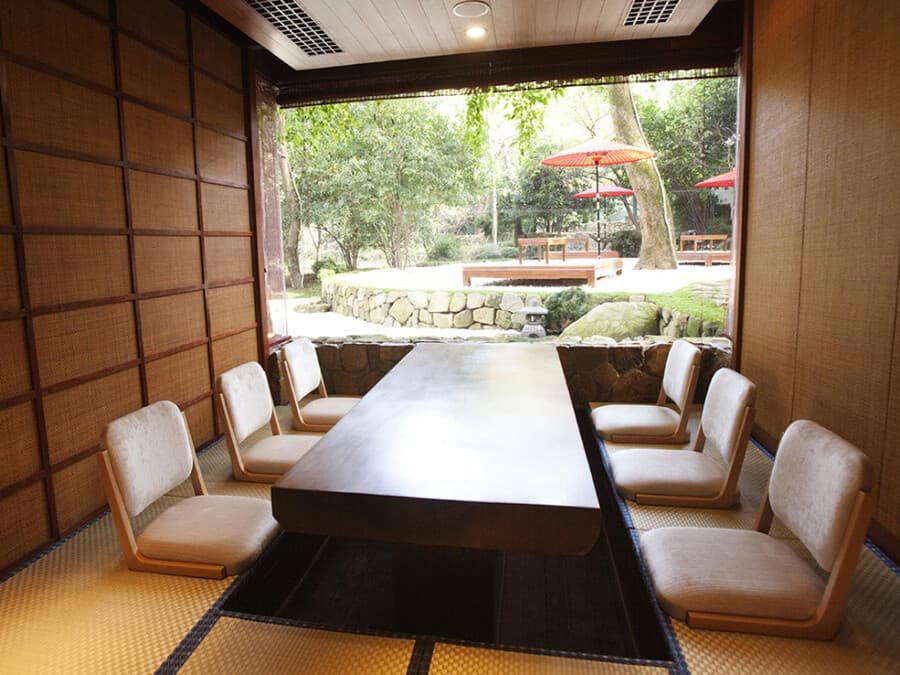
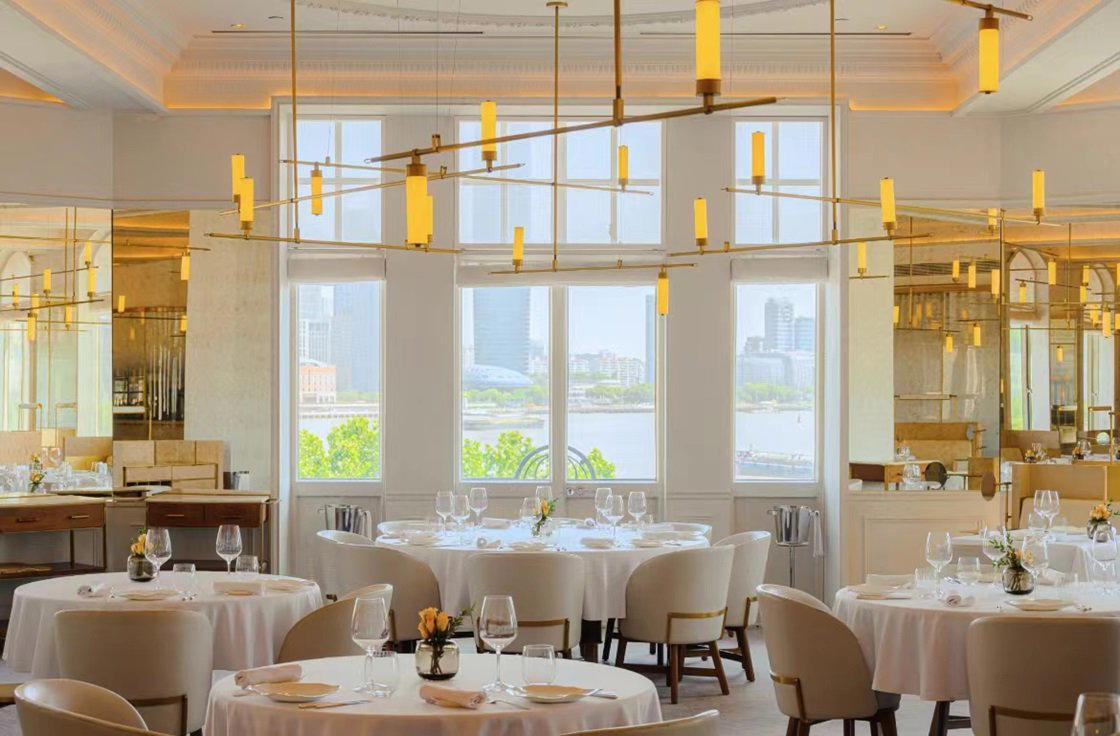
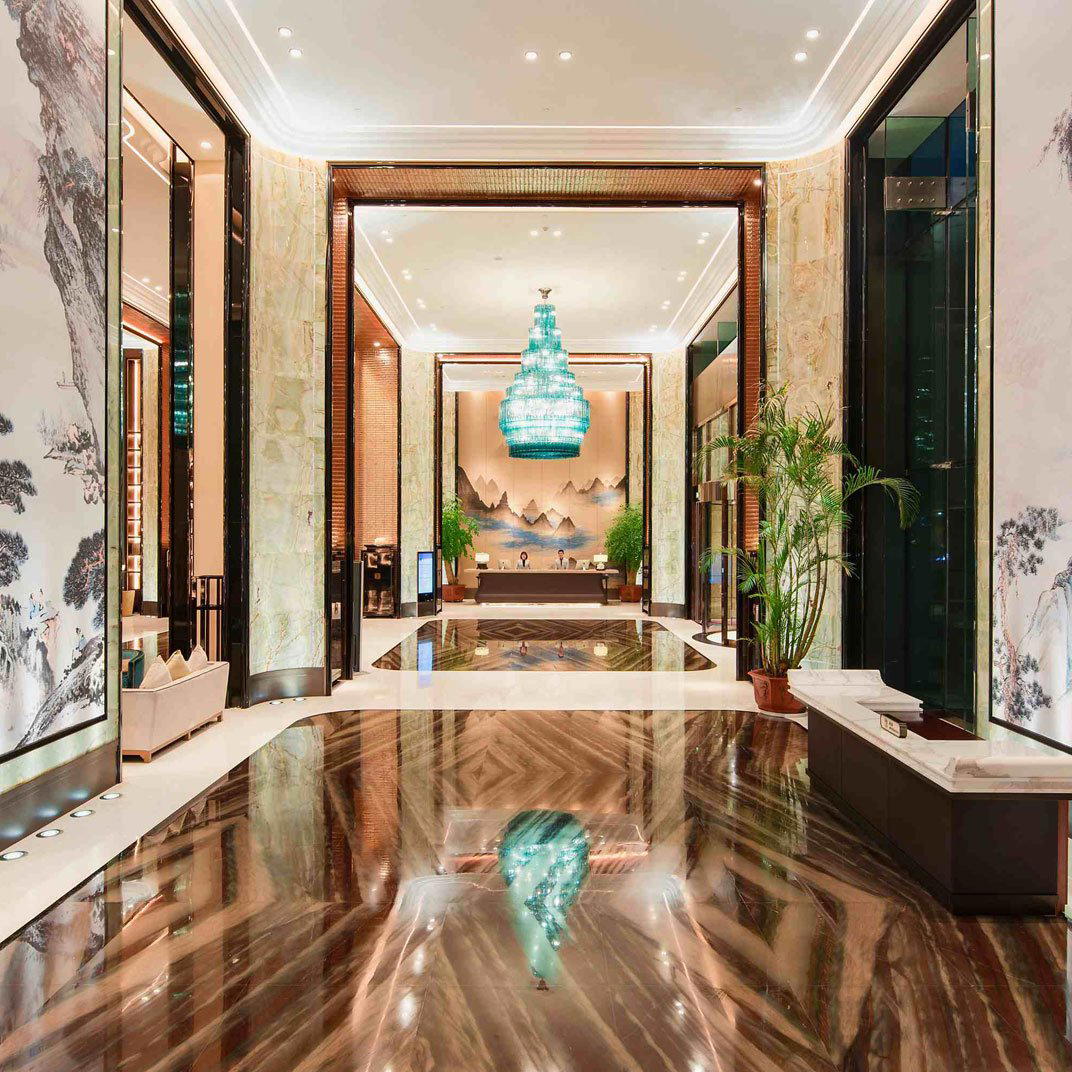
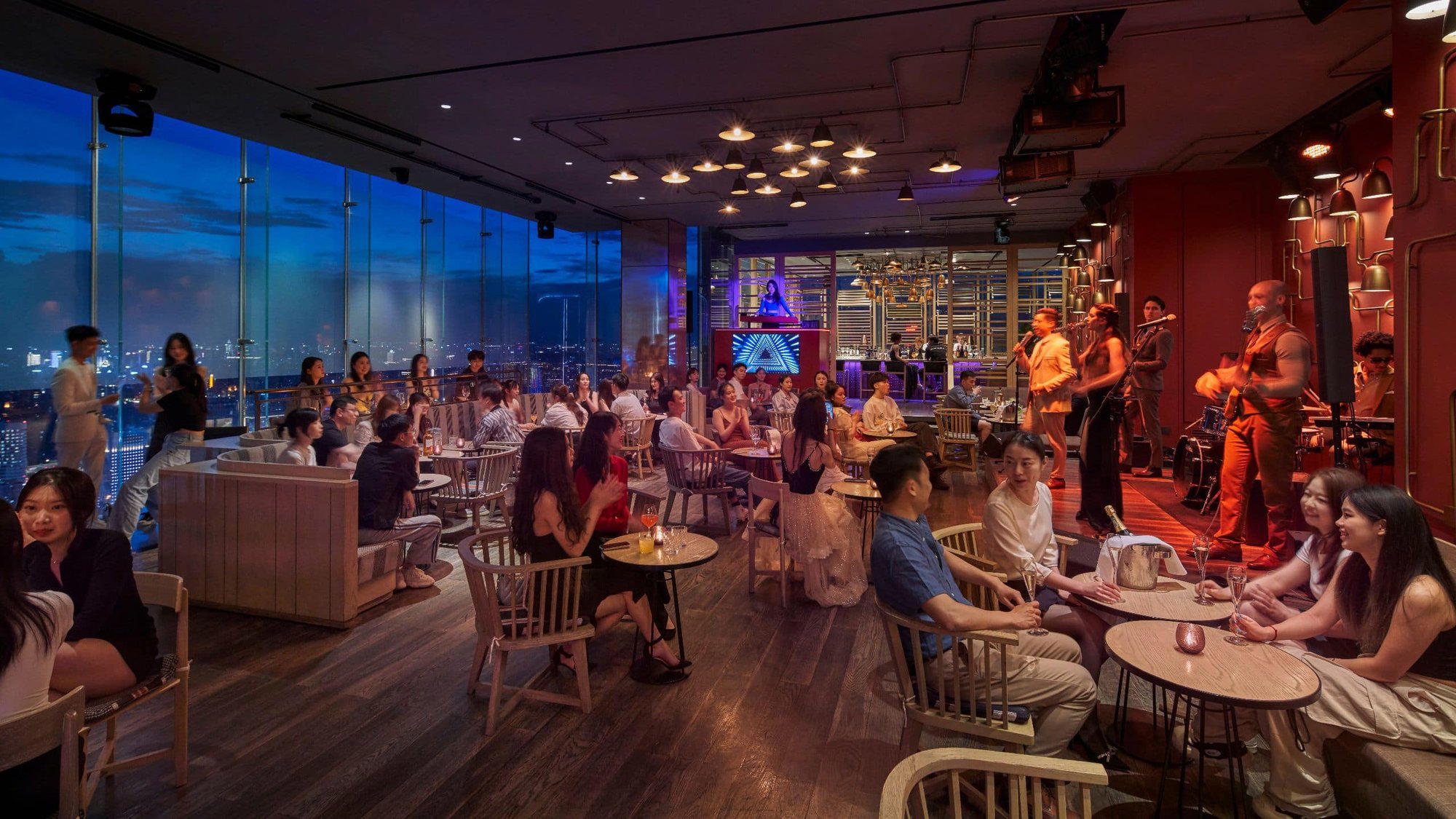
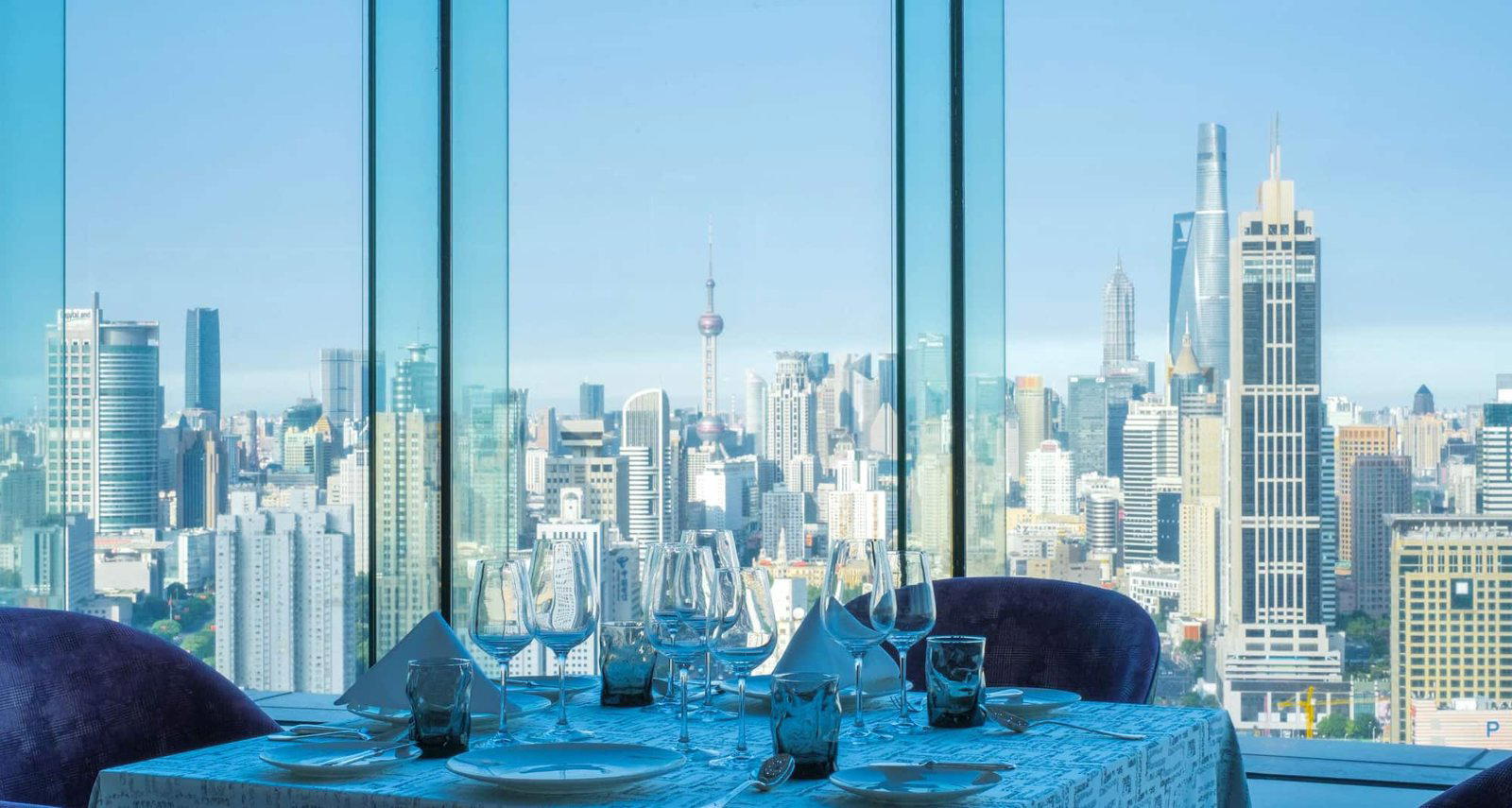
Described as an all-day dining venue within a modern lifestyle hotel, likely offering a comfortable, casual atmosphere suitable for both hotel guests and socializing.