Bask is a resort-lobby bar address in Hangzhou’s Fenshui Town, away from the West Lake circuit and the city’s hotel-bar center. With, its editorial interest lies in location: a cocktail stop shaped by a lakeside resort setting rather than a street-level drinking district.

Pearl is the En Primeur Club membership app — saves, bookings, and concierge access live there. Same editors, same standards.
First impression: a bar address pulled out of the city grid
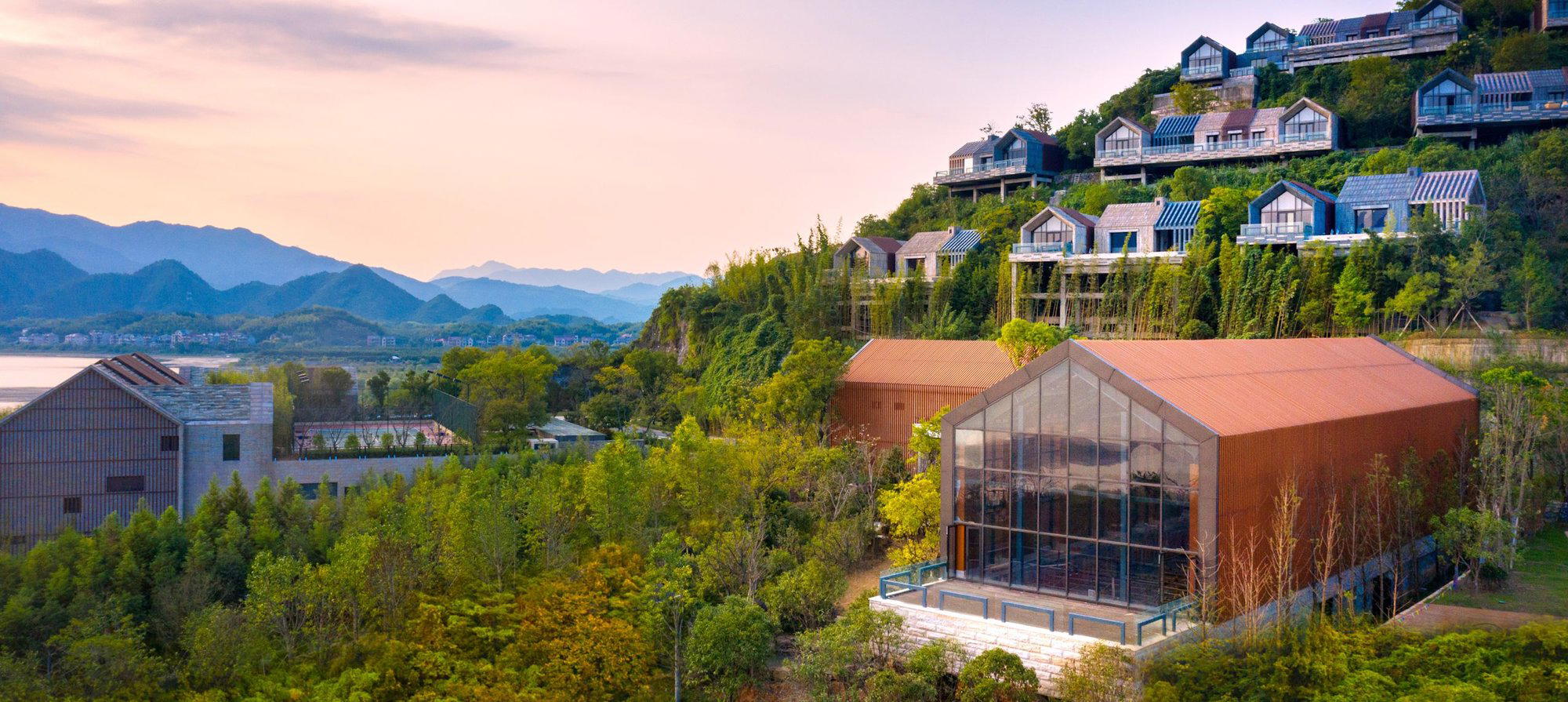
The approach to Bask begins with geography rather than signage. Its recorded address places it inside the lobby of Tianxi Lake Resort in Fenshui Town, Hangzhou, at No.2 Yin Zhu, which immediately separates it from the city’s more familiar drinking map around West Lake, Wulin, and the commercial hotel corridors. That matters. Hangzhou’s cocktail culture is often read through urban polish: discreet lounges, hotel bars, and compact rooms built for after-dinner drinking. A resort-lobby setting changes the rhythm before the first glass is ordered. The pace is slower, the audience is more likely to be tied to a stay or a planned outing, and the bar has to work as part of a wider leisure setting rather than as a standalone night-time destination.
For travellers comparing Hangzhou’s drinking scene with Shanghai or Beijing, the distinction is useful. Shanghai has scale, late-night density, and internationally visible bar programs; Beijing has long supported speakeasy-era cocktail rooms and personality-led drinking addresses. Hangzhou’s strength is different: scenic context, tea culture, hotel hospitality, and weekend leisure patterns shape how premium drinking happens. Bask sits squarely in that reading.
For broader city context, compare it with Our full Hangzhou bars guide, then place that against the dining and hotel ecosystem in Our full Hangzhou restaurants guide and Our full Hangzhou hotels guide. Those pages show the more conventional city patterns; this address belongs to the out-of-centre resort category.
The cocktail-programme question in a resort-lobby setting
A cocktail programme in a lobby operates under different pressures from a bar hidden behind a street door. It has to serve pre-dinner drinks, post-arrival drinks, non-drinkers, guests who want a familiar classic, and visitors who expect the bar to interpret the property’s atmosphere. That does not make the format less serious, but it does mean technique and creativity often appear in a quieter way. A city cocktail bar can build its identity around one menu concept; a resort-lobby bar often has to balance breadth, speed, and context.
The editorial point is firmer when kept to structure: this is a bar address where the setting will shape expectations more than published accolades. In Hangzhou, that setting invites a particular lens. The city’s drinking culture sits beside Longjing tea, lakeside leisure, banquet dining, and a growing hotel-bar class. When a bar is positioned in a resort lobby beyond the central nightlife areas, the strongest cocktail programmes usually read the room: lighter aperitif drinking in early evening, lower-noise service for mixed groups, and enough classic technique to reassure guests who did not travel there for experimental bar theatre.
That broader Chinese cocktail context is worth noting. The national scene has moved well beyond speakeasy imitation. Bars such as Janes & Hooch in Beijing helped establish a serious craft-cocktail audience in the capital, while Sober Company in Shanghai represents a more layered urban model, with food, bar, and hospitality built as a complete system. In resort-adjacent Hangzhou, the question is less about matching those cities drink for drink, and more about whether the bar can translate technical discipline into a calmer leisure format.
Why Fenshui Town changes the reader decision
Location is the main practical and editorial signal here. Fenshui Town is not a casual detour from central Hangzhou in the way a West Lake bar is. Without latitude and longitude in the record, no distance should be stated, but the address clearly places Bask outside the core urban bar circuit. That makes the venue more relevant to travellers already staying at Tianxi Lake Resort or structuring a day around the surrounding area than to visitors seeking a spontaneous bar crawl.
This is also where Hangzhou differs from denser drinking cities. In Shanghai, movement between bars can be part of the night’s logic: a highball in one district, a technical menu elsewhere, a late drink after dinner. In Hangzhou’s resort and scenic addresses, the stronger plan is usually the opposite. Choose the area first, then let the bar fit into the evening. Bask’s lobby placement means it is likely to function as an arrival point, a waiting point, or a low-friction finish to a resort dinner, rather than a destination designed for multiple-bar comparison in one night.
Readers using EP Club for a wider itinerary should pair the bar decision with category planning. Hangzhou’s hospitality base is covered in Our full Hangzhou hotels guide, while non-restaurant programming appears in Our full Hangzhou experiences guide. Wine-focused travellers can also use Our full Hangzhou wineries guide, though the city is not framed by wine tourism in the way Ningxia or Shandong is. The point is sequencing: this bar makes more sense when the resort geography already belongs to the day.
How to read the absence of awards, prices, and chef data
That absence should not be dressed up. In premium travel writing, unknown details are not invitations to improvise; they are part of the assessment. A bar with Michelin-adjacent restaurant credentials, a named beverage director, or a place on an awards list can be positioned through those signals.
That reading is still useful. Awards create one kind of confidence, but they can over-represent dense metropolitan bar scenes and under-represent resort bars, hotel lounges, and leisure addresses. A lobby bar outside Hangzhou’s central districts may be doing its job well without appearing in national bar rankings. The useful editorial stance is therefore measured: Bask should be treated as a setting-led bar address, not as a verified awards-led cocktail destination. That distinction helps readers avoid the wrong expectation.
For comparison across China and beyond, the credential-heavy end of the bar world looks different. Hope & Sesame in Guangzhou belongs to a city where experimental cocktail culture has been a serious draw; Obsidian Bar in Shenzhen reflects the polished hotel and design energy of a younger metropolis; CMYK in Changsha points to the rise of regional bar scenes outside the older coastal centers. Bask asks for a different comparison set: not the loudest cocktail room in a nightlife district, but the resort bar as part of a slower Hangzhou itinerary.
Where Bask fits in Hangzhou's drinking culture
Hangzhou’s strongest hospitality identity has long been shaped by landscape, tea, seasonal dining, and high-end hotels. The city attracts travellers who often structure time around West Lake, temple routes, tea villages, and weekend resort stays. Bars in this environment rarely need to mimic Shanghai’s velocity. They gain more by understanding pace: earlier drinks, quieter conversation, and a programme that does not fight the setting.
That is why a lobby address in Fenshui Town is not a minor detail. It signals a bar designed for guests who are already inside a hospitality environment. The room is likely to be judged as much by timing, comfort, and service flow as by cocktail novelty. Serious drinkers may want to ask what spirits, classics, and low-alcohol options are available before committing an evening to it, because the public record does not provide a menu. Resort guests, on the other hand, can treat it as a convenient first drink or final drink without needing the bar to carry the whole night.
International comparisons sharpen the point. The Ritz-Carlton Bar & Lounge in Macau shows how a luxury hotel bar can become a destination through skyline setting and service ceremony. Café La Trova in Miami represents a completely different model, where music, Cuban bartending tradition, and street-level energy define the room. Bask should not be forced into either template. Its known facts point to a quieter resort-lobby role within Hangzhou’s broader leisure map.
Planning notes: how to approach the visit
Travellers should verify current operating times directly with Tianxi Lake Resort before building an evening around the bar. Since the address specifies the lobby, arrival should be treated like a resort visit rather than a street-bar stop: allow time for property access, reception guidance, and any internal routing. If not staying at the resort, confirmation is especially sensible because some hotel and resort bars adjust access according to occupancy, private events, or seasonal operations.
Budget expectations should also remain open. Without a listed price range, the safest assumption is that pricing will follow the resort context rather than a casual neighbourhood bar. That does not mean the bar should be avoided; it means the decision should be based on convenience, setting, and the role it plays in the day. If the plan is a serious cocktail comparison across Hangzhou, central addresses with published menus and clearer operating information may be easier to sequence. If the plan already includes Tianxi Lake Resort or Fenshui Town, Bask becomes a natural part of the itinerary.
For a fuller route, use Our full Hangzhou bars guide alongside the city’s restaurant and hotel pages. Hangzhou rewards tighter planning than larger nightlife cities because distances, scenic traffic, and resort geography can change the shape of an evening. The smart move is to decide whether the night is about cocktail exploration or about settling into a resort setting. This address fits the second choice more clearly.
Continue exploring
More in Hangzhou
Bars in Hangzhou
All bars in Hangzhou →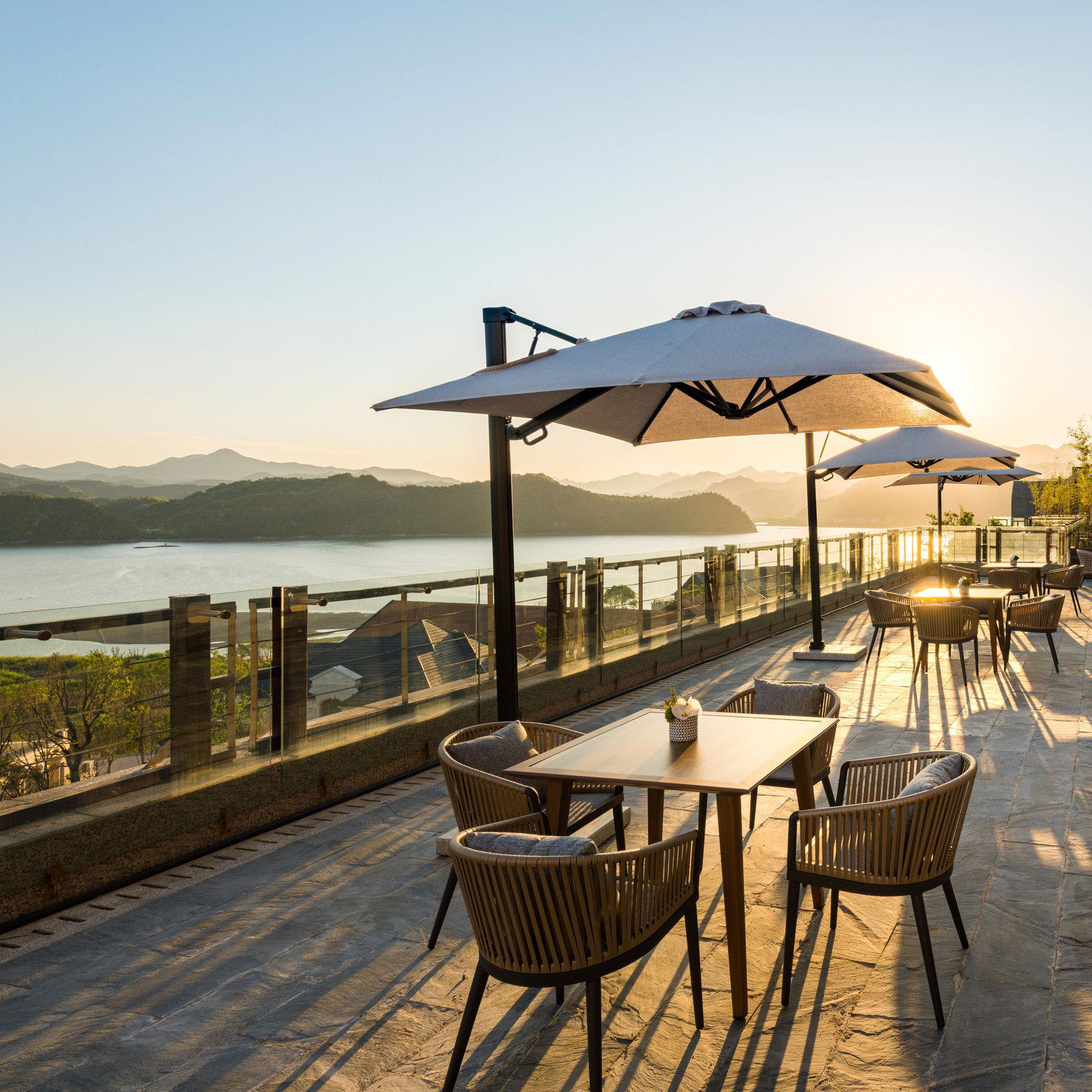
Restaurants in Hangzhou
All restaurants in Hangzhou →
Details
- Cozy
- Sophisticated
- Elegant
- Quiet
- After Work
- Date Night
- Casual Hangout
- Hotel Bar
- Standalone
- Seated Bar
- Lounge Seating
- Classic Cocktails
- Mountain
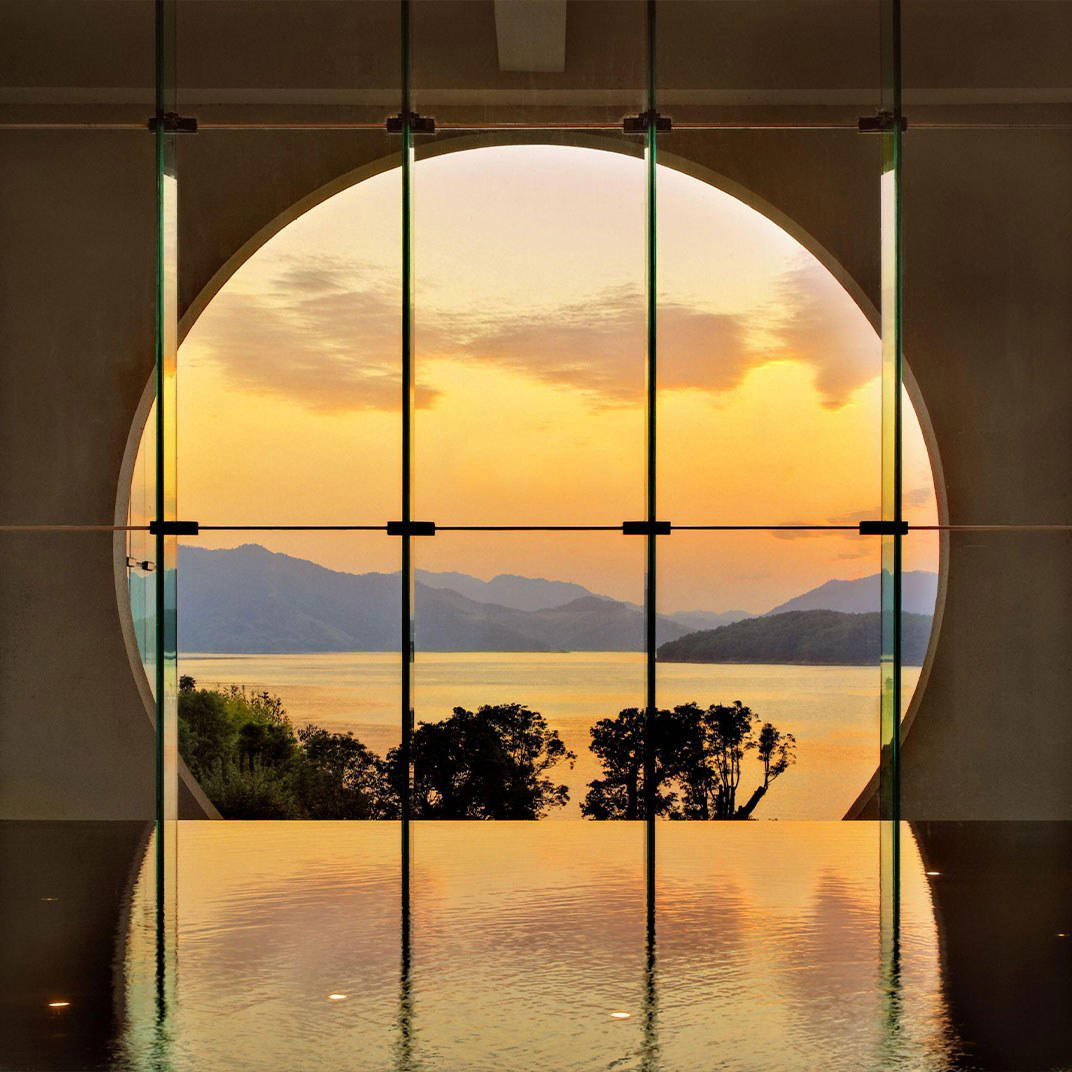
Soft, garden-inspired lounge atmosphere with cozy seating and mountain-view surroundings.