Casa Teresa


James Beard Award Semi Finalist · Washingtonian 100 Very Best Restaurants #22
Our verdict
Casa Teresa occupies a quiet but considered position in Washington D.C.'s mid-city dining scene, operating out of 919 19th St NW in the heart of the downtown corridor. The address places it within walking distance of major political and cultural institutions, making it a practical anchor for visitors and a neighbourhood regular for professionals working nearby.

Pearl is the En Primeur Club membership app, where members save venues, book tables and use the concierge.
The menu
What to order
- Chicken-and-béchamel croquetas
- Basque cheesecake
- Ibérico pork
Downtown D.C. and the Question of Conscious Dining
Washington D.C.'s restaurant culture has shifted considerably in the past decade. The city that once deferred to New York or San Francisco for culinary direction now generates its own critical conversation, particularly around sustainability-led dining, ingredient sourcing, and the ethics of how restaurants operate behind the kitchen door. That conversation is loudest in the upper-mid price tiers, where guests are willing to pay for considered cooking but increasingly expect to know where their food comes from and how it got there.
Casa Teresa sits at 919 19th St NW, a downtown address that places it in one of D.C.'s most professionally dense corridors, a neighbourhood more commonly associated with lobbying offices and power lunches than with the kind of farm-focused, waste-conscious dining that has reshaped expectations at comparable addresses. That tension between location and culinary ambition is, in many cities, exactly where the most interesting restaurants operate. The dining room's broader context matters here: the 19th Street stretch runs between Farragut Square and Dupont Circle, two of the city's more walkable and transit-connected nodes, and the surrounding blocks draw a clientele that reads menus critically.
Sustainability as Editorial Standard, Not Marketing Signal
Across American fine and upper-casual dining, the sustainability story has bifurcated sharply. On one side sit restaurants that treat ethical sourcing as a branding layer, a few bullet points on the menu about local farms and seasonal rotation. On the other sit operations where procurement philosophy shapes the entire format, from portion size and protein selection to waste processing and supplier relationships. The difference tends to show up not in the language used to describe the food, but in the specificity of that language: named farms, documented supply chains, menus that change not because the chef wants variety but because the harvest dictated it.
D.C. has produced a handful of operations in that second, more demanding category. Oyster Oyster, working within a New American and vegetarian framework at the $$$ price tier, has built critical recognition around exactly this kind of supply-chain transparency. It represents the city's clearest current example of sustainability as structural discipline rather than aesthetic gesture. Where Casa Teresa sits on that spectrum is worth understanding before booking, since the address and setting suggest a restaurant oriented toward the professional lunch and dinner trade rather than the destination-dining circuit that drives Oyster Oyster's following.
Albi, operating at the $$$$ tier with a Middle Eastern framework, approaches ingredient sourcing through a regional and cultural lens. Causa, also at $$$$, brings Peruvian supply-chain thinking to a city still developing its fluency with South American fine dining. Both demonstrate that ethical sourcing is not the exclusive property of any one cuisine type or price point.
The D.C. Address as Context
The 19th Street NW location carries its own implicit brief. Restaurants at this address serve a lunch crowd shaped by proximity to the K Street corridor and a dinner crowd drawn by the neighbourhood's density of hotels and walkable residential streets. That dual-audience dynamic tends to produce menus calibrated for accessibility at lunch and more considered dining at dinner, a format that can either dilute or sharpen a sustainability-led identity depending on how kitchen procurement is structured across service periods.
Nationally, the restaurants that have most successfully embedded sustainability into a high-volume, centrally located format include Blue Hill at Stone Barns in Tarrytown, which operates a farm-to-table model at a scale and price point that most downtown urban restaurants cannot replicate, and Single Thread Farm in Healdsburg, where the growing operation is integrated directly into the restaurant's ownership structure. Neither model translates directly to a downtown D.C. address, but both set a reference point for what it looks like when environmental consciousness is built into operations rather than appended to marketing copy.
Closer in format and context, Smyth in Chicago and Lazy Bear in San Francisco represent the urban end of this spectrum: kitchens operating inside city constraints that nonetheless maintain documented sourcing standards and seasonal menu discipline. Providence in Los Angeles and Addison in San Diego extend the conversation to the West Coast, where seafood sustainability and California agricultural access provide a different but equally demanding supply-chain backdrop.
Within the D.C. region specifically, The Inn at Little Washington remains the regional benchmark for seasonal, sourcing-led dining at the highest price tier, operating from a rural Virginia base that gives it supply-chain advantages unavailable to downtown urban kitchens. The contrast with a 19th Street NW operation is structural, not qualitative: urban procurement requires different logistics, and the restaurants that manage it well tend to be more selective about protein sourcing and more aggressive about reducing waste across service.
What Casa Teresa Fits Into
D.C.'s mid-city dining circuit covers a wide range of formats, from the technically ambitious counter at minibar to the contemporary French precision of Jônt. Casa Teresa operates at an address that suggests a more grounded, neighbourhood-anchored position within that spectrum.
For readers approaching the D.C. dining scene with sustainability as a primary filter, the city's current shortlist is short but credible. For a fuller map of where Casa Teresa fits within Washington's broader restaurant scene, our full Washington, D.C. restaurants guide covers the city's price tiers, neighbourhoods, and cuisine categories with more granularity.
Internationally, the sustainability conversation in fine dining has produced some of its clearest statements outside the U.S.: Atelier Moessmer Norbert Niederkofler in Brunico operates on an Alpine sourcing philosophy that has become a reference point for European sustainability-led tasting menus. The comparison is not about proximity but about what rigorous environmental commitment looks like when it shapes every procurement decision rather than just the menu language.
Know Before You Go
Address: 919 19th St NW, Washington, DC 20006
Neighbourhood: Downtown D.C. between Farragut Square and Dupont Circle
Hours:; verify before visiting
Getting There: Farragut West and Farragut North Metro stations are the closest transit access points; street parking is limited in this corridor
Frequently asked questions
Where exactly is Casa Teresa?
Casa Teresa is located at 919 19th St NW, Washington, DC 20006, Washington, D.C.
Is Casa Teresa a good choice for a business lunch in downtown Washington D.C.?
The 919 19th St NW location sits at the heart of downtown Washington D.C.'s professional core, within a short walk of K Street offices and several federal buildings, making it a logistically practical option for a working meal. Restaurants at this address routinely serve a clientele that prioritizes efficient service alongside food quality. For confirmed hours and current menu details, contacting the venue directly before booking is advisable.
What's the must-try dish at Casa Teresa?
The most reliable approach is to check the venue's official channels or review their current menu ahead of your visit, as downtown D.C. restaurants at this address often rotate offerings seasonally.
How far ahead should I plan for Casa Teresa?
Booking lead times are not confirmed for Casa Teresa specifically. Restaurants in the 19th Street NW corridor of Washington D.C. tend to see stronger demand Thursday through Saturday, and at the mid-to-upper price tier a reservation placed several days to two weeks in advance is generally prudent.
What's the standout thing about Casa Teresa?
The 919 19th St NW address is the clearest fixed point of reference: it places Casa Teresa inside a professionally dense stretch of downtown Washington D.C. shaped by proximity to the K Street corridor and federal office clusters. That positioning means the restaurant operates for a lunch and dinner crowd with specific expectations around quality and timing, which tends to keep mid-city venues on a higher operational standard than neighborhood counterparts.
Quick Comparison
A quick peer reference to anchor this venue in its category.
| Venue | Cuisine | Price | Awards | Notes |
|---|---|---|---|---|
| Casa TeresaThis venue (the venue you are viewing) | Open-fire Spanish Tapas | Not listed | James Beard Award Semi Finalist · Washingtonian 100 Very Best Restaurants #22 | Not listed |
| Oyster Oyster | Modern Vegetable-Focused Tasting Menu | Not listed | 1 Michelin Star · James Beard Award Outstanding Chef #1 | New American, Vegetarian, Vegetarian (Sustainable) |
| Albi | Modern Levantine Fine Dining | $300–500 | 1 Michelin Star · World's 50 Best #6 | United States, Middle Eastern |
| Causa | Modern Peruvian Fine Dining | $150–200 | 1 Michelin Star · James Beard Award Best Chef: Mid-Atlantic | Peruvian |
| Rooster & Owl | Modern Global Fusion Fine Dining | $50–100 | 1 Michelin Star · Washingtonian 100 Very Best Restaurants #65 | Contemporary |
| Rose’s Luxury | Modern American Fine Dining | $200–300 | 1 Michelin Star · James Beard Award Best Chefs | New American, Contemporary |
Recognition history
Dated appearances from independent guides and award organizations, with the underlying list record or original source where available.
James Beard Award Semi Finalist
James Beard Award
Washingtonian 100 Very Best Restaurants #22
Washingtonian
Continue exploring
More in Washington DC
Restaurants in Washington DC
All restaurants in Washington DC →
Bars in Washington DC
All bars in Washington DC →
Details
- Elegant
- Cozy
- Date Night
- Group Dining
- Special Occasion
- Open Kitchen
- Terrace
- Extensive Wine List
- Local Sourcing
- Small Plates
- A La Carte
Current opening hours
- Monday
- 11:30 AM–9:30 PM
- Tuesday
- 11:30 AM–9:30 PM
- Wednesday
- 11:30 AM–9:30 PM
- Thursday
- 10:30 AM–9:30 PM
- Friday
- 11:30 AM–10 PM
- Saturday
- 11:30 AM–10 PM
- Sunday
- Closed
Hours can change for holidays and private events. Hours as of .
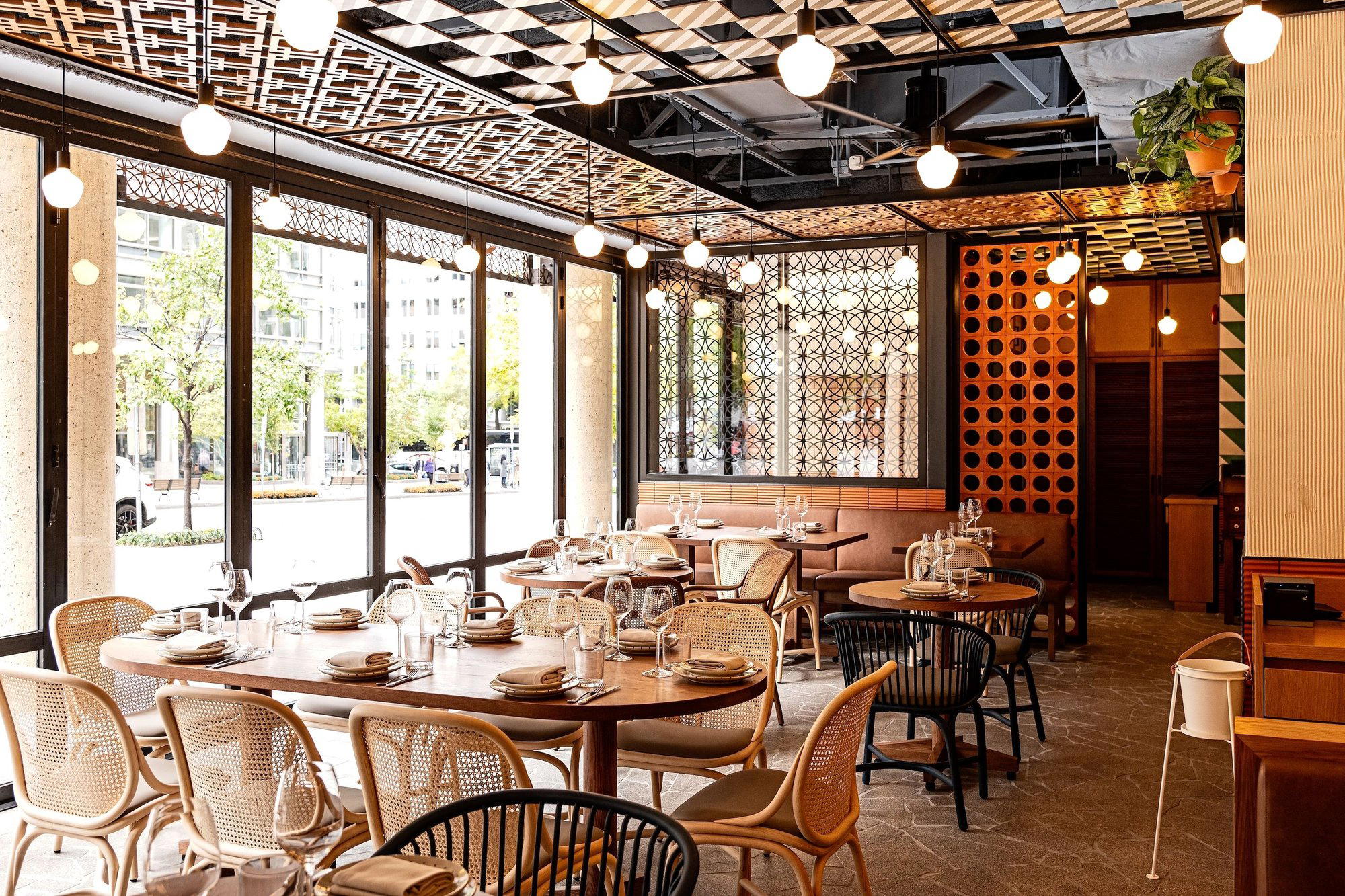
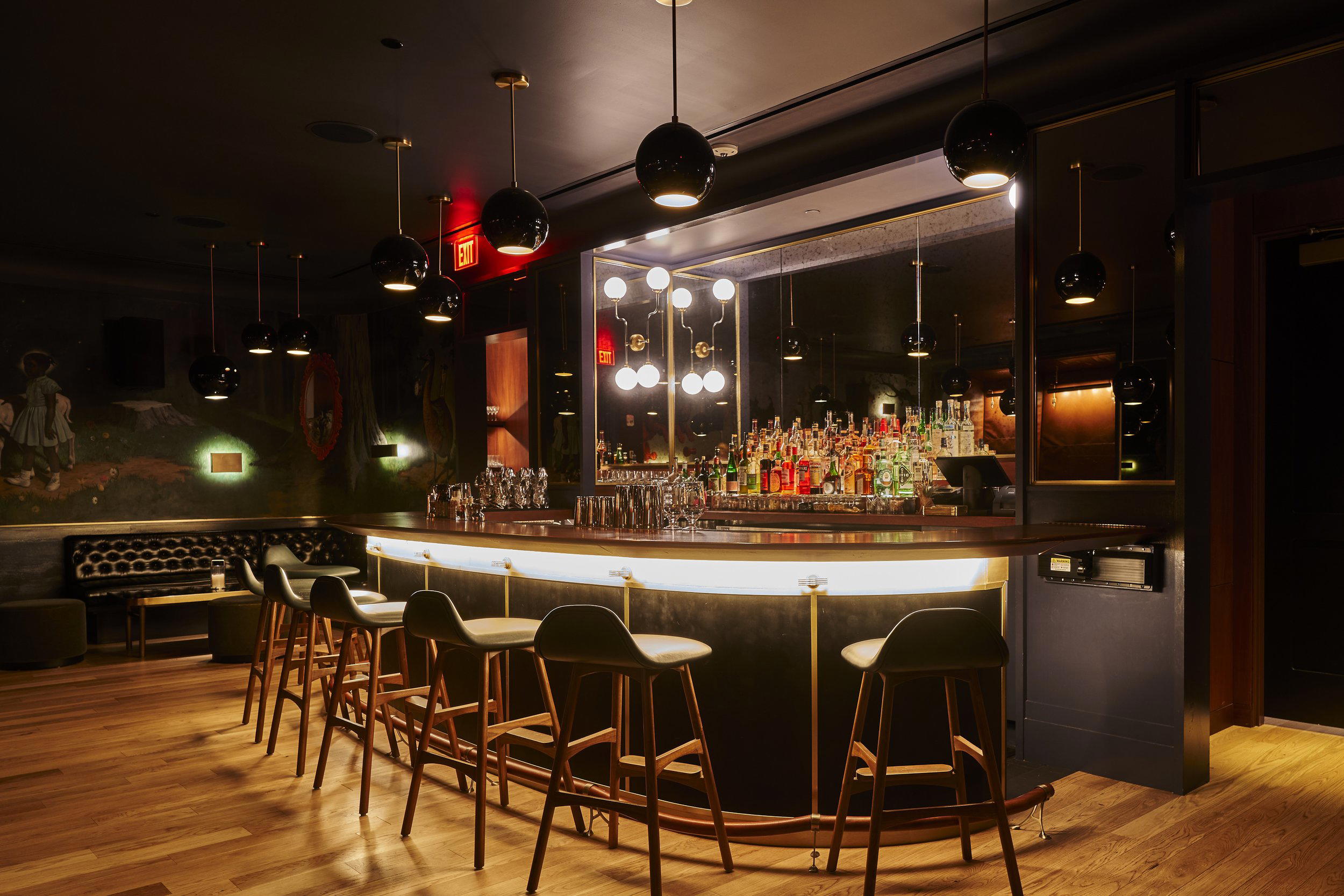
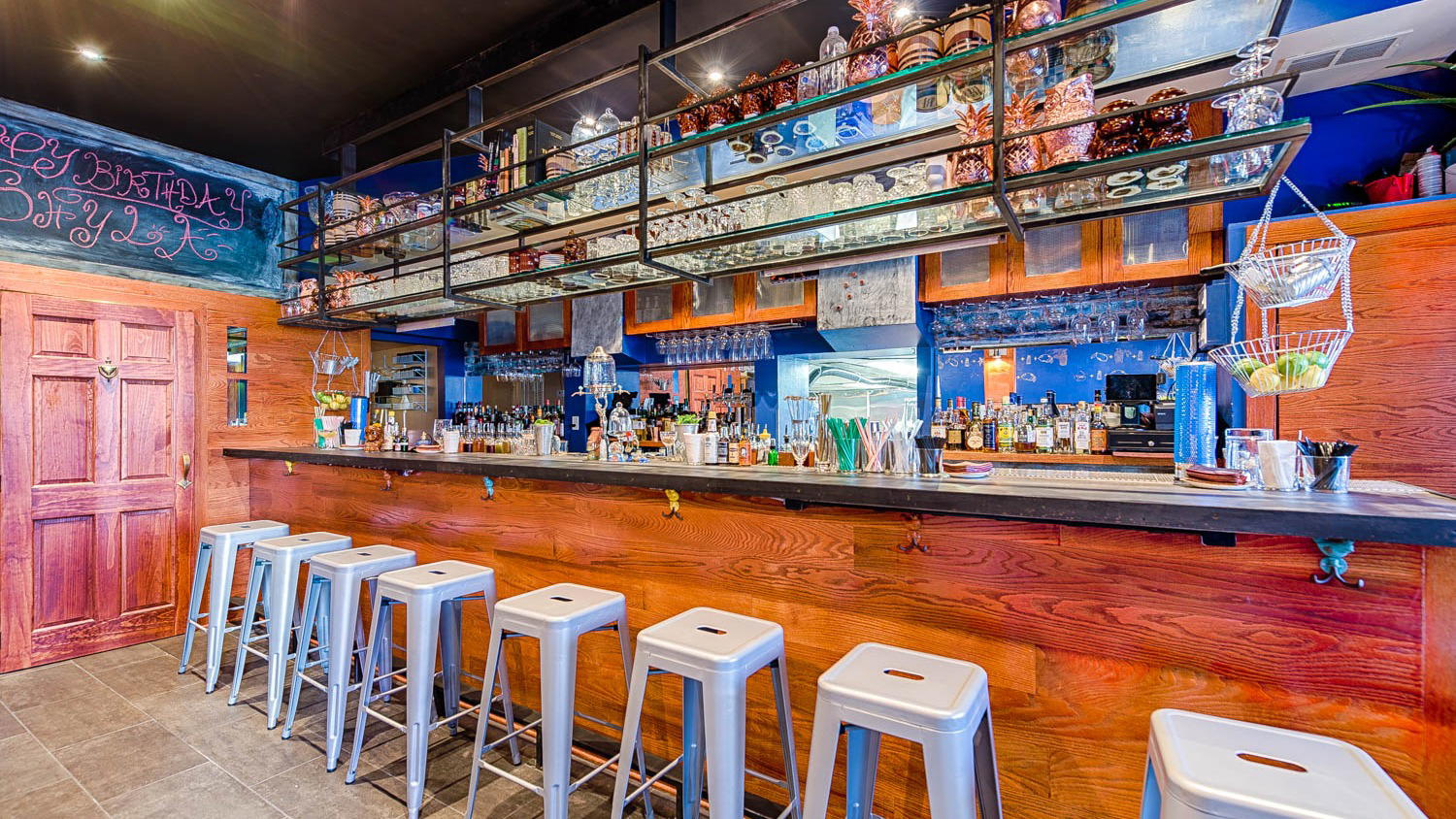
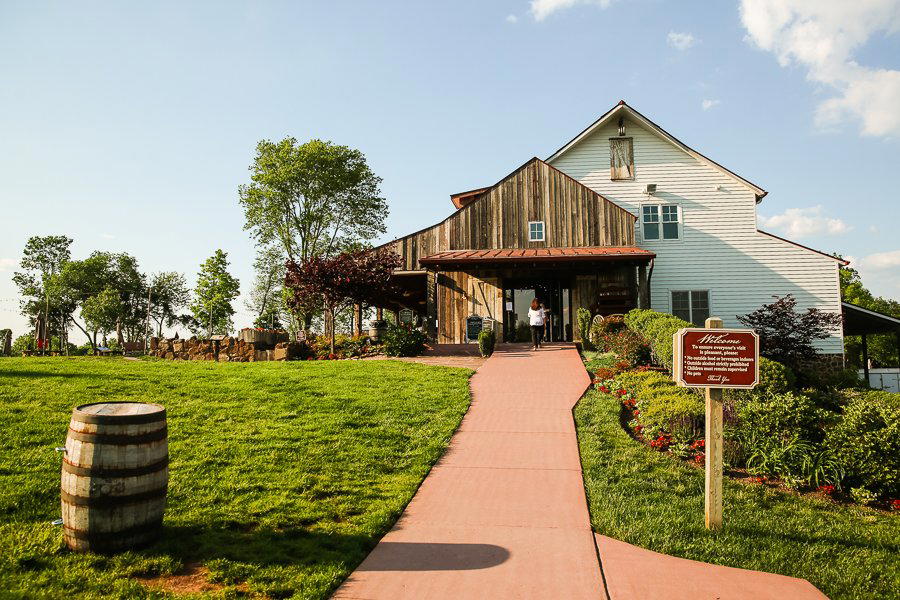
Light-filled, stylish dining room with sprawling patio, offering a warm and lively Spanish atmosphere.