The Lafayette
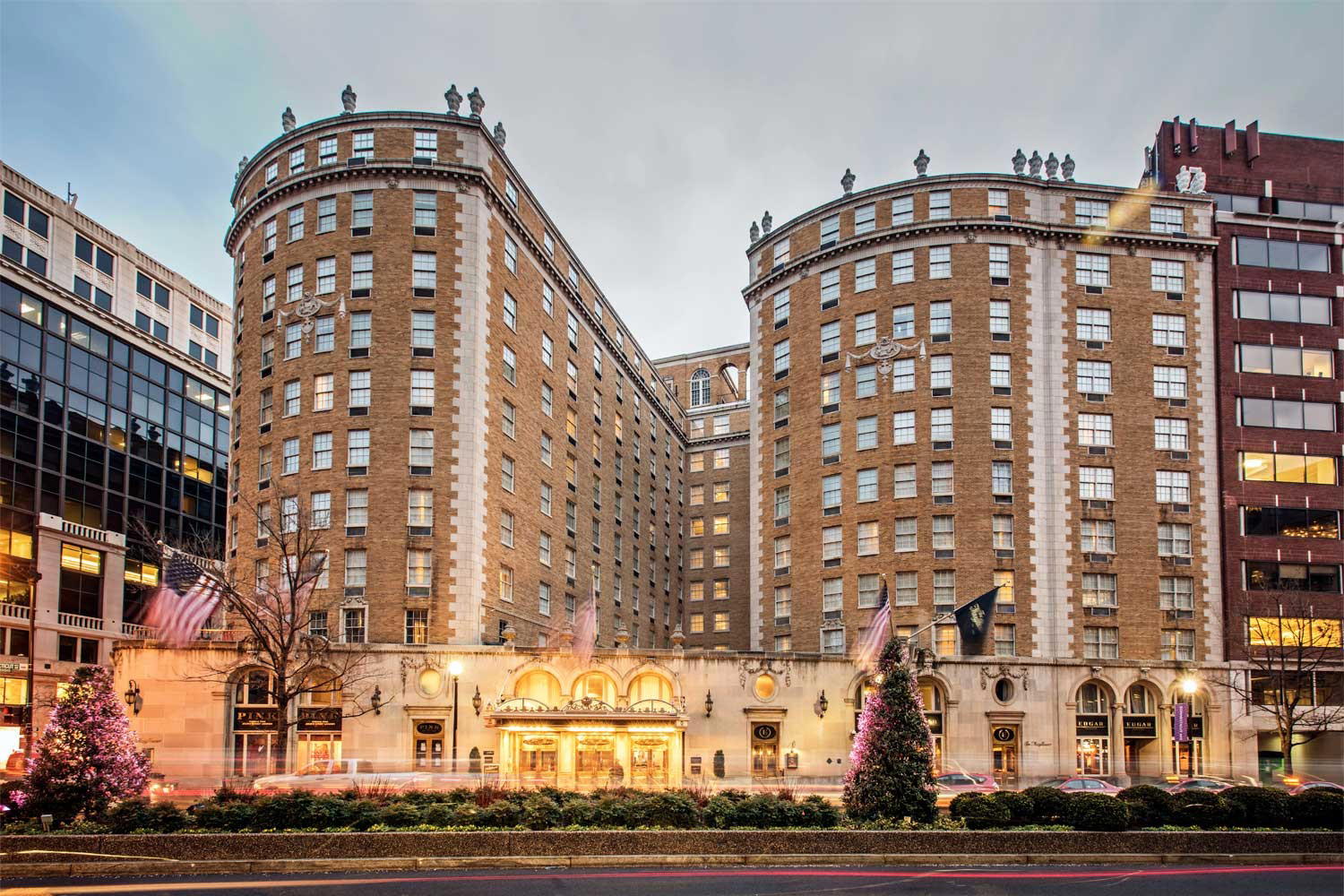
The Lafayette at 800 16th Street NW sits at one of Washington's most politically charged addresses, directly facing the White House across Lafayette Square. The dining room has long drawn a clientele shaped by proximity to power rather than culinary trend-chasing, placing it in a distinct tier among D.C. full-service restaurants where occasion and location carry as much weight as the plate.
Pearl is the En Primeur Club membership app — saves, bookings, and concierge access live there. Same editors, same standards.
- Address
- 800 16th St NW, Washington, DC 20006
- Phone
- +1 202 638 2570
- Website
- hayadams.com
- Directions
- Get directions
 Saves & bookings on Pearl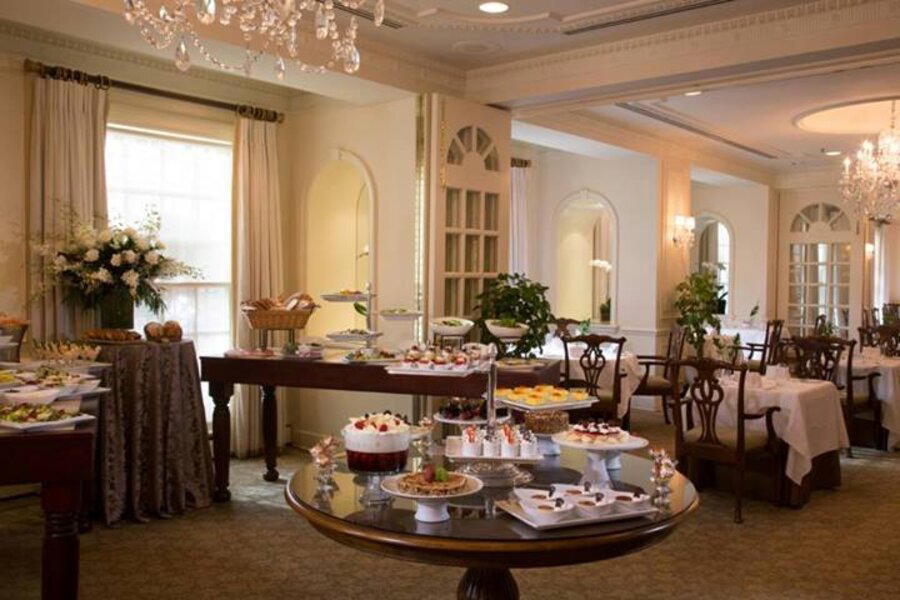
A Room That Knows Its Coordinates
The Lafayette is a restaurant in Washington, D.C. serving upscale contemporary American with French influences at about $90 per person. There are restaurants in Washington where the address does as much work as the kitchen. The Lafayette, positioned at 800 16th Street NW with an unobstructed sightline to the White House across Lafayette Square, belongs firmly to that category. The approach along 16th Street carries a particular weight that few American dining rooms can replicate: the geometry of the square, the monuments in peripheral view, the Secret Service presence as ambient backdrop. Whatever political moment is unfolding a few hundred yards away, it becomes part of the texture of an evening here in a way that no interior design decision could manufacture.
Washington's dining scene has split decisively over the past decade between two modes: restaurants that compete on culinary program alone, and institutions where setting, clientele, and historical gravity operate as a parallel offering. The Lafayette sits in the second category, and its regulars have always understood that distinction. You do not book a table here because you are chasing a tasting-menu format or a specific sourcing philosophy. You book because the room, the address, and the company of people who have been coming for years constitute an experience that the kitchen supports rather than leads.
Who Keeps Coming Back
The regulars at a room like The Lafayette are not defined by food obsession. They are defined by the specific value they place on continuity. In a city where administrations change and policy priorities rotate every four years, certain dining rooms function as fixed points. Staff who recognize returning guests, tables where the same conversations have been held across different presidential terms, a menu register that signals reliability over experimentation: these are the things that build a loyal clientele in Washington's power-adjacent tier.
That loyalty pattern is not distinctive to the restaurant. Across American cities, restaurants attached to historic hotels or positioned near centers of institutional power develop regulars whose relationship with the room predates the current chef and will outlast them. What those regulars return for is the reliability of context, not the novelty of a new seasonal dish. In D.C. that cohort includes lobbyists, ambassadors, senior staffers, and the journalists who cover them. The restaurant Square address places the venue squarely in that orbit. Compare this with the culinary-led tier represented by places like Jônt or minibar, where the guest relationship is built almost entirely around the menu's ambition and the chef's reputation. Neither model is superior; they serve different purposes in a city with enough demand for both.
The Broader D.C. Fine Dining Context
Washington has expanded its serious dining options considerably. The restaurant that can draw on both culinary credibility and historic address now competes against a younger tier of highly focused programs. Causa has built a reputation on Peruvian technique with a $$$$price point that signals ambition. Oyster Oyster operates at $$$ with a sustainable New American approach that draws a different, younger crowd. Albi holds the $$$$ tier with a Middle Eastern program that has earned significant critical attention. These venues compete on program specificity and culinary identity.
The restaurant competes on different terms. Its comparable set nationally is less the ambitious tasting-menu room and more the storied hotel dining room with institutional clientele: rooms like Emeril's in New Orleans or the kind of anchor dining that major urban hotels have historically provided before boutique food-first operators redefined the category. For pure culinary ambition benchmarked against national peers, the relevant comparisons are venues like The French Laundry in Napa, Le Bernardin in New York City, or Alinea in Chicago. The restaurant does not operate in that register, and its regulars would not want it to.
Closer to home, The Inn at Little Washington represents the regional benchmark for destination fine dining with a clear culinary identity built over decades. That comparison helps clarify where the restaurant sits: it is the D.C. institution for those who prioritize location and occasion over the pursuit of a singular chef-led vision.
What the Address Actually Means
Lafayette Square is among the more politically loaded pieces of urban geography in the United States. The park itself has served as protest ground, public forum, and diplomatic backdrop across different eras. A dining room facing it does not carry that weight accidentally. Guests who have been returning to the restaurant for years describe the particular quality of a table by the windows on an evening when something is happening in the square: the layering of the ordinary business of dinner against the visible activity of American political life. That is a detail no kitchen can produce and no tasting menu can replicate.
Planning a Visit
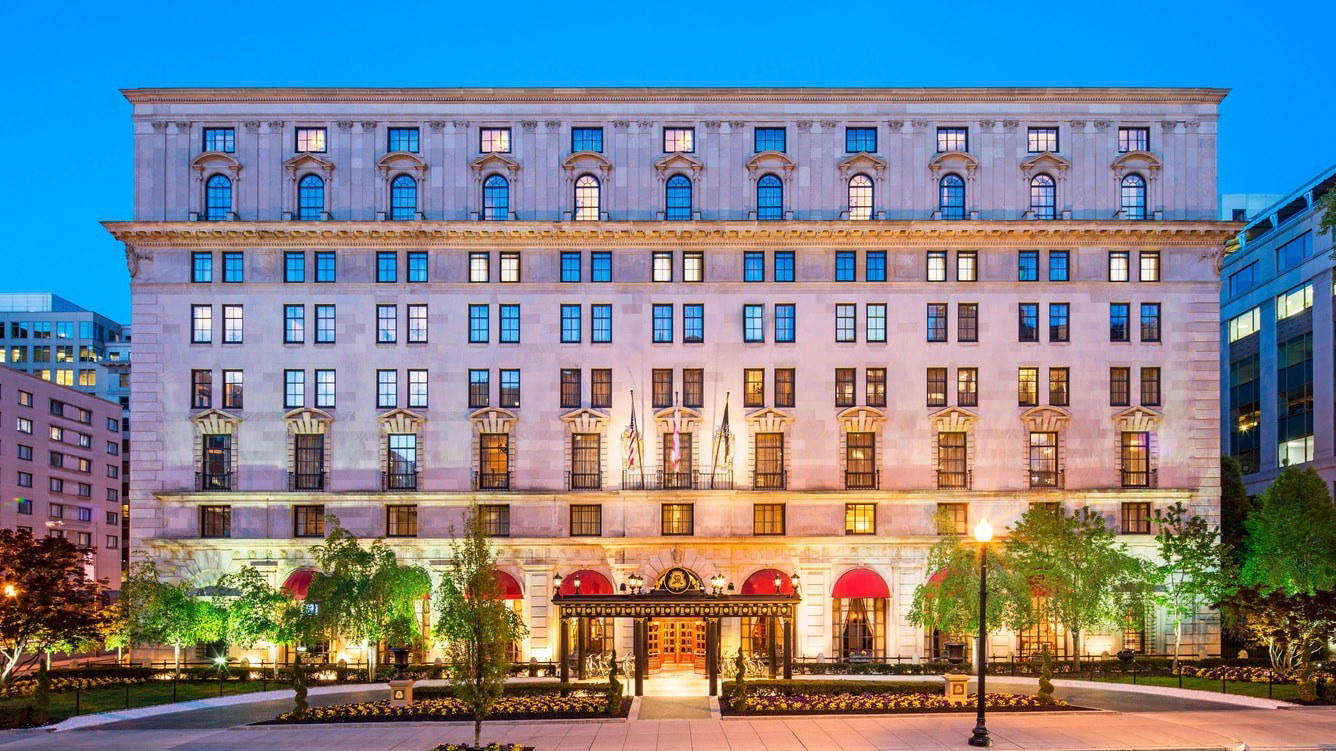
The restaurant sits at 800 16th Street NW, Washington, DC 20006, within walking distance of multiple Metro lines and central to the downtown hotel corridor. The address is a practical consideration: parking near Lafayette Square is constrained, and rideshare drop-off on 16th Street is one direct approach for most visitors.
| Venue | Cuisine Focus | Price Tier | Primary Draw |
|---|---|---|---|
| The restaurant | Upscale Contemporary American with French influences | $$$ | Address, occasion dining, political adjacency |
| Causa | Peruvian | $$$$ | Culinary program specificity |
| Oyster Oyster | Sustainable New American | $$$ | Ingredient ethos, younger demographic |
| Albi | Middle Eastern | $$$$ | Critical recognition, chef-led identity |
| Jônt | Modern French / Contemporary | $$$$ | Tasting menu ambition |
At-a-Glance Comparison
Comparable venues nearby, for context on price, style, and recognition.
| Venue | Cuisine | Price | Notes |
|---|---|---|---|
| The LafayetteThis venue — the venue you are viewing | Upscale Contemporary American with French influences | $$$ | Not listed |
| Cynthia | Modern American Bistro | $$$ | Near Northeast |
| Sonoma | New American Wine Bar | $$$ | The Capitol Grounds |
| The Duck & the Peach | Seasonal New American with California & New England influences | $$$ | Capitol Hill |
| Fireclay | Contemporary American Open-Fire | $$$ | East End |
| Founding Farmers | Farm-to-Table American Comfort Food | $$ | Foggy Bottom |
Continue exploring
More in Washington DC
Restaurants in Washington DC
Browse all →
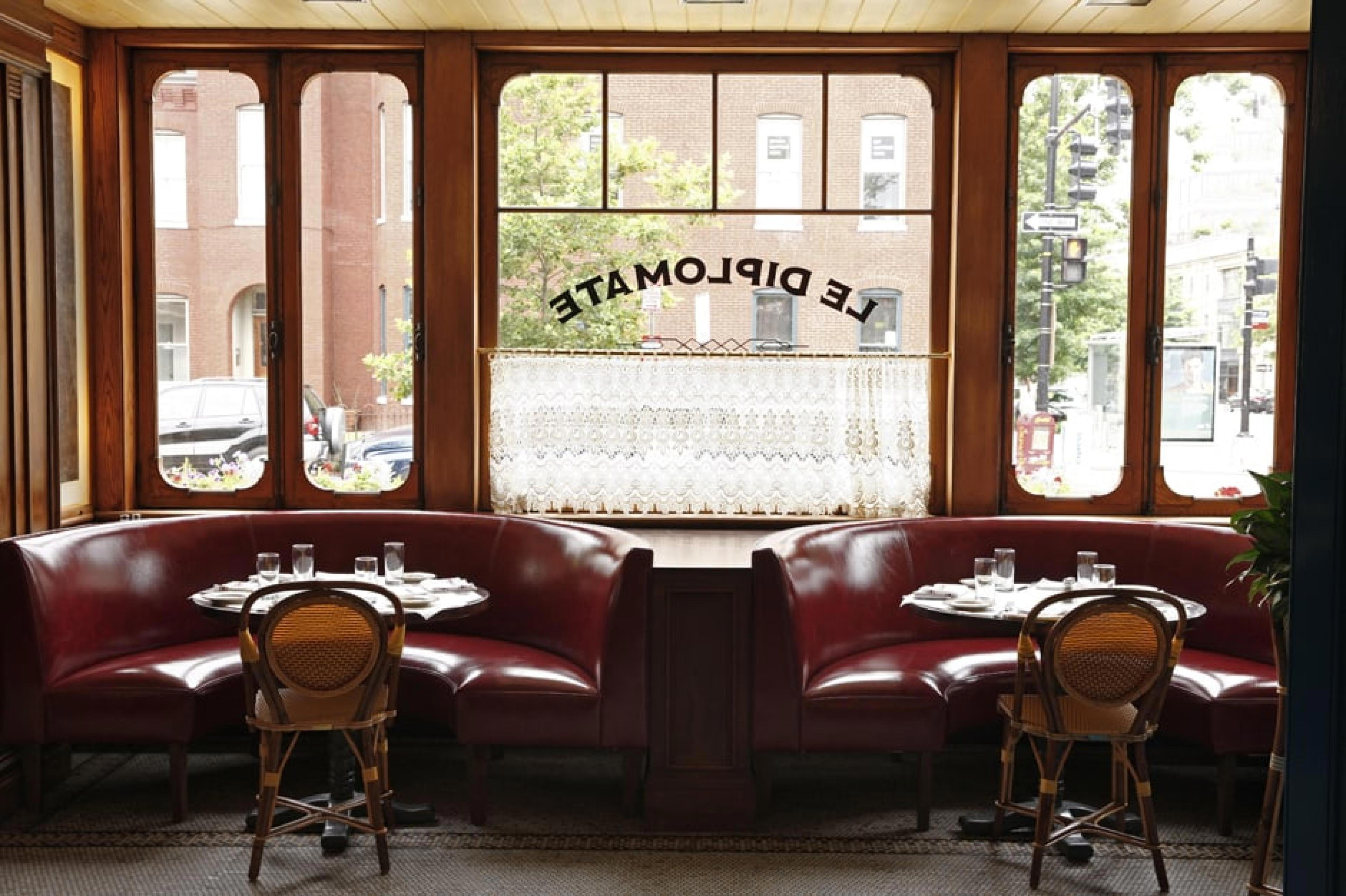
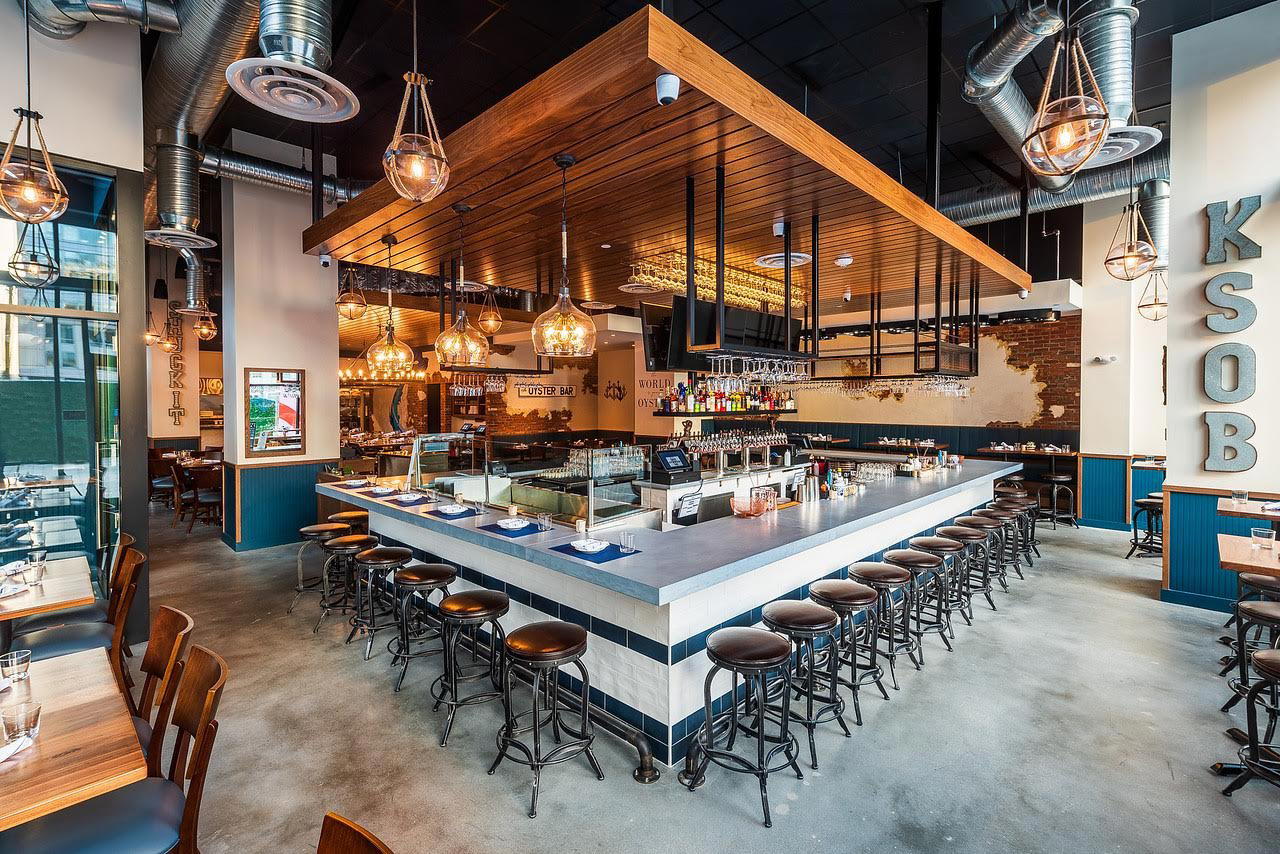
Bars in Washington DC
Browse all →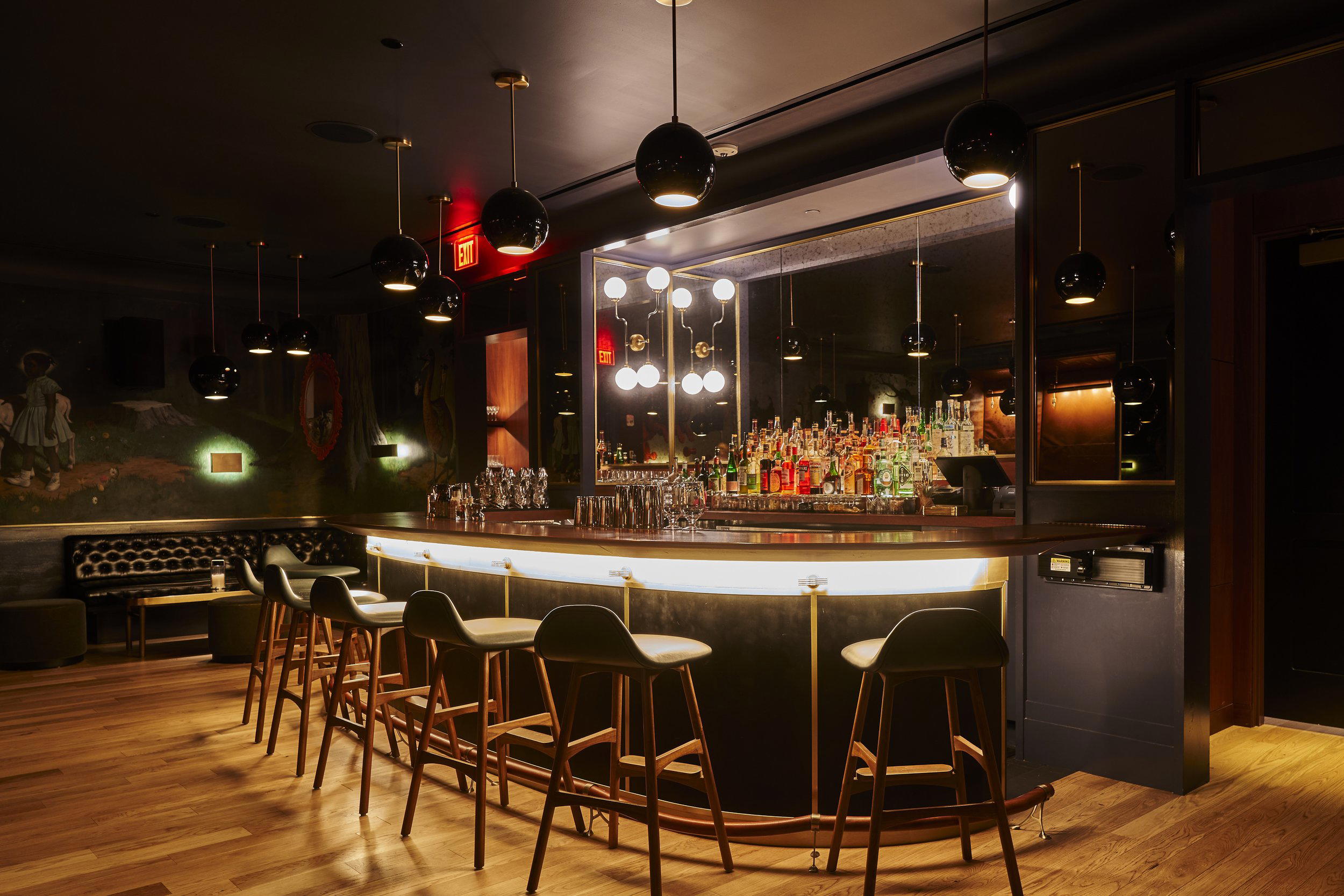
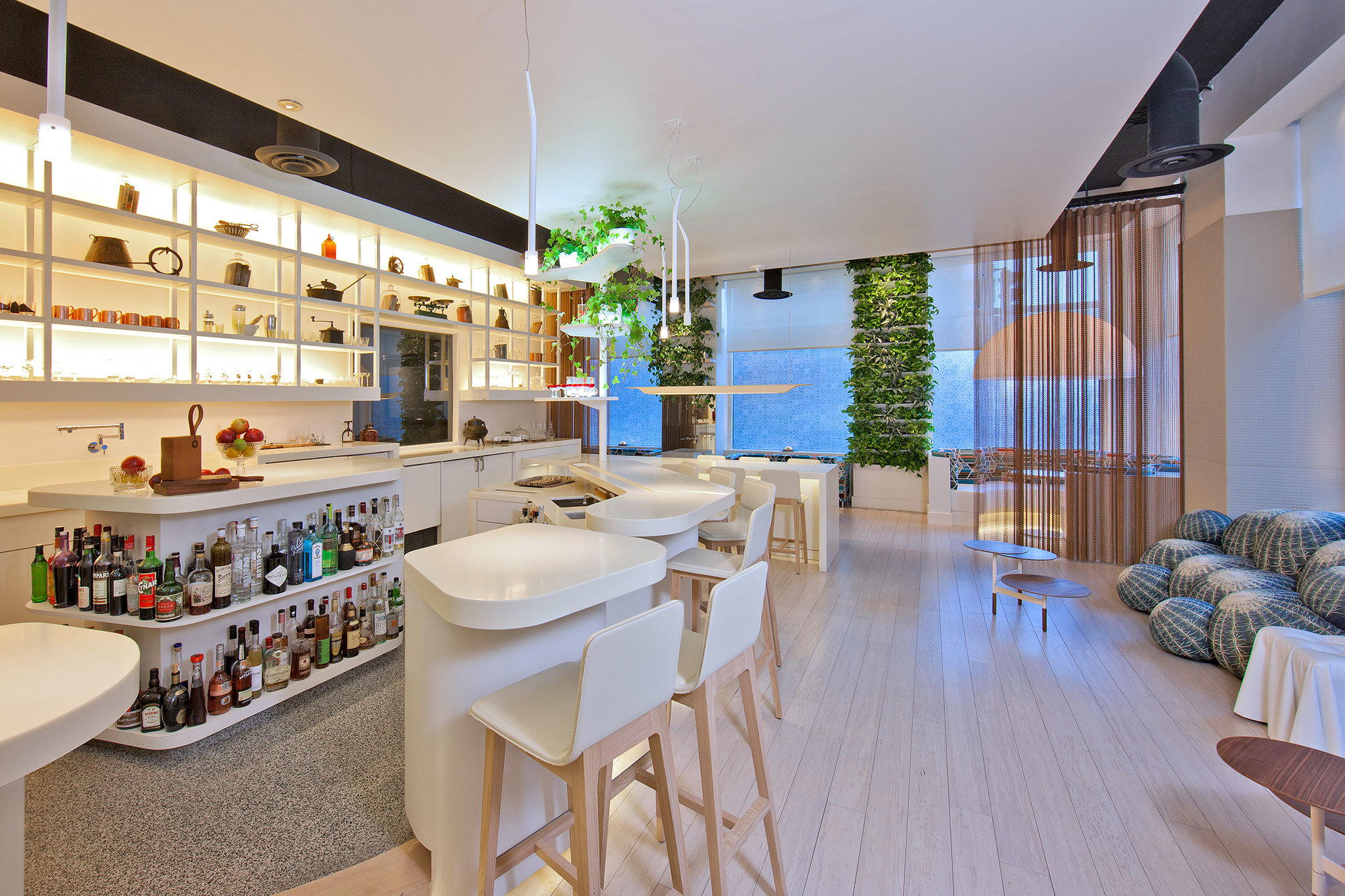
Hotels in Washington DC
Browse all →
At a Glance
- Elegant
- Sophisticated
- Classic
- Business Dinner
- Special Occasion
- Brunch
- Hotel Restaurant
- Historic Building
- Craft Cocktails
- Local Sourcing
- Street Scene
Current opening hours
- Monday
- 6:30–11 AM, 11:30 AM–2 PM, 5:30–9 PM
- Tuesday
- 6:30–11 AM, 11:30 AM–2 PM, 5:30–9 PM
- Wednesday
- 6:30–11 AM, 11:30 AM–2 PM, 5:30–9 PM
- Thursday
- 6:30–11 AM, 11:30 AM–2 PM, 5:30–9 PM
- Friday
- 6:30–11 AM, 11:30 AM–2 PM, 5:30–9 PM
- Saturday
- 7–11 AM, 11:30 AM–2 PM, 5:30–9 PM
- Sunday
- 7–11 AM, 11:30 AM–2 PM
Hours can change for holidays and private events. Last verified .
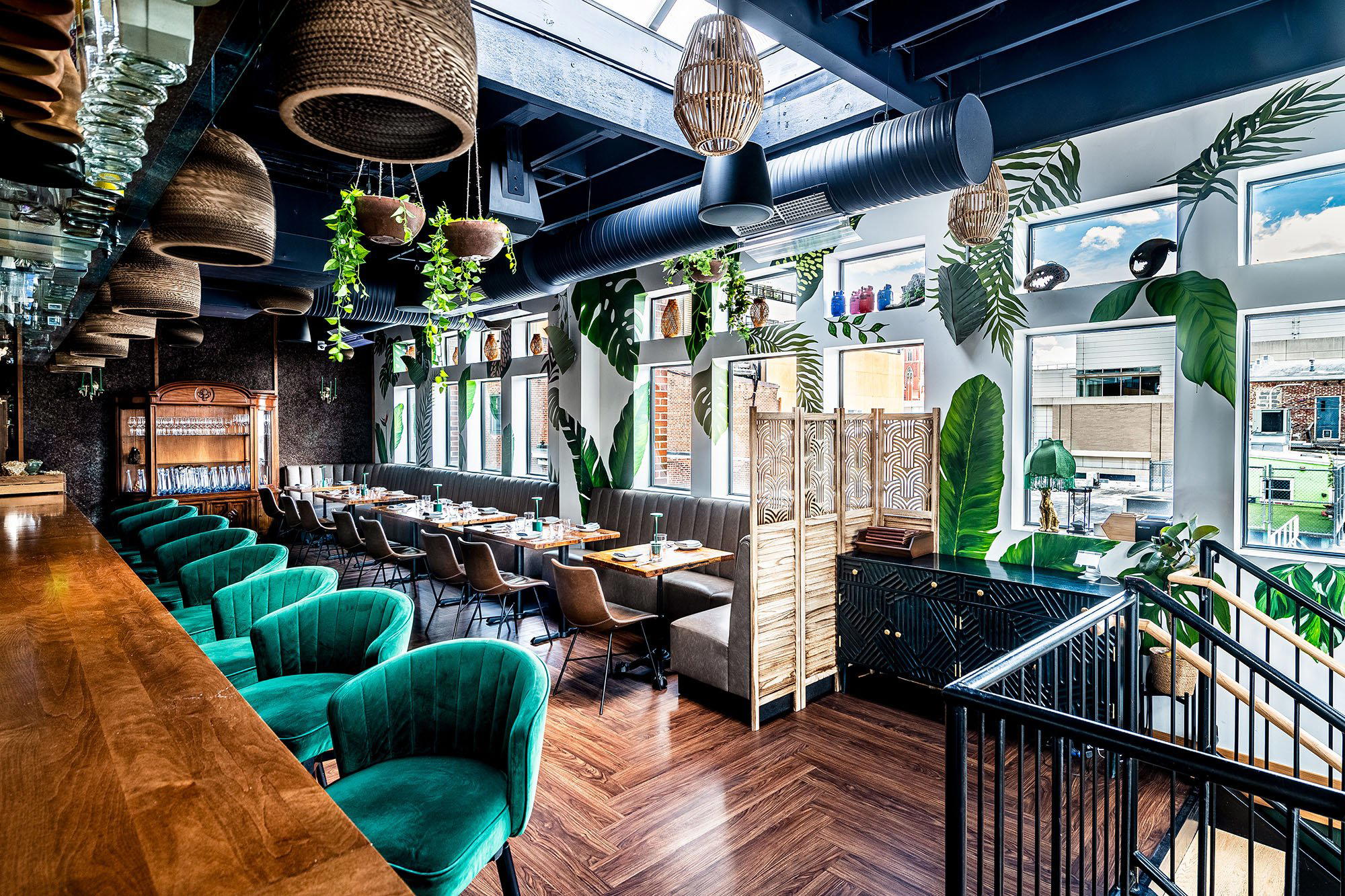
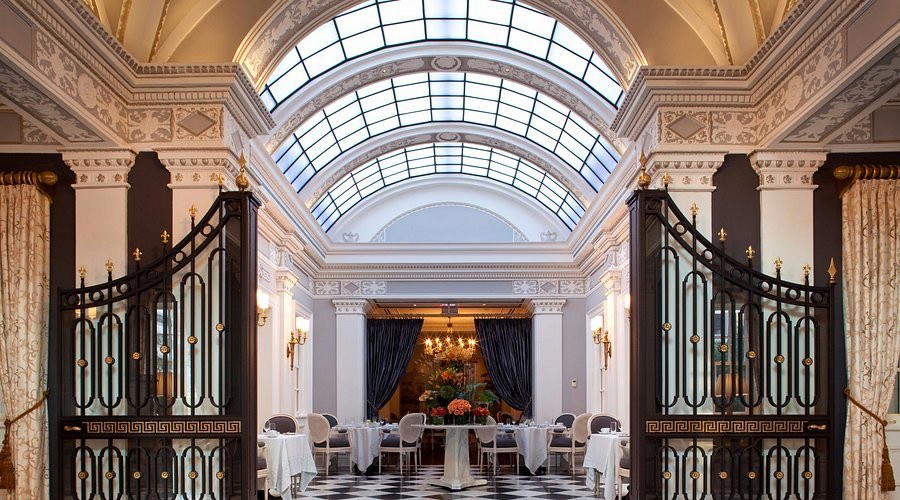
Light-filled dining room by day with sunlight streaming through windows, candlelit ambient glow by night, white tablecloths, dark wood, and piano accompaniment.