On Jirón de la Unión, one of Lima's most historically layered pedestrian corridors, Casa Tambo Restaurant sits at the intersection of the city's colonial past and its evolving food culture. The address alone places it inside the Centro Histórico, a district where Lima's culinary identity formed long before Miraflores claimed the fine-dining conversation. For visitors tracing the city's gastronomic geography from its origins, this is a credible starting point.
Pearl is the En Primeur Club membership app — saves, bookings, and concierge access live there. Same editors, same standards.
- Address
- Jirón de la Unión 1066, Lima 15001, Peru
- Phone
- +51983397305
- Website
- casatambo.com.pe
- Directions
- Get directions
 Saves & bookings on Pearl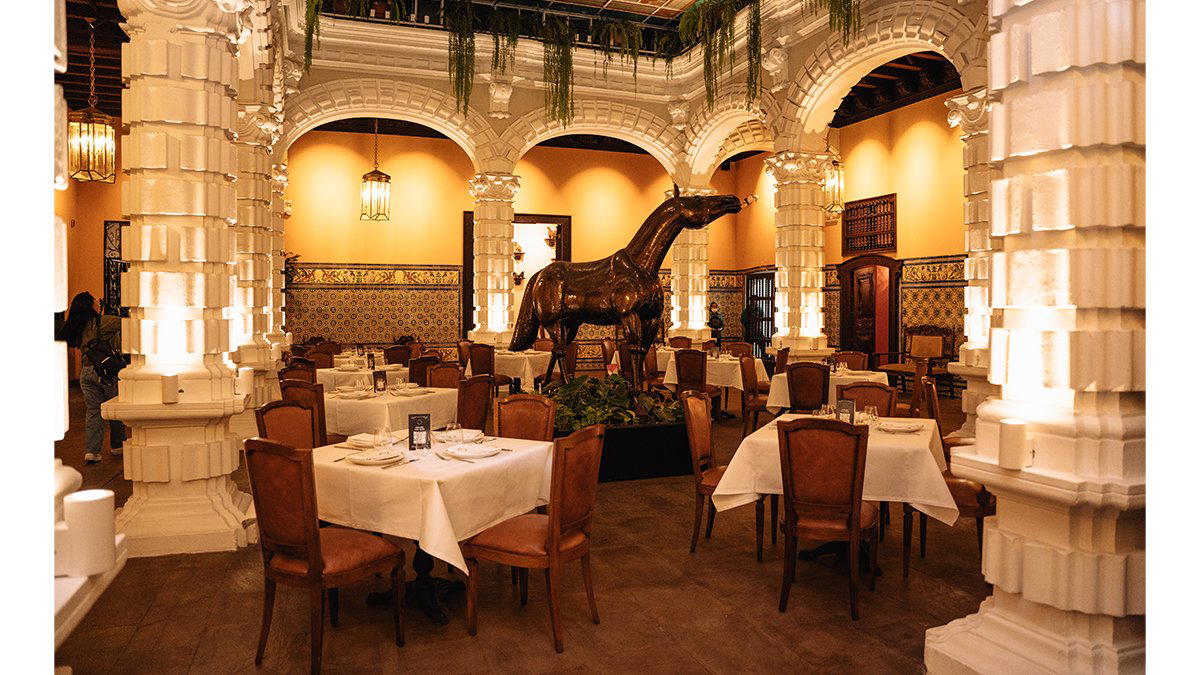
Lima's Centro Histórico and the Restaurants That Predate the Boom
Lima's dining reputation is largely written in Miraflores and San Isidro postcodes. The addresses that appear in international coverage, from Central (Progressive Peruvian) to Maido (Nikkei), cluster in the city's wealthier southern districts. But the Centro Histórico, the colonial grid that surrounds the Plaza Mayor, has its own claim on Peruvian food culture, and it predates the contemporary moment by several centuries. Jirón de la Unión, a pedestrian artery running from the Plaza Mayor toward the Parque de la Exposición, has fed Lima's residents and visitors since the vice-regal period. Casa Tambo Restaurant, at number 1066, sits within that older tradition.
The street itself is worth understanding before you arrive. Jirón de la Unión passes through what remains of Lima's most concentrated layer of republican and colonial architecture, and the food culture along it reflects that density: markets, cevicherías, traditional picanterías, and full-service restaurants occupy the same blocks, often the same buildings. The Centro is not competing with Miraflores for the same diner; it is speaking to a different kind of appetite entirely, one interested in Lima as a living city rather than Lima as a fine-dining destination.
What Peruvian Cuisine Looks Like at Street Level
To understand where a Centro Histórico restaurant fits, it helps to understand the architecture of Peruvian cuisine more broadly. Peru's food culture is among the more diverse in South America, drawing on Andean, Amazonian, Spanish colonial, Japanese, and Chinese influences, each embedded in specific techniques, ingredients, and regional traditions. The high-end contemporary conversation, represented by venues like Astrid & Gastón (Modern Peruvian) and Kjolle (Modern Peruvian), frames those ingredients through a modernist or research-driven lens. Street-level and mid-tier restaurants in the Centro operate differently: the techniques are older, the references are more direct, and the connection to daily Peruvian eating is more intact.
That distinction matters for visitors mapping their time across the city. A meal at Central Restaurante is an argument about what Peruvian ingredients can become; a meal in the Centro Histórico is more often a record of what those ingredients have always been. Both are worth having. The question is sequencing them correctly.
Peru's culinary geography extends well beyond Lima, and the regional contrasts are significant. Mil Centro in Moray operates at 3,500 metres altitude and builds its menu around Sacred Valley produce. Delfin Amazon Cruises in Iquitos works with Amazonian river fish and jungle herbs that never reach Lima's markets. The city's own dining scene, including the Centro, represents yet another layer: urban, port-influenced, and historically cosmopolitan.
The Setting on Jirón de la Unión
Approaching along Jirón de la Unión from the Plaza Mayor end, the street is dense with foot traffic for most of the day. Street vendors, shoe-shiners, and the perpetual movement of a working city centre frame the walk. The building fabric shifts between restored republican facades and more utilitarian commercial frontage; the Centro has not been preserved uniformly, and that unevenness is part of its character.
Casa Tambo Restaurant at 1066 occupies this environment. The Lima Centro Histórico address places it near the concentration of churches, museums, and civic institutions that define the district, making it a natural stop within a day spent in that part of the city rather than a destination requiring a dedicated journey from the southern suburbs. Visitors staying or eating in Miraflores should account for travel time; the districts are connected by public transport and taxi, but the Centro operates on its own schedule and pace.
The contrast with venues like Osaka Nikkei in San Isidro or Costanera 700 in Miraflores is not simply geographic. Those addresses signal a particular kind of dining occasion, with associated pricing, formality, and expectations. The Centro Histórico operates at a different register, where the value proposition is access to Lima's older food culture rather than its most technically ambitious version.
Situating Casa Tambo in the Broader Peru Picture
Peru's contemporary dining conversation has spread beyond Lima in recent years. Cirqa in Arequipa represents the southern highlands' growing restaurant scene. Mapacho Craft Beer Restaurant in Urubamba and Cantina Vino Italiano in Cusco reflect the Sacred Valley and Cusco's expansion into more considered dining formats. El Rey in Oxapampa and Marañón Province in Maranon point toward the country's more remote food geographies. Delfin I dining room in Nauta brings the Amazon basin into the conversation.
Lima remains the hub of that network, and the Centro Histórico is where Lima's food culture is oldest and most legible. Visitors building an itinerary across Peru would do well to treat the Centro as an orientation point: a place to understand the baseline before measuring how far the country's contemporary restaurants have moved from it. The contrast between a lunch in the Centro and dinner at a tasting-menu counter in Miraflores tells you more about modern Peruvian cooking than either experience alone.
For reference points outside Peru, the relationship between a city's historic-core restaurants and its contemporary fine-dining tier is not distinctive to Lima. Le Bernardin in New York City and Lazy Bear in San Francisco represent the premium end of their cities' dining scenes, but neither exists without the longer food cultures those cities built over generations. Lima's Centro is part of that longer story.
Planning a Visit
Casa Tambo Restaurant is located at Jirón de la Unión 1066, Lima 15001, within the Centro Histórico district. The address is walkable from the Plaza Mayor and accessible by taxi from Miraflores in roughly 20 to 30 minutes depending on traffic. The Centro is busiest during midday, when the pedestrian street operates at full capacity; arriving outside the main lunch rush can make the experience more manageable. The restaurant is open daily, with service from 12:30 PM to 11 PM Monday through Saturday and until 9 PM on Sunday. Reservations are recommended.
Comparable Venues
Comparable venues nearby, for context on price, style, and recognition.
| Venue | Cuisine | Price | Notes |
|---|---|---|---|
| Casa Tambo RestaurantThis venue — the venue you are viewing | Traditional Peruvian Creole | $$ | Not listed |
| Popurrí | Peruvian Food Hall | $$ | San Isidro |
| Demo | Modern cafe-bakery with Venezuelan & Peruvian influences | $$ | Barranco |
| Pucusana | Peruvian Seafood Cevicheria | $$ | Pucusana |
| Restaurant SONIA | Traditional Peruvian Cevicheria | $$$ | Chorrillos |
| Av. Petit Thouars | Nikkei Fusion | $$ | San Isidro |
Continue exploring
More in Lima
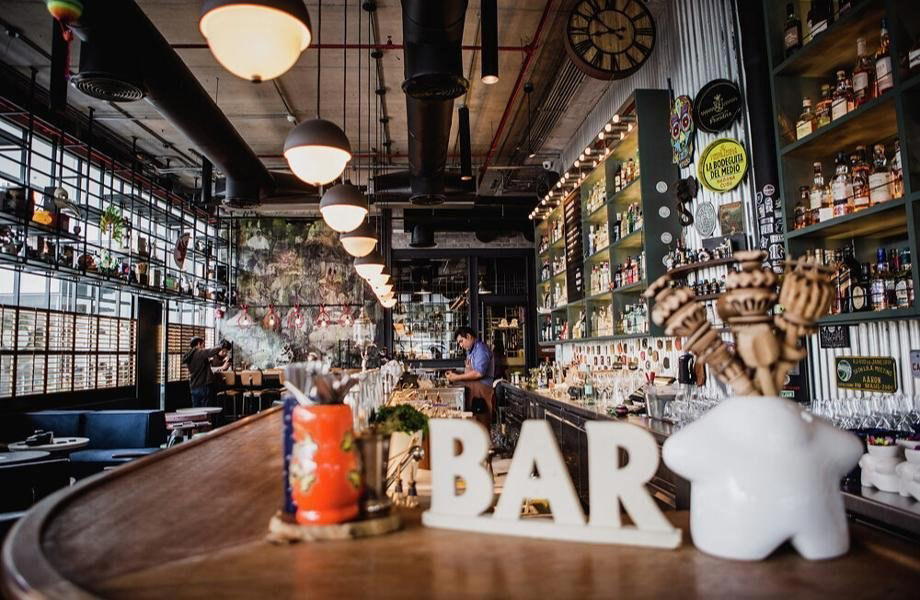
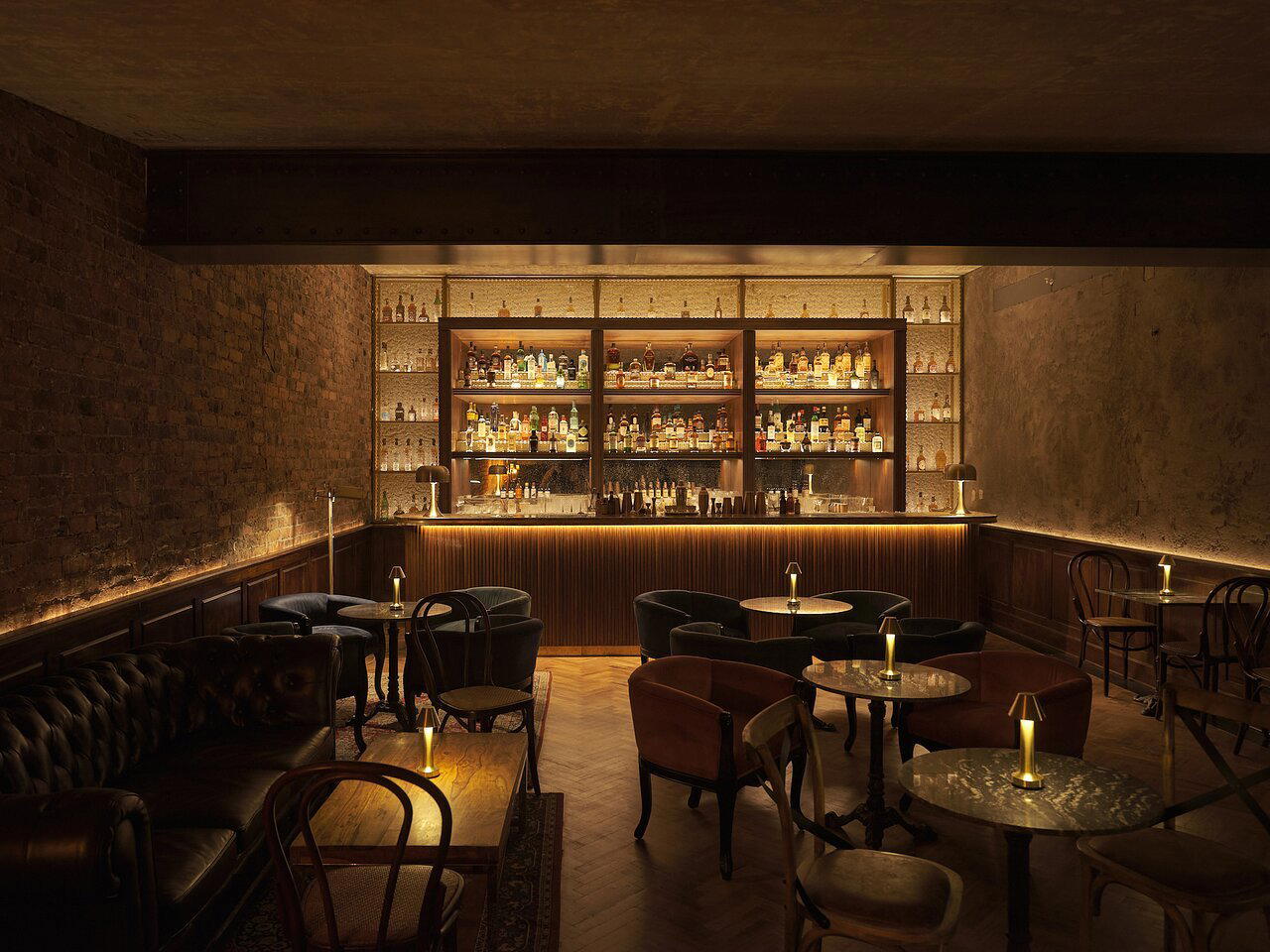
Bars in Lima
Browse all →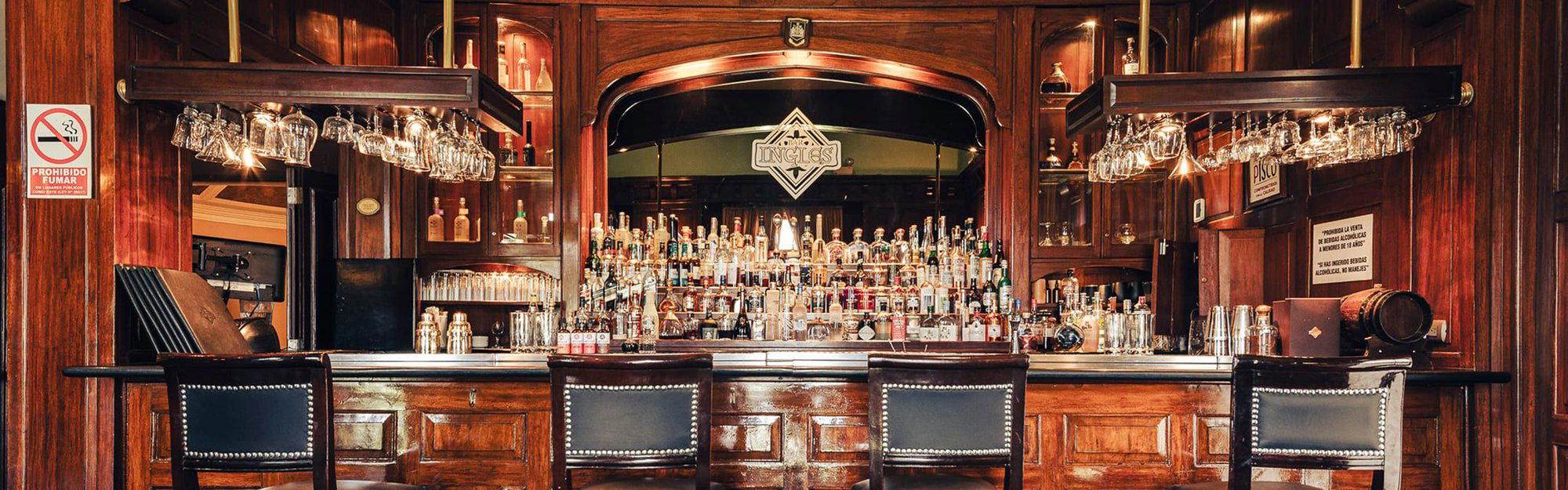
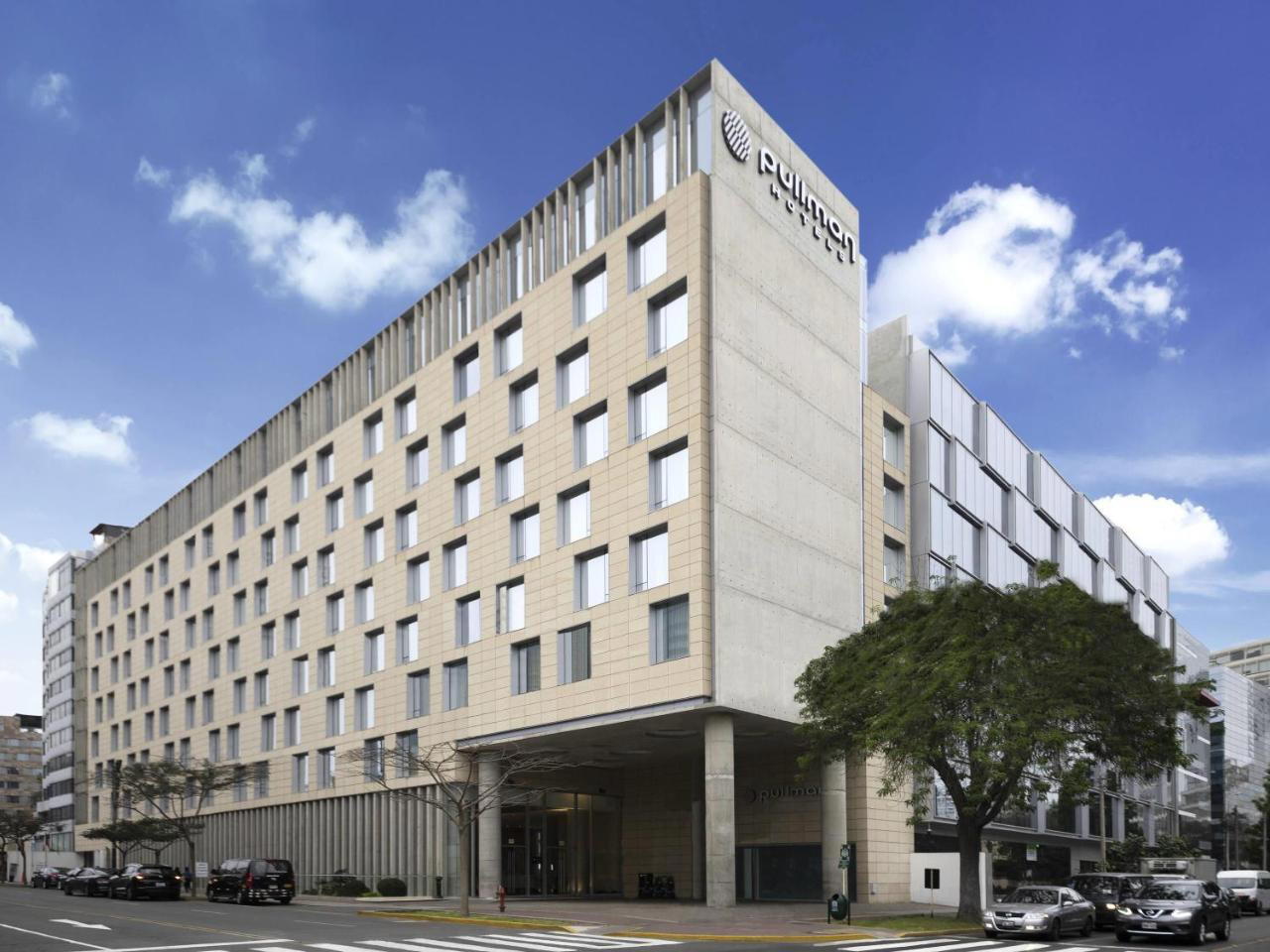
Hotels in Lima
Browse all →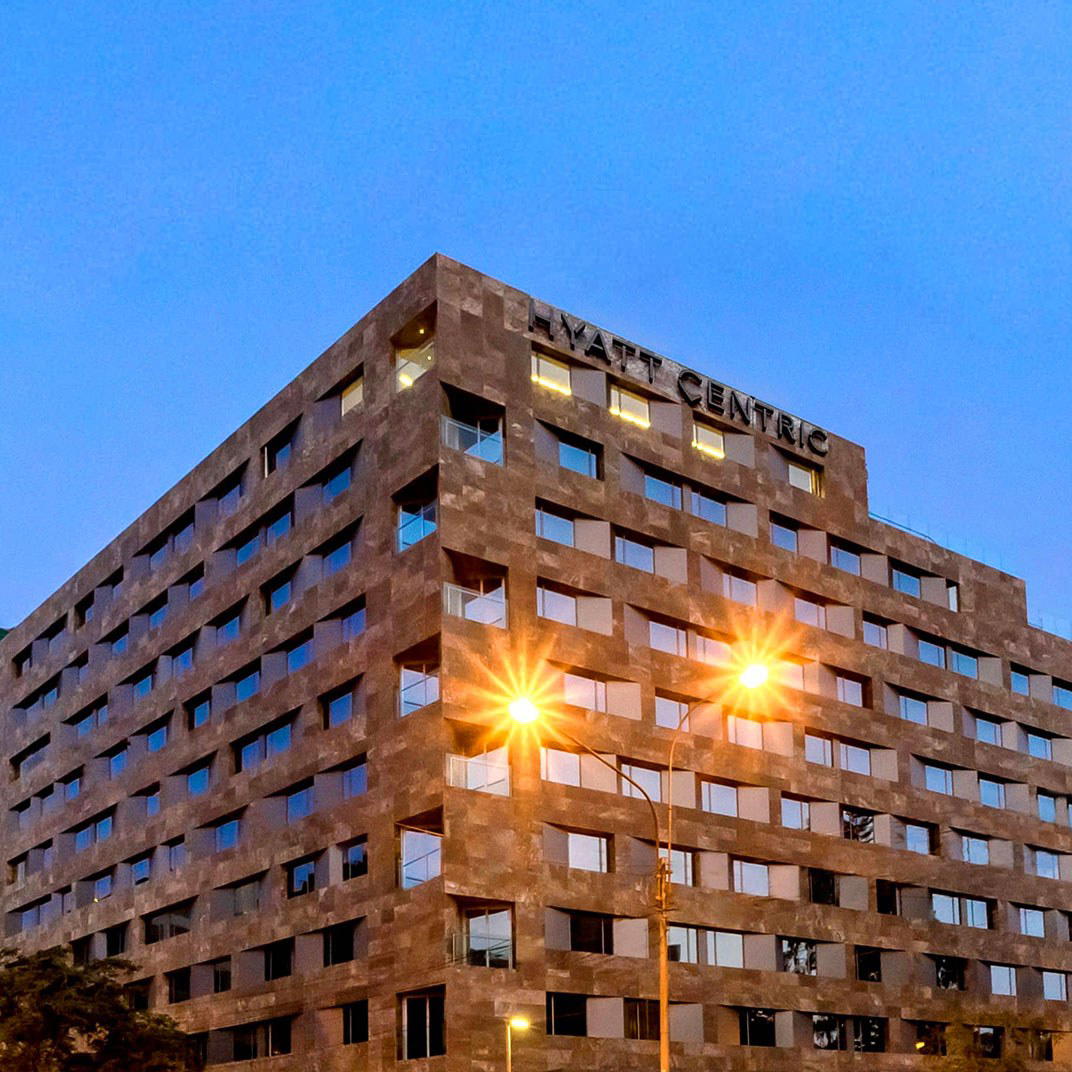
Wineries in Lima
Browse all →
At a Glance
- Elegant
- Classic
- Cozy
- Historic
- Family
- Celebration
- Special Occasion
- Live Music
- Historic Building
Current opening hours
- Monday
- 12:30–11 PM
- Tuesday
- 12:30–11 PM
- Wednesday
- 12:30–11 PM
- Thursday
- 12:30–11 PM
- Friday
- 12:30–11 PM
- Saturday
- 12:30–11 PM
- Sunday
- 12:30–9 PM
Hours can change for holidays and private events. Last verified .
Elegant museum-like atmosphere with colonial art, gardens, chandeliers, and charming historical decor.