Av. Petit Thouars is one of Lima's most storied dining corridors, threading through Miraflores with a concentration of restaurants that spans casual cevicherías to address-level modern Peruvian. For visitors mapping the city's food scene, it functions as both an entry point and a reference line against which the broader neighbourhood can be read.
Pearl is the En Primeur Club membership app — saves, bookings, and concierge access live there. Same editors, same standards.
- Address
- Lima, Peru
- Directions
- Get directions
 Saves & bookings on Pearl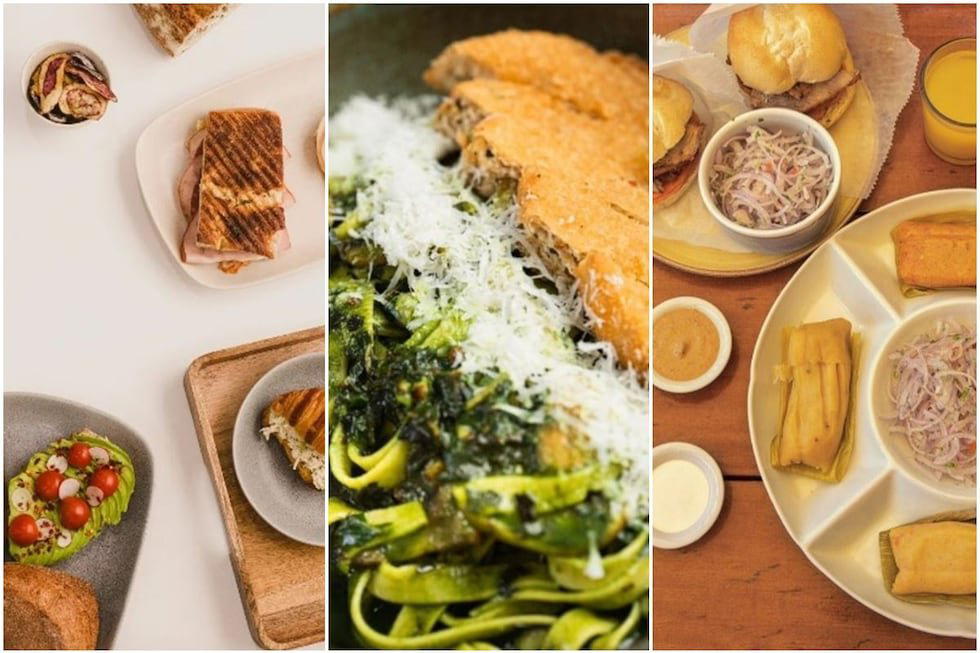
A Street That Reads Like a Menu
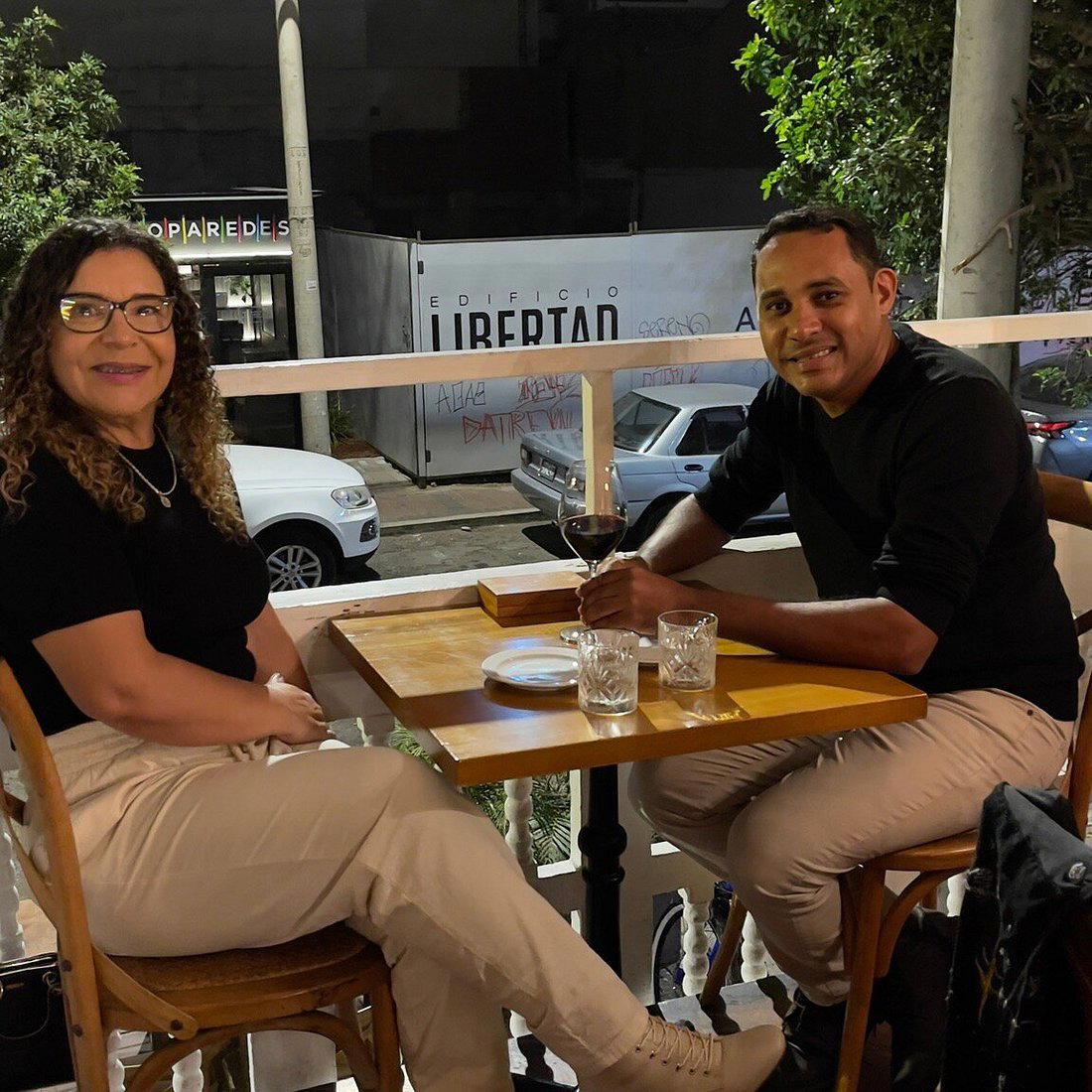
Approach Av. Petit Thouars on foot on a Thursday evening and what you notice first is the shift in pace. The traffic thins at the residential end, then suddenly opens onto a corridor where restaurant signage competes with the canopy of ficus trees that line the pavement. This is a street in Lima, Peru, known for Nikkei Fusion restaurants and neighborhood dining at an accessible price tier, from lunch spots running set menus to polished evening rooms.
The ritual of eating along this stretch follows a logic familiar to anyone who has spent time in Lima's Miraflores district. Lunch is the anchor meal. Peruvian dining culture has historically placed its weight at midday rather than the evening, and Av. Petit Thouars reflects that tradition. The afternoon tables fill first; evenings are quieter by comparison, which makes them the more considered choice for visitors who want space to actually think about what they are eating.
Where the Avenue Sits in Lima's Dining Geography
Lima's serious restaurant conversation has largely settled around two or three districts: Miraflores, Barranco, and San Isidro. Each has a different texture. Barranco skews younger and more experimental; San Isidro tends toward corporate formality. Miraflores, where Av. Petit Thouars runs, occupies the middle register: comfortable, internationally legible, and home to enough address-level restaurants to make it the default choice for a visitor with a single dinner to spend wisely.
The avenue itself sits a few blocks inland from the Malecón cliffs, which puts it away from the tourist-facing seafood corridor closer to Larcomar but within easy reach of the residential streets where locals actually eat. That position matters. Restaurants on this stretch are not primarily pitching to hotel guests; they are in conversation with a neighbourhood clientele that has strong opinions about value and quality, which tends to keep standards honest.
For context on where the city's cooking is headed at the upper end, Central (Progressive Peruvian) and Kjolle (Modern Peruvian) represent the altitude marker: tasting-menu formats built around altitude-mapped biodiversity and Amazonian ingredients that have placed Lima on the global conversation. Astrid & Gastón (Modern Peruvian) remains the longest-standing reference point for the city's modern Peruvian canon. The restaurant does not compete directly with those addresses, but it exists in the same city ecosystem and draws from the same depth of ingredient sourcing and culinary tradition.
The Ritual of the Meal: Pacing and Custom
The dining ritual in Lima has conventions that a first-time visitor can misread. Pisco sours arrive before menus in most rooms above a certain price point, functioning less as a cocktail choice and more as a palate-reset and social signal that the meal is beginning properly. Ceviche, when it appears, is rarely the main event in more composed kitchens; it is the proof-of-concept, the dish that communicates the kitchen's relationship with acid, freshness, and restraint before anything more complex arrives.
Portions in Lima's mid-to-upper-tier restaurants tend to be more generous than their European counterparts at the same price point, which affects how you should sequence a meal. The instinct to order broadly and share is more appropriate here than in single-plate European formats. Leche de tigre, the citrus-cured liquid from ceviche preparation, is typically offered as a standalone shot in casual contexts; in more composed rooms, it reappears as a sauce element or palate cleanser, and how a kitchen handles it tells you something about how seriously they take the base tradition.
For a different register of Peruvian dining custom, Maido (Nikkei) offers a useful comparison: its Nikkei format applies Japanese precision to the same Peruvian pantry, producing a pacing and plating language that reads quite differently from the more assertive, direct heat of traditional criollo cooking. Both idioms have roots in Lima's history; neither cancels the other out.
Beyond the Capital: Peru's Wider Table
Lima is the entry point for most visitors, but Peru's dining geography extends well beyond the capital. Mil Centro in Moray operates at altitude in the Sacred Valley, with a format built around Andean biodiversity that has no equivalent in the city. Cirqa in Arequipa represents the colonial city's distinct culinary tradition, which runs on rocoto peppers, slow braises, and a kitchen vocabulary that diverges sharply from Lima's coastal brightness. The Amazon corridor has its own register entirely: Delfin Amazon Cruises in Iquitos and Delfin I dining room in Nauta bring river ingredients into a composed dining context that most visitors never reach.
For those extending trips into the highlands or cloud forest, Mapacho Craft Beer Restaurant in Urubamba and El Rey in Oxapampa represent the craft-food movement taking root outside Lima, while Cantina Vino Italiano in Cusco shows how the city's international restaurant layer has matured to serve the long-stay traveller. The Marañón Province in Maranon adds another dimension to how Peru's regional ingredients are being mapped and consumed.
Within Lima itself, the Nikkei tradition extends beyond Maido: Osaka Nikkei in San Isidro occupies a more accessible price tier with a similar fusion brief, and Costanera 700 in Miraflores anchors the Peruvian-Japanese seafood tradition closer to the restaurant's own neighbourhood.
For comparison across global formats, Le Bernardin in New York City and Lazy Bear in San Francisco represent the kind of composed, sequence-driven dining experience that Lima's top tier now competes alongside on an international itinerary.
Planning a Visit
Miraflores is well-served by taxi and Lima's app-based ride services, making the restaurant easy to reach from the main hotel clusters in San Isidro or Barranco without needing to pre-arrange transport. Lunch reservations along this corridor are advisable Thursday through Sunday; walk-in availability drops sharply as the week progresses toward the weekend. For the wider Lima picture and how the avenue fits into a multi-day food itinerary, our full Lima restaurants guide maps the district-by-district logic in detail.
Where It Fits
Comparable venues nearby, for context on price, style, and recognition.
| Venue | Cuisine | Price | Notes |
|---|---|---|---|
| Av. Petit ThouarsThis venue — the venue you are viewing | Nikkei Fusion | $$ | Not listed |
| Popurrí | Peruvian Food Hall | $$ | San Isidro |
| Pucusana | Peruvian Seafood Cevicheria | $$ | Pucusana |
| El Veridico De Fidel - Miraflores | Traditional Peruvian Cevicheria | $$ | Miraflores |
| Malabar | Modern Amazonian Peruvian | $$$ | San Isidro |
| El Rincón Que No Conoces | Traditional Peruvian Criolla | $$ | Lince |
Continue exploring
More in Lima
Bars in Lima
Browse all →
Hotels in Lima
Browse all →
Wineries in Lima
Browse all →
At a Glance
- Casual Hangout
- Craft Cocktails
Relaxed and passionate atmosphere.