
A Michelin Plate-recognised restaurant in Orbassano, Casa Format sits within a sustainable complex where an on-site vegetable garden drives a modern Italian menu. Floor-to-ceiling windows dominate the building's architecture, and the kitchen applies original thinking to local produce, a house-made ice cream finished tableside on a Carpigiani machine being one discussed example. At the €€ price tier, it occupies a distinct position in the wider Turin dining orbit.
Pearl is the En Primeur Club membership app — saves, bookings, and concierge access live there. Same editors, same standards.
- Address
- Via Tetti Valfre Frazione, 10043 Tetti Valfrè TO, Italy
- Phone
- +39 011 903 5436
- Website
- casaformat.it
- Directions
- Get directions
 Saves & bookings on Pearl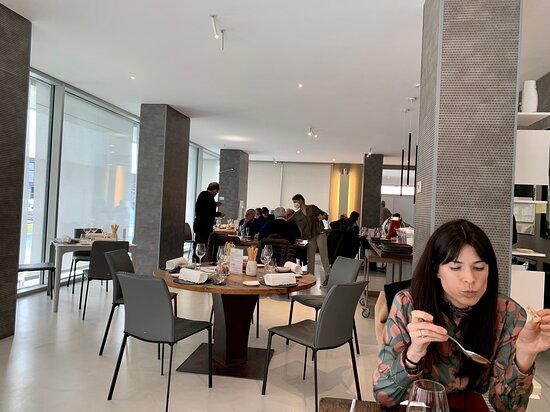
Glass, Gardens, and the Architecture of Eating Well
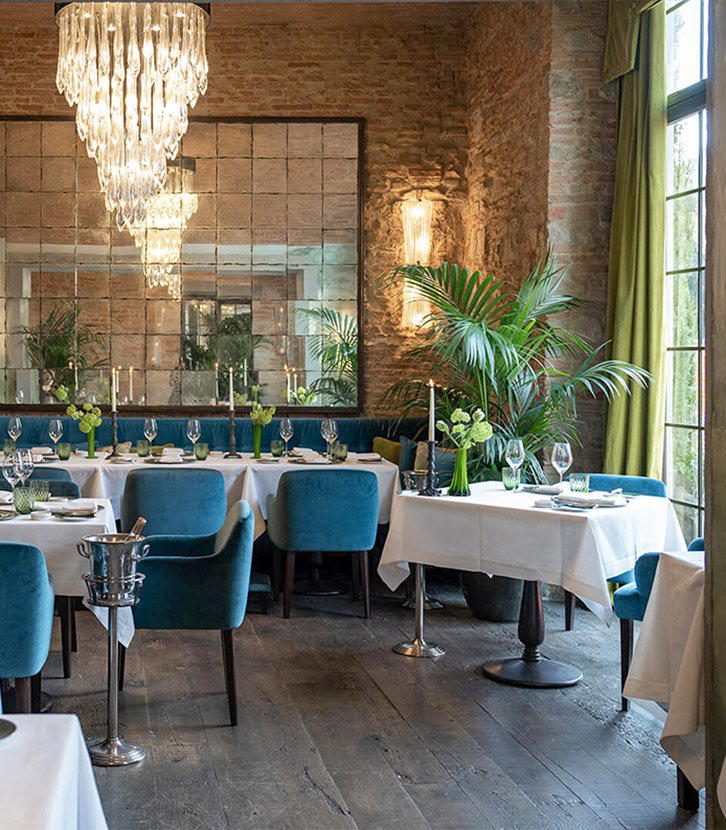
Drive out from Turin along the flat industrial corridor toward Orbassano and the expectation is warehouses and roundabouts. Casa Format subverts that read almost immediately. The building announces itself through scale and transparency: large windows run across the facade, designed to capture and redistribute solar energy, making the structure as much a statement about how a restaurant should sit on its land as it is about what arrives on the plate. Before a menu is opened, the architecture has already framed the argument, this is a place where the relationship between the built environment and the natural one has been thought through.
That argument carries directly into the kitchen. An on-site vegetable garden supplies the restaurant with produce harvested at the point of optimal use, the kind of sourcing logic that bypasses the distribution chain entirely. In a region where Piemonte's agricultural identity runs deep, from the truffle markets of Alba to the Langhe's vine-covered hillsides, the decision to anchor a modern restaurant in its own growing plot reads as both practical and deliberate. The garden is not a marketing device; it is an operational one, and the menu reflects that distinction.
What the Vegetable Garden Changes
Ingredient-led cooking means different things at different price tiers. At the summit of the Italian fine dining hierarchy, venues such as Piazza Duomo in Alba, Le Calandre in Rubano, or Osteria Francescana in Modena build their sourcing programs around named producers, seasonal exclusivity, and documented provenance. At the €€ tier, the equivalent statement is harder to sustain without direct land control. An on-site vegetable garden resolves that tension. What goes on the plate has a shorter, more verifiable journey than almost anything arriving through a conventional supply network.
The practical effect shows up in the menu's character: Michelin's own notes on Casa Format describe the cooking as authentic and tasty, with original ideas. That last phrase carries weight in Michelin's vocabulary. It does not mean clever for its own sake, it means a kitchen applying invention to ingredients it knows precisely, rather than sourcing to match a predetermined concept. The Carpigiani ice cream, whipped at the machine before service, is cited as an example: a finishing technique that depends on timing and calibration, not on rare components. The sophistication is in the execution, not the ingredient list.
A Sustainable Complex in Context
The language around sustainability in Italian dining has become easier to deploy than to substantiate. Casa Format's approach is structural. The solar-optimising windows are not an add-on retrofit, they define the building. The vegetable garden operates as a supply chain decision, not a decorative feature. Together, they constitute what the venue describes as a sustainable complex, a designation that implies integration across energy, sourcing, and design rather than a single green credential.
This positions the restaurant within a broader movement in Italian gastronomy toward restaurants that treat their physical and agricultural context as part of the dining proposition. The conversation in the sector runs from Reale in Castel di Sangro, with its farm-to-table research model, through to international benchmarks like Atelier Moessmer Norbert Niederkofler in Brunico, where the Alpine ingredient sourcing philosophy has earned three Michelin stars. The restaurant operates at a more accessible price point than any of those references, which makes its commitment to integrated sourcing more notable rather than less.
Recognition and Peer Positioning
The restaurant holds Michelin Plate status in both 2024 and 2025, the guide's acknowledgement of consistently good cooking without star classification. In the context of Piemonte, a region that hosts multiple three-star addresses and a dense concentration of serious dining, holding two consecutive Plate recognitions at the €€ level indicates a kitchen that Michelin has found worth tracking.
The comparable set for the restaurant is not the three-star circuit, not Dal Pescatore in Runate, not Enoteca Pinchiorri in Florence, not Enrico Bartolini in Milan. Those operate at €€€€ and compete on entirely different terms. The more relevant comparison is with the mid-tier modern Italian restaurants across the greater Turin metropolitan area that aim at creative cooking without luxury pricing. Within that group, the sustainable building, the working kitchen garden, and the consecutive Michelin acknowledgements are differentiating facts.
For reference on how the modern cuisine format performs internationally, Frantzén in Stockholm and FZN by Björn Frantzén in Dubai represent what the format looks like at stronger examples from the price and recognition scale. The distance between those addresses and the restaurant is considerable, but the underlying logic, of applied technique and considered sourcing at a counter where the kitchen controls the variables, runs in the same direction. Other Italian references worth understanding for context include Uliassi in Senigallia, Quattro Passi in Marina del Cantone, and Casa Perbellini 12 Apostoli in Verona.
Planning a Visit
The restaurant is located at Via Tetti Valfre Frazione in Orbassano, roughly within the wider Turin metropolitan ring. The setting rewards arriving with time rather than fitting it between other stops, the building and garden are part of the experience, not merely the backdrop to it. At the €€ price range, the restaurant sits well within reach for a weekday dinner or a longer weekend itinerary based out of Turin.
How It Stacks Up
Comparable venues nearby, for context on price, style, and recognition.
| Venue | Cuisine | Price | Awards | Notes |
|---|---|---|---|---|
| Casa FormatThis venue — the venue you are viewing | Modern Italian Farm-to-Table | $$$ | Michelin Plate | Not listed |
| Between | Modern Piedmontese with Mediterranean Influences | $$$ | Michelin Plate | Rivoli |
| Stefano Paganini alla Corte degli Alfieri | Modern Piedmontese Fine Dining | $$$ | Michelin Plate | Magliano Alfieri |
| La Limonaia | Contemporary Italian | $$$ | Michelin Plate | San Paolo |
| Residenza del Lago | Traditional Italian Canavese | $$$ | Michelin Plate | Candia Canavese |
| Trattoria del Bivio | Piedmontese Trattoria | $$$ | Michelin Plate | Alta Langa |
Recognition history
Dated appearances from independent guides and award organizations, with the underlying list record or original source where available.
Michelin Plate
Michelin
Michelin Plate
Michelin
Michelin Plate
Michelin
Continue exploring
More in Orbassano
Restaurants in Orbassano
Browse all →
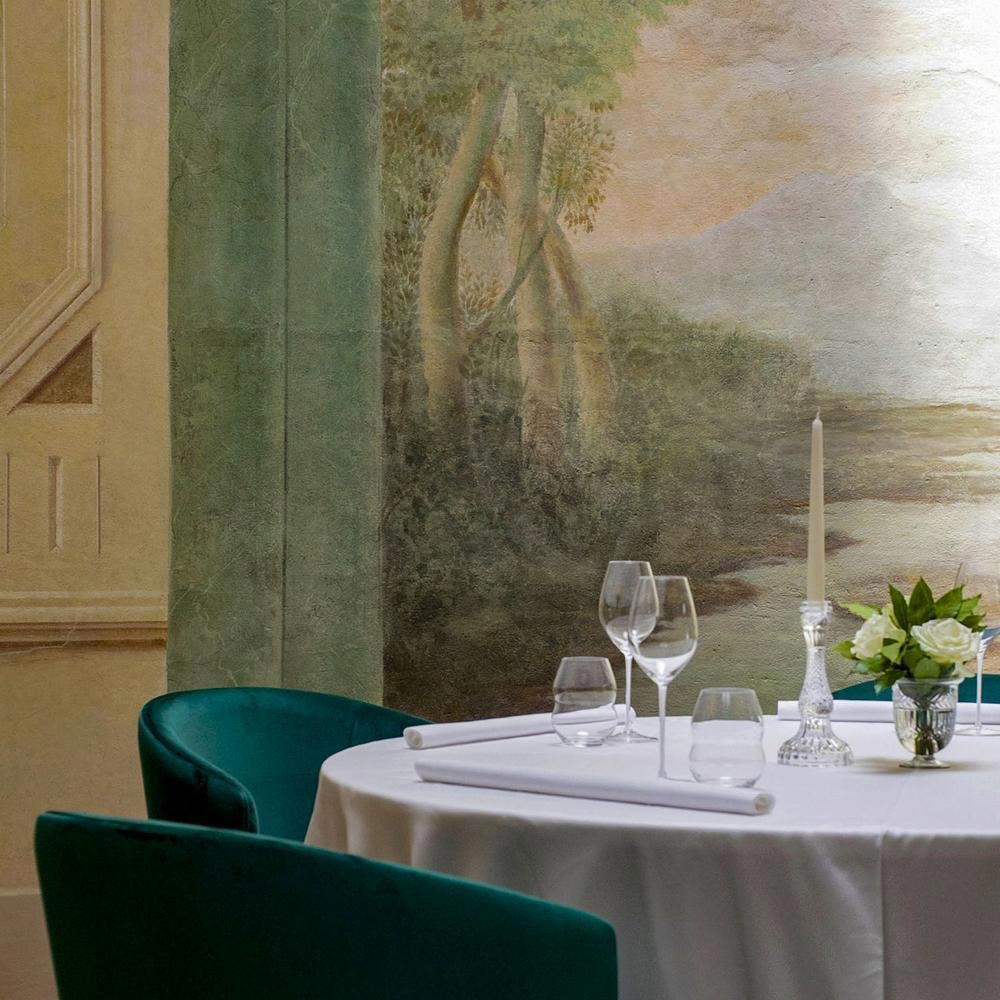
Bars in Orbassano
Browse all →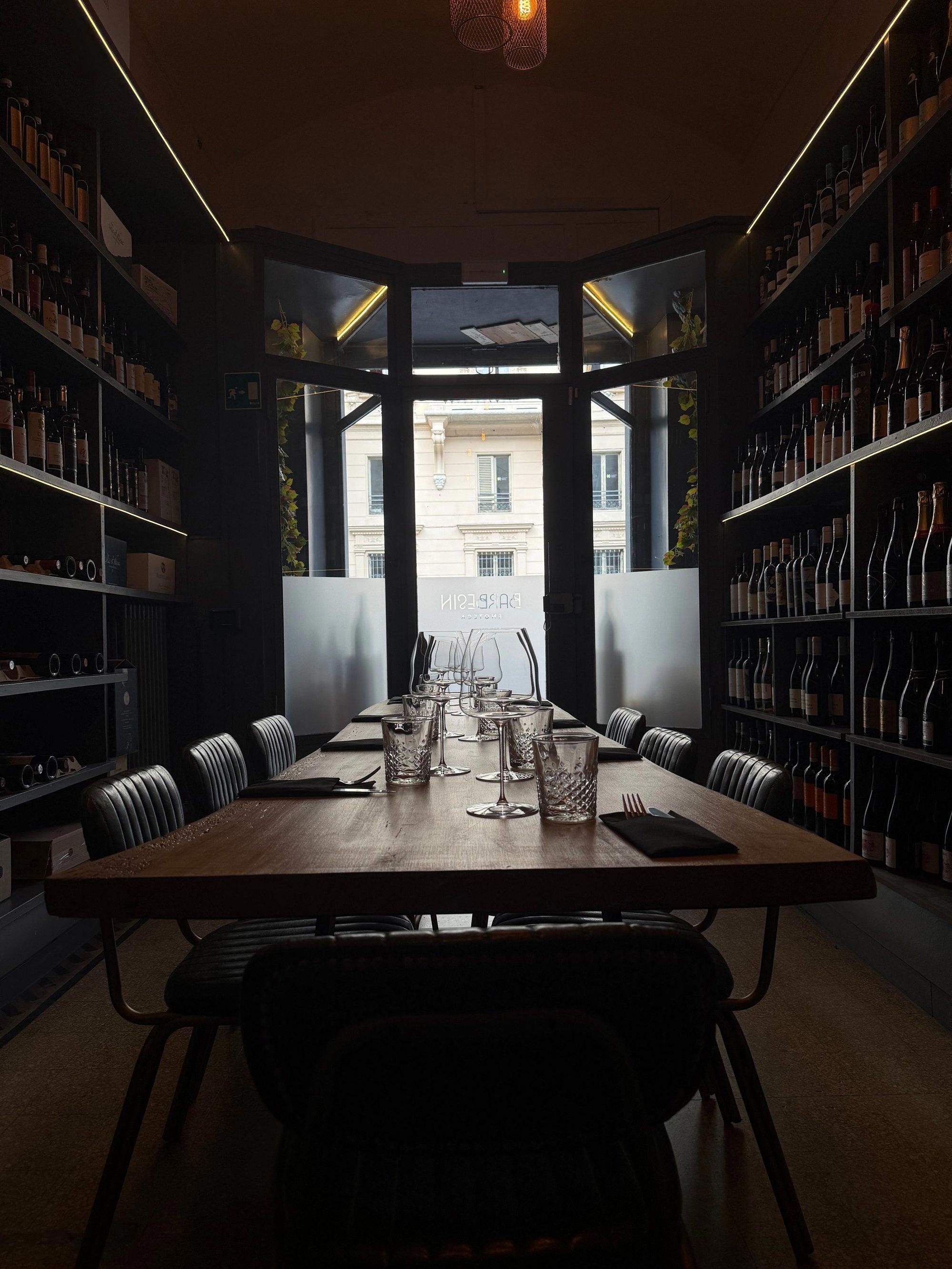
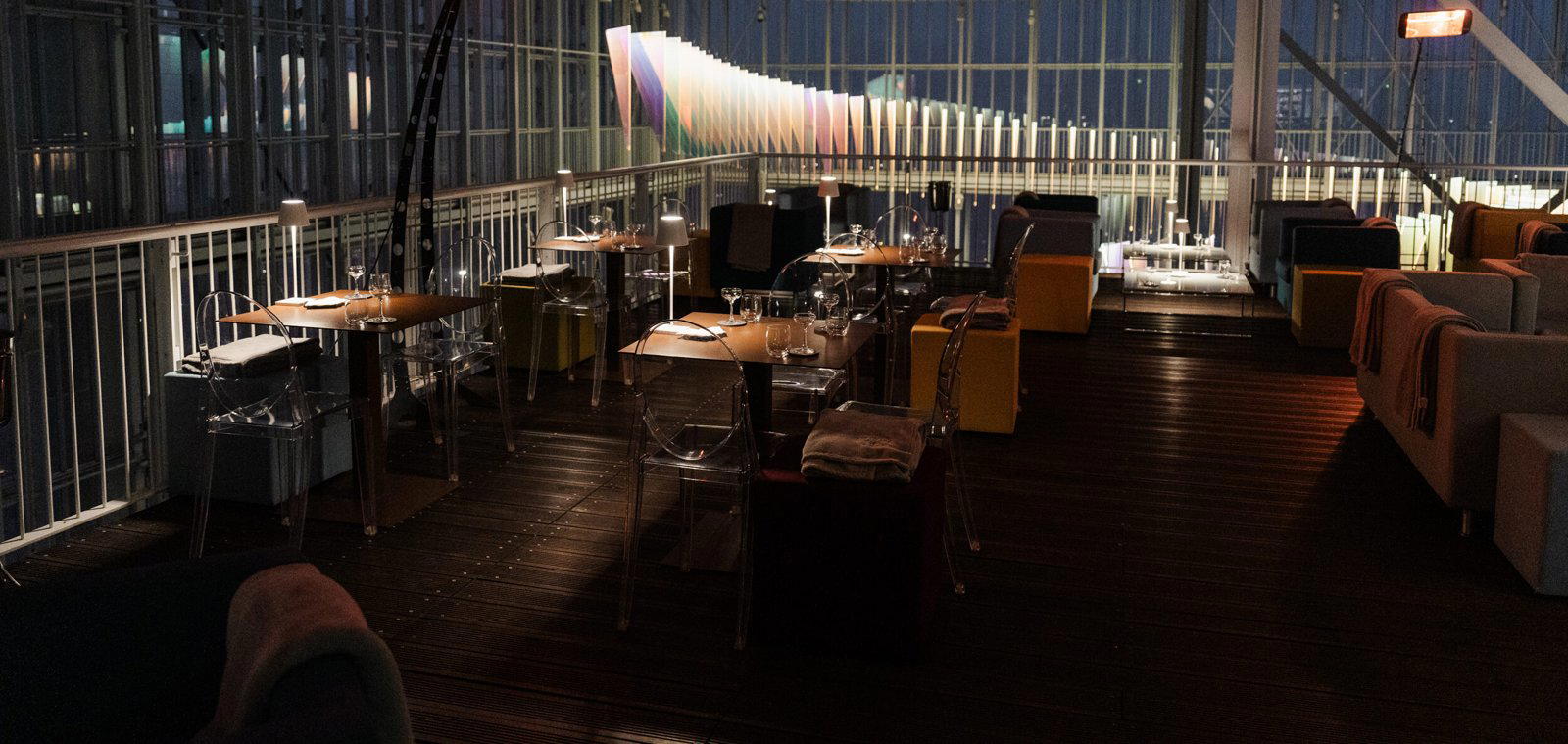
Hotels in Orbassano
Browse all →

At a Glance
- Modern
- Elegant
- Scenic
- Quiet
- Sophisticated
- Date Night
- Celebration
- Special Occasion
- Group Dining
- Family
- Garden
- Private Dining
- Open Kitchen
- Design Destination
- Standalone
- Natural Wine
- Sommelier Led
- Farm To Table
- Organic
- Local Sourcing
- Natural Wine
- Garden
Current opening hours
- Monday
- 12:30–2 PM, 7:30–9:30 PM
- Tuesday
- Closed
- Wednesday
- Closed
- Thursday
- 12:30–2 PM, 7:30–9:30 PM
- Friday
- 12:30–2 PM, 7:30–9:30 PM
- Saturday
- 12:30–2 PM, 7:30–9:30 PM
- Sunday
- 12:30–2 PM, 7:30–9:30 PM
Hours can change for holidays and private events. Last verified .
Bright, modern design with large windows overlooking gardens and pool; contemporary white and gray interior with excellent acoustics; feels refined yet informal with warm, family-like service atmosphere.