
Casa Fernández occupies a corner of Sarrià-Sant Gervasi, one of Barcelona's more residential and least touristed upper districts. The address places it within a neighbourhood that historically supported a different register of dining than the Eixample or Gothic quarter, one shaped more by local custom than visitor appetite. For readers tracing how traditional Spanish hospitality persists inside a city increasingly defined by avant-garde cooking, this is a useful reference point.
Pearl is the En Primeur Club membership app — saves, bookings, and concierge access live there. Same editors, same standards.
- Address
- Carrer de Santaló, 46, Sarrià-Sant Gervasi, 08021 Barcelona, Spain
- Phone
- +34932019308
- Website
- drymartiniorg.com
- Directions
- Get directions
 Saves & bookings on Pearl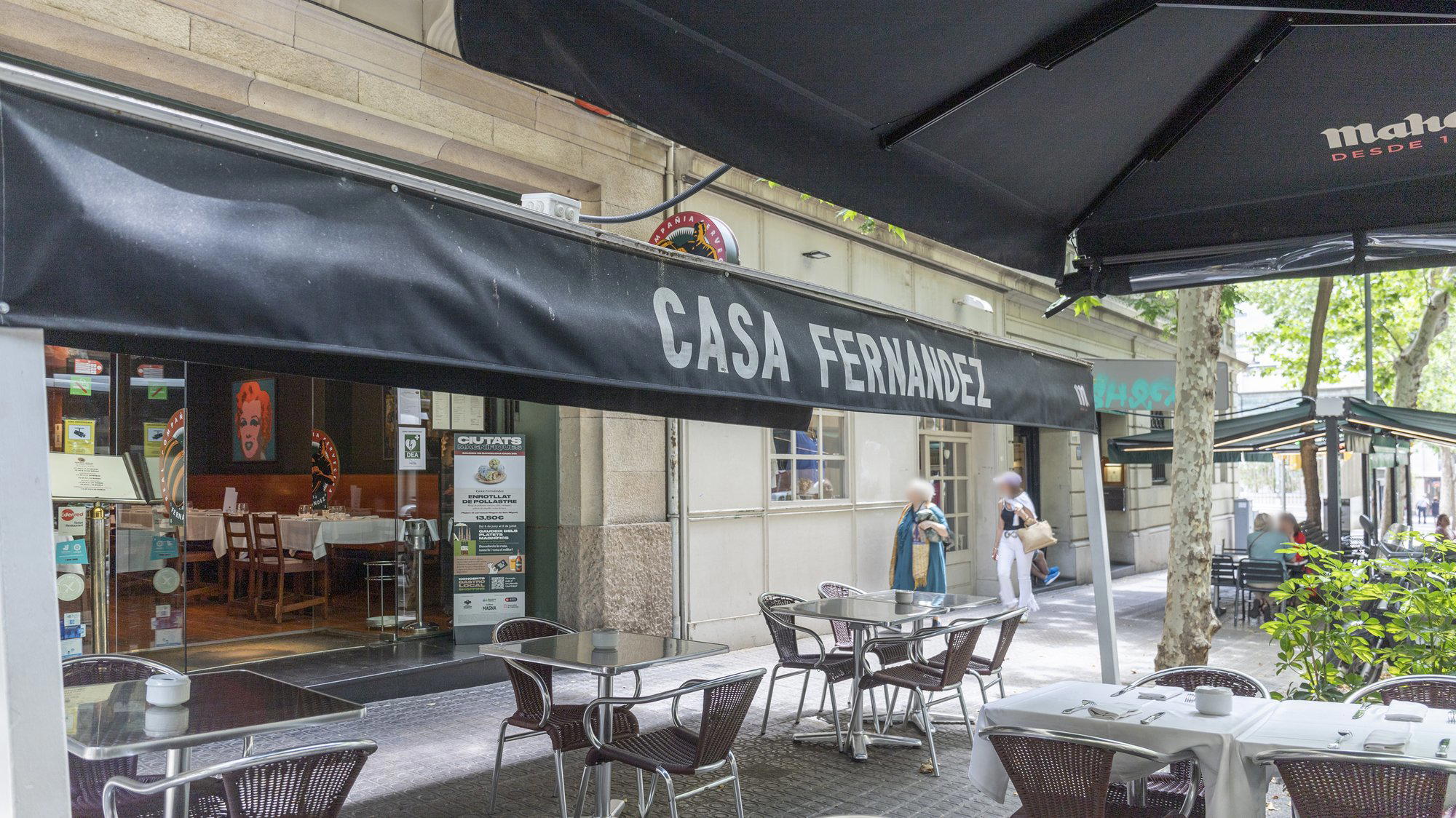
The Neighbourhood Before the Room
Sarrià-Sant Gervasi sits above the grid. Where the Eixample's octagonal blocks and the Gòtic's tourist pressure define most visitors' experience of Barcelona, this upper district has long operated on a different register: quieter streets, a residential character that predates the city's tourism boom, and a dining culture shaped more by return customers than passing trade. Carrer de Santaló, where Casa Fernández holds its address, runs through the heart of that zone. The street has enough neighbourhood cafés, wine bars, and small restaurants to read as a self-contained dining corridor, the kind that sustains itself on proximity and habit rather than reviews and reservations platforms.
That physical and social context matters when placing any restaurant in Barcelona. The city's most-discussed dining happens elsewhere: the avant-garde programs at Disfrutar (Progressive, Creative) and Enigma (Creative), the Michelin-stacked tasting menus at Lasarte (Progressive Spanish, Creative) and ABaC (Creative), the theatrical kitchen of Cocina Hermanos Torres (Creative). Casa Fernández does not share a tier or a conversation with those venues. It occupies a different layer of the city's food life, the one that visitors rarely seek out and locals rarely feel the need to explain.
What Spanish Traditional Dining Actually Means in This Context
Spain's relationship with its own culinary inheritance is complicated. The country that gave the world molecular gastronomy and counted elBulli as its most globally visible export for two decades has also maintained, largely out of public view, an unbroken tradition of regional home cooking translated into neighbourhood restaurants. Galician seafood houses, Castilian roast houses, Basque pintxos bars, Catalan market-driven family restaurants: these formats have persisted in parallel with the avant-garde wave, serving a different need and a different customer.
Catalonia's traditional cooking draws on the same Mediterranean larder, salt cod, beans, tomatoes rubbed on bread, pork in many forms, seafood from the Costa Brava and the Delta de l'Ebre, but its expression in Barcelona has often been quieter than the region's cuisine tends to suggest. The capital's most visible food culture skews creative and expensive. The traditional end of the spectrum can require more effort to locate, and addresses in residential districts like Sarrià-Sant Gervasi are often where that search ends productively.
Spanish dining at this register fits a broader pattern visible across the country's mid-sized cities and provincial towns. Whether in the tapas bars of Seville, the pintxos counters of San Sebastián, or the market restaurants of Valencia, the underlying logic is similar: seasonal produce bought that morning, techniques carried across generations, rooms that prioritise the meal over the setting. Spain's decorated fine-dining circuit, from El Celler de Can Roca in Girona to Quique Dacosta in Dénia, from Arzak in San Sebastián to Martin Berasategui in Lasarte-Oria, draws on that same base, translating it into tasting-menu formats built for international recognition. Neighbourhood places like Casa Fernández occupy the other end of the same continuum.
Where It Sits Against Barcelona's Dining Tiers
Barcelona now runs a fairly distinct tiering system in restaurants. At the leading sit the multi-Michelin venues and the globally recognised creative programs: Disfrutar, Lasarte, Cocina Hermanos Torres. Below that, a second tier of modern Spanish and Catalan cooking, Cinc Sentits, Enoteca Paco Pérez, where tasting menus remain the format but price points are marginally more accessible. Further down, a neighbourhood layer where the meal is the point and the format is à la carte or daily specials, the room is local, and the cooking does not require a critical framework to be satisfying.
Casa Fernández addresses in Sarrià-Sant Gervasi place it in that third register. This is neither a criticism nor a consolation: Spain's restaurant culture at its most functional operates precisely at that level. The country's greatest dining traditions, the Basque txoko culture explored by houses like Mugaritz in Errenteria, the seafood-driven Galician approach, the Extremaduran food culture visible at places like Atrio in Cáceres, all have roots in cooking that was local before it was celebrated. A neighbourhood Spanish restaurant in a residential Barcelona district is a direct descendant of that tradition, not a lesser version of it.
Why the Address Matters to the Reader
Most visitors to Barcelona organise their dining around the Gothic quarter, the Born, Barceloneta's seafood strip, or the Eixample. Sarrià-Sant Gervasi requires a different orientation: the area is accessible by FGC train from Plaça Catalunya, which puts it within practical range of the city centre, but it reads and functions as a residential district. Dining there is a choice to eat alongside Barcelona's residents rather than its visitors, which changes the room's dynamic, the pace of service, and often the price of the meal.
For readers building an itinerary that allocates one or two evenings to avant-garde tasting menus, at Disfrutar, ABaC, or Enigma, and wants the other meals to reflect how the city actually eats, the upper residential districts offer that counterbalance. The same principle applies to readers who compare Barcelona's approach to visitors with other cities, for a broader map of the city's tiers and neighbourhoods.
Spain's dining culture rewards that kind of range. The same week can hold DiverXO in Madrid and a market lunch in a neighbourhood bar without the two experiences undermining each other. Or, for readers travelling beyond Spain, the contrast is visible in international parallels: the gap between Le Bernardin in New York City and a neighbourhood bistro, or between Lazy Bear in San Francisco and a Mission taqueria. The restaurant belongs in the latter category of that comparison: the local constant, not the special occasion destination.
For readers with a specific interest in how Spain's regional food traditions survive inside a city as internationally oriented as Barcelona, the Sarrià-Sant Gervasi address is precisely where to look. Aponiente's marine research in El Puerto de Santa María or Ricard Camarena's vegetable-forward cooking in València represents one direction Spanish cuisine has travelled. The neighbourhood restaurant in an upper Barcelona district represents another, no less valid, and more instructive about what the culture actually eats on an ordinary evening.
Know Before You Go
Address: Carrer de Santaló, 46, Sarrià-Sant Gervasi, 08021 Barcelona, Spain
District: Sarrià-Sant Gervasi, residential upper Barcelona, accessible via FGC from Plaça Catalunya
Price range: About $39 per person
Booking: Recommended
Hours: Mon: 1–5 PM, 7 PM–12 AM; Tue: 1–5 PM, 7 PM–12 AM; Wed: 1–5 PM, 7 PM–12 AM; Thu: 1–5 PM, 7 PM–12 AM; Fri: 1–5 PM, 7 PM–1 AM; Sat: 12–5 PM, 7 PM–1 AM; Sun: 12 PM–12 AM
Context: A neighbourhood Spanish tapas and Mediterranean restaurant that suits itineraries pairing creative fine dining at venues like Disfrutar or Lasarte with local-facing meals
Cuisine-First Comparison
Comparable venues nearby, for context on price, style, and recognition.
| Venue | Cuisine | Price | Notes |
|---|---|---|---|
| Casa FernándezThis venue — the venue you are viewing | Spanish Tapas & Mediterranean | $$ | Not listed |
| Maysi Restaurant Barcelona | Mediterranean & Spanish Cuisine | $$ | l'Antiga Esquerra de l'Eixample |
| Mesa Lobo | French-Nordic Market Bistro with Catalan Influences | $$ | l'Antiga Esquerra de l'Eixample |
| Denassus | Modern Catalan Tapas & Natural Wine | $$ | Sant Antoni |
| SAGARDI BCN Gòtic | Traditional Basque Pintxos & Tapas | $$ | Sant Pere, Santa Caterina i la Ribera |
| La Barra del 7 Portes | Traditional Catalan Tapas | $$ | Sant Gervasi - Galvany |
Recognition history
Dated appearances from independent guides and award organizations, with the underlying list record or original source where available.
Macarfi 7.2 Food Rating
Macarfi
Continue exploring
More in Barcelona
Restaurants in Barcelona
Browse all →
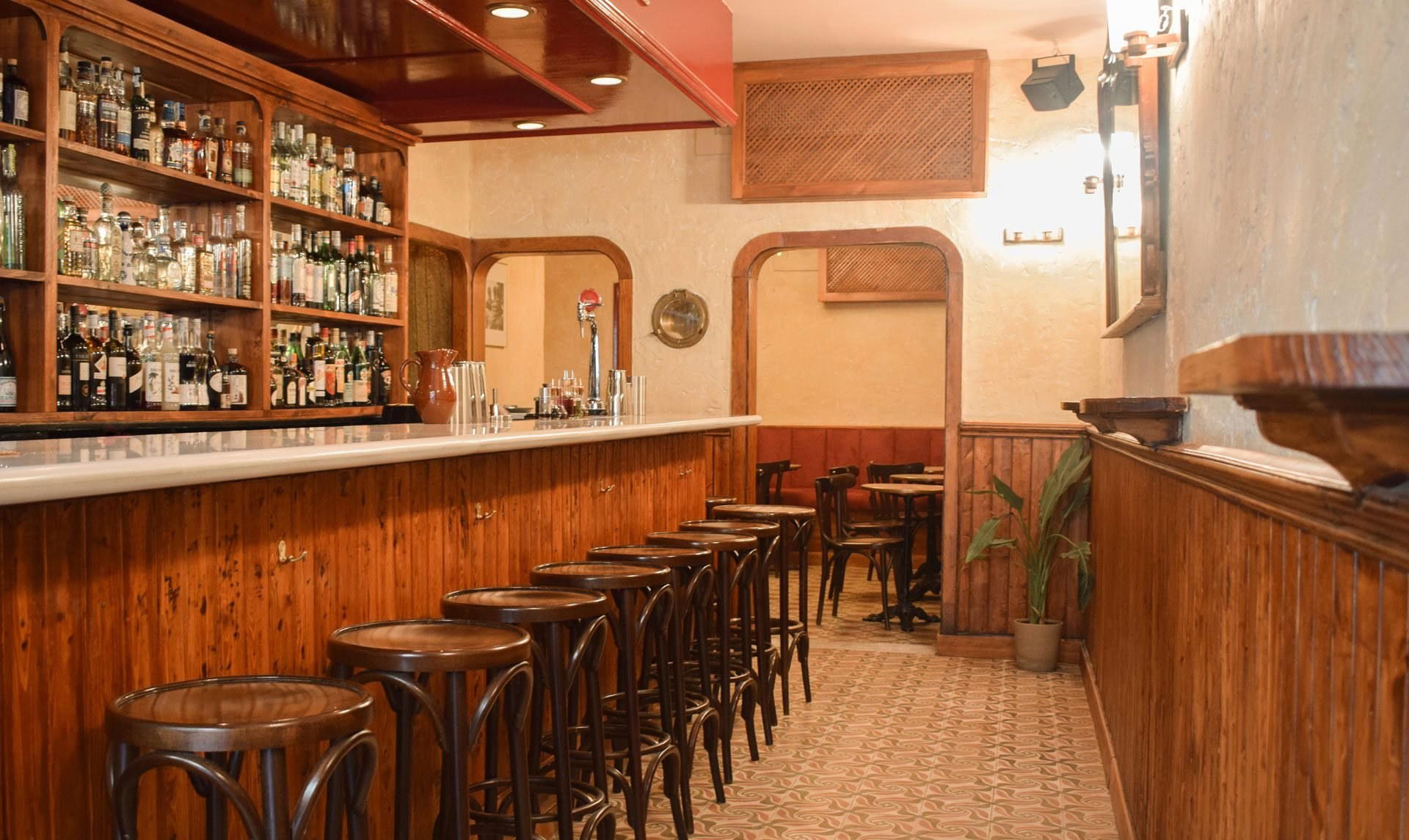
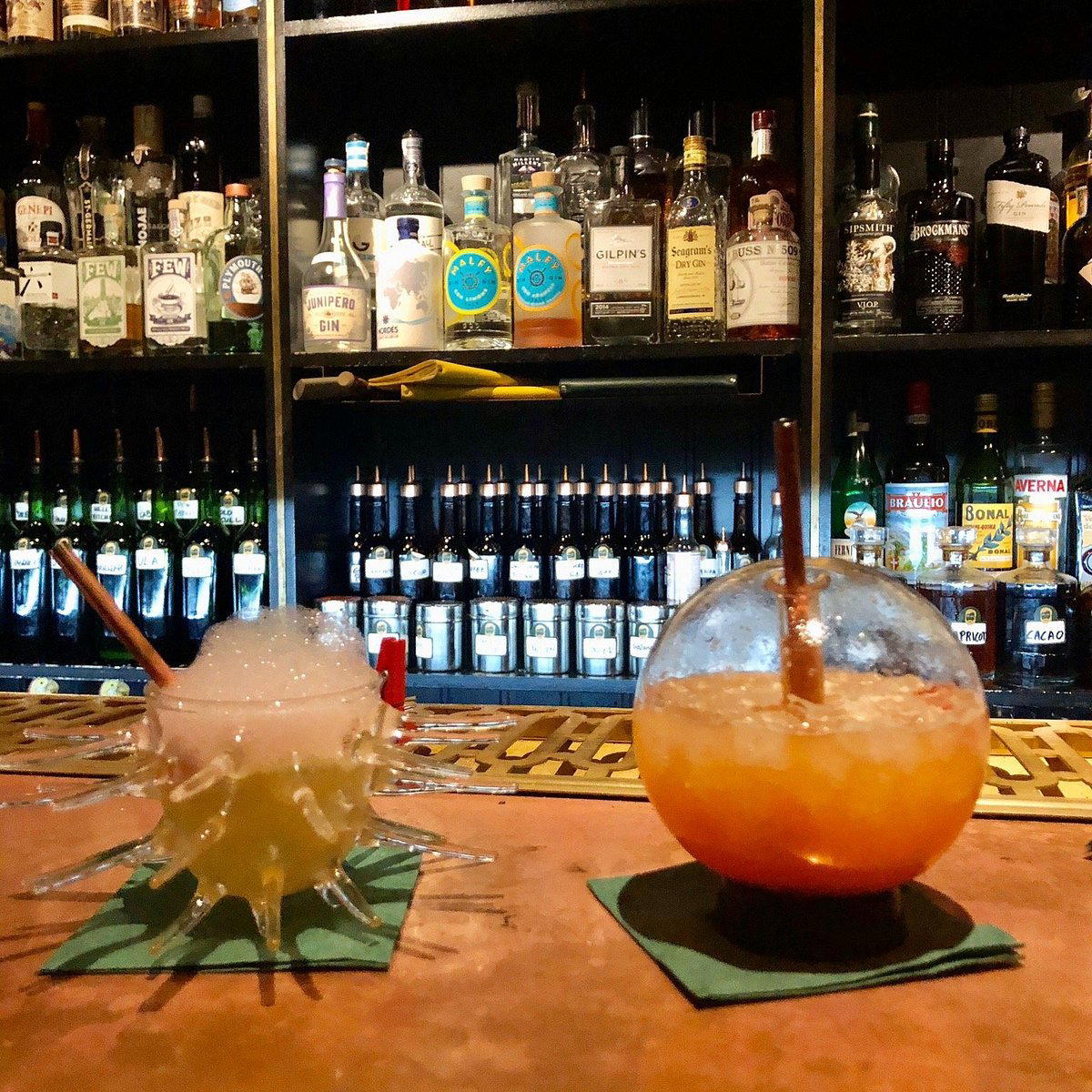
Bars in Barcelona
Browse all →
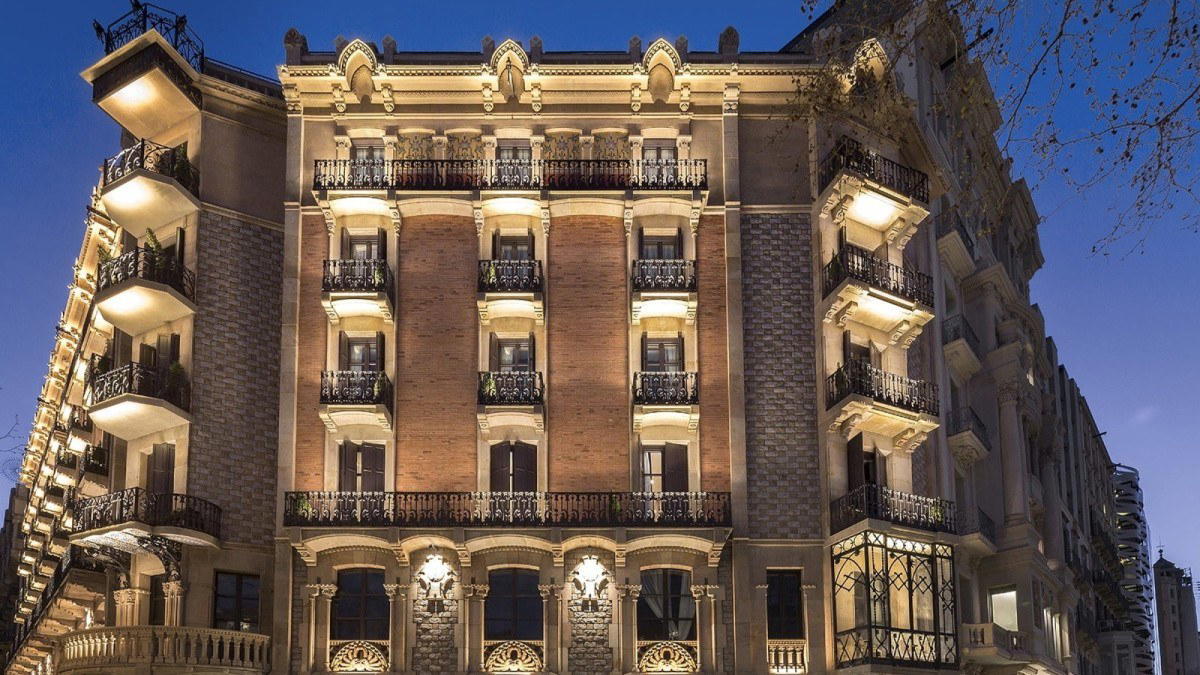
Hotels in Barcelona
Browse all →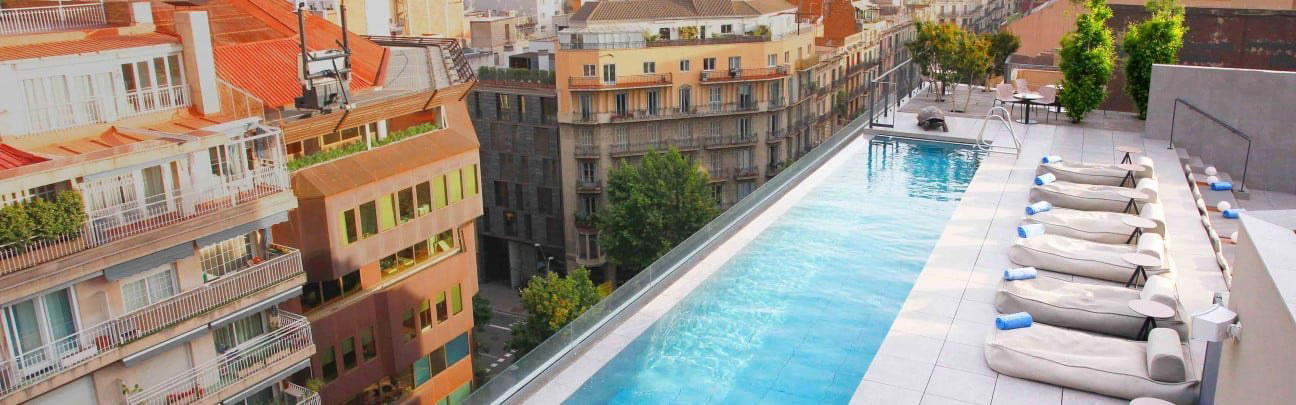
At a Glance
- Classic
- Elegant
- Lively
- Sophisticated
- Casual Hangout
- Group Dining
- After Work
- Date Night
- Terrace
- Open Kitchen
- Standalone
- Craft Cocktails
- Beer Program
- Local Sourcing
- Farm To Table
- Street Scene
Current opening hours
- Monday
- 1–5 PM, 7 PM–12 AM
- Tuesday
- 1–5 PM, 7 PM–12 AM
- Wednesday
- 1–5 PM, 7 PM–12 AM
- Thursday
- 1–5 PM, 7 PM–12 AM
- Friday
- 1–5 PM, 7 PM–1 AM
- Saturday
- 12–5 PM, 7 PM–1 AM
- Sunday
- 12 PM–12 AM
Hours can change for holidays and private events. Last verified .