On Carrer d'Aribau in the Eixample, Maysi Restaurant occupies a stretch of Barcelona's dining scene where neighbourhood ambition runs alongside serious culinary intent. The address places it within reach of the city's creative restaurant corridor, making it a reference point for those tracking where mid-tier Barcelona dining is heading and what it draws from Spain's produce-rich interior and coastline.
Pearl is the En Primeur Club membership app — saves, bookings, and concierge access live there. Same editors, same standards.
- Address
- Carrer d'Aribau, 159, Eixample, 08036 Barcelona, Spain
- Phone
- +34627971216
- Website
- maysibarcelona.com
- Directions
- Get directions
 Saves & bookings on Pearl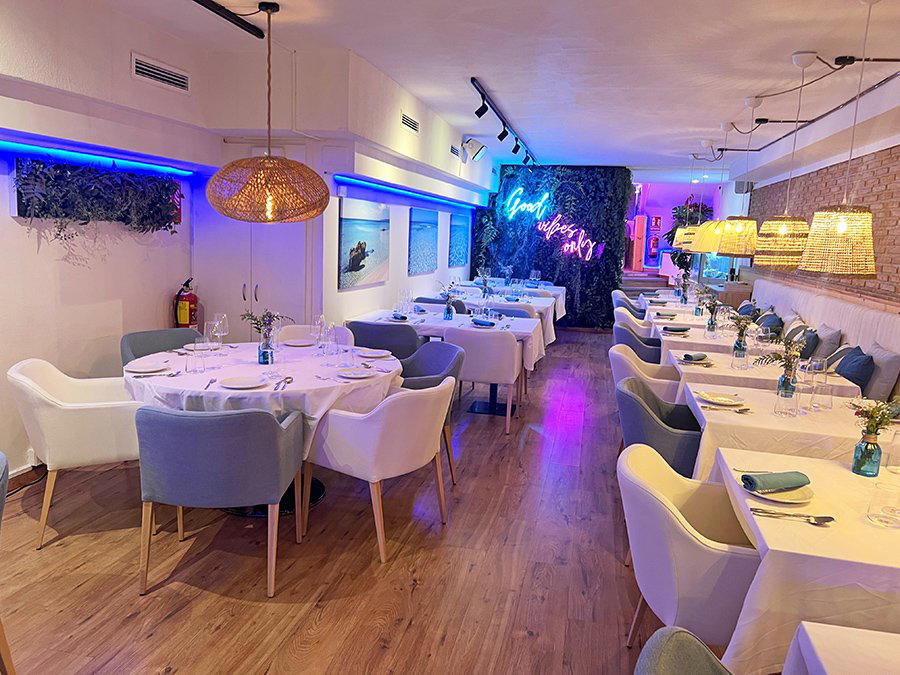
Carrer d'Aribau and the Eixample's Dining Character
Barcelona's Eixample district has always functioned as the city's dining backbone rather than its headline act. The grand avenues and octagonal blocks that define the neighbourhood host everything from neighbourhood tapas bars to addresses that hold their own against the city's most-discussed creative restaurants. Carrer d'Aribau, where Maysi Restaurant sits at number 159, runs south from the Diagonal through a stretch that has steadily attracted serious kitchen operations over the past decade. The street's profile sits between the tourist-heavy Gothic Quarter and the destination-dining showrooms of the upper city, which means the restaurants that do well here tend to earn their trade from local regulars and informed visitors rather than foot traffic alone.
That dynamic shapes what Eixample restaurants cook and how they source it. Without the luxury of capturing passing visitors who will leave satisfied regardless of the experience, the kitchens on streets like Aribau have to earn repeat custom, and repeat custom in Barcelona is built on product integrity as much as technique. The city sits at a geographical intersection that makes ingredient sourcing a structural advantage: the Mediterranean coast is within an hour, the Pyrenean foothills supply game and mountain herbs, Catalonia's interior produces some of Spain's most characterful vegetables and legumes, and the Boqueria and smaller specialist markets keep competitive pressure on quality throughout the supply chain.
What Ingredient Sourcing Means in Barcelona's Restaurant Scene
Across Barcelona's serious dining tier, the conversation about sourcing has shifted from marketing language to operational discipline. At the level occupied by addresses like Disfrutar (Progressive, Creative) and Cocina Hermanos Torres (Creative), sourcing decisions are embedded into the kitchen's creative logic: the ingredient dictates the direction, not the other way around. That approach has filtered down through the city's mid-tier, where restaurants are increasingly defined by the quality and specificity of their supply relationships rather than by conceptual novelty alone.
Spain's national restaurant scene, from El Celler de Can Roca in Girona to Aponiente in El Puerto de Santa María, has built its international reputation partly on the specificity of regional produce: Galician octopus, Andalusian tuna, Basque txakoli, the micro-seasonal vegetables of the Ebro Delta. In Barcelona, that national conversation intersects with Catalan culinary identity, which has its own emphatic relationship with seasonal produce and a tradition of mar i muntanya cooking that bridges seafood and mountain ingredients within a single dish. Restaurants in the Eixample that take sourcing seriously are drawing on that layered tradition, even when the cooking doesn't read as explicitly traditional.
The comparison with what's happening at Lasarte (Progressive Spanish, Creative) or ABaC (Creative) at the upper end of the city's dining register is instructive. Those addresses operate with the budget and the supplier networks to access hyper-premium product from across Spain and beyond. Neighbourhood-anchored restaurants on Aribau operate in a different register, where sourcing intelligence means knowing which market stall, which fish merchant, or which small-scale vegetable grower is consistent week to week. That kind of sourcing granularity is its own form of expertise, and it tends to produce cooking that is less conceptually ambitious but more directly honest about what the ingredient actually is.
The Eixample in Context: Where Maysi Sits
The Eixample's dining tier is wide. At the leading, it brushes against the creative restaurant corridor that runs through Barcelona's most-discussed addresses. Below that, there is a substantial layer of serious, produce-focused cooking that doesn't attract international press but maintains a steady following among the city's own population. Maysi Restaurant at Carrer d'Aribau, 159 operates within that second tier, in a district where the benchmark is set not by Michelin inspectors but by the expectations of Barcelonins who eat out regularly and are unforgiving of mediocrity.
For context, Barcelona's formally recognised creative restaurants, including Enigma (Creative), operate with tasting menu formats and pricing structures that exclude most casual visits. The Eixample mid-tier serves the gap between that and the city's abundant tapas culture: restaurants where a full dinner is a considered event without being an occasion that requires months of advance planning or a specific budget allocation. That gap is where Barcelona's most consistent everyday quality tends to live, and it's the segment most influenced by market proximity and seasonal discipline.
Spain's broader restaurant geography, spanning Arzak in San Sebastián, Azurmendi in Larrabetzu, Martin Berasategui in Lasarte-Oria, Mugaritz in Errenteria, Quique Dacosta in Dénia, Ricard Camarena in València, DiverXO in Madrid, and Atrio in Cáceres, demonstrates how deeply regional identity shapes restaurant ambition across the country. Barcelona's contribution to that map is its insistence on product quality at every price point, a standard that Eixample restaurants either meet or quietly close.
The comparison is useful not because the restaurants are equivalent in format or price, but because it illustrates that particularly durable restaurant reputations, at whatever tier, tend to be built on the same foundation: knowing where the food comes from and making that knowledge visible in what arrives on the plate.
What It’s Closest To
Comparable venues nearby, for context on price, style, and recognition.
| Venue | Cuisine | Price | Notes |
|---|---|---|---|
| Maysi Restaurant BarcelonaThis venue — the venue you are viewing | Mediterranean & Spanish Cuisine | $$ | Not listed |
| La Taverna Del Suculent | Modern Spanish Tapas | $$ | el Raval |
| El Glop Gaudí | Traditional Catalan | $$ | la Sagrada Familia |
| TAPAS AVINYO | Authentic Spanish Tapas | $$ | Barri Gotic |
| Las Palmeras - Casino Seat | Traditional Spanish | $$ | la Marina de Port |
| Bodega Alaparra | Spanish Wine Bar with Tapas | $$ | el Poblenou |
Continue exploring
More in Barcelona
Restaurants in Barcelona
Browse all →
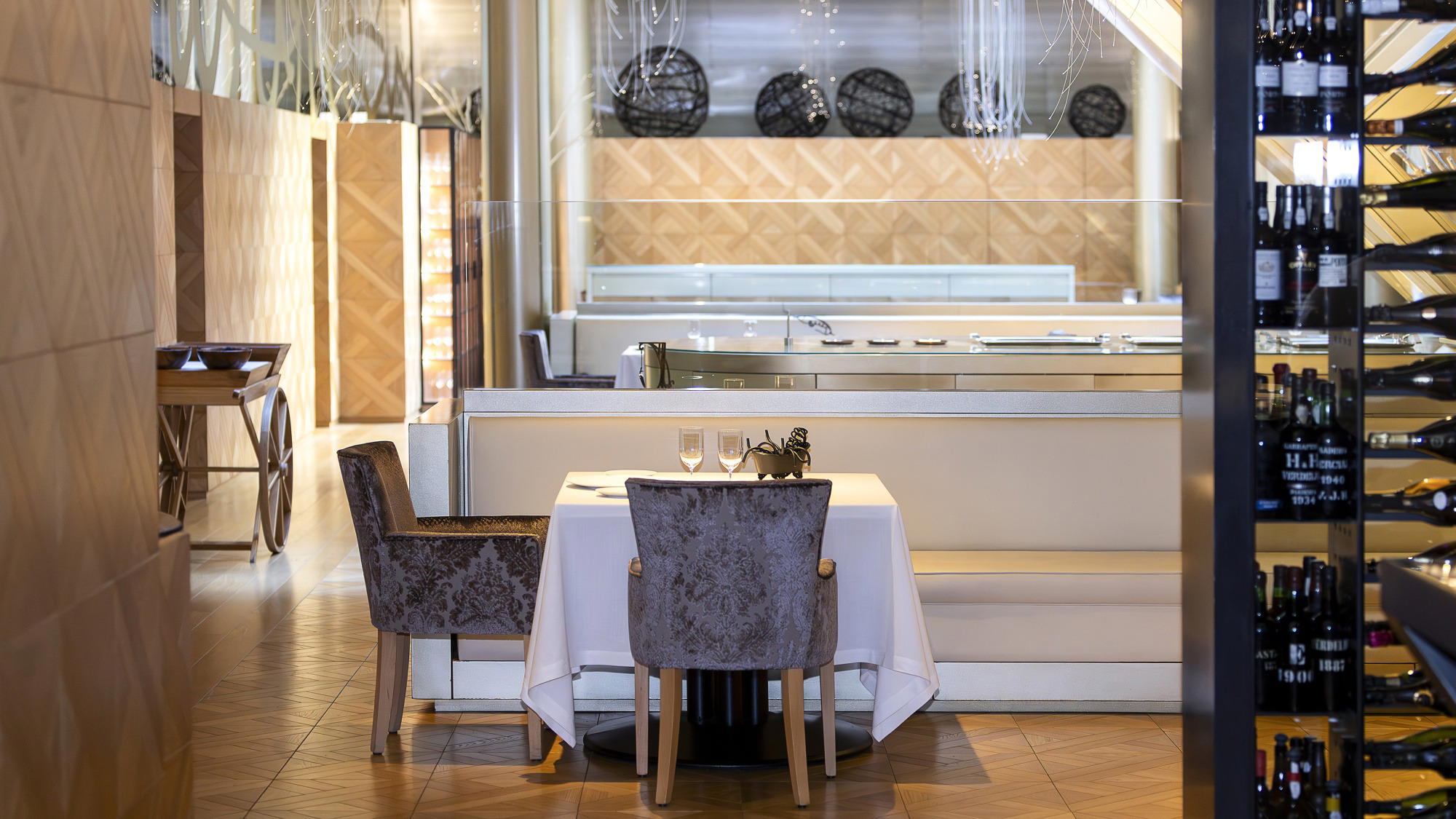
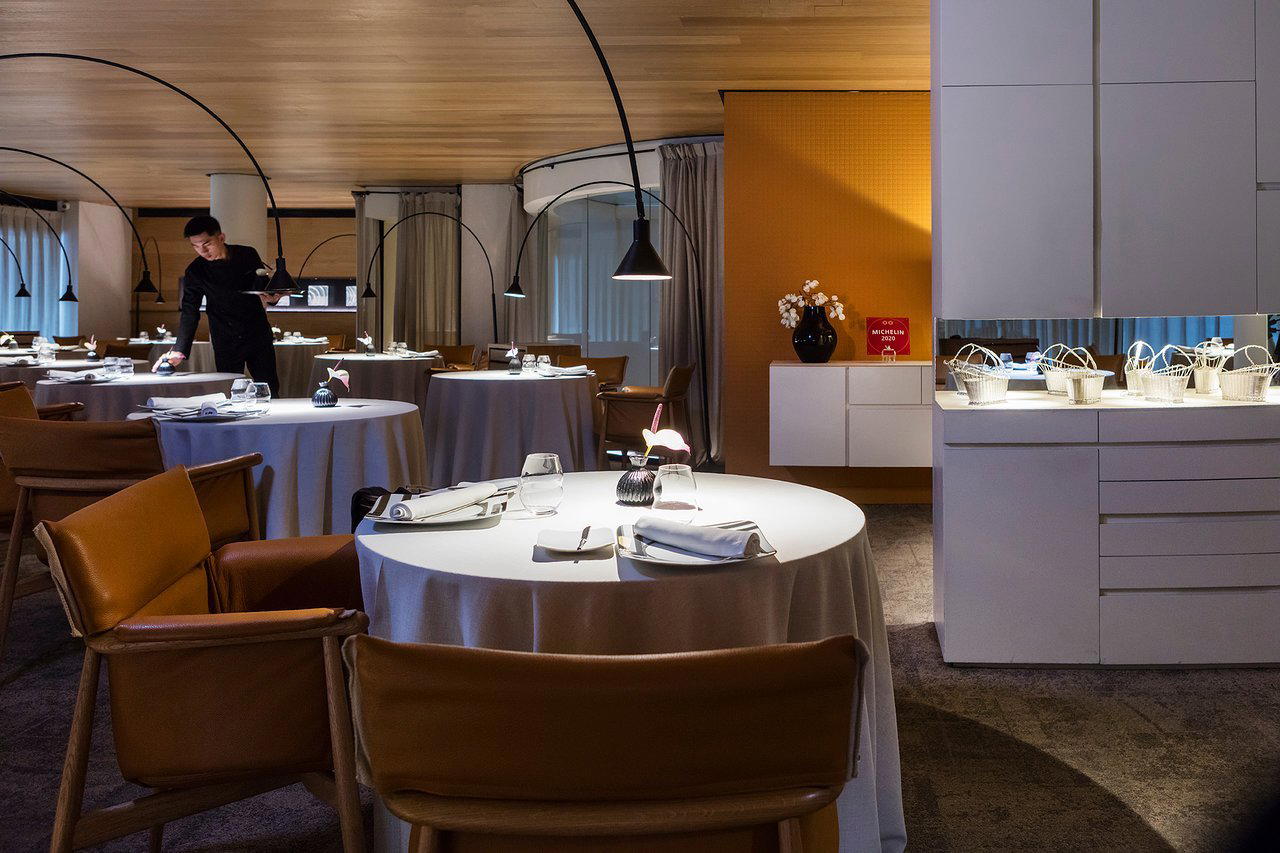
Bars in Barcelona
Browse all →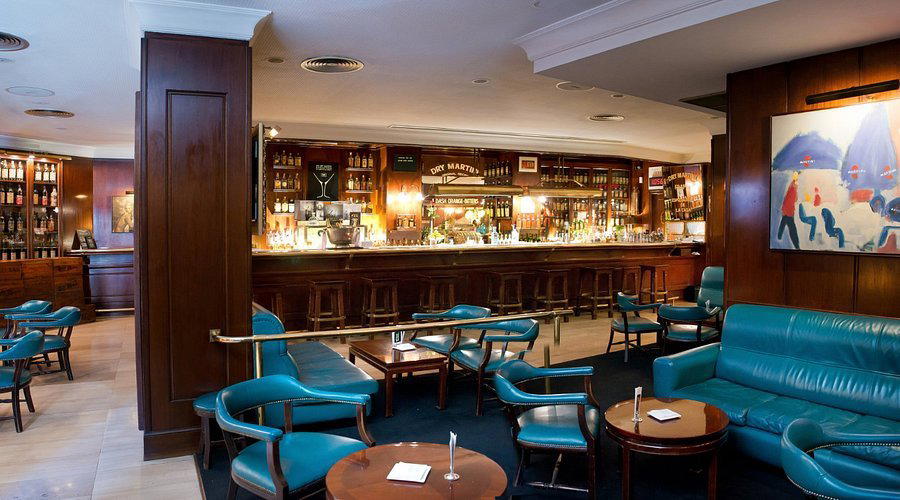
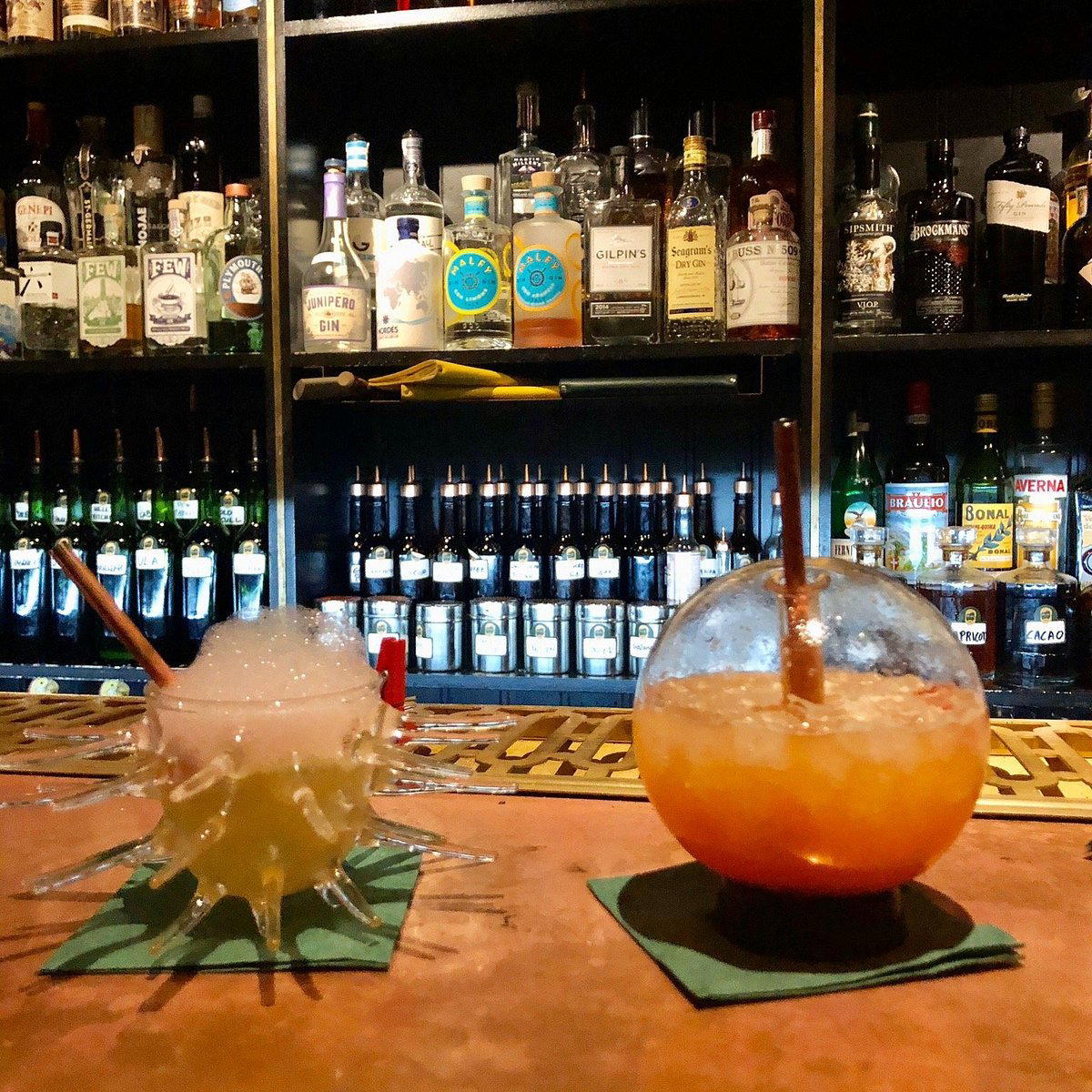
Hotels in Barcelona
Browse all →
At a Glance
- Classic
- Cozy
- Lively
- Group Dining
- Casual Hangout
- After Work
- Standalone
- Craft Cocktails
- Local Sourcing
Current opening hours
- Monday
- Closed
- Tuesday
- Closed
- Wednesday
- 12 PM–12 AM
- Thursday
- 12 PM–12 AM
- Friday
- 12 PM–12 AM
- Saturday
- 12 PM–12 AM
- Sunday
- 12 PM–12 AM
Hours can change for holidays and private events. Last verified .
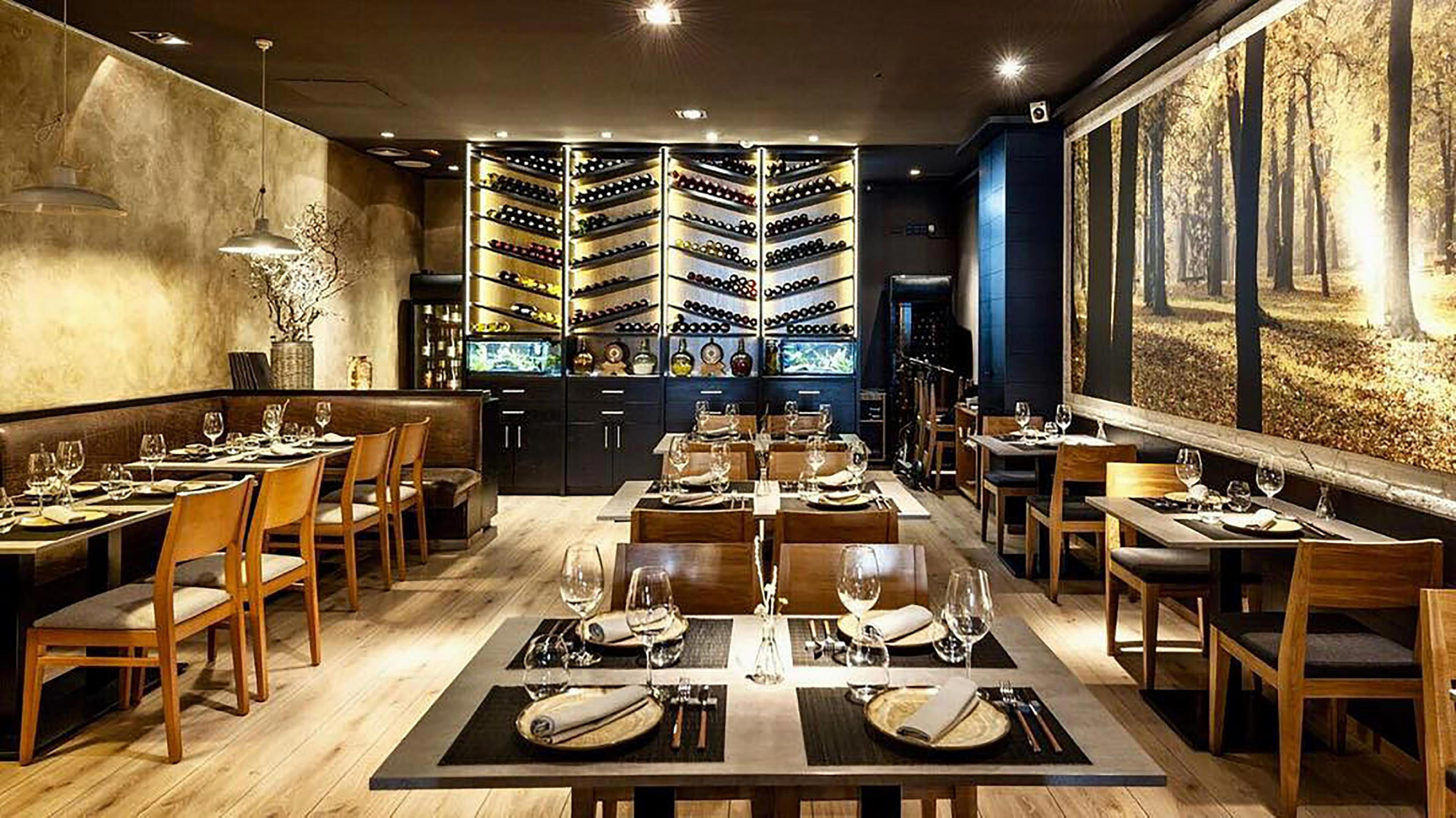
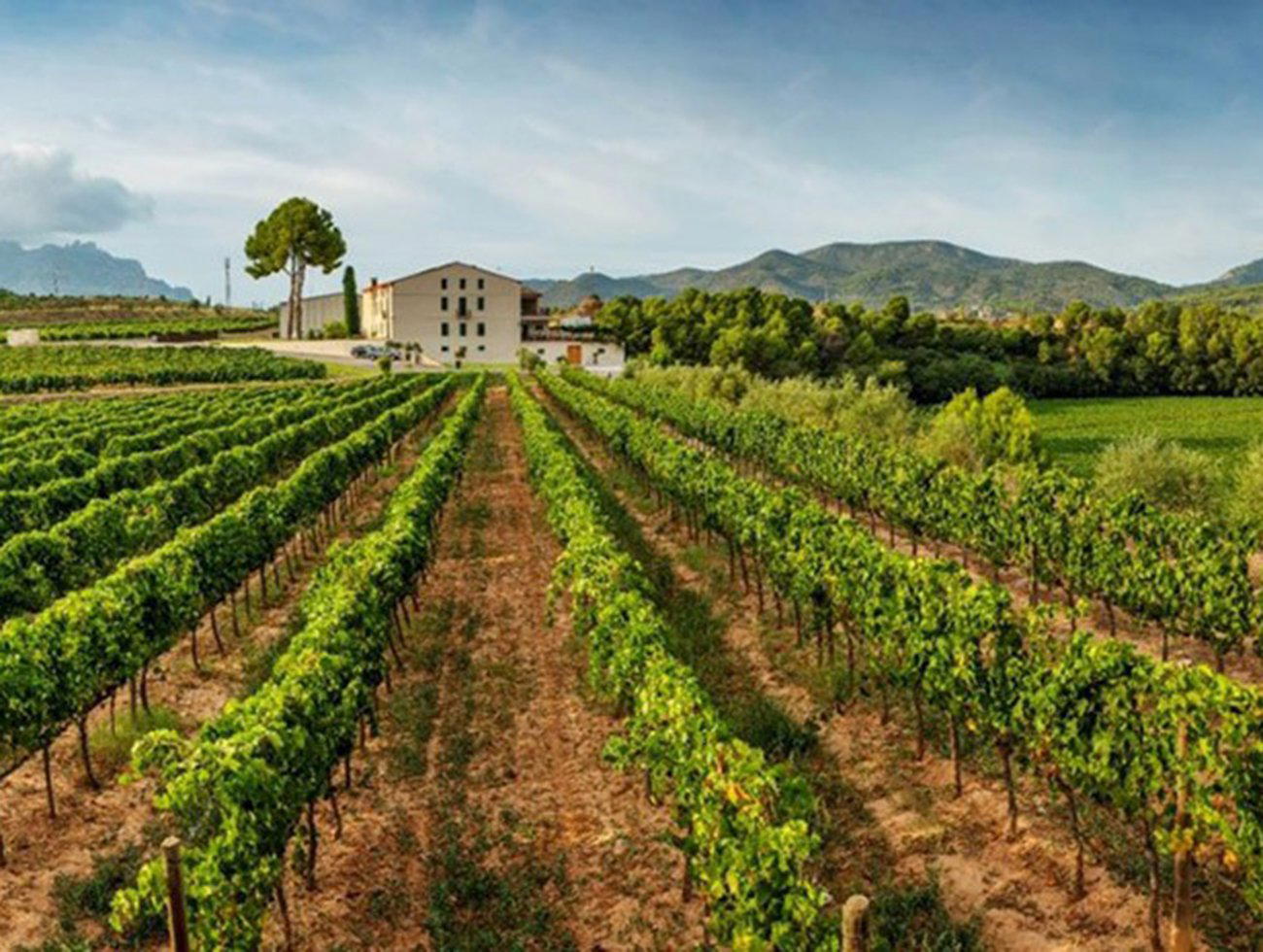
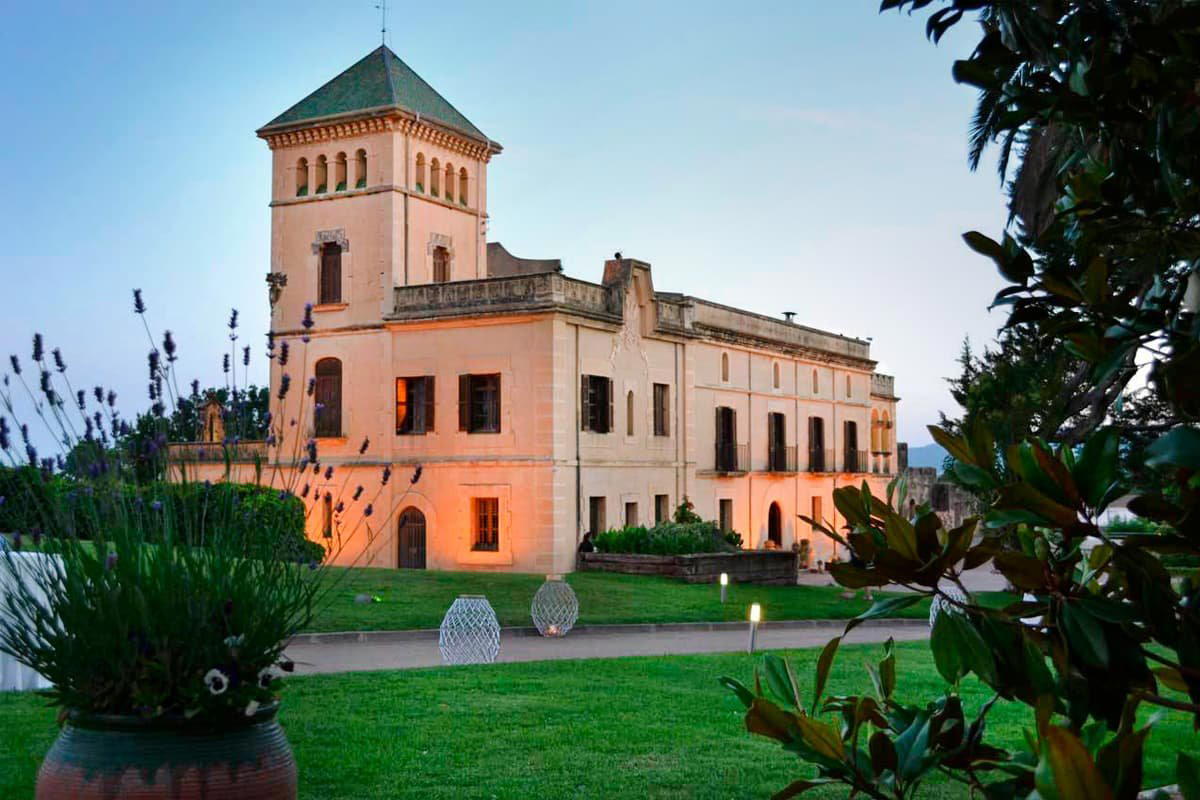
Warm and inviting atmosphere with a bar area at the front featuring a tapas menu, creating a lively yet welcoming dining environment.