
On Carrer d'Aribau in Eixample, Mesa Lobo occupies a neighbourhood that has grown into one of Barcelona's more considered dining corridors, sitting between the high-wattage creative restaurants of the city's upper tier and the casual tapas circuit of the Gràcia border. The restaurant draws a repeat local clientele, a reliable signal in a city where tourist footfall can distort dining room dynamics considerably.
Pearl is the En Primeur Club membership app — saves, bookings, and concierge access live there. Same editors, same standards.
- Address
- Carrer d'Aribau, 65, Eixample, 08011 Barcelona, Spain
- Phone
- +34934520749
- Website
- mesalobo.com
- Directions
- Get directions
 Saves & bookings on Pearl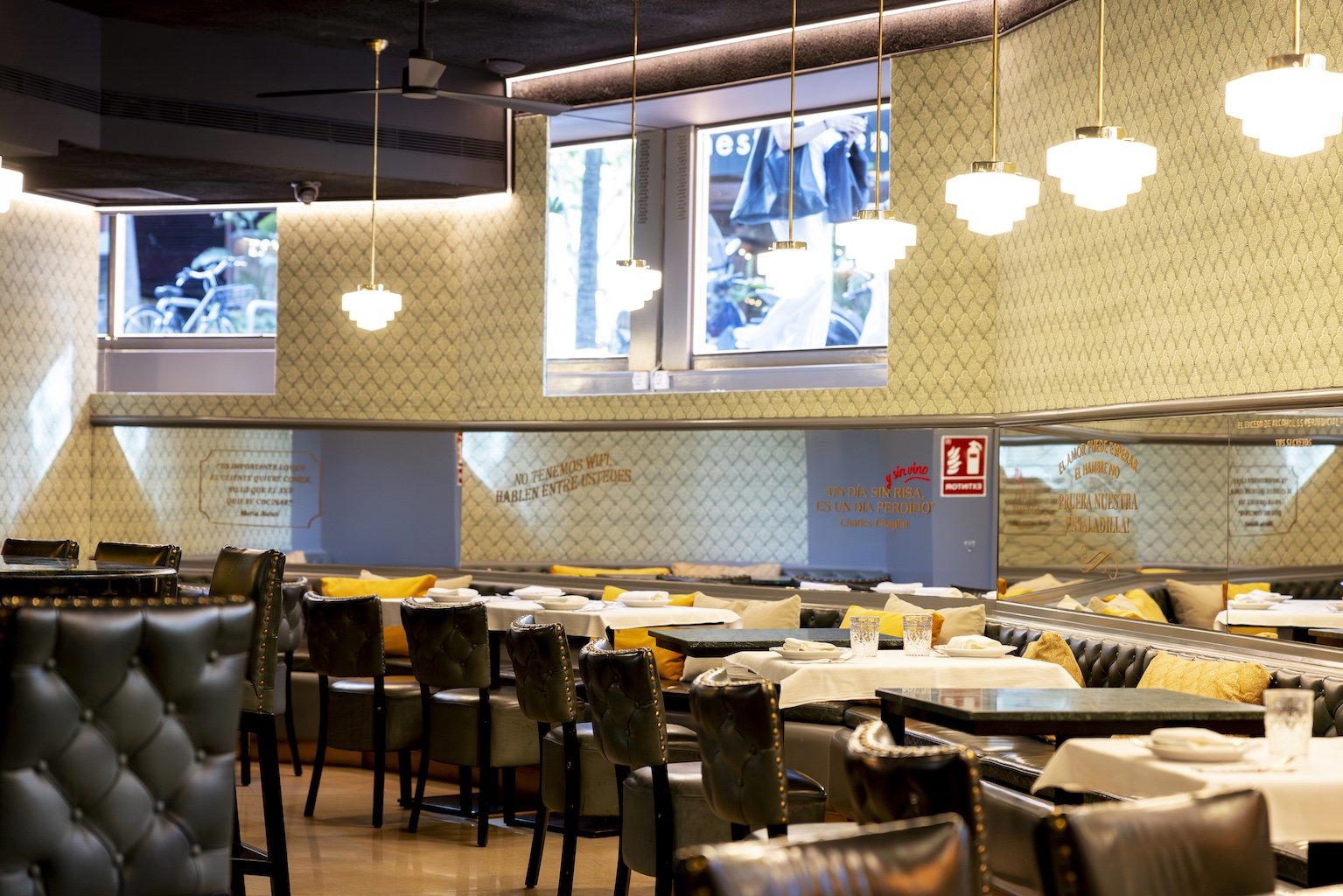
What the Room Tells You Before the Menu Arrives
Carrer d'Aribau runs from the Eixample grid down toward the sea, and the stretch around number 65 has developed a particular character over the past decade: neighbourhood-serious rather than destination-flashy. The buildings here are classic Eixample modernista blocks, and the dining rooms that have survived and thrived along this corridor tend to serve regulars who live within walking distance rather than tourists working through a list. That context matters when reading Mesa Lobo. A restaurant that anchors itself on this street is making an implicit argument about who it wants in the room and how often it expects to see them.
Barcelona's dining scene has split into relatively distinct tiers. At the upper end sit the city’s most acclaimed operations: Disfrutar (Progressive, Creative), Cocina Hermanos Torres (Creative), Lasarte (Progressive Spanish, Creative), ABaC (Creative), and Enigma (Creative), all of which operate on tasting-menu formats with advance booking requirements and pricing that reflects their international comparable venues. Below that layer is a more interesting, harder-to-read middle tier where the cooking can be serious without the ceremony, and where the value proposition shifts from spectacle to substance. Mesa Lobo occupies this territory.
Reading the Menu as Architecture
The way a menu is structured reveals more about a restaurant's actual intentions than any amount of décor or positioning. Spain's creative dining tradition has long debated the merits of the fixed tasting menu versus the composed à la carte, and that debate plays out differently in Barcelona than it does in, say, San Sebastián or Girona. In the Basque Country and Catalonia's fine dining heartland, the tasting menu has become near-obligatory at the serious end: El Celler de Can Roca in Girona and Martin Berasategui in Lasarte-Oria both operate in that mode. But in Barcelona's Eixample, a neighbourhood restaurant that pushes a rigid tasting-only format risks alienating the midweek regulars who sustain it through the quieter months.
A menu designed for return visits tends to look different from one designed for once-a-year occasions. It allows more entry points: dishes that work as starters or to share, proteins available in different portion weights, a wine list that doesn't require significant spend to navigate well. The editorial logic behind this structure is that it serves the same dining room on a Tuesday with a couple sharing two plates as it does on a Saturday with a table celebrating something. That flexibility is not a compromise; it is a skill, and it is considerably harder to execute than a tasting sequence where every diner receives the same progression.
Spanish cooking in this mid-register draws heavily on the country's product tradition. The Iberian Peninsula's pantry, from the cured meats of Extremadura to the seafood of the Cantabrian coast, from Catalan romesco to Andalusian vinegar traditions, gives a kitchen working in this mode a substantial amount to draw on without needing to reach for novelty. Restaurants operating at this level in Spain's cities often position themselves in conscious contrast to the molecular or progressive register that drew international attention to Spanish cooking through the early 2000s. That movement's inheritors now appear at places like Aponiente in El Puerto de Santa María, Quique Dacosta in Dénia, and Mugaritz in Errenteria. The neighbourhood restaurant's answer to that tradition is not ignorance of technique but a different application of it: technique in service of recognisable flavour rather than in service of surprise.
Barcelona's Eixample as a Dining Neighbourhood
The Eixample, Ildefons Cerdà's 19th-century grid expansion of Barcelona, is a large and internally varied district. The dining culture along its central avenues, particularly around Carrer del Consell de Cent, Carrer de Muntaner, and Carrer d'Aribau, has shifted over the past fifteen years from a fairly generic mix of Catalan classics and Spanish staples toward something more considered. Several factors drove this: rising rents in the Gothic Quarter and El Born pushed operators who wanted a genuine local clientele further into the Eixample; the neighbourhood's residential density provided the repeat business that sustains quality; and a generation of younger chefs chose the area deliberately, reading its clientele as more culinarily engaged than the tourist-heavy zones closer to the waterfront.
For context on where Barcelona's most acclaimed tables sit within Spain's broader creative dining conversation, the comparison points extend well beyond the city: Arzak in San Sebastián, Azurmendi in Larrabetzu, DiverXO in Madrid, and Ricard Camarena in València all represent the country's upper register. Mesa Lobo does not operate in that tier, nor does it appear to be reaching for it. Its Eixample address and neighbourhood orientation place it in a different competitive set entirely, one measured by consistency, accessibility, and how well a kitchen translates good product into good eating on a regular basis. For international readers accustomed to the format discipline of comparably priced restaurants in New York, a table like Le Bernardin or the tasting rigour of Atomix, the Spanish neighbourhood restaurant mode requires a different kind of trust: less ceremony, more product, and a dining room that operates on familiarity rather than spectacle.
Know Before You Go
| Address | Carrer d'Aribau, 65, Eixample, 08011 Barcelona, Spain |
|---|---|
| Neighbourhood | Eixample, Barcelona |
| Getting There | Universitat and Passeig de Gràcia metro stations (L1, L2, L3) are both within ten minutes on foot. The street is well-served by Barcelona's bus network along the Eixample grid. |
| Booking | Reservation recommended. |
| Price Range | About €61 per person before wine. |
| Hours | Mon: 7–10:30 PM; Tue: 7–10:30 PM; Wed: 7–10:30 PM; Thu: 7–10:30 PM; Fri: 7–10:30 PM; Sat: 1–3:30 PM, 7–10:30 PM; Sun: 1–3:30 PM, 7–10:30 PM. |
Side-by-Side Snapshot
Comparable venues nearby, for context on price, style, and recognition.
| Venue | Cuisine | Price | Notes |
|---|---|---|---|
| Mesa LoboThis venue — the venue you are viewing | French-Nordic Market Bistro with Catalan Influences | $$ | Not listed |
| Els Pinxus | Basque-Style Tapas and Pinxus | $$ | Sant Gervasi - Galvany |
| La Taberna De La Ronda | Authentic Spanish Tapas & Paella | $$ | la Dreta de l'Eixample |
| Calabrasa | Modern Catalan Tapas | $$ | Sant Pere, Santa Caterina i la Ribera |
| Tramendu El caliu de la brasa | Traditional Catalan Grill | $$ | la Bordeta |
| Cafeteria Fernando | Traditional Spanish Tapas & Paella | $$ | Barri Gotic |
Recognition history
Dated appearances from independent guides and award organizations, with the underlying list record or original source where available.
Macarfi 7.6 Food Rating
Macarfi
Continue exploring
More in Barcelona
Restaurants in Barcelona
Browse all →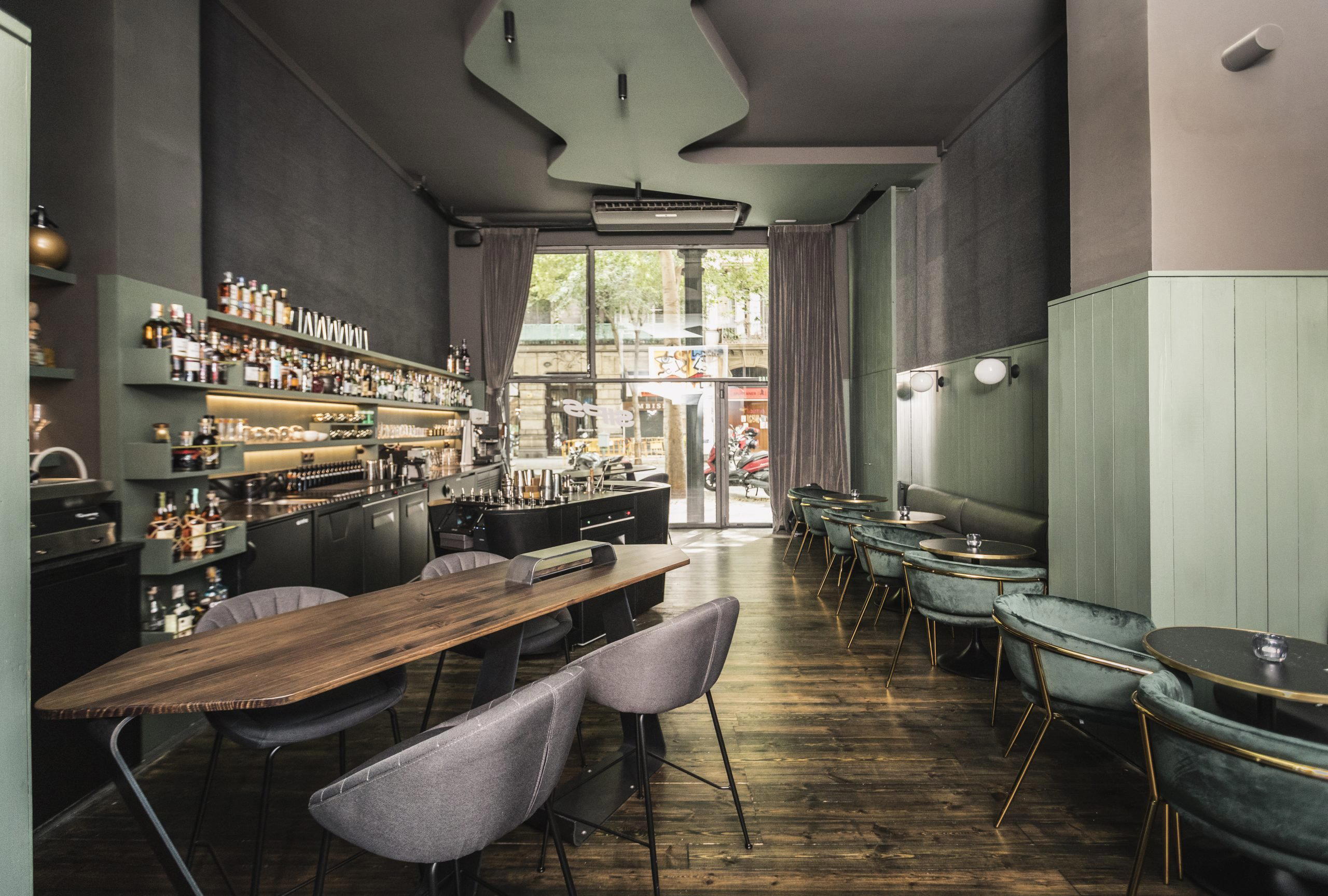
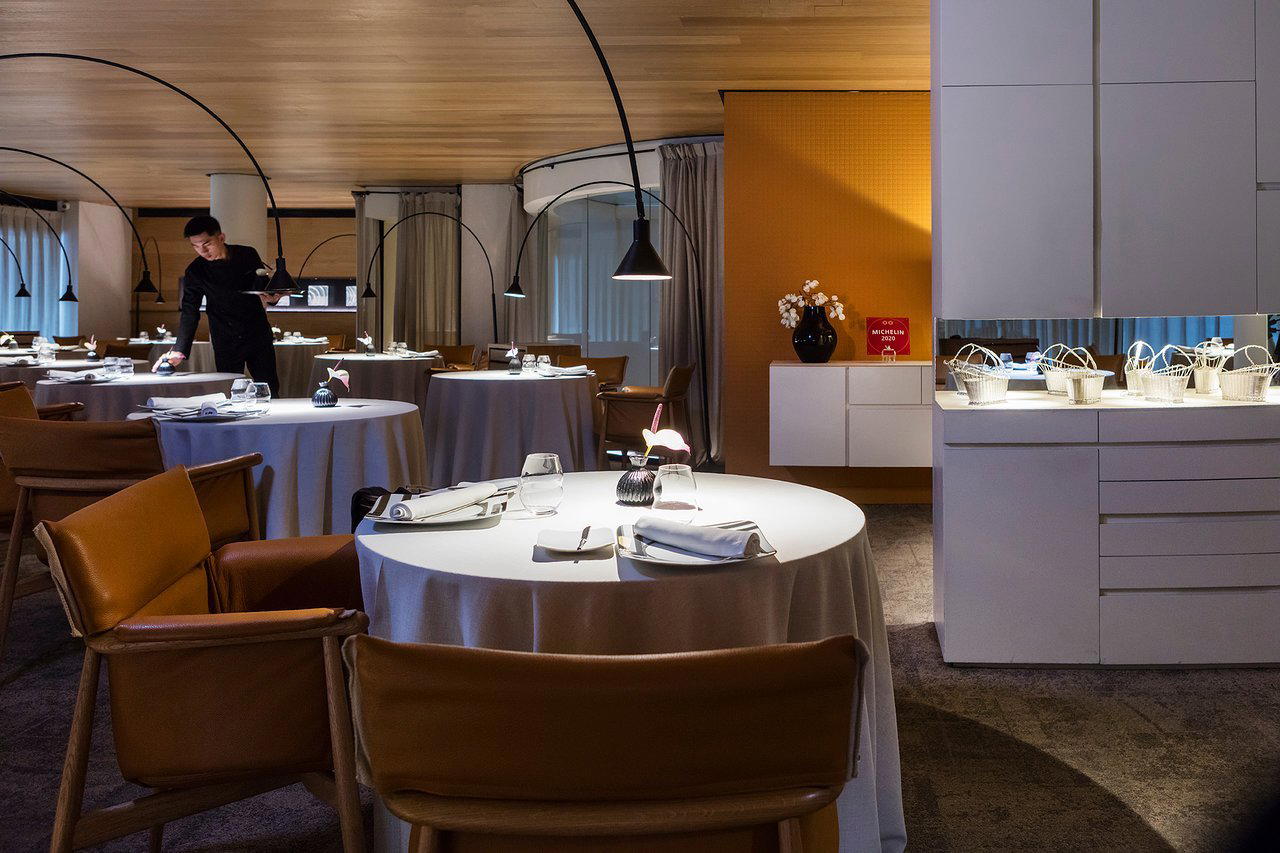
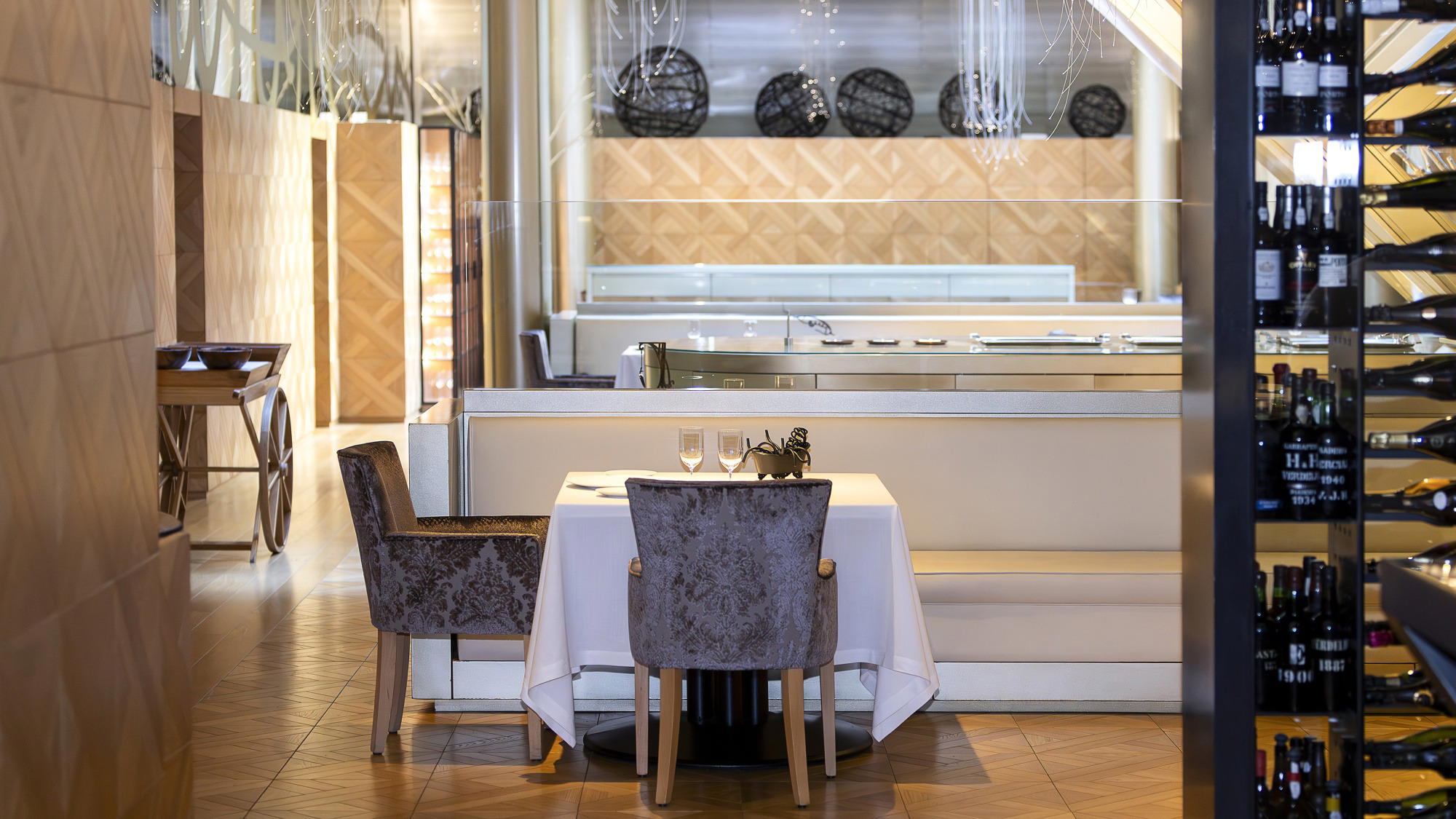
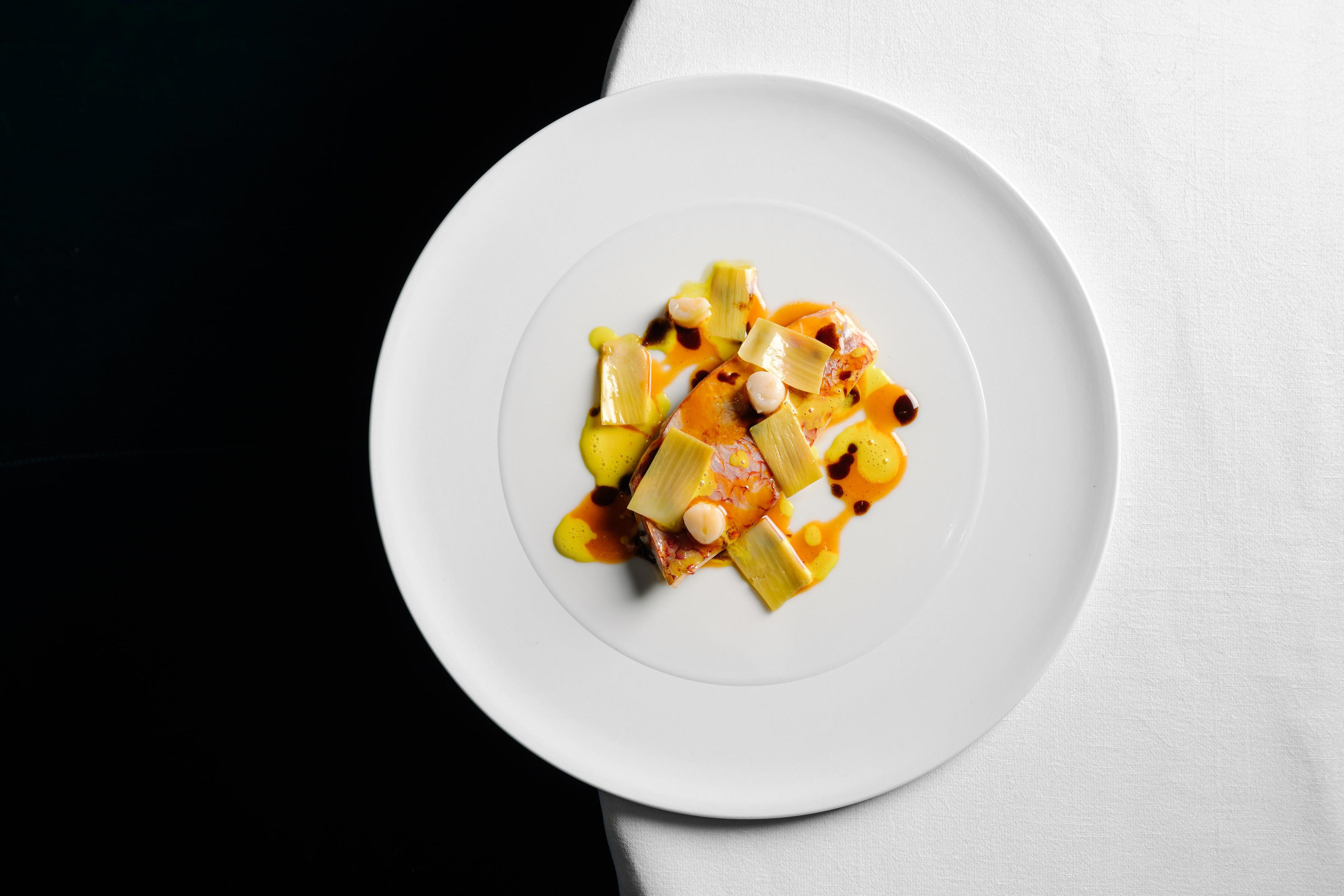
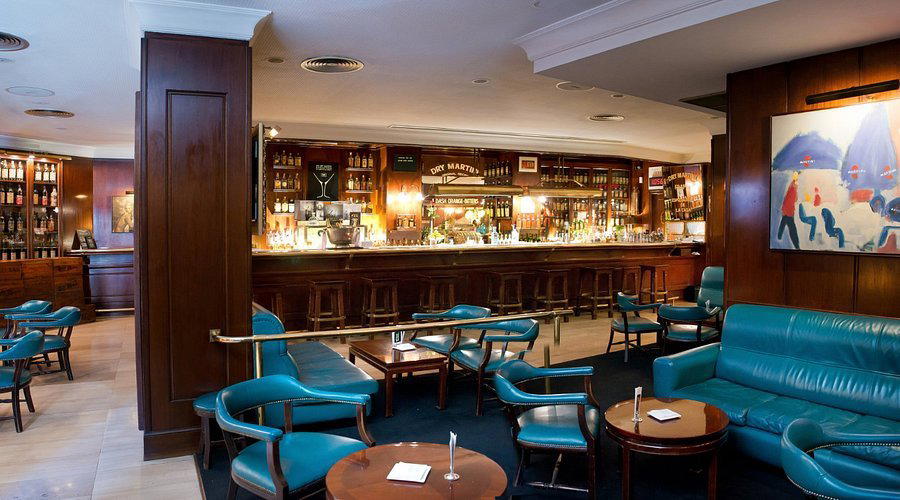
Bars in Barcelona
Browse all →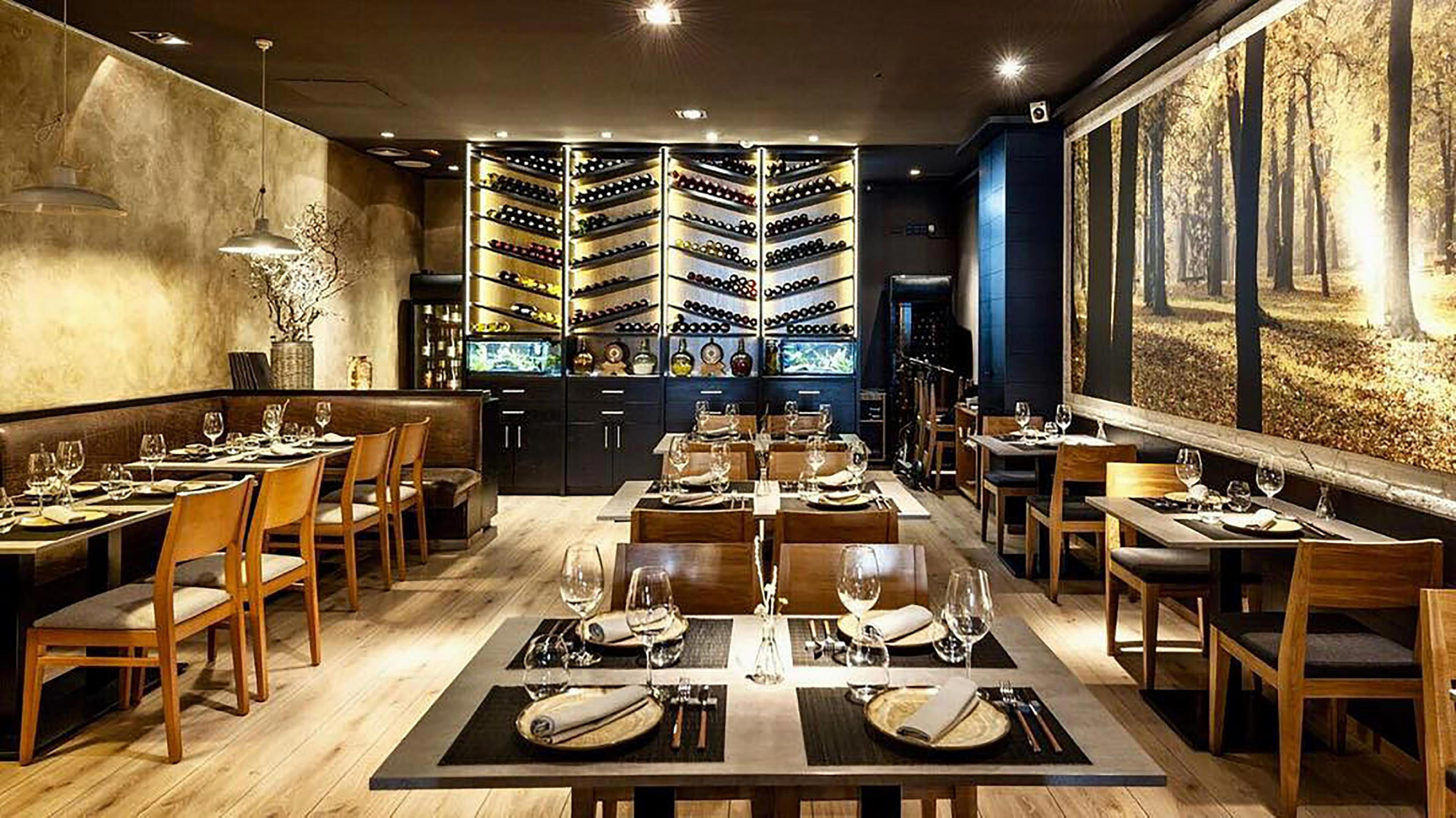
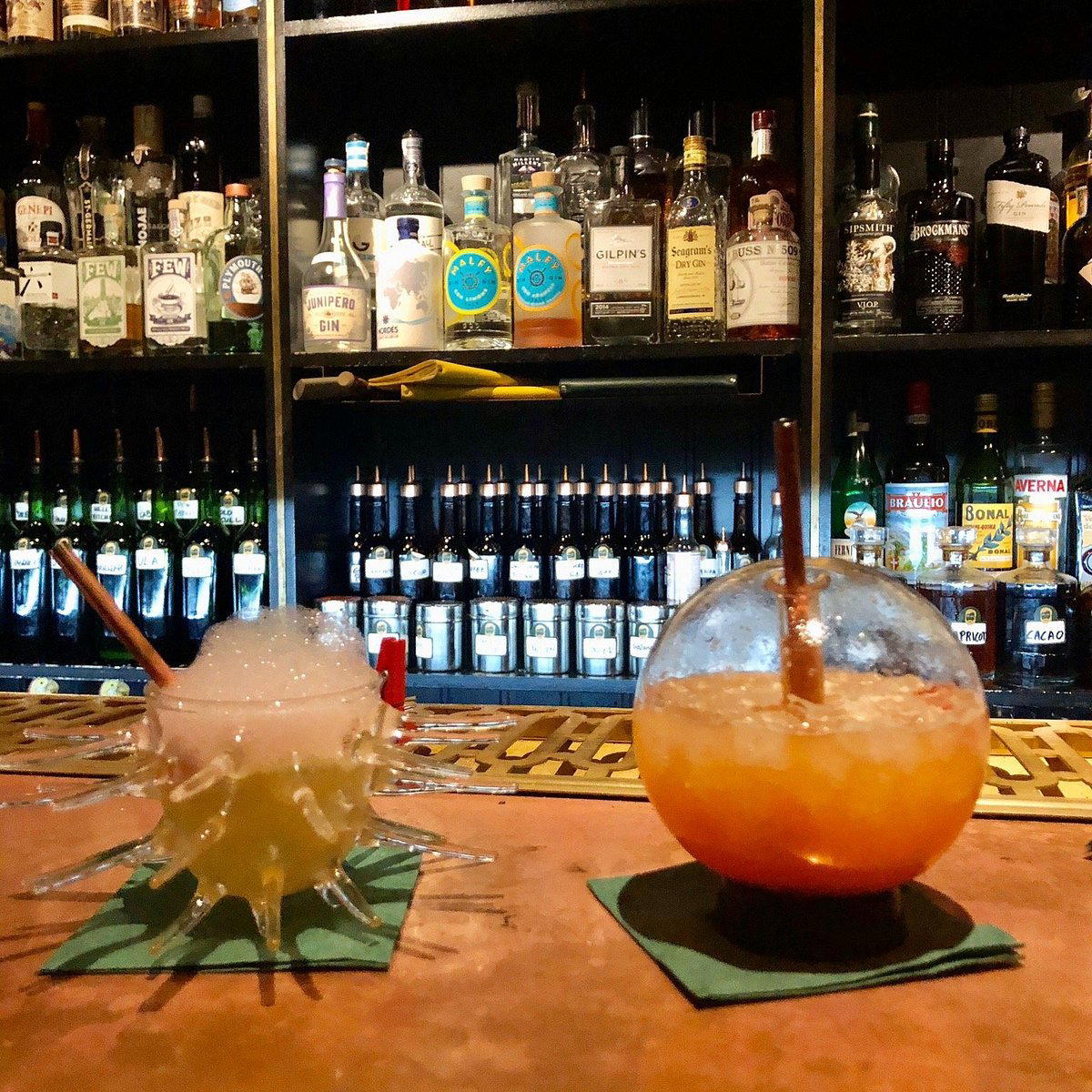
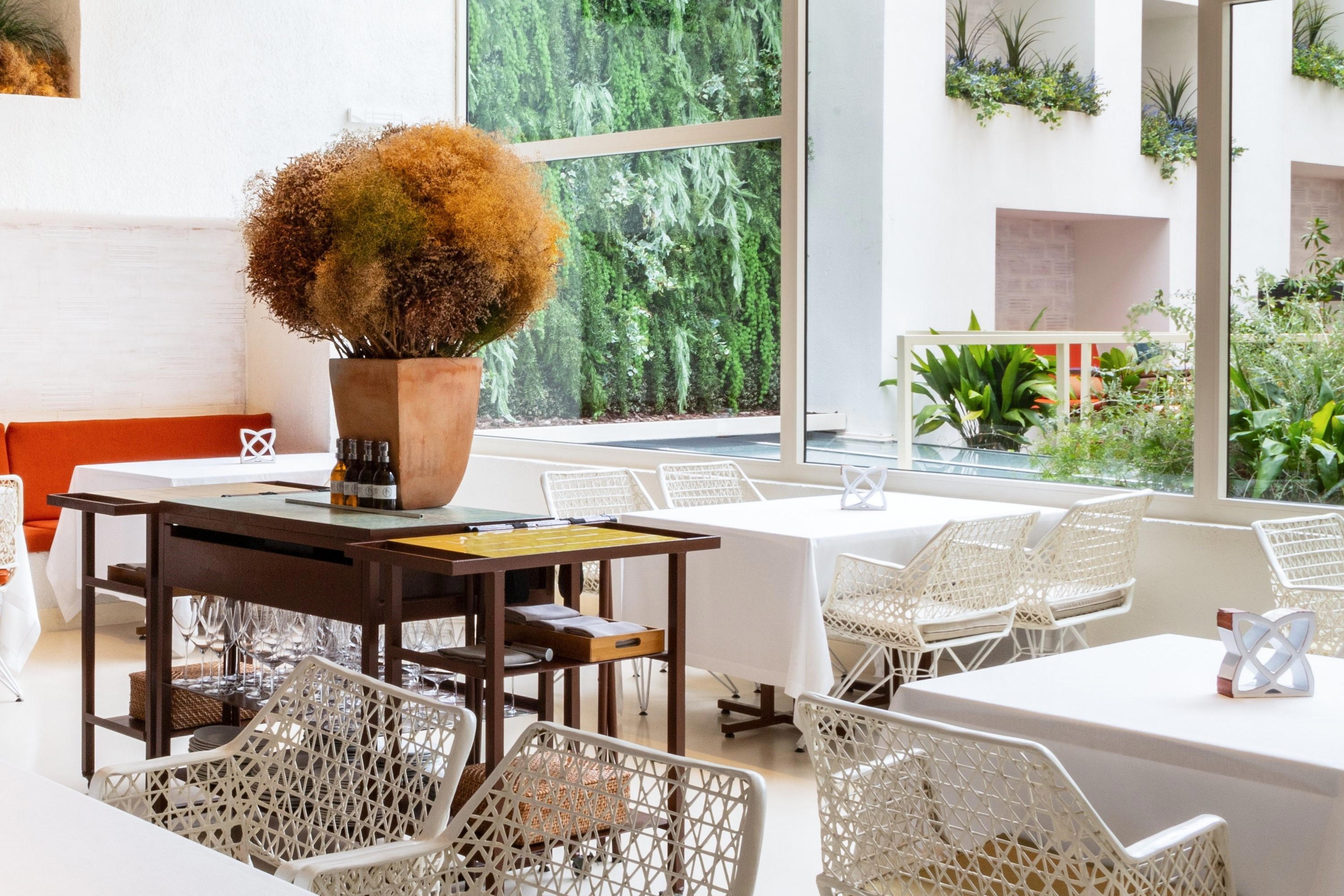
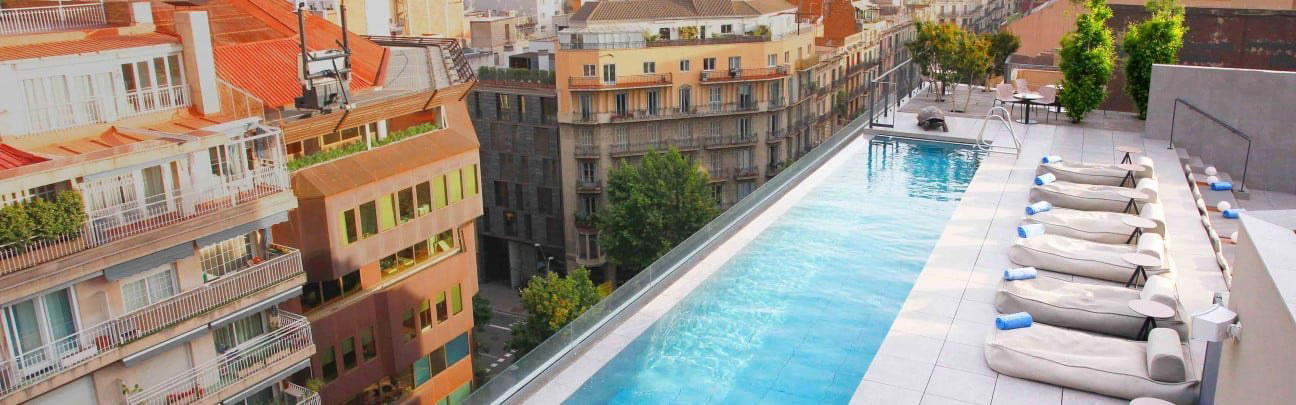
Hotels in Barcelona
Browse all →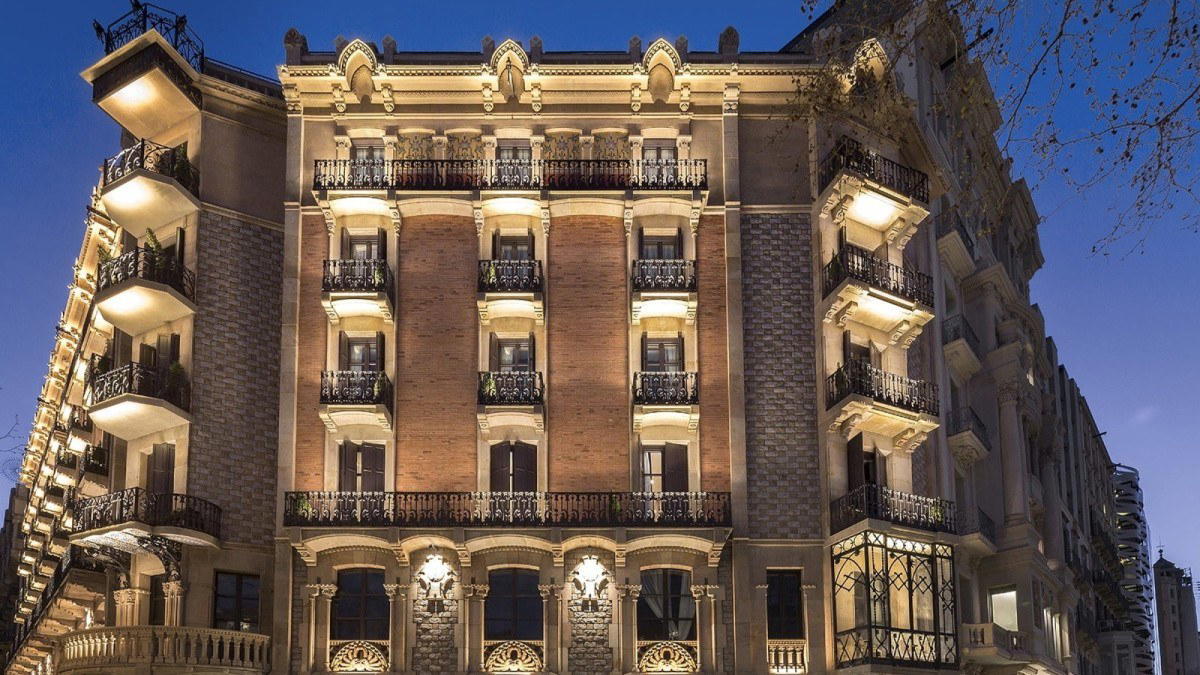
At a Glance
- Cozy
- Industrial
- Lively
- Intimate
- Group Dining
- Casual Hangout
- Date Night
- Family
- Open Kitchen
- Chefs Counter
- Local Sourcing
- Farm To Table
Current opening hours
- Monday
- 7–10:30 PM
- Tuesday
- 7–10:30 PM
- Wednesday
- 7–10:30 PM
- Thursday
- 7–10:30 PM
- Friday
- 7–10:30 PM
- Saturday
- 1–3:30 PM, 7–10:30 PM
- Sunday
- 1–3:30 PM, 7–10:30 PM
Hours can change for holidays and private events. Last verified .
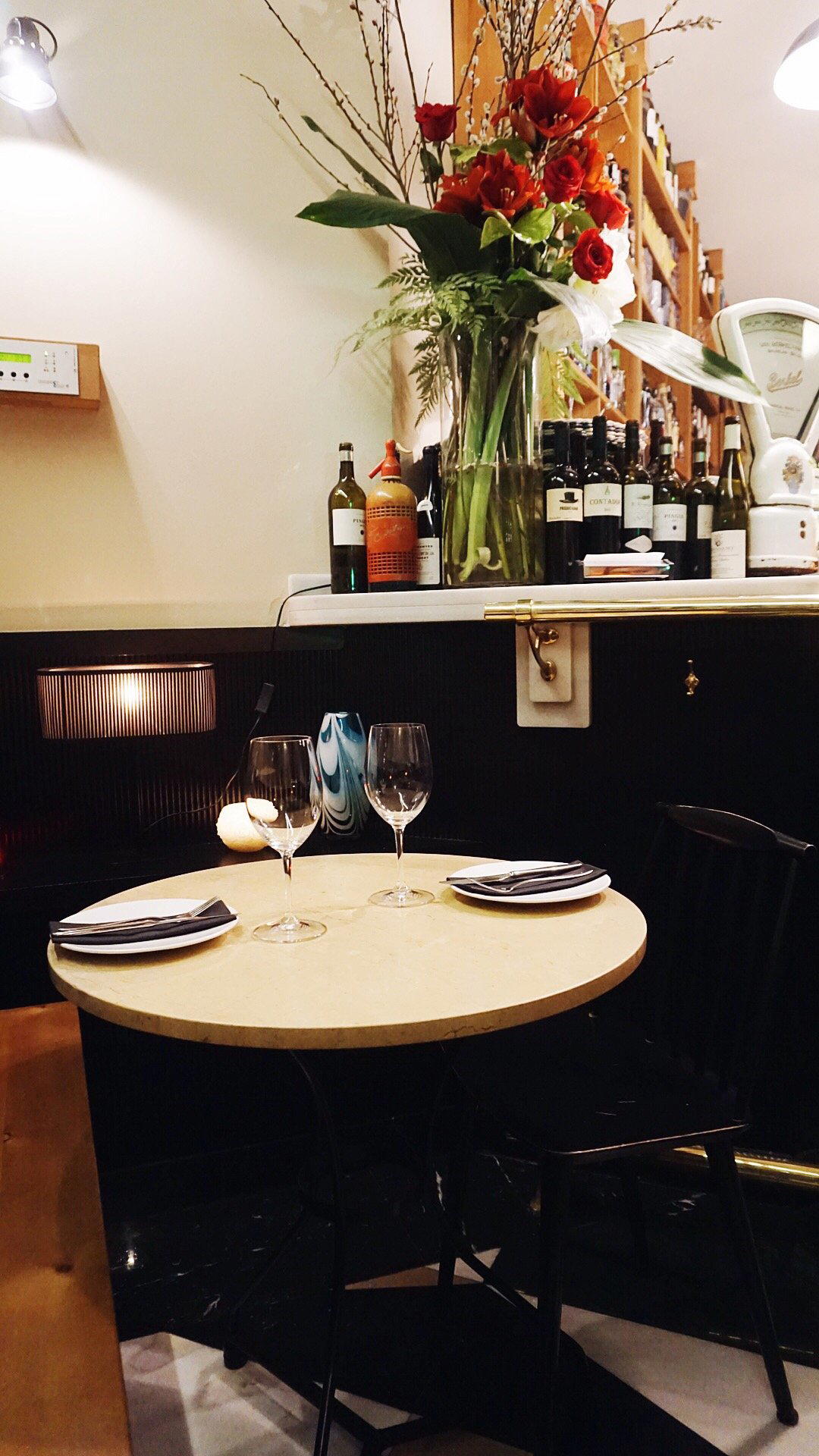
Small, cosy industrial-aesthetic space with a lively, joyful atmosphere; intimate without feeling cramped, with refined lighting and a relaxed bistro vibe.