Bistro Caffe Moțu
Our verdict
Maramureș on a Plate: The Case for Baia Sprie The market square of Baia Sprie sits at the edge of Maramureș County, a region where food culture has always been shaped more by altitude and season than by urban trend cycles. The town is close...

Pearl is the En Primeur Club membership app — saves, bookings, and concierge access live there. Same editors, same standards.
- Address
- Piața Libertății 8, Baia Sprie 435100, Romania
- Phone
- +40771173390
- Hours
- Mon–Sat 8 AM–10 PMSun 9 AM–10 PM
- Website
- bistrocaffemotu.eatbu.com
- Directions
- Get directions
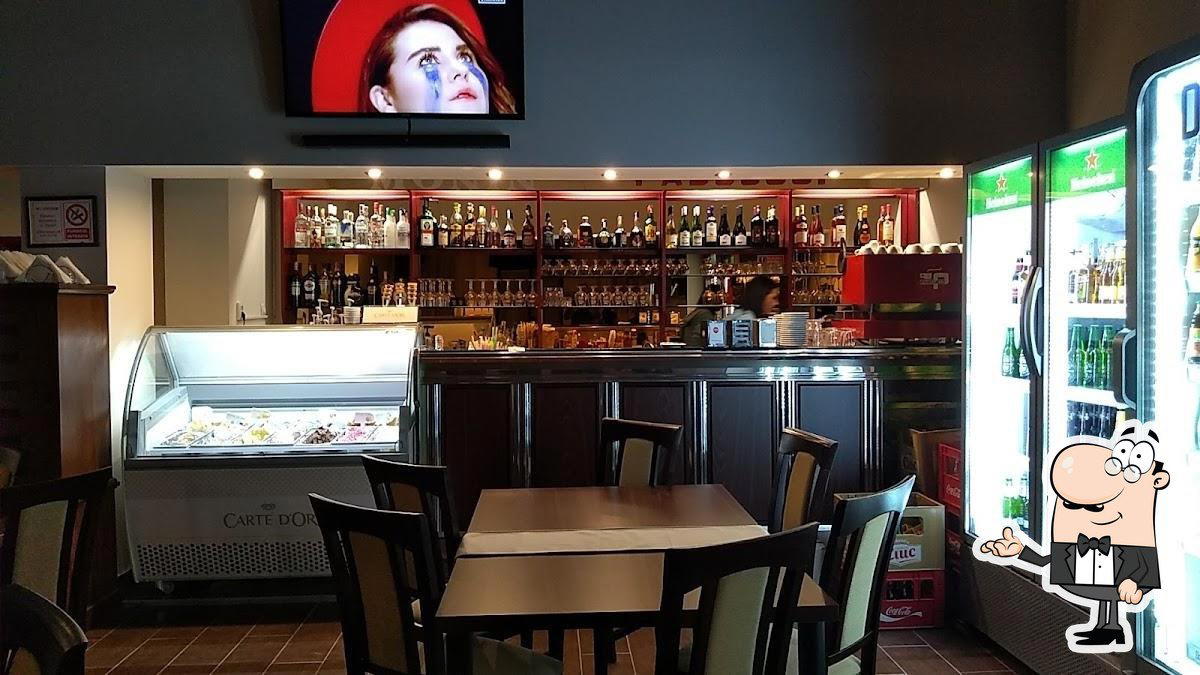
The menu
What to order
- Papanasi cu smântână și gem de afin
- Vegetarian pizza
- Platou 2
Maramureș on a Plate: The Case for Baia Sprie
The market square of Baia Sprie sits at the edge of Maramureș County, a region where food culture has always been shaped more by altitude and season than by urban trend cycles. The town is close enough to Baia Mare to draw visitors moving through the area, yet small enough that its eating options tend to reflect genuine local habit rather than tourist-facing approximation. Bistro Caffe Moțu occupies Piața Libertății 8, right on the central square — a position that places it at the social centre of a community where the piața still functions as a genuine gathering point rather than a decorative backdrop. Approaching the square, the scale shifts immediately: this is a town where the built environment is proportioned to walking pace, and any venue holding a position on the main plaza inherits a particular kind of everyday visibility.
Why Ingredient Geography Matters in Maramureș
To understand what distinguishes the dining register of a place like Baia Sprie, it helps to understand what surrounds it. Maramureș is one of Romania's most agriculturally intact regions: smallholder farms, traditional animal husbandry, preserved orchard varieties, and a short but concentrated growing season that shapes what arrives on local tables. The Moțu identity referenced in the bistro's name connects to the Moți people of the Western Carpathians — a cultural tradition defined by self-sufficiency, mountain agriculture, and products derived from what the land immediately provides. In food terms, that translates historically to cured pork, dairy from mountain pastures, fermented and preserved vegetables, and grains grown at elevation. These are not niche heritage ingredients recovered for urban menus, in Maramureș, they remain part of the active food supply chain. A café or bistro operating in this context can draw on sourcing networks that restaurants in Cluj-Napoca or Bucharest have to work considerably harder to access. For broader context on how Romanian regional kitchens are being reinterpreted, L'ATELIER in Bucharest offers a useful urban counterpoint, while STUP in Simon demonstrates how French-influenced technique has been applied to Transylvanian ingredients in a rural setting.
The Bistro Format in a Romanian Market Town
The bistro-café format occupies a particular niche in Romanian provincial towns. It sits above the traditional terrace or bufet in ambition, without committing to the full-service restaurant structure that characterises destinations in larger cities. In practice, this means flexibility: coffee and a pastry in the morning, a regional plate at midday, something lighter in the afternoon. The format suits a square-facing position well, because it absorbs the rhythm of the day rather than demanding that visitors fit into fixed service windows. In towns of Baia Sprie's scale, this kind of venue typically functions as a neighbourhood anchor, the place locals return to across different occasions rather than reserving for special events. Compare this positioning to Kupaj Fine Wines and Gourmet Tapas in Cluj-Napoca, where the format is defined by a wine-forward proposition in a university city, or Andalu Gastrobar in Iași, which positions itself within a competitive urban gastrobar tier. The Baia Sprie context is quieter and more local in its reference points, which is precisely what makes it worth understanding on its own terms.
Regional Parallels and the Maramureș Dining Scene
Visitors who have spent time in the broader northwestern Romanian corridor, moving between Baia Mare, Sighetu Marmației, and the surrounding villages, will recognise that the quality ceiling for informal dining here is set by product quality rather than technique complexity. A well-sourced smoked pork sausage or a properly made mămăligă with sheep's brânză tells you more about a region's food culture than a constructed tasting menu. The bistro-café tier in this part of Romania tends to be the format where that product quality shows up most reliably, because the kitchen is close to the supply chain and the price expectations of a local clientele keep the menu grounded. For those exploring the wider Maramureș-Transylvania arc, Casa Baimareana in Baia Mare provides useful regional comparison, Baia Mare being the county capital just a short drive from Baia Sprie, with a dining scene that reflects similar sourcing geography at a slightly larger urban scale. Further afield, Artegianale in Brașov and Kombinat Gastro-Brewery in Sibiu illustrate how Transylvanian towns of different sizes have developed distinct dining identities, each shaped by their own relationship between local ingredients and visiting audiences.
Planning a Visit to Baia Sprie
Baia Sprie is most naturally approached as part of a wider Maramureș itinerary, with Baia Mare serving as the regional transport hub. The town itself is compact and navigable on foot once you arrive. Piața Libertății, where Bistro Caffe Moțu sits at number 8, is the logical orientation point for any visit. The broader Baia Sprie restaurants guide covers the town's dining options in fuller context and is the most reliable current source for operational details. For travellers building a longer Romanian itinerary, reference points across the country's restaurant tiers include Caru' cu bere in București for historic grand-café atmosphere, Eat IT casual gourmet kitchen in Oradea for the casual-gourmet format in a western Romanian city, and Cafeneaua Nației in Ploiești for another example of the café-bistro format operating in a provincial Romanian context. For contrast at the international end of the dining spectrum, Le Bernardin in New York City and Lazy Bear in San Francisco illustrate how sourcing narratives operate at the highest-profile end of contemporary restaurant programming, a useful frame for understanding why the Maramureș sourcing story has the potential to be genuinely competitive on content, if not on scale. Other venues worth knowing for regional comparison or alternative itinerary planning include Cartofisserie in Suceava, Cartofisserie in Timișoara, Epoca Steak house in Craiova, Butterfly Events in Chișcani, and Cocteleria Urban Garden in Florești.
Frequently asked questions
Is Bistro Caffe Moțu suitable for children?
The bistro-café format that Bistro Caffe Moțu occupies in Baia Sprie is generally relaxed in pace and informal enough to accommodate families. Piața Libertății, the market square where the venue sits, is a public town-centre setting, which tends to make the surrounding environment comfortable for younger visitors.
What should I expect atmosphere-wise at Bistro Caffe Moțu?
Bistro Caffe Moțu occupies a position on Piața Libertății 8, the central market square of Baia Sprie — a small Maramureș town where civic life tends to revolve around exactly these kinds of square-facing spaces. In Romanian provincial towns, the bistro-café format sits above the traditional bufet in register without crossing into formal restaurant territory, so expect a setting that is sociable and unhurried rather than ceremonial. The surrounding Maramureș context, a county shaped by altitude, season, and close-knit local culture, tends to inform the tone of its dining rooms.
Is Bistro Caffe Moțu a good base for exploring Maramureș food culture beyond Baia Sprie?
Baia Sprie sits within easy reach of Baia Mare, the regional transport hub of Maramureș County, making the town a practical stop on a wider northwestern Romania itinerary that takes in Sighetu Marmației and the surrounding villages. The bistro-café format at venues like Bistro Caffe Moțu on Piața Libertății serves as a useful orientation point for the region's food register before moving into more rural terrain. Maramureș is one of Romania's most studied regions for preserved culinary tradition, and Baia Sprie sits at an accessible edge of that corridor.
What should I order at Bistro Caffe Moțu?
What can be said is that Maramureș County produces a distinct regional larder shaped by mountain proximity: cured meats, dairy from highland pastures, and seasonal produce with a short supply chain from surrounding villages. Visitors eating in Baia Sprie generally do well to ask what is locally sourced that week rather than defaulting to a fixed menu approach.
At-a-Glance Comparison
Comparable venues nearby, for context on price, style, and recognition.
| Venue | Cuisine | Price | Awards | Notes |
|---|---|---|---|---|
| Bistro Caffe MoțuThis venue — the venue you are viewing | Romanian & European Bistro | $1–10 | Not listed | Not listed |
| Cartofisserie Iulius Mall | Belgian-French Loaded Fries | $1–10 | Not listed | Marasti |
| Cofeels | Specialty Coffee & Vegan Café | Not listed | Not listed | Cluj-Napoca city center |
| New Chicago Restaurant | American Steakhouse & Italian Fusion | $20–30 | Not listed | Piața Teatrului |
| Cartofisserie | Potato-Focused Fast Food | $1–10 | Not listed | Iulius Mall |
| Kupaj Fine Wines and Gourmet Tapas | Fusion Gourmet Tapas & Fine Wines | Not listed | Wine Spectator Best of Award of Excellence | Centru |
Continue exploring
More in Baia Sprie
Restaurants in Baia Sprie
Browse all →
Details
- Casual
- Cozy
- Casual Hangout
- Family
- Group Dining
- Standalone
- Beer Program
- A La Carte
- Beer
- Hot Beverages
- Cold Beverages
- Vegetarian Friendly
Current opening hours
- Monday
- 8 AM–10 PM
- Tuesday
- 8 AM–10 PM
- Wednesday
- 8 AM–10 PM
- Thursday
- 8 AM–10 PM
- Friday
- 8 AM–10 PM
- Saturday
- 8 AM–10 PM
- Sunday
- 9 AM–10 PM
Hours can change for holidays and private events. Last verified .
Relaxed and welcoming atmosphere with casual, family-oriented setting on the main street near Piața Libertății.