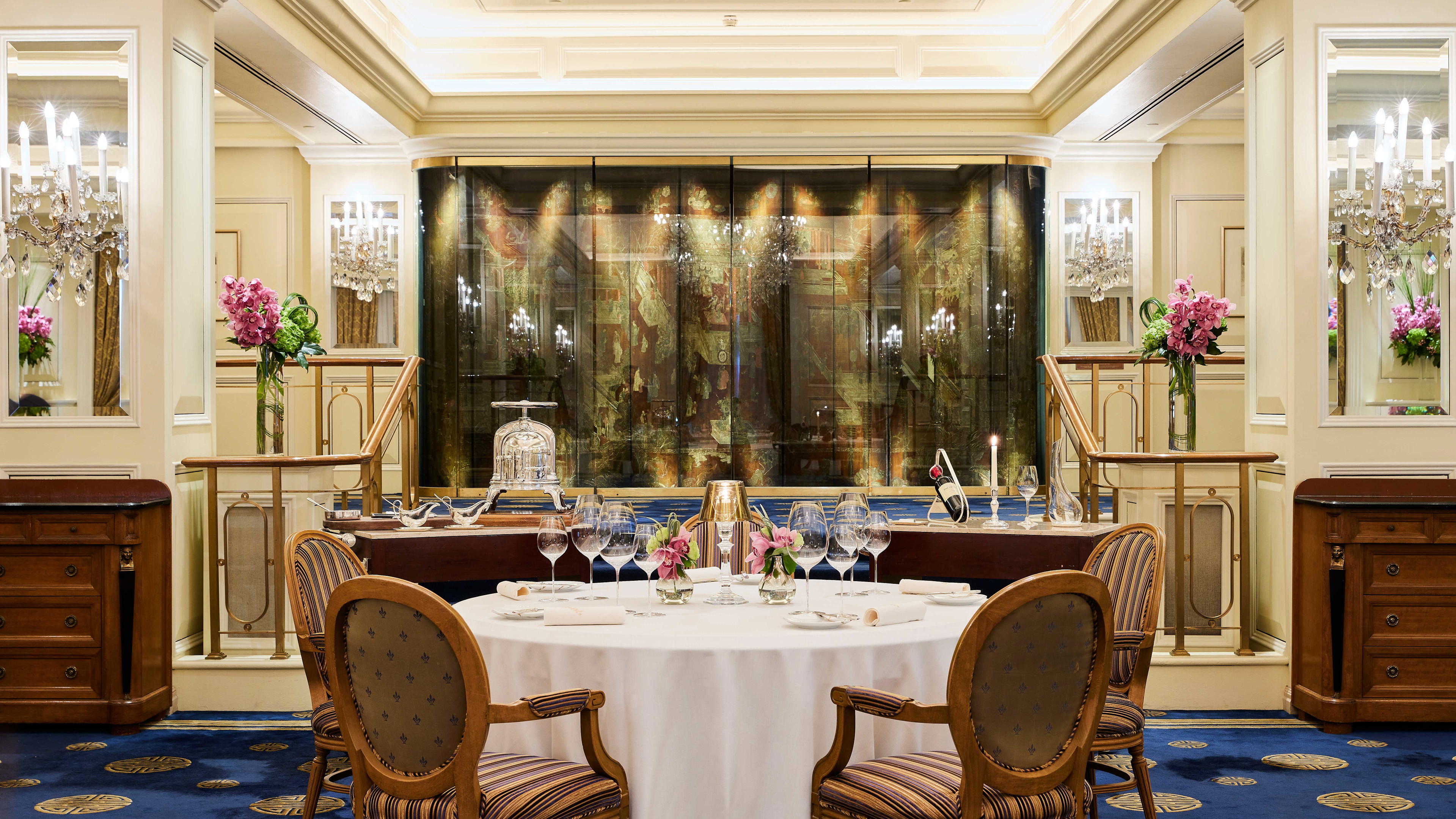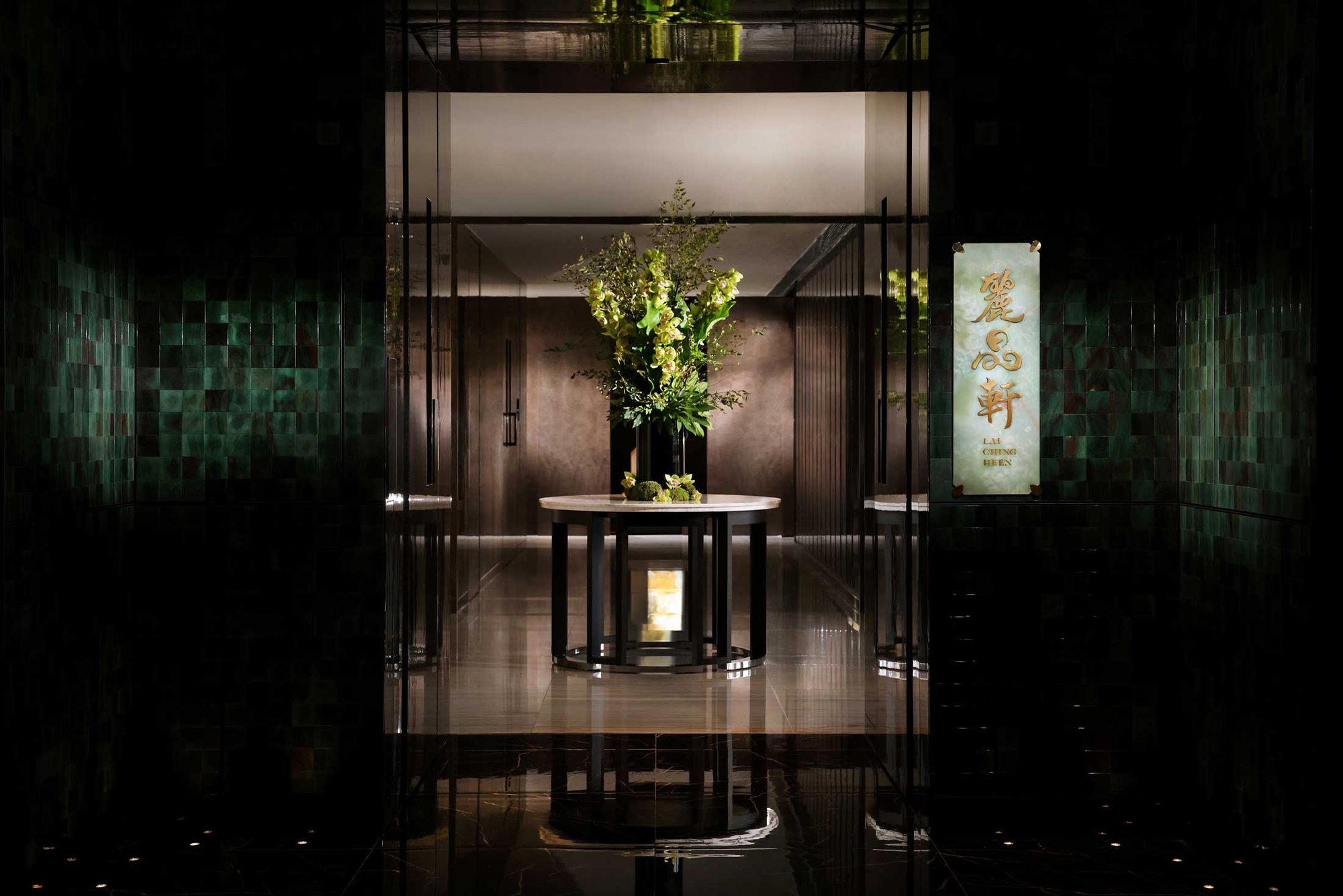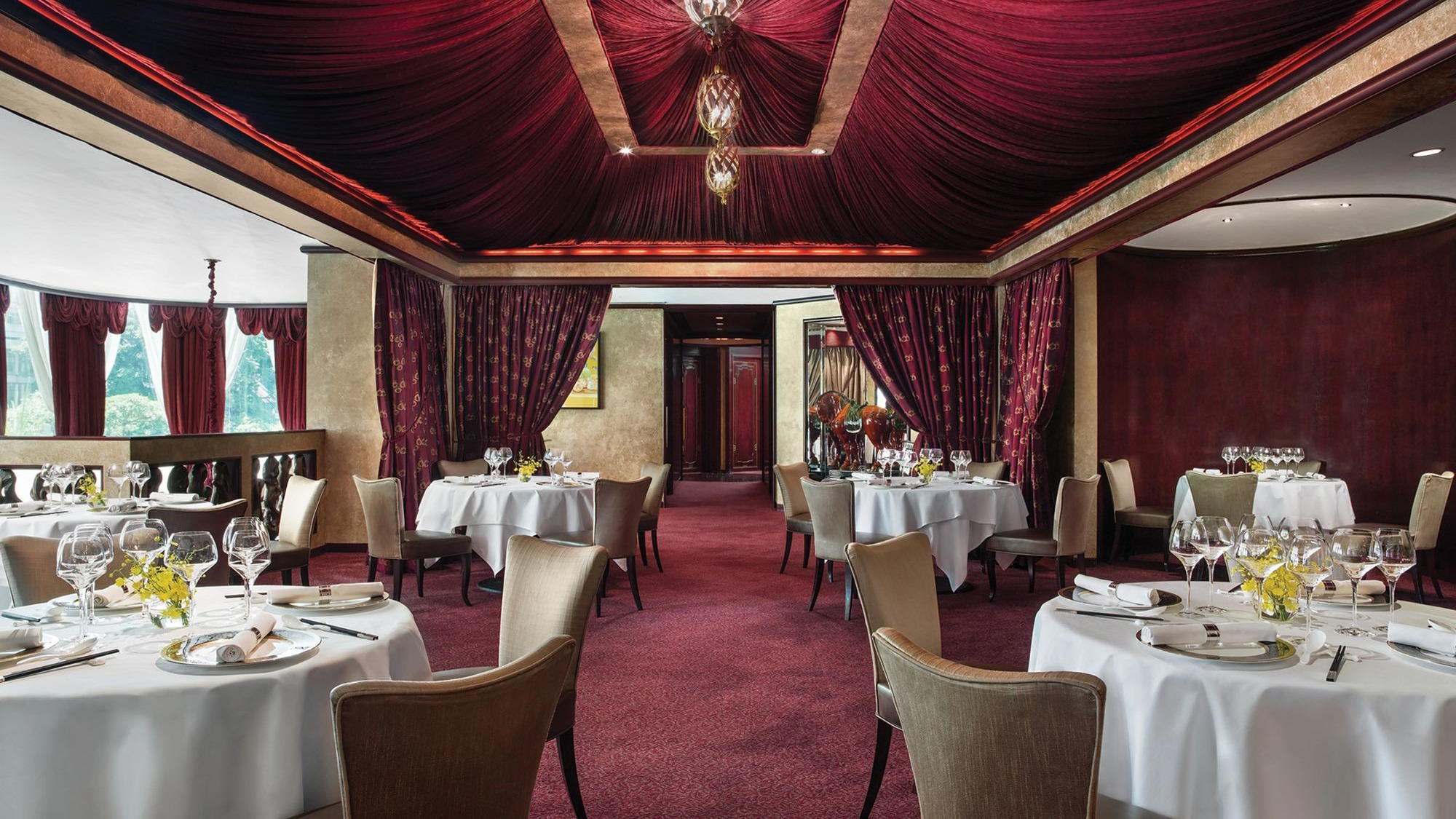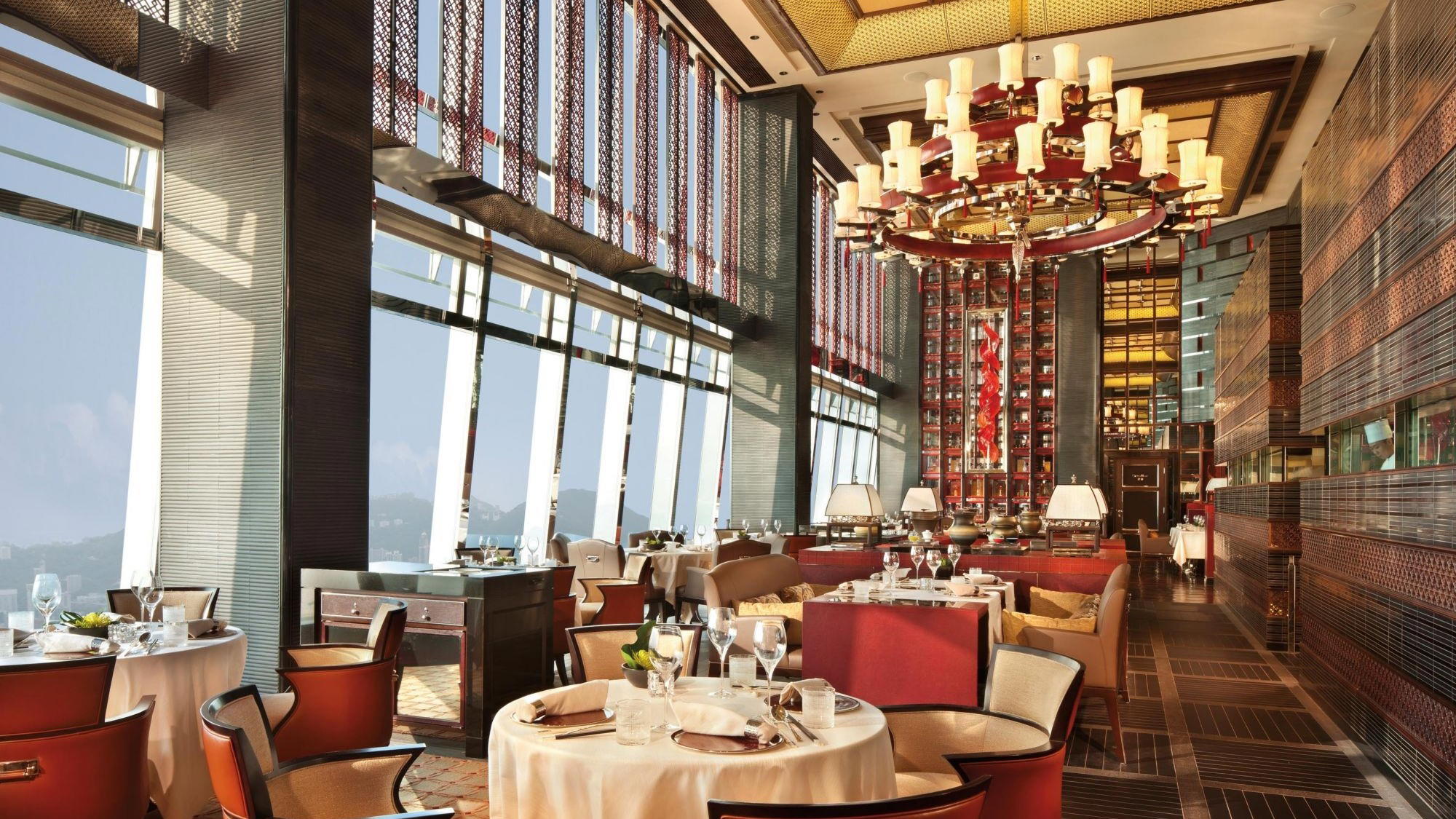
Michelin Plate · SCMP 100 Top Tables Restaurants
Our verdict
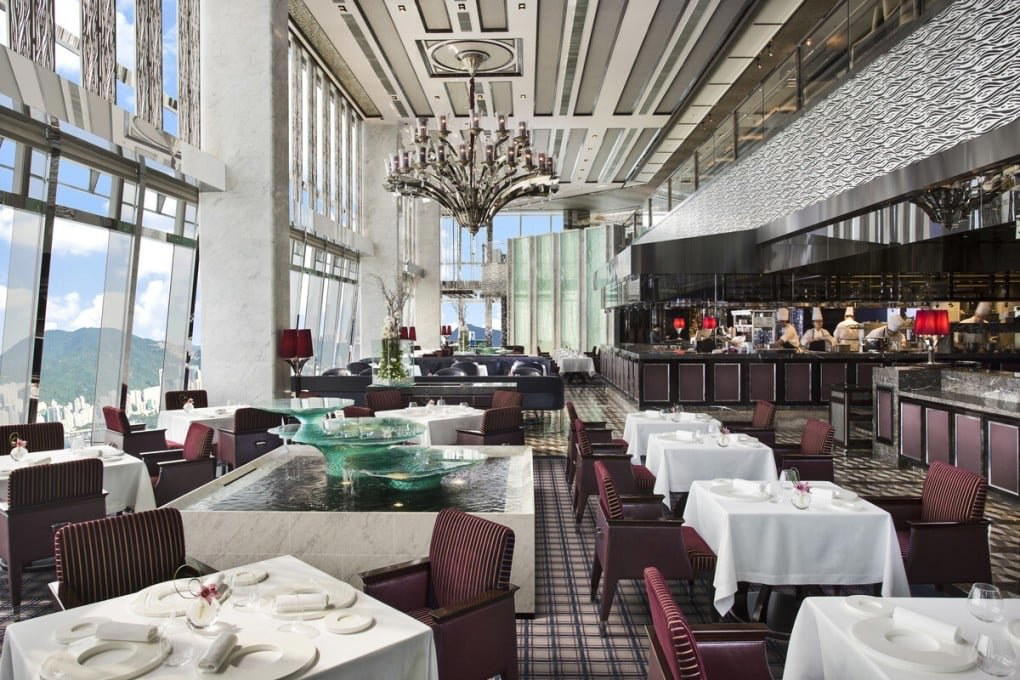
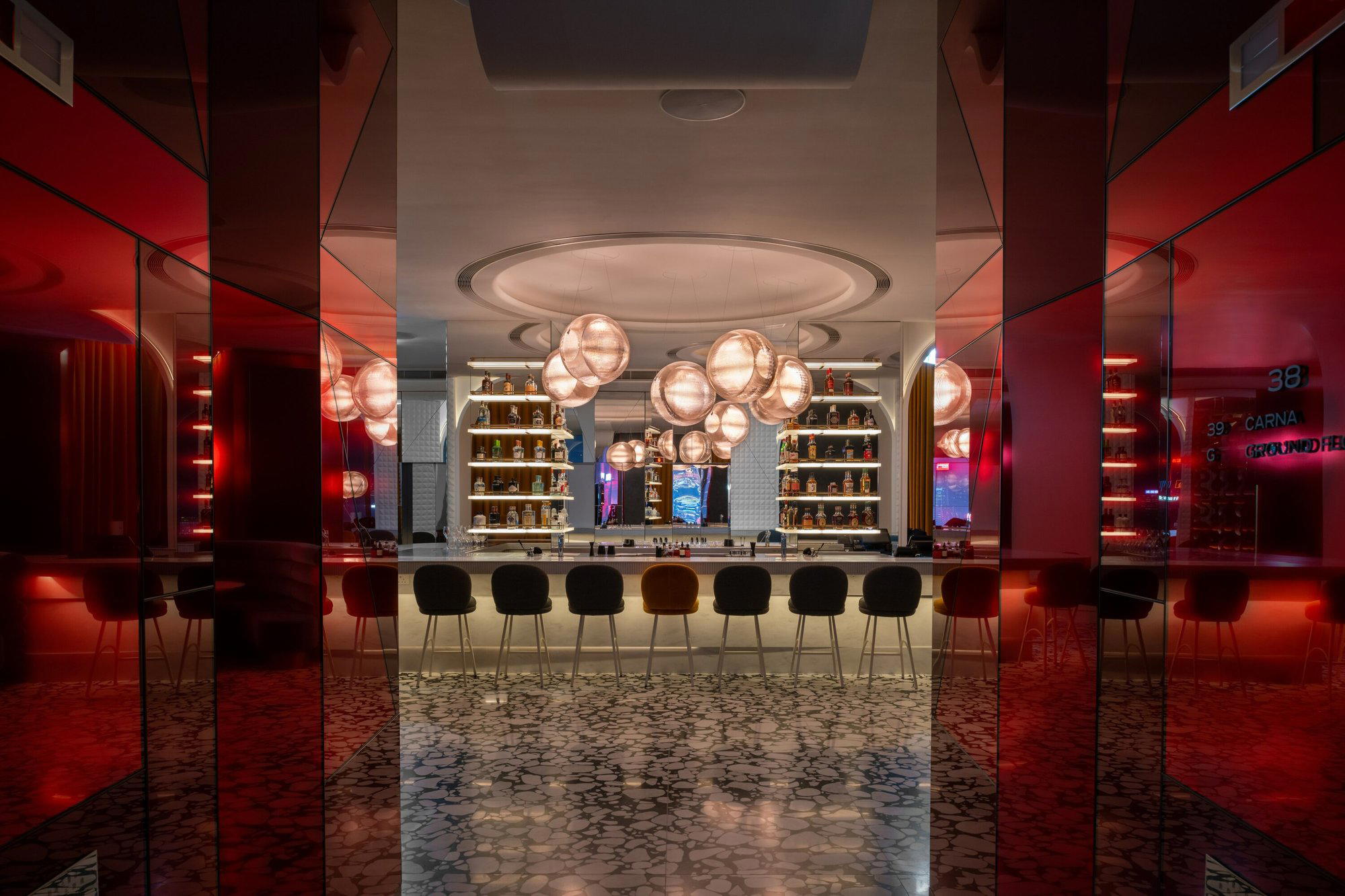
Perched on the 39th floor of the Mondrian in Tsim Sha Tsui, Carna by Dario Cecchini brings the ethos of Tuscany's most celebrated butcher to Hong Kong's steakhouse tier. Recognised with a Michelin Plate in both 2024 and 2025, the restaurant holds a distinct position in the city's meat-forward dining scene, where the wine programme carries as much weight as the cut on the plate.

Pearl is the En Primeur Club membership app, where members save venues, book tables and use the concierge.

The menu
What to order
- Bistecca alla Fiorentina
- Chianti tartare
- Costata di Manzo
Tsim Sha Tsui at Altitude: The Setting
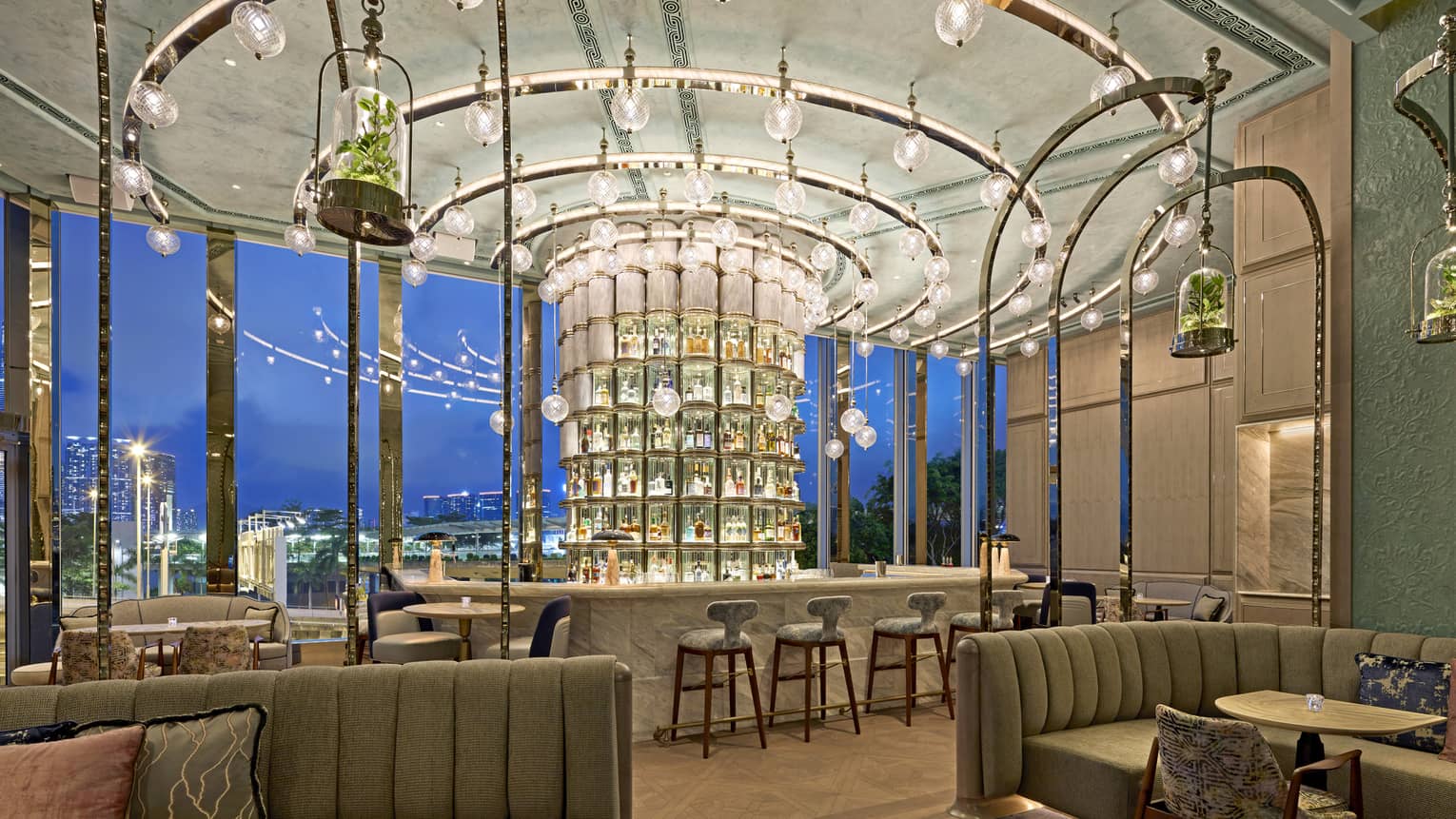
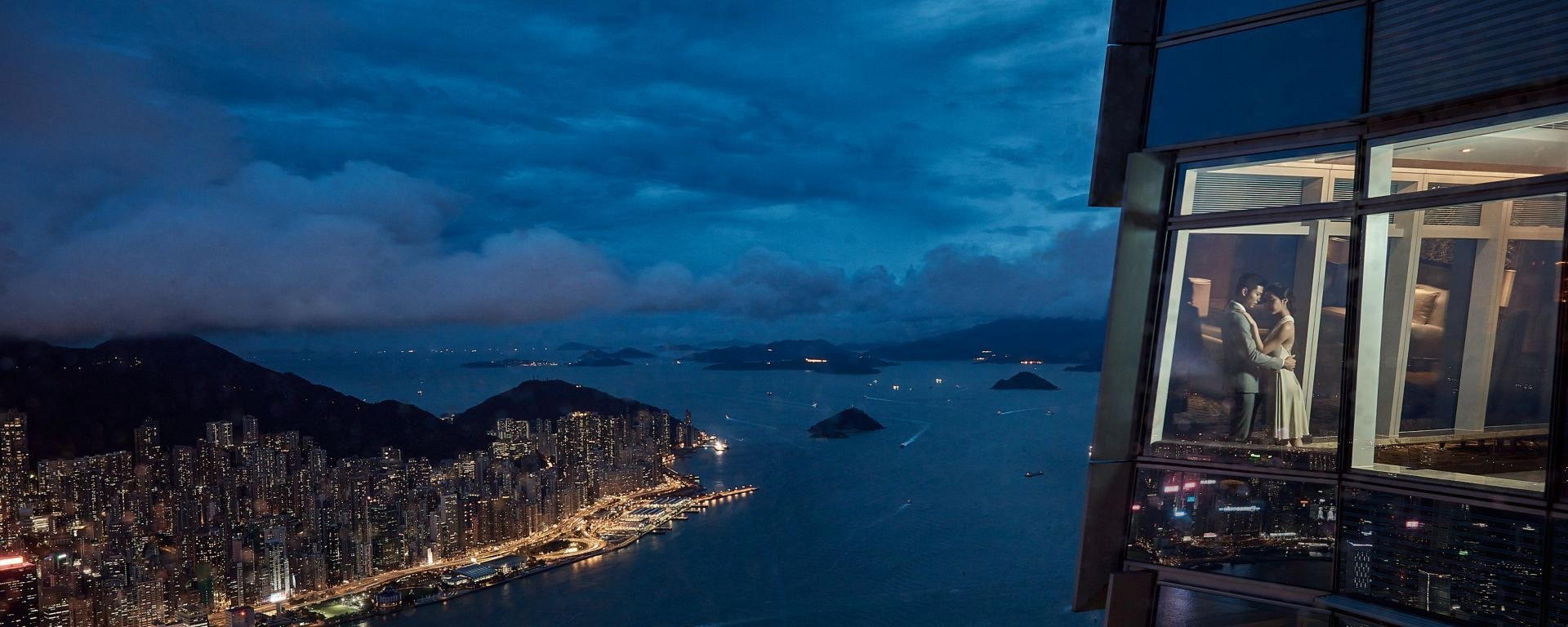
Hong Kong's premium dining map has long been split between Central's finance-district formality and the harbour-facing floors of Tsim Sha Tsui hotels. Carna by Dario Cecchini occupies the 39th floor of the Mondrian at 8A Hart Avenue, a position that frames the city's skyline as a near-constant presence at the table. The elevation does more than supply a view: it places the restaurant in a specific register of Hong Kong dining where height, hotel infrastructure, and destination-level intent converge.
The Butcher's Logic Applied to a Hong Kong Menu
Italian steakhouse culture functions differently from the American or Argentinian models that dominate Asia's hotel dining rooms. Where the American steakhouse tradition prizes wet-aged prime cuts and sauce architecture, the Tuscan approach, associated with Panzano-based butcher Dario Cecchini, centres on the integrity of the animal, nose-to-tail utility, and a resistance to over-complication. That philosophy travels across formats: Cecchini's name appears on restaurants in Florence, Miami, and now Hong Kong, each adapting the central logic to local context without abandoning the source material. In a city where the steakhouse category is populated by technically polished but often interchangeable hotel rooms, the Tuscan reference point gives Carna a distinct positioning that registers before a single plate arrives.
Michelin's inclusion of Carna in its Hong Kong and Macau guide for both 2024 and 2025, awarded the Plate distinction, which denotes good cooking at a consistent standard, confirms that the kitchen's output meets an externally assessed threshold. A Plate is not a star, but in a guide as densely populated as Hong Kong's, it functions as meaningful market signal. The restaurant sits, on that basis, in a recognisable tier: above casual hotel dining, below the three-star rooms like 8½ Otto e Mezzo Bombana, Caprice, or Amber, and aligned with a mid-premium group where price, consistency, and a clear culinary identity matter more than spectacle.
The Wine Cellar at a Steakhouse: Why It Matters Here
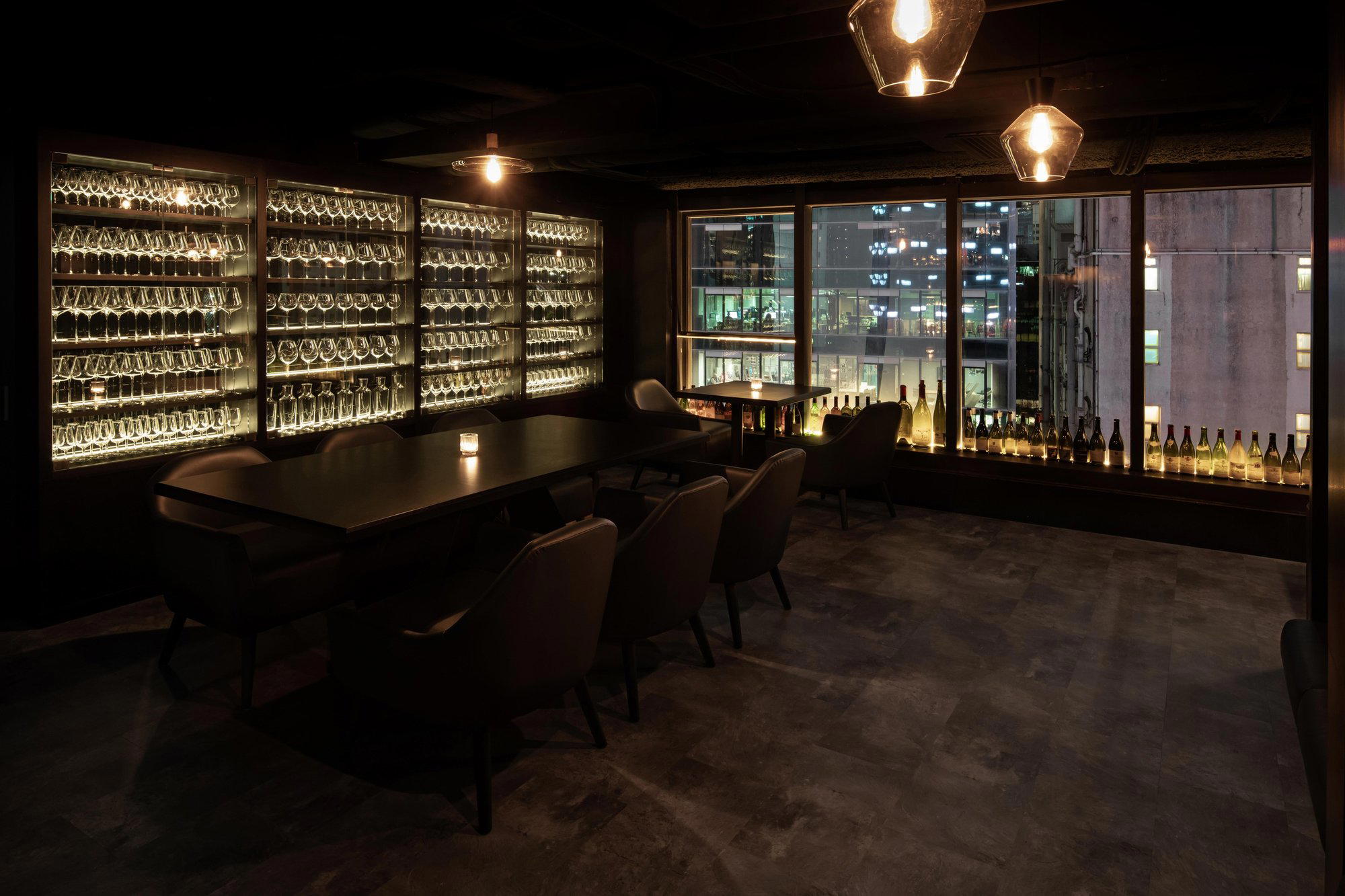
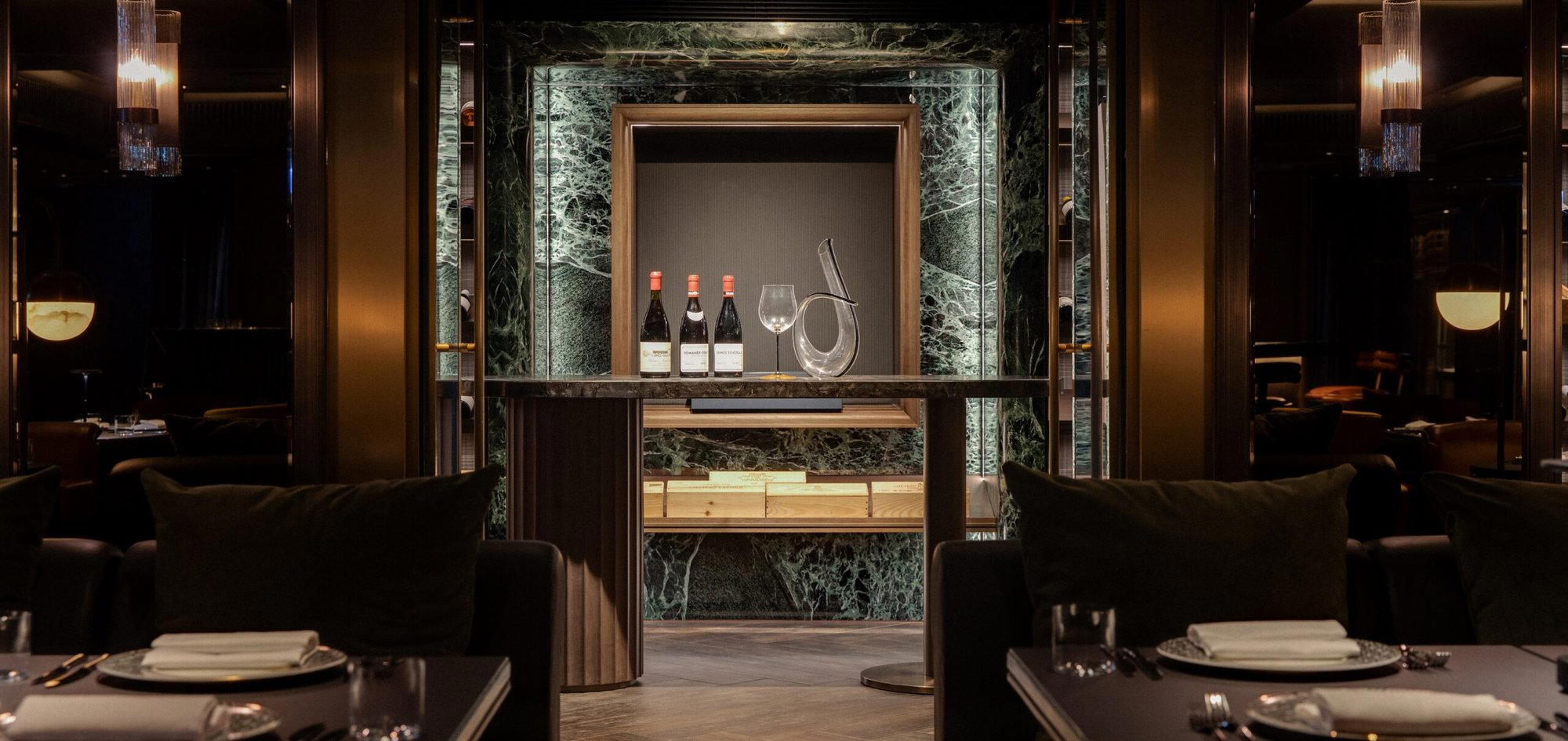
The editorial angle most often missed in steakhouse coverage is the wine programme. A steakhouse without a serious red list is a missed structural opportunity: the food calls for Cabernet, Malbec, Sangiovese, and Nebbiolo in ways that few other restaurant formats do as directly. In Hong Kong, where wine duty on imported bottles was abolished in 2008 and the city has since positioned itself as Asia's dominant fine wine trading hub, the sommelier's function at a premium steakhouse carries particular weight. The list is not simply an amenity; it is a category differentiator.
Carna's Italian identity creates a natural framework for a wine programme built around the central Italian reds that Tuscan cooking has historically accompanied: Chianti Classico Riserva, Brunello di Montalcino, and the Supertuscan bracket that emerged in the 1980s as a vehicle for Cabernet and Merlot outside DOC constraints. Whether the restaurant's list extends into Barolo and Amarone, the Piedmontese and Venetian options that a confident Italian steakhouse would include alongside Tuscany, or reaches toward New World Cabernet from Napa and Coonawarra, is a question the cellar answers in practice. What the format demands is a programme deep enough to match a long meal built around multiple cuts and courses, and a sommelier with the technical range to move between Italian regional appellations and international heavy reds without losing the thread. In a city that trades wine at auction and hosts some of Asia's most knowledgeable collectors, a credible red programme is table stakes at this price tier.
For reference, steakhouses in comparable markets that have built strong wine identities around their meat programmes include Keens in New York City, where the cellar depth matches the institution's age, and 1515 West Chophouse in Shanghai, which has operated in a similarly wine-literate city context. In Asia's premium steakhouse tier more broadly, addresses like A Cut in Taipei and Born and Bred in Busan illustrate how the category has matured regionally, with each market developing its own approach to pairing culture alongside the protein focus.
Carna in Hong Kong's Broader Dining Context
Tsim Sha Tsui sits across Victoria Harbour from Central and, for dining purposes, has historically played second tier to Hong Kong Island's concentration of headline addresses. That dynamic has shifted as newer hotel openings on the Kowloon side have drawn serious kitchens northward across the harbour. The Mondrian's positioning on Hart Avenue, in the dense hospitality block between Nathan Road and Chatham Road, places Carna within walking distance of the MTR network and a short cab ride from the Star Ferry piers. The practical accessibility matters: unlike some refined hotel restaurants that function primarily for in-house guests, a Tsim Sha Tsui address with MTR proximity draws from across the city.
At the $$$ price tier, consistent with a mid-premium Hong Kong positioning rather than the $$$$ bracket occupied by the three-star rooms, Carna sits in company with restaurants like Andō, which applies a similarly focused culinary identity at comparable pricing.
For readers building an itinerary around Hong Kong's steakhouse and meat-focused options, the city's offer is broad enough to warrant a deliberate choice at each tier. See our full Hong Kong restaurants guide for coverage across categories, and our Hong Kong hotels guide for accommodation context around the Tsim Sha Tsui district. Further reading on the city's drinking and entertainment circuit is available via our bars guide, our wineries guide, and our experiences guide. For steakhouse comparison across the region, Capa, Knife & Spoon, 4 Charles Prime Rib, and A5 Steakhouse offer useful points of contrast in other markets.
Planning Your Visit
Carna by Dario Cecchini is located at 39/F, Mondrian Hong Kong, 8A Hart Avenue, Tsim Sha Tsui. The $$$ pricing tier positions the restaurant as accessible relative to Hong Kong's top-tier hotel dining rooms, though a full meal with serious wine will move the bill meaningfully. For booking, contacting the Mondrian directly is the most reliable approach given that specific reservation details are not published through third-party channels.
Frequently asked questions
What kind of recognition has Carna by Dario Cecchini received?
Carna by Dario Cecchini has received recognition including: Michelin Plate (2025); Michelin Plate (2024).
What's the pricing like at Carna by Dario Cecchini?
Pricing at Carna by Dario Cecchini is listed as $$$.
What's the signature dish at Carna by Dario Cecchini?
Carna is built around Dario Cecchini's whole-animal butchery philosophy, which means the menu privileges cuts and preparations drawn from Florentine tradition rather than the standard hotel steakhouse playbook.
What cuisine category does Carna by Dario Cecchini fall under?
What part of town is Carna by Dario Cecchini in?
Carna by Dario Cecchini is located at 39/F, Mondrian, 8A Hart Ave, Tsim Sha Tsui, Hong Kong, Hong Kong.
Is Carna by Dario Cecchini reservation-only?
At the $$$ price tier and with two consecutive Michelin Plate recognitions (2024 and 2025), demand at Carna runs consistently high. Booking ahead is strongly advisable, particularly for harbour-view tables on the 39th floor of Mondrian Hong Kong. Walk-in availability is not confirmed, so contacting the venue directly at 8A Hart Avenue, Tsim Sha Tsui is the safest approach.
Recognition, Side-by-Side
| Venue | Cuisine | Price | Awards | Notes |
|---|---|---|---|---|
| Carna by Dario CecchiniThis venue (the venue you are viewing) | Contemporary Italian Steakhouse | $200–300 | Michelin Plate · SCMP 100 Top Tables Restaurants | Not listed |
| 8 1/2 Otto e Mezzo Bombana (Hong Kong) | 3 Michelin-Star Italian Fine Dining | $200–300 | 3 Michelin Stars · World's 50 Best #94 | Italian |
| Ta Vie | Modern French-Japanese Fine Dining | $300–500 | 3 Michelin Stars · World's 50 Best #68 | Japanese - French, Innovative |
| Caprice | Contemporary French Fine Dining | $200–300 | 3 Michelin Stars · World's 50 Best #35 | French, French Contemporary |
| Feuille | Modern Vegetable-Forward French | $200–300 | 1 Michelin Star · World's 50 Best #93 | French Contemporary |
| Neighborhood | Modern French with Asian Influences | $50–100 | 1 Michelin Star · World's 50 Best #24 | International, European Contemporary |
Recognition history
Dated appearances from independent guides and award organizations, with the underlying list record or original source where available.
Michelin Plate
Michelin
SCMP 100 Top Tables Restaurants
SCMP 100 Top Tables
World's Best Steaks 101 Best Steak Restaurants #78
World's Best Steaks
Full recognition history (5 entries)
Michelin Plate
Michelin
Michelin Plate
Michelin