




Occupying a prime position inside the Regent Hong Kong on Tsim Sha Tsui's waterfront, The Steak House is one of the few fine-dining rooms in the city built around a charcoal grill. The wine list runs to 500 selections with a 2,000-bottle inventory weighted toward Burgundy and Bordeaux, and the room, clad in burgundy, black, copper, and suede, holds a Michelin Plate for 2024 and 2025.
Pearl is the En Primeur Club membership app — saves, bookings, and concierge access live there. Same editors, same standards.
- Address
- 18 Salisbury Rd, Tsim Sha Tsui, Hong Kong
- Phone
- +852 2313 2313
- Website
- hongkong.regenthotels.com
 Saves & bookings on Pearl
A Room Built for Ritual
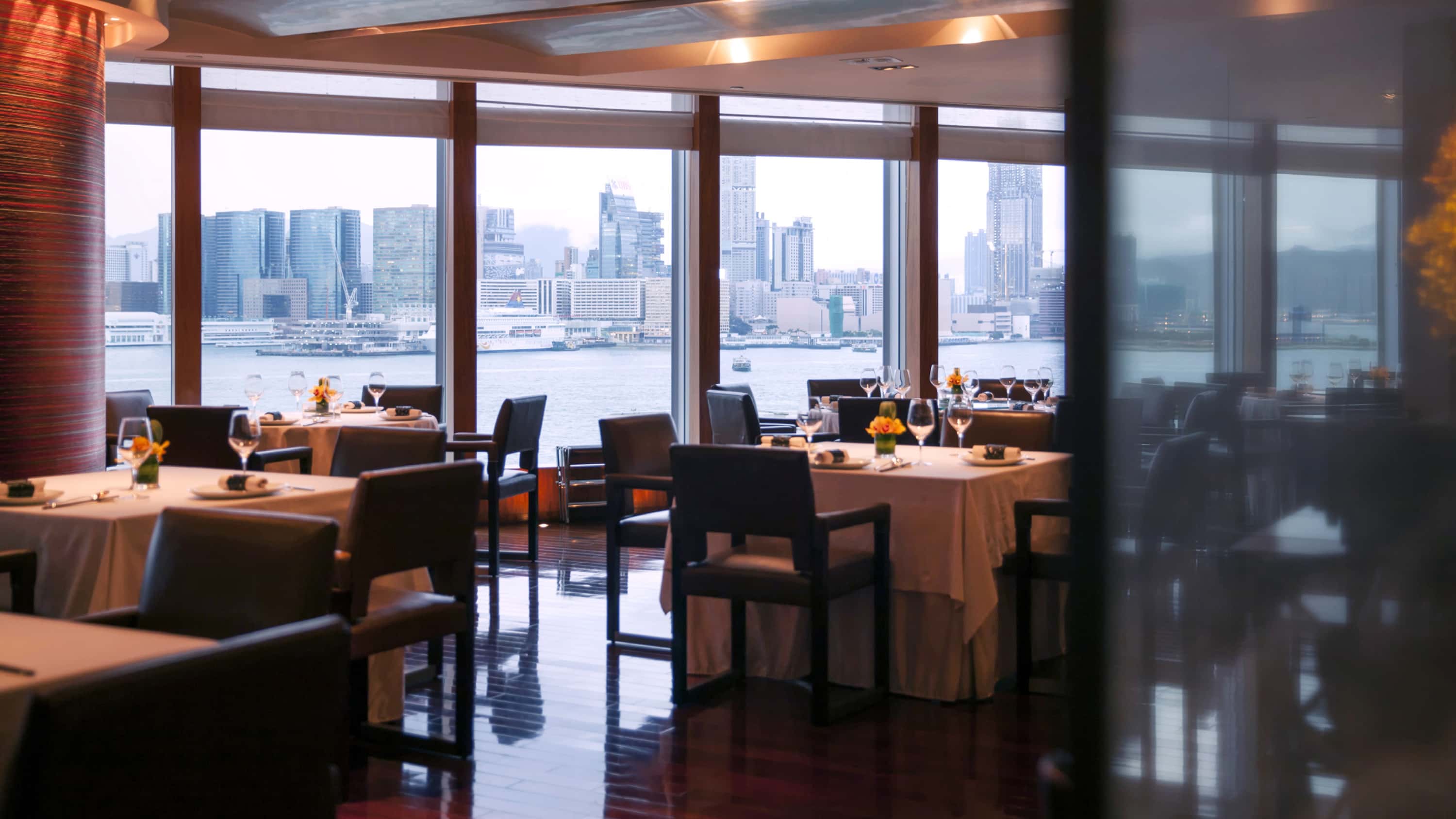
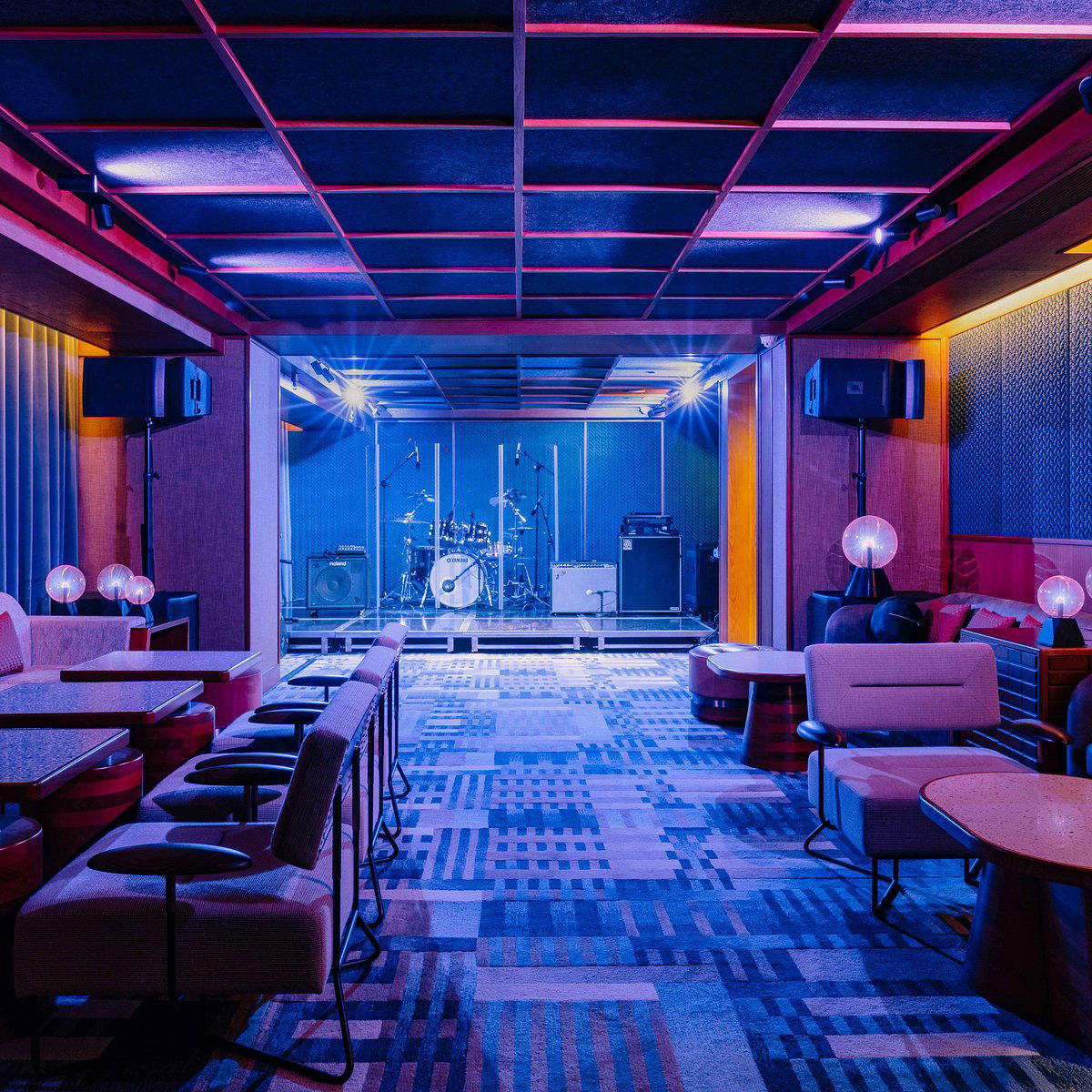
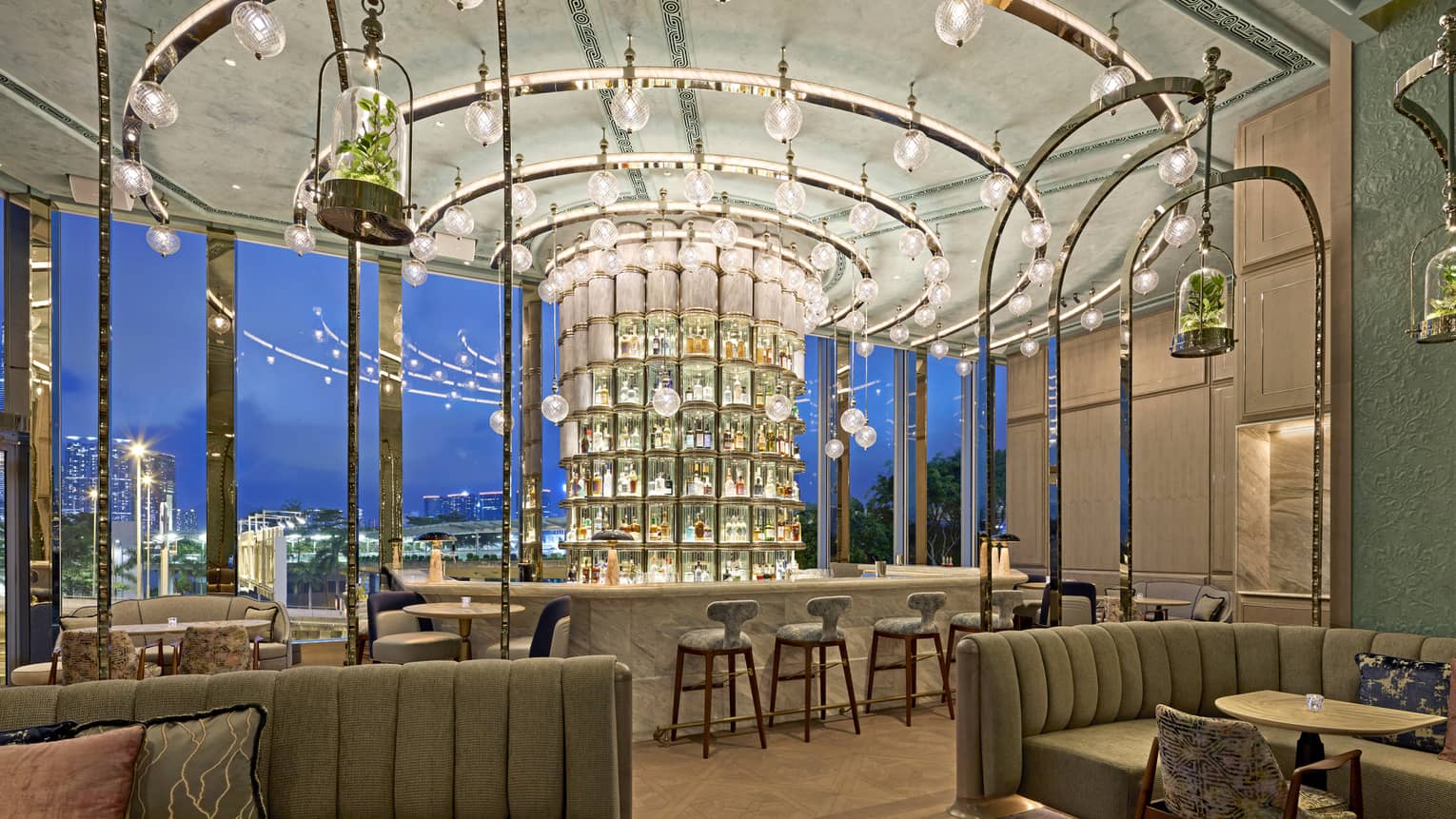
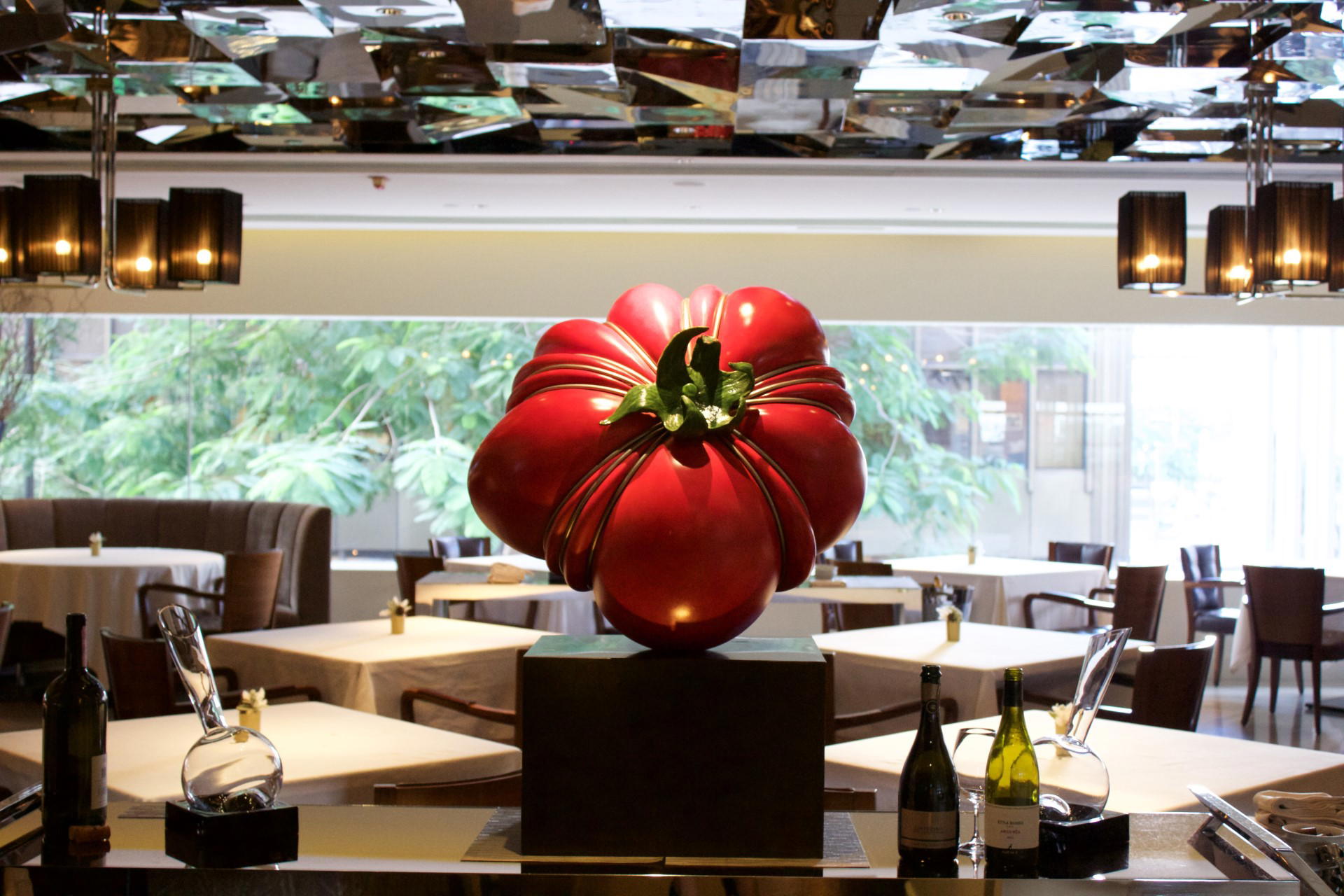
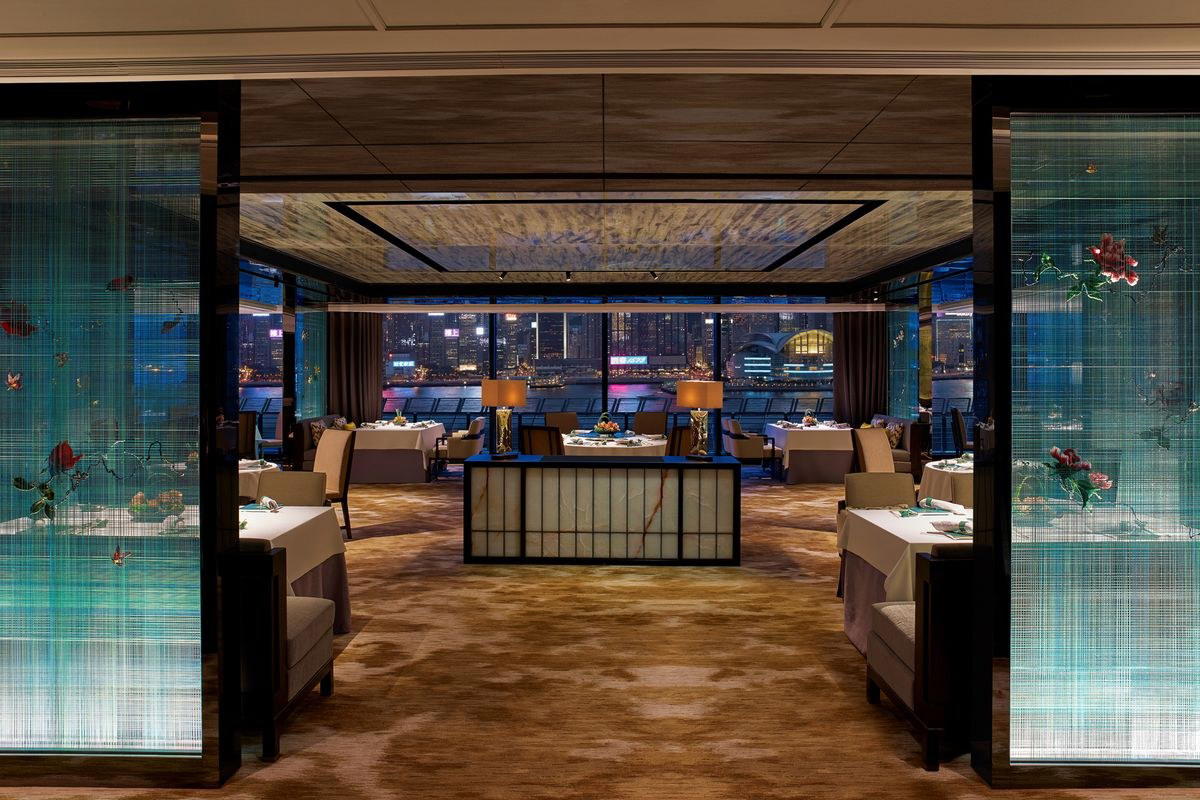
There is a particular atmosphere that settles over a great steakhouse before the first course arrives, the low rumble of a dining room at capacity, the scent of charcoal working through the ventilation, the quiet theatre of a tableside carving. At The Steak House in Tsim Sha Tsui, Hong Kong, that atmosphere is amplified by something most city steakhouses cannot offer: a wall of glass facing Victoria Harbour. The room is finished in burgundy and black with copper accents, leather banquettes, and suede detailing, a palette that signals occasion dining without resorting to the brittle formality of a hotel grill circa 2005.
Occasion dining in Hong Kong tends to bifurcate between grand French rooms, think Caprice at the Four Seasons or Amber at The Landmark Mandarin, and destination steakhouses with global sourcing programs and serious wine cellars. The Steak House sits firmly in the second camp, one of the few places in Hong Kong where charcoal grilling at fine-dining scale is the organizing principle of an entire kitchen. That operational commitment distinguishes it from hotel dining rooms where the grill is one station among many.
The Case for Charcoal
Charcoal grilling is rarer in Hong Kong's fine-dining scene than the city's food culture might suggest. Most premium hotel restaurants rely on high-end convection or Josper-style enclosed ovens; an open charcoal setup at this price tier is a deliberate technical choice, one that demands more from kitchen staff and imposes constraints on throughput. The payoff is a specific kind of caramelization and smoke that other heat sources approximate but do not replicate.
Chef Amine Errkhis runs the kitchen around that grill, working a globally sourced beef program that covers Japanese A5 Wagyu, Australian Black Angus, USDA Prime cuts, and Argentinian grass-fed beef. The in-house ageing program concentrates on dry-aged cuts, and the sourcing geography, Spain, Italy, the US, Australia, Japan, Korea, reflects a range of terroir and feeding regimes rather than a single flagship origin. For a celebration meal, that breadth matters: it lets the table calibrate the experience against what they actually want, whether that is the intense intramuscular fat of A5 Wagyu or the cleaner, more mineral profile of grass-fed Argentinian beef.
Across Asia, the steakhouse format has been refined considerably over the past decade. Properties like A Cut in Taipei and Born and Bred in Busan represent the regional movement toward premium beef programs anchored in local sourcing or single-origin Japanese cattle. The Steak House takes a different position: multi-origin, charcoal-focused, with a wine program scaled to match. For a comparison further afield, Keens in New York City shows how institutional longevity can become a steakhouse's primary asset; The Steak House trades instead on technical execution and a room that earns its setting.
Appetite Beyond the Cut
The menu around the grill extends the occasion-dining logic. Roasted bone marrow, smoked burrata, and bluefin tuna tartare sit in the appetiser section, dishes that demonstrate technical range without departing from the register of the meal. The salad bar, a long-standing feature of the room, has been reworked with seasonal ingredients and more deliberate plating, a small but meaningful detail in a restaurant where the full arc of the evening matters as much as the centrepiece protein.
The condiment approach reflects a considered philosophy about the relationship between accompaniment and meat: a custom tray of house-made salts, mustards, and sauces gives the table enough latitude to adjust without the additions overwhelming what came off the grill. In a room where the sourcing and ageing program are doing substantive work, that restraint is the correct call.
For those tracking Hong Kong's broader fine-dining landscape, The Steak House sits in a different competitive tier from Italian destinations like 8½ Otto e Mezzo Bombana or the meat-focused programming at Carna by Dario Cecchini, though all three operate at the $$$$ price point and pull from a similar pool of occasion-dining guests. Carna brings a specific Italian butchery tradition to its sourcing; The Steak House prioritizes multi-origin global procurement and charcoal technique. Also worth noting in the rooftop-and-views segment: Alto addresses a different occasion register entirely.
The Wine Program
The cellar is one of the stronger arguments for booking a significant dinner here. Wine Director Rex Li and Sommelier Kelvin Yeung oversee a list of 500 selections backed by a 2,000-bottle inventory, with the program's weight on France, Burgundy and Bordeaux in particular. The pricing sits at the $$$ tier on the wine scale, meaning many bottles cross the $100 threshold, but the range is broad enough to accommodate different budget ceilings. Corkage is set at $90 for guests who bring their own bottle.
For a milestone dinner, the depth on Burgundy is the relevant detail. Red Burgundy, Pinot Noir from the Côte de Nuits or Côte de Beaune, does not pair with steakhouse cuts the way Napa Cabernet or a Rhône Syrah does, but for guests who already drink primarily in that direction, a list this deep offers genuine optionality. The full-bodied reds expected to anchor steakhouse pairings are well-represented too, and the sommelier team's approach is described as intuitive rather than formulaic, which in practice tends to mean fewer scripts and more attention to what the table is actually ordering.
In the context of Hong Kong's extraordinarily competitive fine-dining market, holding a Plate across consecutive years at a hotel restaurant that has undergone significant repositioning under the Regent rebrand is a meaningful signal.
Why This Room Earns Its Occasion
There is a version of the hotel steakhouse that coasts on room service adjacency and corporate expense accounts. The Steak House is not that. The charcoal commitment, the ageing program, the multi-origin beef sourcing, and a wine cellar with genuine depth at the Burgundy end of the list are all operational choices that require sustained investment. For anniversaries, milestone birthdays, or any dinner where the memory of the meal needs to hold up years later, the room's combination of harbour views, fire-driven cooking, and serious wine service does what occasion dining asks of it.
Planning Your Visit
Address: 18 Salisbury Road, Tsim Sha Tsui, Hong Kong (inside the Regent Hong Kong). Cuisine: Steakhouse, charcoal grill, multi-origin beef program. Meals: Lunch and dinner. Cuisine pricing: $$$ (two courses, excluding beverages). Wine list: 500 selections, 2,000-bottle inventory, France-weighted; corkage $90. Awards: Michelin Plate 2024 and 2025. Google rating: 4.3 from 84 reviews. Reservations: Recommended, particularly for window tables with harbour views; book through the Regent Hong Kong directly.
What It’s Closest To
Comparable venues nearby, for context on price, style, and recognition.
| Venue | Cuisine | Price | Awards | Notes |
|---|---|---|---|---|
| The Steak HouseThis venue — the venue you are viewing | Classic Hong Kong Steakhouse | $$$$ | Michelin Plate | |
| Buenos Aires Polo Club | Argentine Steakhouse | $$$$ | Central | |
| Citrino da Yoshinaga Jinbo | Nippon-Italian Fine Dining | $$$$ | Michelin Plate | Central |
| Little Napoli | Authentic Neapolitan Pizza | $$$ | Bib Gourmand | Wan Chai |
| Magistracy Dining Room | Elevated British Classics | $$$$ | Michelin Plate | Central |
| Henry | Modern American Steakhouse & Grill | $$$$ | , | Tsim Sha Tsui |
Continue exploring
More in Hong Kong
Restaurants in Hong Kong
Browse all →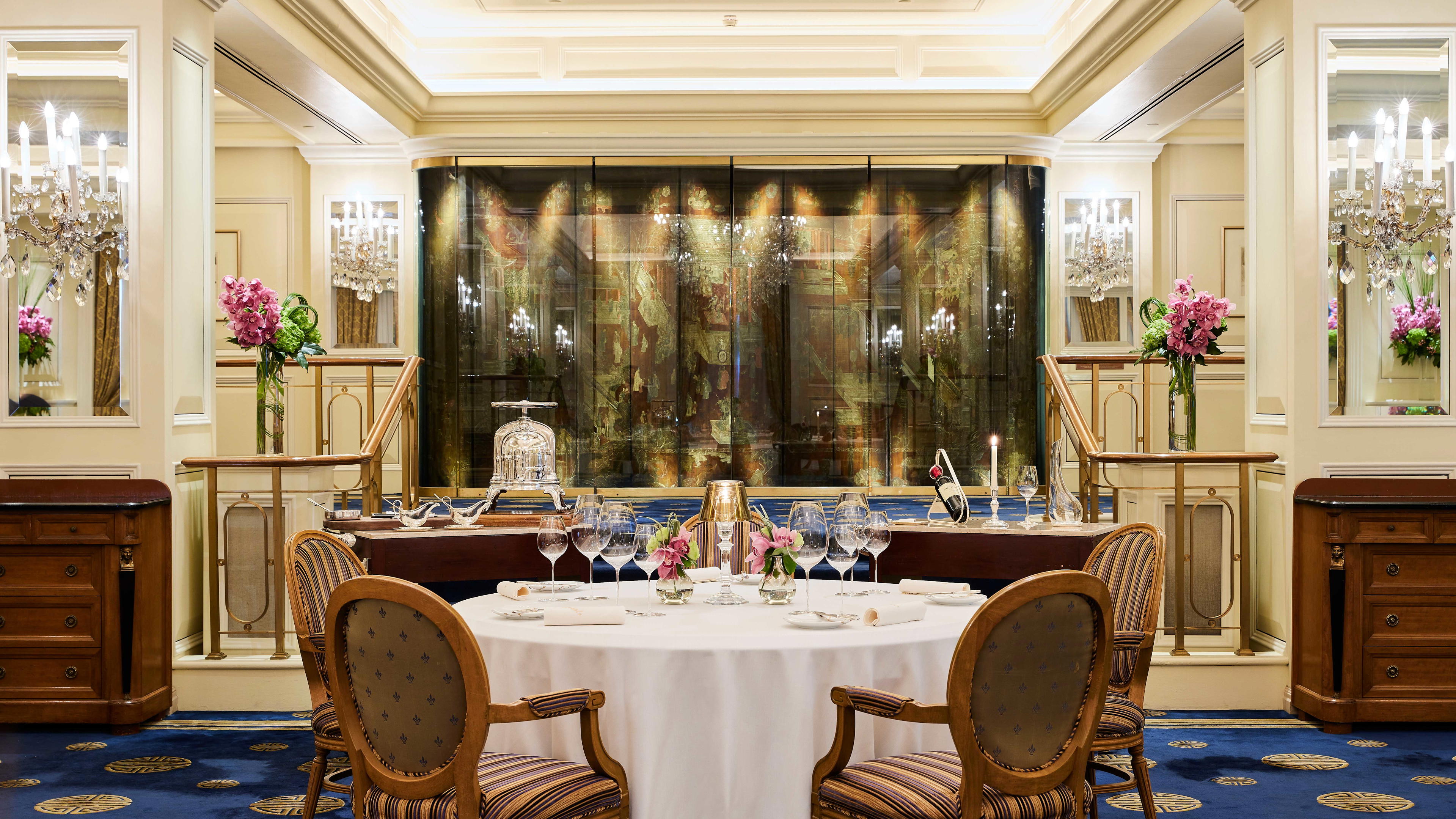
Bars in Hong Kong
Browse all →
At a Glance
- Elegant
- Sophisticated
- Cozy
- Classic
- Date Night
- Business Dinner
- Celebration
- Special Occasion
- Family
- Hotel Restaurant
- Waterfront
- Panoramic View
- Extensive Wine List
- Sommelier Led
- Waterfront
- Skyline
Cozy and elegant atmosphere with sophisticated lighting, warm hospitality, and stunning sea views through tall windows.