On the Serbian bank of the Danube in Apatin, Plava Ruža occupies the kind of riverfront position that shapes what ends up on the plate as much as any kitchen decision. The Pannonian fishing tradition runs deep here, and the restaurant sits inside a dining culture defined by freshwater catches, paprika-laced broths, and the seasonal rhythms of one of Europe's great rivers. For visitors moving through the Vojvodina region, it is a reference point for understanding how Danubian cooking differs from the Adriatic-facing cuisine that dominates Croatian restaurant discourse.
Pearl is the En Primeur Club membership app — saves, bookings, and concierge access live there. Same editors, same standards.
- Address
- Dunavska obala bb, Apatin, Serbia
- Phone
- +38125773600
- Website
- restoranplavaruza.rs
- Directions
- Get directions
 Saves & bookings on Pearl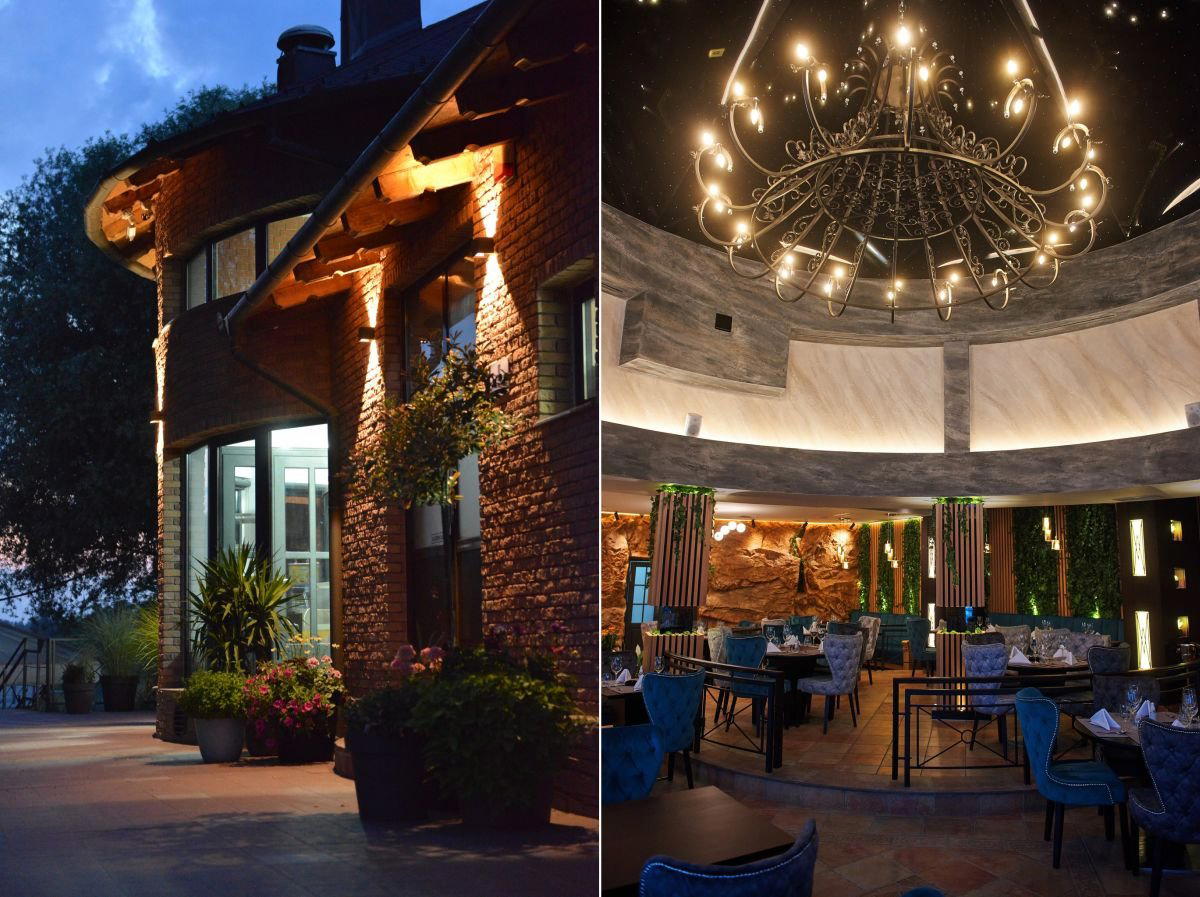
Where the River Sets the Menu
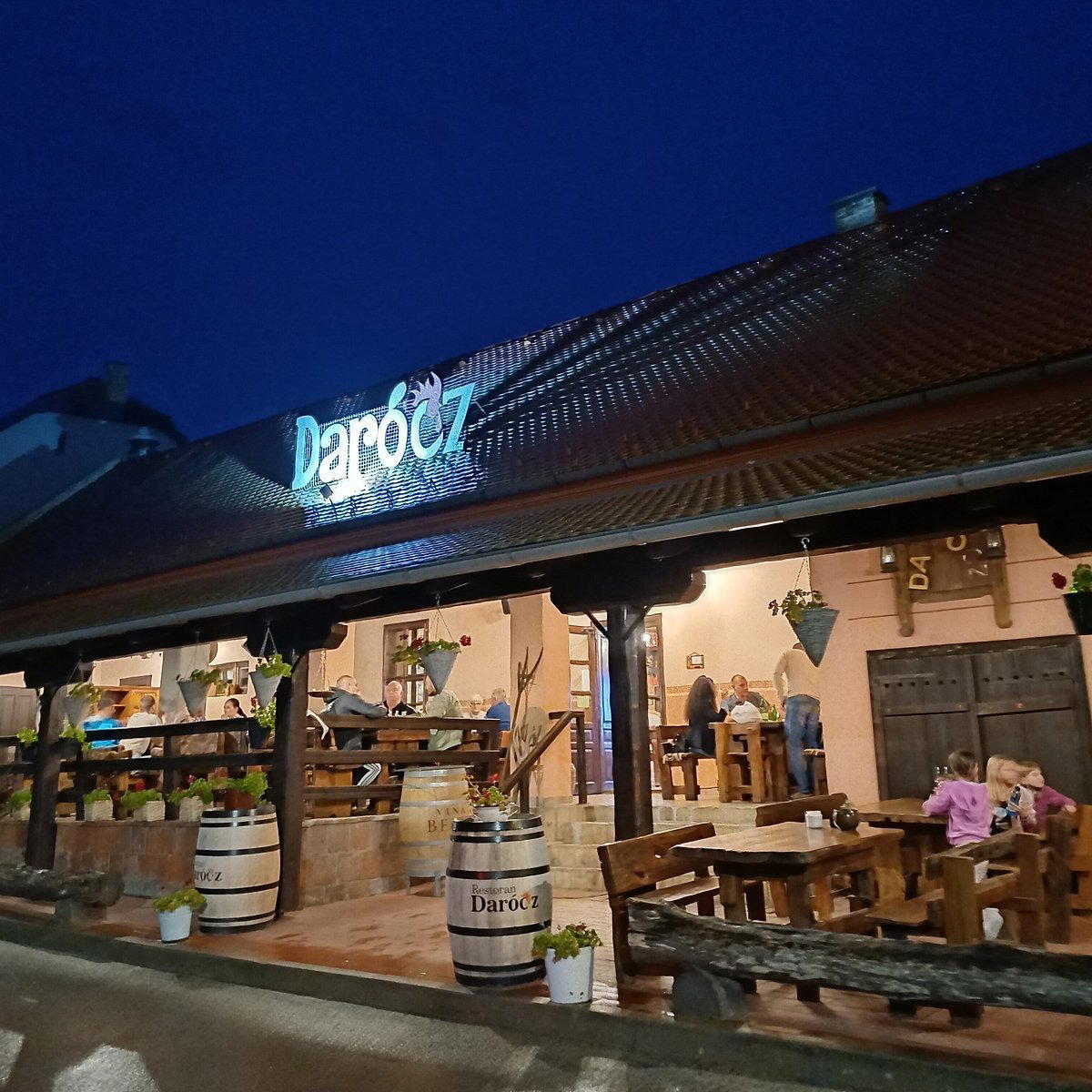
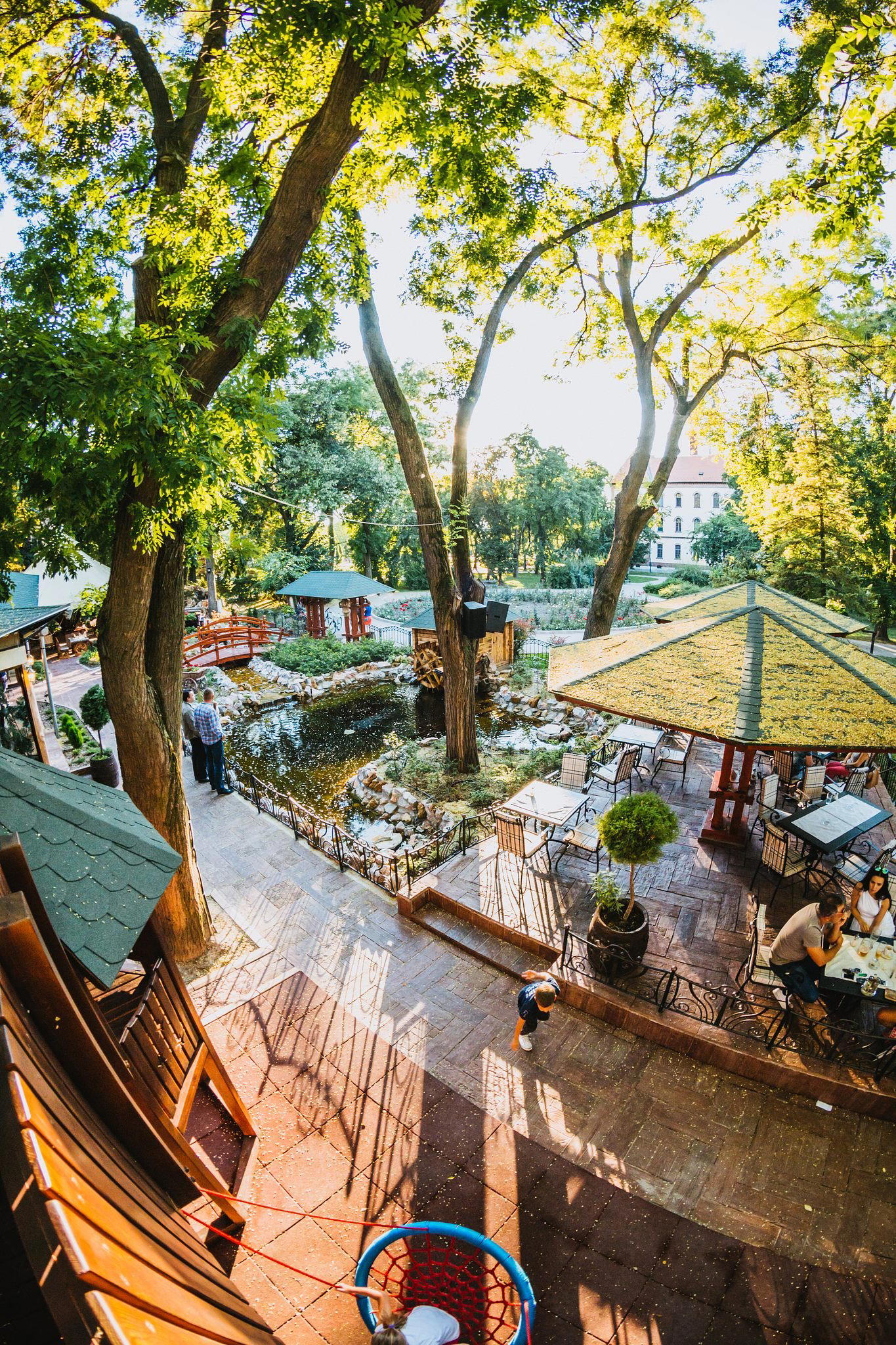
Approach Apatin from the water side and the Danube makes itself felt before the town does. The river is wide here, slow in summer, opaque with silt after spring rains, and it has been shaping the cooking of this stretch of Vojvodina for as long as there have been settlements on its banks. Plava Ruža sits along Dunavska obala, the riverfront embankment, in Apatin, Serbia, serving Traditional Serbian with Fish Specialties at a price tier around $25 per person. The address alone signals what kind of cooking this is: not the Adriatic-facing Mediterranean register that defines Croatia's most-discussed restaurant scene, but something older, more landlocked, built around the catch from the water visible from the dining room.
That distinction matters for any visitor calibrating expectations. Croatia's premium dining conversation is largely conducted on the coast. Venues like Pelegrini in Sibenik, Restaurant 360 in Dubrovnik, and Agli Amici Rovinj in Rovinj operate in a Mediterranean idiom shaped by olive oil, Adriatic seafood, and Italian culinary adjacency. Apatin, by contrast, belongs to a Central European food tradition where carp, catfish, and pike dominate, paprika arrives in quantity rather than as a garnish, and the cooking draws on Hungarian, Serbian, and German settler influences layered over centuries. These are parallel traditions, not a hierarchy.
The Pannonian Sourcing Logic
Freshwater fish restaurants along the Danube operate on a sourcing model that coastal venues cannot replicate. The fish are local in a literal sense: the Danube between Apatin and Bačka Palanka is among the more significant freshwater fishing zones in the region, and catches move from river to kitchen within hours rather than via distribution chains. This is the core of the editorial angle for any serious Danubian table. Ingredient provenance is not a branding choice here but a structural feature of where the restaurant exists.
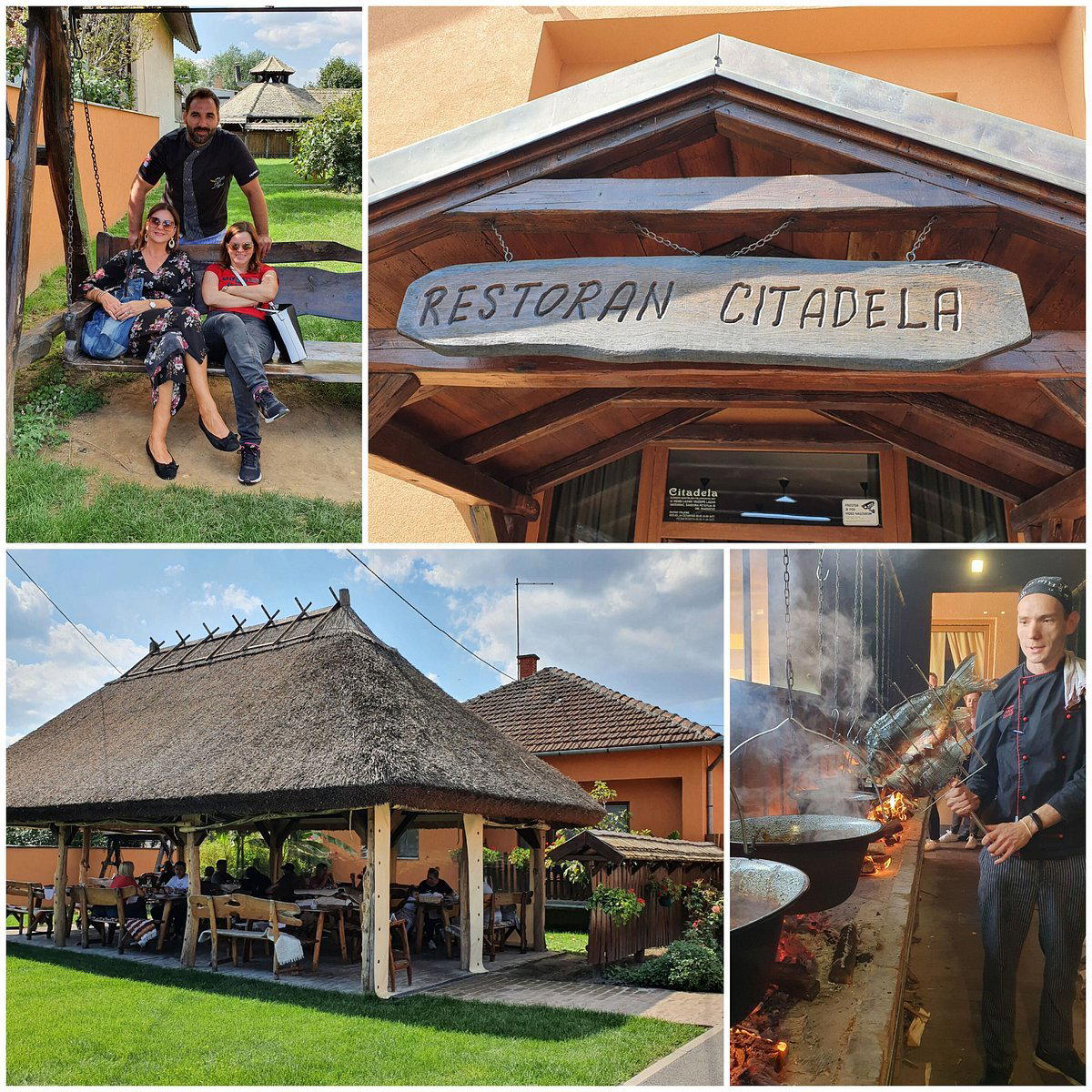
The classic preparations of this tradition, fish paprikash, grilled carp, and riblja čorba (the dense, paprika-heavy fish soup that functions as the region's culinary signature), depend on freshness in a way that rewarded proximity to source long before farm-to-table became a restaurant marketing framework. Riblja čorba in particular is a dish that degrades quickly with distance; made properly from freshly caught Danube fish, cooked in stages with hot paprika and occasionally finished tableside, it bears little resemblance to versions made from frozen stock. Apatin's riverfront restaurants sit at the origin point of this dish in a way that inland or coastal versions cannot claim.
For a comparison that illustrates how seriously Croatian and regional restaurants take sourcing as an editorial identity, consider what Boskinac in Novalja does with Pag island lamb and olive oil, or how BioMania Bistro Bol in Bol frames its ingredient choices as central to the dining proposition. The logic is the same along the Danube; the ingredients simply come from a river rather than an island.
Apatin's Riverfront Dining Scene
Apatin is a small Vojvodina town whose dining scene is modest in scale but coherent in identity. The riverfront embankment concentrates most of the relevant options, and the competitive set for Plava Ruža is other Danubian fish restaurants rather than anything in the Croatian coastal tier. The nearest useful comparison on the EP Club platform is Čarda Zlatna Kruna, also in Apatin, which operates in a similar freshwater fish tradition. Visitors should approach both as complementary entries into the same culinary register rather than rivals offering differentiated cuisine.
The broader Croatian restaurant scene, documented in our full Apatin restaurants guide, provides context for how this corner of the country sits apart from the coastal restaurant conversation. Venues from Zagreb, such as Dubravkin Put and Korak in Jastrebarsko, point toward a continental Croatian culinary identity that has more in common with Apatin's Pannonian setting than with Split or Dubrovnik. Even so, the Vojvodina riverfront tradition represents a further step toward Central European cooking, one that the Adriatic-trained Croatian restaurant world rarely references.
Visitors arriving from the Croatian coast who have eaten at Krug in Split, Nebo by Deni Srdoč in Rijeka, or LD Restaurant in Korčula will find the register here genuinely different: heavier, spicier, built around freshwater rather than salt, and less shaped by Italian or French culinary reference points. For travelers comparing this region to international fine dining such as Le Bernardin in New York City or Atomix in New York City, the contrast in culinary tradition is as instructive as any single dish.
Planning a Visit
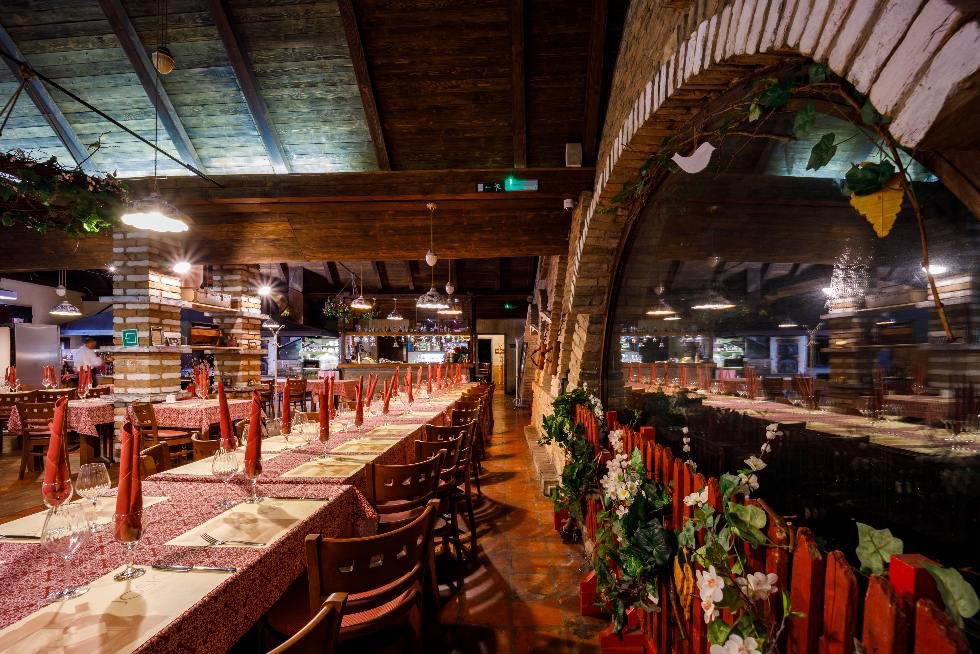
Apatin sits on the Serbian side of the Danube border zone, and visitors should confirm entry requirements if traveling from EU territory; crossing points along this stretch require standard documentation. The town is most accessible by car from Osijek in Croatia or Novi Sad in Serbia, both roughly an hour's drive. Summer is the obvious season for a riverfront table, when the embankment is active and the fishing season is at its productive peak, but the fish paprikash tradition has no off-season. Venues like Burin in Crikvenica, Bodulo in Pag, and Cantilly Garden Restaurant in Samobor illustrate the variety of format and setting across Croatian dining; Apatin's riverfront places operate in a simpler, more direct register than most of that list, with limited formal infrastructure and an emphasis on the food rather than the dining room design. Booking in advance is advisable for weekend visits. Dress expectations are informal; this is a working-town riverfront, not a resort.
For travelers building a regional itinerary that connects the Pannonian interior with the Adriatic coast, Alfred Keller in Mali Lošinj and Burin in Crikvenica offer coastal counterpoints that make the contrast between the two traditions legible on the palate.
Quick Comparison
Comparable venues nearby, for context on price, style, and recognition.
| Venue | Cuisine | Price | Notes |
|---|---|---|---|
| Plava RužaThis venue — the venue you are viewing | Traditional Serbian with Fish Specialties | $$$ | Not listed |
| ČARDA ZLATNA KRUNA | Traditional Serbian Riverside Čarda | $$ | Apatin |
| RESTORAN VINSKA KUĆA ERDEVIK | Serbian Wine House | $$ | Sid |
| RESTORAN ČAJKOVSKI | Modern Serbian Fine Dining | $$$ | Stari Grad |
| Код Брке | Serbian Pub Restaurant | $$ | Telep |
| Etno Restoran Fijaker | Traditional Serbian Grill & Barbecue | $$ | Park Heroja |
Continue exploring
More in Apatin
Restaurants in Apatin
Browse all →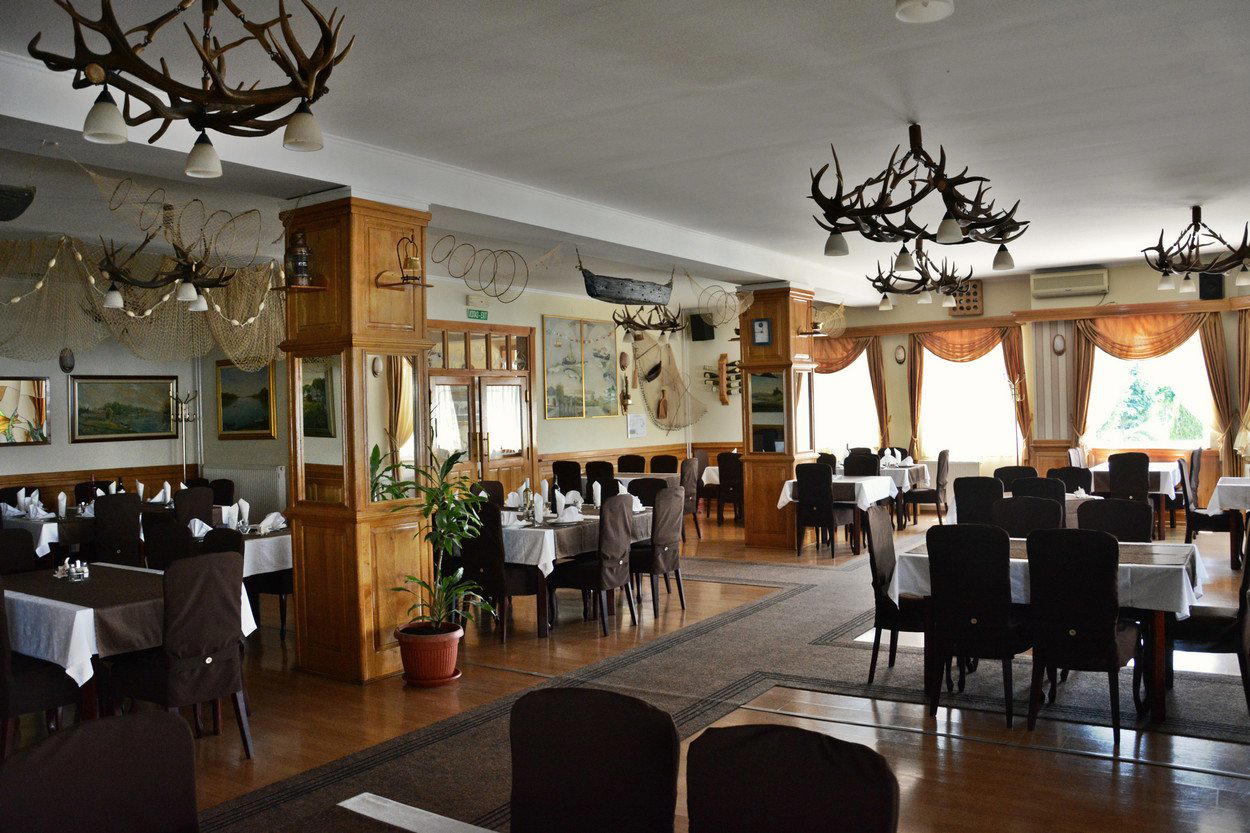

At a Glance
- Elegant
- Scenic
- Cozy
- Family
- Group Dining
- Waterfront
- Local Sourcing
- Waterfront
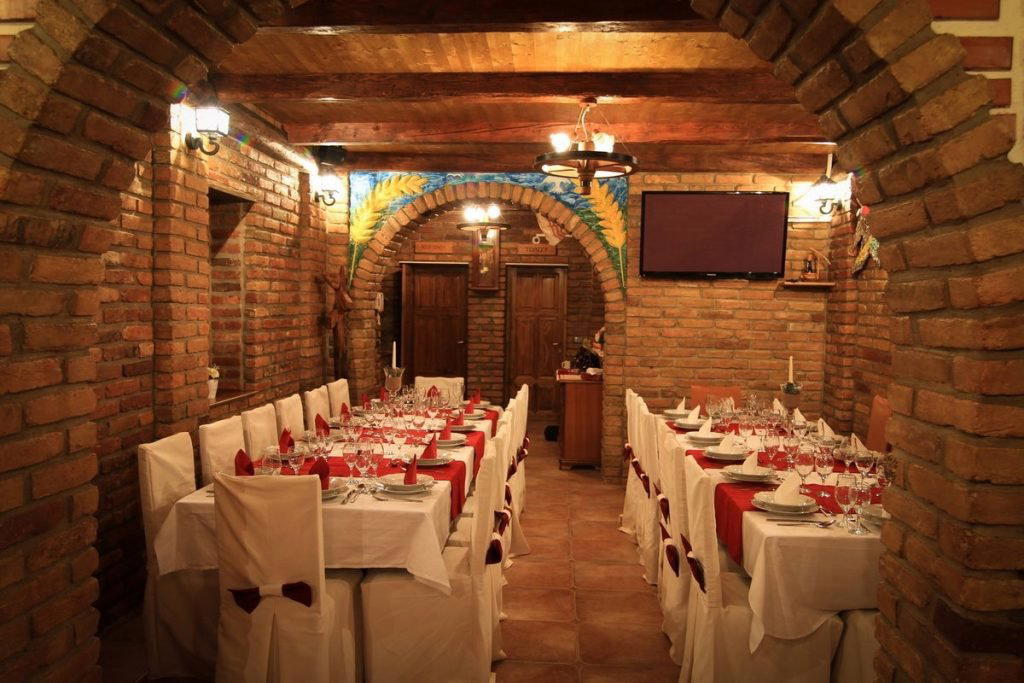
Elegant ambiance combining heritage and hospitality with stylish looks.