Our verdict
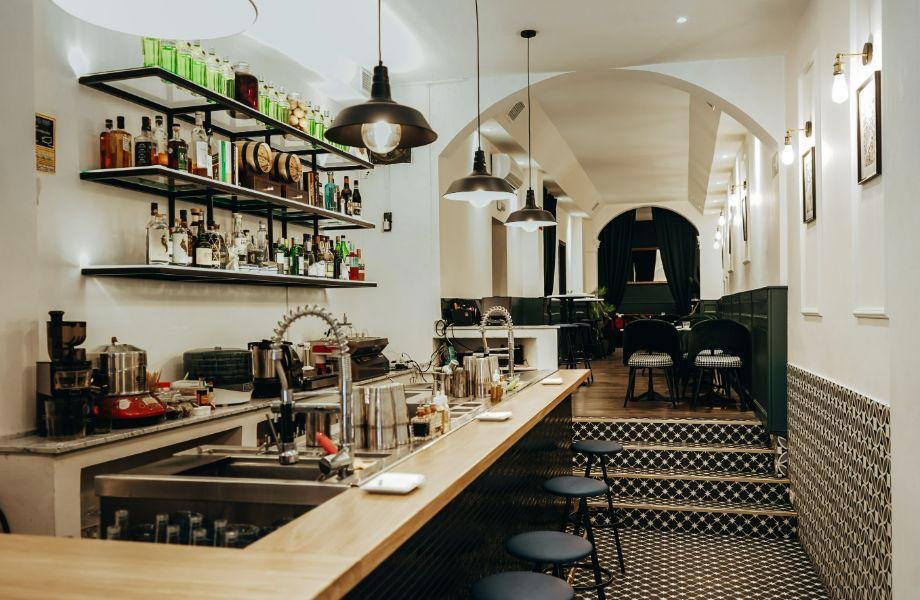
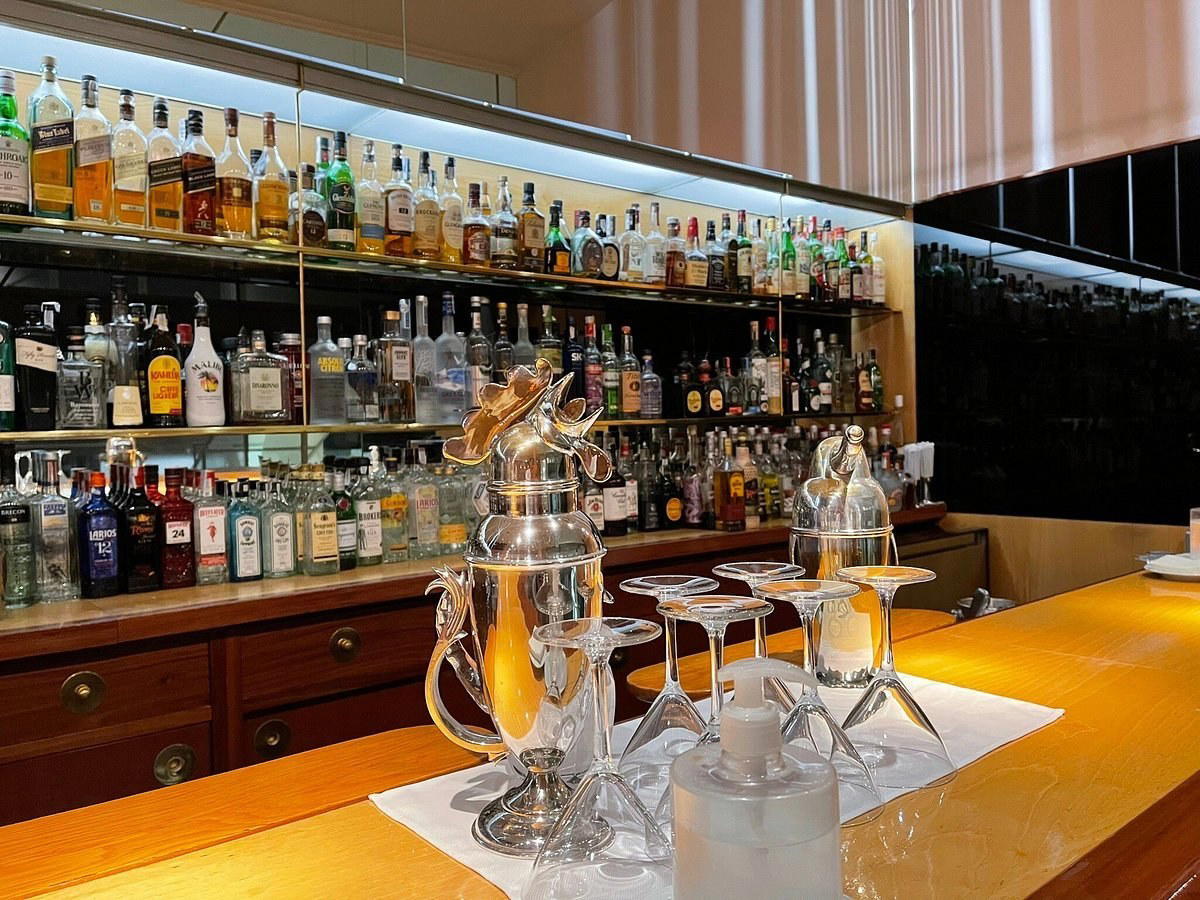
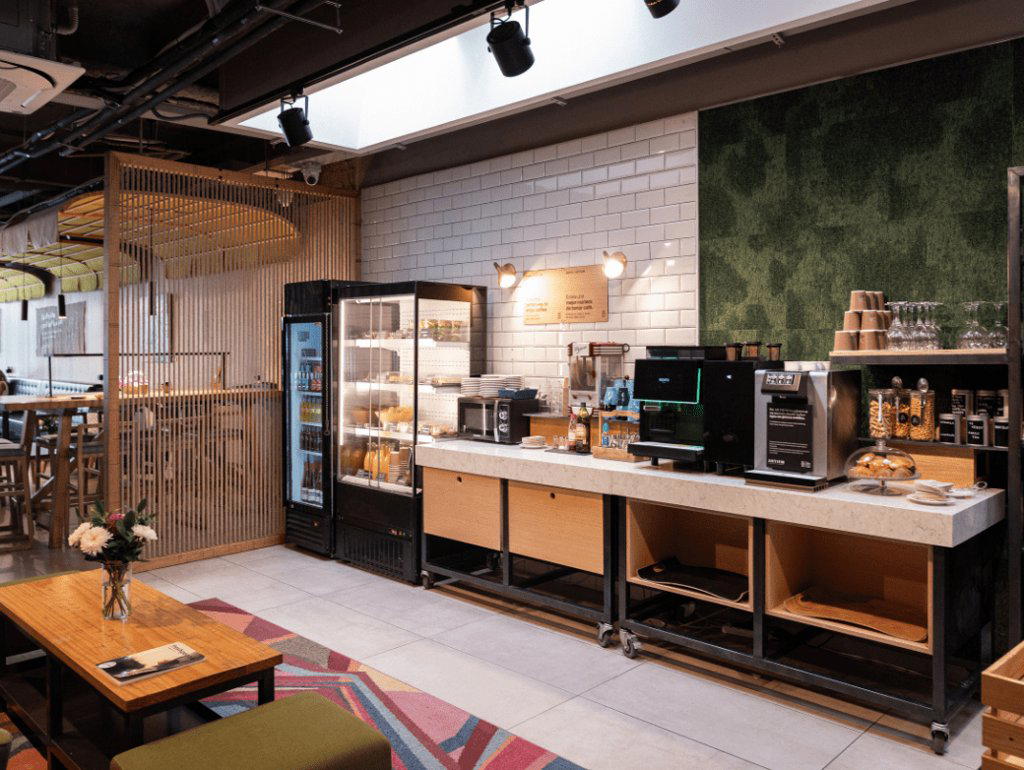
Carambola Café Bistró sits on Avenida de Manuel Fraga Iribarne in Hortaleza, one of Madrid's northern residential districts where neighbourhood dining operates at a different register than the city centre. The café-bistro format occupies a particular niche in Madrid's eating culture: approachable in scale, embedded in local routine, and positioned away from the tourist circuits that define much of the capital's restaurant press coverage.

Pearl is the En Primeur Club membership app, where members save venues, book tables and use the concierge.

The menu
What to order
- Salmon puff pastry with spinach and cream cheese
- Ensalada burrata
Hortaleza and the Neighbourhood Bistro Tradition in Madrid
Madrid's dining conversation tends to collapse around a handful of postcodes. The tasting-menu circuit runs through Chamberí, Salamanca, and the centre, where houses like DiverXO, Coque, and Deessa attract international attention at €€€€ price points. But Madrid also runs on a quieter register: the neighbourhood café-bistro that serves the city's residential districts, where the audience is local, the format is flexible, and the relationship between kitchen and regular is built over years rather than a single reservation.
Hortaleza, in Madrid's north, operates within that quieter register. It is a largely residential area, away from the tourist pressure of Sol or Gran Vía, and the dining options there tend to reflect the district's character: accessible, consistent, and oriented toward the everyday rather than the occasion. Carambola Café Bistró, on Avenida de Manuel Fraga Iribarne, fits that profile. The address puts it inside a local commercial strip rather than a destination dining corridor, which shapes both the format it operates and the expectations visitors should bring.
The Café-Bistro as a Spanish Dining Format
The café-bistro as a format carries specific weight in Spanish dining culture. Spain's eating rhythm is structurally different from most of northern Europe: breakfast often happens outside the home, mid-morning coffee and a small bite are common at a counter, lunch remains the primary meal of the day, and dinner runs late. A café-bistro that works within this rhythm covers multiple dayparts and serves a wide range of needs within a single space, from a quick coffee at the bar to a three-course lunch menu.
The menú del día, Spain's set weekday lunch tradition, is central to how places like Carambola function within a neighbourhood. At price points substantially below evening à la carte dining, a solid menú del día builds the loyal local clientele that sustains a café-bistro across the week. That tradition connects Hortaleza's neighbourhood spots to a broader national dining habit, one that has no real equivalent in countries where lunch is a rushed affair rather than a structured meal. This cultural context matters when placing Carambola within Madrid's eating culture: its relevance is measured in daily routine, not in the kind of destination credentials that drive coverage of DSTAgE or Paco Roncero.
Where Carambola Sits in Madrid's Dining Spectrum
Madrid's restaurant scene spans a range that few European capitals can match in density. At one end, Spain produces some of the world's most technically ambitious cooking, evident not only in Madrid but across the country at addresses like El Celler de Can Roca in Girona, Mugaritz in Errenteria, Arzak in San Sebastián, and Azurmendi in Larrabetzu. International visitors often approach Madrid through that lens, looking for a connection to Spain's tasting-menu culture. At the other end, the city's day-to-day eating happens in places that receive almost none of that coverage: the corner bar, the menú del día spot, the neighbourhood café-bistro that a district's residents treat as an extension of their own kitchen.
Carambola occupies the accessible end of that spectrum. Its location in Hortaleza, its café-bistro format, and its placement in a local commercial development position it as part of Madrid's residential dining infrastructure rather than its destination dining circuit. That is not a diminishment. The neighbourhood café-bistro performs a function that no tasting-menu house can replicate: it sustains a community's daily eating life. The same cultural logic that makes Martin Berasategui in Lasarte-Oria or Quique Dacosta in Dénia worth a dedicated journey also makes a well-run neighbourhood bistro worth understanding on its own terms.
For travellers exploring Madrid's districts rather than simply its centre, Hortaleza's dining options offer a view of how the city actually eats. That perspective has value, particularly for anyone who has already covered the city's prestige addresses and wants to understand the residential fabric underneath. Café-bistros operating in this tier across Europe, from neighbourhood canteens in Paris to the casual trattorias of Rome's outer arrondissements, serve a similar function: they are where food culture becomes daily life rather than performance.
Context Within Spain's Broader Dining Conversation
Spain's relationship with its café and bistro culture runs deeper than the country's fine-dining reputation might suggest. The bar-restaurant, the cafetería, and the café-bistro form the backbone of Spanish social eating, far more than the destination houses that attract international press. Across the country, from Aponiente in El Puerto de Santa María to Cocina Hermanos Torres in Barcelona to Ricard Camarena in València, the prestige tier commands the headlines. But Spanish chefs and critics frequently cite the foundational importance of accessible neighbourhood cooking in shaping the country's food culture. The café-bistro is not a lesser version of Spanish dining; it is the substrate on which the rest of it rests.
That context places Carambola Café Bistró within a tradition that has genuine cultural weight, even if the venue itself operates without the awards scaffolding that marks the upper tier. For visitors to Madrid who want a reading of the city beyond its Michelin corridor, the residential café-bistro format offers precisely that. The full picture of what makes Madrid a serious food city includes what happens in Hortaleza, not only what happens in the rooms covered by destination-level houses or profiled in international press.
For a complete map of where Madrid's restaurant scene sits, from neighbourhood format through to the city's most ambitious tables, see our full Madrid restaurants guide. Readers interested in comparable café-bistro formats in international contexts might also note how neighbourhood-focused venues in other cities, such as Lazy Bear in San Francisco or the broader dining culture around Le Bernardin in New York City, illustrate how a city's identity is built across its full range, not only at its prestige ceiling.
Know Before You Go
- Address: Av. de Manuel Fraga Iribarne, 35, Local 5, Hortaleza, 28055 Madrid, Spain
- District: Hortaleza, northern Madrid
- Format: Café-bistro; neighbourhood dining rather than destination format
- Practical note: Phone and website data are directly before visiting
- Getting there: Hortaleza is accessible by Madrid Metro; check current line connections to the Av. de Manuel Fraga Iribarne area
Frequently asked questions
What do regulars order at Carambola Café Bistró?
In the café-bistro format common to Madrid's residential districts, regulars typically anchor their visits around a weekday menú del día or a reliable house dish that varies by season and kitchen focus. The leading approach is to ask staff directly when you arrive, which aligns with how neighbourhood regulars across Spain tend to navigate their local spots.
Can I walk in to Carambola Café Bistró?
As a neighbourhood café-bistro in Hortaleza rather than a destination dining venue with structured reservation lists, walk-ins are generally consistent with the format. Madrid's residential café-bistros operate with more flexibility than the city's tasting-menu houses, where bookings at addresses like DiverXO or Coque require planning months in advance. That said, peak lunch hours on weekdays can fill a neighbourhood spot quickly given the menú del día trade, so arriving early or outside the midday rush improves your chances of immediate seating.
Is Carambola Café Bistró suitable for visitors staying in central Madrid who want to explore a residential neighbourhood?
Hortaleza is a northern residential district that sits outside the usual tourist and gastro-tourism circuits, which makes a visit to Carambola more of a deliberate neighbourhood excursion than a quick detour. Visitors based in central Madrid should plan for travel time and treat the visit as part of a broader exploration of the district rather than a standalone stop. The café-bistro format operates on local rhythms, with lunch the primary meal, making a midday visit the most practical timing for anyone coming from elsewhere in the city.
Style and Standing
Comparable venues nearby, for context on price, style, and recognition.
| Venue | Cuisine | Price | Awards | Notes |
|---|---|---|---|---|
| Carambola Café BistróThis venue (the venue you are viewing) | Traditional Spanish Tapas & Café | $30–50 | Not listed | Not listed |
| LaLina Chueca | Spanish Gluten-Free Tapas | $30–50 | Not listed | Chueca |
| Cachopo & Go | Traditional Spanish Cachopo | $20–30 | Not listed | Vallehermoso |
| La Malontina | Modern Spanish Bistro | $30–50 | Macarfi 7.2 Food Rating | Barrio de las Letras |
| Infame Restaurant | Modern Basque Fusion | $30–50 | Macarfi 7.4 Food Rating | La Latina |
| Casa Larry | Spanish Grill | $20–30 | Not listed | Abrantes |