
On a quiet street in Madrid's Centro district, La Malontina sits within a neighbourhood dense with traditional tabernas and contemporary Spanish ambition. Positioned away from the high-decibel Michelin circuit that defines much of the city's fine dining conversation, it occupies a more grounded register, the kind of address that rewards those who follow a local recommendation rather than a reservation algorithm.
Pearl is the En Primeur Club membership app — saves, bookings, and concierge access live there. Same editors, same standards.
- Address
- C. de la Verónica, 4, Centro, 28014 Madrid, Spain
- Phone
- +34914203108
- Website
- opentable.com
- Directions
- Get directions
 Saves & bookings on Pearl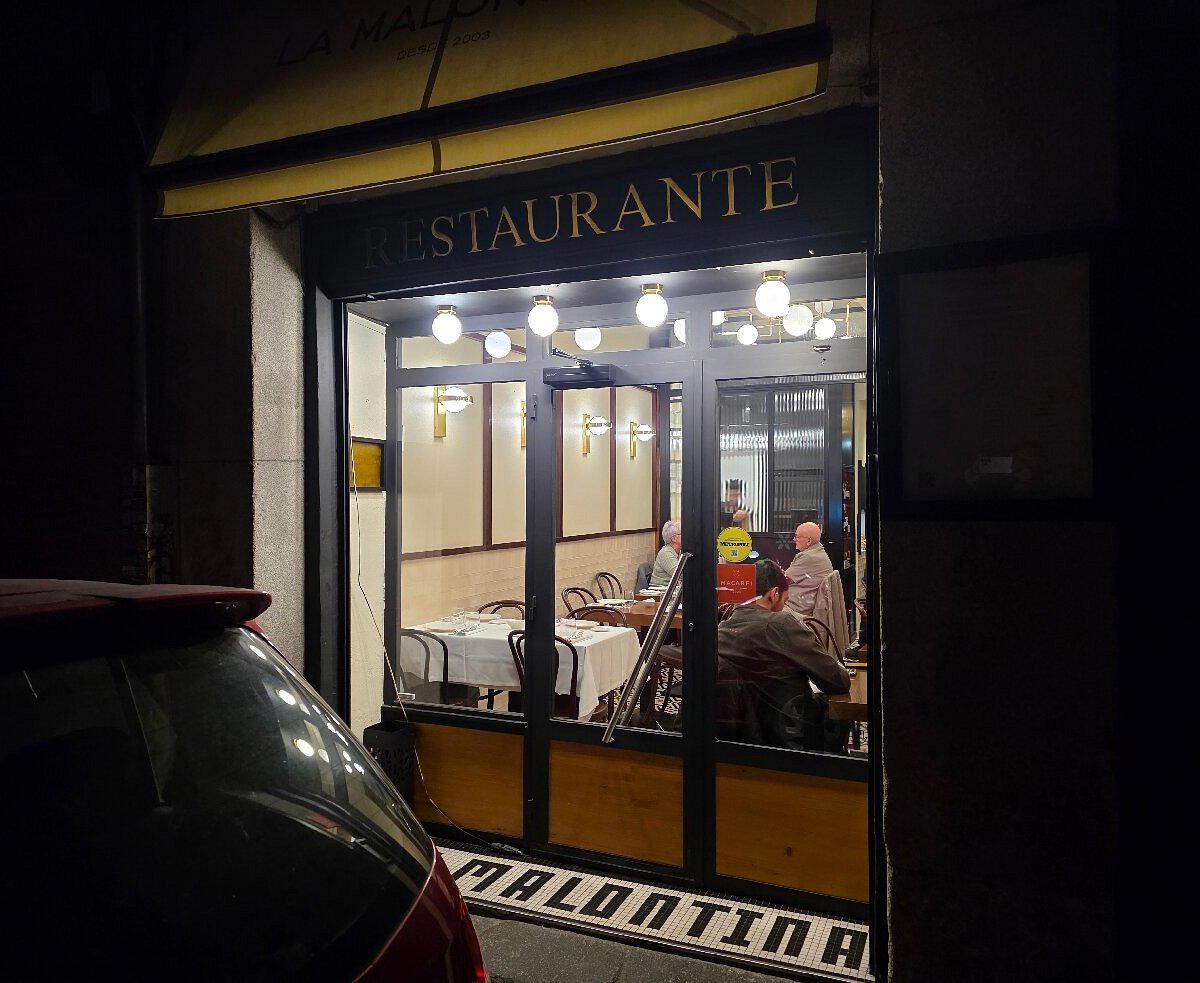
A Street That Sets the Register
Calle de la Verónica is the kind of Madrid street that doesn't announce itself. A short run through the Centro district, it sits within walking distance of the Barrio de las Letras, a neighbourhood whose identity has been shaped for centuries by writers, artists, and the social institutions that served them: the cervecería, the taberna, the late-night tertulia. The address places La Malontina in a specific kind of urban context, not the gleaming restaurant corridors of Chamberí or the theatricality of venues like DiverXO, but the older, denser fabric of central Madrid where a restaurant's relationship to its immediate neighbourhood tends to define its character more than any single menu decision.
That neighbourhood context matters in Madrid in a way it doesn't always in other European capitals. The city's dining culture stratifies along neighbourhood lines with unusual clarity. The high-concept tasting menu circuit, Coque, Deessa, DSTAgE, Paco Roncero, operates in a register defined by controlled environments, multi-course progression, and a certain kind of studied ceremony. The older Centro, by contrast, has historically sustained a different mode: the restaurant as neighbourhood anchor, where regulars return not because the menu is technically audacious but because the room, the pace, and the cooking all belong to the same place.
The Centro Dining Register
Understanding where La Malontina sits requires understanding what the Centro district asks of its restaurants. This is not a neighbourhood that has gentrified in the clean, commercial sense. The Barrio de las Letras, which presses up against this stretch of Centro, remains one of Madrid's more mixed zones, residential density, foot traffic from cultural institutions, and a hospitality ecosystem that spans everything from tourist-facing terrace bars to specialist wine cellars and quietly serious kitchens that have operated for decades without significant press attention.
Restaurants in this part of the city tend to earn their standing through repetition rather than debut. A strong review cycle in the international press is less relevant here than the opinion of the next-table regulars who have been coming for years. That dynamic shifts what a kitchen optimises for: consistency, a readable identity, and a room where the experience feels continuous rather than staged.
Spain's broader restaurant culture has moved in a direction that makes places like this increasingly interesting as a counterpoint. The country's Michelin-starred tier, from El Celler de Can Roca in Girona to Martin Berasategui in Lasarte-Oria, from Aponiente to Mugaritz, represents one of the densest concentrations of formal culinary ambition in Europe. Against that backdrop, the mid-register neighbourhood restaurant in central Madrid occupies a specific counterweight position: less architectural, more embedded, calibrated to a local rather than a destination audience.
What the Location Signals
The Calle de la Verónica address places La Malontina within easy reach of several of Madrid's key cultural and pedestrian zones. The Paseo del Prado, the Retiro park boundary, and the dense commercial streets of Huertas and Atocha are all within a short walk. That geography makes the street a plausible choice for both residents of the broader Centro area and visitors whose hotel or cultural itinerary anchors them to this part of the city rather than the northern barrios where much of Madrid's higher-end dining has concentrated.
The practical consequence is a likely clientele mix: neighbourhood regulars who define the room's baseline rhythm, and visitors who have done enough research to find an address off the main tourist circuits. That combination tends to produce a more grounded dining atmosphere than venues positioned purely for destination traffic, the kind of room where no single table is performing for an audience.
For visitors using Madrid as a base to explore Spain's broader restaurant map, the Centro location is also logistically sensible. The Atocha rail terminal, which connects to destinations including Quique Dacosta's base in Dénia and the wider Valencian coast, is close. Day trips or multi-city itineraries that might include Cocina Hermanos Torres in Barcelona, Arzak in San Sebastián, or Azurmendi in Larrabetzu are all more manageable from a central Madrid base than from the northern districts. Ricard Camarena in València and Atrio in Cáceres are similarly accessible by rail from this part of the city.
None of that changes what the restaurant itself is. But location in a city like Madrid is always partly a statement of intent, and the Centro address reads as a choice aligned with neighbourhood function rather than destination positioning.
Planning a Visit
The restaurant serves modern Spanish bistro cooking in Madrid's Centro district. The restaurant is recommended for reservations, and the verified price point is about $40 per person. The address at Calle de la Verónica, 4, in the Centro district of Madrid (28014) is the confirmed point of reference. For anyone building a broader Madrid dining itinerary, our full Madrid restaurants guide covers the city's range from neighbourhood-level addresses to the high-concept tier in detail.
International comparisons for readers approaching Madrid from other major dining cities: the mid-register neighbourhood restaurant in central Madrid occupies a position roughly analogous to the kind of address that earns sustained critical respect in cities like New York, think the register below destination counters like Atomix or Le Bernardin, but well above the tourist-facing category. That tier in Madrid tends to be where the city's most consistent and least press-driven cooking happens.
The Quick Read
Comparable venues nearby, for context on price, style, and recognition.
| Venue | Cuisine | Price | Notes |
|---|---|---|---|
| La MalontinaThis venue — the venue you are viewing | Not listed | $$ | Not listed |
| Lateral Milaneses | Not listed | $$ | Palacio, Modern Spanish Tapas & European Gastrobar |
| La Ventita del Foodie by AYANTO | Not listed | $$ | Ibiza, Authentic Canarian Tapas & Gourmet Products |
| Café de la Galería | Not listed | $$ | Palacio, Traditional Spanish with Creative Touches |
| La Escalera del 15 | Almagro, Mediterranean Spanish | $$ | Not listed |
| TABERNA ÚBEDA | Not listed | $$ | Arguelles, Traditional Spanish Tapas from Jaén |
Recognition history
Dated appearances from independent guides and award organizations, with the underlying list record or original source where available.
Macarfi 7.2 Food Rating
Macarfi
Continue exploring
More in Madrid
Restaurants in Madrid
Browse all →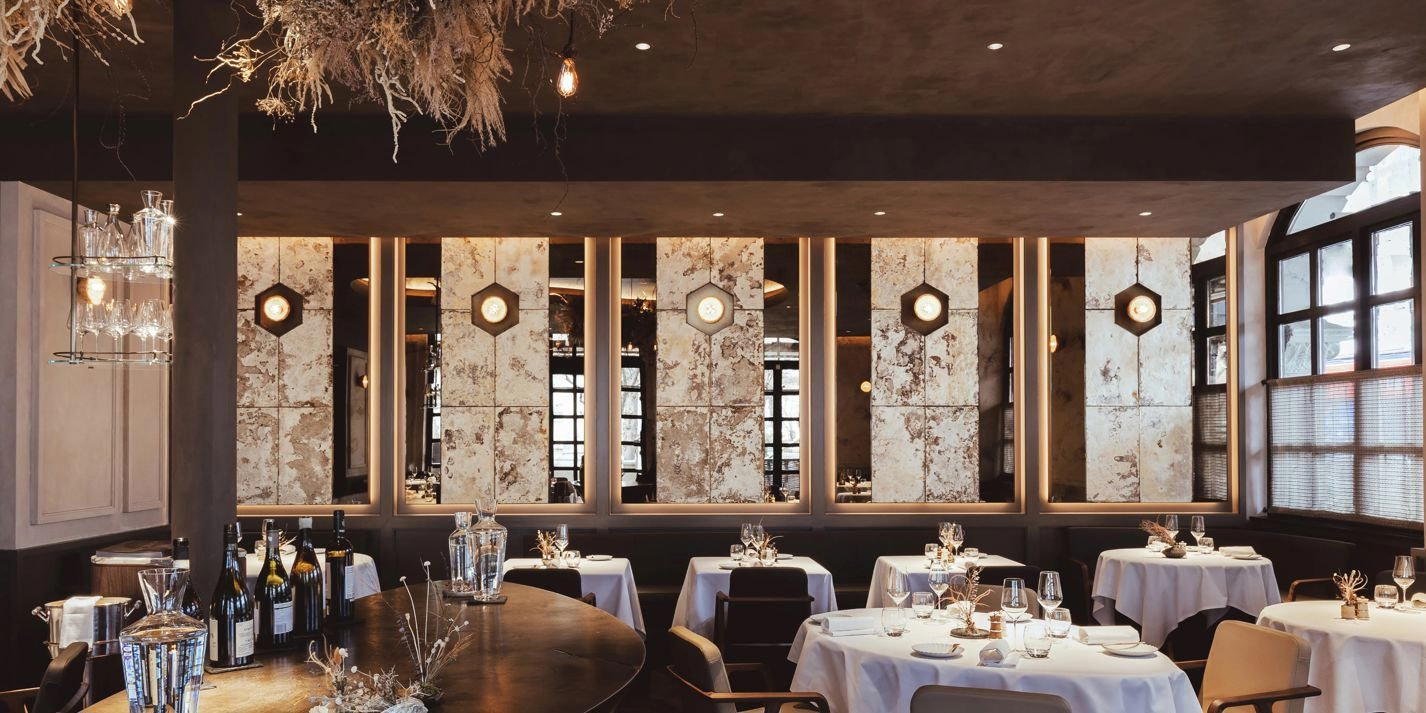
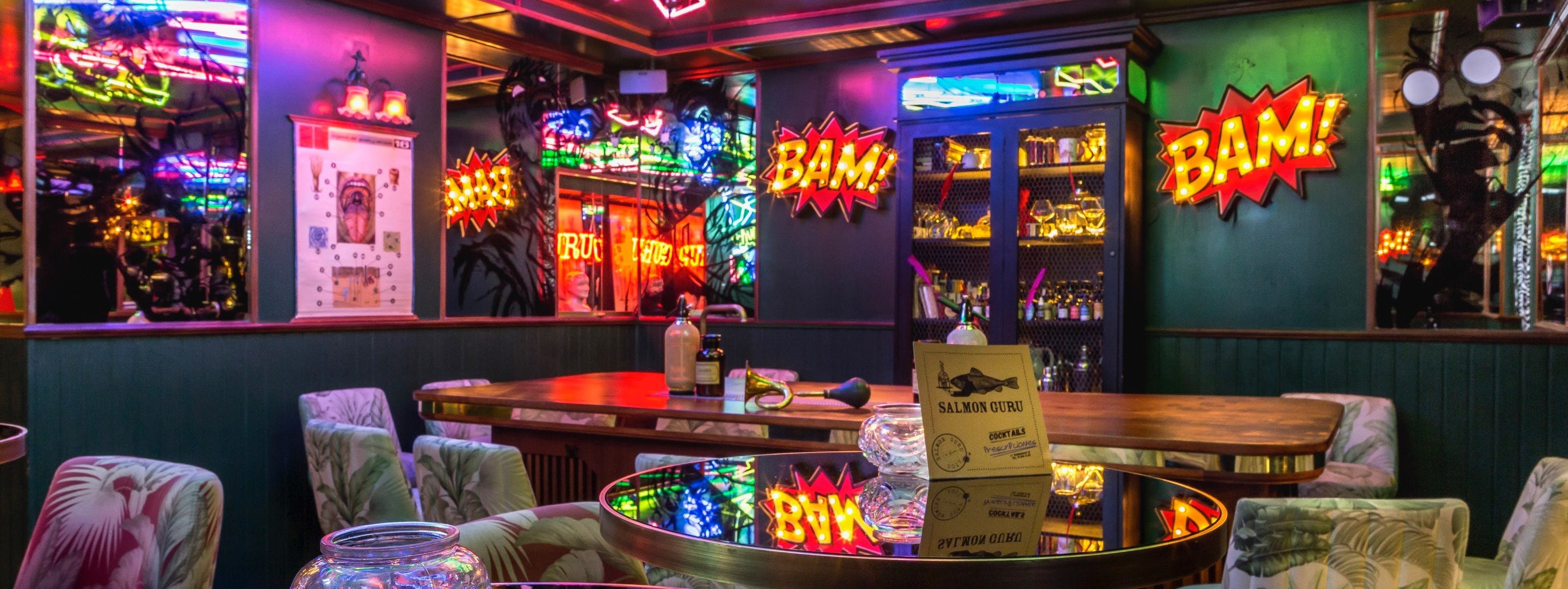
Bars in Madrid
Browse all →
Hotels in Madrid
Browse all →

At a Glance
- Cozy
- Intimate
- Classic
- Date Night
- Casual Hangout
- Open Kitchen
- Local Sourcing
Current opening hours
- Monday
- 12:30–10:30 PM
- Tuesday
- 12:30–10:30 PM
- Wednesday
- 12:30–10:30 PM
- Thursday
- 12:30–10:30 PM
- Friday
- 12:30–11 PM
- Saturday
- 12:30–11 PM
- Sunday
- 1:30–10 PM
Hours can change for holidays and private events. Last verified .
Cozy, warm, and inviting small space with attentive, friendly service creating an intimate neighborhood feel.