
Canton Disco brings Cantonese cooking to the heart of Nanjing Road East, earning a Michelin Plate in 2024 at a mid-to-upper price point for Shanghai's competitive Chinese dining scene. The kitchen works within the Cantonese tradition, where ingredient quality and preparation discipline carry more weight than theatrical flourish.7 makes it one of the more consistently praised addresses in the neighbourhood.
Pearl is the En Primeur Club membership app — saves, bookings, and concierge access live there. Same editors, same standards.
- Address
- 199 Nanjing Rd (E), East, Shanghai, China, 200003
- Phone
- +86 21 5368 9521
- Website
- editionhotels.com
- Directions
- Get directions
 Saves & bookings on Pearl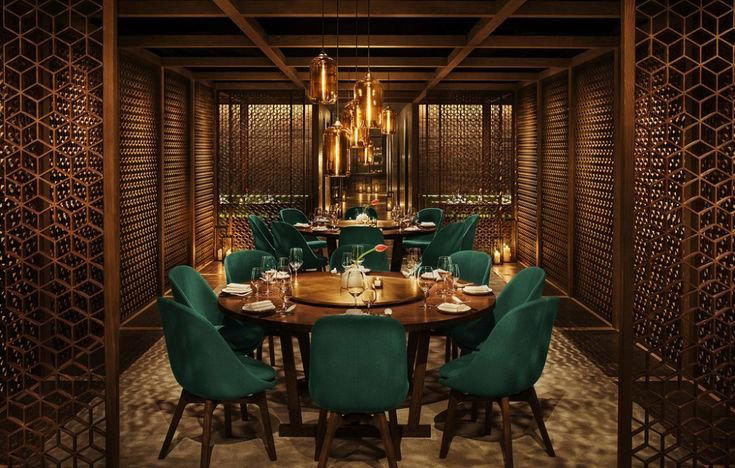
Cantonese on Nanjing Road: What the Address Signals
Shanghai's Cantonese dining scene has long occupied an interesting position in the city's broader Chinese restaurant hierarchy. Shanghainese and Jiangnan cooking have natural home-ground authority here, while Sichuan and Hunanese kitchens trade on heat and boldness. Cantonese restaurants, by contrast, earn their keep through restraint: the discipline of not overwhelming an ingredient, of knowing when to steam rather than braise, of treating freshness as the non-negotiable foundation of every dish. Canton Disco sits at 199 Nanjing Road East, directly inside that tradition, positioned at the ¥¥¥ price tier that Shanghai now associates with serious dining.
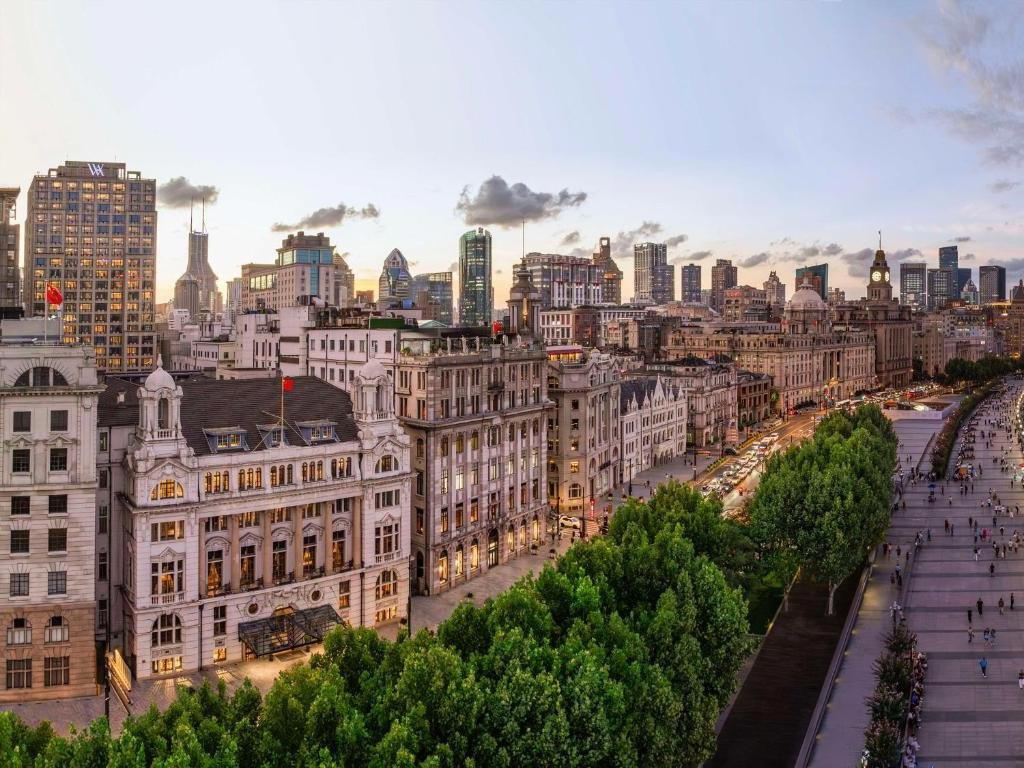
The Nanjing Road address is worth pausing on. The eastern stretch of this boulevard runs through the commercial core of Huangpu district, a zone that draws both international visitors and domestic travellers at considerable volume. Restaurants on or immediately adjacent to this corridor tend to either target tourist throughput or make a deliberate pitch at a more considered diner who happens to be staying or working nearby. Canton Disco's 2024 Michelin Plate recognition places it firmly in the latter category: a venue the Michelin inspectors found worth noting, if not yet worth a full star recommendation. That distinction matters in context. Among Shanghai's Cantonese options at this price tier, a Michelin Plate is a meaningful signal of kitchen consistency.
The Cantonese Ingredient Argument, Played Out in Shanghai
Cantonese cooking is, at its structural core, an argument about ingredients. The canonical dishes of the tradition, steamed fish, roasted meats, dim sum, clear-broth soups, only work if what goes into them is sourced at a level of quality that can withstand minimal intervention. This is the central challenge for any Cantonese kitchen operating far from Guangdong: the supply chain for live seafood, the freshness window on produce, the provenance of poultry and pork. Shanghai's geography and logistics infrastructure have improved considerably over the past decade, and the city's upper-tier Cantonese kitchens now have access to sourcing networks that were harder to assemble earlier in the restaurant boom. At the ¥¥¥ price level, the expectation is that these networks are being used, that the kitchen is not cutting corners on protein provenance or seasonal vegetable sourcing.
Within this tradition, the Cantonese roasting canon deserves specific mention. Char siu, roast goose, and soy-poached chicken are the dishes by which Cantonese kitchens are routinely benchmarked by regulars who know the tradition. These preparations rely almost entirely on the quality of the animal, the precision of temperature and timing, and the cook's accumulated experience with a specific piece of equipment. They are among the hardest dishes to fake at a consistent standard, which is partly why Michelin inspectors use them as calibration points. For context, particularly discussed Cantonese roasting rooms in the wider region operate in Hong Kong, where Forum has built a decades-long reputation on the tradition, and in Macau, where Jade Dragon applies fine-dining discipline to Cantonese fundamentals. Shanghai's Cantonese kitchens compete within that broader regional conversation, even if the benchmarks are set further south.
Where Canton Disco Sits in Shanghai's Cantonese Tier
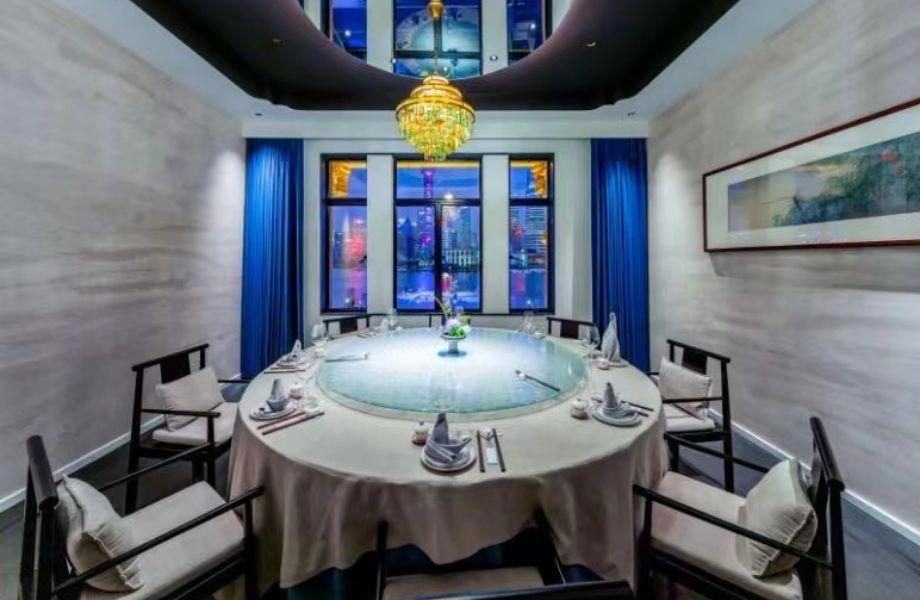
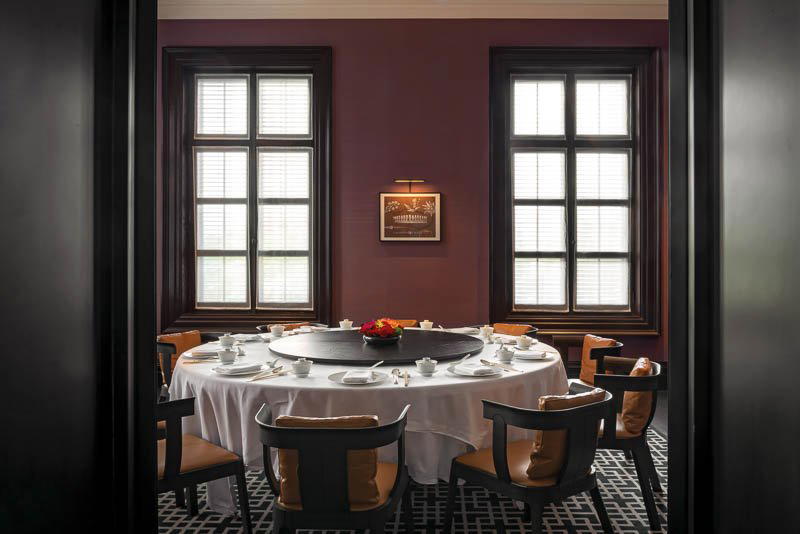
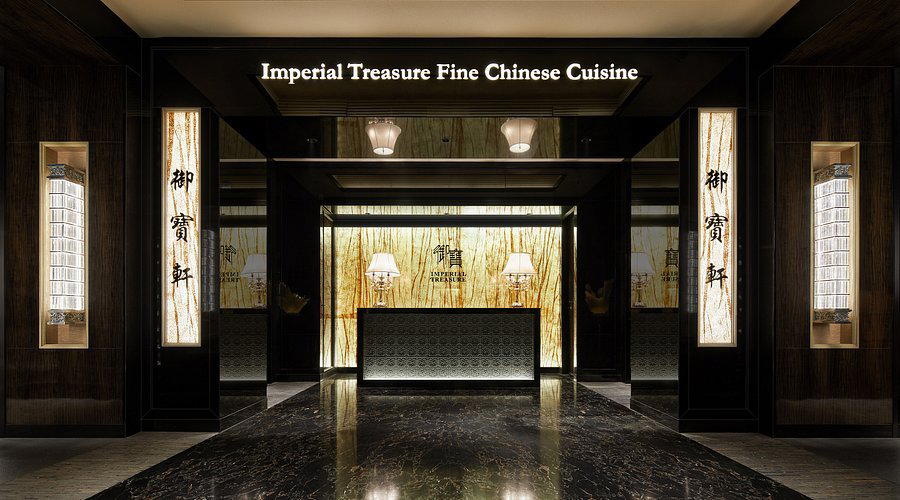
At the ¥¥¥ level in Shanghai, the restaurant shares a broad price bracket with a number of other Chinese dining addresses. Canton 8 (Huangpu) covers overlapping culinary territory in the same district. Imperial Treasure Fine Chinese Cuisine operates at a comparable tier with a Singapore-originated brand identity built around Cantonese and broader Chinese fine dining. Ji Pin Court and Bao Li Xuan round out a comparable set where the differences between venues often come down to sourcing specificity, dim sum program quality, and how confidently the kitchen handles the roasting and steaming preparations that define the tradition. The restaurant's Michelin Plate distinguishes it from venues in this bracket that lack external recognition, though it sits below the star tier held by kitchens such as Ming Court, which operates at a comparable price point with Michelin Star recognition, or the two-star Fu He Hui, though that kitchen takes a vegetarian approach and occupies a different culinary lane entirely.
For diners building a longer Shanghai itinerary that extends to other Chinese cooking traditions, 102 House offers a different register. And for those tracking Cantonese cooking across mainland China more broadly, the tradition shows up with regional inflections at Xin Rong Ji in Beijing, Xin Rong Ji in Chengdu, Imperial Treasure in Guangzhou, Chef Tam's Seasons in Macau, Ru Yuan in Hangzhou, and Dai Yuet Heen in Nanjing.
The Name, the Room, and the Register
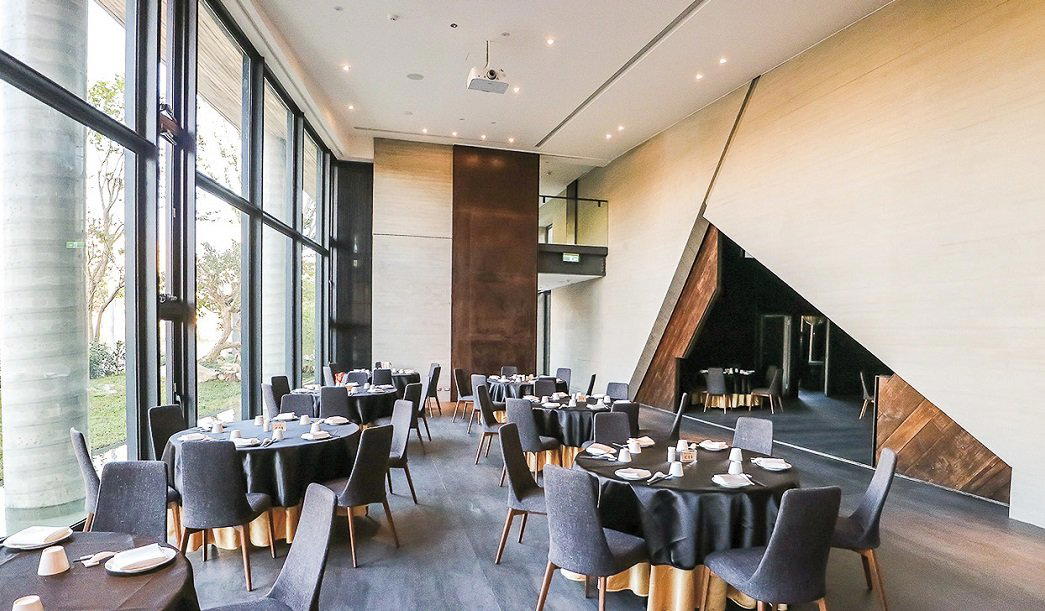
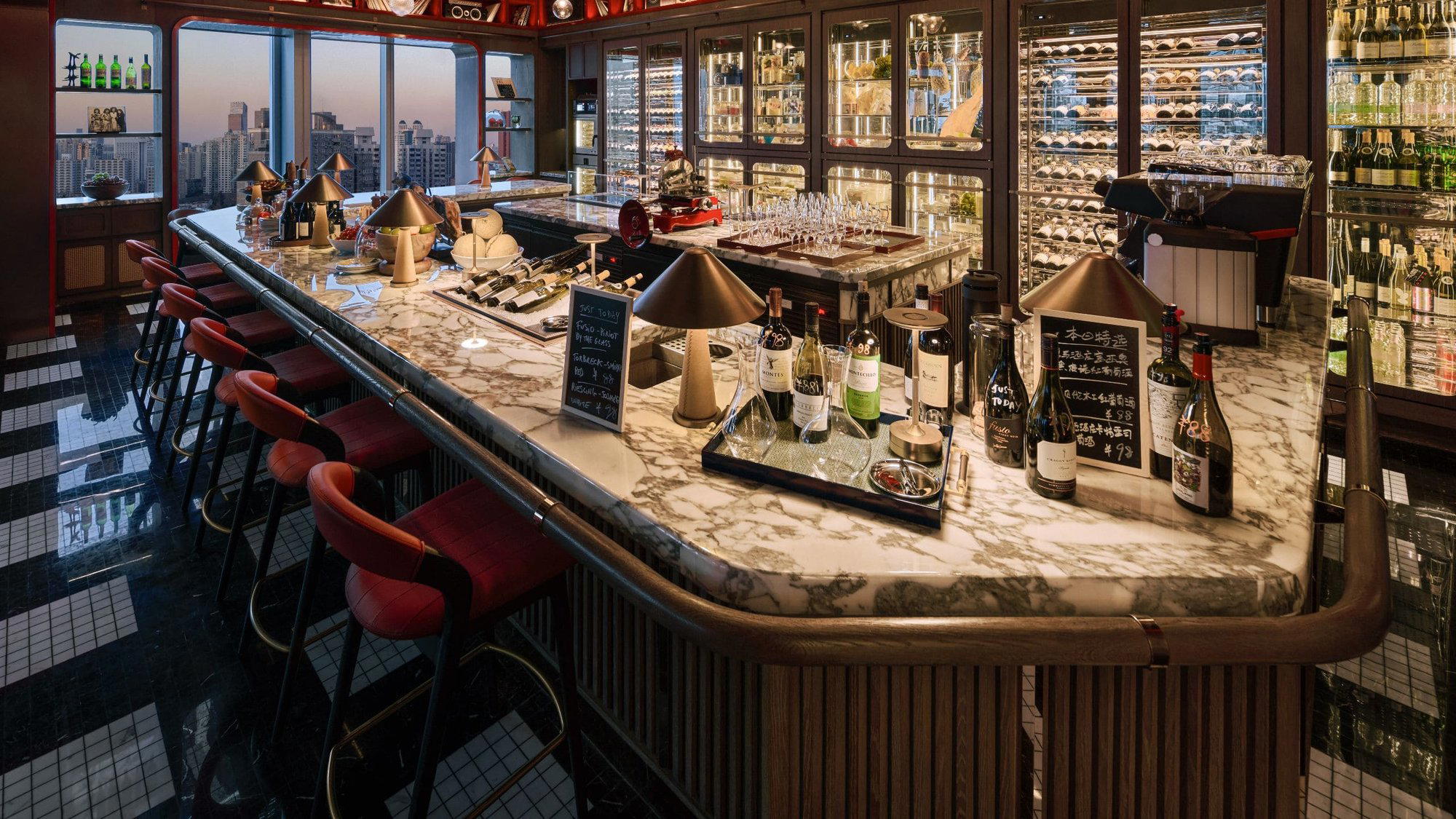
The name the restaurant carries a deliberate tonal choice. In Shanghai's current dining culture, there is a visible appetite for Cantonese cooking presented in settings that are animated and contemporary rather than formally ceremonial. This is a broader trend across the city's Chinese restaurants: the move away from the banquet-hall aesthetic toward spaces that feel more inhabitable for smaller groups and solo diners.
Planning a Visit
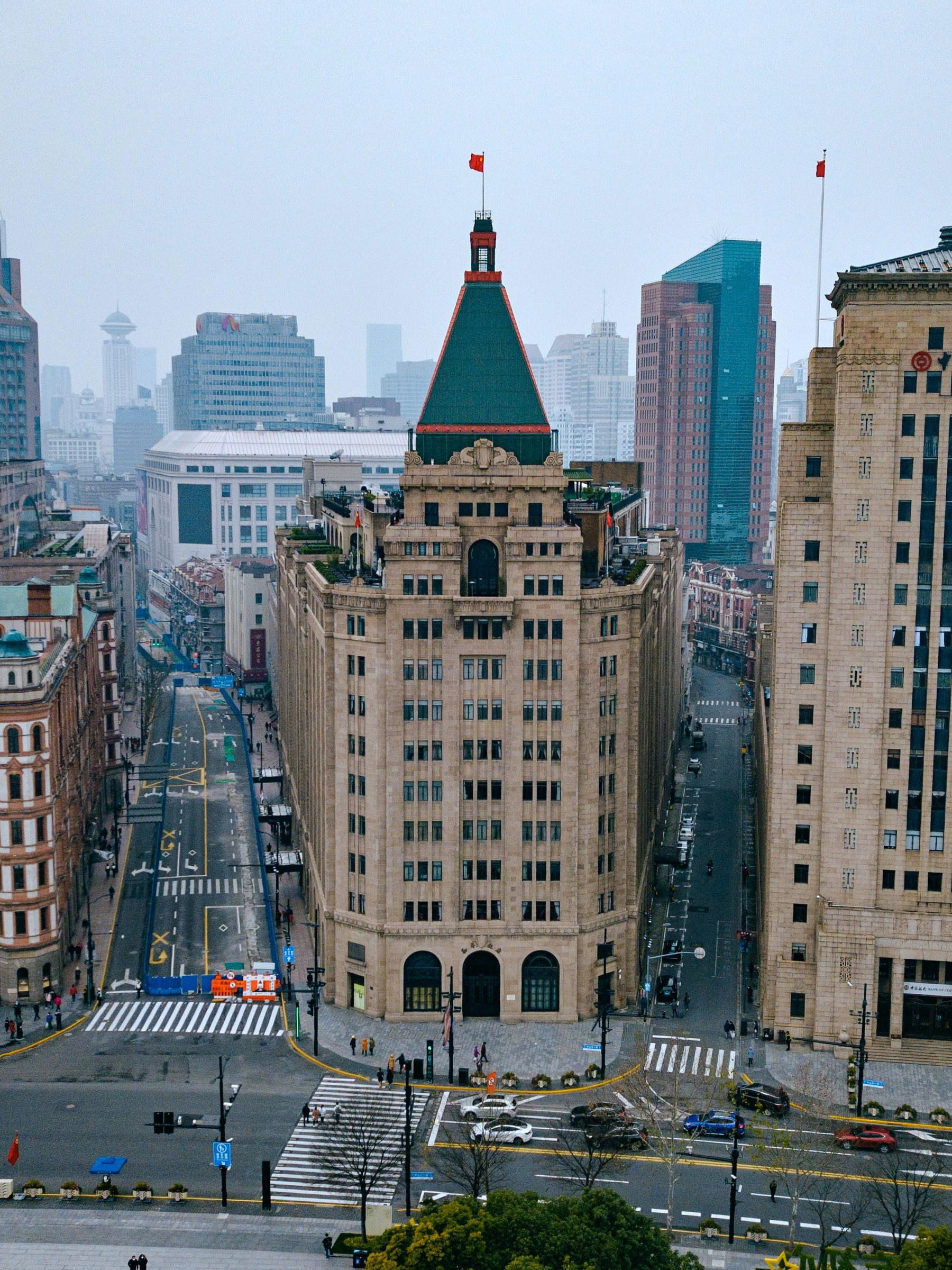
The restaurant is at 199 Nanjing Road East, in the Huangpu district of Shanghai, a location with direct metro access and dense hotel coverage along the Bund and People's Square corridors. The ¥¥¥ price tier puts a meal here in the range diners would expect from a Michelin-recognised Cantonese kitchen in this part of the city, comparable to peer venues in the same bracket.
Reputation First
Comparable venues nearby, for context on price, style, and recognition.
| Venue | Cuisine | Price | Awards | Notes |
|---|---|---|---|---|
| Canton DiscoThis venue — the venue you are viewing | Modern Cantonese Fusion | $$$ | Michelin Plate | Not listed |
| The Yidao (East Beijing Road) | Modern Huaiyang Tea-Paired Chinese | $$$ | Michelin Plate | Hongkou |
| Hang Yuen Hin | Authentic Cantonese Dim Sum | $$$ | Michelin Plate | Xujiahui |
| Tea Culture (East Beijing Road) | Huaiyang Chinese with Tea Focus | $$$ | Michelin Plate | Yanqiao Xiang |
| Imperial Treasure (Shanghai) | Fine Cantonese Cuisine | $$$ | Not listed | Huangpu |
| Min He Nan Huan Xi | Fujian Cuisine | $$$ | Michelin Plate | Changning |
Recognition history
Dated appearances from independent guides and award organizations, with the underlying list record or original source where available.
Michelin Plate
Michelin

At a Glance
- Trendy
- Elegant
- Energetic
- Sophisticated
- Date Night
- Group Dining
- Special Occasion
- Open Kitchen
- Hotel Restaurant
- Craft Cocktails
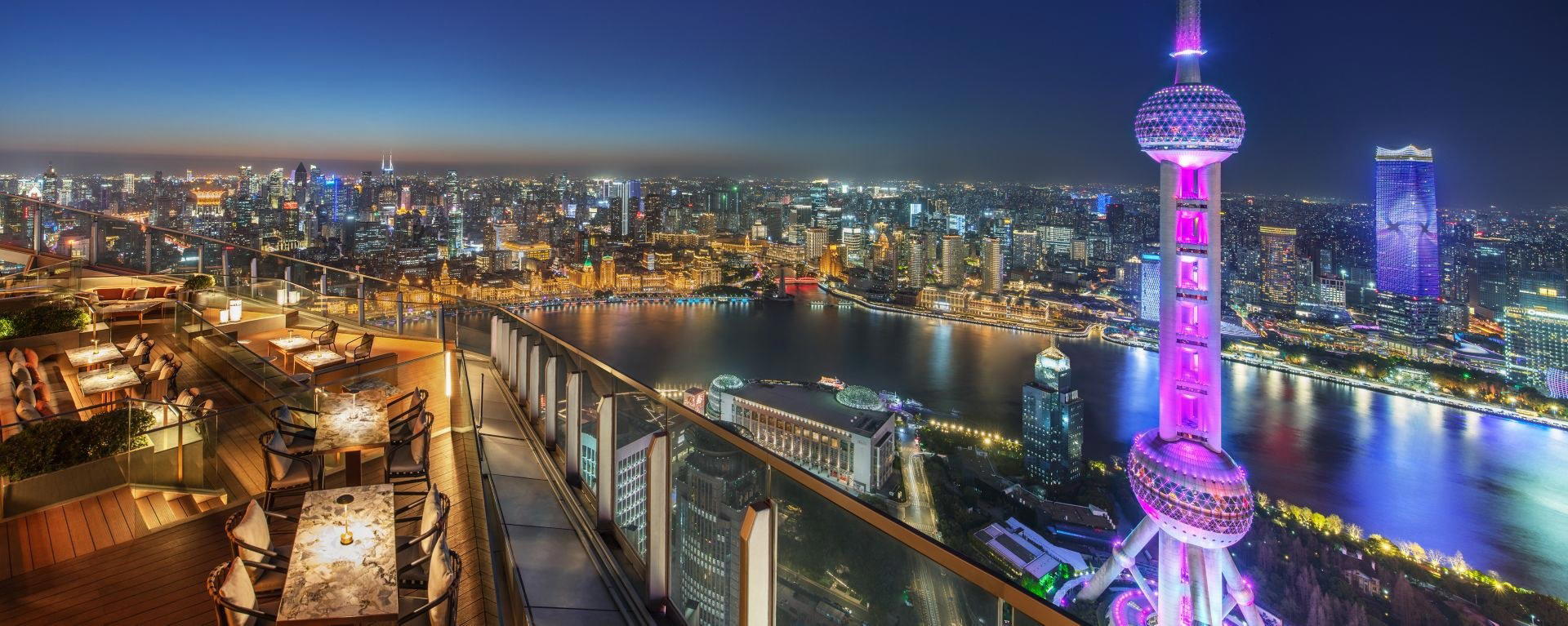
- Skyline
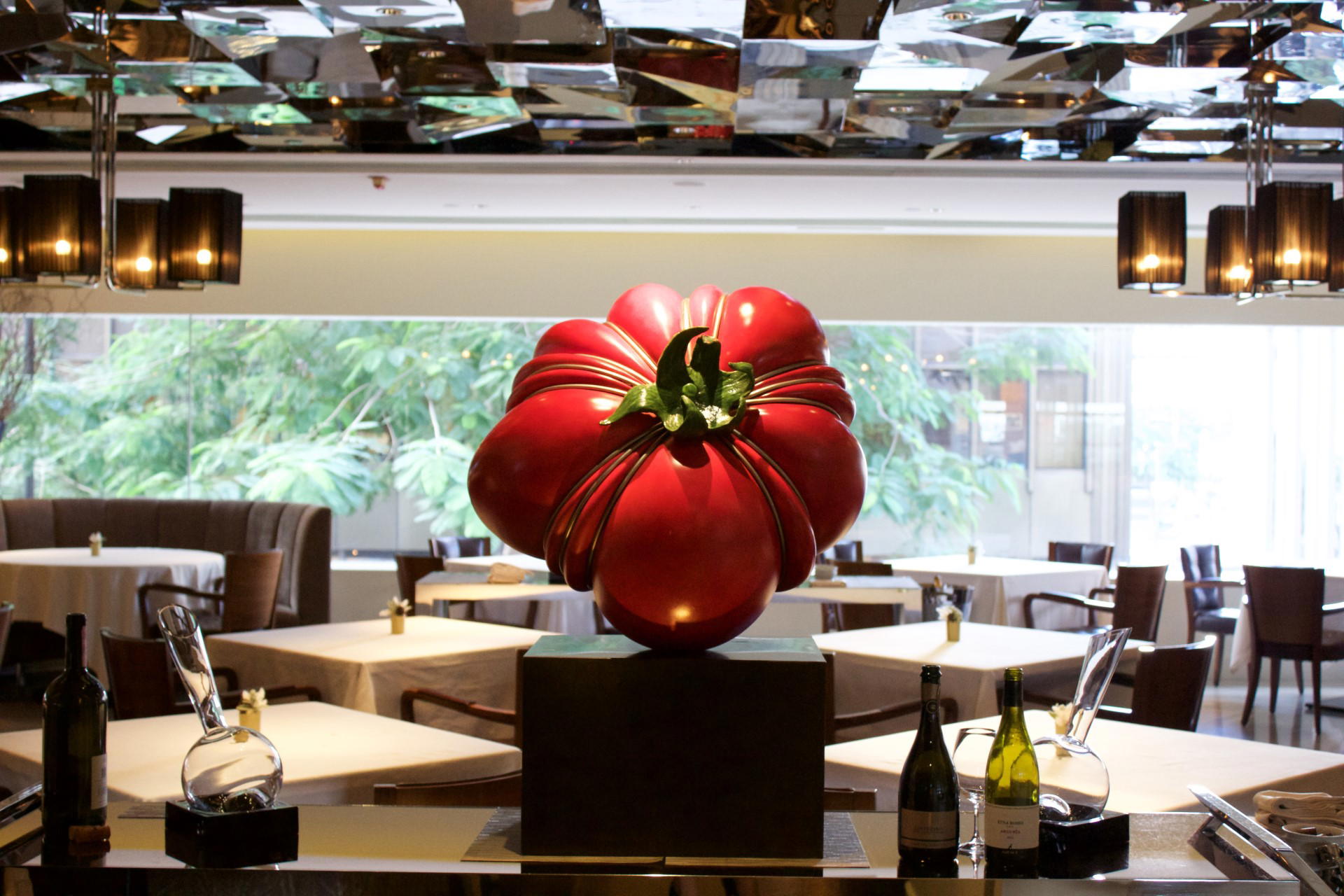
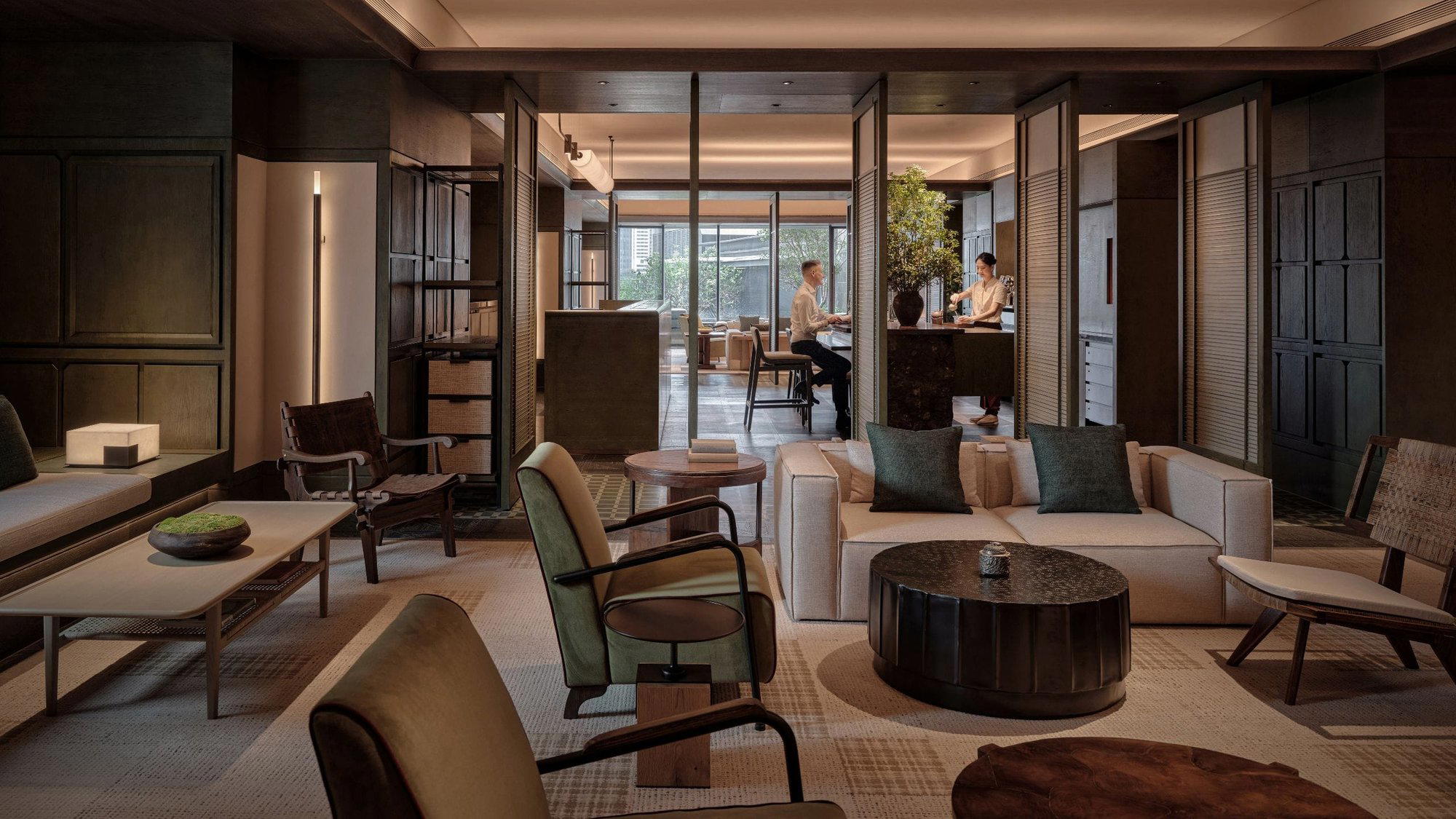
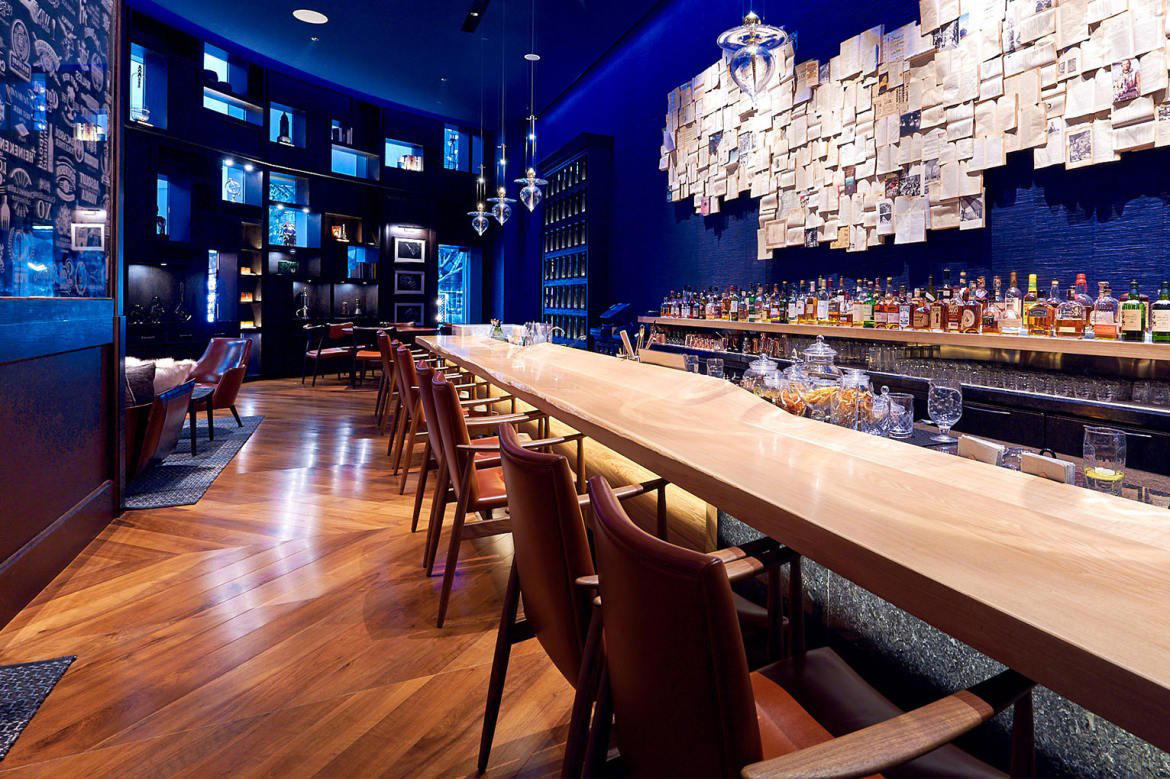
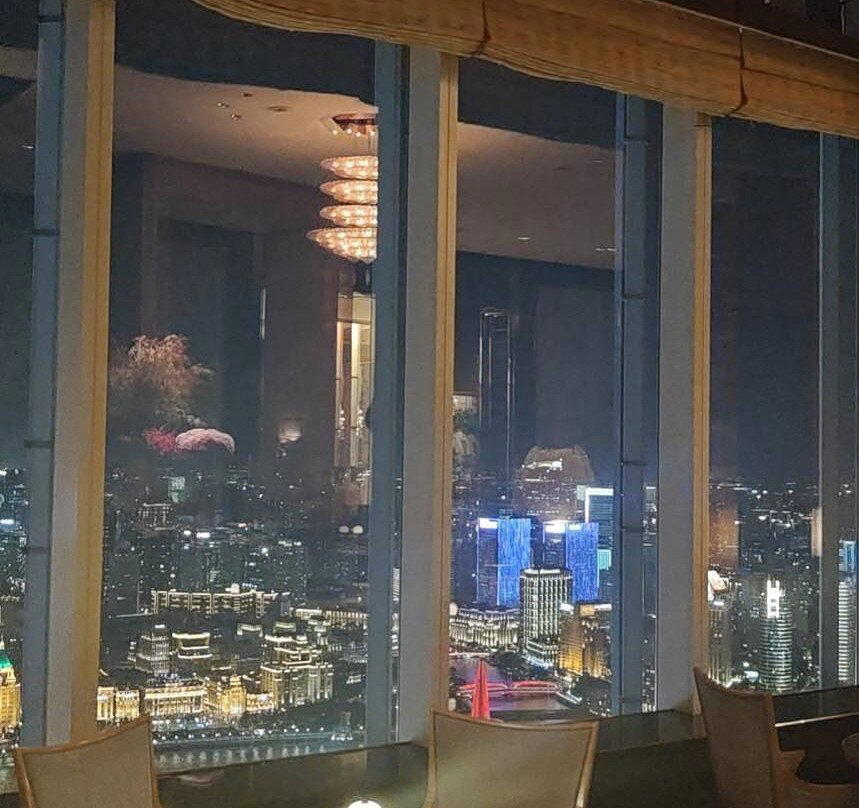
Dark, sultry, and elegant with low lighting, Chinese aesthetics, and an energetic 1970s dance music soundtrack.