
The kitchen works within a tradition that prizes seafood, fermented sauces, and light-handed seasoning over the bolder profiles that dominate Shanghai's dining scene. For those tracking where serious regional Chinese cooking has taken root in the city, this address deserves attention.
Pearl is the En Primeur Club membership app — saves, bookings, and concierge access live there. Same editors, same standards.
- Address
- China, CN 上海市 长宁区 兴义路 8 8号万都商城2楼S213~215 邮政编码: 200051
- Phone
- +86 21 5208 1122
- Website
- lvdaohotel.com
- Directions
- Get directions
 Saves & bookings on Pearl
Fujian Cooking in a City That Rewards It
Shanghai has always been a city where regional Chinese cuisines compete for territory. Cantonese kitchens hold the formal-dining tier with confidence; Shanghainese classics anchor the middle ground; Sichuan and Hunanese flavours fill the casual end. Fujian cuisine occupies a smaller, more specialist position in all of this, a tradition built on coastal produce, fermented condiments, and broths that take time to develop, rather than on the blunt heat or caramelised sweetness that tends to travel more easily across regional borders.
Min He Nan Huan Xi sits inside that specialist tier, on the second floor of Wandu Plaza in Changning, a district where neighbourhood dining has become increasingly serious over the past decade. Two consecutive Michelin Plate awards, 2024 and 2025, confirm a level of consistency that puts it in a small peer group among Shanghai's dedicated regional Chinese tables.
The Fujian Tradition and What It Asks of a Kitchen
Understanding what Fujian cooking demands of its practitioners matters here. The province's cuisine is built around a philosophy of subtlety: broths reduced over long periods, red yeast rice used for fermentation and colour, oysters and crab and river eel prepared with a lightness that amplifies rather than obscures their natural character. This is a tradition where the kitchen's primary responsibility is restraint, knowing when to stop, which is harder than it sounds in a competitive dining market that often rewards intensity.
The regional tradition also carries a strong tea culture, and in serious Fujian restaurants, tea is not an afterthought. Oolong varieties from Anxi, including Tie Guan Yin, and the high-mountain Wuyi Rock teas (yan cha) have a direct relationship with Fujian food: their mineral astringency cuts through the richness of braised pork belly or fermented tofu preparations, while their floral leading notes lift the delicacy of steamed seafood dishes. A kitchen that understands this, structuring its courses with awareness of what a diner might be drinking alongside them, is operating in a more demanding register than one that simply plates food and leaves beverage selection as an afterthought. For the tea-attentive diner, the pairing logic between yan cha and Fujian's characteristic fermented-savoury flavour profiles is worth exploring over the course of a full meal here.
Fujian cuisine has a counterpart tradition in the diaspora kitchens of Southeast Asia, where Hokkien (the Fujian-descended culinary strand) has evolved into its own distinct form. Comparing the two reveals how much the original province emphasises restraint and broth clarity over the richer, more oil-forward adaptations that emerged through migration. For broader context on that Hokkien lineage within Shanghai, Hokkien Huay Kuan represents a different angle on the same regional root.
Where It Sits in Shanghai's Regional Chinese Tier
At the ¥¥¥ price point, Min He Nan Huan Xi occupies the same general bracket as several of Shanghai's more considered regional Chinese tables. That tier now includes kitchens with serious culinary credentials: 102 House works within Cantonese tradition at a comparable price level, while Fu He Hui operates at ¥¥¥¥ with a vegetarian focus that draws its own dedicated following. Meet the Bund and Chic 1699 approach the broader Chinese fine-dining space from different angles, and mapping Min He Nan Huan Xi against them clarifies its position: this is a kitchen where regional specificity, not general Chinese fine-dining ambition, is the defining characteristic.
That positioning is less common than it might appear. Shanghai has hundreds of restaurants serving broad interpretations of Chinese cuisine; it has far fewer that commit to a single province's culinary logic with enough depth to earn sustained Michelin recognition.
Changning and the Case for Neighbourhood Dining
The Wandu Plaza address places the restaurant in Changning rather than in the Bund corridor or Xintiandi, where many of Shanghai's internationally profiled restaurants cluster. That choice, whether deliberate or circumstantial, has consequences for the experience. Neighbourhood dining in Changning tends to attract a local professional clientele rather than a tourist or expense-account crowd, and the room dynamic that produces is different: more regulars, more Mandarin at the tables, a slower pace of service calibrated to guests who are not on a schedule.
Know Before You Go
- Cuisine: Fujian
- Price range: ¥¥¥
- Location: 2F, Unit S213-215, Wandu Plaza, Xingyi Road 8, Changning, Shanghai
- Awards: Michelin Plate 2024; Michelin Plate 2025 8 (14 reviews)
- Reservations: Booking in advance is recommended.
- Tea pairing: Fujian oolong and Wuyi Rock varieties align with the kitchen's flavour profile.
Cuisine and Recognition
Comparable venues nearby, for context on price, style, and recognition.
| Venue | Cuisine | Price | Awards | Notes |
|---|---|---|---|---|
| Min He Nan Huan XiThis venue — the venue you are viewing | Fujian Cuisine | $$$ | Michelin Plate | Not listed |
| Jade Mansion | Modern Cantonese | $$$ | Not listed | Lan Ni Du |
| Mao Long | Traditional Shanghainese Home-Style | $$$ | Bib Gourmand | Da Pu Qiao |
| Oriental House | Contemporary Shanghainese | $$$ | Not listed | Yang Jia Du |
| Chaimen Hui (Pudong) | Modern Sichuan | $$$ | Michelin Plate | Yanqiao Xiang |
| Ho Hung Kee | Hong Kong-Style Cantonese Wonton Noodles | $$$ | Bib Gourmand | Huangpu |
Recognition history
Dated appearances from independent guides and award organizations, with the underlying list record or original source where available.
Michelin Plate
Michelin
Michelin Plate
Michelin
At a Glance
- Elegant
- Sophisticated
- Business Dinner
- Family
- Celebration
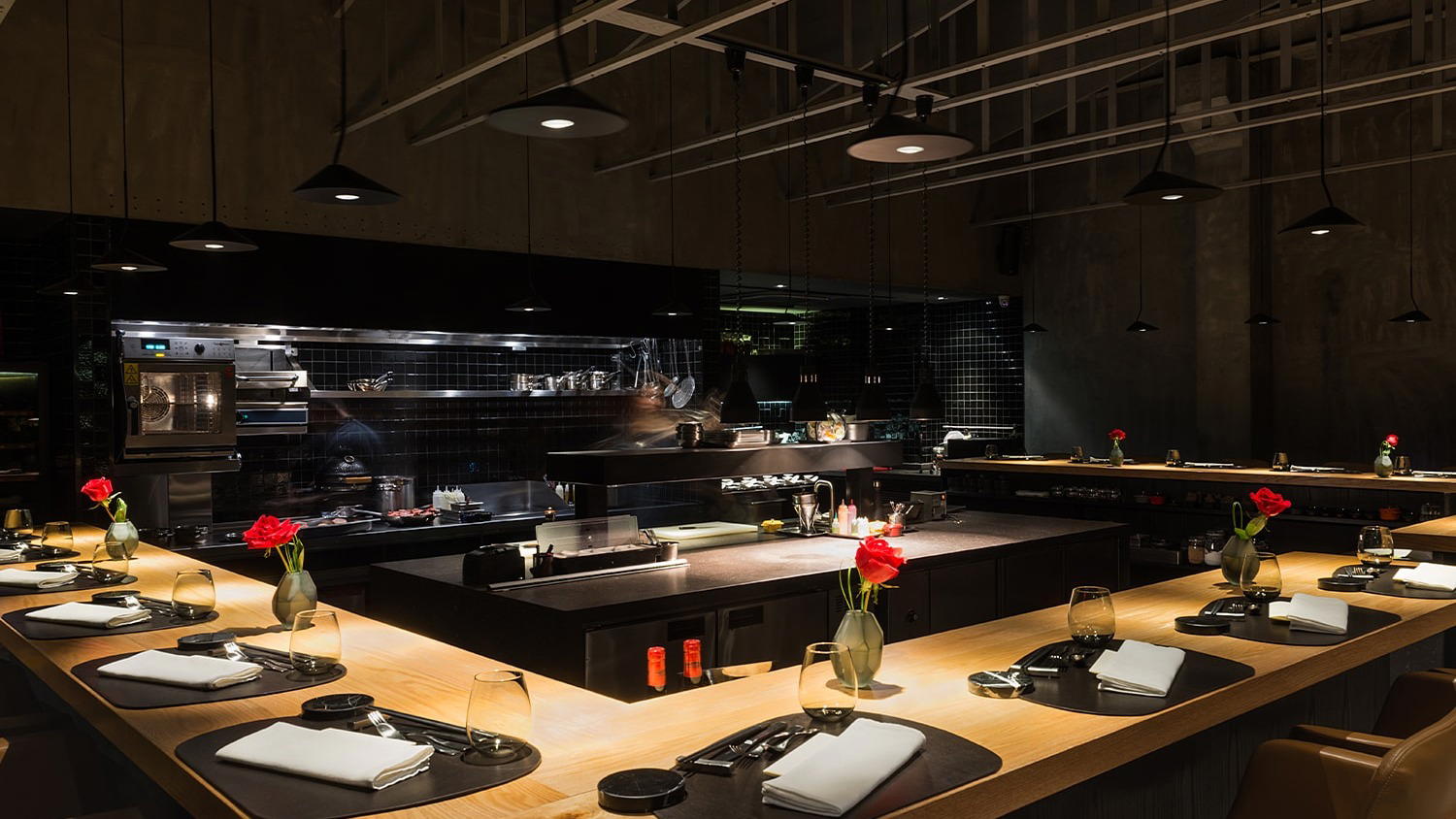
- Open Kitchen
- Sake Program
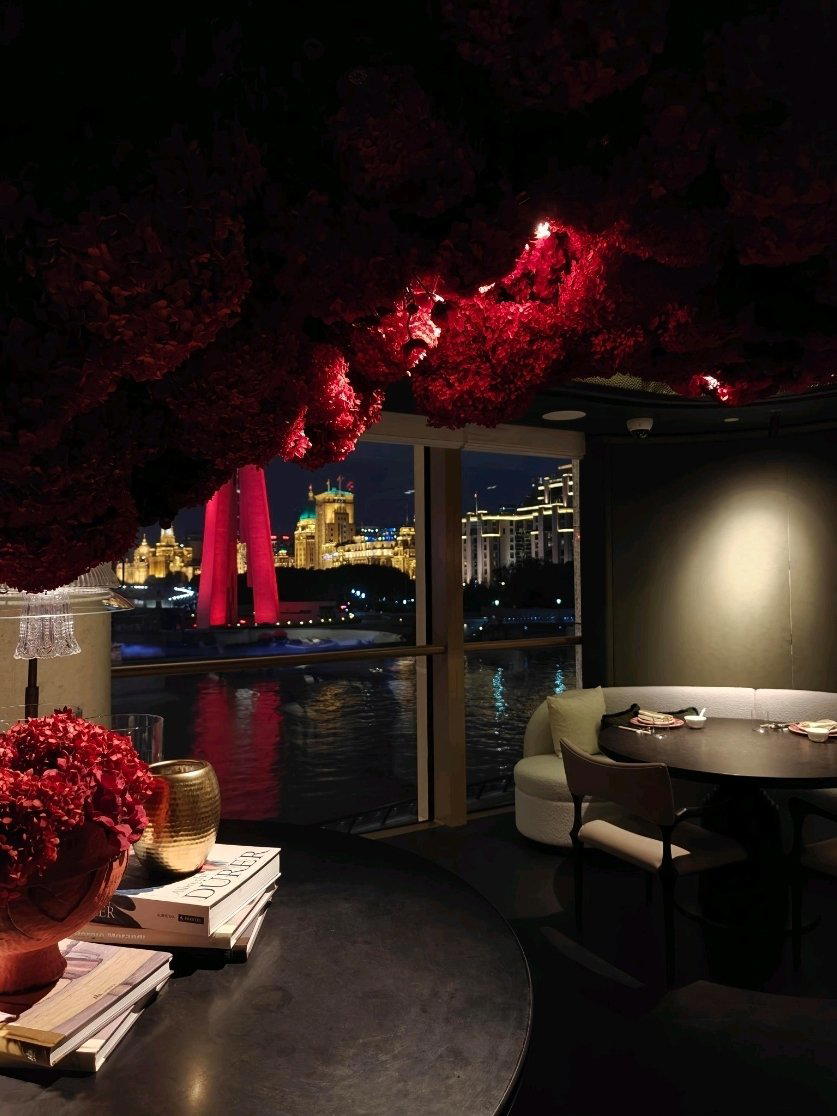
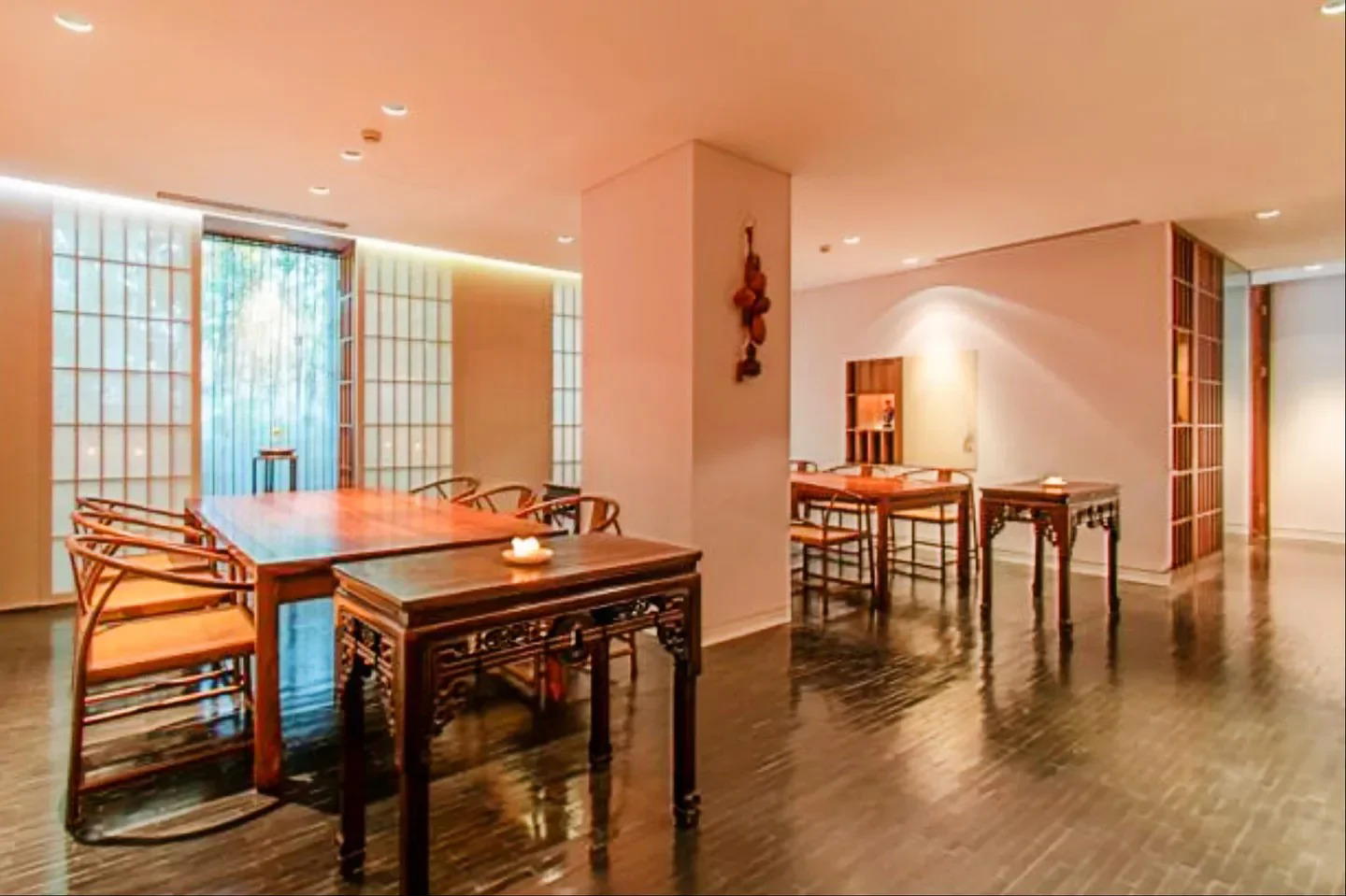
Classy and elegant atmosphere with sophisticated service.