
Michelin Plate
Our verdict
The Yidao on East Beijing Road takes its name seriously: professional tea masters preside over each service, sourcing top-grade loose leaves and natural spring water. The kitchen draws from Huaiyang, Jiangzhe, and Cantonese traditions, anchored by a Guangdong-trained chef whose reworked Buddha Jumps over the Wall, using silver carp from Qiandao Lake, signals the register the restaurant is operating at. Located on the second floor of Yi Feng Galleria in Huangpu.

Pearl is the En Primeur Club membership app, where members save venues, book tables and use the concierge.
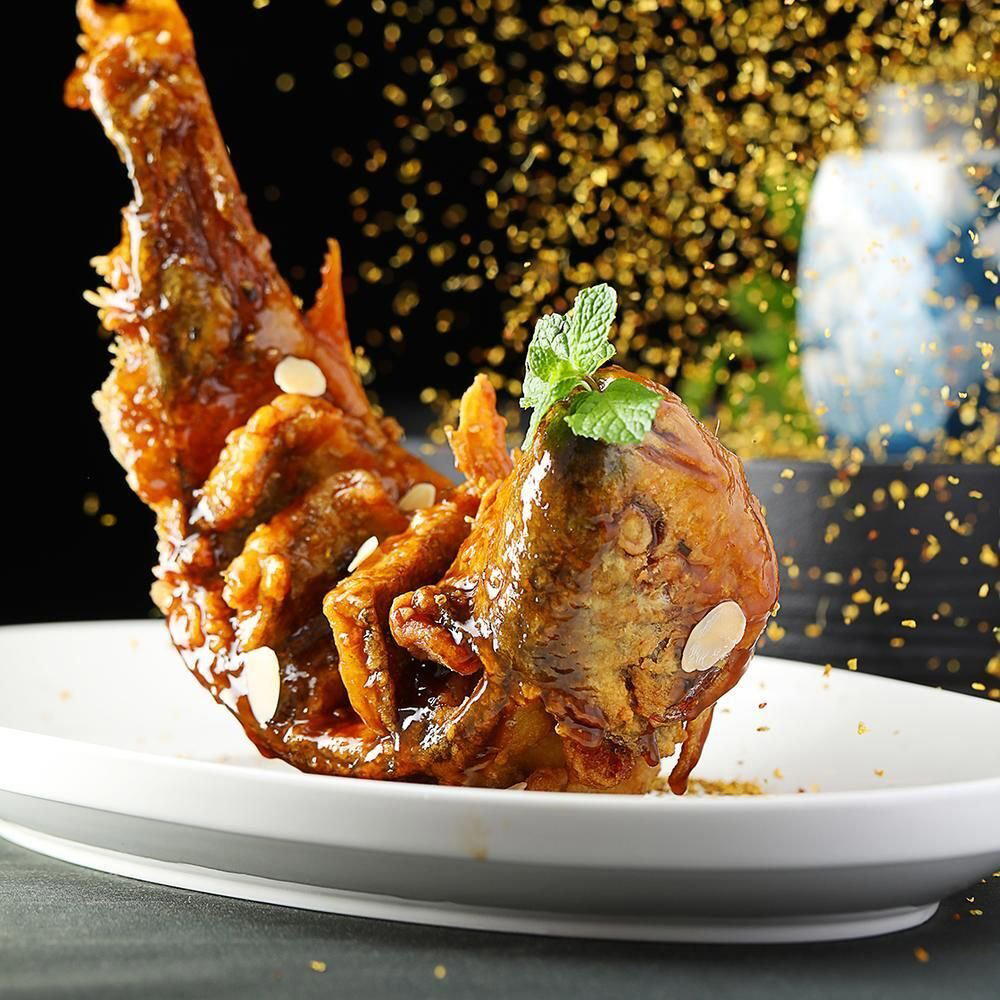
The menu
What to order
- Tea-smoked poultry
- Jasmine-poached fish
- Braised pork
- Marbled beef
- Buddha Jumps over the Wall
Tea as Architecture
In China's fine-dining conversation, tea has long occupied the role that wine plays in Western service: a signal of seriousness, a lens through which skill and sourcing are judged. A small but growing tier of restaurants in Shanghai now centres this deliberately, placing tea masters alongside kitchen talent rather than treating the beverage as an afterthought. The Yidao, on the second floor of Yi Feng Galleria on East Beijing Road, sits firmly in that tier. The name is not decorative. Professional tea masters conduct each service with loose leaves sourced for quality and brewed with natural spring water, a commitment that shapes the pace and register of the whole meal before a single plate arrives.
This pairing of serious tea service with serious Chinese cooking is not the default even at expensive Shanghai restaurants. Many premium Chinese addresses stock a wine list and relegate tea to a cursory pre-meal gesture. The Yidao inverts that hierarchy, which positions it differently within Huangpu's broader dining scene, closer in spirit to a contemplative Hangzhou tea house than to the high-energy Cantonese dining rooms that dominate the neighbourhood's premium tier. For a full picture of where this fits within the city's dining options, our full Shanghai restaurants guide maps the competitive set in detail.
The Kitchen's Frame of Reference
The culinary identity here is built on a Huaiyang foundation, with Jiangzhe and Cantonese elements folded in. This layering matters because it traces a specific geographic and historical arc: Huaiyang cuisine, originating in the Huai and Yangtze river regions of Jiangsu, is among the four canonical styles of Chinese cooking, prized for knife technique, delicate seasoning, and the use of freshwater ingredients. Jiangzhe extends that tradition south through Zhejiang. Cantonese adds different instincts around texture, freshness, and technique. A Guangdong-trained chef working this particular hybrid brings technical fluency in all three registers, which is a less common combination than it might appear.
The decision to anchor the menu in Huaiyang rather than Cantonese tradition is itself an editorial statement. Cantonese cooking dominates Shanghai's premium Chinese dining tier. Restaurants like 102 House represent the high end of that category, while the Huaiyang tradition has fewer flagship addresses in the city. The Yidao occupies a quieter, more considered position within that gap. For premium vegetarian cooking that shares The Yidao's commitment to restraint, Fu He Hui is the relevant reference point elsewhere in Shanghai.
Buddha Jumps over the Wall, Reworked
Version of Buddha Jumps over the Wall served here uses silver carp from Qiandao Lake, a sourcing decision worth examining. Qiandao Lake, in Zhejiang Province, is fed by underground springs and has produced some of China's most sought-after freshwater fish for decades. The silver carp from this source carries a different quality profile than the farmed alternatives that appear in less careful kitchens. The dish itself, a slow-braised assemblage of premium ingredients with roots in Fujian cooking, has become a benchmark preparation across Chinese fine dining from Shanghai to Macau, Chef Tam's Seasons in Macau and Ru Yuan in Hangzhou both maintain their own interpretations. The Yidao's choice to rework it around Qiandao Lake carp rather than the more conventional abalone-led assemblage places the kitchen in a regional Jiangnan conversation rather than a pan-Chinese luxury one.
Two portion sizes are available, which is practical information with an implicit signal: the restaurant is designed for both small-group dining and larger configurations, with flexibility built into the ordering structure.
The Tea Program as the Real Wine List
There is no wine list in the conventional sense documented in the available record. What functions in its place is the tea program, and by any serious measure, it operates at a comparable depth. Professional tea masters conducting tableside service is not a routine staffing decision. It implies a procurement chain, a training program, and a service philosophy that parallels what a serious sommelier team would bring to a wine-led restaurant. The analogy to Le Bernardin in New York City, where the beverage program is as much a statement of intent as the kitchen, is instructive even across categories: a restaurant can choose what it wants to be serious about, and the seriousness shows.
In the broader Shanghai market, this is a distinct positioning. Restaurants like Taian Table operate with a wine-led beverage identity. 8 1/2 Otto e Mezzo Bombana maintains a cellar calibrated to its Italian kitchen. The Yidao's investment sits elsewhere, in leaves rather than grapes, but the underlying logic is the same: the beverage program is a critical part of what defines the experience, not a complement to it.
Context in the Huaiyang and Jiangzhe Dining Circuit
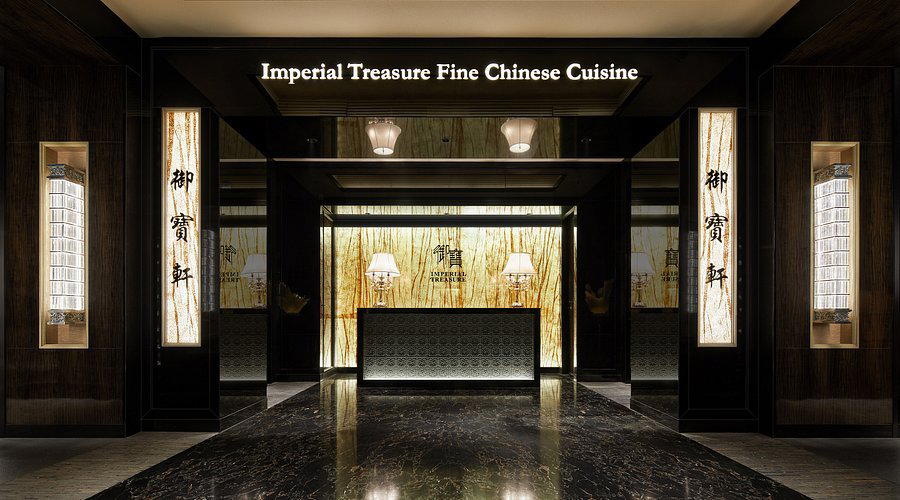
The restaurant operates within a wider regional tradition that has multiple serious addresses across eastern China. Xin Rong Ji on West Nanjing Road represents a different expression of the Taizhou tradition within Shanghai, while the same group's Beijing address and Chengdu location show how Jiangnan cooking travels across mainland China. In Guangzhou, Imperial Treasure Fine Chinese Cuisine and Dai Yuet Heen in Nanjing anchor different ends of the Cantonese-Jiangnan spectrum. Understanding The Yidao means placing it in this circuit: a Shanghai address working a hybrid tradition with deliberate sourcing and a beverage program that prioritises tea over wine at a moment when most premium Chinese restaurants are making the opposite choice.
Planning a Visit
The Yidao is located on the second floor of Yi Feng Galleria at 99 East Beijing Road in Huangpu, a central district accessible from multiple metro lines and within walking distance of the Bund. The Galleria's retail context means the entrance is more mall corridor than dedicated restaurant approach, but the second-floor setting provides some separation from street-level noise.
For those building a wider Shanghai itinerary around this meal, our full Shanghai hotels guide, bars guide, wineries guide, and experiences guide cover the surrounding options. Emeril's in New Orleans is sometimes cited as a reference for how a kitchen can build a distinctive identity around regional specificity rather than category prestige, it is a different context entirely, but the underlying positioning logic has parallels worth noting for how The Yidao operates within Shanghai's competitive dining field.
Frequently asked questions
What's The Yidao (East Beijing Road) known for in terms of accolades?
The Yidao (East Beijing Road) has received recognition including: You can tell from the name that this restaurant is serious about the national beverage – professional tea masters brew the perfect cup, using top quality loose leaves and natural spring water. As for the food, the Guangdong chef displays hi….
Where is The Yidao (East Beijing Road) in Shanghai?
The Yidao (East Beijing Road) is located at L201A, 2F, Yi Feng Galleria, 99 East Beijing Road, Huangpu, Shanghai.
What's the best thing to order at The Yidao (East Beijing Road)?
The kitchen's most discussed preparation is the reworked Buddha Jumps over the Wall, which substitutes silver carp sourced from Qiandao Lake in Zhejiang for the more common protein base. Two portion sizes are available, so it works for a solo diner or split across a table. Beyond that dish, the Huaiyang foundation of the menu, rounded out with Jiangzhe and Cantonese elements, rewards ordering across regions rather than anchoring to a single culinary line.
How hard is it to get a table at The Yidao (East Beijing Road)?
The restaurant occupies the second floor of Yi Feng Galleria at 99 East Beijing Road, placing it squarely in Huangpu, one of central Shanghai's most trafficked dining corridors. That location, combined with a tea program serious enough to employ dedicated tea masters, puts it in competition with a small field of regional Chinese addresses that draw regular bookings from both local and visiting diners. Reserving ahead is advisable, particularly for weekend lunch, when Huaiyang-style kitchens in this part of the city fill quickly.
Price and Recognition
Comparable venues nearby, for context on price, style, and recognition.
| Venue | Cuisine | Price | Awards | Notes |
|---|---|---|---|---|
| The Yidao (East Beijing Road)This venue (the venue you are viewing) | Modern Huaiyang Tea-Paired Chinese | $50–100 | Michelin Plate | Not listed |
| Jade Mansion | Modern Cantonese | Not listed | Not listed | Lan Ni Du, Modern Cantonese |
| 西郊5号 Xijiao No.5 - Maggie 5 | Modern Shanghainese Fusion | $50–100 | La Liste Top Restaurants · Black Pearl 2 Diamond | Zhoujiaqiaq, Modern Shanghainese Fusion |
| Lynn | Modern Shanghai Cuisine | $30–50 | Not listed | Jing'an, Modern Shanghai Cuisine |
| Hong Yu Fang | Authentic Shanghainese Dim Sum | $10–20 | Michelin Plate | Lao Ximen, Authentic Shanghainese Dim Sum |
| Tea Culture (East Beijing Road) | Huaiyang Chinese with Tea Focus | Not listed | Michelin Plate | Yanqiao Xiang, Huaiyang Chinese with Tea Focus |
Recognition history
Dated appearances from independent guides and award organizations, with the underlying list record or original source where available.
Michelin Plate
Michelin
Continue exploring
More in Shanghai
Restaurants in Shanghai
All restaurants in Shanghai →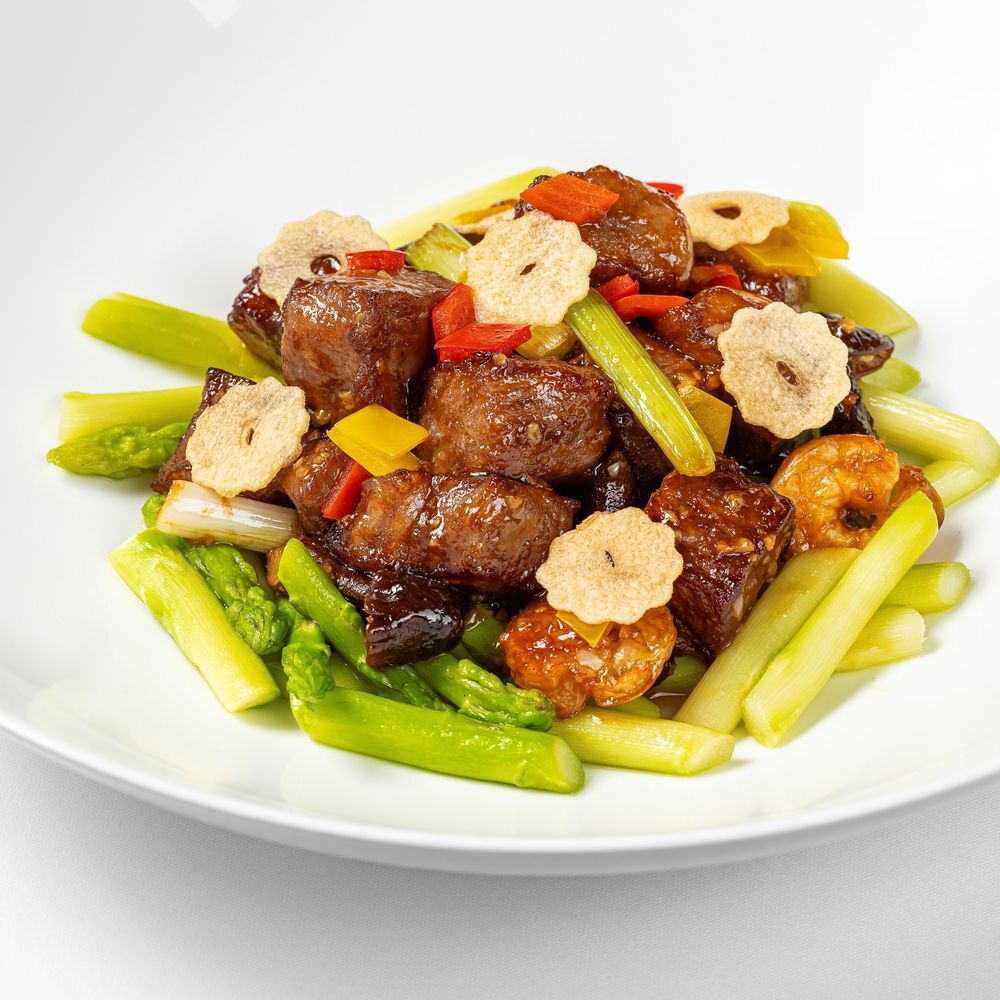
Bars in Shanghai
All bars in Shanghai →
Details
- Elegant
- Quiet
- Intimate
- Sophisticated
- Business Dinner
- Special Occasion
- Date Night
- Private Dining
- Sake Program
- A La Carte
- Tasting Menu
- Small Plates
- Tea Pairings
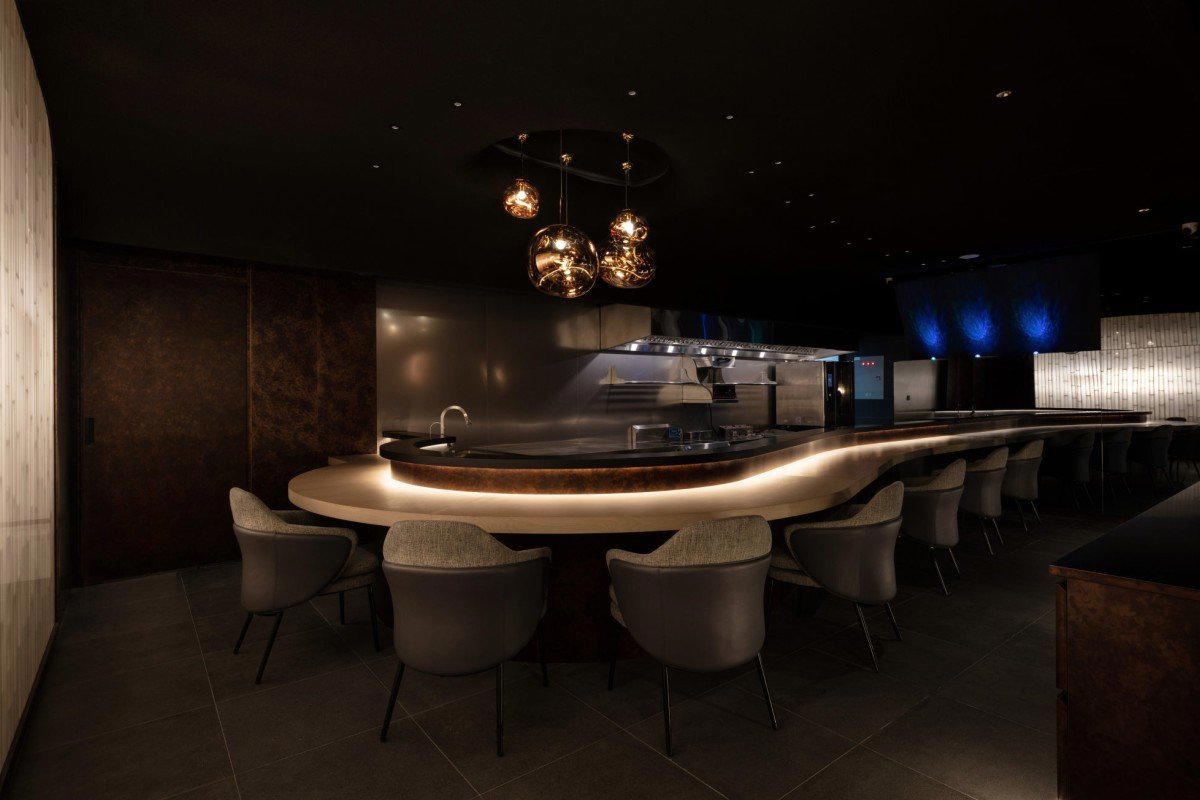
Calm and contemplative with low lighting, polished woods, neutral textiles, tea fragrance filling the air, and dark-toned ancient tea style evoking literati elegance.