

On Via Savona in Milan's Navigli-adjacent design quarter, Tannico Wine Bar has built a reputation for carrying what may be especially comprehensive wine list in the city. The interior runs to warm tones and considered detailing, making it a credible destination for serious wine drinkers who want depth on the list without the formality of a fine-dining room.
- Address
- Via Savona, 17, 20144 Milano MI, Italy
- Phone
- +39 2 0994 6657
- Directions
- Get directions
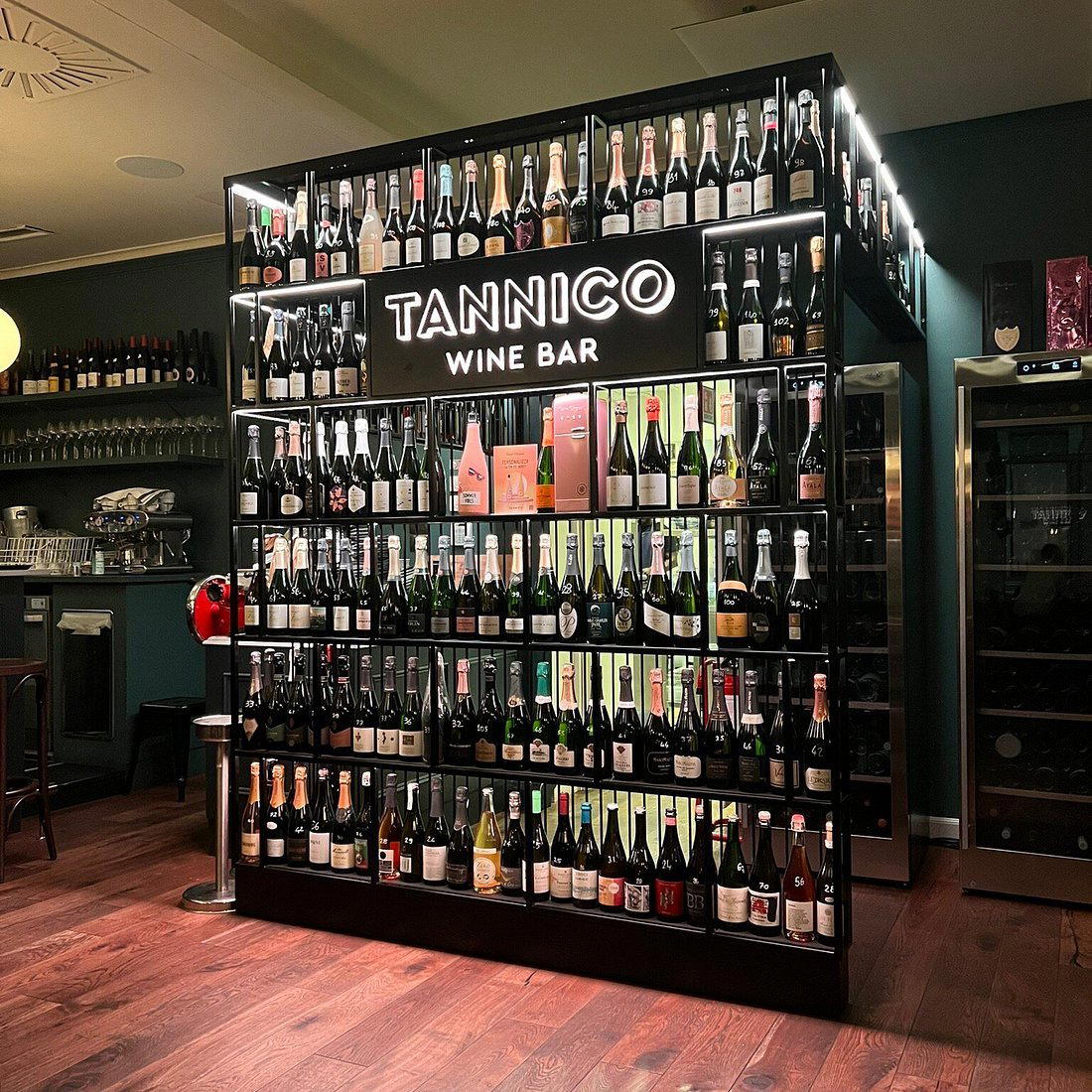
A Wine List That Redraws the Reference Point for Milan
Milan's wine bar scene divides fairly cleanly between two formats: the casual enoteca where the list runs to twenty or thirty labels and the focus is aperitivo traffic, and the more deliberate drinking destination where the cellar is the argument. Tannico Wine Bar on Via Savona belongs firmly to the second category, and the gap between it and the first is considerable. What the bar has assembled in terms of range is often treated as among the more comprehensive selections under one roof in the city.
That kind of claim lands differently in Milan than it might elsewhere. Italy's wine geography is among the more complex in the world: dozens of DOC and DOCG designations, producers operating at radically different scales and price points, and regional identities that shift within a single appellation depending on altitude, vintage, or winemaking school. A list that genuinely covers that ground rather than cherry-picking the familiar names from Barolo, Amarone, and Brunello requires both curatorial ambition and significant sourcing infrastructure. Tannico had that infrastructure before it opened a bar. The list reflects it.
The Space: Considered Without Being Cold
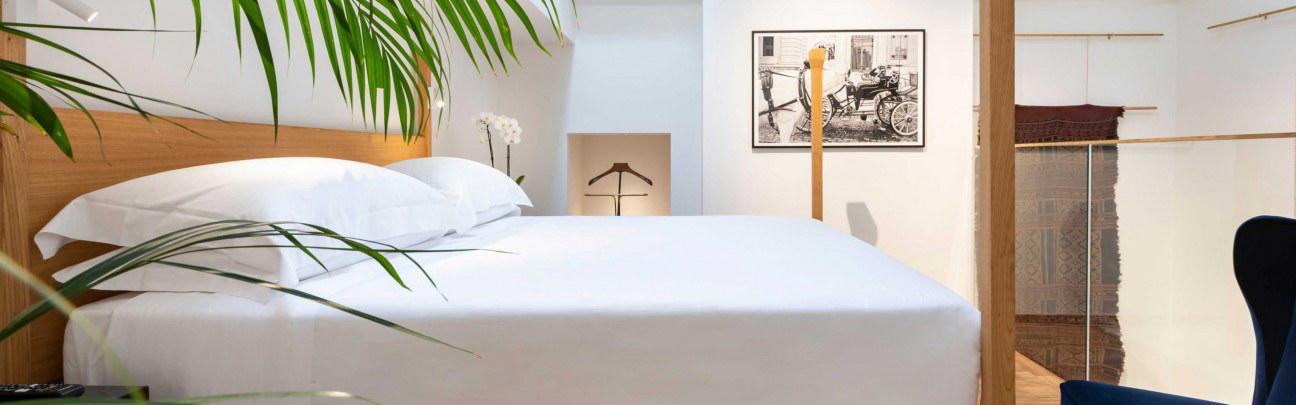
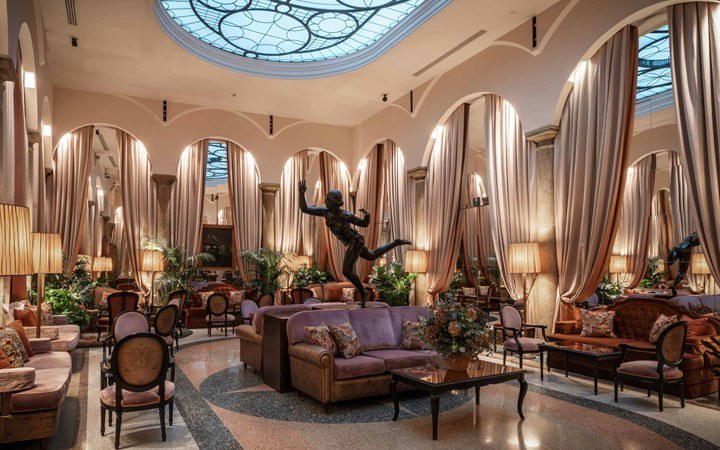
Via Savona sits in the western pocket of Milan between the Navigli canals and the design district that clusters around Via Tortona, a neighbourhood that has spent the better part of two decades attracting studios, concept stores, and food-and-drink operators with a preference for form alongside function. The bar's interior settles into that context without mimicking it. The palette runs to warm, muted tones rather than the industrial-grey aesthetic that dominated the area's earlier wave of openings. The design reads as cosy rather than spare, with enough attention to material and finish to signal that this is not an afterthought.
The seating arrangement matters in a wine bar context more than it might in a restaurant, because the choice of where you sit affects the kind of experience you have. Counter positions tend to invite conversation with staff and the kind of line-by-line engagement with the list that suits someone who wants guidance. Table seating offers more privacy and the pace to work through a flight without interruption. The room at Tannico accommodates both orientations without forcing a choice, which is a meaningful design success in a format where one of those options is usually deprioritised.
Lighting is calibrated toward warmth rather than drama, which is the correct call for a wine-focused space. The colour of a glass under flat, cool lighting is a different object than the same glass under incandescent warmth. Anyone serious about what they are drinking notices this. The physical container here has been thought through at that level of specificity.
The List as Argument
Italy's fine dining rooms have long treated the cellar as a parallel attraction to the kitchen. Places like Enoteca Pinchiorri in Florence built their identity around wine to a degree that outpaced the food program, and operations like Osteria Francescana in Modena or Piazza Duomo in Alba maintain cellars that function as serious arguments about Italian wine geography. The bar format asks a different question: can depth of list coexist with accessibility of format? Tannico's answer is that it can, provided the curation is honest about what the list is trying to do.
The range here extends well beyond the predictable prestige appellations. Producers from the south, from less-documented northern DOCs, and from the growing natural and low-intervention school all find space. That editorial generosity is harder to achieve than it looks. A list that tried to cover everything without a point of view would collapse into incoherence. What distinguishes a well-run cellar at this scale is that the breadth feels reasoned rather than random, and staff who can walk a guest through the logic are part of that system.
Where Tannico Sits in Milan's Broader Wine Culture
Milan does not produce wine, but it has always been a city where wine is consumed seriously and where the trade concentrates. Importers, distributors, and the broader fashion and design industry have created a customer base with real expectations around a glass. The city's leading fine dining rooms, including Enrico Bartolini, Seta, Andrea Aprea, and Cracco in Galleria, maintain cellars calibrated to that expectation, but they are fundamentally restaurant experiences where wine plays a supporting role to a kitchen program.
Tannico inverts the hierarchy. The wine is the point. That inversion is common in other European cities, particularly in Paris, London, and certain corners of Barcelona and Copenhagen, where standalone wine bars with serious lists have become a recognised format. In Milan, it remains less common than it probably should be given the city's appetite. Tannico occupies that gap, and does so in a neighbourhood that draws an audience inclined to take it seriously.
For visitors whose itinerary is already anchored around food, the bar functions as a different kind of stop than a second dinner reservation. It sits logically alongside a meal at a creative kitchen like Verso Capitaneo rather than competing with one. Further afield, anyone building an Italian wine-focused trip should look at operations in other cities and regions, from the precision of Le Calandre in Rubano to the mountain-sourced focus of Atelier Moessmer Norbert Niederkofler in Brunico or the long-standing cellar culture at Dal Pescatore in Runate.
Planning Your Visit
Tannico Wine Bar is located at Via Savona 17 in Milan's 20144 postcode, within walking distance of the Navigli district and the Via Tortona design cluster. The neighbourhood is most active from early evening onward, and the bar fits naturally into a westside evening that might include the canal-side aperitivo culture of the Navigli before moving into more deliberate wine drinking. Hours, booking policy, and current list details are best confirmed directly through the venue, as these change seasonally. Walk-in capacity is typically available, though the format lends itself to arriving with some intention about what you want to drink rather than deciding at the door. The wine-by-the-glass program is one efficient way to sample range on a first visit.
Recognition Snapshot
Comparable venues nearby, for context on price, style, and recognition.
| Venue | Cuisine | Price | Notes |
|---|---|---|---|
| Tannico Wine BarThis venue — the venue you are viewing | Modern Italian Wine Bar | $$$ | Not listed |
| Cantina Piemontese | Traditional Piedmontese and Italian | $$$ | Duomo |
| Frangente | Modern Italian Regional | $$$ | Stazione Centrale - Ponte Seveso |
| Lievità | Gourmet Neapolitan Pizza | $$$ | Xxii Marzo |
| Osteria della Darsena | Traditional Lombard Trattoria | $$$ | Porta Ticinese - Conchetta |
| Hostaria Borromei | Traditional Milanese Trattoria | $$$ | Duomo |
Recognition history
Dated appearances from independent guides and award organizations, with the underlying list record or original source where available.
Falstaff Wine Bar - Listed
Falstaff
Star Wine List
Star Wine List
Continue exploring
More in Milan
Restaurants in Milan
Browse all →
Bars in Milan
Browse all →
Hotels in Milan
Browse all →
At a Glance
- Elegant
- Modern
- Cozy
- Sophisticated
- Date Night
- After Work
- Casual Hangout
- Wine Cellar
- Extensive Wine List
Elegant modern interior in Bentley green shades with a calm, charming atmosphere ideal for evening wine tasting.