Don Benito San Roque occupies a quiet stretch of Calle de Eloy Gonzalo in Chamberí, one of Madrid's most culinarily self-assured neighbourhoods. The address places it inside a district that rewards those who look past the city's headline fine-dining circuit, where neighbourhood restaurants with considered wine programs increasingly hold their own against the capital's louder, more decorated rooms.
Pearl is the En Primeur Club membership app — saves, bookings, and concierge access live there. Same editors, same standards.
- Address
- C. de Eloy Gonzalo, 8, Chamberí, 28010 Madrid, Spain
- Phone
- +34683303109
- Website
- bardonbenito.com
- Directions
- Get directions
 Saves & bookings on Pearl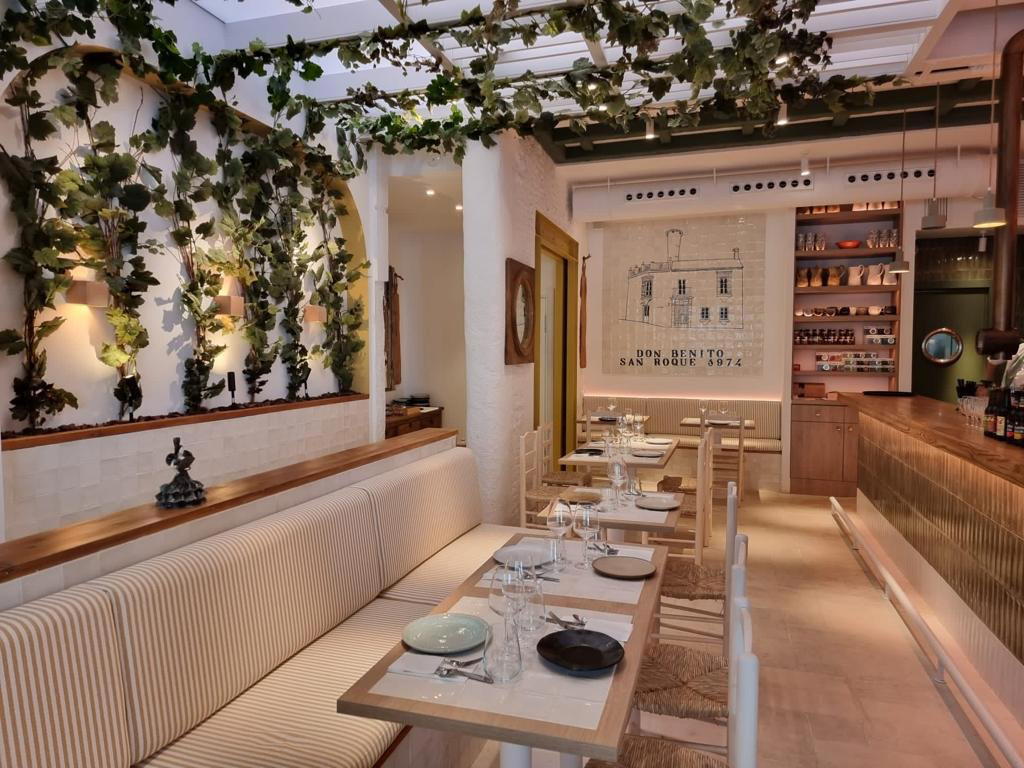
Chamberí and the Case for Neighbourhood Wine Bars
Don Benito San Roque is a restaurant in Chamberí, Madrid, serving Andalusian tapas at about $25 per person. Madrid's fine-dining conversation tends to collapse around a handful of addresses: the three-Michelin-star spectacle of DiverXO, the technically exacting tasting menus at Coque and Deessa, the creative formats at DSTAgE and Paco Roncero. What gets less attention is the tier below them: the neighbourhood addresses in districts like Chamberí where the wine list frequently outperforms the room's modest exterior.
Don Benito San Roque sits on Calle de Eloy Gonzalo, a residential street in the 28010 postal zone that runs through the western edge of Chamberí. The barrio itself has long carried a reputation for eating and drinking seriously without performance. It is the kind of Madrid neighbourhood where you find a third-generation charcutier beside a natural wine shop beside a tapas bar that has quietly developed one of the more considered lists of Ribera del Duero in the city. Don Benito San Roque operates inside that tradition.
The Wine List as Editorial Statement
In Madrid's current restaurant culture, the wine list functions as a signal. At the summit tier, rooms like Atrio in Cáceres operate cellars that function almost as the primary attraction, with the food as a companion to the bottle rather than the other way around. Below that register, there is a broader category of Spanish restaurants where the list curates intelligently across regions without attempting to replicate a grand hotel cellar's depth. Spain's geography makes this possible in ways that France or Italy's more codified appellations do not always allow: a thoughtful buyer can move across Galicia, the Basque Country, Castile, Andalusia, and the Levant and build a list that reads as a survey of the country's current winemaking generation.
The Spanish wine scene that any serious Madrid neighbourhood address draws from has been transformed over the past two decades. Producers in regions once dismissed as bulk-wine territory, parts of La Mancha, Extremadura, the Sierra de Gredos, have shifted toward lower-intervention viticulture and smaller production runs. The effect on restaurant lists in a city like Madrid is that a well-curated neighbourhood program can now present wines that would have been impossible to source locally fifteen years ago. For context, the kind of Garnacha-forward bottles from Gredos that now appear on serious Madrid lists were largely invisible to the city's restaurant buyers before the mid-2000s. The same applies to the Atlantic white wine revival in Galicia, which has made Albariño and Godello genuinely competitive with comparable northern European white wine traditions on lists that pay attention.
For a restaurant on a residential Chamberí street, the wine selection carries most of the curatorial weight. This is not unusual in the neighbourhood's context: Chamberí has historically attracted the kind of Madrid diner who wants a knowledgeable recommendation over a theatrical pour, and whose frame of reference extends to Spanish regions that do not always receive international coverage. The list at the restaurant operates within that tradition.
Approaching the Room: What the Address Tells You
Calle de Eloy Gonzalo connects the neighbourhood's interior to the wider Chamberí grid without functioning as a commercial artery. The street is largely residential, which means that a restaurant operating here is not relying on foot traffic from tourists moving between landmarks. It draws from a local catchment and from those who seek it deliberately. This is a meaningful distinction in Madrid, where the gap between tourist-circuit dining and neighbourhood dining remains wider than in cities like Barcelona, where the two populations overlap more visibly.
The physical approach to the restaurant prepares you for a format that does not announce itself loudly. Chamberí's street-level restaurant culture tends toward modestly signed facades, tiled interiors, and the kind of mid-century Spanish bar furniture that has gone from unfashionable to desirable in the time it takes a neighbourhood to gentrify gently without losing its residents. The address fits that pattern.
Where Don Benito San Roque Sits in the Wider Spanish Picture
Spain's restaurant geography currently concentrates its Michelin recognition at the extremes of the country: San Sebastián and the Basque hinterland (where Arzak, Azurmendi, Martin Berasategui, and Mugaritz define the northern haute cuisine tradition), the Catalan axis running through Barcelona and Girona (home to Cocina Hermanos Torres and El Celler de Can Roca), and the Mediterranean and Atlantic coasts (Quique Dacosta in Dénia, Aponiente in El Puerto de Santa María, Ricard Camarena in València). Madrid itself holds significant recognition at the summit tier, but the city's broader restaurant culture is sustained by mid-market and neighbourhood addresses that do not operate within the awards framework at all.
The restaurant belongs to that mid-market Chamberí cohort, comparable in format and geographic positioning to a category of addresses that international visitors rarely encounter because they do not appear in the standard routing of a Madrid food trip. For readers who have already covered the capital's decorated rooms, or who prefer a seated dinner that puts the wine conversation at the centre rather than the tasting menu architecture, the neighbourhood address format represents the logical next move.
International comparison points for this format are instructive. The neighbourhood wine-bar-restaurant that anchors its program around an authoritative list rather than a marquee kitchen has equivalents in most major cities: think of the approach taken by serious mid-tier rooms in New York like Le Bernardin's cohort, or the collaborative dinner-format addresses in San Francisco represented by something like Lazy Bear. The common thread is that the bottle and the room carry equal editorial weight in the diner's memory of the evening.
Comparable Options
Comparable venues nearby, for context on price, style, and recognition.
| Venue | Cuisine | Price | Notes |
|---|---|---|---|
| Don Benito San RoqueThis venue — the venue you are viewing | Andalusian Tapas | $$ | Not listed |
| Paellitas Tradición | Traditional Spanish Paella | $$ | Almagro |
| GOAT | Traditional Spanish Kid Goat | $$ | Malasana |
| Santamaria | Spanish-International Tapas Gastrobar | $$ | Malasana |
| LaLina Chueca | Spanish Gluten-Free Tapas | $$ | Chueca |
| La Finca de Susana | Traditional Spanish Mediterranean | $$ | Sol |
Continue exploring
More in Madrid
Restaurants in Madrid
Browse all →
Bars in Madrid
Browse all →
Hotels in Madrid
Browse all →

At a Glance
- Cozy
- Rustic
- Classic
- Casual Hangout
- Family
- Date Night
- Open Kitchen
- Street Scene
Current opening hours
- Monday
- Closed
- Tuesday
- Closed
- Wednesday
- 12:30 PM–12 AM
- Thursday
- 12:30 PM–12 AM
- Friday
- 12:30 PM–12 AM
- Saturday
- 12:30 PM–12 AM
- Sunday
- 12:30 PM–12 AM
Hours can change for holidays and private events. Last verified .
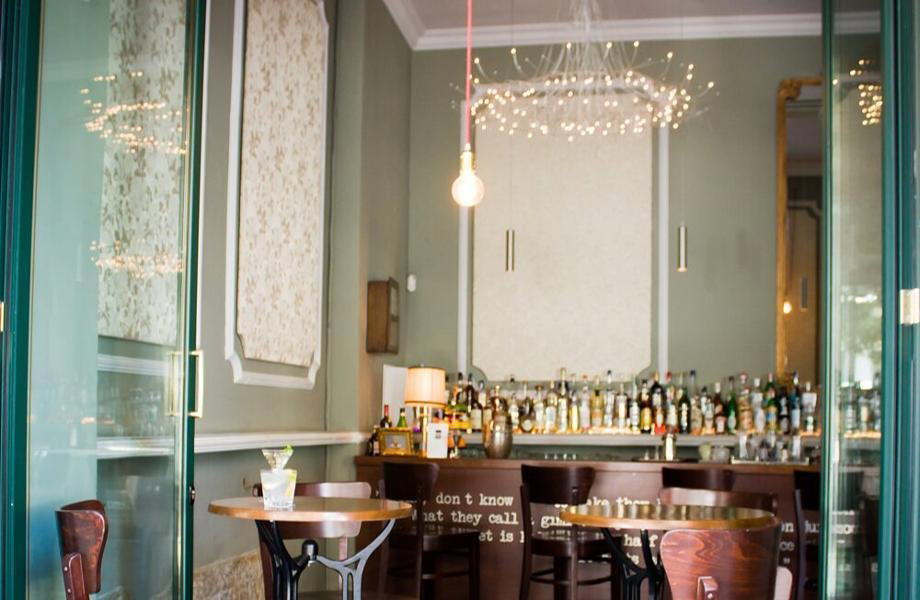
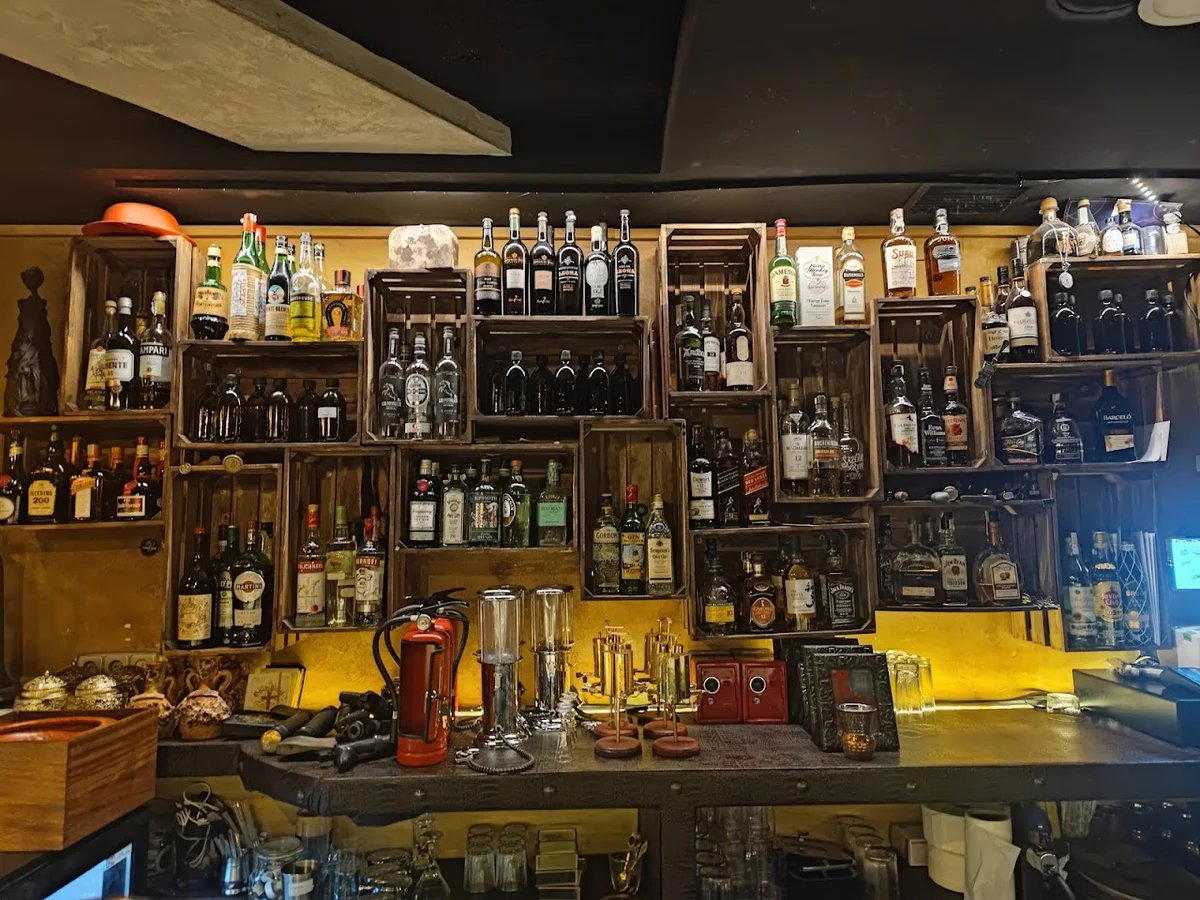
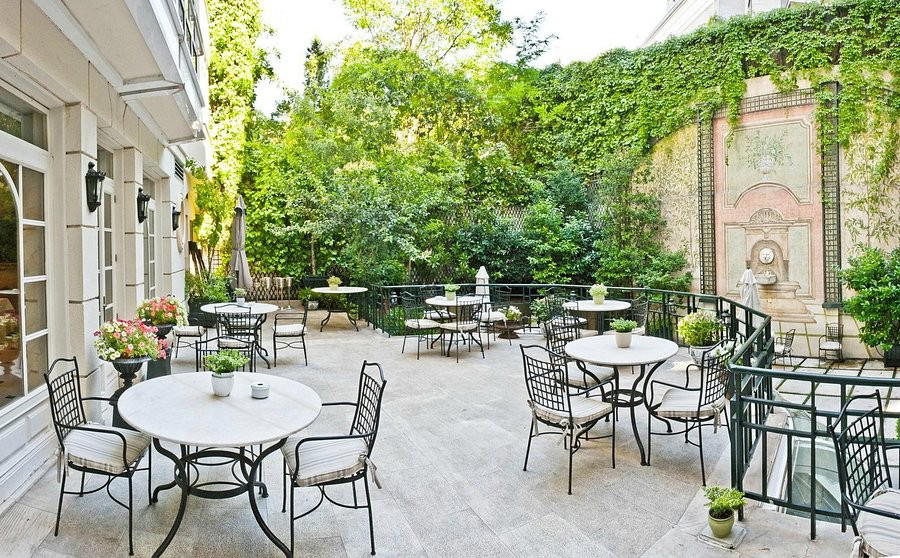
Warm, rustic decor with traditional Spanish elements, plants, antiques, and stone flooring, creating a cozy and authentic village feel.