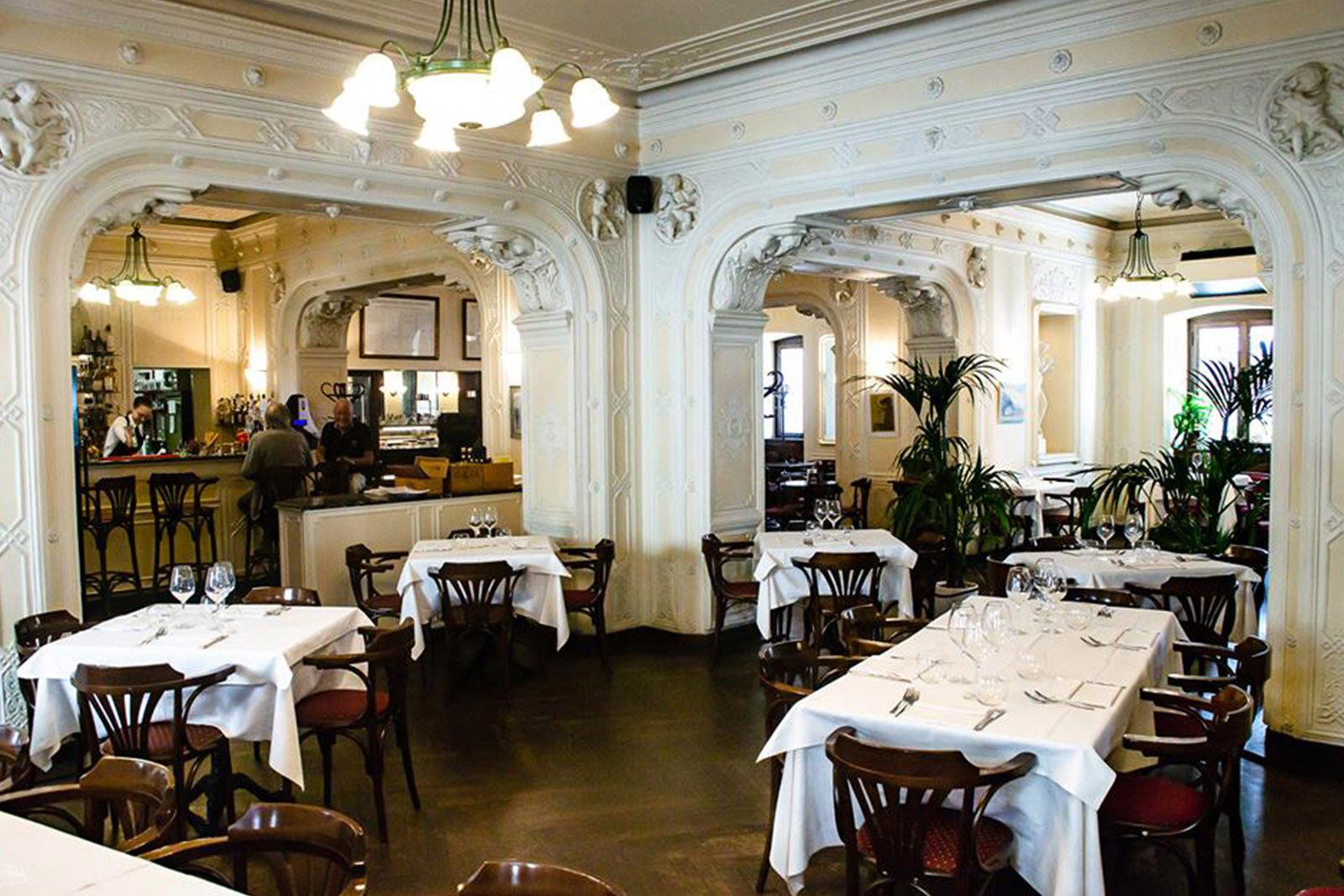
One of Trieste's oldest surviving caffès, Caffè Tommaseo has anchored Piazza Nicolò Tommaseo since the nineteenth century, making it a natural reference point for the city's Mitteleuropean café tradition. Its interior retains the weight of that history, placing it in a different register from Trieste's modern dining scene. For a considered coffee stop, afternoon aperitivo, or a moment that marks time in the city, few addresses carry the same historical freight.
 Discover on Pearl
Pearl is the En Primeur Club membership app — saves, bookings, and concierge access live there. Same editors, same standards.
- Address
- Piazza Nicolò Tommaseo, 4, 34122 Trieste TS, Italy
- Phone
- +393940362666
- Website
- caffetommaseo.it
Where Trieste's Café Culture Finds Its Longest Running Address
Trieste occupies a singular position in Italy's café geography. Unlike Rome or Milan, where caffè culture is fast and functional, Trieste inherited its relationship with coffee from the Habsburg Empire, turning the act of sitting in a grand café into something closer to a civic institution. The city's historic caffès are not simply places to drink; they are rooms where time moves differently, where the architecture itself carries an argument about what a café should be. Caffè Tommaseo, at Piazza Nicolò Tommaseo 4, is a historic Italian café and trattoria in Trieste, and the piazza address alone signals a venue that has endured through successive eras of the city's identity.
Approaching the address, the built environment of central Trieste does much of the framing. The piazzas and colonnaded streets in this part of the city reflect the administrative ambitions of the Austrian period, and a historic caffè set against that backdrop reads immediately as part of the urban fabric rather than a destination grafted onto it. That sense of belonging to the city, rather than merely operating within it, is what separates Trieste's grand caffès from their counterparts in cities where café culture arrived later or more commercially.
The Weight of the Setting: Occasion Dining in a Different Key
Within Trieste's dining spectrum, Caffè Tommaseo occupies a category that sits apart from the seafood-forward restaurant tradition represented by venues like Al Bagatto or the contemporary Italian direction taken by Harry's Piccolo. Those restaurants answer a question about lunch or dinner. Tommaseo answers a different question: where in Trieste does a significant moment deserve to be marked with a coffee, a glass of wine, or a long afternoon at a marble table in a room that has been doing this for well over a century.
That framing matters for occasion dining. Not every milestone calls for a tasting menu or a reservation made weeks in advance. Some occasions require a place with enough accumulated presence that the room itself carries weight. In Trieste, the historic caffè is the institution built for exactly that function. Triestines have long used these rooms for conversations about business, literature, and politics, a habit that traces directly to the café's role in Central European urban life from Vienna to Prague. Sitting at Tommaseo connects a visitor to that pattern in a way that a modern restaurant simply cannot replicate.
For travelers building a day around Trieste's dining character, the caffè moment and the evening restaurant are complementary, not competing. A late morning at Tommaseo, followed by lunch at Ai Fiori or Ai 3 Magnoni, structures a day that covers the city's range without redundancy.
Trieste in the Wider Context of Italian Regional Dining
Trieste's dining identity is consistently underrepresented in national rankings that tend to orbit northern hubs like Modena, home to Osteria Francescana, or Alba, where Piazza Duomo operates in an entirely different tier of ambition. The city's best-regarded restaurants, including Al Civicosei, work within a regional seafood and Central European tradition that does not always translate cleanly into the criteria that drive national recognition. What Trieste offers is a different kind of depth: a city where the café institution runs alongside the restaurant culture rather than being subordinate to it, and where a caffè with nineteenth-century credentials is as legitimate a dining destination as any table-service room in the city.
That positioning places Trieste closer in spirit to cities like Vienna or Sarajevo than to Bologna or Florence when it comes to the social function of eating and drinking. Italy has its own celebrated café traditions, visible in the old caffès of Venice and Turin, but Trieste's connection to the Habsburg administrative and intellectual world gives its caffè culture a specificity that sets it apart. Venues like Enoteca Pinchiorri in Florence or Enrico Bartolini in Milan represent Italy's fine dining register at its most ambitious; Caffè Tommaseo represents something structurally different: the institution as dining occasion.
For international travelers accustomed to the top-end restaurant formats found at Le Bernardin in New York City or Lazy Bear in San Francisco, Trieste's grand caffè tradition requires a recalibration of what constitutes a serious dining experience. The measure here is not technique or innovation but duration, atmosphere, and historical continuity. By those criteria, Tommaseo is among the more serious addresses in the city.
Planning a Visit: Practical Notes
Caffè Tommaseo sits on Piazza Nicolò Tommaseo in central Trieste, within walking distance of the waterfront and the Piazza Unità d'Italia, making it a natural stop within any city-center itinerary. Historic caffès of this type in Trieste typically operate across most of the day, covering morning coffee through afternoon and into early evening aperitivo hours, though travelers should verify current opening hours directly given that seasonal schedules can vary. Reservations are recommended, and arriving outside peak midday hours can help if you prefer a quieter visit. The address is as useful for a solo morning espresso as for a longer celebratory pause with company.
Cost Snapshot
Comparable venues nearby, for context on price, style, and recognition.
| Venue | Cuisine | Price | Awards | Notes |
|---|---|---|---|---|
| Caffè TommaseoThis venue — the venue you are viewing | $$$ | , | ||
| Ristorante Le Vele | $$$ | , | :null, Italian Seafood | |
| Ai Fiori | centro storico, Modern Italian Seafood | $$$ | , | |
| Chimera di Bacco | Ghetto, Modern Italian Seafood | $$$ | , | |
| Alla Sorgente | $$ | , | Trieste center, Traditional Italian Seafood Trattoria | |
| Caffè degli Specchi | $$ | , | Piazza Unità d'Italia, Historic Italian Café |
Continue exploring
More in Trieste
Restaurants in Trieste
Browse all →
Bars in Trieste
Browse all →
Hotels in Trieste
Browse all →
At a Glance
- Iconic
- Elegant
- Classic
- Sophisticated
- Date Night
- Business Dinner
- Casual Hangout
- Special Occasion
- Historic Building
- Live Music
- Terrace
- Extensive Wine List
- Craft Cocktails
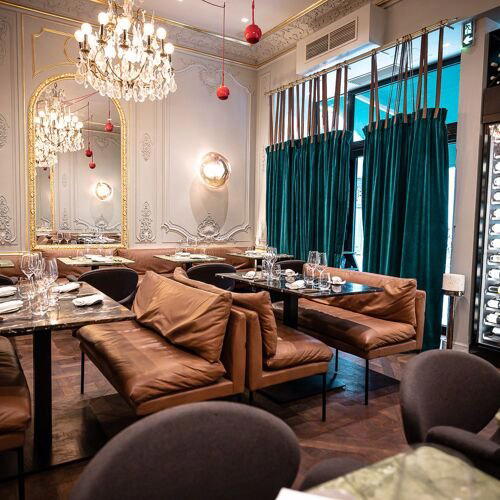
Belle Époque elegance with original stuccos and mirrors, refined and sophisticated atmosphere blending Viennese-style architecture with vibrant culinary energy; enhanced by live music on weekend evenings and Sunday lunch.