Café Klatsch occupies a address on Glashüttenstraße in Hamburg's Schanzenviertel, a neighbourhood where the line between neighbourhood institution and destination cafe blurs consistently. With no published awards or formal price tier on record, it sits outside the city's fine-dining hierarchy — which tells its own story about where Hamburg's everyday café culture still holds ground against the pressure of gentrification and upscale repositioning.
Pearl is the En Primeur Club membership app — saves, bookings, and concierge access live there. Same editors, same standards.
- Address
- Glashüttenstraße 17, 20357 Hamburg, Germany
- Phone
- +49 40 4390443
- Website
- cafe-klatsch-hamburg.de
- Directions
- Get directions
 Saves & bookings on Pearl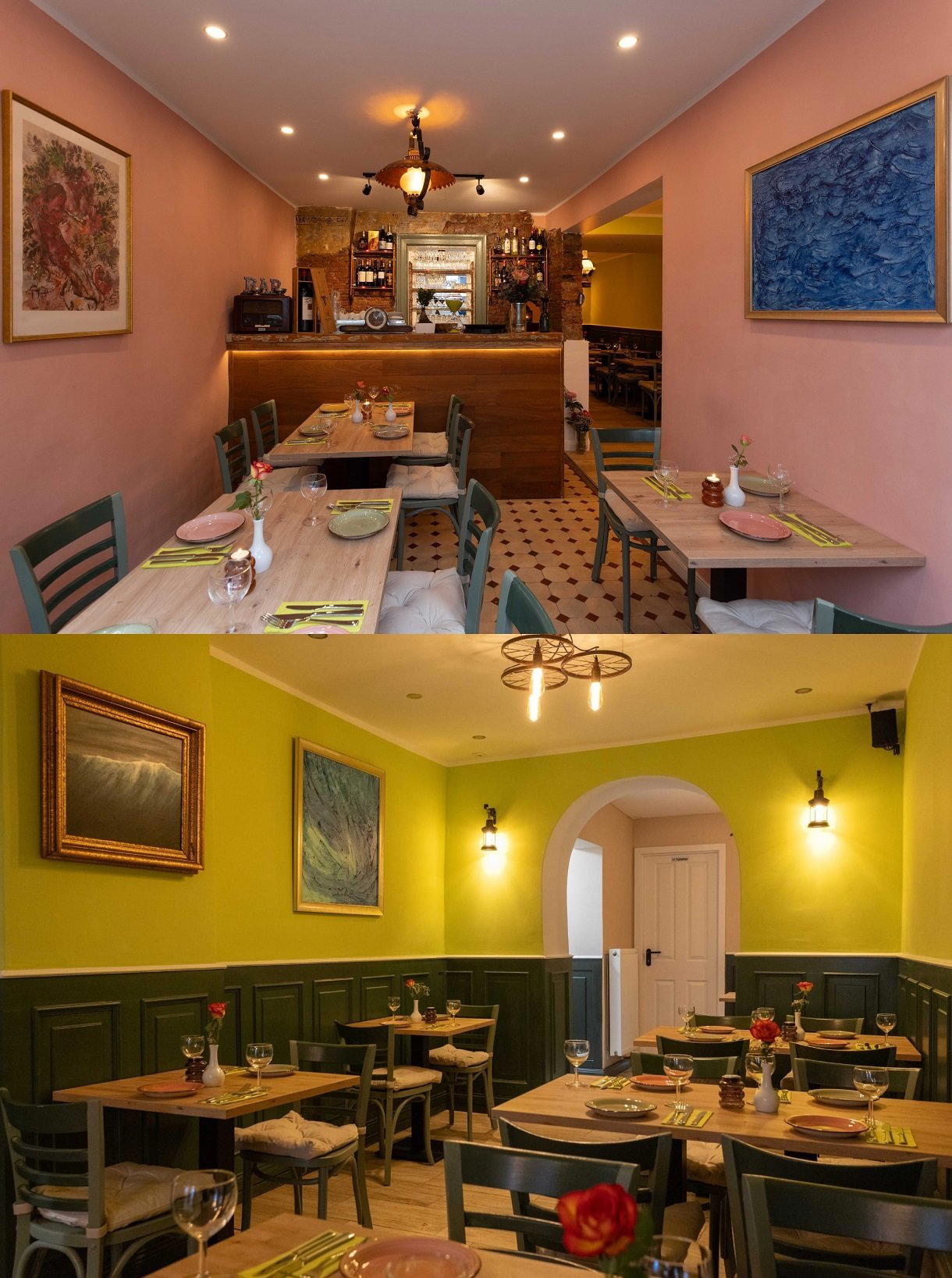
Schanzenviertel's Café Tradition and Where Klatsch Fits
Hamburg's Schanzenviertel has spent two decades in a state of negotiated identity. What began as a left-leaning, counter-cultural district around the Schulterblatt and its adjoining streets has absorbed successive waves of commercial interest without fully surrendering its texture. The cafés along Glashüttenstraße sit inside that tension — functioning as neighbourhood anchors rather than destinations engineered for visiting audiences. Café Klatsch, at number 17, is positioned within this dynamic: a street-level presence in a part of the city where the café format still operates closer to the Viennese model of extended occupation and social continuity than to the specialty-coffee, throughput-driven model that has reshaped so many European city centres.
That context matters when assessing what a place like this offers. Hamburg's formal dining tier — represented by three-Michelin-star operations like Restaurant Haerlin and The Table Kevin Fehling, and the more price-accessible creative kitchens such as 100/200 Kitchen, operates on an entirely different register. Café Klatsch makes no claim to that conversation, and that absence of ambition is, in the Schanzenviertel reading, a form of integrity. The neighbourhood still has enough residents to sustain places that do not require tourist footfall to survive.
The Schanzenviertel Café Format: What the Room Does
The café format in this part of Hamburg carries a specific set of expectations. Tables carry conversations across the full day. The morning shift, filter coffee, perhaps a soft-boiled egg or a Brötchen, transitions into a longer lunch trade and then a late-afternoon crowd that treats the space as an extension of domestic life. This is the tradition Café Klatsch inhabits: the German Kaffeehaus register, looser in formality than its Viennese equivalent but sharing the same core premise that a café is a room to stay in, not pass through.
Across Germany's restaurant culture, the venues that tend to accumulate the most durable local reputations are rarely the ones chasing tasting-menu recognition. Schwarzwaldstube in Baiersbronn, Aqua in Wolfsburg, or JAN in Munich operate at the top of the country's formal hierarchy. But the café culture that underlies German daily life sits several registers below that, and functions by entirely different logic: proximity, habit, and the quality of a single cup of coffee or a slice of Kuchen at the right hour of the afternoon.
Team and Service: The Neighbourhood Café Model
The editorial angle that applies most directly to a venue like Café Klatsch is not the tasting-menu model of chef-sommelier-front-of-house collaboration, where each role carries a formal credential. In the neighbourhood café format, the equivalent dynamic plays out differently. The person taking orders is often also the one behind the bar, and the coherence of a visit depends on whether that team reads the room accurately: knowing when a table wants to linger, when to bring the bill without being asked, when to recommend the day's cake over the standard menu. These are service skills that operate below the level of formal hospitality training but require genuine attentiveness.
Hamburg's mid-tier and café-level venues that get this right tend to develop the kind of neighbourhood loyalty that keeps them operating across decades, regardless of what is happening to rents or the competitive environment around them. The venues in the city's Schanzenviertel that have survived the neighbourhood's gentrification pressures have generally done so by maintaining that team-level attentiveness rather than by repositioning themselves upmarket. For comparison, the premium Hamburg establishments that do operate the formal collaboration model, such as bianc and Lakeside, carry full front-of-house and wine programs that serve a different purpose entirely.
Hamburg in the Broader German Fine-Dining Frame
Understanding Café Klatsch requires understanding what Hamburg's dining culture looks like from the outside in. The city punches above its weight in Michelin terms relative to its population, with a cluster of starred restaurants concentrated in the Altstadt and Eppendorf areas. Nationally, the German fine-dining map extends to operations like Vendôme in Bergisch Gladbach, Victor's Fine Dining by Christian Bau in Perl, and Waldhotel Sonnora in Dreis. At the experimental end, CODA Dessert Dining in Berlin represents the kind of format-specific ambition that has put German restaurants into international conversations they rarely occupied a generation ago.
Café Klatsch operates in none of these registers. Its address on Glashüttenstraße places it in a neighbourhood that is geographically separate from Hamburg's fine-dining cluster and philosophically separate from the category of restaurant that seeks recognition through awards or editorial coverage. That is not a criticism. It is a locational and categorical fact that helps a reader calibrate what kind of visit they are planning. For readers who want to map the full Hamburg dining spectrum before arriving, the EP Club Hamburg restaurants guide covers the city's formal dining tier in detail.
International Reference Points: The Café as a Format
The neighbourhood café model that Café Klatsch inhabits has international equivalents at various price points. Le Bernardin in New York City and Lazy Bear in San Francisco represent the American end of the fine-dining spectrum, high-format, destination-driven, prix-fixe in orientation. The café model is structurally the opposite: low-format, neighbourhood-driven, à la carte or counter-service. Both have value. The reader's task is knowing which one they are looking for on a given day in a given city.
In Hamburg specifically, the Schanzenviertel café tradition is worth understanding as a category before choosing a venue within it. Other comparable German café cultures, in Leipzig's Südvorstadt, Berlin's Prenzlauer Berg, or Munich's Maxvorstadt, operate on similar principles: the café as the room where the neighbourhood takes its coffee seriously without making coffee the point of the experience. For venues at the sharper end of German regional cuisine, ES:SENZ in Grassau, Schanz in Piesport, and Bagatelle in Trier offer distinct regional perspectives at a different level of culinary seriousness.
Planning a Visit
Café Klatsch is located at Glashüttenstraße 17, 20357 Hamburg, in the Schanzenviertel district. Public transport connections to the area are strong, with U-Bahn and bus access from Hamburg Hauptbahnhof and the Feldstraße U3 stop within reasonable walking distance. The Schanzenviertel is walkable and dense with alternative options should timing or availability not align.
Budget Reality Check
| Venue | Cuisine | Price | Awards | Notes |
|---|---|---|---|---|
| Café KlatschThis venue — the venue you are viewing | Not listed | This venue | Not listed | Not listed |
| The Table Kevin Fehling | Creative | €€€€ | Michelin 3 Star | Not listed |
| bianc | Not listed | €€€€ | Michelin 2 Star | Modern Mediterranean, Mediterranean Cuisine |
| Lakeside | German Lakeside | €€€€ | Michelin 2 Star | Not listed |
| Heimatjuwel | German, Creative | €€€ | Michelin 1 Star | Not listed |
| Landhaus Scherrer | Modern European, Classic Cuisine | €€€€ | Michelin 1 Star | Not listed |
Continue exploring
More in Hamburg
Restaurants in Hamburg
Browse all →
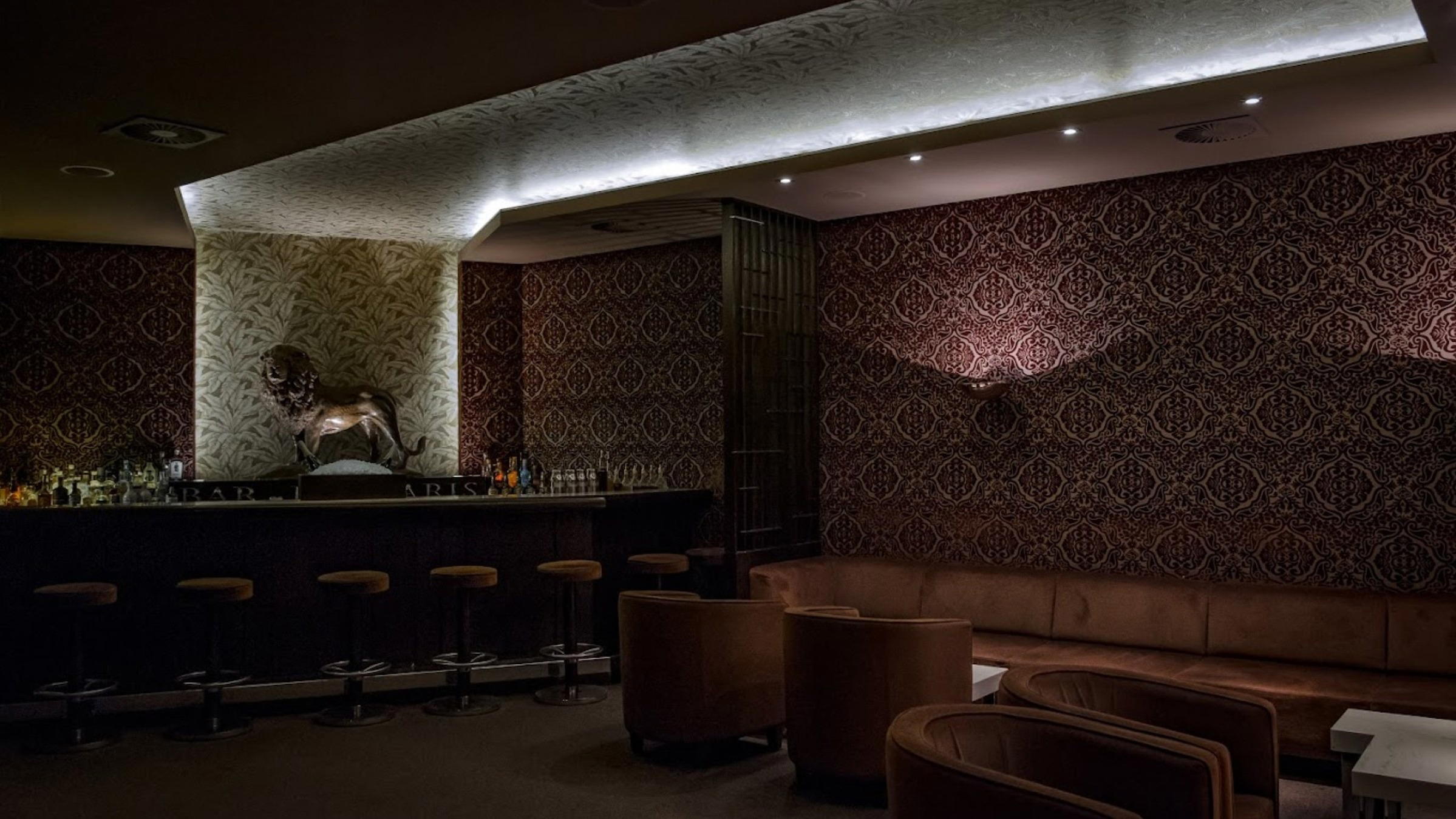
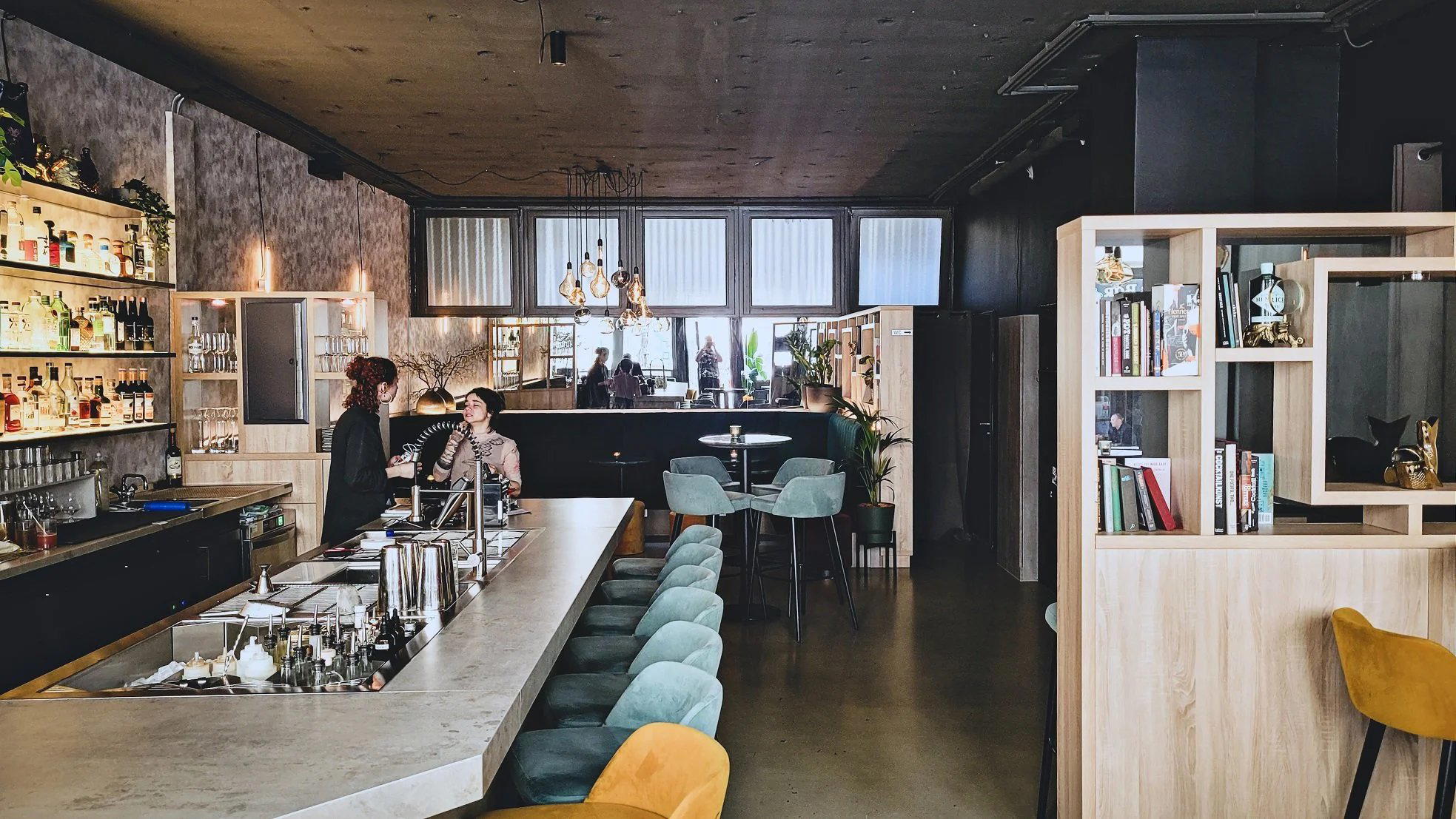
Bars in Hamburg
Browse all →

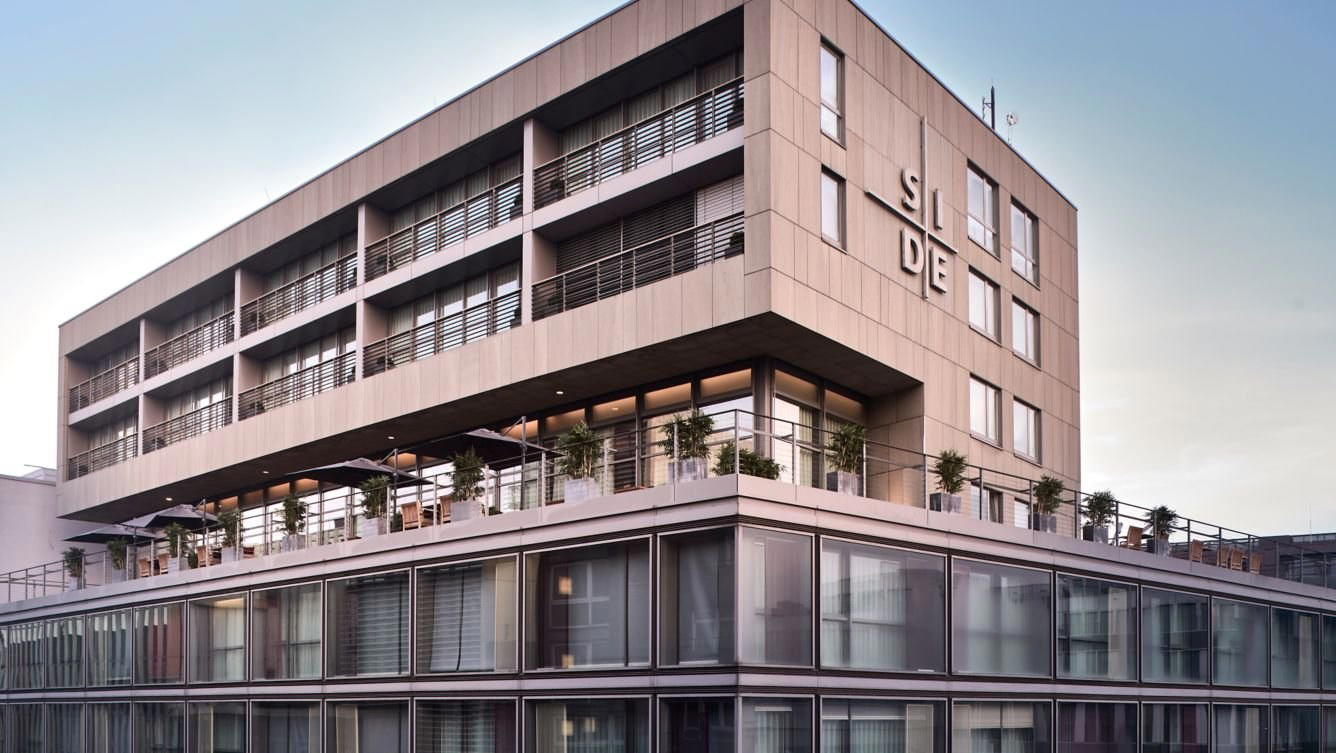
Hotels in Hamburg
Browse all →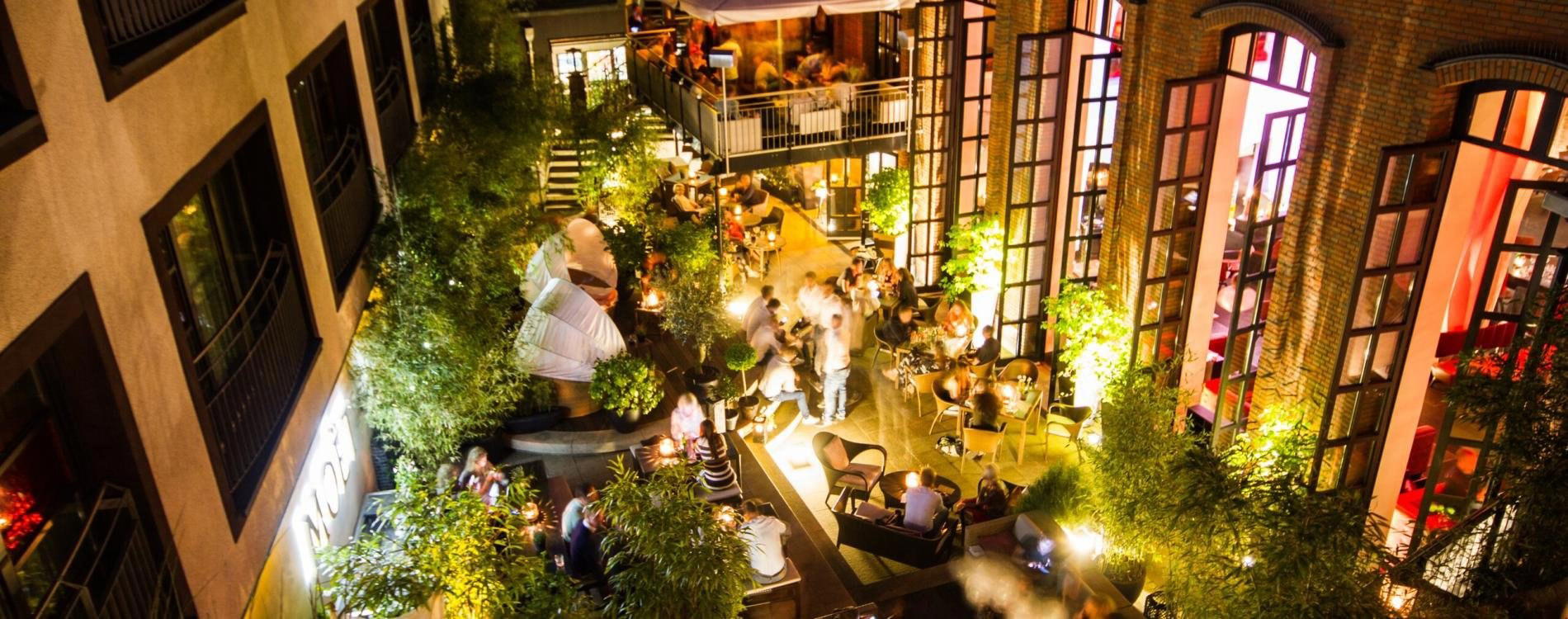
Wineries in Hamburg
Browse all →
At a Glance
- Cozy
- Brunch
- Casual Hangout
- Historic Building
- Organic
Current opening hours
- Monday
- 9:30 AM–10 PM
- Tuesday
- 9:30 AM–10 PM
- Wednesday
- 9:30 AM–10 PM
- Thursday
- 9:30 AM–10 PM
- Friday
- 9:30 AM–10 PM
- Saturday
- 9:30 AM–10 PM
- Sunday
- 9:30 AM–10 PM
Hours can change for holidays and private events. Last verified .
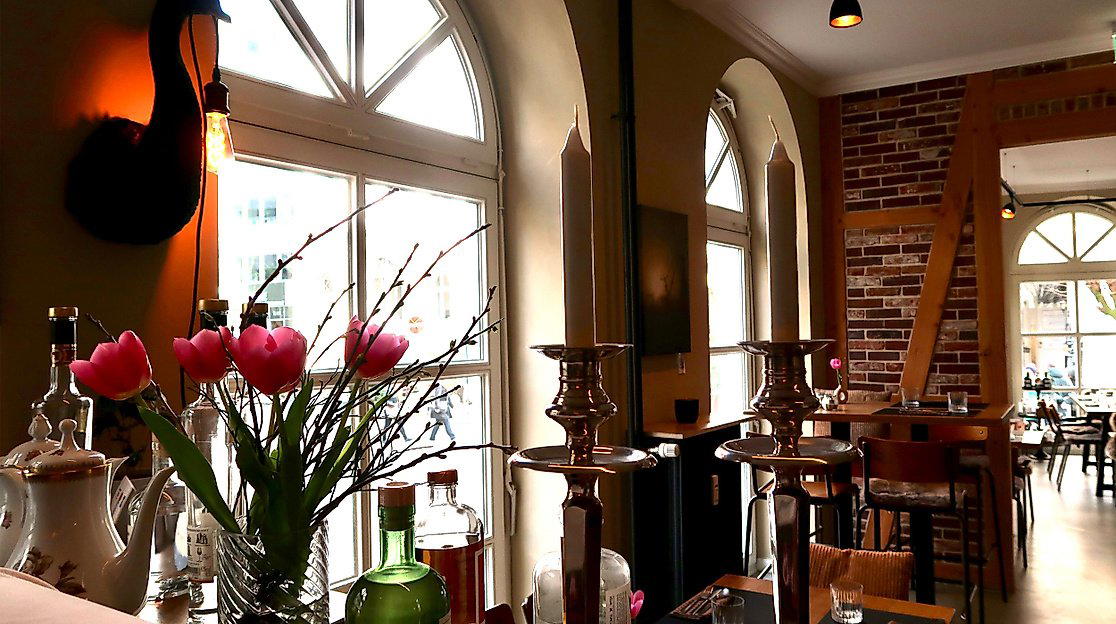
Comfortable, welcoming, and charming with alternative-casual, old-fashioned decor.
Know Before You Go
- Getting there
- Glashüttenstraße 17, 20357 Hamburg, Germany