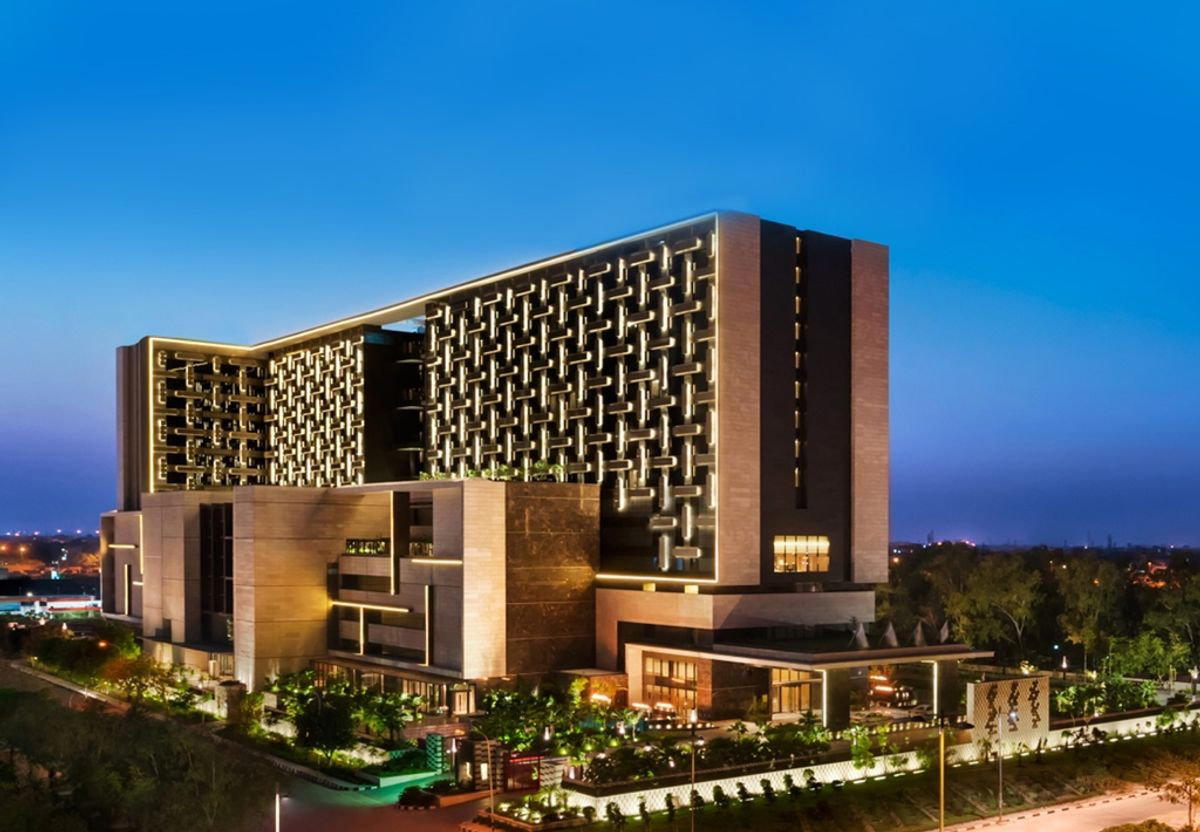
Cafe Delhi Heights brings the North Indian all-day dining format that built its Delhi reputation to a second-floor perch inside PVS Mall in Shastri Nagar, Meerut. The chain's presence in a tier-two city reflects a broader shift in Indian casual dining, where metropolitan formats are travelling to markets with growing appetite for consistent, familiar comfort food at accessible price points.
Pearl is the En Primeur Club membership app — saves, bookings, and concierge access live there. Same editors, same standards.
- Address
- 2nd Floor, PVS Mall, PVS Rd., New K block, I Block, Shastri Nagar Market, Shastri Nagar, Meerut, Uttar Pradesh 250002, India
- Phone
- +919258054033
- Website
- stores.cafedelhiheights.com
- Directions
- Get directions
 Saves & bookings on Pearl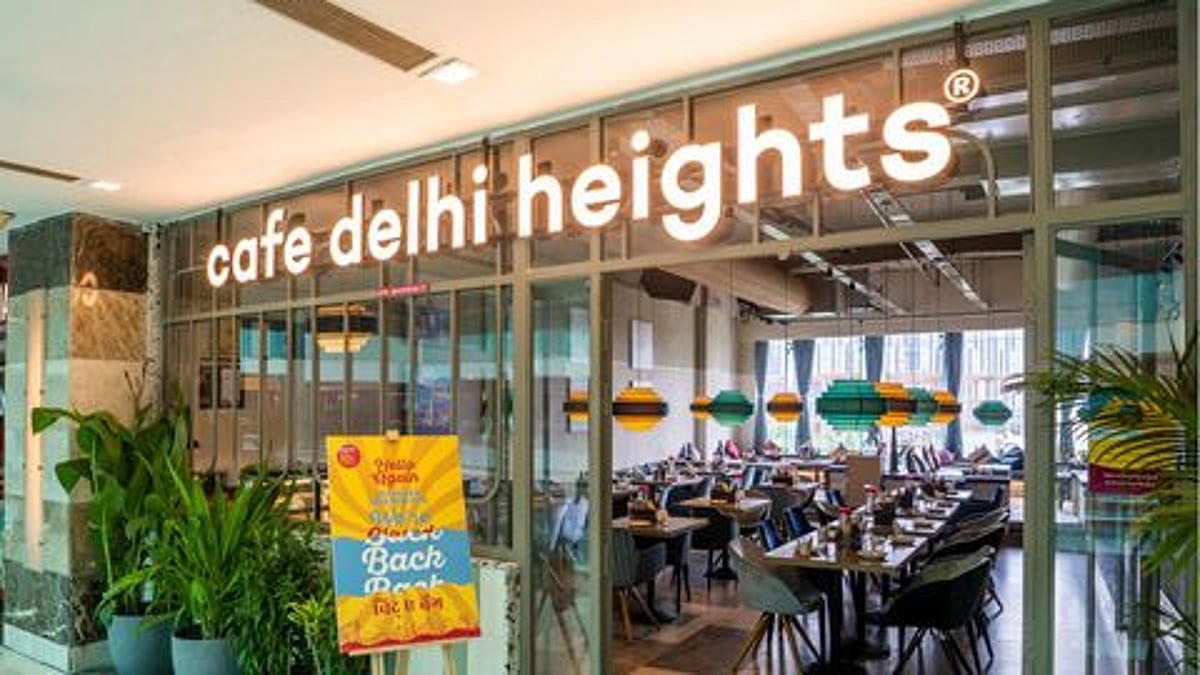
The Mall-Floor Dining Model and What It Signals About Meerut
Meerut sits roughly 70 kilometres northeast of Delhi, close enough that its food culture has long been shaped by the capital's tastes, yet distinct enough to have developed its own rhythms around street food and local dhabas. What is newer is the arrival of branded, multi-location casual dining inside mall formats. Cafe Delhi Heights, positioned on the second floor of PVS Mall on Shastri Nagar's PVS Road, belongs to this pattern: a Delhi-origin all-day dining brand extending into a city whose urban middle class has developed both the appetite and the purchasing infrastructure for metropolitan restaurant formats.
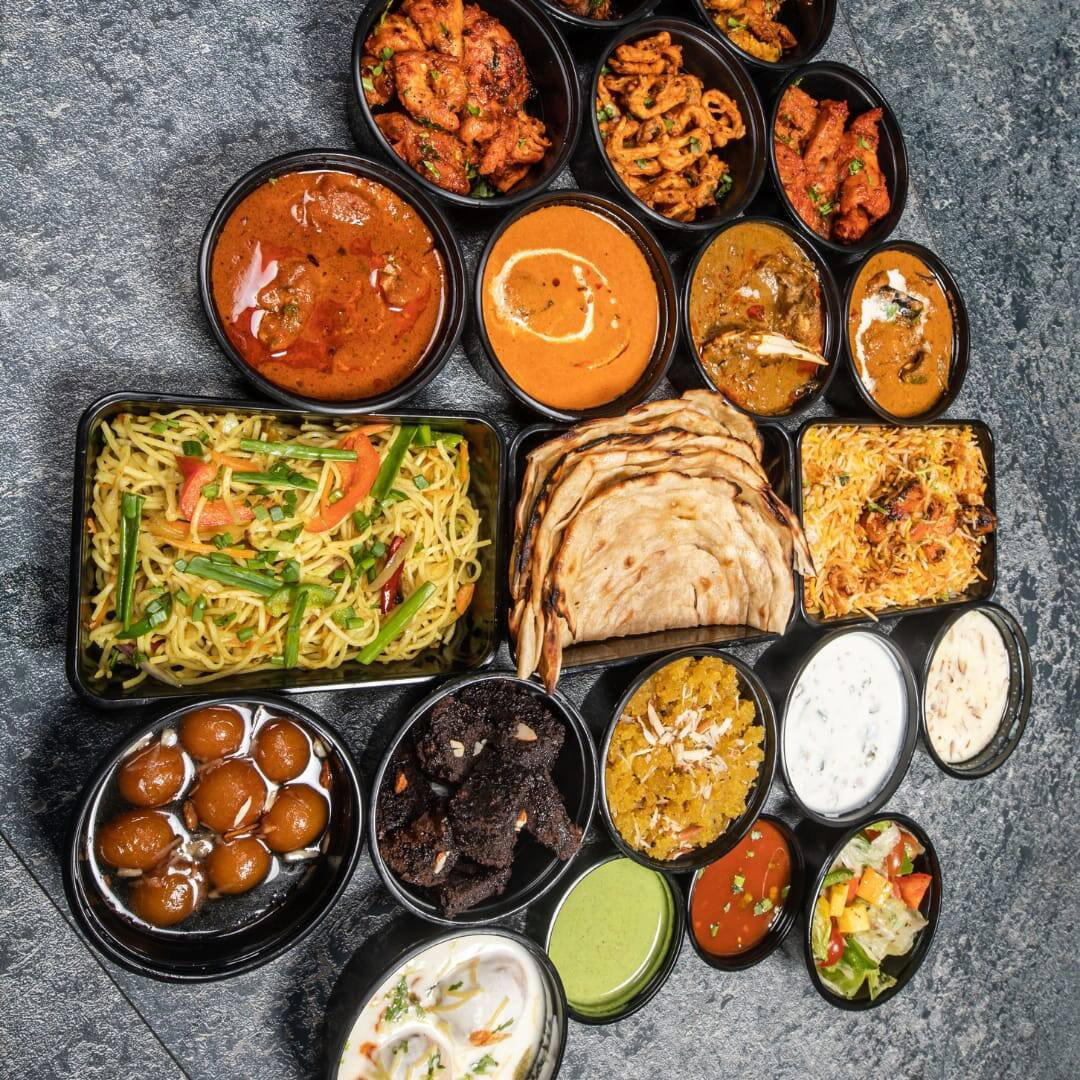
The mall-dining format is often dismissed in editorial circles, but it performs a specific function in tier-two Indian cities. It provides air-conditioned, family-appropriate space, a recognisable menu, and a degree of consistency that street-food culture, for all its depth, does not. Cafe Delhi Heights has built its brand identity around exactly that proposition: North Indian comfort food, café snacks, and a wide beverage program, served in an environment that reads as casual but considered.
Where the Food Comes From and Why That Context Matters
The sourcing context for a chain operating across multiple Indian cities is worth understanding structurally. North Indian café menus of this type typically draw from a supply chain that connects Delhi's wholesale markets, regional dairy networks from Uttar Pradesh and Punjab, and the spice trade corridors that have defined this part of India for centuries. Meerut itself sits in western Uttar Pradesh, a region with deep agricultural productivity: sugarcane, wheat, and dairy are the backbone of local food production, and any kitchen operating here has access to dairy inputs, flatbread tradition, and grain-based staple ingredients that are among the more freshly sourced in the country by virtue of proximity to production.
That matters for menus of this type because the quality ceiling for dough-based items, dairy-forward preparations like lassi and paneer dishes, and spiced lentil formats is set largely by ingredient proximity. A restaurant sourcing wheat from a region that grows some of India's most consumed varieties, or dairy from the belt that feeds Delhi's own paneer and ghee supply, is working with inputs that carry genuine regional integrity, even when the format is chain-casual. Compare this with coastal-focused restaurants like Kappa Chakka Kandhari in Chennai or Leela Kerala Terrace in Trivandrum, where sourcing identity is built around Kerala's backwater produce and coastal catches; in Meerut, the sourcing story is landlocked and grain-centred, which shapes what the kitchen does well.
Restaurants that frame their identity around North Indian classics, from stuffed parathas to dal makhani to tikka preparations, are drawing on among the more codified culinary traditions in the subcontinent. Places like Inja in New Delhi and Naar in Kasauli operate at the sharper edge of that tradition, with tasting formats and ingredient-forward menus that place sourcing at the centre of the editorial pitch. Cafe Delhi Heights operates at the other end of the register: accessible, volume-friendly, and built for repeat visits rather than occasion dining.
The Competitive Set in This Part of India
Within Meerut's current dining environment, the restaurant competes less with fine-dining formats and more with other mall-anchored casual restaurants and the city's established local eateries. Across India's tier-two cities, the competitive tension in this segment runs between branded national chains and well-regarded local operators who carry neighbourhood loyalty. The former offer consistency and atmospherics; the latter often carry deeper sourcing relationships and lower price points.
At the higher end of Indian casual dining, brands like Bukhara and Dum Pukht have spent decades building identity around a single, refined version of Mughal and North Indian cooking. Indian Accent, at the other pole, reframes the same tradition through a contemporary fine-dining lens. The restaurant operates outside both of those registers, aiming instead at the daily-use, family-meal segment where speed, recognisability, and value matter more than innovation. For readers interested in how ambition and sourcing ethics interact at the sharper end of Indian restaurant culture, Farmlore in Bangalore and Palaash in Yavatmal represent the kind of ingredient-led thinking that has been reshaping expectations across the country.
Other regional dining comparisons from across India include Adaa at Falaknuma Palace in Hyderabad, Dining Tent in Jaisalmer, Bomras in Anjuna, Neel in Patiala, Ran Baas The Palace in Qila Mubarak, The Malabar House in Fort Cochin, View in Madurai, and Royal Vega in Chennai, each anchoring a distinct regional tradition. Internationally, the conversation around sourcing rigour and all-day dining formats extends well beyond India: Americano in Mumbai navigates the Western-influenced all-day format, while Le Bernardin in New York City and Lazy Bear in San Francisco illustrate how sourcing philosophy operates when it becomes the primary editorial identity of a restaurant.
Planning a Visit
The restaurant occupies the second floor of PVS Mall on PVS Road in Shastri Nagar, one of Meerut's established commercial and residential zones. The mall location means parking is generally available within the complex, and the address is findable through standard navigation tools using the Shastri Nagar Market reference. As the venue sits inside a mall, it follows the mall's general opening framework. Price per person is about $12.
Comparable Spots, Quickly
Comparable venues nearby, for context on price, style, and recognition.
| Venue | Cuisine | Price | Notes |
|---|---|---|---|
| Cafe Delhi HeightsThis venue — the venue you are viewing | Global Fusion with Desi Twist | $$ | Not listed |
| Dilli StreEAT | Indian Street Food | $$ | Indira Gandhi International Airport |
| The Great Kabab Factory | North Indian Mughlai Kababs | $$ | Kaushambi |
| Kunga Cafe & Restaurant | Pan-Asian | $$ | Majnu-ka-tilla |
| Dramz Delhi | Multi-Cuisine Fine Dining with North Indian & European | $$$ | Mehrauli |
| Gulati Restaurant, Pandara Road | Classic North Indian Mughlai | $$ | Pandara Road |
At a Glance
- Lively
- Modern
- Energetic
- Casual Hangout
- Group Dining
- Celebration
- After Work
- Live Music
Current opening hours
- Monday
- 12–11:30 PM
- Tuesday
- 12–11:30 PM
- Wednesday
- 12–11:30 PM
- Thursday
- 12–11:30 PM
- Friday
- 12–11:30 PM
- Saturday
- 12–11:30 PM
- Sunday
- 12–11:30 PM
Hours can change for holidays and private events. Last verified .
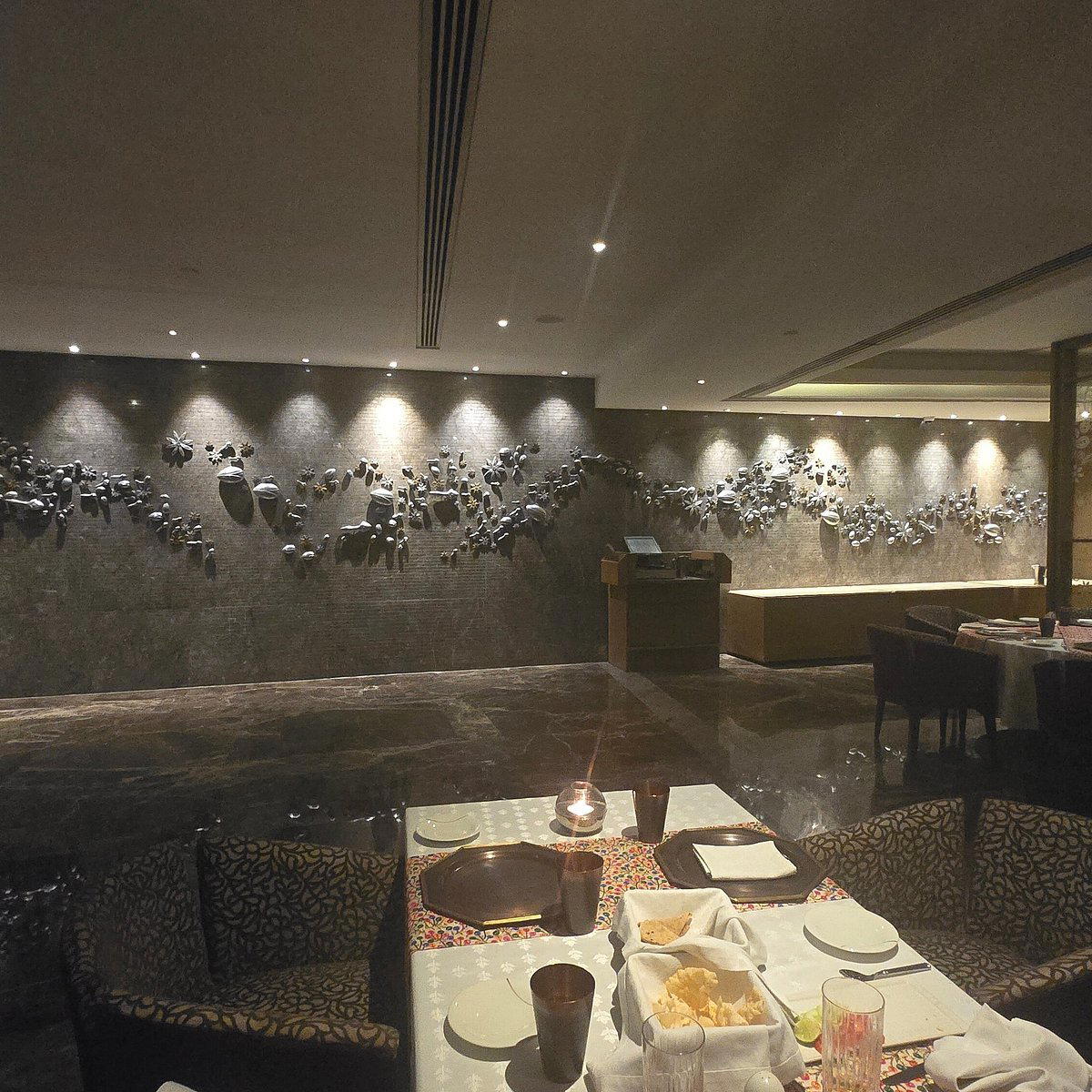
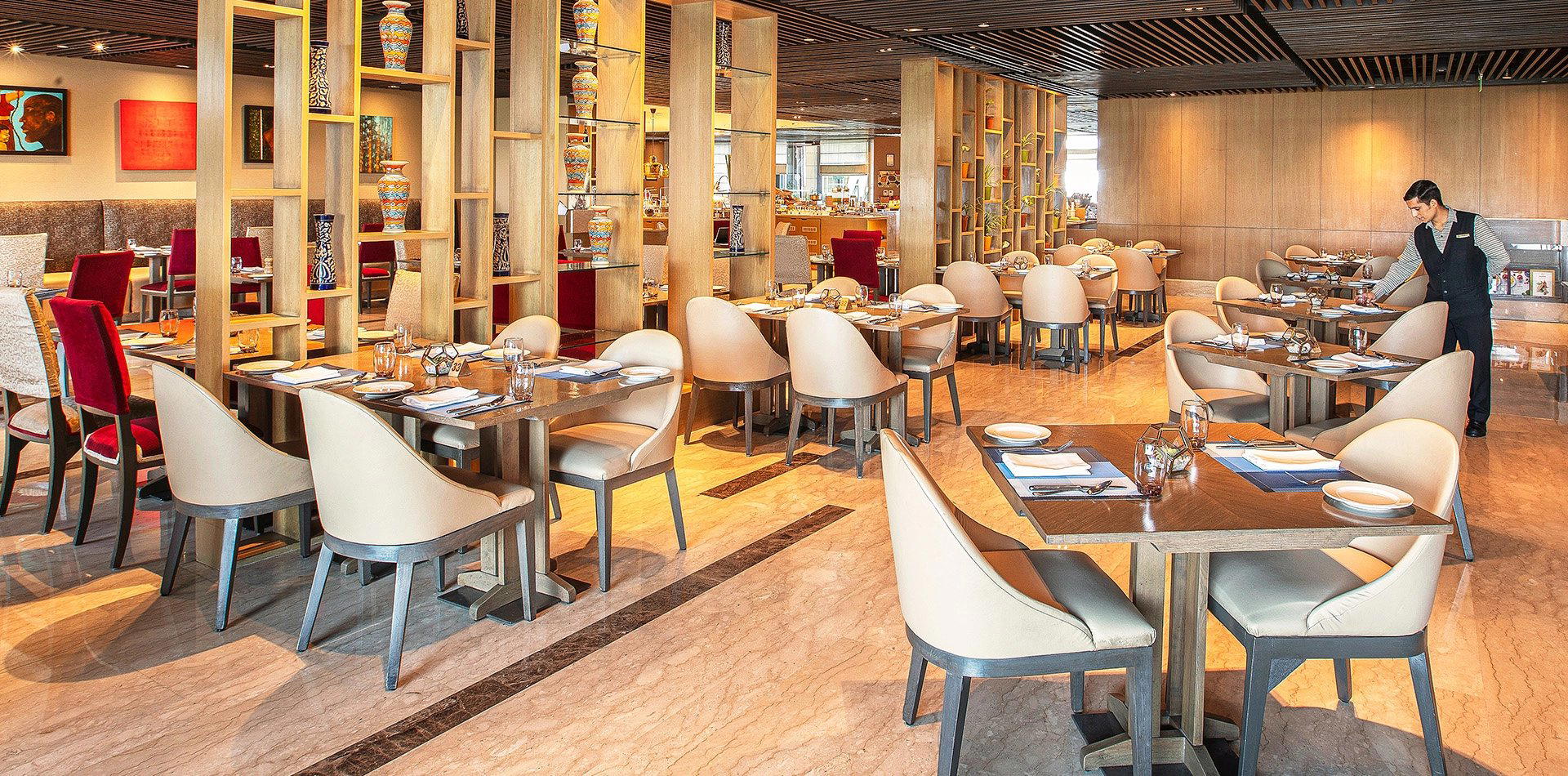
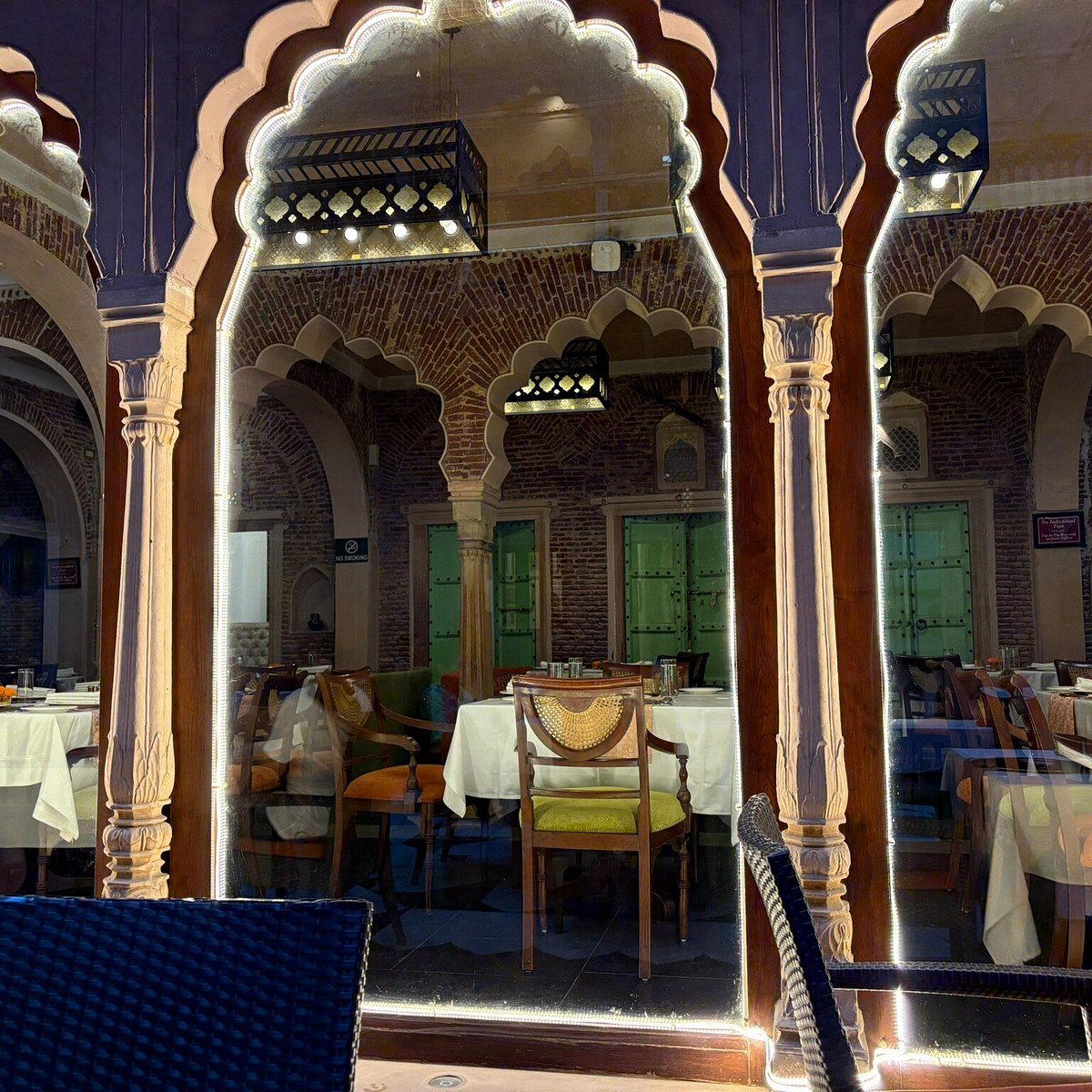
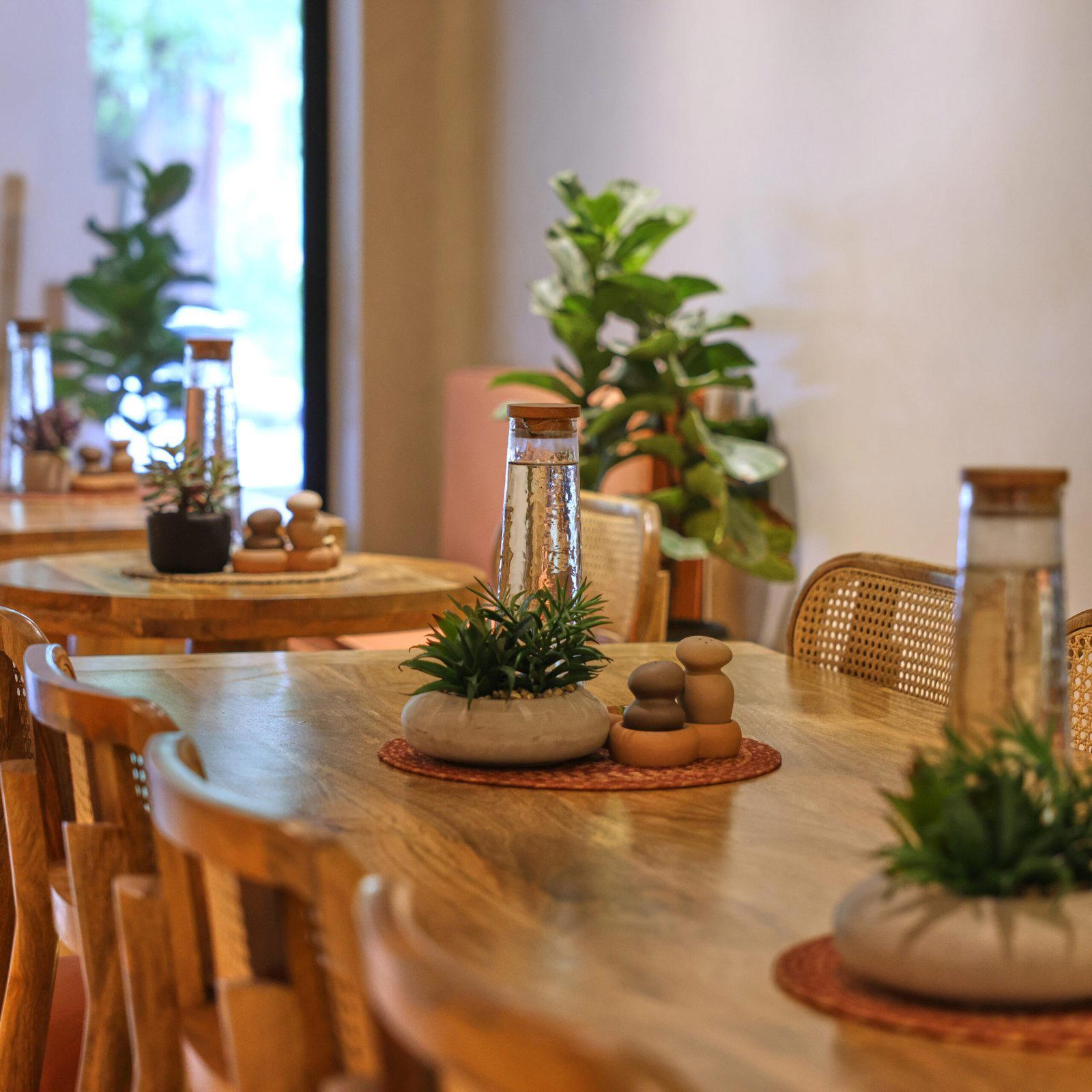
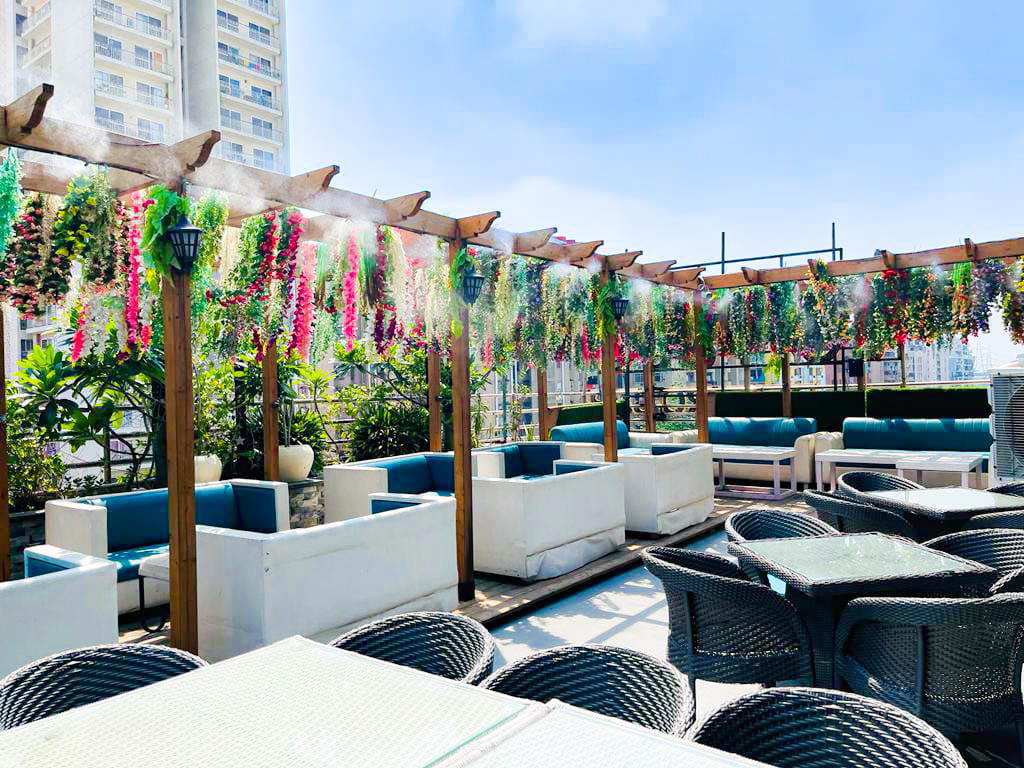
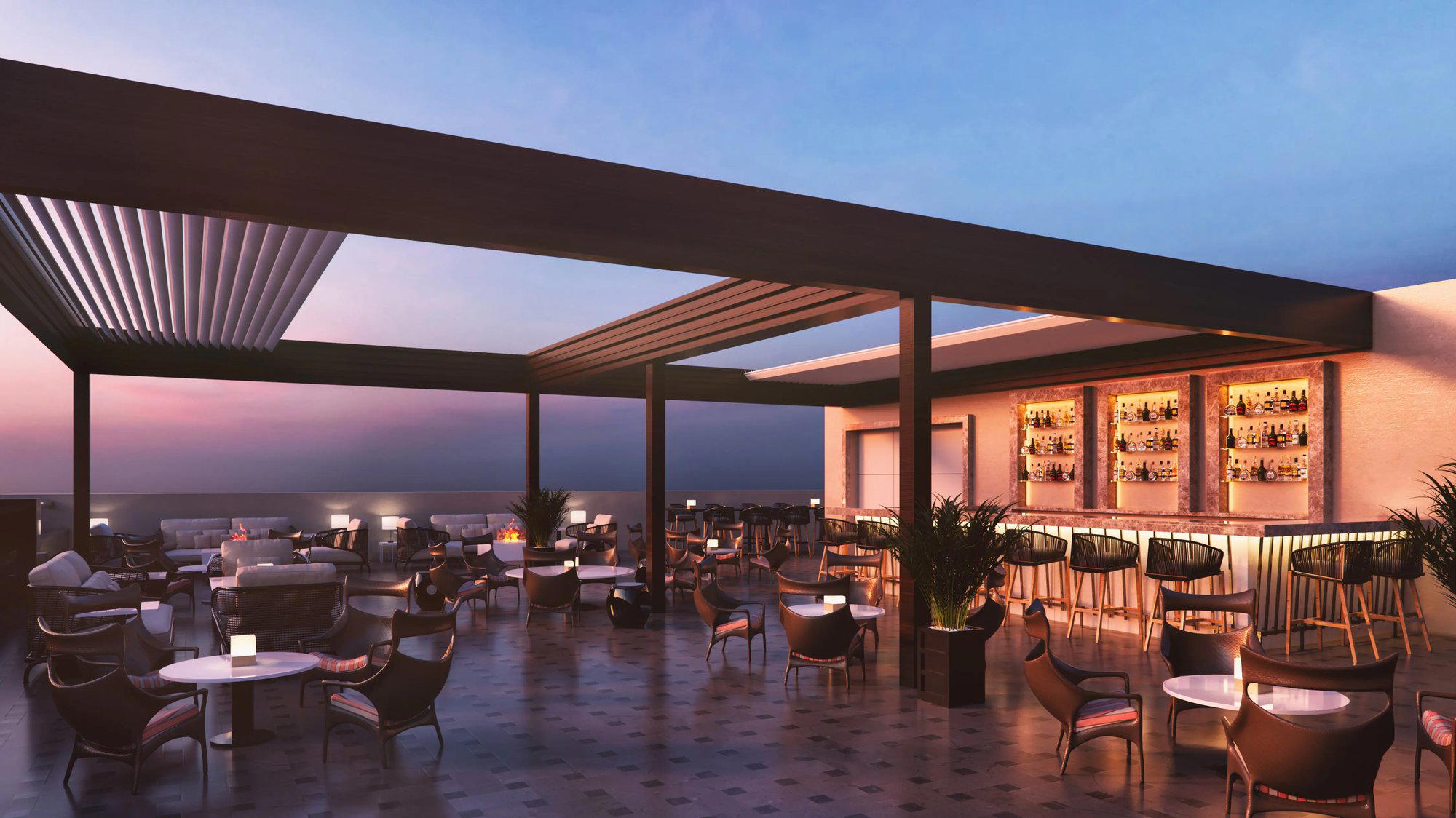
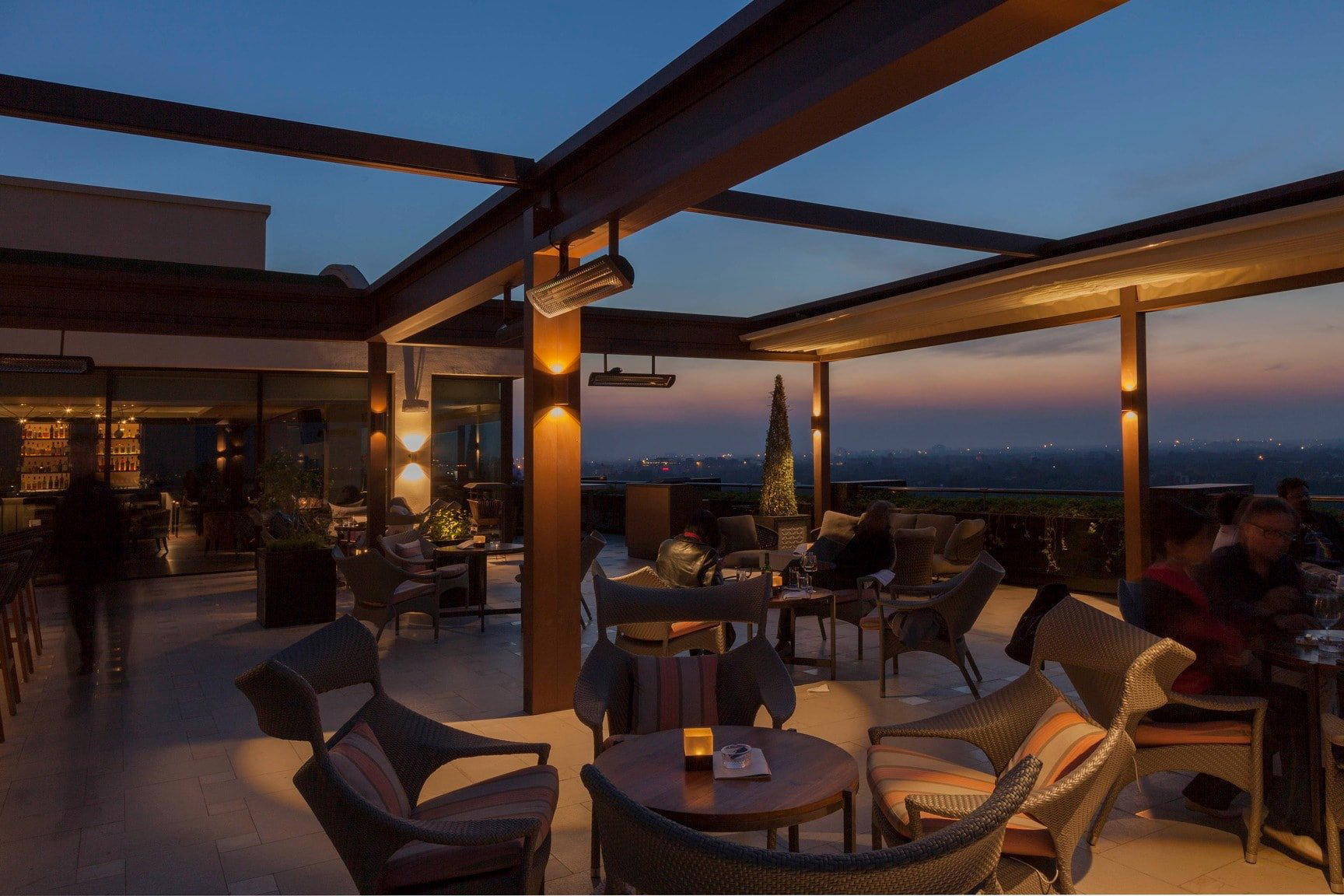
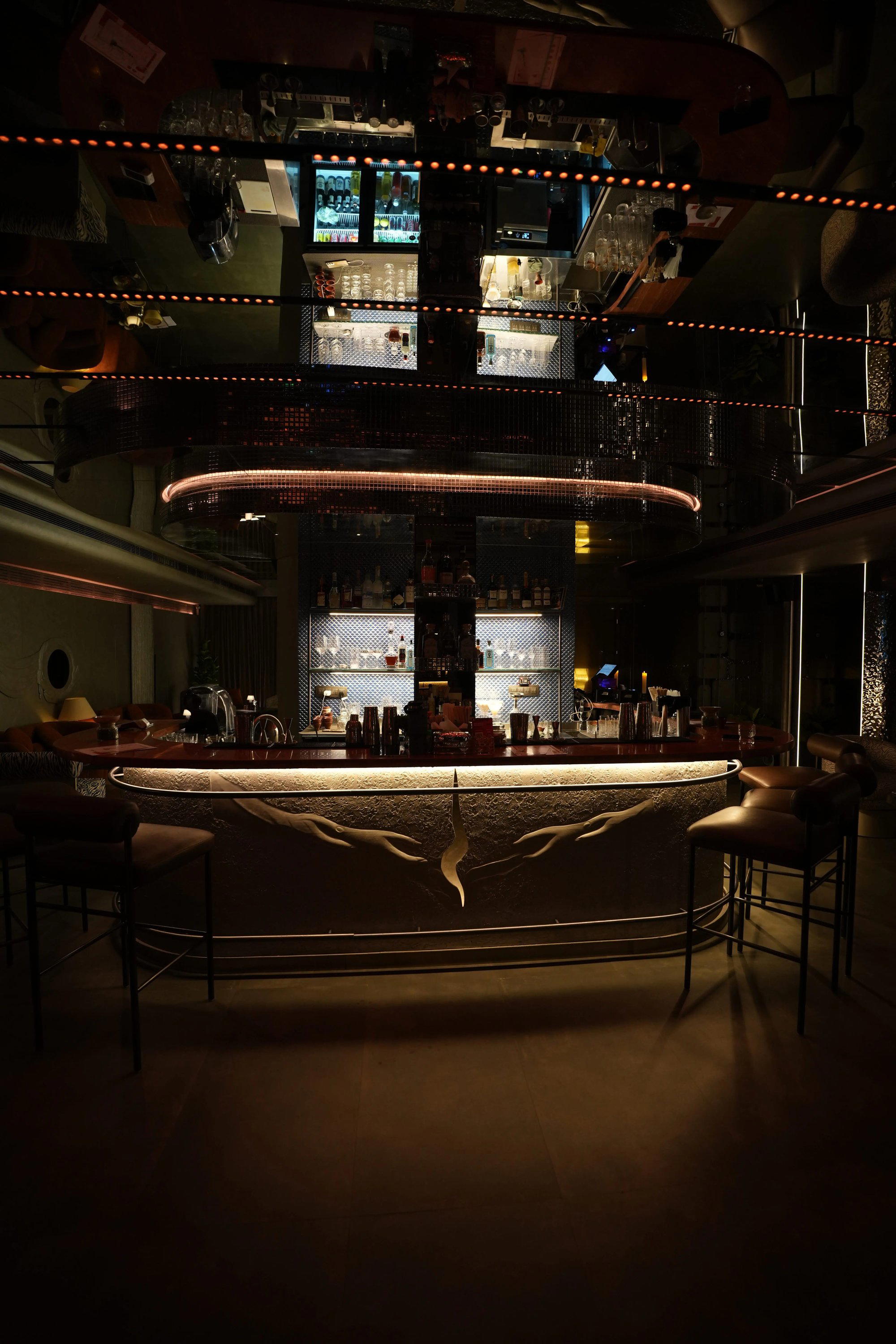
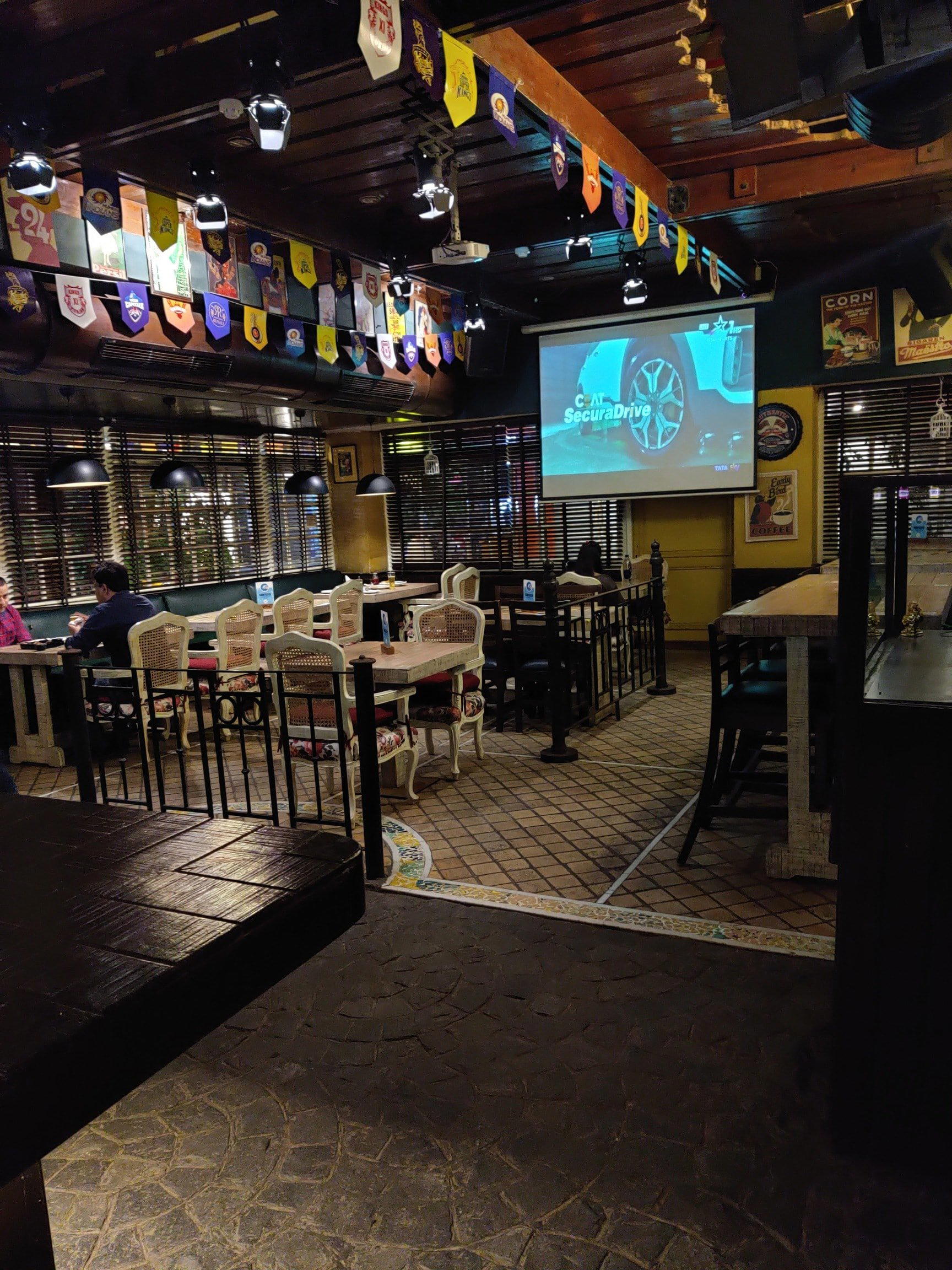
Modern casual cafe with nice ambiance and well-groomed staff, featuring in-house DJ and live band performances for an energetic dining experience.