
Relais Chateaux Award
Our verdict
A historical palace in the Moonak area of Punjab's Qila Mubarak, Ran Baas The Palace sits well off the main tourist circuits and offers a window into regional hospitality traditions that urban dining rooms rarely replicate. The architecture is the draw as much as the food, placing visitors inside a structure where spice-driven cooking and ceremonial hosting have long been intertwined.

Pearl is the En Primeur Club membership app, where members save venues, book tables and use the concierge.
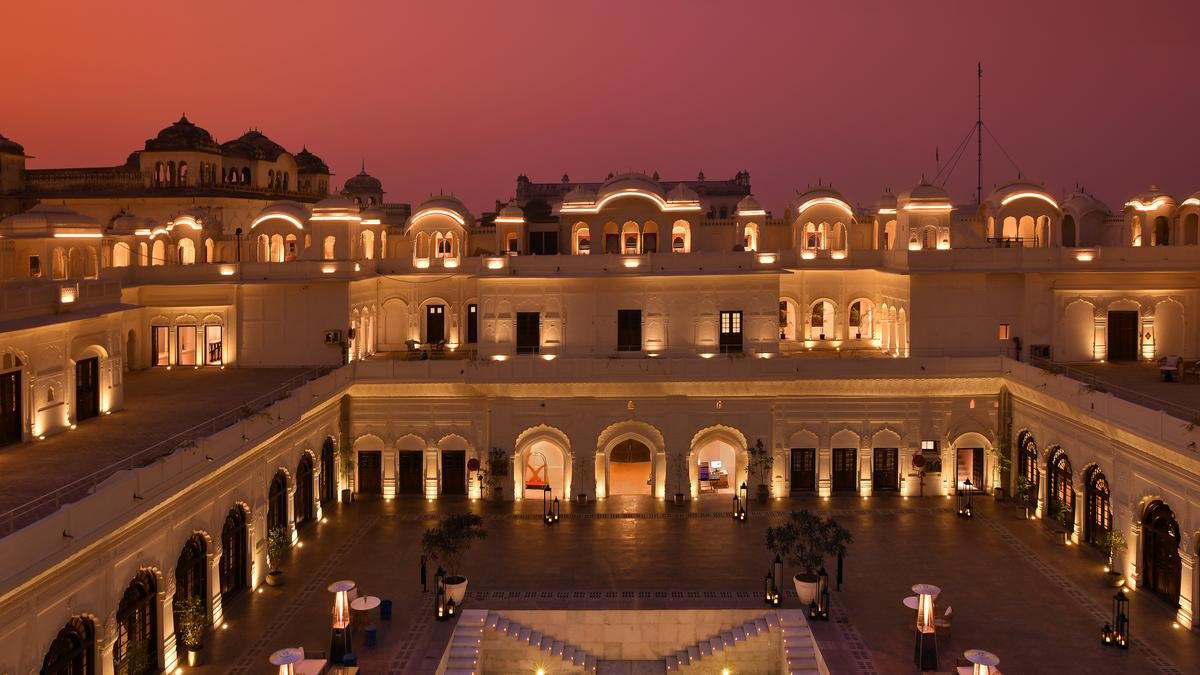
A Palace Setting, a Punjab Kitchen
Punjab's culinary identity is inseparable from its architecture of hospitality. The region's great kitchens were not restaurants; they were extensions of haveli courtyards and royal guesthouses, places where the logic of feeding large gatherings shaped everything from the size of the deghs to the layering of spice. Ran Baas The Palace, located in the Moonak area near Qila Mubarak, sits within that older model. The building is not backdrop, it is the reason the cooking here reads differently from the Punjabi food served in Chandigarh hotel dining rooms or Delhi's interpretation of the same tradition. For more on how this region compares across dining formats, see our full Qila Mubarak restaurants guide.
The Spice Architecture of a Punjab Table
What separates historically rooted Punjab cooking from its urban copies is the sequencing of spice rather than its quantity. In palace-kitchen traditions, whole spices, black cardamom, long pepper, dried rose petals, cloves, enter hot fat first, releasing fat-soluble compounds before anything else joins the pot. Ground spices arrive later, cooked until their raw edge disappears but not so long that their volatile aromatics burn off. This two-stage process is not decorative; it creates a base that carries the dish's structure. What diners notice as depth or warmth is largely the result of that sequencing, which takes patience and fuel, both of which were abundantly available in a palace kitchen but are routinely shortcut in high-turnover commercial kitchens.
The third layer, tempering, or tadka, often arrives at the end in Punjab cooking rather than solely at the beginning. A spoonful of ghee carrying bloomed cumin or dried red chillies is poured over a finished dal or sabzi to add a layer of fresh, sharp aromatic on top of the slower base. The effect is a dish with two distinct registers: the slow-cooked foundation and the bright, immediate leading note. This structural approach connects Ran Baas to a broader palace-kitchen lineage, one you also encounter at Adaa at Falaknuma Palace in Hyderabad and, in a different regional idiom, at Dum Pukht in New Delhi.
Off the Main Circuit
India's premium dining conversation runs through a handful of cities: Delhi, Mumbai, Bangalore, Hyderabad, Kolkata. Venues like Farmlore in Bangalore, The Table in Mumbai, and Jamavar Delhi operate within that circuit, with the review infrastructure, booking platforms, and international traveller footfall that those cities generate. Ran Baas The Palace operates entirely outside it. The GPS coordinates place it at 30.3200°N, 76.4000°E, deep in rural Punjab, well beyond the Chandigarh day-tripper radius.
That distinction matters when setting expectations. You are not arriving at a curated experience designed for first-time visitors. You are arriving at a place with its own logic, its own timing, and its own standards, standards calibrated for a different kind of guest than those who might be comparing it to Jamavar at the Leela Palace in Bangalore or Chandni in Udaipur. The experience here is less structured and more contingent on showing up with the right orientation. See also Naar in Kasauli for another north Indian venue that operates away from the main dining circuits.
The Architecture as Context
Traditional palace architecture in Punjab follows specific spatial logic: outer courts for arriving guests, inner rooms reserved for household or closer circles, kitchens positioned to allow smoke and heat to dissipate without travelling through the main living quarters. That layout influenced how food was transported, plated, and served, typically in covered vessels, carried distances, arriving at the table in a sequence that preserved heat rather than prioritised visual drama. The food at such sites was designed to travel. The spice architecture was built accordingly: strong enough to hold across distance and delay, aromatic enough to announce arrival even under a metal lid. For those interested in how traditional architecture and hospitality intersect across India, our full Qila Mubarak experiences guide covers the wider context.
Getting There and Practical Notes
Access to Ran Baas The Palace follows the standard logic for rural Punjab destinations. Chandigarh Airport (IXC) is the nearest air connection, and Patiala Railway Station (PTA) is the closest rail access point, with Moonak reachable from either by road. The venue sits within the Qila Mubarak area, which is better served by private car than by public transport, hiring a driver from Chandigarh or Patiala for a half-day or full-day circuit is the practical approach. Phone and website details are not publicly listed, which means advance contact requires local knowledge or in-person enquiry. Given its position away from standard booking infrastructure, planning through a regional fixer or hospitality contact is advisable.
For those building a broader Punjab itinerary, our full Qila Mubarak hotels guide, bars guide, wineries guide, and experiences guide cover the surrounding area. Further afield, the palace-kitchen tradition appears in different regional forms at Dining Tent in Jaisalmer and in Goa's more coastal idiom at Bomras in Anjuna. For a sense of how Indian cuisine is being reframed in different urban contexts, da Susy in Gurugram, Baan Thai in Kolkata, and Izumi Bandra in Mumbai show the range of directions the country's dining scene is moving.
Frequently asked questions
Does Ran Baas The Palace work for a family meal?
The palace setting in Qila Mubarak, with its traditional Punjab hospitality credentials, suits multi-generational groups well. Historically rooted palace dining in Punjab was designed around communal eating rather than individual covers, which means larger groups fit the spatial logic more naturally than a two-top reservation. Confirm capacity and booking directly, as phone and web contact details are not currently listed publicly.
What's the vibe at Ran Baas The Palace?
The setting is a historical palace following traditional Punjab architectural principles: layered courtyards, defined reception spaces, and interior rooms that carry the weight of the original structure rather than a renovation aesthetic. The atmosphere reads as ceremonial rather than casual, shaped by the architecture as much as the kitchen. It sits firmly off the main India dining circuit, which keeps the experience closer to regional character than to polished urban formats.
Is Ran Baas The Palace award-winning?
Ran Baas The Palace has received recognition including: h Airport (IXC) By train Patiala Railway Station (PTA) GPS coordinates 30.32….
What's the must-try dish at Ran Baas The Palace?
What the palace-kitchen tradition of Punjab is known for is spice sequencing built from generational technique rather than restaurant-standardised recipes. Visiting with an openness to the kitchen's own pacing, rather than arriving with a specific dish in mind, is consistent with how this style of hospitality has historically functioned.
A Quick Peer Check
Comparable venues nearby, for context on price, style, and recognition.
| Venue | Cuisine | Price | Awards | Notes |
|---|---|---|---|---|
| Ran Baas The PalaceThis venue (the venue you are viewing) | Punjabi Regional Cuisine | Not listed | Relais Chateaux Award | Not listed |
| Tadka | Awadhi & North-West Frontier Indian Fine Dining | Not listed | Not listed | Cantonment |
| Dilli StreEAT | Indian Street Food | Not listed | Not listed | Indira Gandhi International Airport |
| Bukhara Restaurant | North West Frontier Tandoori | $30–50 | World's 50 Best #37 · La Liste Top Restaurants | Diplomatic Enclave |
| Aanch | North-West Frontier North Indian | $10–20 | Not listed | Niranjanpur |
| Omya | Modern Indian Fine Dining | $100–150 | Not listed | Lodhi Road |
Recognition history
Dated appearances from independent guides and award organizations, with the underlying list record or original source where available.
Relais Chateaux Award
Relais Chateaux
Continue exploring
More in Patiala
Restaurants in Patiala
All restaurants in Patiala →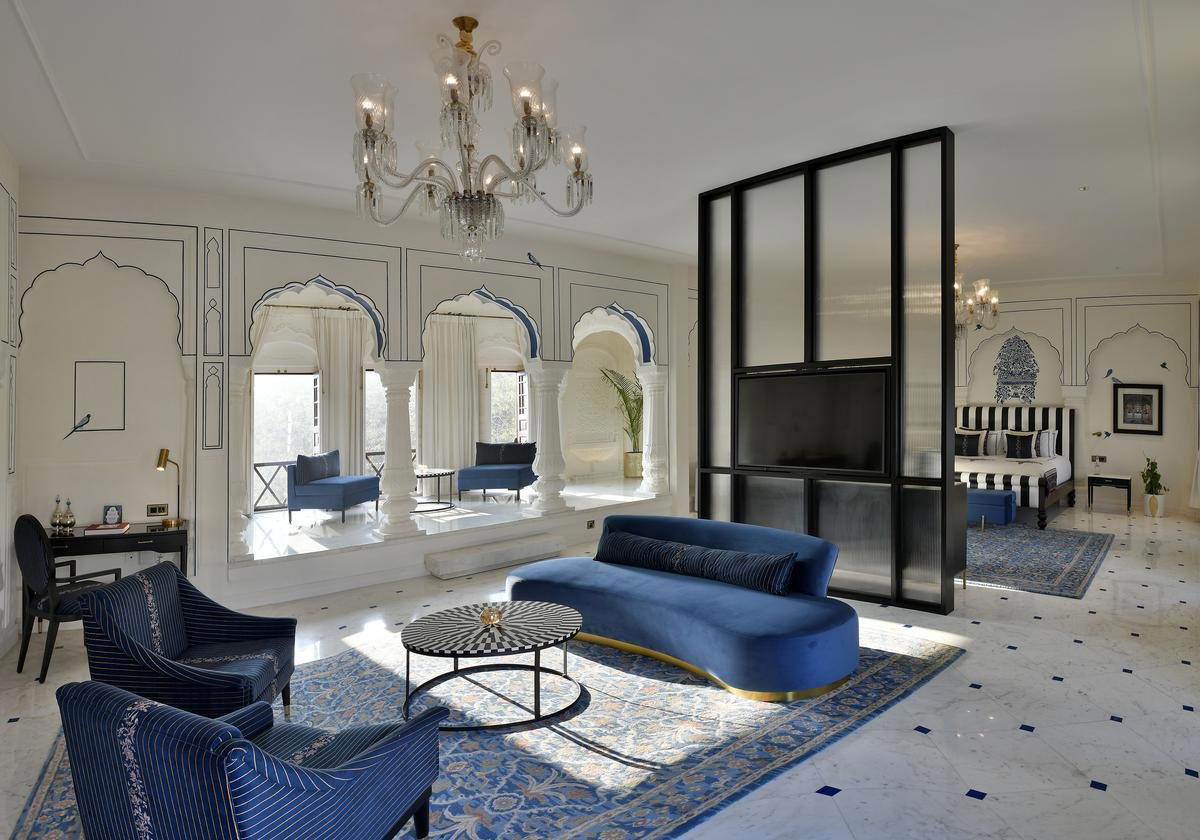
Hotels in Patiala
All hotels in Patiala →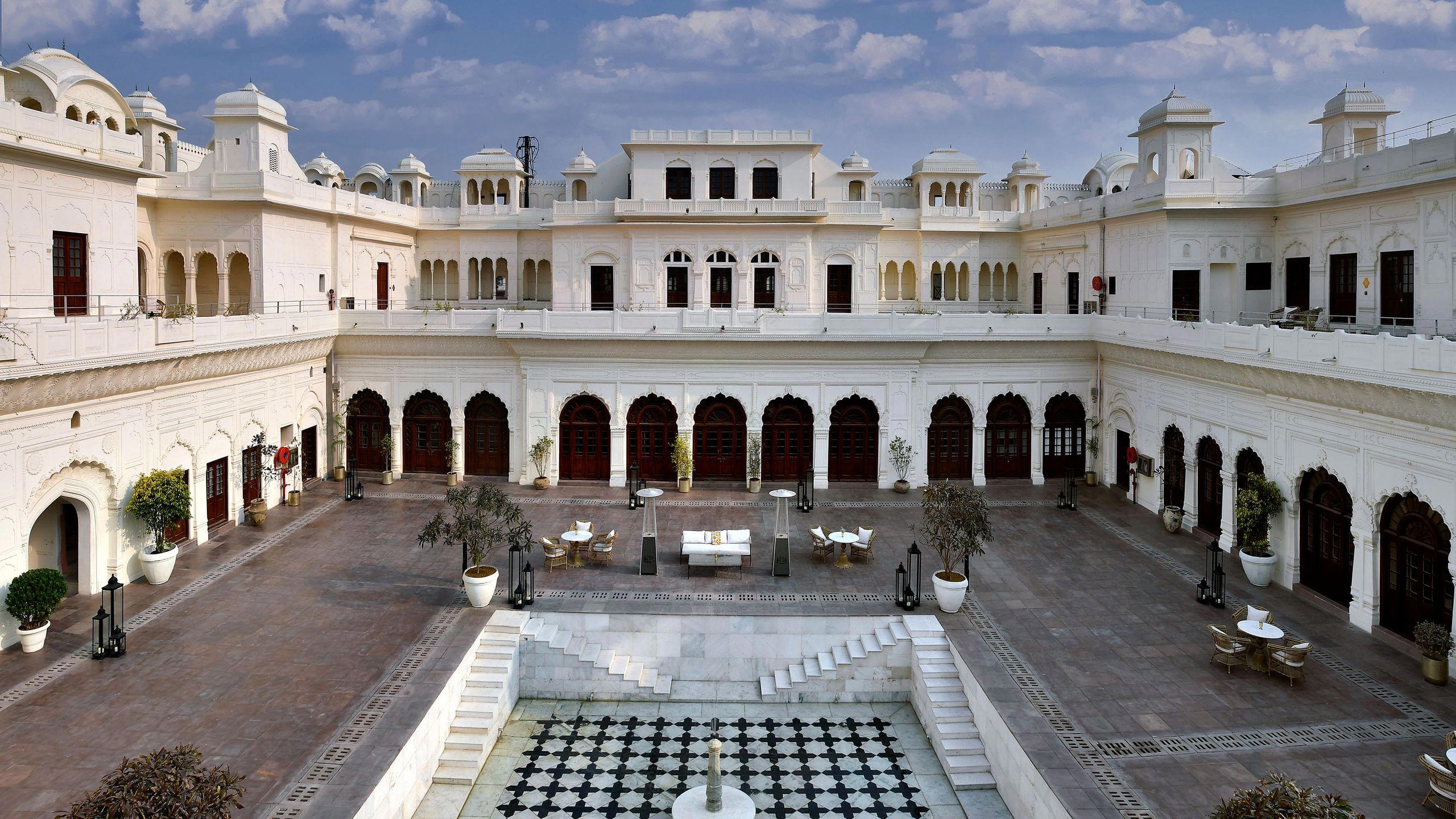
Details
- Elegant
- Historic
- Well Known
- Ornate
- Sophisticated
- Special Occasion
- Celebration
- Historic Building
- Private Dining
- Terrace
- Garden
- Craft Cocktails
- Garden
- A La Carte
Ornate heritage atmosphere with gilded frescoes, mirrored ceilings, garden views, and contemporary charm in a historic setting.