Our verdict
Located in Bisrakh Jalalpur near Greater Noida West, Deshi Jossh occupies a market-facing position that places it squarely within the everyday dining fabric of a fast-developing satellite corridor. The name signals an orientation toward desi flavour, the kind of cooking that draws from locally familiar ingredient traditions rather than imported frameworks. For the Dadri-Noida belt, that positioning matters.

Pearl is the En Primeur Club membership app, where members save venues, book tables and use the concierge.
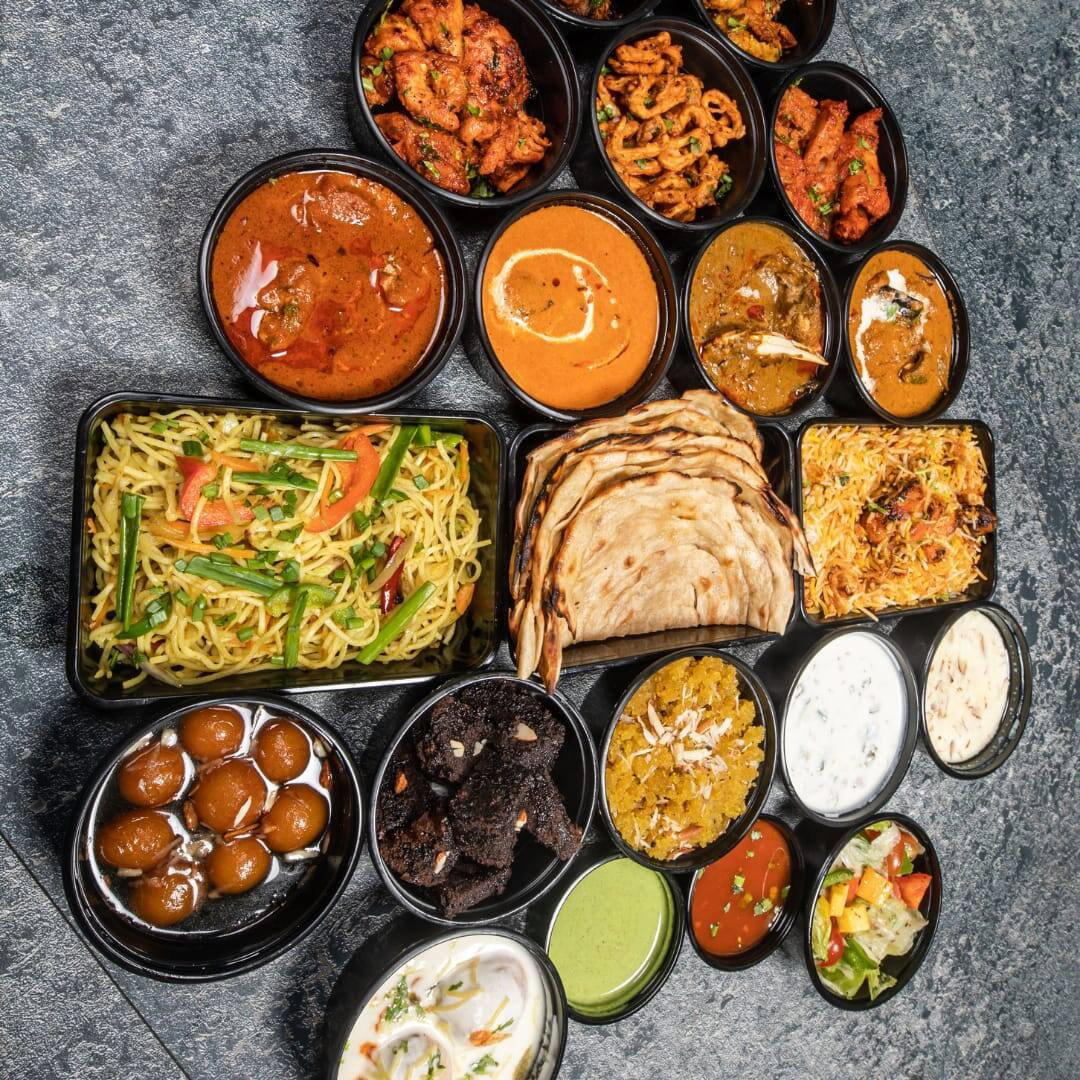
The Satellite City Dining Belt and Where Deshi Jossh Sits Within It
Greater Noida West and the townships that ring it, Bisrakh Jalalpur, Sector 1, the stretches along Greater Noida West Road, have spent the last decade absorbing a particular kind of resident: the upwardly mobile household that commutes into Delhi NCR but eats locally most of the week. That demographic shift has quietly reshaped what food businesses in this corridor need to do. The options that survive are rarely the ones chasing fine-dining presentation; they tend to be the ones that do something specific very well, anchored in ingredient familiarity and portion honesty. Deshi Jossh, positioned behind the Stellar Jeevan residential complex in the Jagat Pramukh Market strip, operates inside that logic. Its name, a rough translation of something like "desi energy" or "local spirit", announces an orientation before the door is even open. For our full Dadri restaurants guide, this kind of positioning deserves careful reading rather than quick dismissal.
Ingredient Sourcing as the Central Argument
Across the subcontinent, the restaurants that carry the most credibility in desi or regional Indian cooking are typically the ones where sourcing is treated as the first editorial decision, not an afterthought. Look at how Farmlore in Bangalore has built its identity almost entirely on provenance transparency, where grains, pulses, and produce come from is the menu. Or consider Naar in Kasauli, which draws on Himachali ingredient traditions as its primary differentiator. In each case, the sourcing argument does more work than the plating.
For a market-strip operation in Bisrakh Jalalpur, the ingredient conversation takes a different form. This part of western Uttar Pradesh sits within reach of agricultural supply chains that move through Dadri and the Greater Noida wholesale corridors, produce, dairy, and pulse supplies that feed a city of millions without the premium markup that urban retail adds. Restaurants in this tier that pay attention to those chains tend to cook with a directness that more expensive venues in South Delhi or central Mumbai struggle to replicate. The philosophical distance between a farm in Hapur district and a plate in Sector 1 is genuinely short. Whether Deshi Jossh converts that geographic advantage into something deliberate on the plate is a question the venue data available here cannot answer with certainty, but the frame matters for understanding what this kind of establishment can be at its finest.
The Name as a Culinary Position
"Deshi" in North Indian vernacular carries a specific freight. It implies the unprocessed, the local-varietal, the thing that tastes of its origin rather than of a standardised production chain. Deshi ghee is different from commercial ghee. Deshi chicken, the free-range country bird, cooks and tastes differently from broiler. Deshi tomatoes, grown in kitchen gardens or small plots, carry more acid and more sugar simultaneously than their polyhouse counterparts. When a restaurant stakes its name on that word, it makes a claim about where its cooking begins.
That claim puts Deshi Jossh in a different conversation than the Delhi-facing fine-dining tier, the kind of cooking represented by Bukhara in New Delhi, where the ingredient tradition is equally serious but the price point and the formal register are entirely different. It also sits apart from the coastal and regional Indian restaurants that have built national reputations through critical recognition. What it potentially shares with those more celebrated addresses is a belief that cooking from the ingredient outward produces better results than constructing dishes from a concept downward.
Market-Strip Dining and What It Demands of the Diner
Jagat Pramukh Market is a working retail and food strip, not a curated dining destination. Approaching it requires the same recalibration that characterises the leading neighbourhood eating experiences across India: setting aside expectations of ambient design, polished front-of-house, and tasting-menu pacing, and instead focusing attention on what arrives in front of you. The leading eating in this country has always happened in locations like this, roadside, market-adjacent, residential-colony-facing, and the critical vocabulary for evaluating it is different from the vocabulary applied to, say, Esphahan in Agra or Le Cirque Delhi.
In market-strip dining, the signals that matter are consistency, sourcing honesty, and whether the kitchen has a point of view, even a modest one. A dal that tastes of the dal rather than of its tadka oil tells you something. So does bread that arrives at the right temperature without being asked. These are the details that separate a place with genuine kitchen discipline from one that is simply filling seats.
The Broader NCR Context
Greater Noida West has more dining infrastructure than it did five years ago, but the distribution is uneven. Commercial hubs like Sector 1 attract the bulk of that new investment, while the stretch of road between Bisrakh and the expressway remains lightly covered. That creates an opening for operations like Deshi Jossh to serve a genuinely local audience, residents of Stellar Jeevan and the surrounding apartment blocks, rather than competing for destination traffic from across the city. Restaurants that serve a specific geography tend to be held to a different standard: the question is not whether you would travel from Connaught Place to eat here, but whether the people who live within walking distance trust you enough to return twice a week.
For comparison, consider how Dadi Ki Rasoi in Budaun operates within a similar Uttar Pradesh market logic, neighbourhood trust and consistent desi cooking as the primary competitive asset. Or how Beera Chicken House in Amritsar built a following that eventually transcended its immediate neighbourhood by doing one thing with enough discipline that the broader city took notice. The pattern is consistent: hyper-local credibility first, wider recognition second, if at all.
Planning Your Visit
Deshi Jossh is located at Jagat Pramukh Market, Greater Noida West Road, behind Stellar Jeevan, Sector 1, Bisrakh Jalalpur, Noida, Uttar Pradesh 201318. The market strip is most easily reached by road from the Greater Noida West expressway or via auto-rickshaw from nearby residential sectors. Phone and online booking details are not publicly listed at the time of writing, which suggests walk-in dining is the standard format, common for market-strip operations in this corridor. As with most neighbourhood restaurants in this part of the NCR, arrival during peak lunch or dinner hours without a prior arrangement is the norm rather than the exception. Those exploring a broader range of regional Indian cooking across India may also find useful reference points in Harvest Kitchen Somnath in Veraval, Leela Kerala Terrace in Trivandrum, WelcomCafe Oceanic in Visakhapatnam, and further afield, the sharp editorial contrast of Le Bernardin in New York City or Atomix for a sense of what sourcing-driven cooking looks like when institutional resources are applied to the same foundational principle. Additional regional references include 5868 Restaurant in Gandhinagar, Dosa Crepes N More in Mehsana, Dragon in Orchha, La Fountain Blu in Navsari, and Americano in Mumbai.
Frequently asked questions
Is DESHI JOSSH child-friendly?
Jagat Pramukh Market is a working retail and food strip rather than a purpose-built dining destination, which sets the baseline expectation for the environment. The address in Sector 1, Bisrakh Jalalpur suggests an everyday neighbourhood format where families are a routine part of the clientele in this part of Greater Noida West.
Is DESHI JOSSH better for a quiet night or a lively one?
The Jagat Pramukh Market location on Greater Noida West Road places it firmly in working-strip territory, the kind of address that runs at the rhythm of the surrounding residential blocks in Bisrakh Jalalpur rather than a curated nightlife corridor. Expect ambient commercial activity rather than engineered atmosphere. That points toward a lively-by-default setting driven by foot traffic and neighbourhood density, not by design intent.
Is DESHI JOSSH in Greater Noida West a good option for first-time visitors to the area?
For anyone arriving in the Bisrakh Jalalpur and Sector 1 belt for the first time, Deshi Jossh at Jagat Pramukh Market offers a practical anchor point: a desi-positioned restaurant on Greater Noida West Road that reflects the locality rather than approximating a city-centre format. The surrounding market strip context means the experience reads more as neighbourhood-embedded than tourist-oriented, which can be a useful orientation into how this part of Dadri and Greater Noida West actually functions as a residential and commercial zone.
What should I eat at DESHI JOSSH?
The name itself is a position statement: 'deshi' in North Indian vernacular signals local-varietal, origin-true cooking rather than standardised or restaurant-polished versions of familiar dishes. Given the market-strip address in Bisrakh Jalalpur, the kitchen is most likely oriented toward desi staples prepared with sourcing credibility rather than elaborate plating.
A Quick Peer Check
Comparable venues nearby, for context on price, style, and recognition.
| Venue | Cuisine | Price | Notes |
|---|---|---|---|
| DESHI JOSSHThis venue (the venue you are viewing) | North Indian Non-Veg | $10–20 | Not listed |
| U.K CAFE HOUSE multi cuisine family restaurant sonia vihar | Multi-Cuisine (Chinese and North Indian) | $1–10 | Sonia Vihar |
| Moti Mahal - Greater Kailash part 1 | Authentic Mughlai & North Indian | $10–20 | Greater Kailash 1 |
| Bikanervala | Chandni Chowk Delhi | Indian Sweets and Snacks | $1–10 | Chandni Chowk |
| California Bistro by County Park & Suites | Multicuisine (North Indian, Chinese, Continental) | $10–20 | HUDA Sector 25 |
| Haldiram's - Vatika Business Park Sector 49 | Indian Street Food and Snacks | $1–10 | Sector 49 |
Continue exploring
More in Dadri
Restaurants in Dadri
All restaurants in Dadri →
Bars in Dadri
Browse all →

Details
- Casual Hangout
- Group Dining
- A La Carte
- Vegetarian Friendly
Current opening hours
- Monday
- 1–11 PM
- Tuesday
- 1–11 PM
- Wednesday
- 1–11 PM
- Thursday
- 1–11 PM
- Friday
- 1–11 PM
- Saturday
- 1–11 PM
- Sunday
- 1–11 PM
Hours can change for holidays and private events. Hours as of .
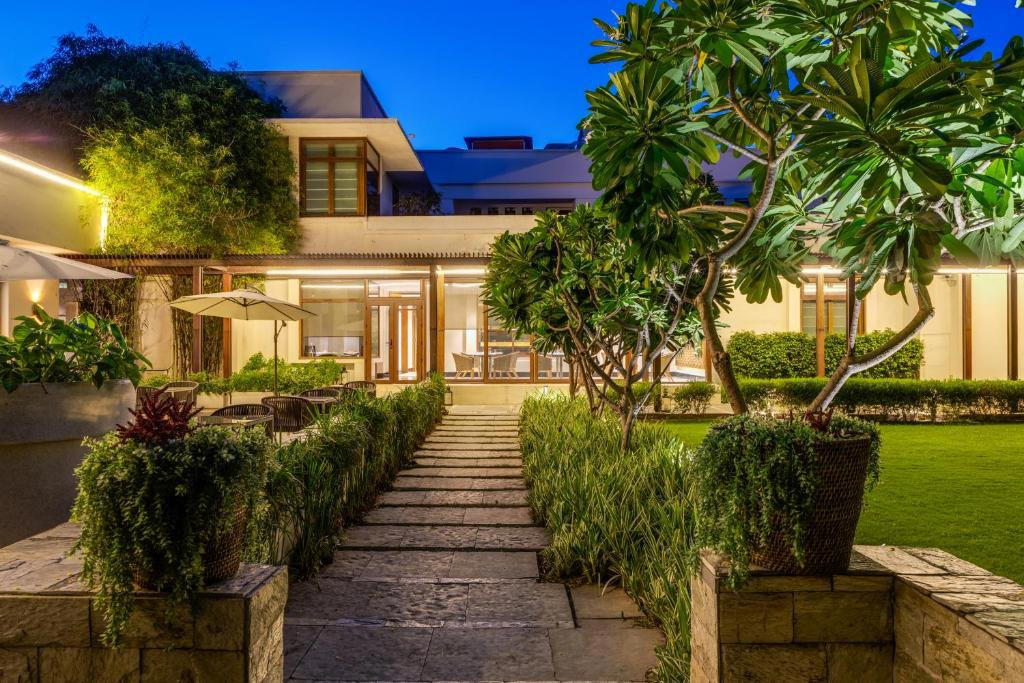
Casual dhaba-style atmosphere.