The Great Kabab Factory in Kaushambi, Ghaziabad, is part of a well-established Indian chain built around the kabab tradition, rotating skewers, live cooking stations, and an unlimited format that makes the category accessible at a neighbourhood level. The Kaushambi address puts it within reach of east Delhi commuters looking for a reliable North Indian grill experience without crossing into the capital.
Pearl is the En Primeur Club membership app — saves, bookings, and concierge access live there. Same editors, same standards.
- Address
- H-3, Modipon Vihar, Sector 14, Kaushambi, Ghaziabad, Uttar Pradesh 201010, India
- Phone
- +918744050675
- Website
- thegreatkababfactory.com
- Directions
- Get directions
 Saves & bookings on Pearl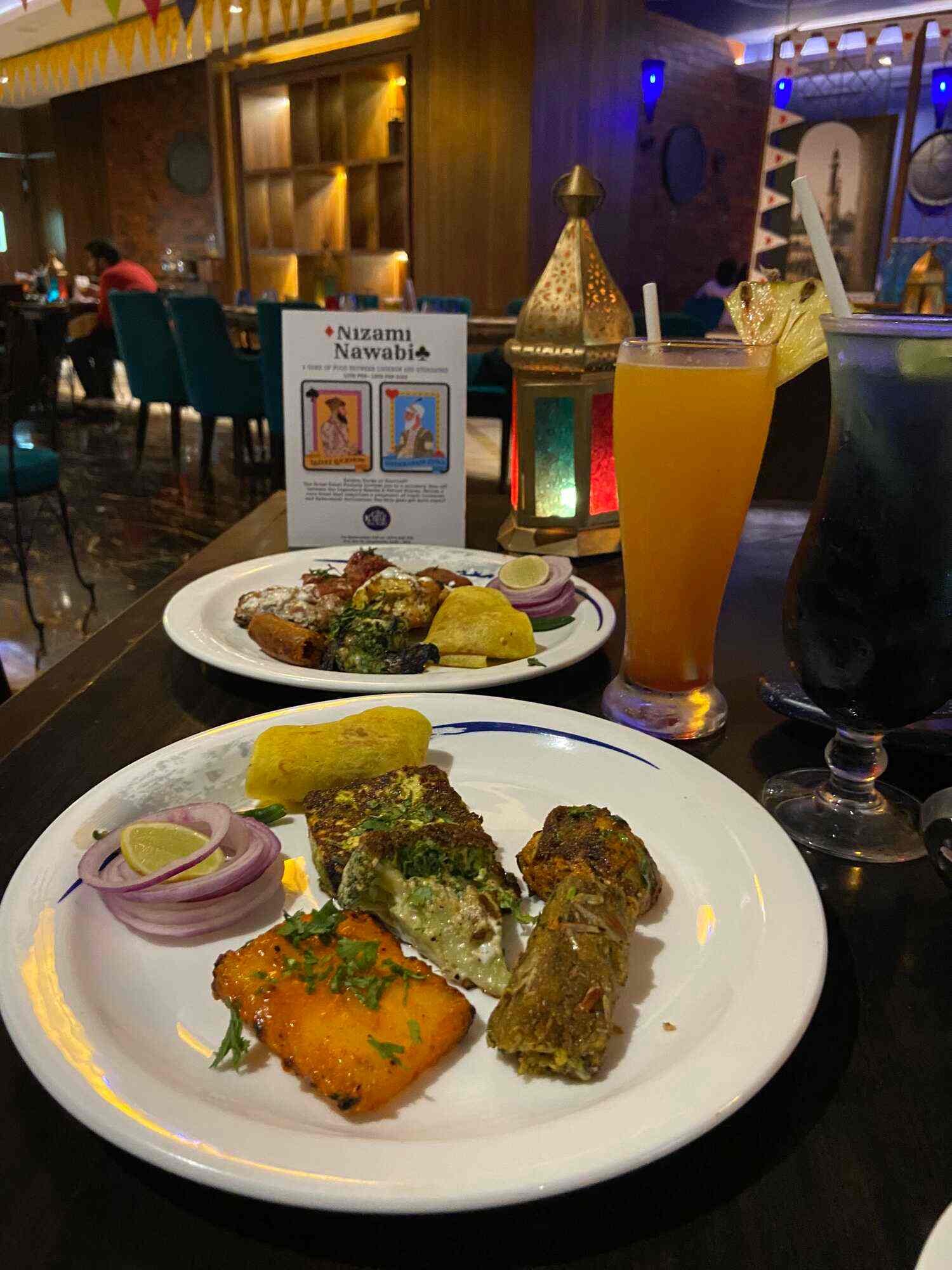
Where the Grill Comes to You
In Delhi-NCR, the kabab occupies a position that no other preparation quite matches. It predates restaurant dining in the region by centuries, rooted in Mughal court kitchens where meat was cooked over live fire, seasoned with spice blends passed between generations of rakabdars. The Great Kabab Factory is a restaurant in Kaushambi, Ghaziabad, serving North Indian Mughlai Kababs at about $20 per person. Positioned in Kaushambi's Sector 14 on the Ghaziabad side of the Delhi border, it enters that tradition through a format that is less about reverence and more about volume and access: a rotating kabab concept where dishes arrive at the table in rounds rather than from a printed order. The approach has found traction across Indian metros because it removes the anxiety of choosing, the kitchen cycles through its range, and the diner simply says yes or no.
The Kaushambi address is worth noting for what it signals about the NCR dining map. Kaushambi sits at the edge of Ghaziabad, connected to east Delhi by metro and road, and its restaurant strip serves a mixed catchment of local residents, Anand Vihar transit users, and office populations from the surrounding commercial belt. A restaurant like this, operating a branded format with a fixed production system, functions differently here than it would on, say, Connaught Place or in a hotel corridor in Aerocity. The price point suits a neighbourhood audience, which changes the relationship the kitchen has with its raw materials and its audience.
The Sourcing Logic Behind a Kabab-Led Menu
What separates a credible kabab operation from a generic grill menu is the sourcing chain for its proteins and aromatics. North Indian kabab tradition draws on specific cuts: the fatty minced lamb required for a galouti that dissolves on the tongue, the bone-in chicken pieces that char correctly over high heat, the seekh that needs a precise fat ratio to stay cohesive on the skewer. Chains operating at scale across multiple cities face a consistent challenge here, the same cut that works in one regional market may not be available in the same specification elsewhere, and the spice blends that define a house style require stable sourcing of whole spices rather than pre-ground commodity mixes.
The Great Kabab Factory's rotating format, by design, puts the sourcing question at the centre of the experience. Because the kitchen is sending out a sequence of preparations rather than responding to individual orders, it commits to a production cycle that must be consistent night after night. That discipline is either a strength or a liability depending on how tightly the supply chain is managed. For diners in Ghaziabad, the practical implication is that the range of kababs on a given evening reflects what the kitchen has committed to sourcing that week, there is no à la carte safety net if a preparation falls short. For context on how different the sourcing calculus looks at the summit of the Delhi-region grill tradition, Bukhara in New Delhi operates with a menu of deliberate restraint, anchoring its identity to a small number of preparations executed with obsessive consistency over decades.
The vegetarian side of the kabab menu follows a parallel logic. Paneer, processed locally in most North Indian kitchens, benefits from freshness in a way that meat does not always demand. A well-sourced, high-fat paneer tikka cooked over live coal reads differently from one made with refrigerated block paneer. Regional Indian restaurants that have built reputations on ingredient provenance, Farmlore in Bangalore being a Southern example, demonstrate that the sourcing conversation is no longer limited to fine-dining formats. It has moved into mid-market operations as a differentiator, particularly as Indian diners have grown more attentive to where food comes from.
Live Fire in a Neighbourhood Setting
Atmospheric pull of a kabab restaurant is almost entirely tied to the cooking station. Smoke, the visual of meat on skewers, the sound of fat hitting coals, these are sensory facts, not marketing language. In a neighbourhood setting like Kaushambi, a live grill station functions as both production infrastructure and theatre, drawing attention in a way that a closed kitchen cannot. The rotating service format reinforces this: diners watch preparations arrive in sequence, which creates a rhythm to the meal that a standard ordering process does not replicate.
For families and groups, this format has practical advantages. There is no negotiation over a shared platter, no concern about one person's order arriving before another's. The fixed cycle levels the table. For solo diners or couples seeking a more considered experience, the format can feel less responsive, the kitchen's rhythm governs the pace, not the diner's. That trade-off is a structural feature of the model, not a flaw specific to this location.
For a broader view of how grill-forward and live-fire formats operate across India's regional dining scene, the range is instructive: Beera Chicken House in Amritsar represents the no-frills tandoor tradition at its most direct, while Esphahan in Agra situates Mughal grill heritage within a formal hotel context. The Great Kabab Factory occupies a middle register: branded, structured, and designed for repeatable delivery rather than singular occasion dining.
Planning Your Visit
The restaurant is located at H-3, Modipon Vihar, Sector 14, Kaushambi, Ghaziabad, accessible by road from east Delhi and within reasonable distance of the Anand Vihar and Kaushambi metro stations. Given the unlimited format, meals here tend to run longer than a standard dinner booking, so arriving with time to spare is advisable. The restaurant is open daily from 6:30 to 11:30 PM, and reservations are recommended.
Those exploring the wider NCR and North Indian dining circuit may also find relevant context in Naar in Kasauli for mountain-region sourcing approaches, or in the Mughal-inflected formality of Le Cirque Delhi for how the capital positions its premium tier. Further afield, 5868 Restaurant in Gandhinagar offers a point of comparison for how branded dining formats operate in secondary Indian cities. For international reference points on what precision sourcing looks like at the highest level of the restaurant world, Le Bernardin in New York City and Atomix in New York City represent the standard against which sourcing discipline is measured globally.
Side-by-Side Snapshot
Comparable venues nearby, for context on price, style, and recognition.
| Venue | Cuisine | Price | Notes |
|---|---|---|---|
| The Great Kabab FactoryThis venue — the venue you are viewing | North Indian Mughlai Kababs | $$ | Not listed |
| Daryaganj | North Indian Heritage Cuisine | $$ | Connaught Place |
| Curry Kitchen | Traditional Indian Curry House | $$ | Aerocity |
| Kole | North Indian Cuisine | $$ | DLF Phase 4 |
| DESHI JOSSH | North Indian Non-Veg | $$ | Dadri |
| Copper Chimney, North Indian Restaurant in Rajouri Garden- New Delhi | North Indian | $$ | Rajouri Garden |
Continue exploring
More in Ghaziabad
Restaurants in Ghaziabad
Browse all →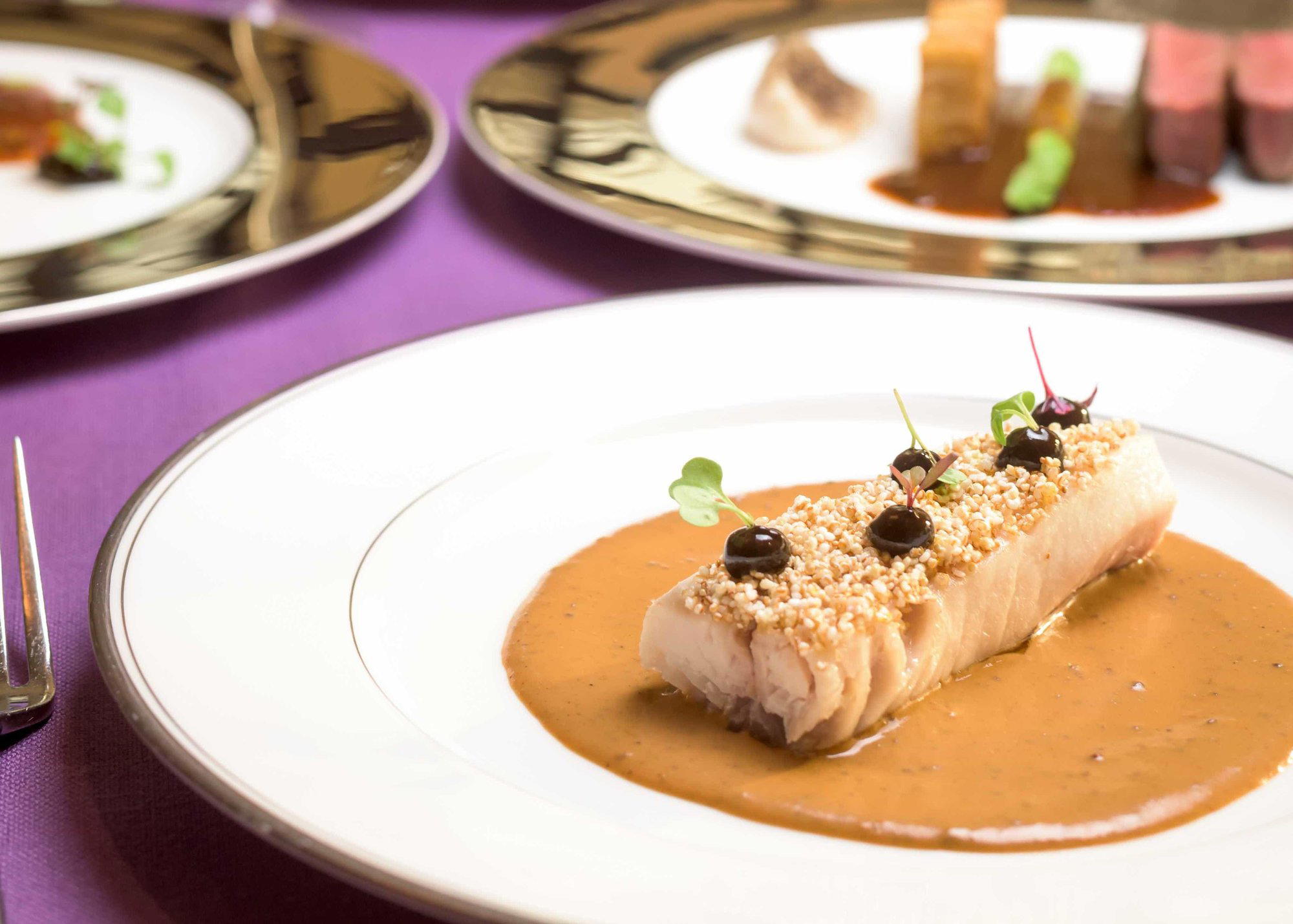
At a Glance
- Modern
- Elegant
- Group Dining
- Family
- Celebration
- Hotel Restaurant
- Open Kitchen
Current opening hours
- Monday
- 6:30–11:30 PM
- Tuesday
- 6:30–11:30 PM
- Wednesday
- 6:30–11:30 PM
- Thursday
- 6:30–11:30 PM
- Friday
- 6:30–11:30 PM
- Saturday
- 6:30–11:30 PM
- Sunday
- 6:30–11:30 PM
Hours can change for holidays and private events. Last verified .
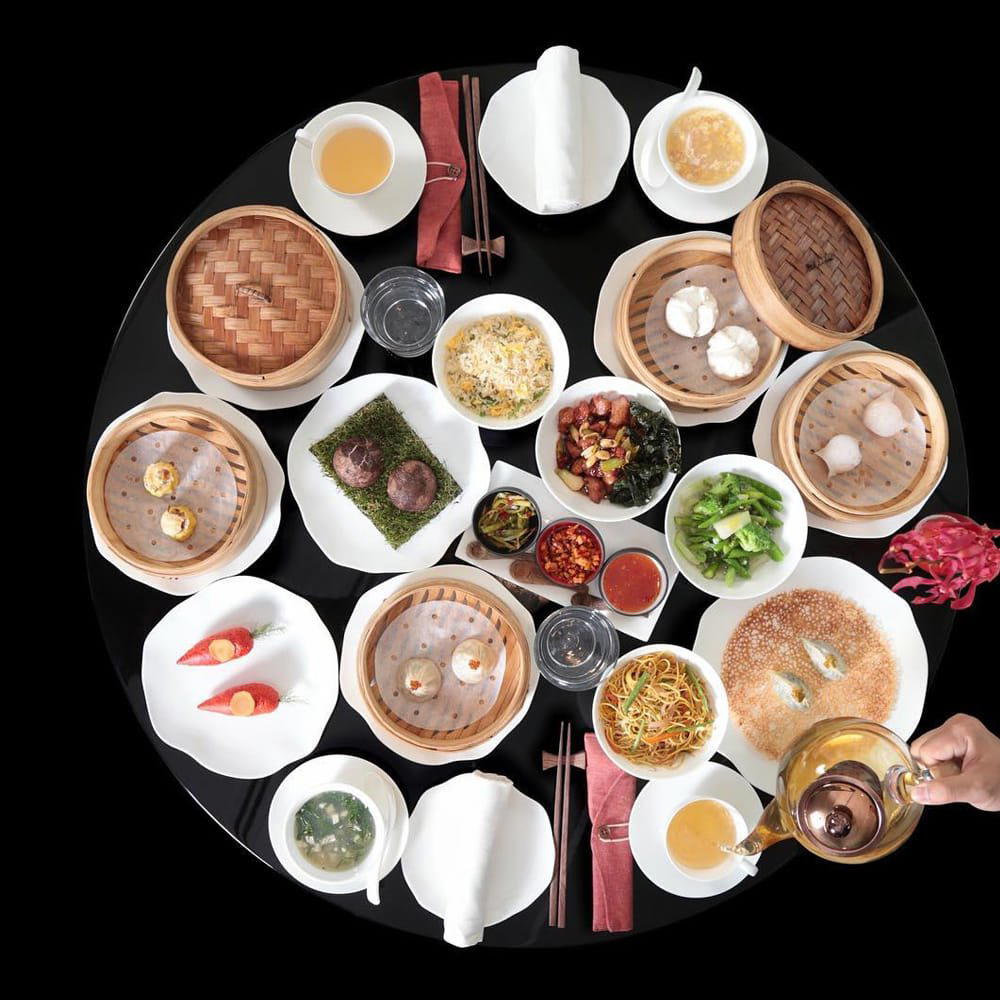
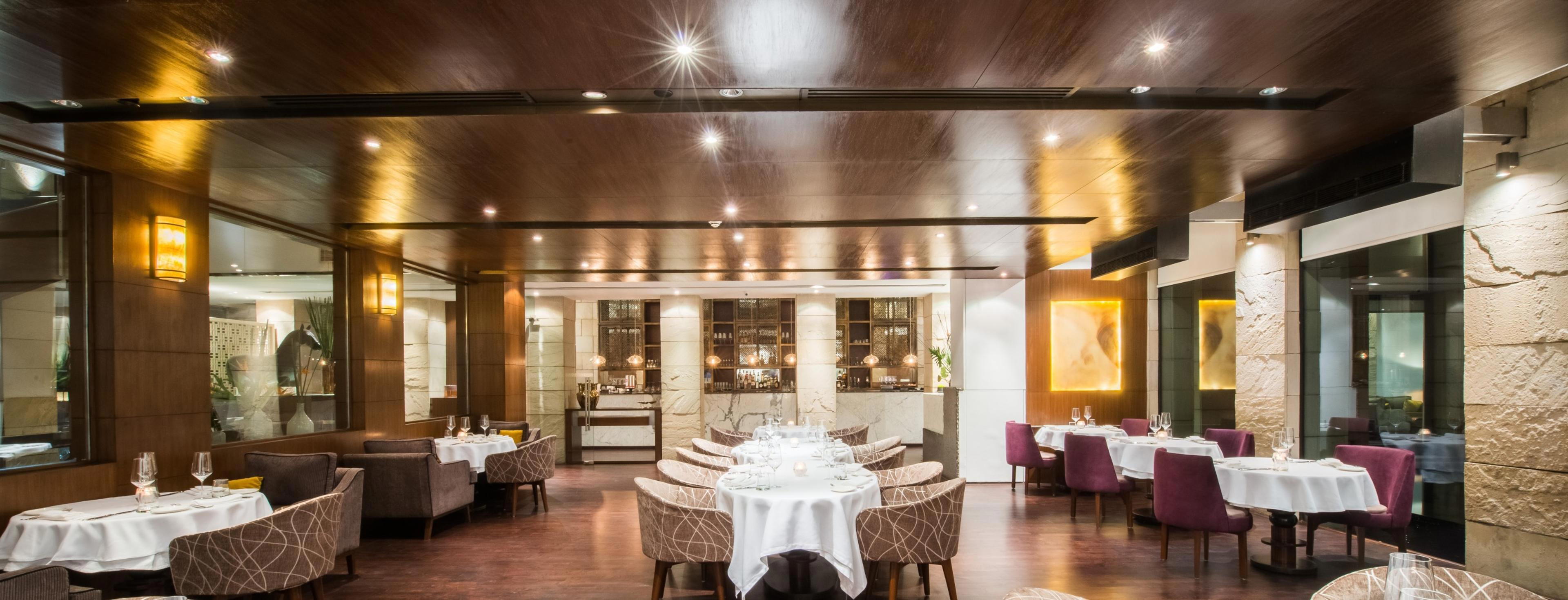
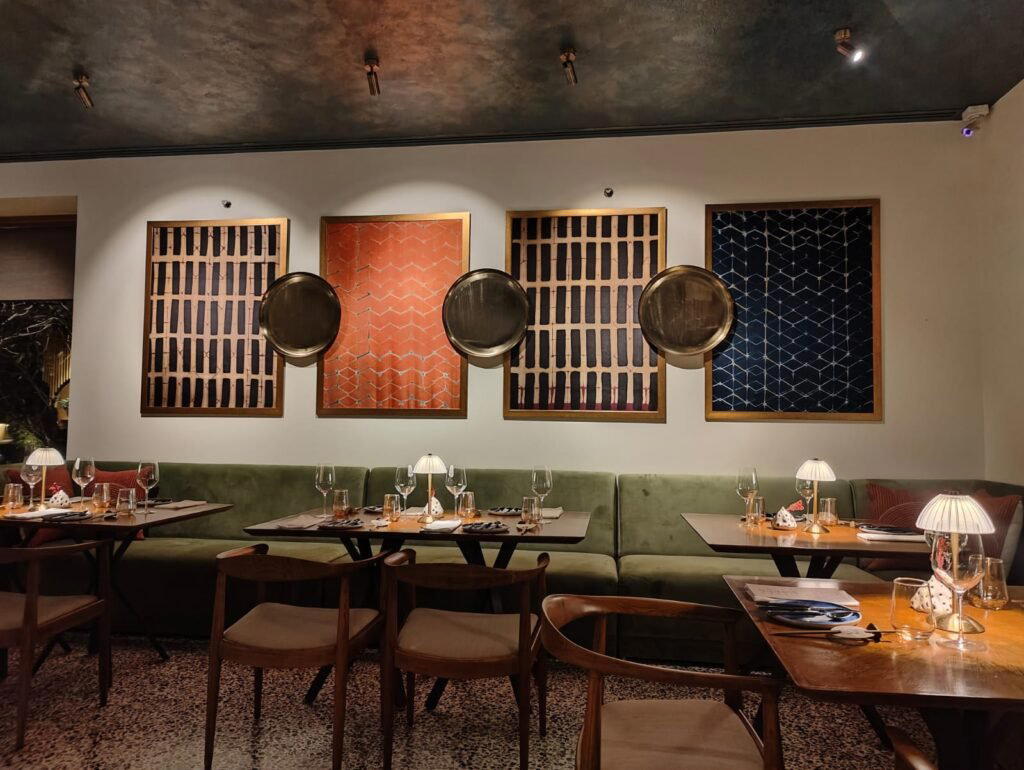
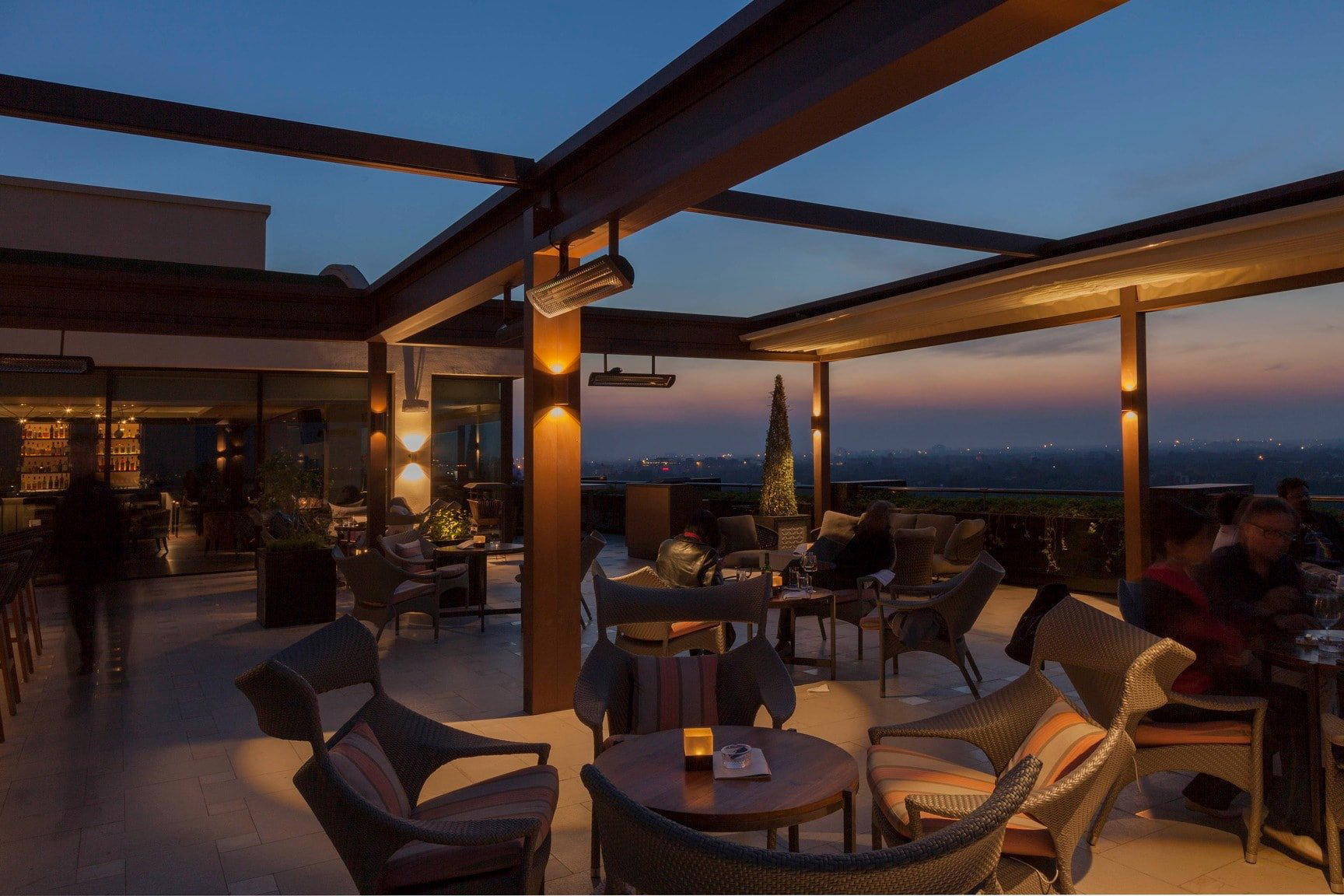
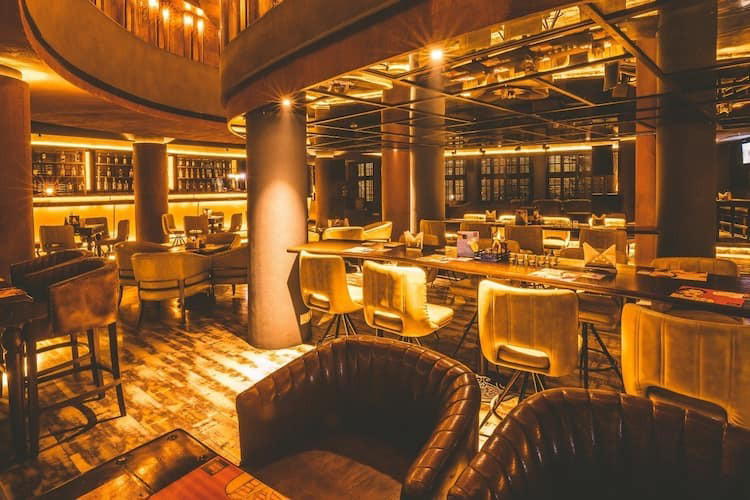
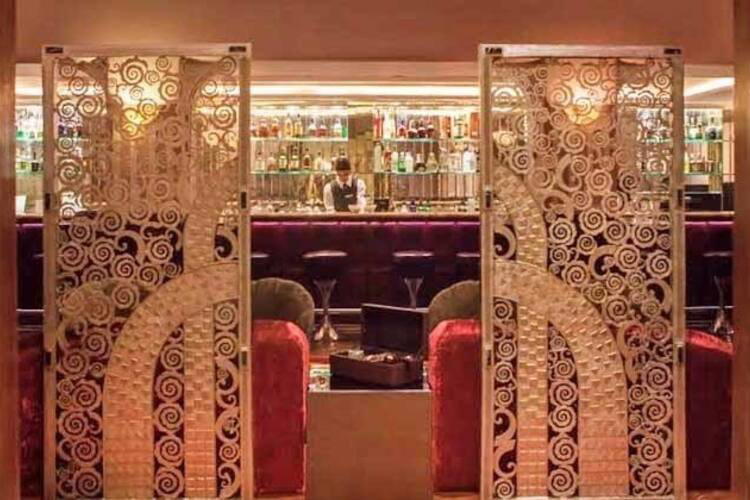
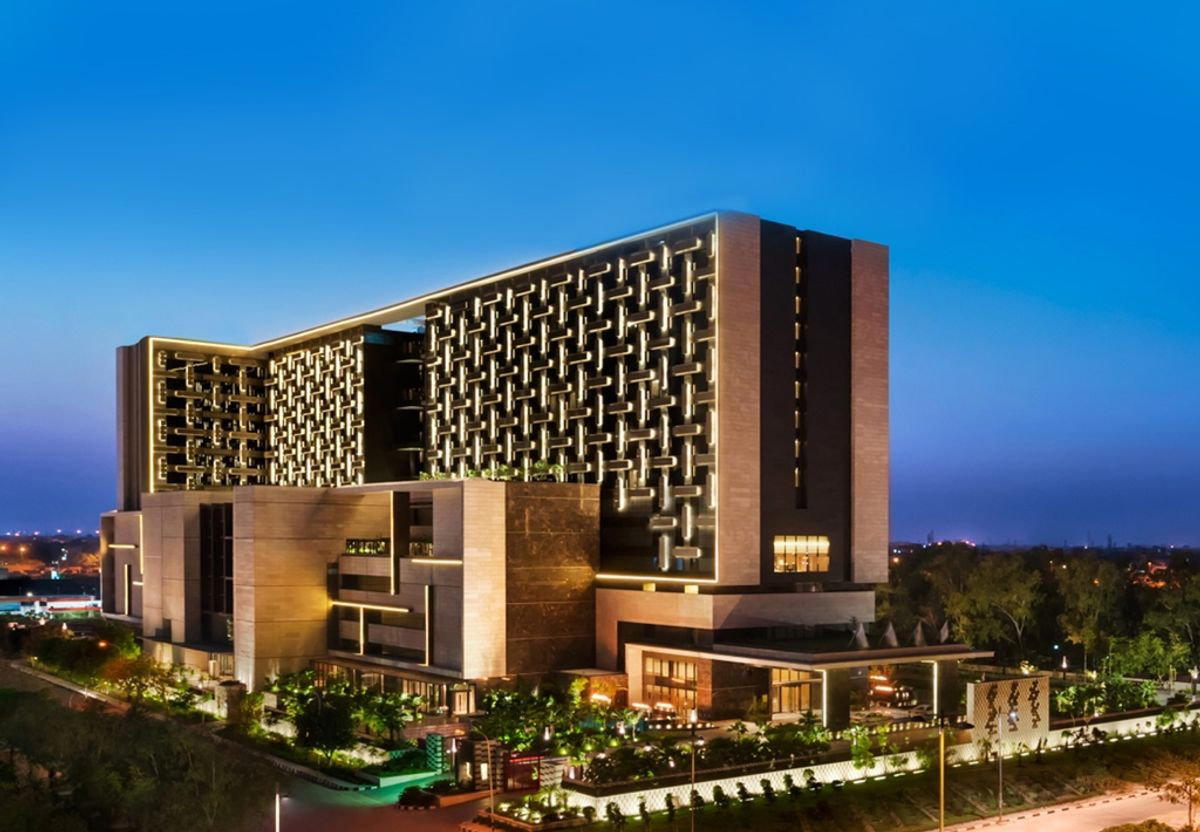
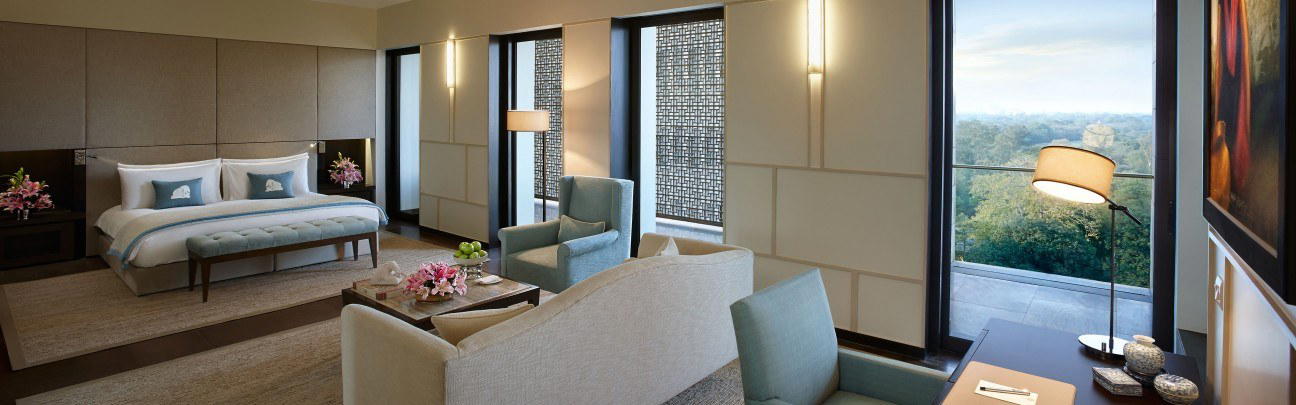
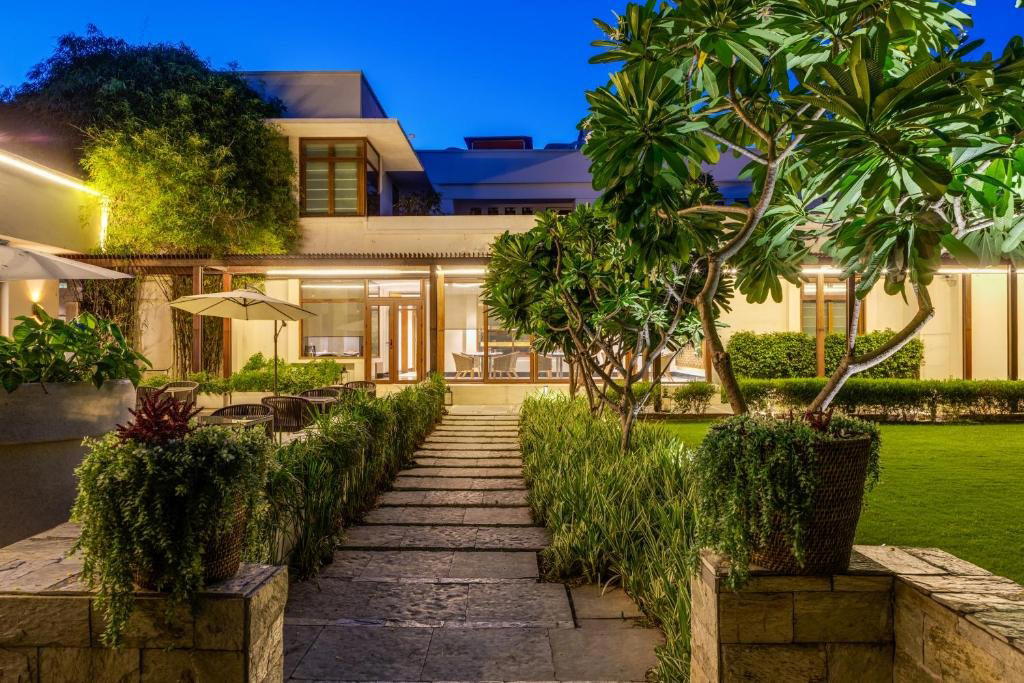
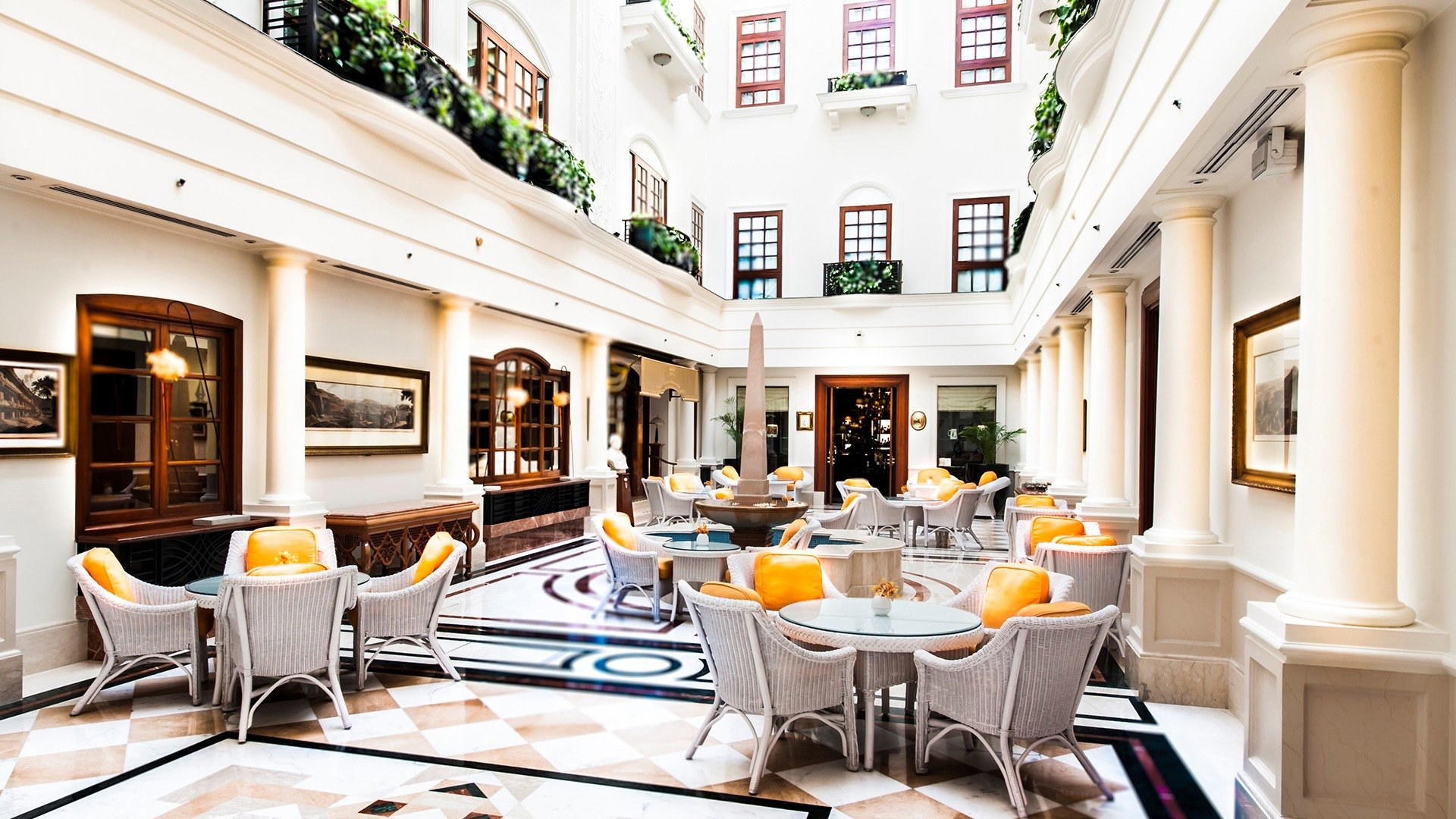
Contemporary and stylish with a focus on authentic Indian and Mughlai cuisine.