
Cafè de París occupies a ground-floor address in Sarrià-Sant Gervasi, one of Barcelona's quieter upper-city districts, where the dining pace differs markedly from the tourist-facing waterfront. The address places it inside a residential neighbourhood that rewards those who eat where locals eat, away from the high-concept tasting-menu circuit that defines Barcelona's Michelin tier.
Pearl is the En Primeur Club membership app — saves, bookings, and concierge access live there. Same editors, same standards.
- Address
- Carrer del Mestre Nicolau, 16, BAJO, Sarrià-Sant Gervasi, 08021 Barcelona, Spain
- Phone
- +34932001914
- Website
- cafedeparisbarcelona.com
- Directions
- Get directions
 Saves & bookings on Pearl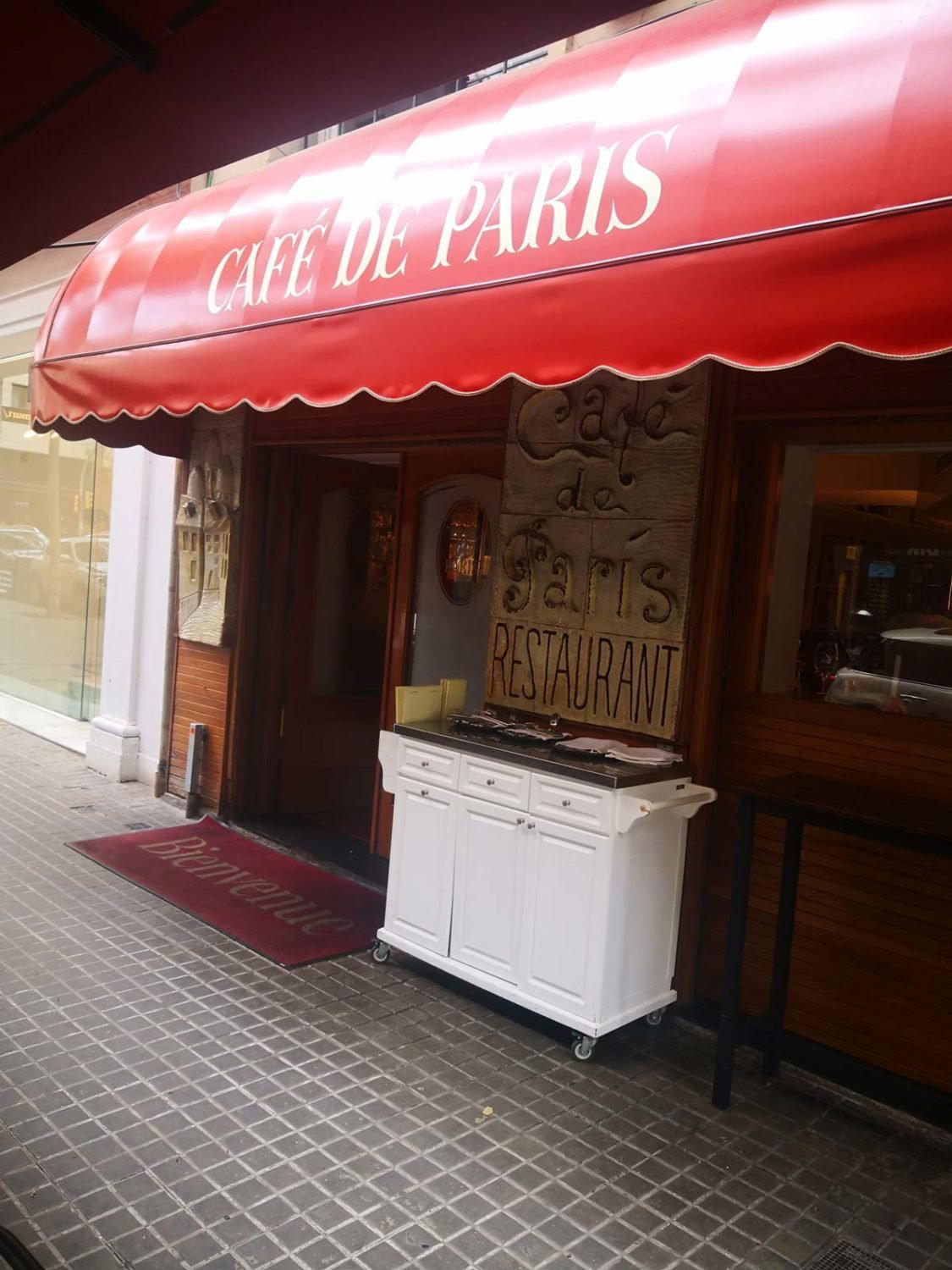
Sarrià-Sant Gervasi and the Rhythm of a Neighbourhood Meal
Barcelona's restaurant conversation tends to fixate on the upper Eixample and the waterfront, where tasting menus running to twenty-plus courses define the city's international reputation. Venues such as Disfrutar, Cocina Hermanos Torres, and ABaC operate in a bracket where booking windows stretch months out and the meal is a structured event with a defined start, middle, and end. Sarrià-Sant Gervasi runs on a different clock. The upper-city barris attract a more settled, residential crowd, and the dining culture there reflects it: meals are longer in elapsed time but shorter in ceremony, anchored by the social logic of the table rather than the editorial logic of the kitchen.
Cafè de París sits on Carrer del Mestre Nicolau, a street that reads as local address before it reads as restaurant destination. That positioning inside Sarrià-Sant Gervasi is itself an editorial statement about how the venue relates to the broader Barcelona dining map.
The Ritual of Dining in Barcelona's Upper City
In the neighbourhood restaurants of Sarrià-Sant Gervasi, the meal follows a pacing logic that pre-dates the modernist cuisine movement by several decades. Arrival is unhurried. The table is yours for the duration, not a seat to be turned. Catalan dining custom at this register favours conversation as the organising principle: dishes arrive in sequence, but the intervals are social rather than choreographed. This is the tradition of the menú de degustació's quieter cousin, where a three-course structure with bread, wine, and a shared dessert constitutes a full meal rather than an abbreviated one.
That dining ritual is relevant context for any visit to Cafè de París. The room's ground-floor position, bajo, as the address indicates, keeps the experience at street level in a literal sense: accessible, visible from the pavement, connected to the neighbourhood's daily movement rather than refined above it. Venues like Enigma and Lasarte occupy one end of Barcelona's spectrum; the neighbourhood trattoria-equivalent occupies the other. Cafè de París operates closer to that second pole.
Barcelona's Two-Speed Dining Scene
Understanding where the restaurant sits requires holding both ends of Barcelona's dining spectrum in view simultaneously. At the leading, Spain has built among the more decorated fine-dining ecosystems in Europe. El Celler de Can Roca in Girona, within day-trip range of Barcelona, held the spot on the World's 50 Best list across two separate years. Further afield, Mugaritz in Errenteria, Arzak in San Sebastián, and Martin Berasategui in Lasarte-Oria anchor a Basque-Catalan axis of creative cooking that has shaped global fine dining since the 1990s. Quique Dacosta in Dénia, Aponiente in El Puerto de Santa María, and DiverXO in Madrid extend that creative geography south and west.
Barcelona's neighbourhood restaurants exist in productive contrast to all of that. They are not lesser versions of the fine-dining circuit; they are a different category of experience altogether, built around frequency of use rather than occasion dining. The resident of Sarrià-Sant Gervasi who visits the restaurant regularly is not choosing it instead of Disfrutar; they are choosing it instead of cooking at home. That distinction shapes everything from the portion logic to the noise level to the wine list's price architecture.
The Sarrià-Sant Gervasi Address
The district of Sarrià-Sant Gervasi occupies the upper-left quadrant of Barcelona, between the Eixample's grid and the Collserola hills. It is one of the city's historically wealthier residential zones, with streets that retain a pre-expansion village character in some blocks. The dining culture reflects that demographic: less driven by tourism, more attentive to product quality at everyday price points, and resistant to the concept-restaurant format that proliferates in El Born and the Gothic Quarter.
Carrer del Mestre Nicolau, where the restaurant is addressed, sits within the Sant Gervasi sub-district rather than the hillside Sarrià village, placing it in walkable range of the Diagonal corridor and its transport connections. For visitors whose itinerary already includes the high-concept tier, a meal in Sarrià-Sant Gervasi adds a different register to the trip. For international reference, the neighbourhood-casual format here is comparable in social function to the bistronomy wave that reshaped Paris's arrondissements from the 2000s onward, or to what Lazy Bear in San Francisco describes as communal dining, albeit in a much less codified form. The European equivalent closer in spirit might be a Le Bernardin-era New York where the room's regulars set the ambient temperature rather than the kitchen's press cycle.
Practical Context for a Visit
The full Barcelona creative-dining tier, from ABaC to Ricard Camarena in València to Azurmendi in Larrabetzu, rewards forward planning: booking windows of two to three months are common at the summit tier, and the meal format requires a full evening. Neighbourhood addresses in Sarrià-Sant Gervasi tend to operate with different lead times. The restaurant is recommended for reservations and follows regular service hours of 1-4 PM and 8-11 PM daily.
- Price range: about $56 per person.
Reputation Context
Comparable venues nearby, for context on price, style, and recognition.
| Venue | Cuisine | Price | Notes |
|---|---|---|---|
| Cafè de ParísThis venue — the venue you are viewing | Classic French Bistro | $$$ | Not listed |
| El Patrón | Mediterranean Seafood Fusion | $$$ | Sant Gervasi - Galvany |
| Kak Koy | Japanese-Catalan Fusion Robatayaki | $$$ | Barri Gotic |
| 9Reinas Gourmet | Argentine Steakhouse | $$$ | Sant Gervasi - Galvany |
| Leku | Modern Catalan Mediterranean | $$$ | les Corts |
| Terrassa Pompeia | Traditional Spanish Mediterranean | $$$ | la Font de la Guatlla |
Recognition history
Dated appearances from independent guides and award organizations, with the underlying list record or original source where available.
Macarfi 7.3 Food Rating
Macarfi
Continue exploring
More in Barcelona
Restaurants in Barcelona
Browse all →
Bars in Barcelona
Browse all →
Hotels in Barcelona
Browse all →
At a Glance
- Classic
- Elegant
- Well Known
- Sophisticated
- Business Dinner
- Group Dining
- Family
- Special Occasion
- Private Dining
- Historic Building
- Extensive Wine List
- Craft Cocktails
Current opening hours
- Monday
- 1–4 PM, 8–11 PM
- Tuesday
- 1–4 PM, 8–11 PM
- Wednesday
- 1–4 PM, 8–11 PM
- Thursday
- 1–4 PM, 8–11 PM
- Friday
- 1–4 PM, 8–11 PM
- Saturday
- 1–4 PM, 8–11 PM
- Sunday
- 1–4 PM, 8–11 PM
Hours can change for holidays and private events. Last verified .
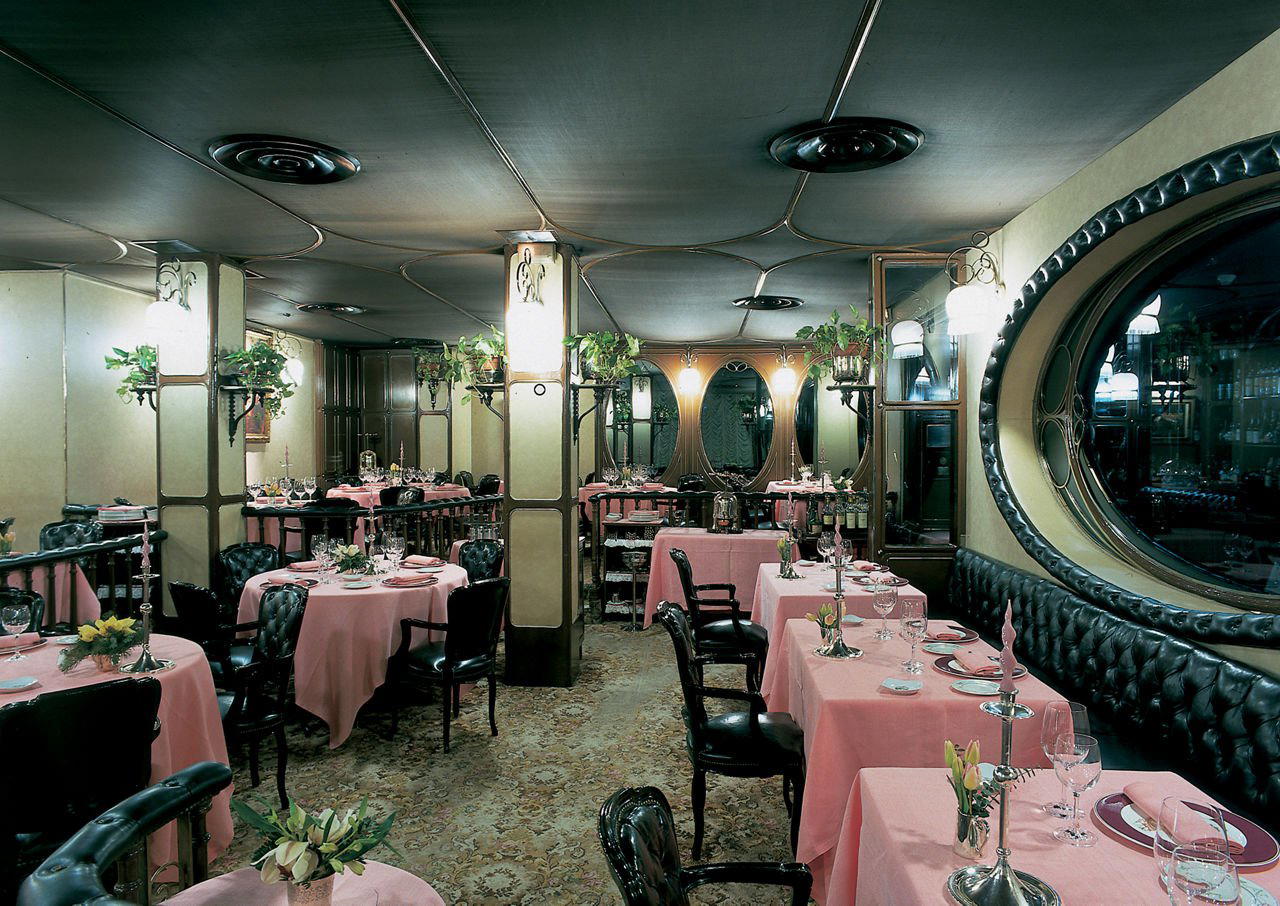
Elegant and classic atmosphere with vintage French decor, warm and inviting with round tables and long benches, creating an authentic bistro experience.