Café de la Galería occupies a storied address on Calle de Bailén in Madrid's Centro district, drawing a loyal local crowd that returns for the kind of unhurried, neighbourhood-rooted hospitality that the city's busier tourist corridors rarely sustain. Positioned well outside Madrid's tasting-menu circuit, it represents the quieter, more durable side of Spanish café culture, the place regulars claim before visitors discover it.
Pearl is the En Primeur Club membership app — saves, bookings, and concierge access live there. Same editors, same standards.
- Address
- C. de Bailén, s/n, Centro, 28013 Madrid, Spain
- Phone
- +34620008309
- Website
- cafedelagaleria.es
- Directions
- Get directions
 Saves & bookings on Pearl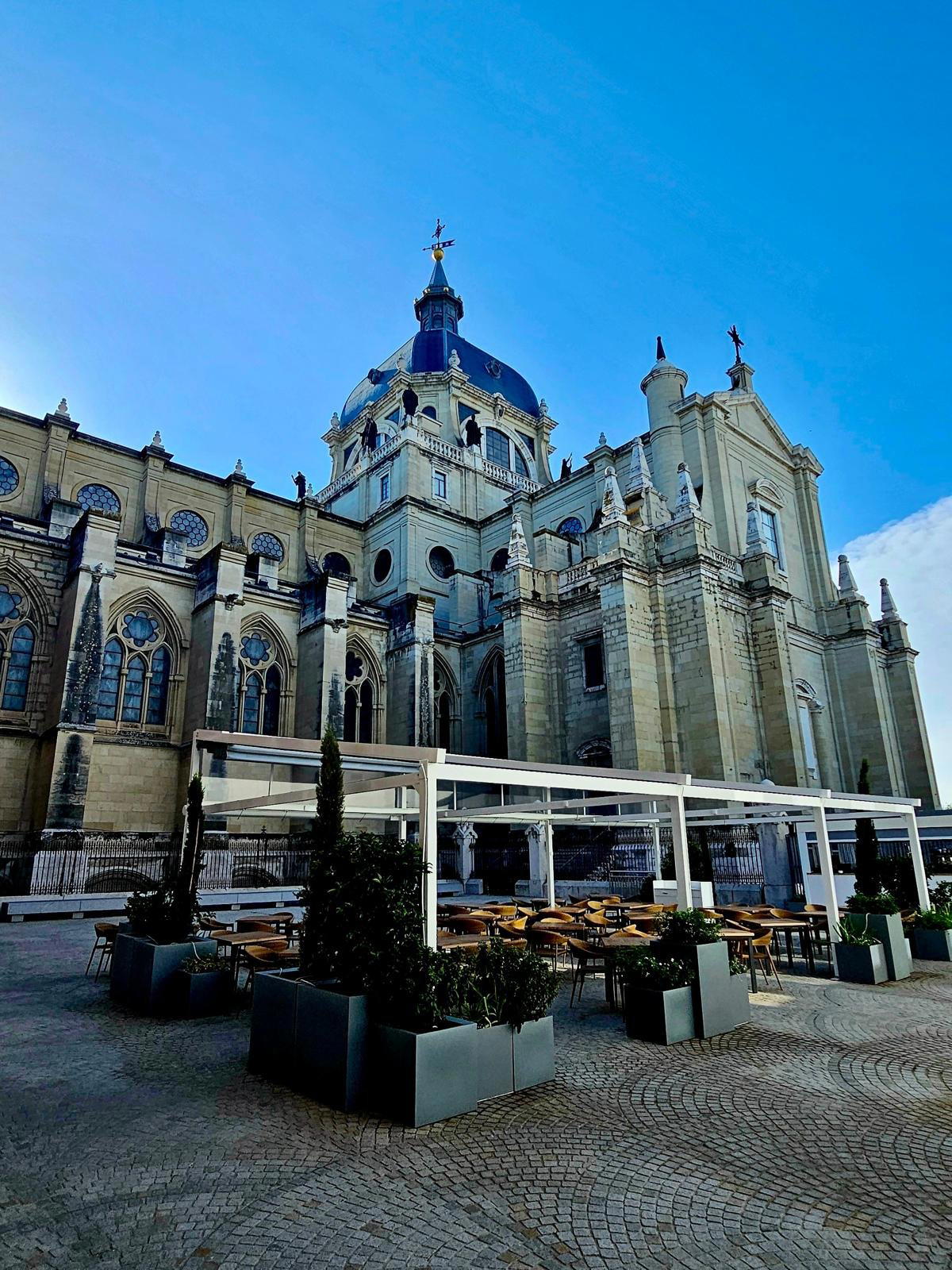
A Corner of Centro That Doesn't Need to Announce Itself
Calle de Bailén runs along the western edge of central Madrid, tracing the ridge above the Manzanares river with the Royal Palace on one side and the city's older residential fabric on the other. It is not a street that attracts dining tourists in the way that Ponzano or Chueca do, which is precisely why the regulars who have settled into Café de la Galería treat it as something close to private. The address sits in a part of Madrid where cafés function as anchor points for the neighbourhood rather than destinations in their own right, places you return to because the rhythm is familiar.
That dynamic shapes everything about what Café de la Galería is and is not. Madrid's broader dining conversation in 2024 runs heavily toward the ambitious end of the spectrum: DiverXO and its three Michelin stars, Coque with its elaborate multi-room tasting format, Deessa and DSTAgE each pushing contemporary Spanish cooking into new registers, Paco Roncero applying technical invention at the highest level. Café de la Galería does not compete on that axis. It competes, if that is even the right word, on the axis of constancy, comfort, and the kind of presence that makes a neighbourhood feel like itself.
What Keeps the Regulars Coming Back
The clearest evidence of a café's actual standing in a Spanish neighbourhood is not visible in press coverage or award lists. It appears in the hours between one and four in the afternoon, when the midday meal remains a serious social institution across Madrid regardless of what international dining trends suggest. Regulars at places like Café de la Galería rarely need a menu; they know what the kitchen does well, they know which table suits them, and they know that the staff will not rush them toward a second sitting. That unwritten contract between a café and its returning clientele is one of the more durable features of Spanish urban food culture, and it is one that the city's high-end circuit, the €€€€ tasting rooms that have drawn international attention to Madrid, does not and cannot replicate.
Spain's most-discussed fine dining addresses sit well outside this tradition. El Celler de Can Roca in Girona, Mugaritz in Errenteria, Arzak in San Sebastián, and Azurmendi in Larrabetzu all operate as event-format destinations where the booking is the experience. The neighbourhood café operates on entirely different terms: you do not plan weeks ahead, you do not dress for the occasion, and the quality of the experience scales with how well the kitchen knows what you drink. These are distinct modes of Spanish hospitality, and they serve different needs with equal seriousness.
The Bailén Address in Context
The Centro district of Madrid carries a specific density of history. The streets around the Royal Palace and the Almudena Cathedral draw considerable foot traffic, but the residential pockets just off the main sightlines function at a slower pace. Calle de Bailén itself connects the Ópera neighbourhood to the north with the more open space of the Viaducto and the gardens of Campo del Moro below. It is a transitional street in the leading sense, not a destination boulevard, not a back alley, but a working urban corridor where the café plays a civic as much as a culinary role.
For context, Madrid's most internationally visible dining operates at a remove from this geography. The Michelin-starred rooms and the creative tasting menus tend to cluster in Salamanca, Chamberí, and the city's newer hospitality zones. The Centro district, particularly in its older residential sections, sustains a different kind of food institution: the café-bar that functions as an extension of domestic life, where a weekday lunch is measured in conversation as much as in plates.
Spain's café culture has international comparators but no precise equivalent. The long midday meal, the extended coffee, the tolerance for tables occupied without continuous ordering, these are features of the Spanish café that distinguish it from the French brasserie model and from the Italian bar format. In a city that has produced internationally recognised chefs who work at the scale of Quique Dacosta in Dénia, Aponiente in El Puerto de Santa María, Martin Berasategui in Lasarte-Oria, or Ricard Camarena in València, the neighbourhood café remains the form that most Spaniards actually use most often. It is not a lesser version of those destinations; it is a different institution serving a different function.
The comparison is temperamental, not structural: places that locals feel ownership over, regardless of what the external dining conversation says about them. Cocina Hermanos Torres in Barcelona and Atrio in Cáceres sit at the other end of the formality register, but they share the quality of being genuinely embedded in their local context rather than existing primarily for visiting diners.
Awards and Standing
Comparable venues nearby, for context on price, style, and recognition.
| Venue | Cuisine | Price | Notes |
|---|---|---|---|
| Café de la GaleríaThis venue — the venue you are viewing | Traditional Spanish with Creative Touches | $$ | Not listed |
| La Goyesca | Traditional Spanish | $$ | Goya |
| Restaurante 3B | Traditional Spanish Parrilla Grill | $$ | Salvador |
| EL KIOSKO I Valdebebas | Traditional Spanish Tapas & Mediterranean Small Plates | $$ | Valdebebas |
| Marcelino, Vinos y Ultraporcinos | Traditional Spanish Wine Bar & Tapas | $$ | Sol |
| Casa Castaña | Traditional Spanish Tapas | $$ | Sol |
Continue exploring
More in Madrid
Restaurants in Madrid
Browse all →
Bars in Madrid
Browse all →
Hotels in Madrid
Browse all →

At a Glance
- Classic
- Scenic
- Elegant
- Quiet
- Brunch
- Casual Hangout
- Family
- Business Dinner
- Terrace
- Historic Building
- Garden
- Beer Program
- Local Sourcing
- Farm To Table
Current opening hours
- Monday
- 10 AM–8 PM
- Tuesday
- 10 AM–8 PM
- Wednesday
- 10 AM–8 PM
- Thursday
- 10 AM–8 PM
- Friday
- 10 AM–8 PM
- Saturday
- 10 AM–8 PM
- Sunday
- 10 AM–7 PM
Hours can change for holidays and private events. Last verified .
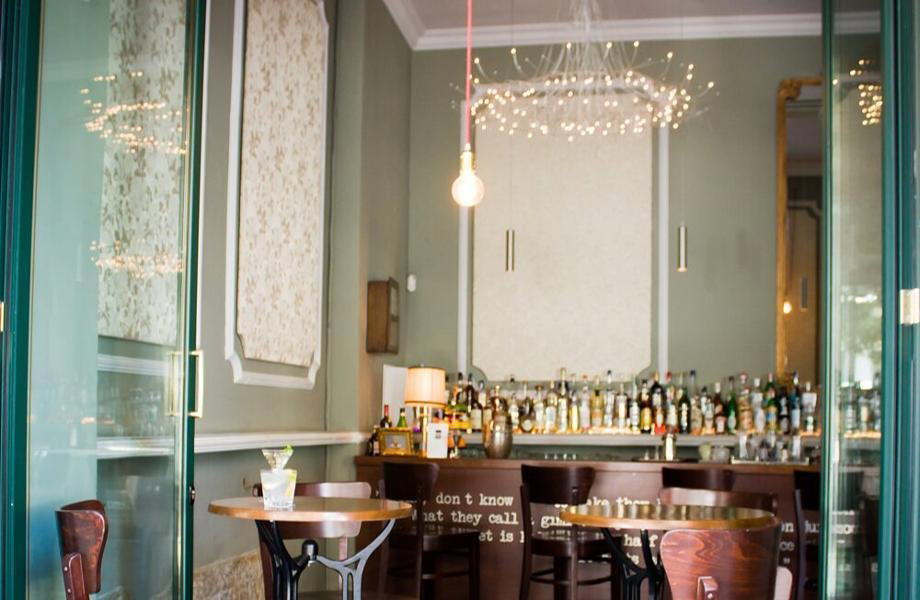
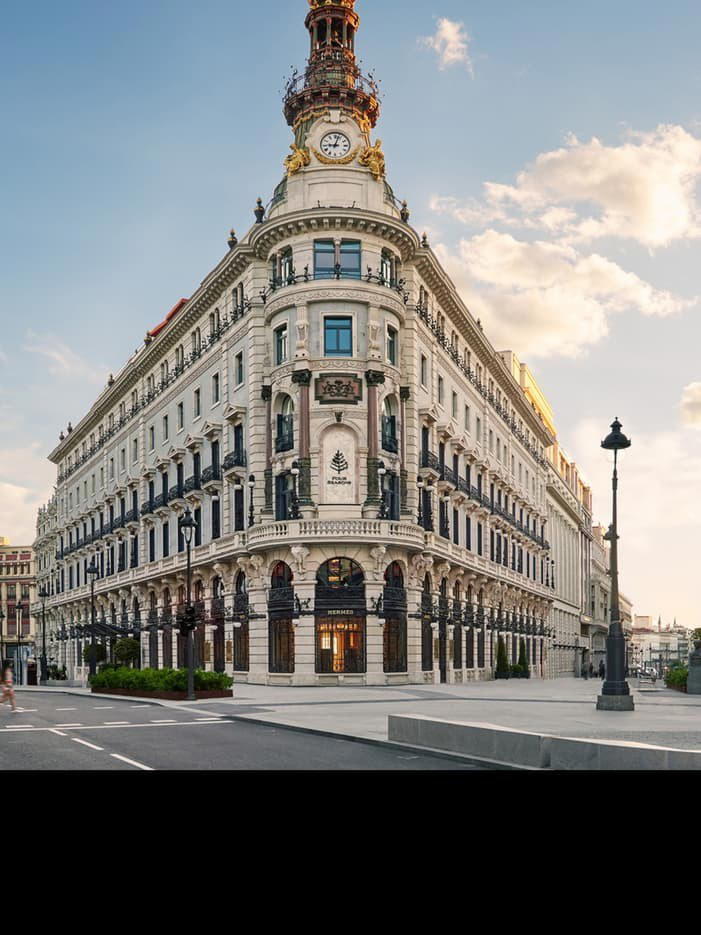
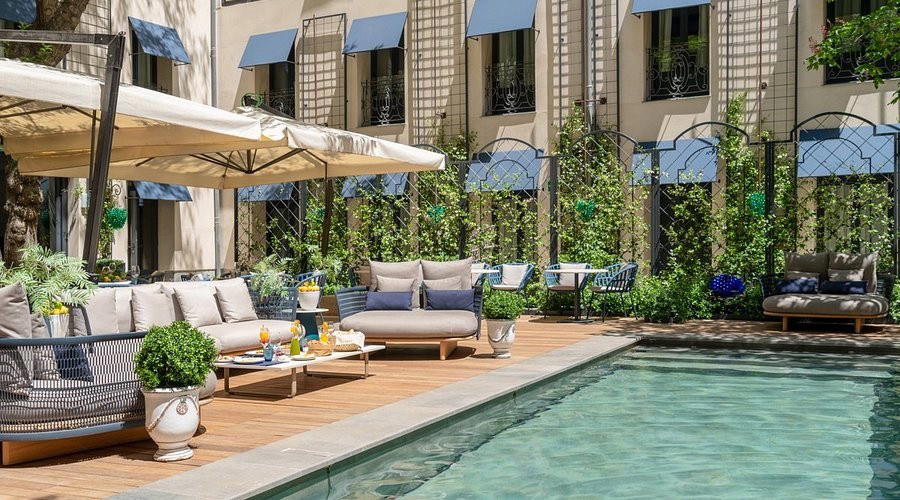
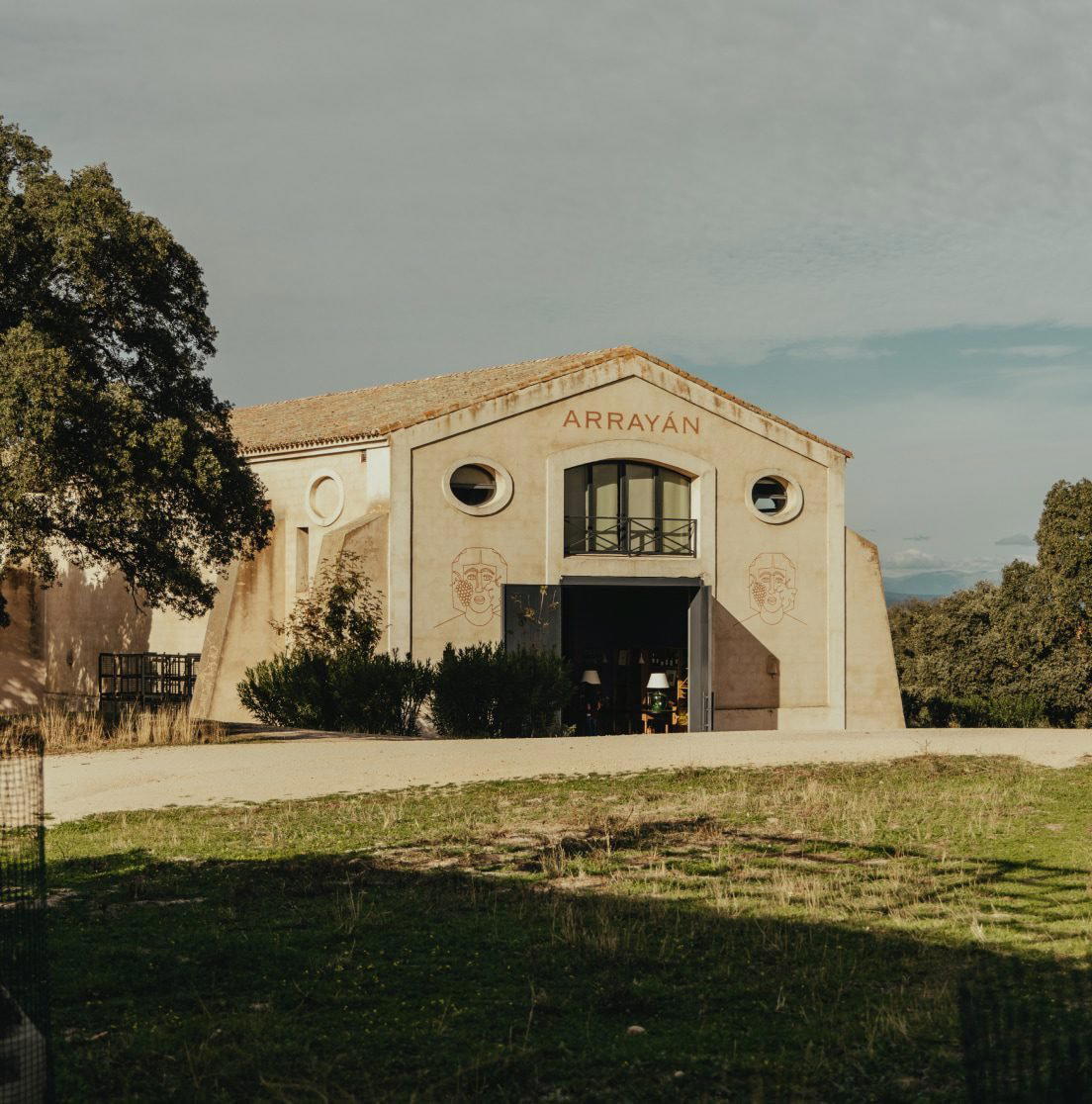
Light and bright indoor restaurant with a relaxing outdoor terrace designed for year-round use, creating a serene and historic atmosphere.