ヴィラ デラ パーチェ sits in Nakajimamachi Shiotsu, a quiet coastal corner of Nanao on the Noto Peninsula in Ishikawa Prefecture. The Italian name, Villa della Pace, or House of Peace, signals a European-inflected sensibility set against one of Japan's most distinctive regional food cultures. Detailed booking and menu information is limited, making advance research advisable before visiting.
Pearl is the En Primeur Club membership app — saves, bookings, and concierge access live there. Same editors, same standards.
- Address
- Japan, 〒929-2234 Ishikawa, Nanao, Nakajimamachi Shiotsu, 乙は部26-1
- Phone
- +81767889017
- Website
- villadellapace-nanao.com
- Directions
- Get directions
 Saves & bookings on Pearl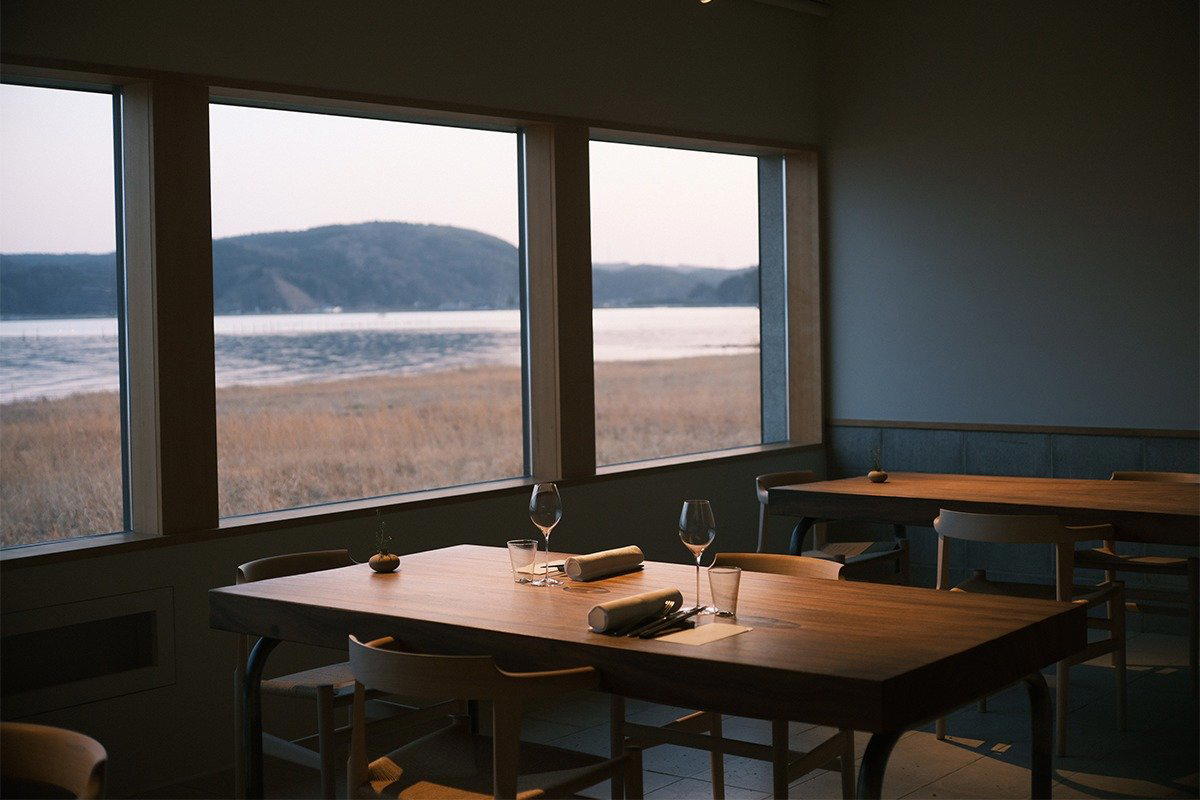
Where the Noto Coast Meets Italian Nomenclature
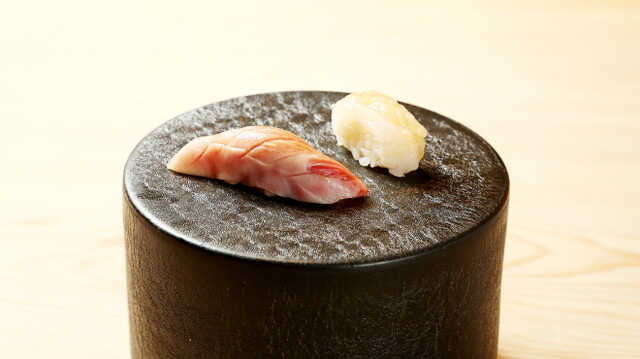
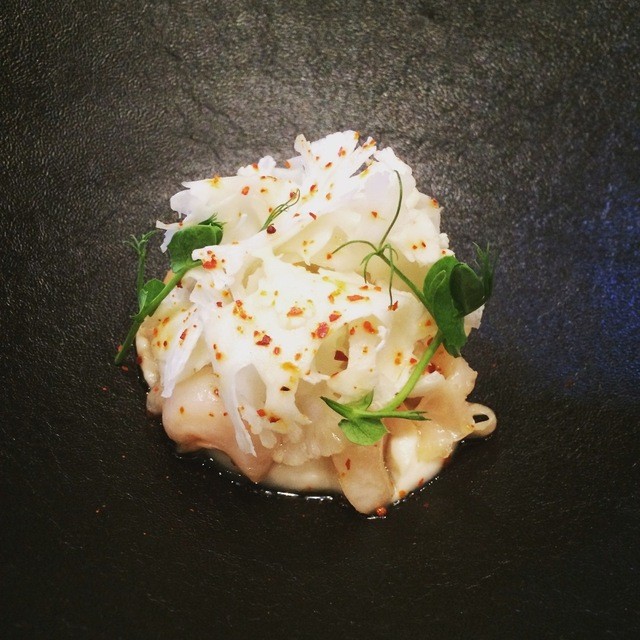
The Noto Peninsula occupies a particular place in Japanese food culture that visitors from outside Ishikawa rarely fully appreciate. Jutting northward into the Sea of Japan, the peninsula has spent centuries developing a larder that most coastal prefectures would envy: aged soy sauce fermented over years in cedar barrels, funazushi-adjacent fermentation traditions, salt harvested from tidal flats at Okunoto, and seafood pulled from particularly productive cold-water fishing grounds in the country. Nanao, sitting at the peninsula's base, channels those ingredients through a dining scene that ranges from fourth-generation sushi counters to quietly ambitious European-influenced tables. Villa della Pace, the romanized reading of ヴィラ デラ パーチェ, belongs to that second category, its Italian name flagging an approach that uses the peninsula's notable raw materials as the foundation for something that does not fit neatly into either traditional Japanese or conventional Western cuisine. The restaurant is in Nanao, Ishikawa, and the record places it in the smart casual, reservation-essential category at about $150 per person.
Nanao's dining geography is worth understanding before you visit. The city is not a food destination in the way Kyoto or Kanazawa are, there is no dense cluster of Michelin-starred tables, no established tourist circuit. What it has instead is a smaller, more self-contained set of serious restaurants whose reputations circulate primarily among regional Japanese diners and the narrower cohort of food-focused travellers who make the Noto journey deliberately. In that context, a restaurant operating under a European-language name is making a statement about its reference points, even if those reference points are expressed through the produce directly outside its door.
The Cultural Terrain of European Cooking on the Noto Peninsula
Across Japan, the category of Italian-inflected or broadly European restaurants operating in rural prefectures has grown steadily over the past two decades. The model typically involves a chef with urban training, often Tokyo or Osaka, sometimes Europe itself, who relocates to a producing region and builds a menu around what that region provides, rather than importing the ingredients that would be expected in a city context. The result is a cuisine that reads as European in technique and structure but is anchored in a specific local geography. Akordu in Nara operates along similar lines, and Goh in Fukuoka demonstrates how French-influenced kaiseki thinking can emerge from a regional Japanese context. The pattern matters because it frames how to read a place like Villa della Pace: not as an anomaly, but as part of a wider movement of European-trained or European-oriented cooking that has found some of its most interesting expressions outside the major cities.
The Noto Peninsula provides an unusually strong argument for this kind of cooking. Ingredients here carry a depth that comes from traditional production methods, the aged Noto soy sauce, for instance, undergoes a fermentation period measurable in years, not months, which gives it a complexity closer to fine vinegar or aged fish sauce than to the soy sauce available at scale. A kitchen that chooses to work with these materials, rather than importing standardised European pantry staples, is making a decision about locality that defines the cooking as much as any technique does. This is the cultural context in which Villa della Pace should be understood.
Nanao's Dining Ecosystem and Where This Table Fits
Nanao's restaurant options span a range that reflects both the city's fishing port heritage and its proximity to Kanazawa's more developed food culture. Kawashima and 幸寿し本店 represent the traditional Japanese side of the city's dining character, the sushi counters and seafood-focused houses that have operated across generations and draw their identity directly from the Sea of Japan catch. 三本松 川北割烹 occupies a more formal kaiseki register. Villa della Pace operates across a different axis, using European framing to approach the same raw material base that defines the rest of the city's serious restaurants. Whether a visitor chooses one or the other depends less on quality, the city's leading tables are consistently serious, and more on what kind of structure they want around the Peninsula's produce.
For context on what European-inflected cooking at this level looks like elsewhere in Japan, HAJIME in Osaka and Gion Sasaki in Kyoto show how Japanese chefs have absorbed and transformed European reference points across different prefectural contexts. Villa della Pace's position in Nanao is more remote and less documented than those city tables, which is part of what makes it interesting to a certain kind of traveller. Internationally, the comparison to restaurants like Le Bernardin in New York City or Atomix in New York City is one of category rather than scale: what connects them is a commitment to using fine ingredients as the primary argument, regardless of which culinary tradition provides the structural frame.
Planning a Visit to Nakajimamachi Shiotsu
The address, Nakajimamachi Shiotsu, in the southern part of the Noto Peninsula, places this restaurant away from Nanao's central streets. Getting there requires either a car or deliberate planning around local transport options, as the area is not served by the kind of transit that covers Kanazawa or Kyoto. This is normal for rural Ishikawa: the Noto Peninsula rewards visitors who treat it as a destination in its own right rather than a day trip.
For those building a wider Ishikawa or Sea of Japan itinerary, comparable rural dining experiences elsewhere in the region include 湖畔荘 in Takashima and 鳥羽屋 in Nishikawa Machi, both of which operate in similarly quiet regional settings and share the Noto-area emphasis on local produce as the primary editorial argument. 古代山乃 in Sapporo offers another northern Japanese reference point for understanding how cold-water coastal produce shapes cooking in this part of the country.
Pricing, Compared
Comparable venues nearby, for context on price, style, and recognition.
| Venue | Cuisine | Price | Notes |
|---|---|---|---|
| ヴィラ デラ パーチェThis venue — the venue you are viewing | Nanao, Innovative Noto Italian | $$$$ | Not listed |
| Kawashima | Not listed | $$$$ | Ipponsugi, Kansai-style Kaiseki with Noto Ingredients |
| Villa della Pace | Not listed | $$$ | Kasashiho, Noto Peninsula, Farm-to-Table Italian with Noto Peninsula Produce |
| 幸寿し本店 | Nanao, Traditional Noto Sushi | $$ | Not listed |
| Italian Gelato Cerchio | Italian-style Gelato Shop | $ | Not listed |
| LE MUSEE DE H Wakura ten | Not listed | $$ | Wakura Onsen, Modern Japanese Patisserie Café |
Continue exploring
More in Nanao
Restaurants in Nanao
Browse all →

At a Glance
- Romantic
- Elegant
- Intimate
- Scenic
- Sophisticated
- Date Night
- Special Occasion
- Extensive Wine List
- Sake Program
- Local Sourcing
- Organic
- Waterfront
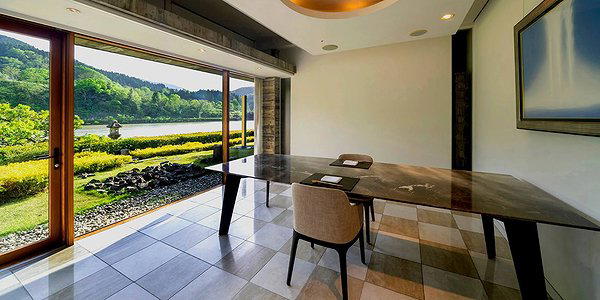
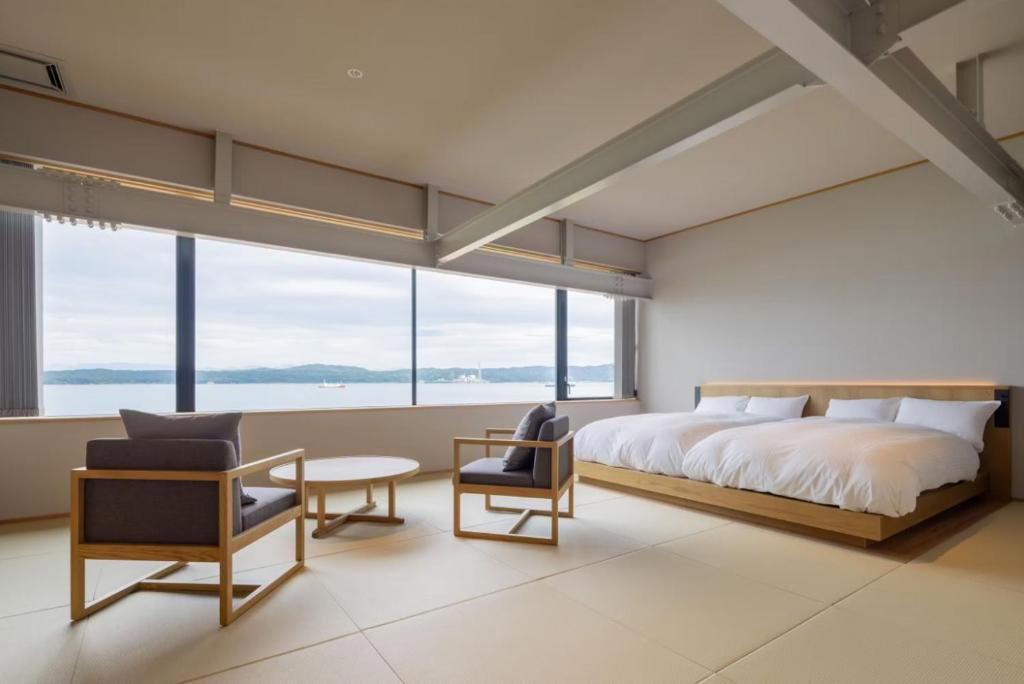
Cozy and elegant beachside setting with serene ocean views, fostering an intimate and sophisticated dining atmosphere.