
A sweets-and-art café in Wakura Onsen, LE MUSEE DE H Wakura ten gives Nanao a polished patisserie address rather than another seafood stop. Its Tabelog 100 Sweets WEST selections in 2019, 2020, and 2023 place it in a serious regional conversation, while the museum setting keeps the experience closer to a cultural pause than a conventional café run.
Pearl is the En Primeur Club membership app — saves, bookings, and concierge access live there. Same editors, same standards.
- Address
- 石川県七尾市和倉町ワ65-1 辻口博啓美術館
- Phone
- +81767624002
- Website
- le-musee-de-h.jp
- Directions
- Get directions
 Saves & bookings on Pearl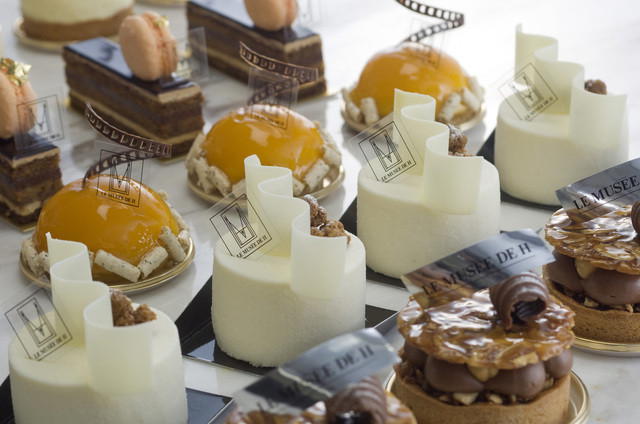
Approaching Nanao, the usual Noto Peninsula cues are sea air, quiet travel rhythms, and a slower pace than Kanazawa or Toyama. Inside Nanao, sweets play a different role from the formal counter or the full dining room: they mark the pause between sightseeing, café time, and the long northern drive. LE MUSEE DE H Wakura ten belongs to that category, with a cake-and-café format that makes pastry feel less like a snack stop and more like a short cultural interval.
Nanao’s dining identity is often read through seafood, fermented products, and the old merchant texture of the city. That frame matters because a serious cake-and-café address here carries more weight than it would in a dense urban dessert district. The city is not trying to compete with Tokyo’s patisserie density. It offers a smaller circuit where a polished sweet shop, a local counter such as Kawashima, and destination dining at Villa della Pace can sit in the same itinerary without feeling redundant.
Nanao's dessert pause, framed by café craft rather than café churn
Japan’s stronger patisserie addresses often borrow from French technique while staying alert to local pacing: smaller portions, seasonal fruit, carefully staged retail cases, and a high premium on finish. In resort towns and regional cities, the category can drift into souvenir commerce. The sharper version keeps the takeout counter and the café room in balance, letting visitors choose between a short sit-down and something boxed for later. LE MUSEE DE H Wakura ten is best understood through that split: cake, café service, and a sweets-focused stop in Nanao.
The ingredient-sourcing angle here is less about a single named farm than about Ishikawa’s broader food culture. Noto cooks and producers work with a compact regional pantry: sea salt, rice, dairy, fruit, soy, miso, and seafood from a peninsula where agriculture and the coast sit close together. For pastry, that context matters. A good regional dessert address does not need to imitate a hotel salon in a capital city; it needs to translate precision into a place where visitors may be coming from a local walk, a market visit, or a coastal drive. The cake-and-café format gives that translation an accessible form.
The Tabelog Hyakumeiten recognition in 2023 is the clearest public signal of standing provided. For readers used to Michelin-style dining markers, the point is not equivalence; it is category fit. Tabelog’s sweets-focused recognition can identify cake and café addresses that have traction with serious Japanese diners, especially outside the capital’s restaurant-awards orbit. A Nanao café appearing in that frame says more about regional dessert credibility than a generic popularity claim would.
How it fits a Nanao eating day
Nanao rewards sequencing. A seafood-heavy lunch, a walk through the older town fabric, and a quiet afternoon can leave little appetite for a formal dinner. A sweets stop works because it asks for less commitment while still giving the day a clear culinary marker. That is the useful distinction between this address and a full meal at 一本杉 川嶋 or ヴィラ デラ パーチェ: pastry can bridge the itinerary rather than dominate it.
The setting also changes the decision. Café-and-retail formats can be timid, relying on foot traffic and boxed gifts. The stronger ones make the retail case and table service reinforce each other. Here, the appeal is not a decorative aside; the cake-and-café identity gives the stop a technical vocabulary that suits a patisserie audience. It frames cake as craft, not just refreshment, which is exactly what a sweets specialist needs in a smaller regional city.
Families also fit naturally into this kind of stop. Nanao’s longer meals can demand patience from younger travelers, while a cake-and-café room has a lower threshold. The format is easier to use than a formal dining room, and the public, casual rhythm is part of the point; this is a flexible pause rather than a sealed dining occasion. For adults, the appeal is precision without ceremony. For children, the appeal is direct.
Readers building a local circuit should treat the café as one node rather than the day’s anchor. Other Nanao sweets stops and casual dining options cover different registers, while traditional and contemporary dining options fill the savory side. For broader planning, use Our full Nanao restaurants guide, then cross-check sleep, drinks, wine, and activities through Our full Nanao hotels guide, Our full Nanao bars guide, Our full Nanao wineries guide, and Our full Nanao experiences guide.
For travelers comparing Japan's casual specialist stops
Japan’s casual specialist dining is broad: focused counters, compact cafés, regional rooms, and simple takeout specialists all solve different itinerary problems. Nanao’s sweets-and-café stop solves the mid-day one: short duration, clear local memory, and no need to turn the schedule around a long meal.
That comparison also helps overseas travelers calibrate expectations. This is not a tasting-menu patisserie temple and does not need to be judged as one. It is closer to Japan’s disciplined everyday-specialist culture, the same national habit that can make a compact casual shop, a small counter, or a sweets specialist feel precise without formality. The venue’s appeal remains rooted in Nanao: regional sweets credibility, cake-and-café accessibility, and a clear format that gives the stop its structure.
Comparison Snapshot
Comparable venues by cuisine and price in the same metro.
| Venue | Cuisine | Price | Notes |
|---|---|---|---|
| LE MUSEE DE H Wakura ten | Modern Japanese Patisserie Café | $$ | Wakura Onsen |
| 幸寿し本店 | Traditional Noto Sushi | $$ | Nanao |
| 幸寿し 本店 | Traditional Noto Sushi Omakase | $$ | 相生町 |
| ヴィラ デラ パーチェ | Innovative Noto Italian | $$$$ | Nanao |
| Italian Gelato Cerchio | Italian-style Gelato Shop | $ | Nanao |
| 一本杉 川嶋 | japanese | Not listed | Nanao |
Recognition history
Dated appearances from independent guides and award organizations, with the underlying list record or original source where available.
Tabelog 100 #94 · No. 94
Tabelog · Tabelog 100 - Sweets - WEST - 2023
At a Glance
- Modern
- Scenic
- Cozy
- Well Known
- Family
- Casual Hangout
- Date Night
- After Work
- Special Occasion
- Design Destination
- Standalone
- Waterfront
- Local Sourcing
- Waterfront
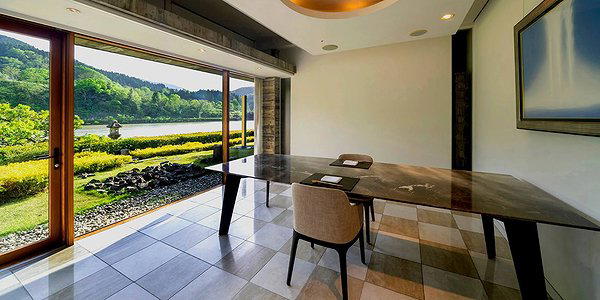
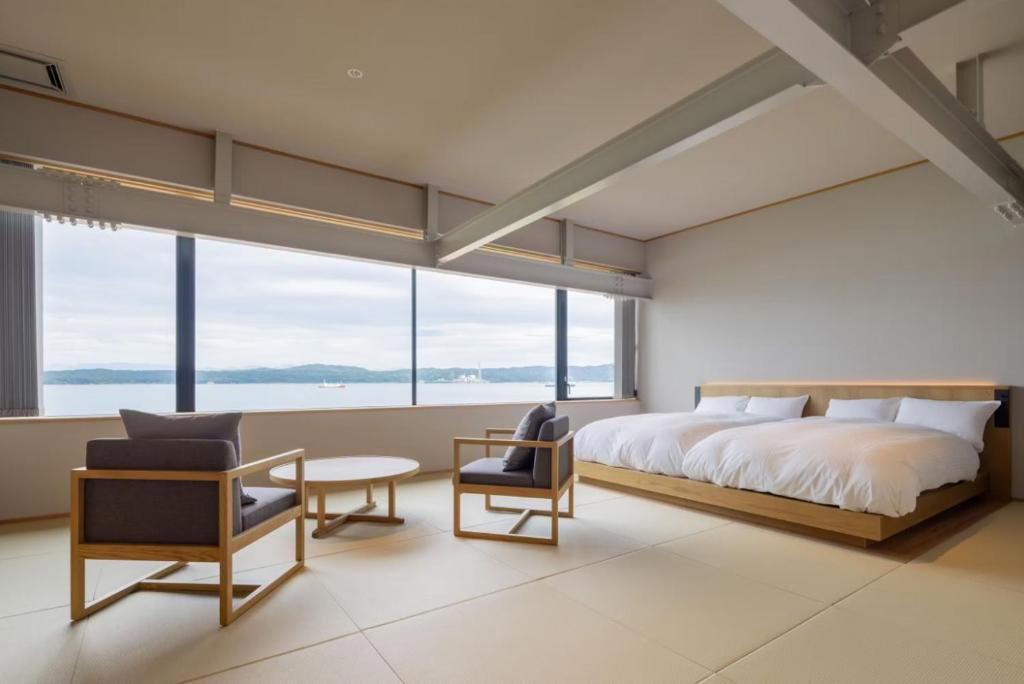
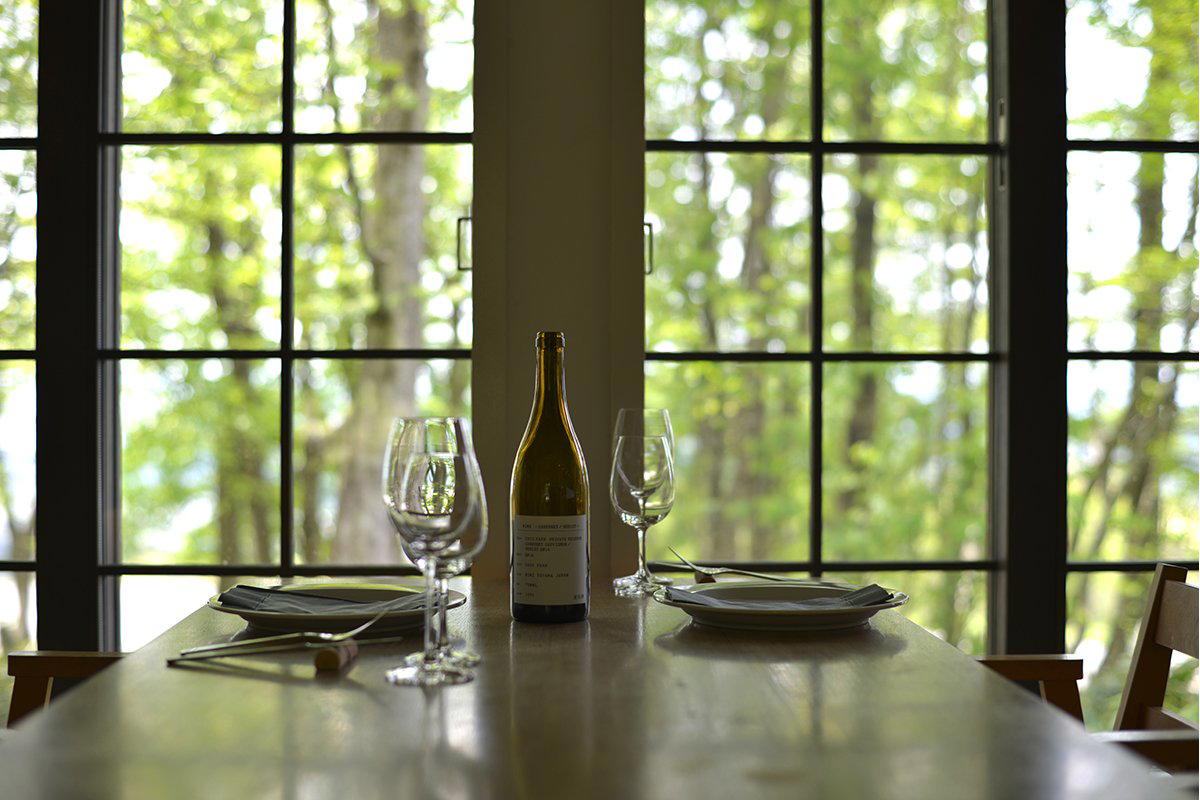
Bright, museum-like café space with floor-to-ceiling windows, clean modern design, and a relaxed atmosphere where guests enjoy artful pastries while gazing out over the sea at Wakura Onsen.
Know Before You Go
- Reservations
- Walk in friendly
- Getting there
- 石川県七尾市和倉町ワ65-1 辻口博啓美術館