
Himi’s fish-market dining culture is the point here: early, direct, practical seafood eating tied to Toyama Bay rather than polished counter theatre. Himi Uoichiba Shokudo brings that format into a large, family-friendly dining hall with Tabelog 100 Diner selections in 2024 and 2026, making it a useful anchor for understanding how this port city eats.
Pearl is the En Primeur Club membership app — saves, bookings, and concierge access live there. Same editors, same standards.
- Address
- Japan, 〒935-0011 Toyama, Himi, Chuomachi, 7−1 漁業文化交流センタ 内
- Phone
- +81 766-78-3321
- Website
- tabelog.com
- Directions
- Get directions
 Saves & bookings on Pearl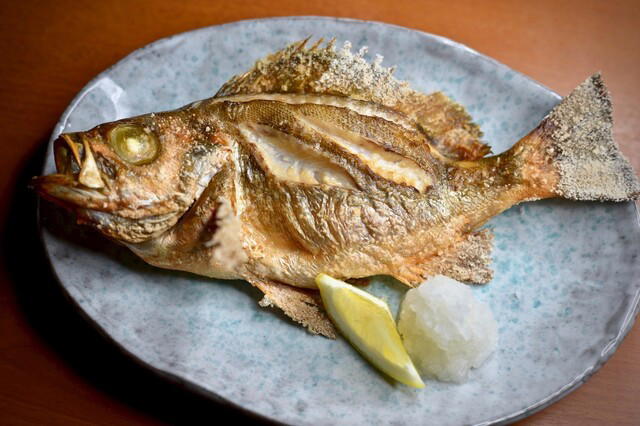
Approaching Himi, the dining logic is visible before the meal begins: a city where everyday food traffic matters and restaurant reputation is shaped as much by practical use as by ceremony. This is not the hushed language of omakase Japan. It is the shokudo tradition, a public dining room where seafood can be treated as daily commerce first and culinary status second.
That distinction matters in Himi. The city’s dining identity includes straightforward rooms as well as more polished addresses, and Himi Uoichiba Shokudo belongs to the accessible side of that spectrum. A dining hall in this context has a different job from a destination counter in a major city. It keeps the format approachable enough for families, workers, and travellers moving through Himi.
Market seafood without the ceremony of a counter
Himi Uoichiba Shokudo sits inside that plainspoken category: cafeteria, izakaya, and seafood restaurant rather than chef-led tasting room. The useful comparison is not with luxury sushi, but with other regional Japanese dining halls where accessibility is part of the appeal. Its Tabelog Hyakumeiten recognition in 2026, with a listed score of 3.59, gives the room a national signal without changing the essential premise: this is accessible seafood dining, not fine-dining seafood dressed in local costume.
The sourcing story is therefore best read without over-specific claims. In a city like Himi, the strongest signal is often the relationship between everyday dining and local demand. The food can stay direct because the format does not need elaborate staging to make its point. For travellers used to reserving weeks ahead, the lesson is simple: in Himi, seafood credibility can come with less ceremony.
The room’s format also changes the reading. This is not an intimate counter built around scarcity. It belongs to the democratic side of Japanese dining, where accessibility and the ability to welcome mixed groups are part of the format. Its cafeteria, izakaya, and seafood categories point to a practical dining room rather than a single-purpose destination counter.
Why Himi's dining scene rewards the early meal
Himi is not a city of endless restaurant clusters. Its food identity is concentrated through a small number of places that translate local dining culture into different levels of polish. Tonjinchi offers another Himi point of reference, while セイズファーム points toward a different expression of the area. Himi Uoichiba Shokudo occupies a casual middle ground: straightforward in format, serious in seafood implications, and useful for travellers who want the city’s identity without turning lunch into a formal event.
The broader pattern is familiar across regional Japan. When a dining room is closely tied to everyday use, it does not need to over-explain regionality. Menus can remain practical, drinks sit naturally beside seafood, and the restaurant’s authority comes from being culturally close to the city’s food economy. Himi’s reputation gives the city a clear dining context, but the dining hall format remains relevant because its value is structural, not dependent on one narrow occasion.
This is also where award context should be read carefully. A Tabelog Hyakumeiten selection is not the same signal as a Michelin star, and it should not be treated as one. It rewards a different kind of Japanese restaurant excellence: widely used, highly rated, often modest in price, and embedded in everyday food culture. For a shokudo, that recognition is meaningful because it places a practical dining room inside a national conversation without stripping away its utilitarian character.
How to place it in a Himi itinerary
Himi rewards travellers who plan around the city rather than treating the meal as an isolated stop. The strongest approach is to let Himi set the pace, then connect the meal with the city’s other small-scale food and travel infrastructure. For a broader scan of local options, use Our full Himi restaurants guide, then build the rest of the stay through Our full Himi hotels guide, Our full Himi bars guide, Our full Himi wineries guide, and Our full Himi experiences guide.
That lens travels across many kinds of unnamed regional dining rooms, from casual dining addresses to seafood rooms, and from simple cafes to specialized counter formats. Even outside Japan, Japanese food culture often travels through focused formats rather than grand tasting menus.
The editorial case for Himi Uoichiba Shokudo is not luxury. It is clarity. In a city where everyday dining remains central, this dining hall gives travellers a direct reading of place: seafood, practical use, national recognition, and a format that keeps the meal close to Himi rather than turning it into performance.
How It Stacks Up
Comparable venues by cuisine and price in the same metro.
| Venue | Cuisine | Price | Notes |
|---|---|---|---|
| Himi Uoichiba Shokudo | Japanese seafood market canteen | $$ | Himi |
| Tonjinchi (貪瞋癡) | Traditional Himi Niboshi Ramen | $ | Himi |
| Tonjinchi | Himi niboshi ramen & casual dining bar | $ | Himi |
| セイズファーム | Italian-based Farm-to-Table with Local Toyama Ingredients | $$$ | Himi |
| カムラナ食堂 | Japanese & Thai Fusion | $$ | Akakura |
| Kawakami-an | Authentic Shinshu Soba & Duck Specialties | $$ | Karuizawa Ginza |
Recognition history
Dated appearances from independent guides and award organizations, with the underlying list record or original source where available.
Tabelog 100 #54 · No. 54
Tabelog · Tabelog 100 - Diner - 2026
Continue exploring
More in Himi
Restaurants in Himi
Browse all →
Bars in Himi
Browse all →
Hotels in Himi
Browse all →
Wineries in Himi
Browse all →
At a Glance
- Scenic
- Lively
- Casual
- Rustic
- Family
- Group Dining
- Casual Hangout
- Solo
- Waterfront
- Standalone
- Panoramic View
- Local Sourcing
- Sustainable Seafood
- Waterfront
Current opening hours
- Monday
- 9 AM–4 PM
- Tuesday
- 9 AM–4 PM
- Wednesday
- Closed
- Thursday
- 9 AM–4 PM
- Friday
- 9 AM–4 PM
- Saturday
- 9 AM–4 PM
- Sunday
- 9 AM–4 PM
Hours can change for holidays and private events. Last verified .
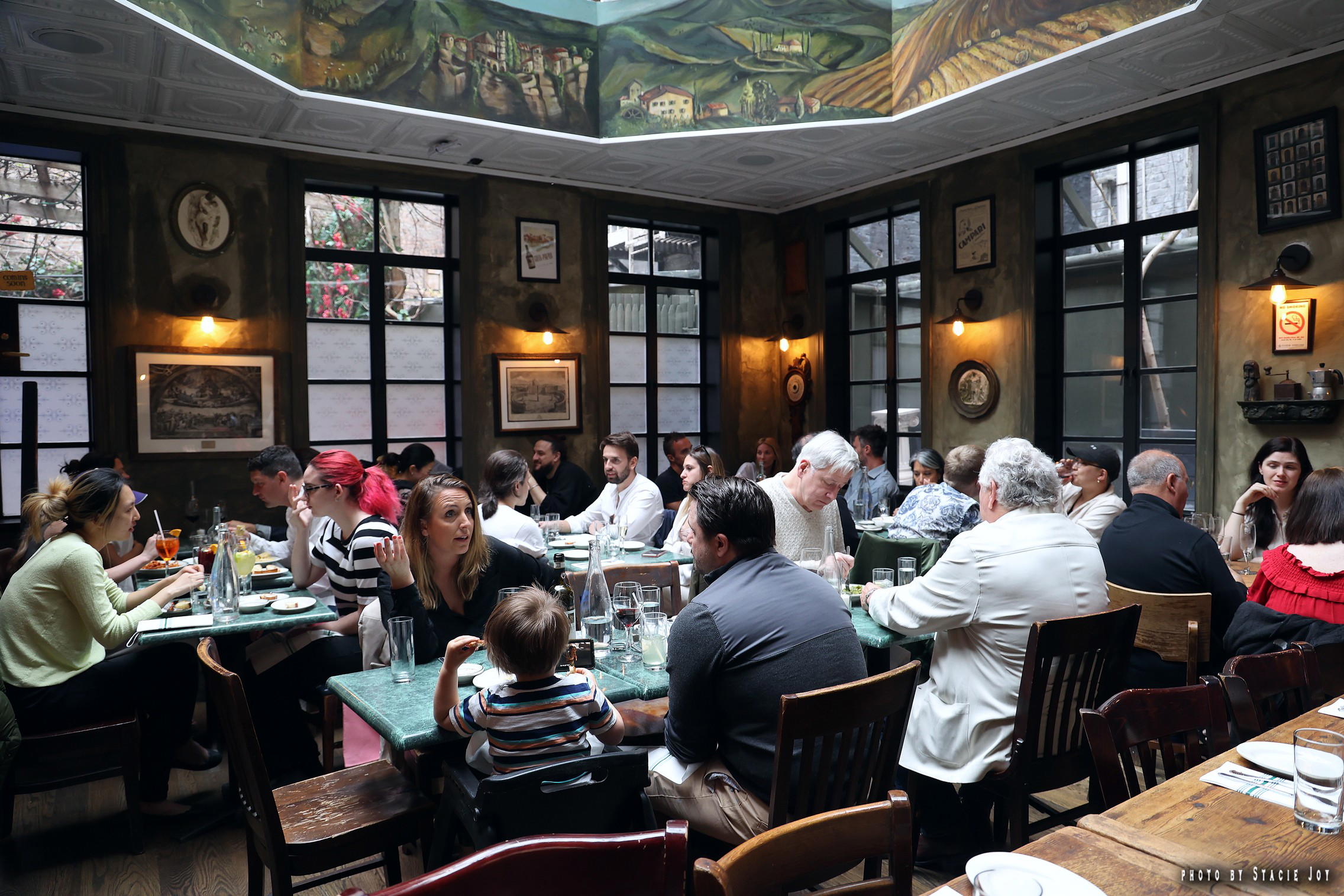
Bright and bustling cafeteria-style dining on the second floor of the fish market, with simple functional decor, lots of natural light, and views over the working harbor that create an energetic but relaxed, local-market feel.
Know Before You Go
- Reservations
- Walk in friendly
- Dress code
- Casual
- Getting there
- Japan, 〒935-0011 Toyama, Himi, Chuomachi, 7−1 漁業文化交流センタ 内