
In Nanao's Aioicho district, 幸寿し本店 represents the kind of neighbourhood sushi that Noto Peninsula residents have built their dining rhythms around for generations. The format here follows the unhurried pacing of regional Japanese dining rather than the high-pressure omakase theatre of Tokyo or Osaka. For visitors arriving from outside Ishikawa Prefecture, it offers a grounded entry point into how this coastline's seafood culture actually operates day to day.
Pearl is the En Primeur Club membership app — saves, bookings, and concierge access live there. Same editors, same standards.
- Address
- Japan, 〒926-0044 Ishikawa, Nanao, Aioicho, 30−1
- Phone
- +81767531274
- Website
- autoreserve.com
- Directions
- Get directions
 Saves & bookings on Pearl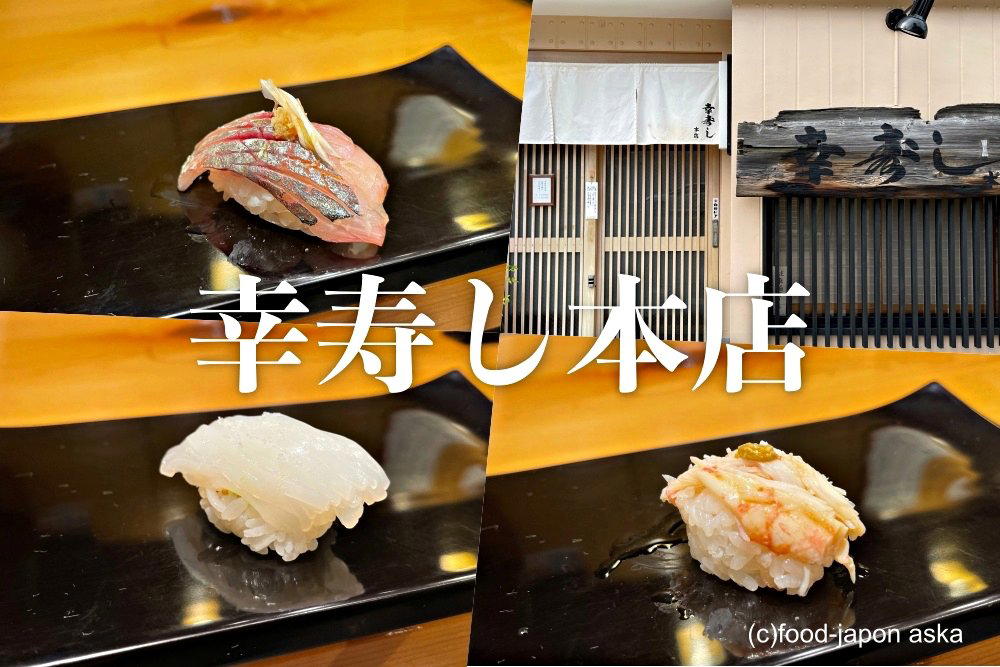
Where Noto's Seafood Ritual Begins
There is a particular quality to dining in a Japanese fishing-port town that no amount of metropolitan refinement can replicate. Nanao sits at the inner curve of Noto Peninsula, where the Nanao Bay system produces shellfish and white-fleshed fish that supply restaurants across Ishikawa Prefecture and well beyond. The town's sushi culture has developed not around prestige competition but around access: when the day's catch is this close to the source, the meal is less a performance than a conversation between the kitchen and the water outside.
幸寿し本店, located at 30-1 Aioicho in central Nanao, operates within that tradition. The address places it in a working part of the city rather than a curated dining district, and that positioning matters. In Japanese regional dining, the absence of a tourist-facing frontage is often the most accurate signal of a place that functions primarily for the people who live there.
The Rhythm of a Regional Sushi Meal
Understanding how a meal at a place like 幸寿し本店 unfolds requires some grounding in the customs that govern this category of restaurant across provincial Japan. The pacing is governed by the kitchen and the season, not by a fixed tasting menu architecture. Diners who arrive expecting the tightly choreographed progression of a Ginza omakase counter will find something different: a more conversational structure, where the selection reflects what the market offered that morning rather than a pre-designed narrative.
This distinction between metropolitan omakase theatre and regional sushi honesty is one of the defining tensions in Japanese dining right now. Counters at places like Harutaka in Tokyo or the kaiseki-adjacent seafood courses at Gion Sasaki in Kyoto are precision instruments calibrated for a global audience. Regional sushi-ya like 幸寿し本店 answer a different set of questions entirely: what is available, what is ready, and who is sitting at the counter today.
The etiquette expectations follow accordingly. In most regional sushi settings across Ishikawa, it is standard practice to eat nigiri as it is presented rather than setting pieces aside. Ginger is a palate cleanser, not a condiment applied to individual pieces. Soy sauce, if used at all for lightly seasoned fish, is applied sparingly. These are not rules enforced with ceremony but habits absorbed by locals who have been eating this way since childhood. For the first-time visitor, following the kitchen's lead rather than imposing external preferences is both respectful and practically useful.
Ishikawa's Seafood Geography
Nanao Bay's geography gives local kitchens an advantage that is difficult to overstate. The bay is semi-enclosed, which moderates water temperature and creates conditions favourable to oysters, clams, and the region's prized nodoguro (blackthroat seaperch). Nodoguro has attracted serious attention from Japan's restaurant world over the past decade: its fat content and texture make it an unusually versatile fish, appearing as sashimi, as grilled courses in kaiseki menus, and in sushi form at counters from Kanazawa to Osaka.
Ishikawa Prefecture's broader dining recognition has grown substantially since the Hokuriku Shinkansen extension brought Kanazawa within two and a half hours of Tokyo in 2015, a shift that accelerated food tourism across the region. Restaurants such as HAJIME in Osaka and Goh in Fukuoka represent the kind of technically ambitious dining that draws international attention to the broader Kansai and Kyushu regions; Ishikawa has developed its own quieter prestige built on ingredient provenance rather than technique spectacle.
Within Nanao itself, the dining options span several registers. Kawashima and Villa della Pace sit alongside 幸寿し本店 in the city's restaurant offering, reflecting the range from local Japanese formats to Western-influenced dining that has become common in mid-sized Japanese provincial cities. The full picture is covered in our Nanao restaurants guide.
How to Approach the Visit
Nanao is reachable by limited express train from Kanazawa on the JR Nanao Line, a journey of approximately one hour. Visitors combining a Noto Peninsula itinerary with Kanazawa's established dining circuit will find Nanao a logical stop, particularly in the months when the bay's seafood is at its seasonal peak. Spring and autumn tend to favour the widest range of local species, though Noto's winter oyster season draws its own dedicated following.
For 幸寿し本店 specifically, no booking platform or contact information is publicly listed, which places it in the category of neighbourhood restaurants where walk-in timing and local knowledge matter more than advance reservation systems. Arriving at conventional Japanese dining hours, around midday or in the early evening, and being prepared for communication in Japanese, will serve the visitor better than expecting the infrastructure of a restaurant oriented toward international guests. This is consistent with how comparable regional sushi-ya operate throughout Ishikawa and the broader Hokuriku region.
Visitors who have already worked through the more internationally accessible tier of Japanese fine dining, whether at counters such as akordu in Nara or the ambitious tasting formats found at Atomix in New York City, will find that the shift to a place like 幸寿し本店 requires a different kind of attention. The signals here are quieter. The quality is carried in the fish itself rather than in the surrounding production.
For Japanese regional dining more broadly, comparable local-institution sushi formats can be found in other provincial contexts: 湖鱒荘 in Takashima and 嵐峰屋 in Nishikawa Machi each represent the same broader category of restaurant where local ingredient access defines the proposition more than any formal critical standing. The experience in each case is inseparable from its geography.
How 幸寿し本店 Nanao compares with similar nearby venues.
| Venue | Price | Awards |
|---|---|---|
| 幸寿し本店 | Not listed | Tabelog 100 #68 (2025) |
| Italian Gelato Cerchio | JPY 999 - JPY 999 View spending breakdown | Not listed |
| Okonomiyaki Hiranoya | JPY 2,000 - JPY 2,999 JPY 1,000 - JPY 1,999 | Not listed |
| LE MUSEE DE H Wakura ten | JPY 999 | Not listed |
Recognition history
Dated appearances from independent guides and award organizations, with the underlying list record or original source where available.
Tabelog 100 #68 · No. 68
Tabelog · Tabelog 100 - Sushi - WEST - 2025
Continue exploring
More in Nanao
Restaurants in Nanao
Browse all →
Bars in Nanao
Browse all →
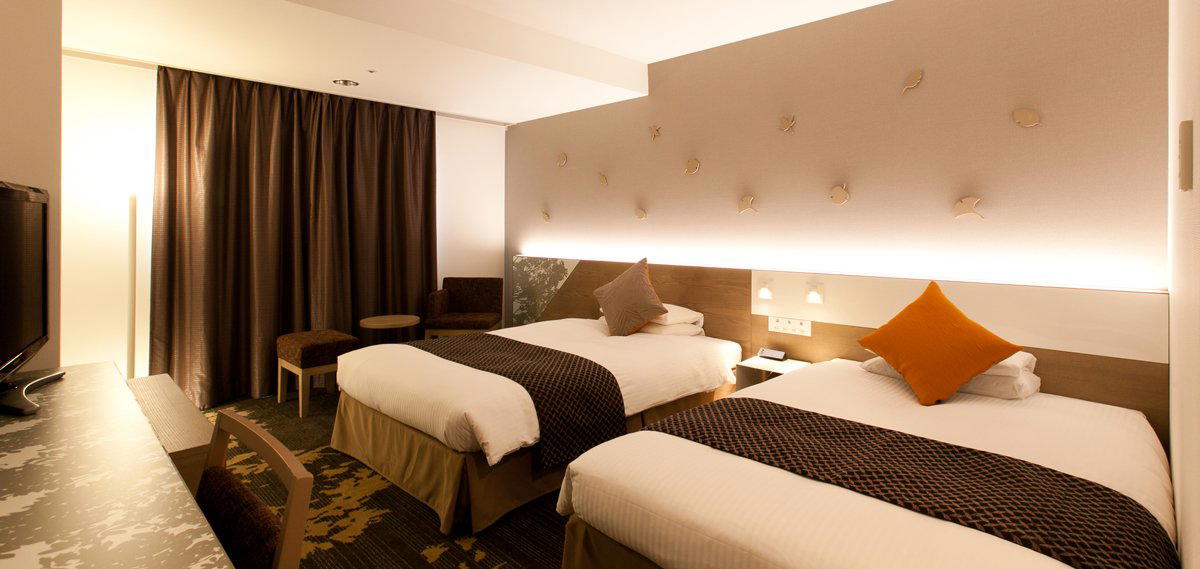
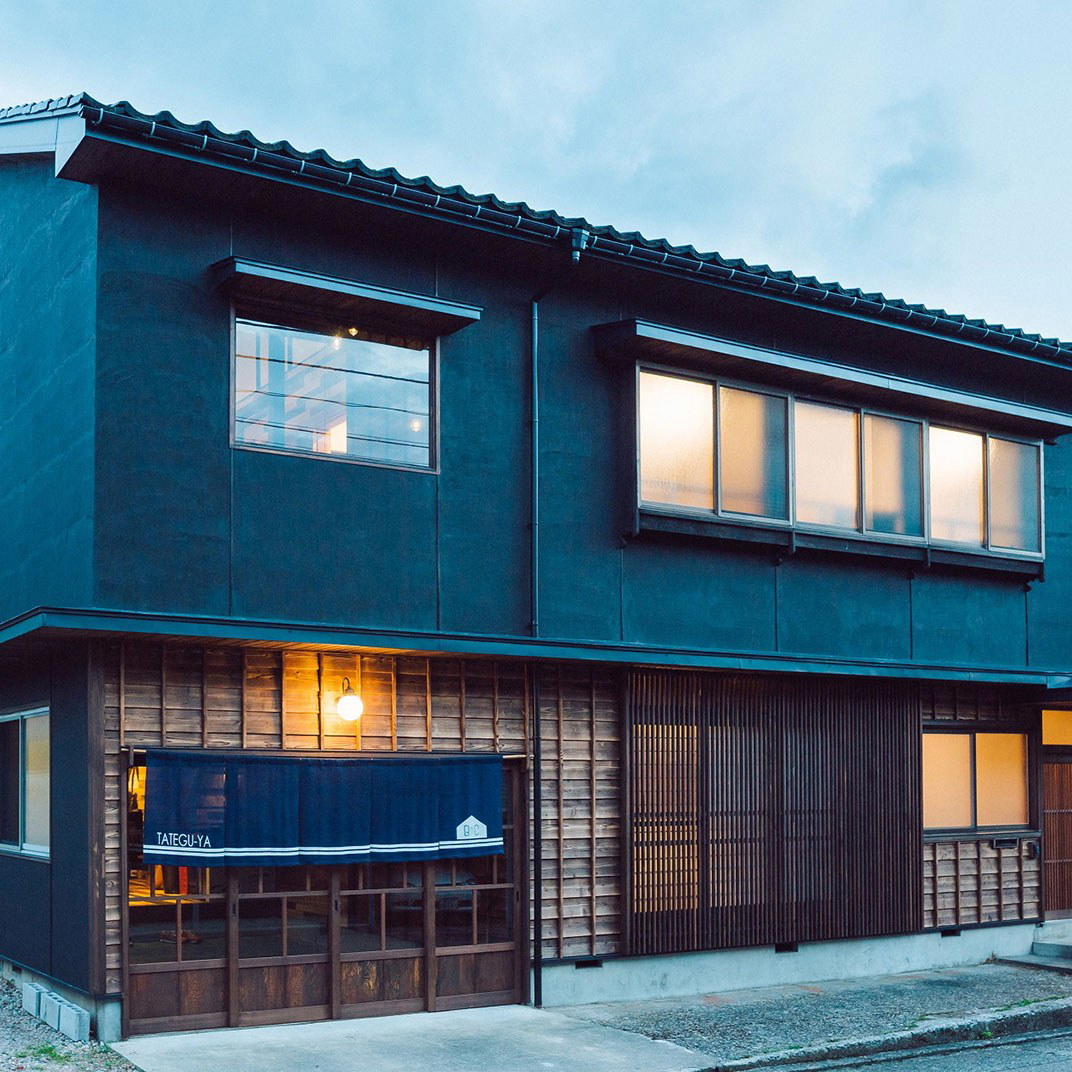
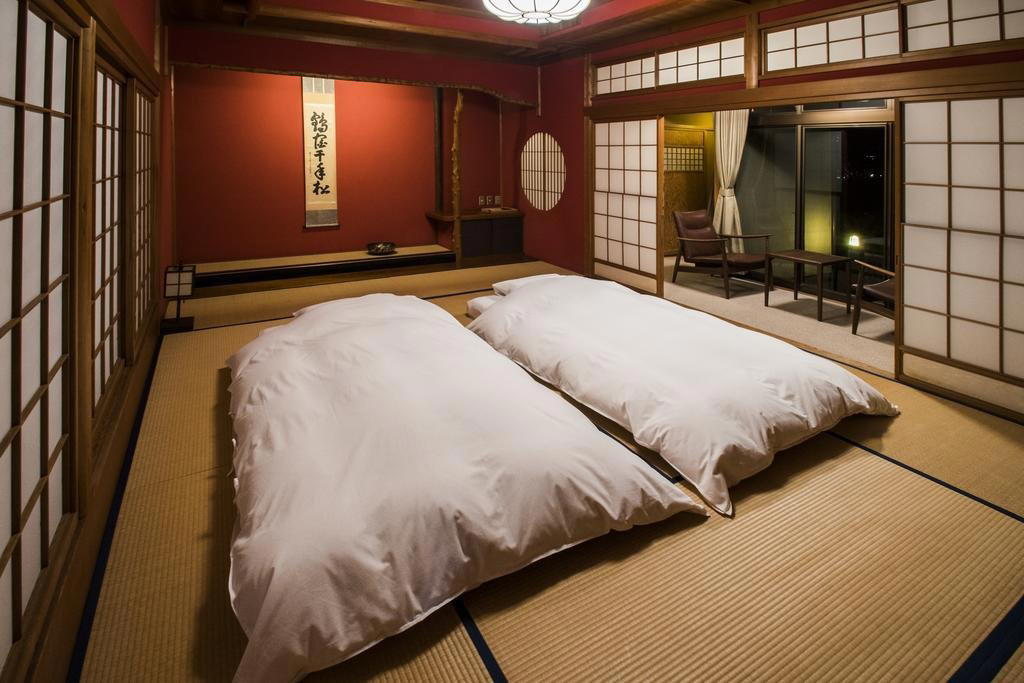
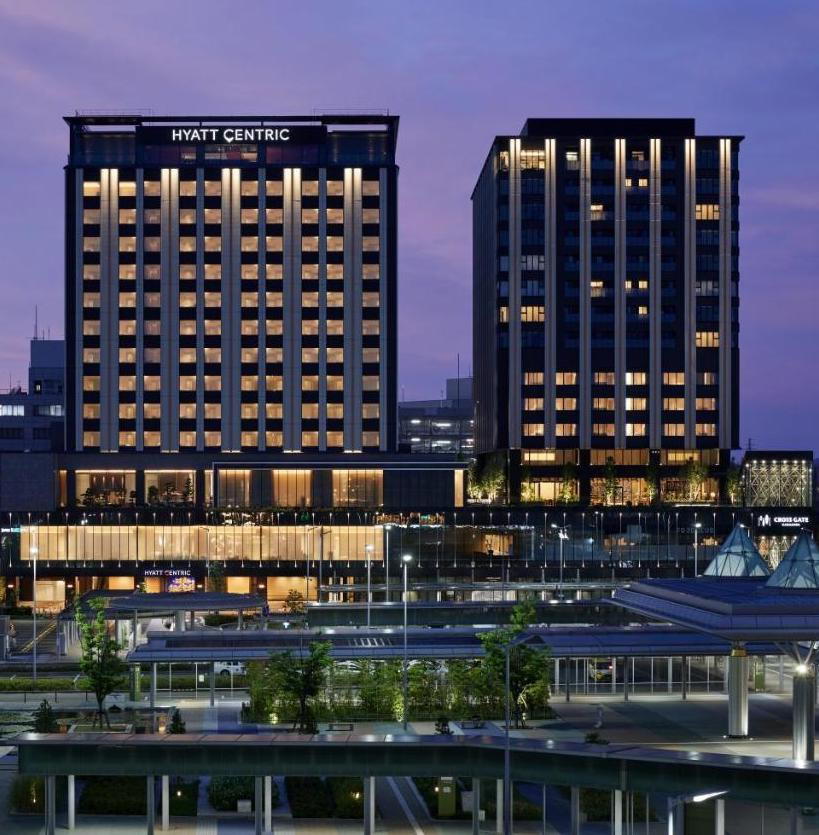
Hotels in Nanao
Browse all →
Wineries in Nanao
Browse all →
At a Glance
- Classic
- Cozy
- Family
- Casual Hangout
- Sake Program
- Local Sourcing
- Sustainable Seafood
Current opening hours
- Monday
- Closed
- Tuesday
- 11:30 AM–2 PM, 5–8 PM
- Wednesday
- 11:30 AM–2 PM, 5–8 PM
- Thursday
- 11:30 AM–2 PM, 5–8 PM
- Friday
- 11:30 AM–2 PM, 5–8 PM
- Saturday
- 11:30 AM–2 PM, 5–8 PM
- Sunday
- 11:30 AM–2 PM, 5–8 PM
Hours can change for holidays and private events. Last verified .
Casual counter and tatami seating with a welcoming family-friendly atmosphere.
Know Before You Go
- Getting there
- Japan, 〒926-0044 Ishikawa, Nanao, Aioicho, 30−1