Most Wanted Burger operates out of Berner Heerweg in Hamburg's eastern residential belt, a neighbourhood that prizes neighbourhood loyalty over destination dining. The address places it squarely in Hamburg's casual, community-first eating scene, where the burger format is judged less on spectacle and more on consistency and craft. For visitors looking beyond the city's fine-dining corridor, this is a useful reference point.
Pearl is the En Primeur Club membership app — saves, bookings, and concierge access live there. Same editors, same standards.
- Address
- Berner Heerweg 111, 22159 Hamburg, Germany
- Phone
- +494029857044
- Website
- mostwantedburger.de
- Directions
- Get directions
 Saves & bookings on Pearl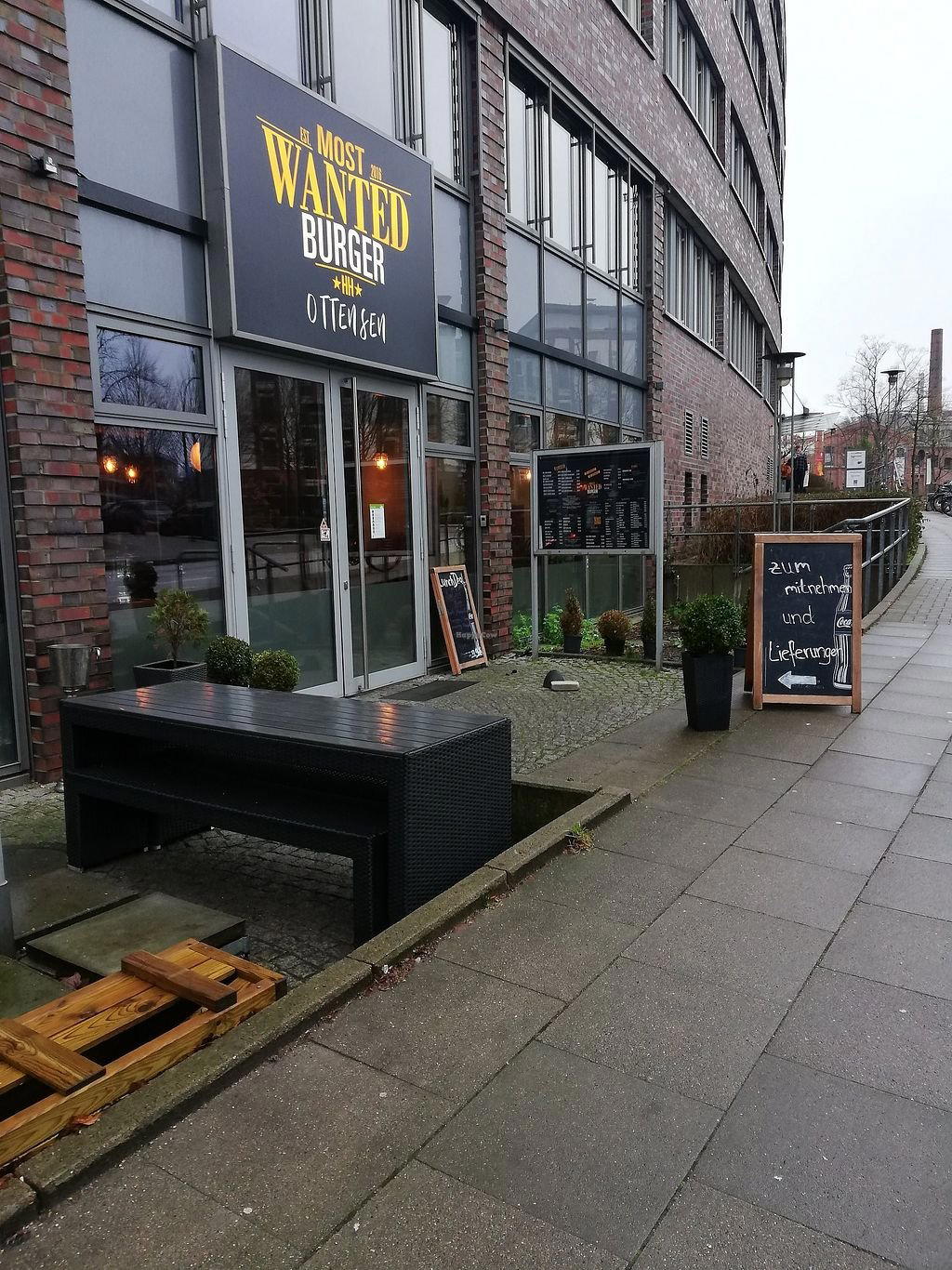
Berner Heerweg and the Burger Format in Hamburg's Outer Neighbourhoods
Hamburg's dining conversation tends to orbit the inner city and the Elbe waterfront, where Michelin-starred addresses like Restaurant Haerlin and The Table Kevin Fehling set the high-water mark for the city's creative ambition. But Hamburg also has a parallel track: neighbourhood restaurants that serve the residential east and northeast, where the expectation is reliability, value, and a room that feels like it belongs to the community rather than the guidebook. Most Wanted Burger sits on Berner Heerweg, a commercial strip in the Rahlstedt-adjacent zone of Hamburg 22159, where the built environment is functional rather than photogenic. Approaching from the street, this is not a design-led room engineered for social-media impact. The neighbourhood itself signals the register: this is somewhere people return to weekly, not annually.
That geographic positioning matters in the context of the German burger market as a whole. The category has shifted significantly over the past decade, moving from fast-food association toward what food writers sometimes call the "craft" tier, characterised by patties ground in-house, buns sourced from local bakeries, and sauces assembled from scratch. Cities like Berlin, Munich, and Hamburg all have their own versions of this story, with operators in Berlin's dining scene often receiving more editorial attention than their Hamburg counterparts. Most Wanted Burger operates in the part of the market that the food press rarely visits but that sustains the actual eating habits of a city: neighbourhood-anchored, repeat-customer driven, and priced for regular use rather than special occasions.
Burger-focused restaurants in Germany's residential neighbourhoods tend to share a set of environmental cues. Counters or open kitchens make the production process visible. Music is present but rarely a design statement. Lighting is practical. The sensory atmosphere is built around smell before sight: cooking fat, toasted bread, and the particular warmth of a busy flat-leading grill create an environment where the promise is immediate rather than theatrical. These are rooms that work hard during the lunch and early evening rush and quiet down late, without the extended service culture of Hamburg's fine-dining addresses like 100/200 Kitchen or bianc.
The Berner Heerweg address places Most Wanted Burger in a zone that draws from a local catchment rather than a city-wide or tourist one. For a burger operator, this is a meaningful constraint: the menu has to earn repeat business, which tends to produce tighter, more confident editing than the sprawling formats that destination-focused burger restaurants sometimes develop.
Germany's relationship with the burger is more nuanced than the international fast-food shorthand suggests. The country has a long tradition of minced-beef preparations, and the Hamburg connection to the patty form is documented, if contested, in culinary history. Contemporary German craft-burger operators have drawn on that history while also absorbing influences from American smash-burger technique, Japanese wagyu sourcing, and Korean condiment culture, producing a category that varies more by city and operator than the format's apparent simplicity would suggest.
In Hamburg specifically, the burger sits at an interesting intersection. The city's port heritage and international trading history have always made it receptive to food cultures from elsewhere, and the burger format benefits from that openness. At the same time, Hamburg diners have options across the price and ambition spectrum, from high-concept tasting menus at addresses like Lakeside to the kind of unpretentious neighbourhood cooking that Berner Heerweg represents. The craft-burger tier occupies a middle register: more considered than fast food, less formal than the modern European cooking that defines Hamburg's Michelin circuit. For a broader map of where Germany takes its fine dining, addresses like Aqua in Wolfsburg, JAN in Munich, and Schwarzwaldstube in Baiersbronn define one end of the national range; the restaurant operates comfortably at the other, without apology.
For visitors to Hamburg who have already worked through the city's headline restaurant list, the eastern residential belt offers a different kind of reading of the city. Rahlstedt and its surrounding districts are where Hamburg lives rather than performs, and the food options here reflect that. Berner Heerweg 111 is not within walking distance of the Alster lakes or the Speicherstadt, and that's the point. The commute from the city centre is the price of accessing a room built for locals rather than tourists.
This is a dynamic that Hamburg shares with other German cities. In the broader national picture, venues that hold serious culinary ambitions and attract long-distance visitors tend to cluster in defined cultural zones, while the day-to-day eating life of a city happens in its residential margins. Operators like Vendôme in Bergisch Gladbach or Waldhotel Sonnora in Dreis demonstrate that serious cooking can exist well outside urban centres; the restaurant makes a different but equally coherent argument, that neighbourhood utility is its own form of relevance.
Germany's wider restaurant geography also includes addresses worth knowing for any serious eating trip: ES:SENZ in Grassau, Schanz in Piesport, Bagatelle in Trier, and Victor's Fine Dining by Christian Bau in Perl all sit in the country's high-ambition tier. The restaurant belongs to a completely different register, but understanding where a venue sits in the full range is how you decide whether a detour is worth making.
Know Before You Go
- Address: Berner Heerweg 111, 22159 Hamburg, Germany
- Neighbourhood: Eastern Hamburg, Rahlstedt-adjacent residential district
- Website: Not listed
- Booking: Walk-in friendly
- Price range: About USD 15 per person
- Getting there: Berner Heerweg 111, 22159 Hamburg, Germany
Cuisine and Recognition
Comparable venues nearby, for context on price, style, and recognition.
| Venue | Cuisine | Price | Notes |
|---|---|---|---|
| Most Wanted BurgerThis venue — the venue you are viewing | Gourmet Stacked Burgers | $$ | Not listed |
| Burger Village | American Burgers | $$ | Altona-Altstadt |
| Bun's Streetfood | Gourmet Street Food Buns | $$ | Eimsbuttel |
| Café Kaltehofe | German Café with Hearty Dishes and Cakes | $$ | Peute |
| Bullerei | Modern German Grillhouse | $$ | Sternschanze |
| Ottensener Foodkitchen | Casual Burgers & Grilled Street Food | $ | Bahrenfeld |
Continue exploring
More in Hamburg
Restaurants in Hamburg
Browse all →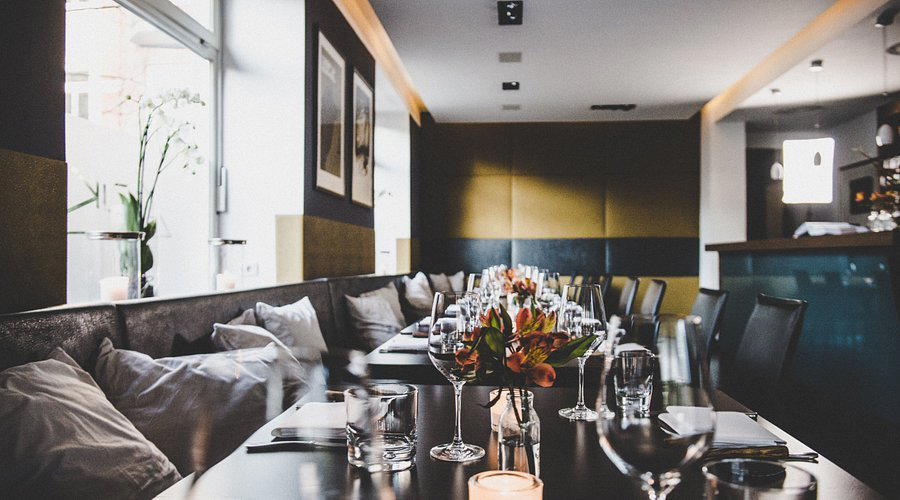
At a Glance
- Trendy
- Lively
- Modern
- Casual Hangout
- Group Dining
- Open Kitchen
- Local Sourcing
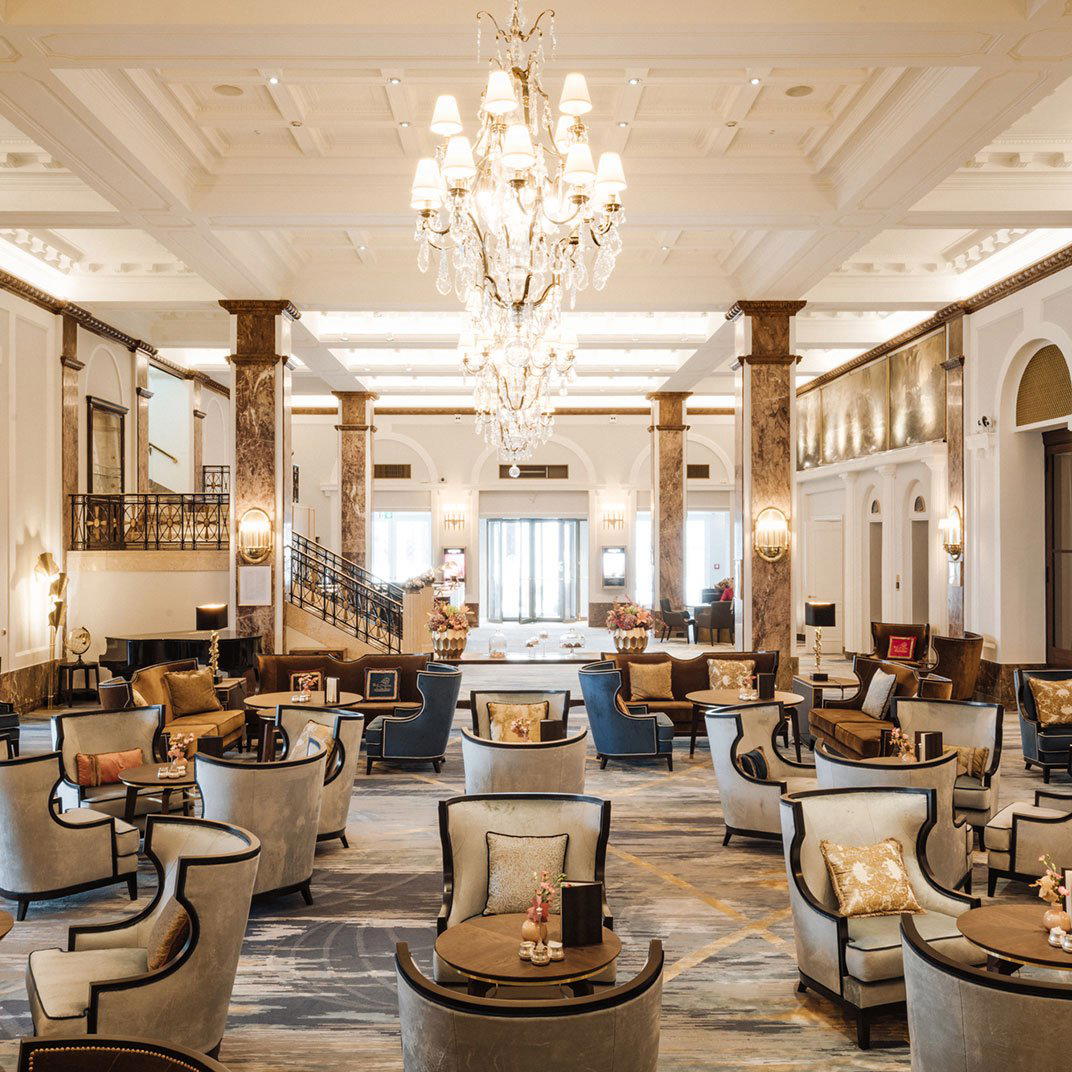
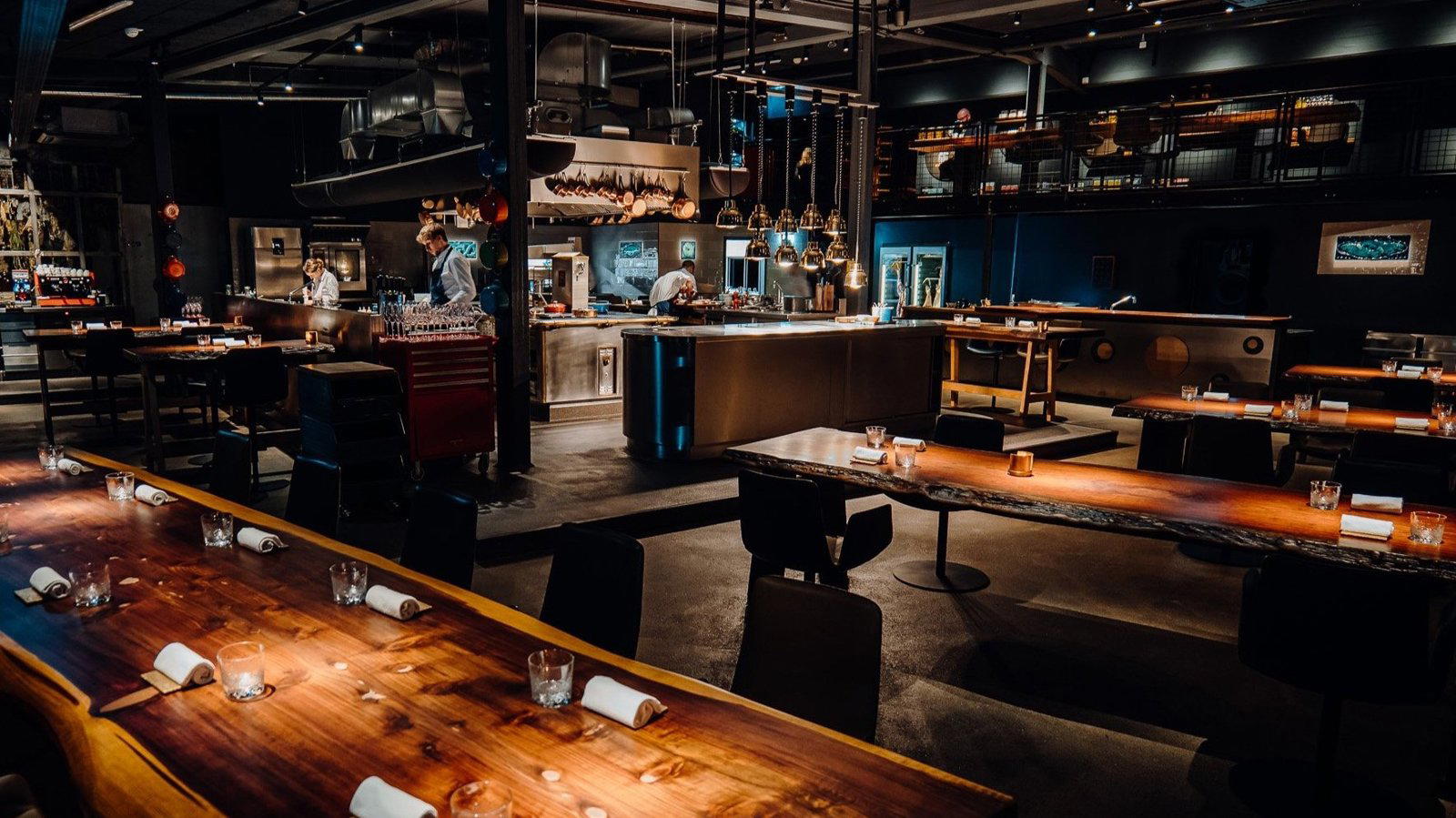
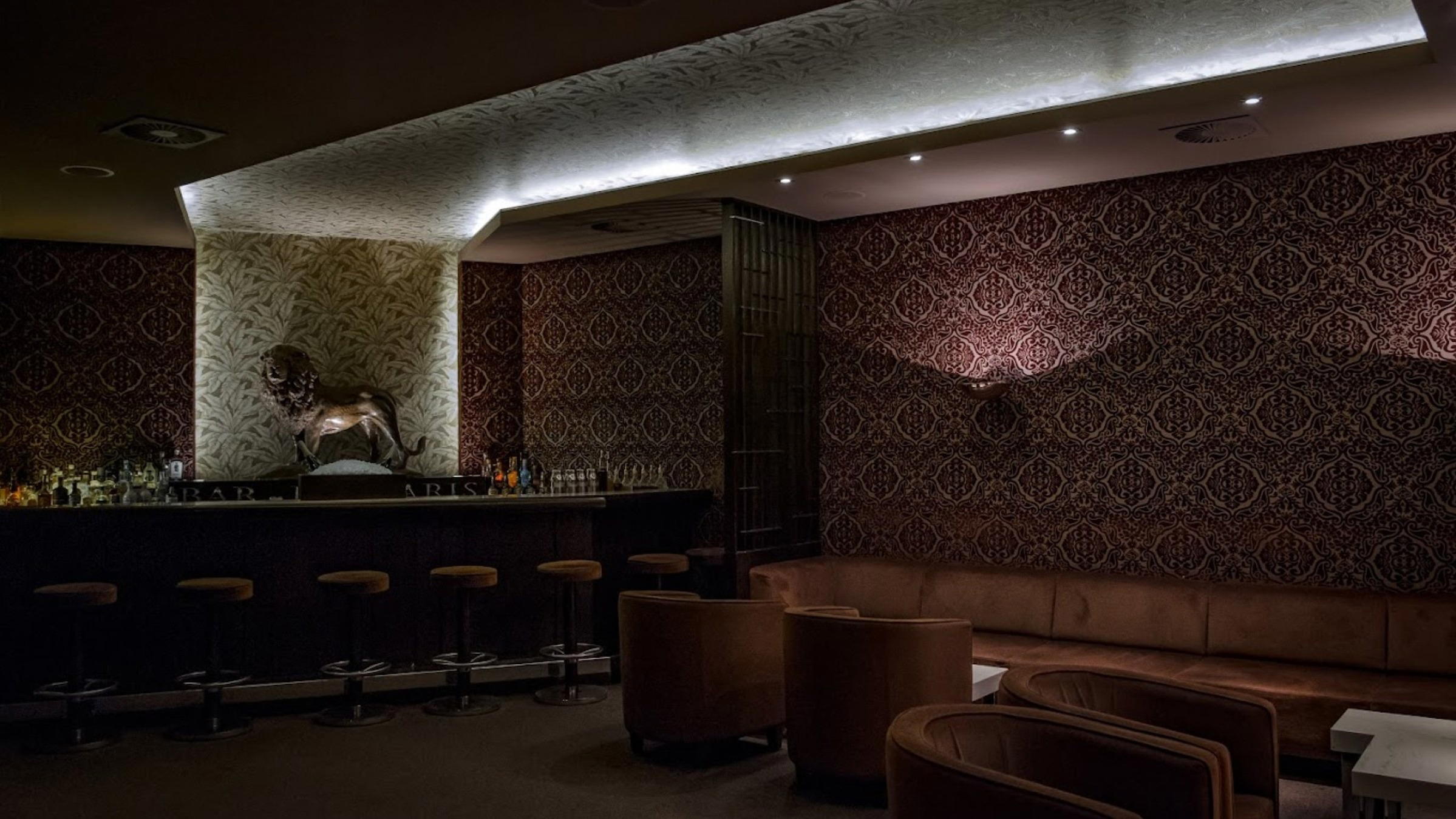
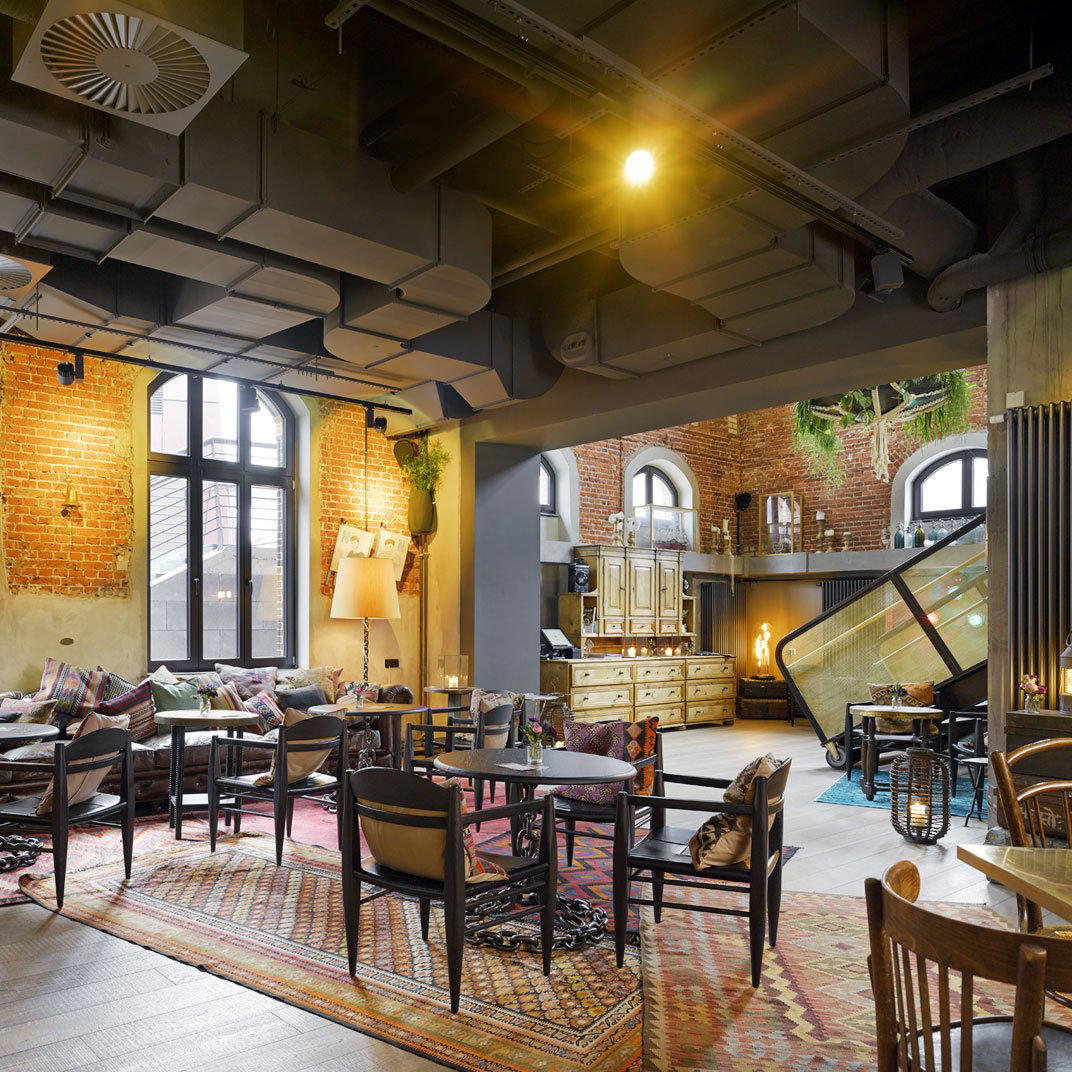
Cozy and modern grill joint atmosphere with a casual, scene-driven vibe.